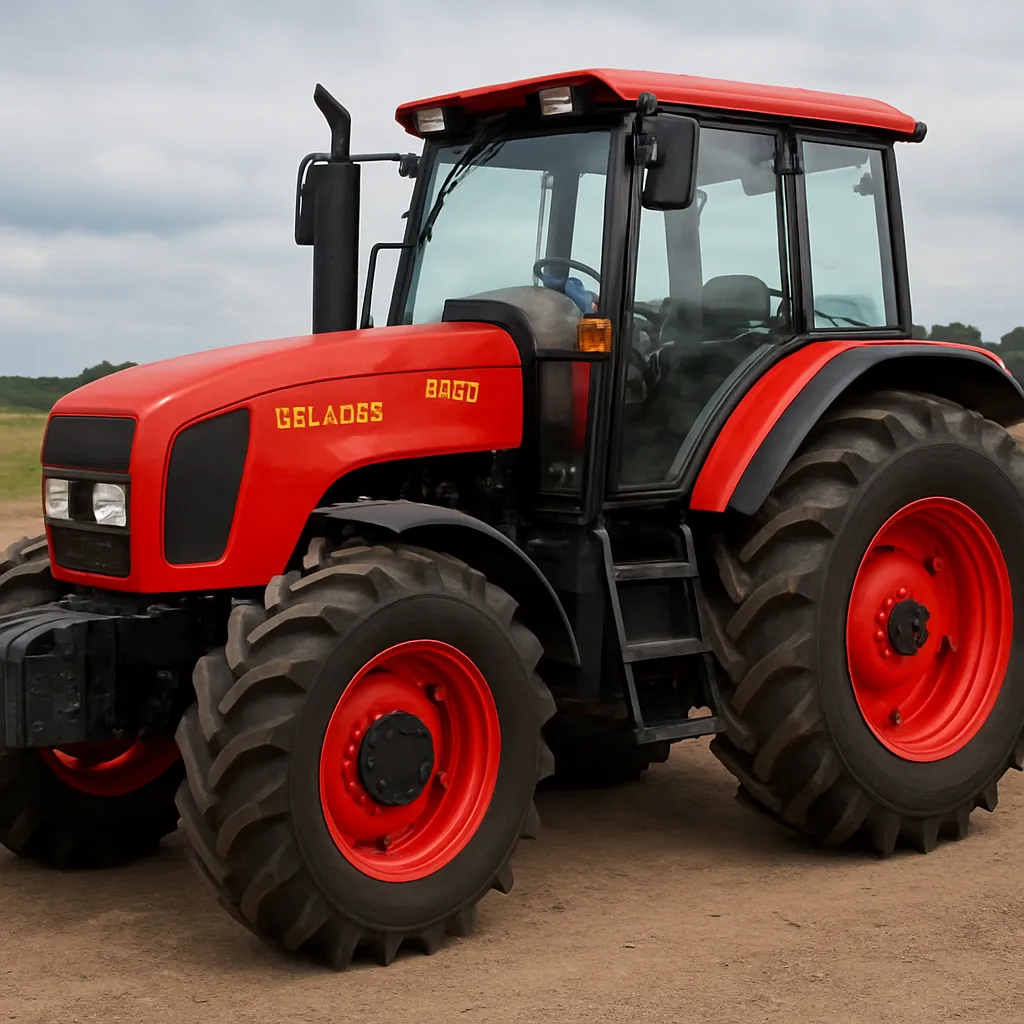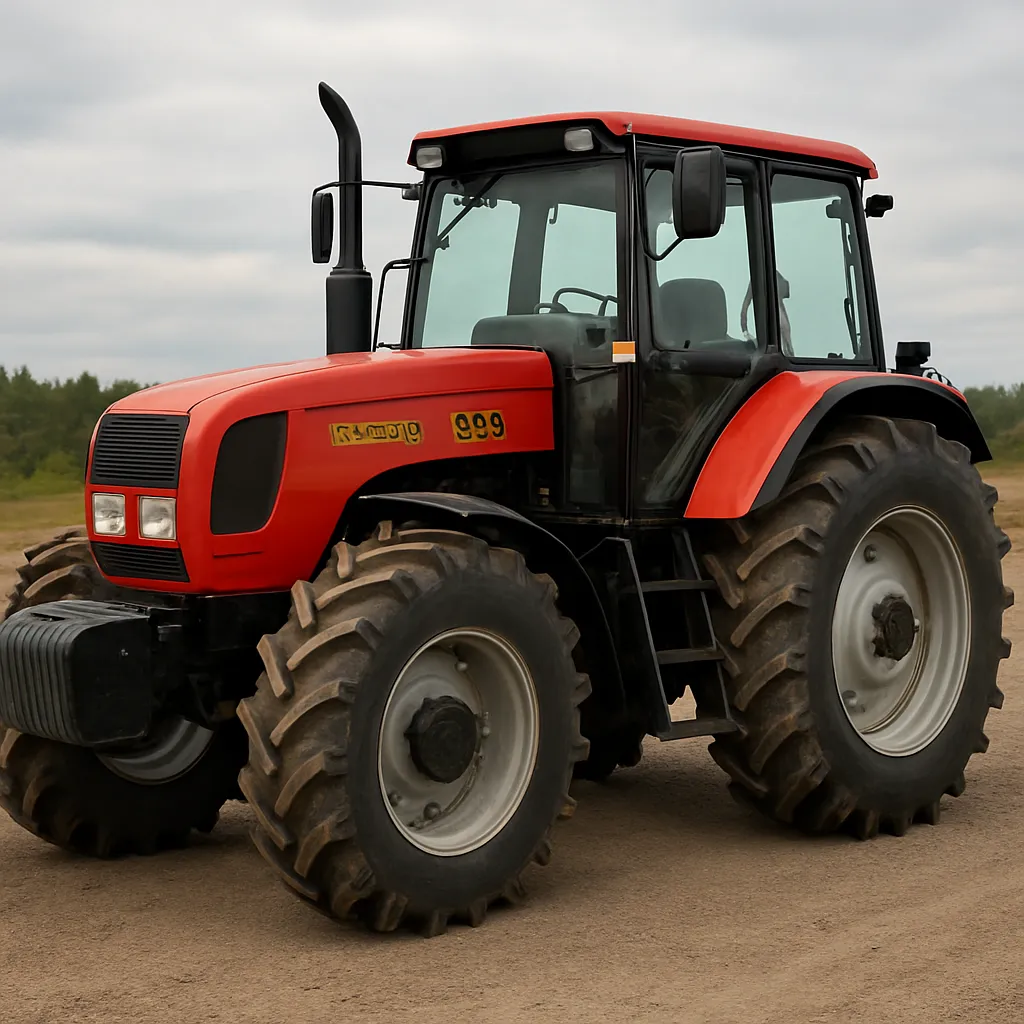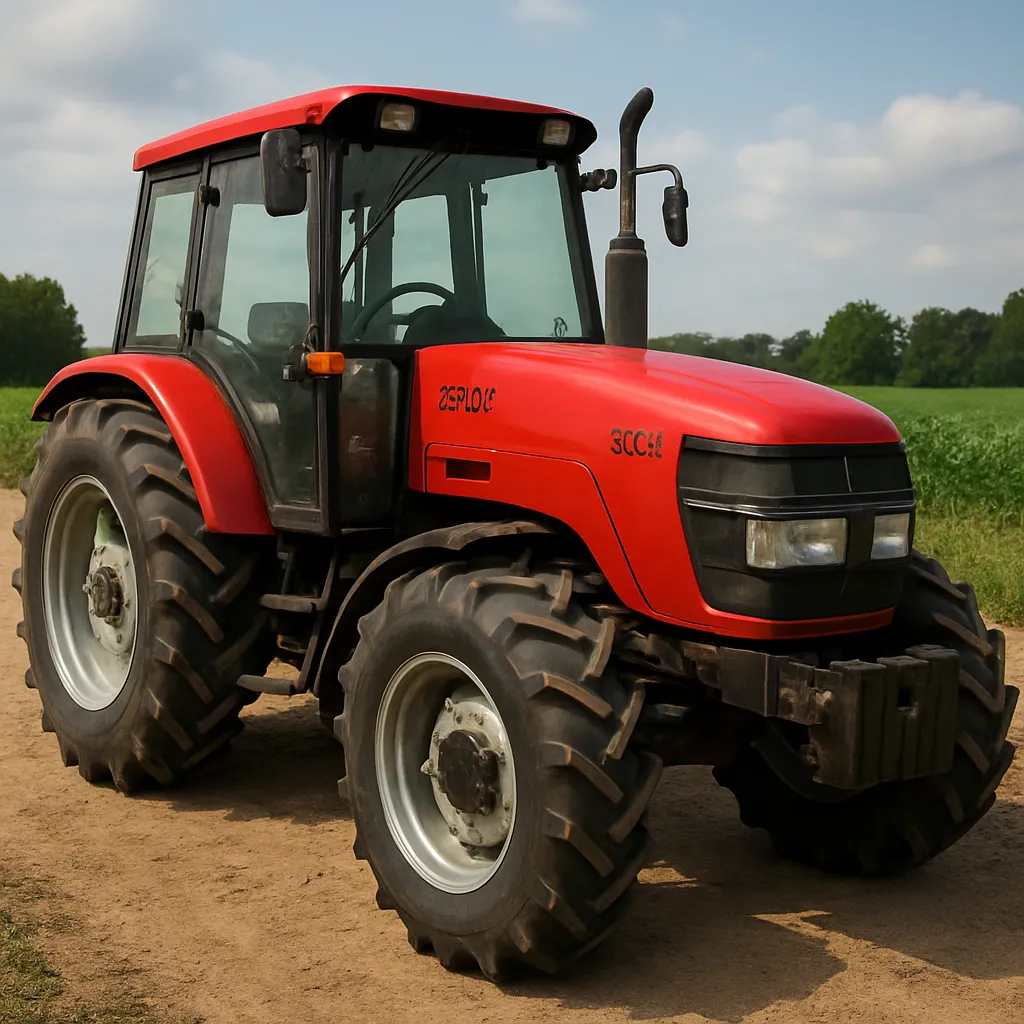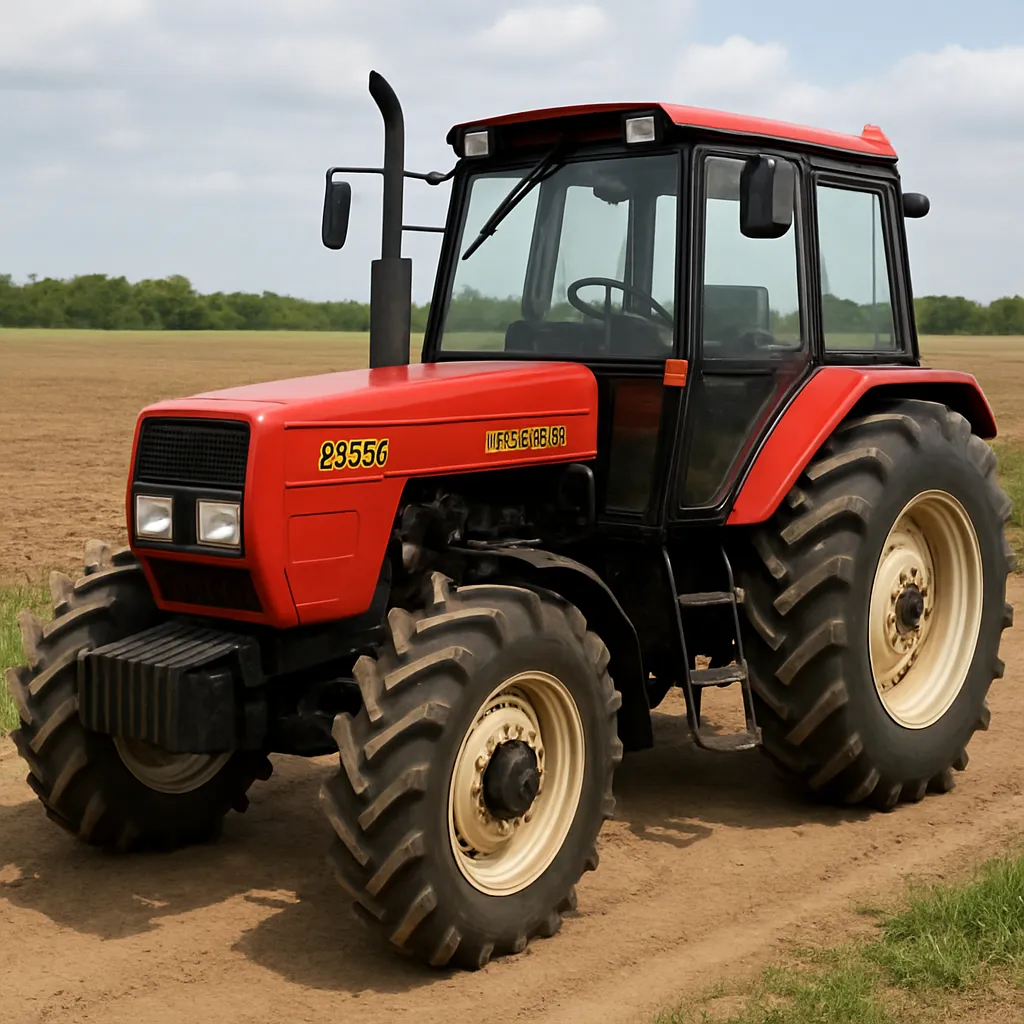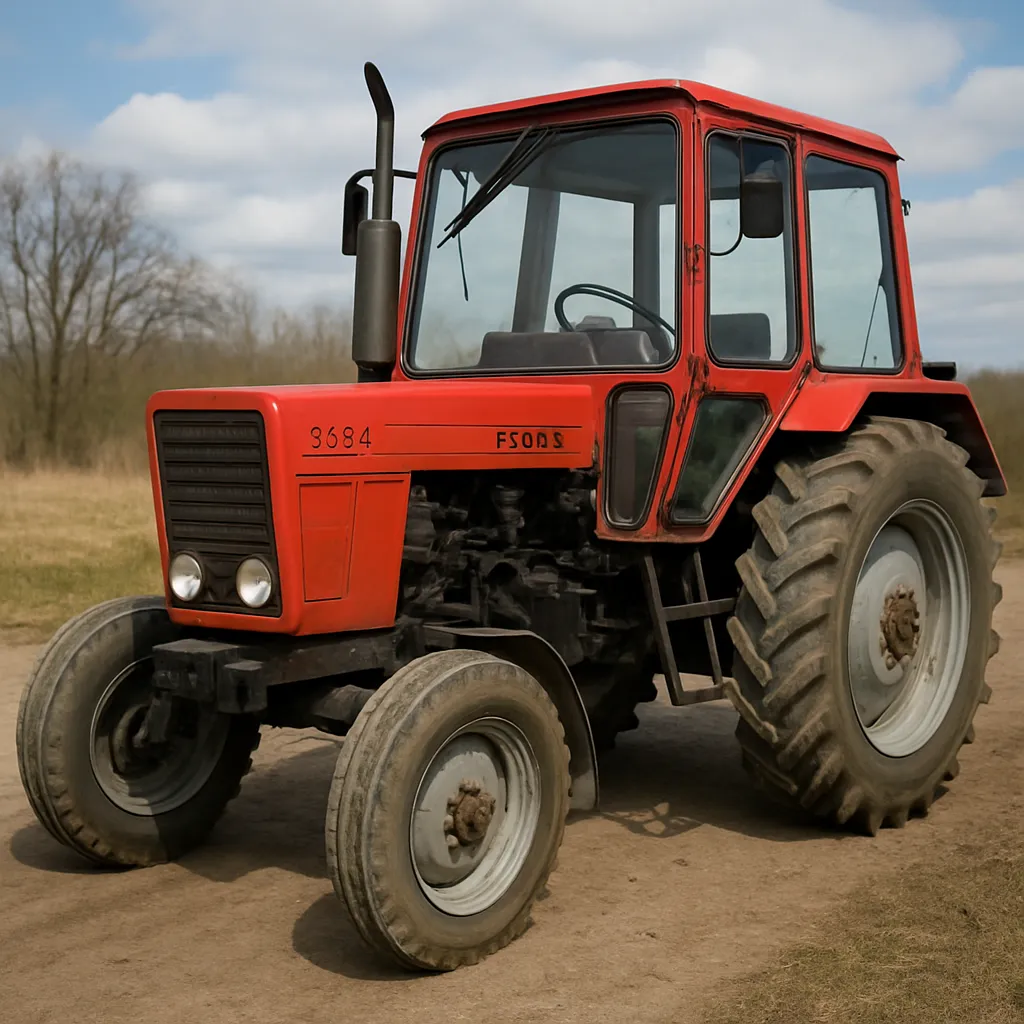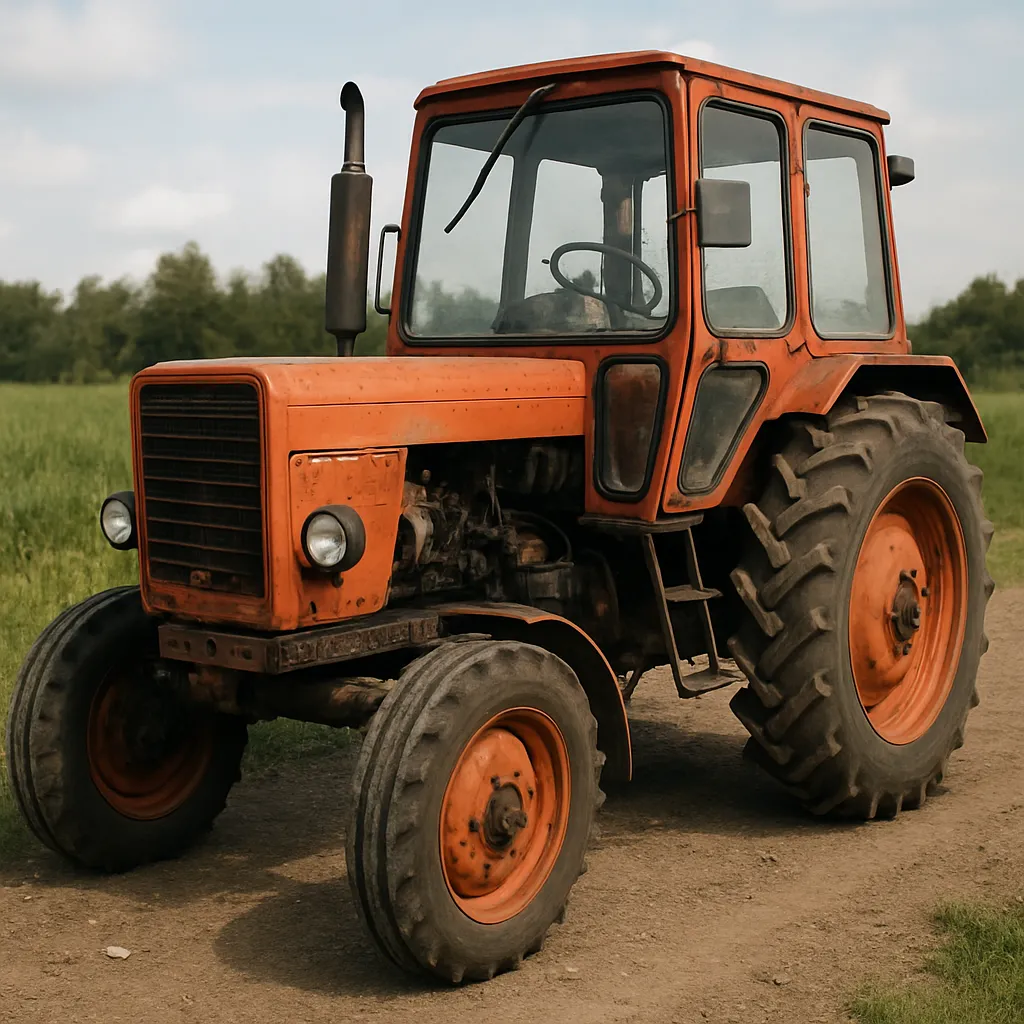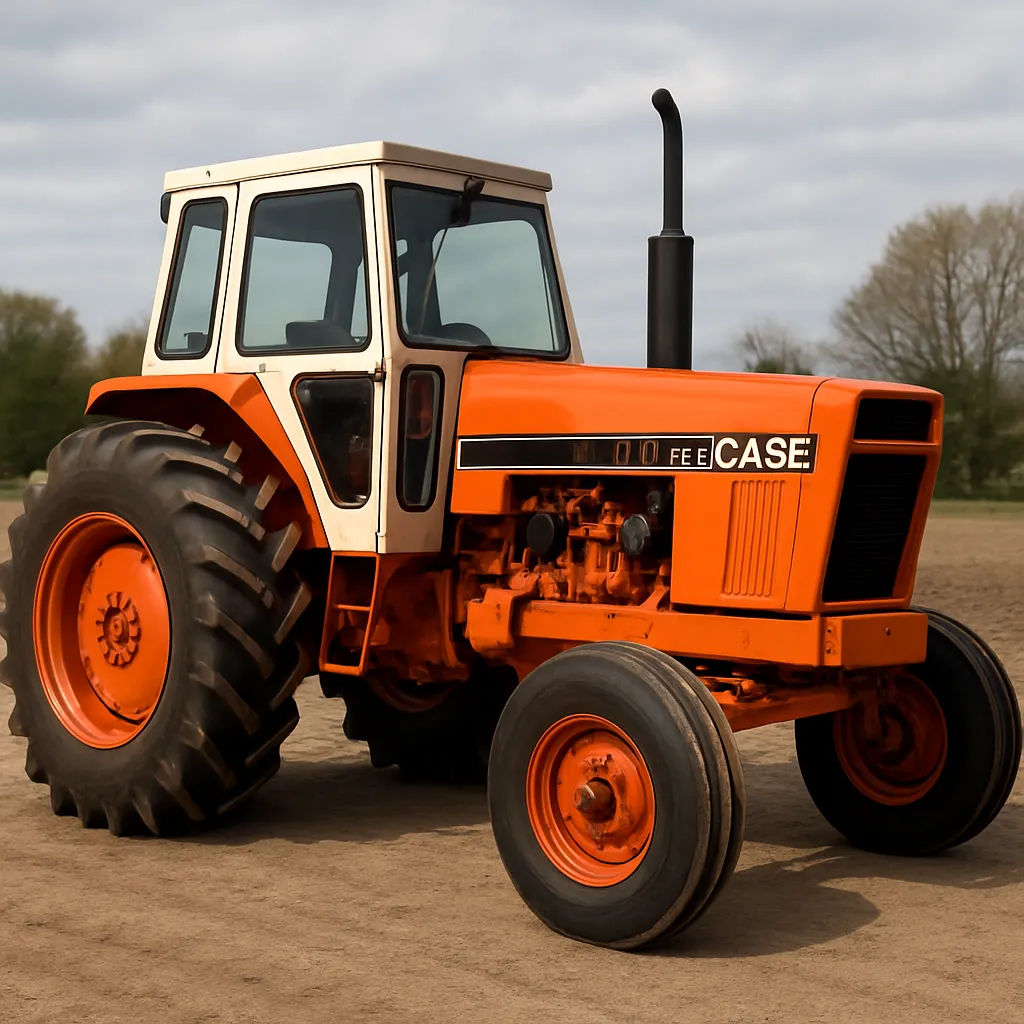
The Case 1370 Turbo has earned a solid reputation among farmers and contractors for its blend of simple engineering, dependable performance and practical versatility. Originally positioned as a mid-to-upper-range row-crop and utility tractor, the Case 1370 Turbo is notable for its robust, turbocharged diesel engine, user-friendly controls and adaptability to a wide range of implements. This article explores the model’s background, typical specifications, primary applications, maintenance needs and market considerations, and offers practical advice for owners and prospective buyers.
Overview and historical context
The Case 1370 Turbo is part of Case (and later Case IH) tractor lineups that sought to combine agricultural performance with operator comfort and serviceability. While exact production dates and regional availability varied, the model was most commonly encountered from the late 1970s through the 1990s in many markets. It was designed to serve farmers needing a reliable workhorse capable of handling medium-to-heavy field tasks without the complexity or cost of larger high-horsepower machines.
From the outset, the emphasis for the 1370 Turbo was on a durable powerplant, straightforward mechanical systems and compatibility with a broad array of implements. Its name, incorporating the numeric model designation and the “Turbo” suffix, points to the presence of forced induction on the engine—an important feature that delivers improved torque and better performance under load compared with naturally aspirated counterparts.
Technical characteristics and common specifications
The Case 1370 Turbo typically features a rugged inline multi-cylinder diesel engine with turbocharging to enhance low-end torque and overall pulling capacity. While factory outputs and configurations varied by market and year, the following are commonly reported characteristics and technical figures that prospective owners and enthusiasts consider when evaluating this tractor.
- Engine: Inline 4- or 6-cylinder diesel engine, turbocharged for improved torque response.
- Horsepower: Rated PTO power is often reported in the range of approximately 110–140 hp, depending on tuning, emissions equipment and regional rating standards.
- Transmission: Manual or semi-automatic options were available in multiple speed ranges (e.g., 8×2, 12×12 or similar configurations), some versions offering synchromesh or crawler gear choices for heavy draft work.
- PTO: Standard PTO speeds typically include 540 rpm and sometimes 1000 rpm, enabling compatibility with a wide variety of implements.
- Hydraulics: Open-center hydraulic systems with single or dual remote valves were common; lift capacity at the rear 3-point hitch often ranged from approximately 1,500 to 4,000 kg (3,300 to 8,800 lb), depending on specification and installed equipment.
- Fuel capacity: Tanks usually held between 120 and 200 liters, allowing for long operating cycles between refills.
- Weight: Operating weight typically falls in the 4,500–6,500 kg (9,900–14,300 lb) range, influenced by configuration, ballast and front weights or loader installations.
- Top speed: Road speed could reach roughly 30–40 km/h (18–25 mph) on higher-speed gearing options.
- Electrical: 12V systems with starter motors and alternators sized to support lighting, charging and optional accessories.
These figures should be taken as representative ranges rather than absolute values for every unit: model variations, regional spec changes and aftermarket modifications mean individual tractors can differ. Nevertheless, the consistent theme is a focus on robust mechanicals and field-oriented capability.
Primary applications and practical uses
The Case 1370 Turbo was designed to be a true allrounder for mid-sized farms and contracting operations. Its combination of torque, weight and implement compatibility made it useful across several farm sectors.
Arable farming and tillage
For ploughing, heavy cultivation and seedbed preparation, the turbocharged engine delivers the low-end grunt needed to keep implements moving through dense soil. Users often employed the 1370 with mounted and trailed ploughs, discs, subsoilers and cultivators. The relatively high lift capacity and durable drawbar hardware supported larger implements than pure utility tractors.
Hay and forage operations
Haymaking, mowing and baling tasks require reliable PTO power and steady torque. The 1370’s PTO setup and hydraulic control made it suitable for mowing units, tedder/rake combinations and round or square balers. Its steady power delivery helps maintain consistent bale density and throughput across variable field conditions.
Livestock and mixed farms
On mixed farms the 1370 was often fitted with front loaders, feed mixers or silage equipment. Its lifting capacity and engine torque supported loader work for barn clean-out, bale handling and general material movement. The tractor’s moderate size allowed operations in yards and tight farmsteads where larger tractors would be cumbersome.
Contracting and transport
Contractors used the Case 1370 Turbo for a variety of services: secondary tillage, road-side mowing, spreading and transport tasks. With higher-speed gearing options, it functioned reasonably well on farm-to-field transport jobs, where a balance of engine power and road speed is beneficial.
Operator experience and ergonomics
Operator comfort on the Case 1370 Turbo reflects the era of its design: functional cabs (or optionally open stations) with straightforward instrumentation and controls. While later tractors emphasize digital displays and ergonomic seating, the 1370 favors simplicity—controls are mechanically intuitive, and many owners appreciate the uncomplicated layout for quick troubleshooting and repairs.
- Cab and canopy options are often basic but offer good visibility for implement work.
- Seat suspension varies by package; many owners upgrade seats for long-day comfort.
- Control placement emphasizes accessibility for hydraulic levers, PTO engagement and gear selection.
For operators accustomed to modern tractors, the 1370 may feel spartan, but many value the tactile, mechanical feedback and the ability to service systems without specialized diagnostics.
Maintenance, common issues and longevity
Longevity is one of the main selling points for the Case 1370 Turbo. With routine care and timely replacement of wear items, these tractors commonly reach very high service hours. Key maintenance practices and typical issues include:
- Maintenance: Regular oil and filter changes, turbocharger inspection, fuel system cleaning and valve adjustments keep the engine healthy. Greasing linkages and checking hydraulic fluid levels prevent premature wear on three-point and lift systems.
- Turbo care: The turbocharger benefits from warm-up and cool-down routines—idling for a minute after heavy load work can reduce oil coking and extend turbo life.
- Cooling system: Radiator cleanliness and coolant checks are essential, particularly when operating in dusty or hot climates. Overheating can quickly accelerate component wear.
- Transmission and clutch: Mechanical transmissions with synchromesh require correct use and occasional clutch adjustments. Monitoring for slipping or abnormal noises helps catch issues early.
- Electrical systems: Alternator output and battery condition influence starting reliability; corrosion at terminals is a common low-cost fix.
- Common wear: Steering components, brake linkages and hydraulic seals are typical maintenance items; these are usually straightforward to replace.
Because of the straightforward mechanical design, many owners perform substantial maintenance themselves, which helps contain operating costs. Parts are generally available through OEM dealers and aftermarket suppliers, though availability can vary by region and specific model variant.
Common modifications and aftermarket options
Owners of the 1370 Turbo often retrofit or upgrade components to extend utility or improve comfort. Common modifications include:
- Aftermarket seats and cab insulation to reduce operator fatigue and noise.
- Upgraded hydraulic pumps or additional remote valves to support modern implements.
- Front loaders and strengthened subframes for increased material handling capability.
- Improved lighting packages for extended early-morning or late-evening operation.
- Fuel system upgrades—such as improved filtration or pre-fuel heaters—for cold climates or poor fuel quality.
These modifications can increase the tractor’s flexibility and resale appeal but should be done with attention to weight balance, PTO compatibility and legal road-use restrictions in local jurisdictions.
Market value, resale and regional popularity
The Case 1370 Turbo generally occupies a stable niche in the used-tractor market. Value depends on hours, condition, regional demand, attachments included and service history. Key market observations include:
- Resale: Well-maintained examples with a documented maintenance history command better prices. Inclusion of a loader, extra weights or specialized implements can enhance resale value.
- Regional demand: In areas with medium-sized farms and where rugged simplicity is preferred, the 1370 remains popular. In regions shifting to high-tech precision agriculture, demand may skew toward more modern tractors with integrated electronics.
- Price trends: Used prices tend to be moderate compared with newer high-horsepower models; they offer a cost-effective option for smaller operations needing reliable power without advanced electronics.
Because the model is mechanically straightforward, many buyers favor these tractors for second-life roles—contracting, estate maintenance and as platform tractors on diversified farms.
Safety, environmental and regulatory aspects
Older tractors such as the Case 1370 Turbo may not meet the latest emissions standards or modern active safety features found on new equipment. Important considerations include:
- Rollover protection: Ensure roll bars or ROPS are installed and in good condition if the tractor is used in uneven terrain.
- Exhaust and emissions: Turbocharged diesel engines produce solid torque but can emit higher particulate levels than modern engines with advanced after-treatment. Owners should be aware of regional emissions regulations when operating or reselling older tractors.
- Brakes and lighting: Regular checks of braking systems, lights and reflectors are crucial for safe road transport and weekend demonstrations or contractor work.
- Operator training: Even simple tractors require skilled operation, particularly when performing heavy draft work, loader tasks or towing on public roads.
Performance in different environments
The Case 1370 Turbo performs predictably across a range of climates and soils. In wet or heavy soils, the added torque from the turbocharger helps maintain forward momentum with larger implements. In arid, dusty environments, filtration and cooling system care becomes more important.
- Cold climates: Consider winterization measures—block heaters, fuel additives and battery heaters—to ensure dependable starts.
- Hot climates: Upgrading cooling capacity and keeping radiators clear of dust are essential to avoid overheating under continuous heavy load.
- Hilly terrain: Proper ballast and tire selection significantly affect traction and stability; checking ROPS and brake condition before steep-field work is critical.
Practical buying advice
When evaluating a used Case 1370 Turbo, focus on service history, signs of heavy wear and the condition of the engine and drivetrain. A systematic checklist helps make informed decisions:
- Request service records and engine hours; consistent maintenance is a strong positive indicator.
- Inspect turbocharger for play, oil leaks and excessive smoking on start-up.
- Check for transmission smoothness, clutch slippage and unusual gear noises.
- Examine hydraulics for leaks, slow cylinder response and condition of hoses and fittings.
- Assess the frame and chassis for cracks, especially around loader mounts or prior repair sites.
- Test PTO engagement and check for wobble or vibration at operating speed.
- Consider a professional pre-purchase inspection if hours are high or the sale price is significant.
Why some farmers still choose the Case 1370 Turbo
There are several reasons why the 1370 Turbo remains attractive to a segment of the agricultural community:
- Reliability: Proven mechanical systems and straightforward serviceability make it a trusted choice for users who prefer less electronic complexity.
- Versatility: Capable of a wide range of tasks—tillage, hay work, loader duties and transport—making it a true multi-purpose tractor.
- Cost-efficiency: Lower acquisition and maintenance costs compared with modern high-tech tractors make it appealing for small and medium operations.
- Parts and aftermarket support: Many common parts remain available through OEM and aftermarket suppliers, and a strong owner community shares tips for repairs and upgrades.
Summary and final considerations
The Case 1370 Turbo stands as an example of pragmatic tractor design: emphasis on a durable diesel powertrain with turbocharging for improved torque, a practical hydraulic and PTO array for diverse implement use, and mechanics-oriented ergonomics that favor serviceability. While not as feature-rich as modern machines with GPS, ISOBUS and advanced emissions controls, its strengths lie in dependable performance, relatively low operating complexity and continued usefulness across many farm types.
For prospective buyers, the choice to invest in a Case 1370 Turbo should weigh the advantages of lower capital cost and simplicity against the potential need for retrofits or eventual replacement to meet evolving regulatory or precision-agriculture demands. For current owners, disciplined maintenance, attention to turbo and cooling system care and smart upgrades (seat, lighting, hydraulics) can keep these tractors productive for many more seasons. Finally, the model’s respectable resale endurance and widespread aftermarket support make the 1370 Turbo a practical option for those seeking a reliable, mid-range agricultural tractor with a proven track record.