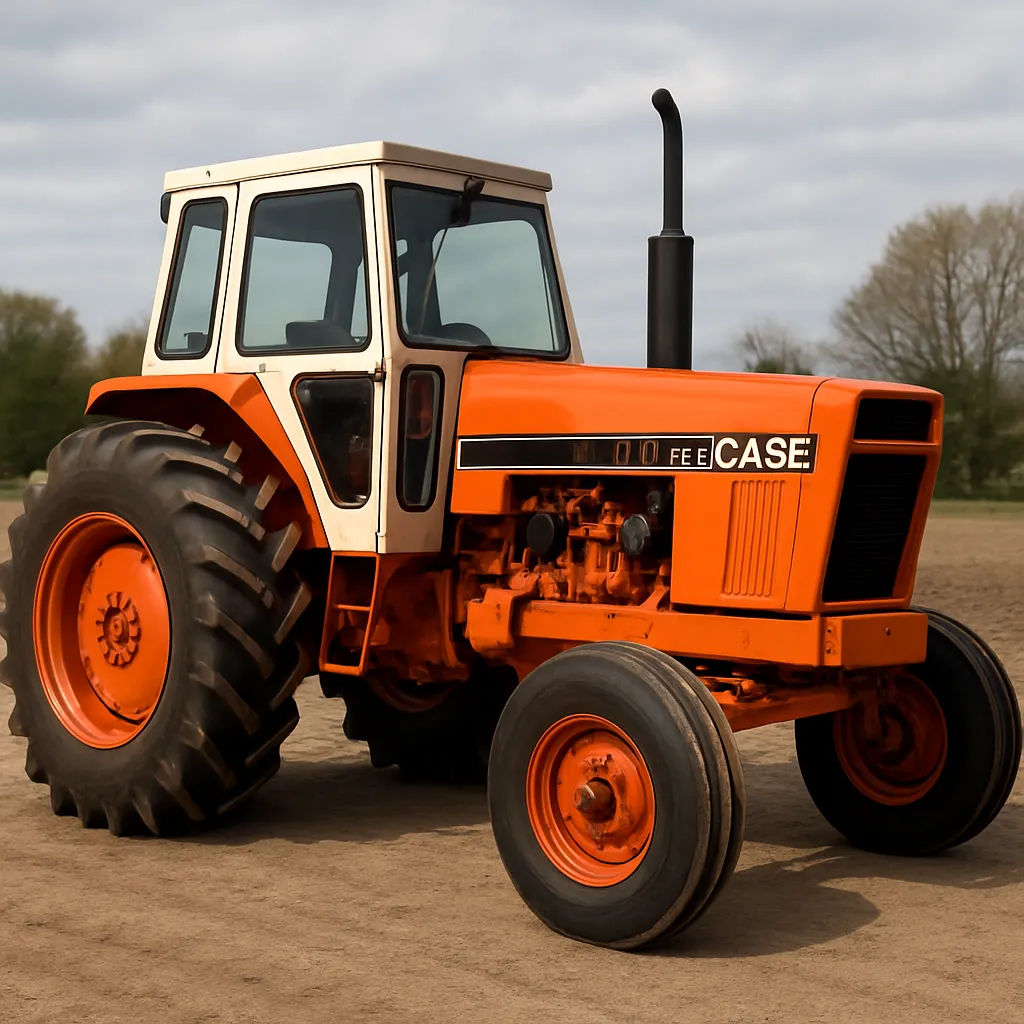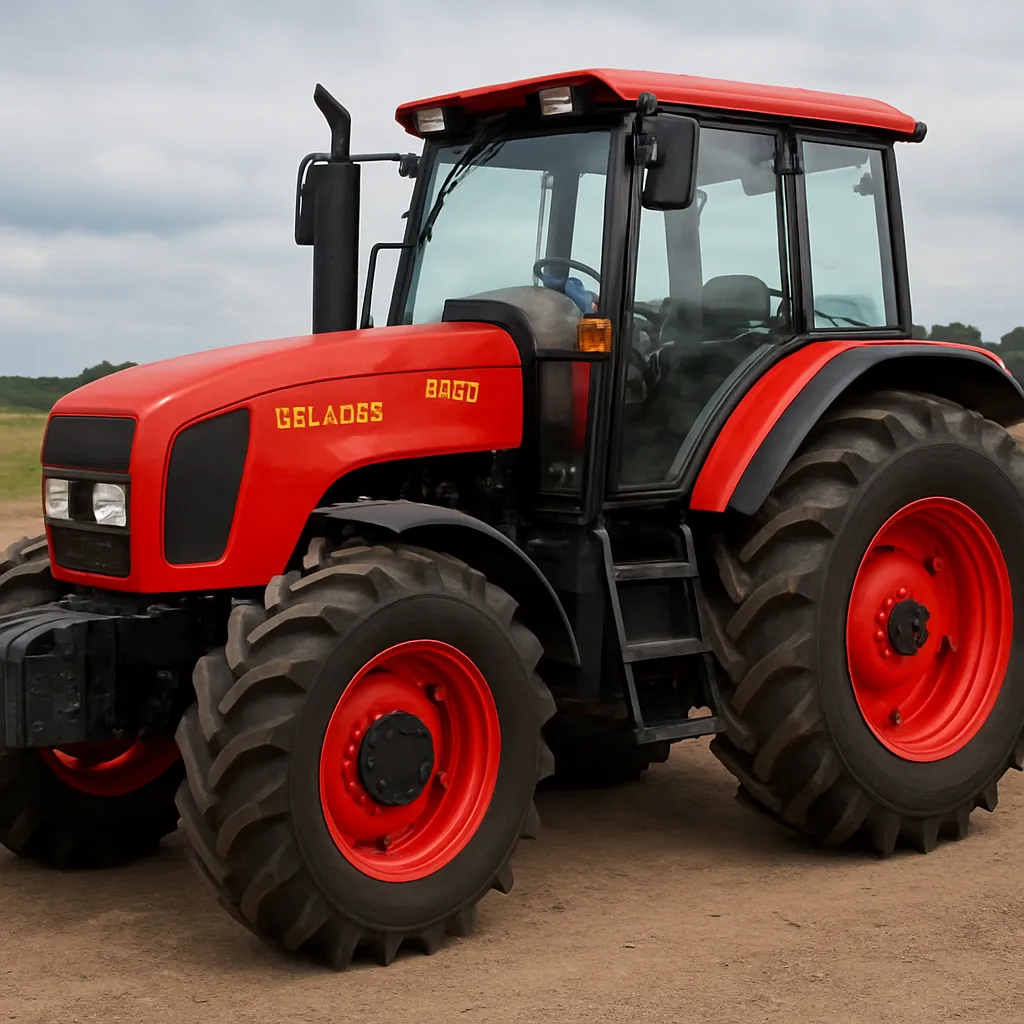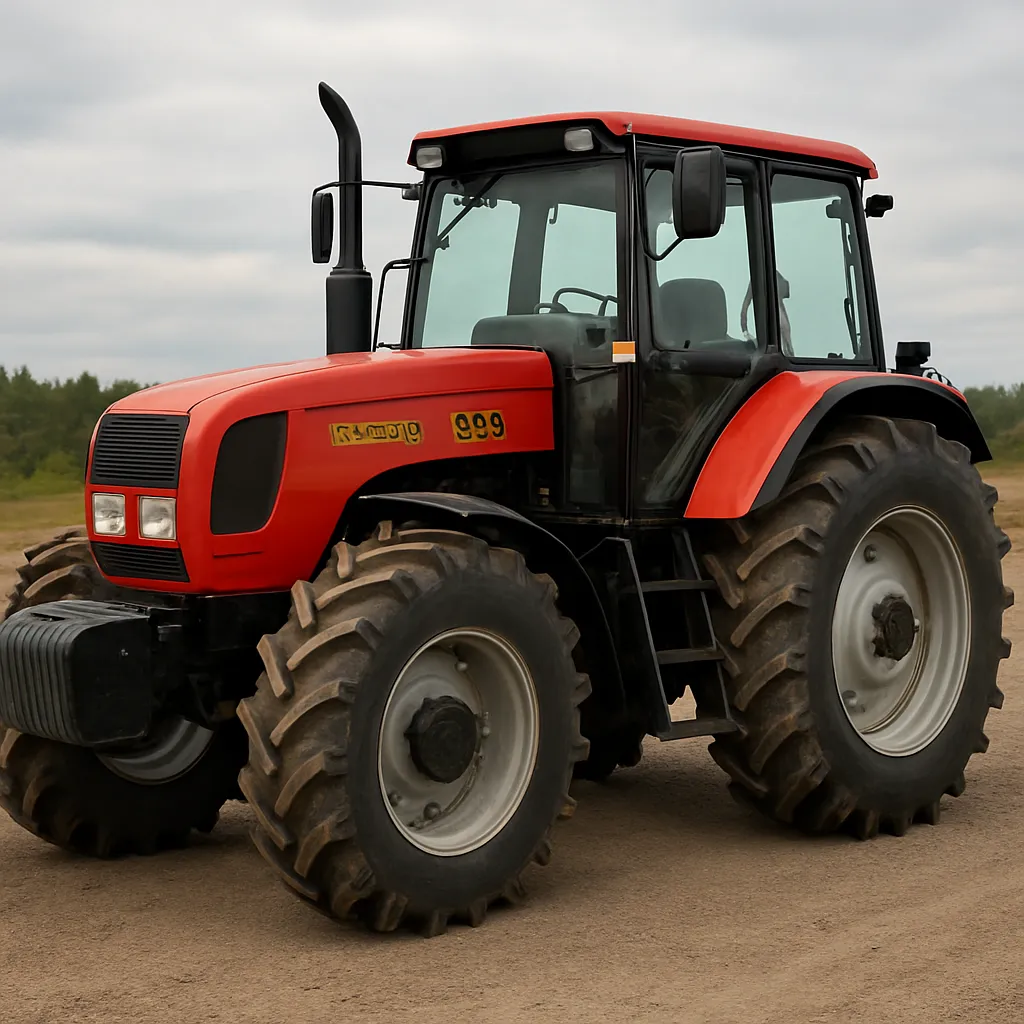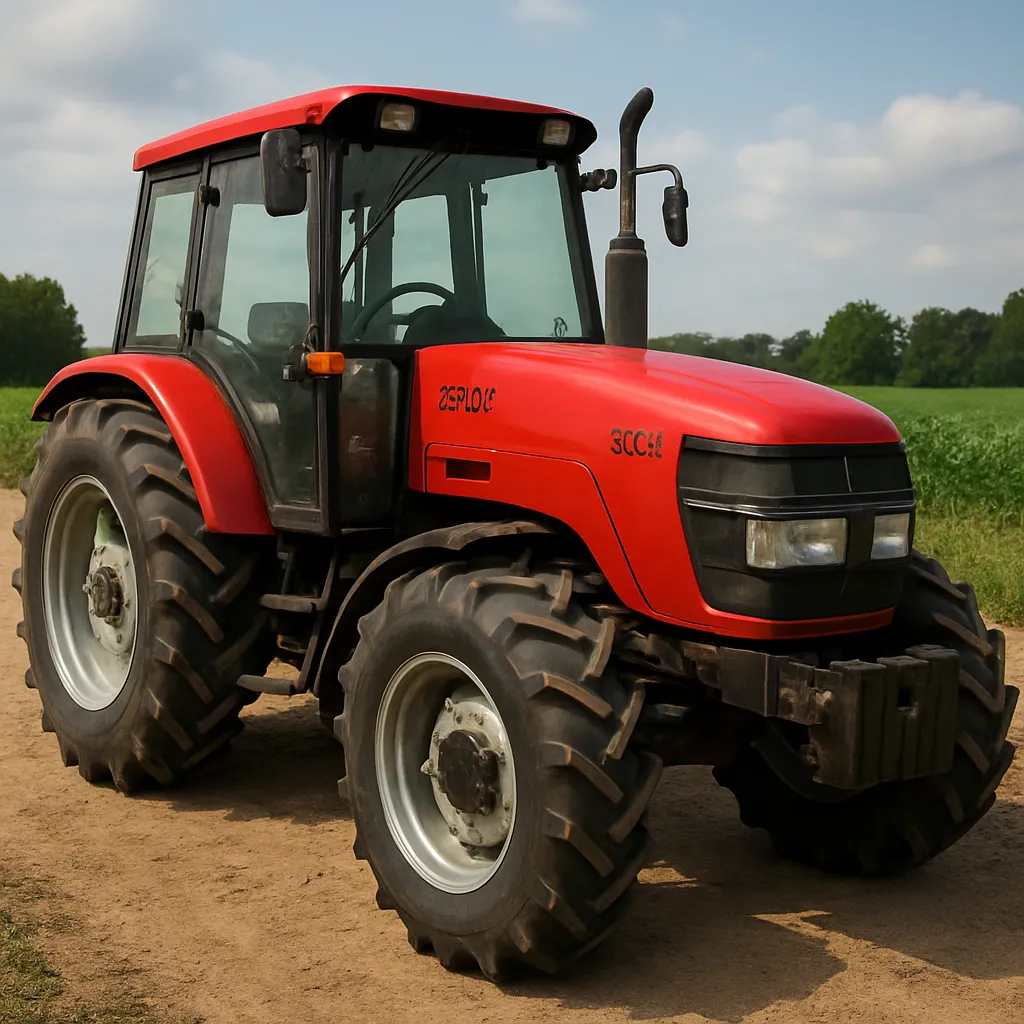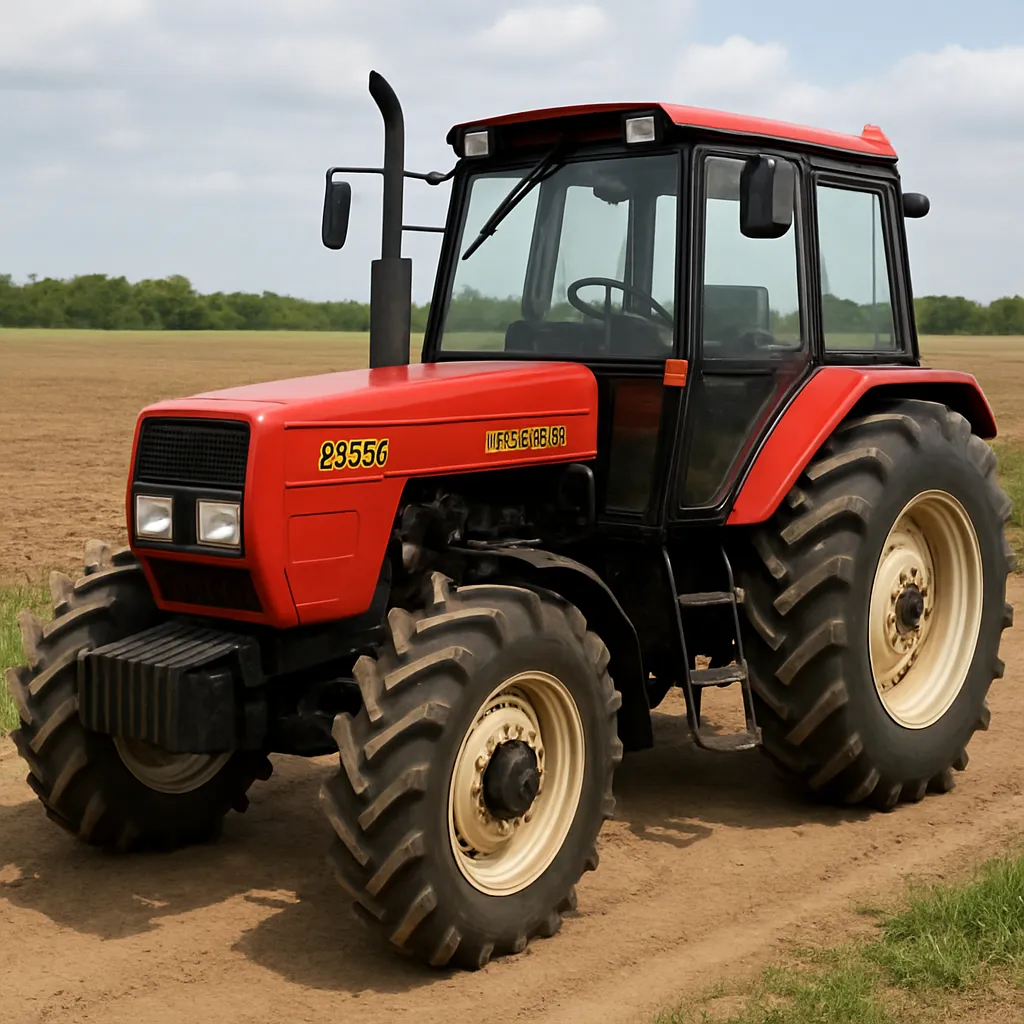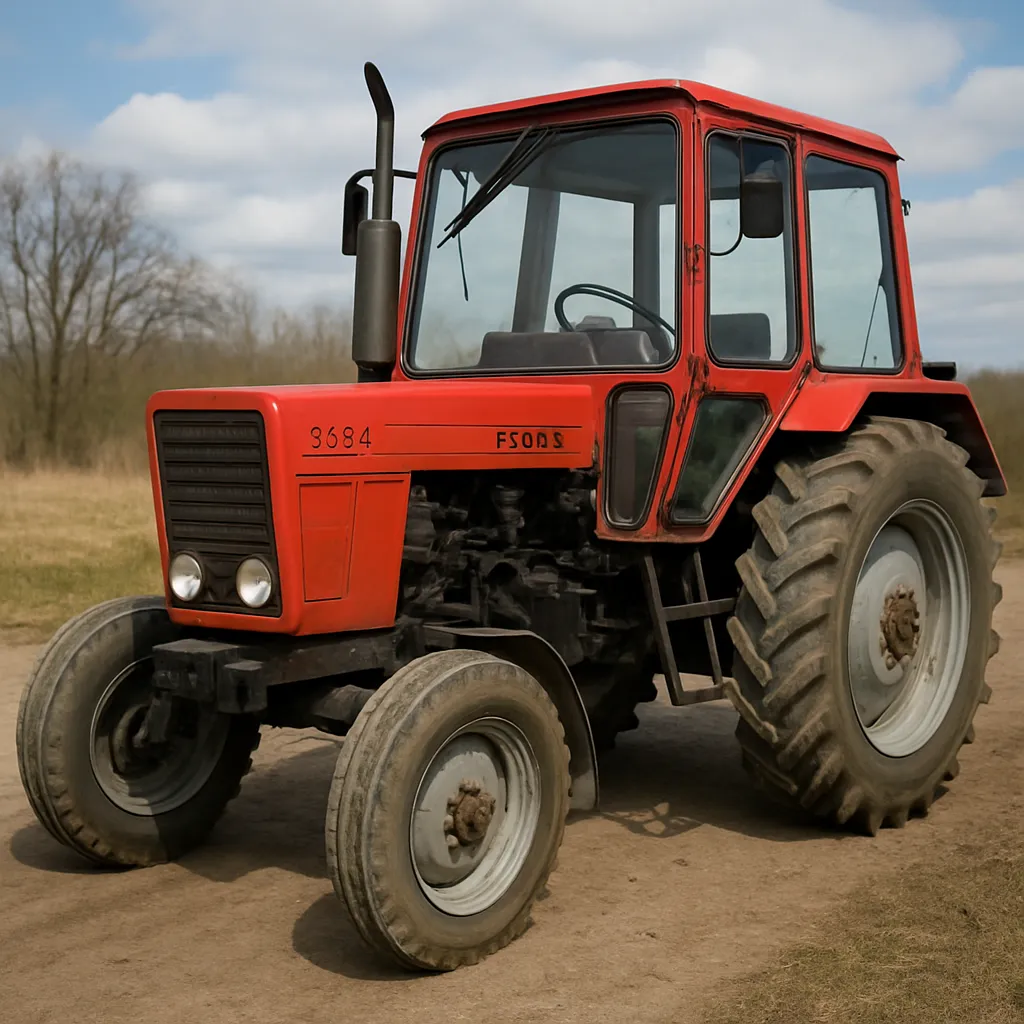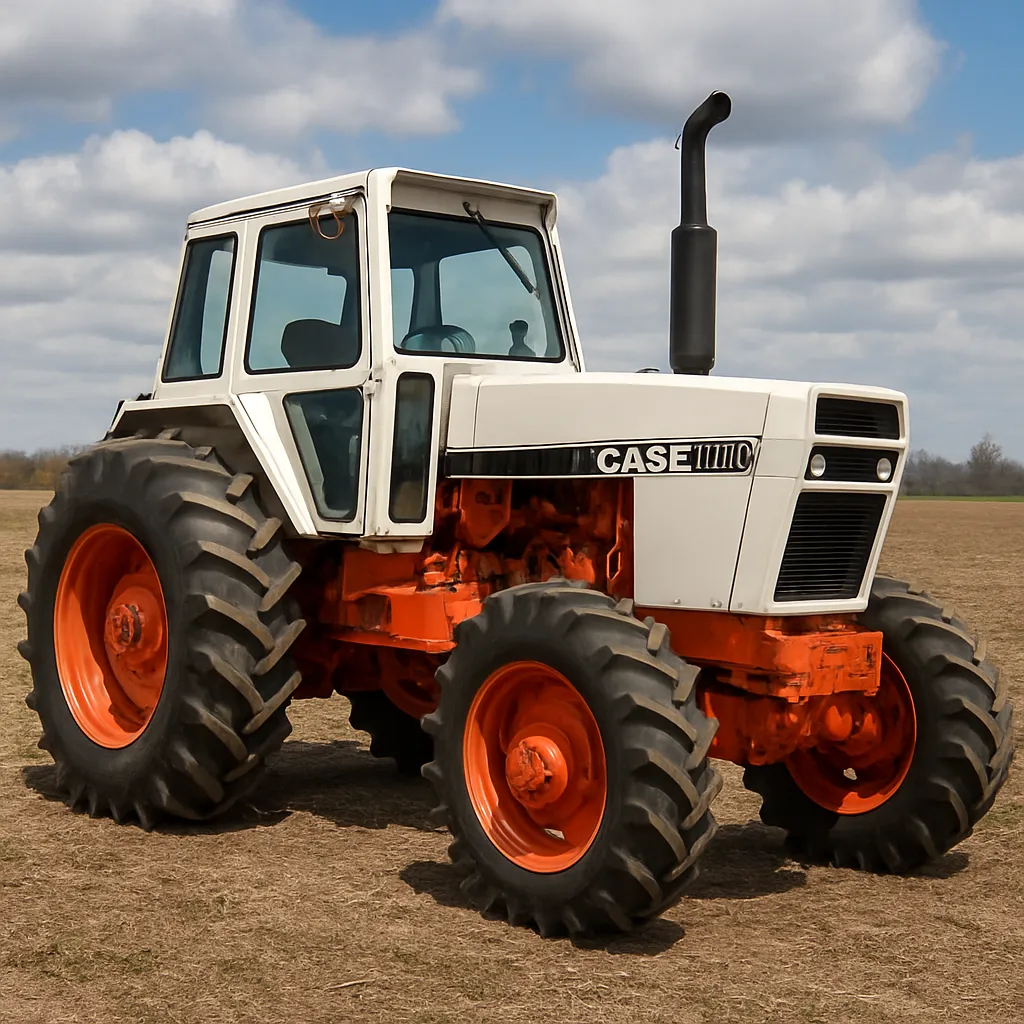
The Case 1470 is a model that evokes images of sturdy farmyards, dependable fieldwork and a generation of farmers who valued mechanical simplicity and long service life. Whether encountered on small family farms, rental yards or in restorations, this tractor represents a bridge between classic mechanical design and practical modern needs. The following article explores its history, technical character, typical applications, and market place—providing a broad perspective for owners, prospective buyers and enthusiasts.
Origins and historical context
The Case brand, with roots tracing back to the 19th century as J.I. Case and later evolving through mergers into Case IH, produced a wide range of agricultural machinery meant for varying farm sizes. The designation 1470 belongs to a lineage of mid‑size tractors introduced in the late 20th century to meet rising demands for more power and better operator comfort than smaller utility models could offer.
While exact production dates and serial ranges can vary by region and documentation, machines of the 1470 family typically appeared in the era when manufacturers were transitioning from purely mechanical controls to more ergonomic cabs and electrical systems. They sit in a segment intended for mixed farming operations—large enough to pull substantial implements, yet compact enough for livestock or orchard work.
Design and technical characteristics
The engine, drivetrain and chassis choices on tractors like the Case 1470 were made to balance durability with simplicity. Common design themes include a naturally aspirated or turbocharged diesel engine, mechanical transmission options, rear power take-off, and robust three‑point hitches. These elements combine to create a versatile machine capable of many seasonal tasks.
Engine and power
Exact figures vary by year and specific variant, but models comparable to the 1470 class typically deliver mid-range power suitable for a wide variety of implements. Reported ranges for similar tractors are often in the ballpark of 70–110 rated horsepower at the flywheel, with peak drawbar power somewhat lower. Turbocharged variants improve performance at higher loads and altitudes.
Transmission and driveline
Transmissions commonly found on this class include synchromesh gearboxes with multiple forward and reverse speeds and optional power shuttle or partial powershift options in later versions. The choice of transmission influences field efficiency, transport speed and operator fatigue. A robust mechanical linkage to the rear axle and the presence of a live PTO are hallmarks of a practical agricultural driveline.
PTO, hydraulics and hitch
The rear PTO (power take-off) is a central interface for implements. Typical configurations include 540 rpm and, in some cases, 540/1000 dual‑speed PTO to suit a broader range of tools. Hydraulics are sized to operate three‑point hitches, loaders and external cylinders; pump flow rates for machines of this category are designed to balance lifting speed with reliability. A Category II three‑point hitch is typical, providing compatibility with common implements.
Applications and practical uses
The strength of the Case 1470 lies in its ability to serve many roles across a farm enterprise. It is positioned as a general-purpose workhorse rather than a specialist machine—making it valuable for diversified operations.
- Field work: plowing, disking, harrowing and seeding with medium-sized implements. The tractor’s power and traction make it suitable for working soils of moderate to heavy texture.
- Hay and forage: mowing, raking, baling and hauling. With a reliable PTO and capable hydraulics, it can handle balers, mowers and tedders efficiently.
- Loader work: using front loaders for material handling—feed, manure, gravel and bale stacking. Many units are adapted with bolt-on loader kits or factory options.
- Transport: hauling trailers and equipment between fields or to markets. Road transport speeds and gear ratios on such tractors are adequate for short distances and slow-moving agricultural routes.
- Orchard & vineyard: in narrow‑row configurations or with protective guards, the tractor can be used for pruning, spraying and cultivation in perennial crops.
- Utility tasks: snow removal, mowing large lawns, small-scale construction and property maintenance.
Durability, maintenance and common issues
Part of the enduring appeal of Case tractors of this class is their reputation for durability. Solid castings, straightforward mechanical systems and conservative engineering margins mean many examples have long working lives when properly cared for.
Routine maintenance
- Regular oil and filter changes: essential to prolong engine life and protect internal components.
- Hydraulic fluid and filter service: maintains hitch responsiveness and loader function.
- Transmission and final drive checks: gearbox and differential oil service intervals should be followed to avoid wear.
- Cooling system upkeep: radiator cleaning and coolant checks prevent overheating, especially under heavy loads.
- Tire inspection and alignment: maintain traction and reduce soil compaction.
Typical wear points
Older tractors often show wear in the following areas, and buyers or owners should inspect these closely:
- Clutch and gearbox: slipping clutches or noisy gears indicate service needs.
- Hydraulic seals and hoses: leaks reduce lifting performance and contaminate systems.
- Electrical system: aging wiring, starters and alternators may need replacement.
- Cooling components: radiators and water pumps can become clogged or corroded.
Upgrades and modernization
Owners who keep a Case 1470 in service often pursue modest upgrades to extend utility and comfort:
- Installation of a modern seat, cab heater or sound insulation for operator comfort.
- Conversion to a dual‑speed PTO or adding PTO adapters for broader implement compatibility.
- Retrofitting LED lighting, improved wiring harnesses and battery upgrades for reliable starts in cold climates.
- Adding aftermarket electronic engine monitors or telemetry for preventive maintenance planning.
Market, ownership costs and statistics
Quantifying exact statistics for a specific model like the 1470 can be challenging without manufacturer documentation or serial‑number databases. However, several market trends and ownership statistics apply broadly to tractors in this class.
Depreciation and resale value
Classic work tractors often follow a depreciation curve that stabilizes after the first 10–15 years; beyond that, value is driven by condition, hours, and regional demand. Well‑maintained tractors with comprehensive service records command premium prices on the used market. Resale value is also influenced by the availability of parts and a strong service network.
Running costs
Operating costs include fuel, routine service, tires, and occasional major overhauls. Typical fuel consumption for medium‑power diesel tractors under load can vary widely depending on implement and soil conditions; a rough average for machines of this size might be in the 8–20 liters per hour range under working conditions, though actual figures depend on duty cycle and power demand.
Availability of parts and support
Case as a historic brand benefits from broad aftermarket support. Many components are interchangeable across model families, and third‑party parts suppliers offer filters, seals and wear items. For collectors and restorers, NOS (new old stock) parts occasionally appear, while remanufactured components are a cost‑effective alternative for engines, transmissions and hydraulic pumps.
Operational best practices and safety
Safe and efficient operation enhances productivity and reduces unplanned downtime. Observing basic best practices will extend the life of any historic tractor model and protect operators and bystanders.
- Pre‑start checks: fuel level, oil, coolant, tire pressure, lights and brakes.
- Attachment inspections: verify pins, PTO guards and hitch pins before engaging implements.
- Load limits: avoid overloading the hitch or front axle when using heavy rear implements or loaders.
- Rollover protection: ensure ROPS (rollover protective structures) are present and seatbelts are used when a cab or ROPS is fitted.
- Operator training: even experienced drivers benefit from periodic refreshers on tractor dynamics and implement handling.
Collector interest, restoration and cultural significance
Tractors such as the Case 1470 occupy a niche among collectors and small museums dedicated to agricultural history. They are frequently restored for parades, show fields and private collections because they embody a transitional period in agricultural mechanization—mixing mechanical simplicity with increasing operator comfort and productivity.
Restorations typically focus on mechanical soundness first, then cosmetic details: repainting in authentic colors, replacing decals and refurbishing the cab. Restored units often participate in demonstrations that educate the public about historic farming methods and the evolution of farm machinery.
Comparisons and positioning
When compared to both older utility tractors and larger modern agricultural machines, the Case 1470-style tractor offers a balanced compromise:
- Compared to smaller utility tractors: greater pulling power, improved hydraulic capacity and better suitability for medium‑acreage farms.
- Compared to modern high‑horsepower tractors: simpler electronics, easier DIY maintenance but less fuel efficiency and fewer precision farming features.
For many owners, the attraction is the straightforwardness of maintenance and the predictability of mechanical systems rather than cutting‑edge technology. That reliability makes it attractive for hobby farmers, contractors doing small jobs and as a backup machine on larger farms.
Conclusion
The Case 1470 reflects a pragmatic approach to agricultural machinery: robust design, broad versatility and components sized for real‑world work rather than peak specsmanship. Whether used for plowing, baling, loader work or transport, this class of tractor excels when cared for with regular maintenance and sensible operation. For collectors, it offers a piece of agricultural heritage; for working farmers, it remains a practical asset. While detailed technical specifications and serial number histories require model‑specific documentation, the general profile described above captures why tractors like the 1470 have earned a long‑lasting place in farm vehicle lore, supported by solid aftermarket parts availability and a community of owners who prize reliability and practical performance.