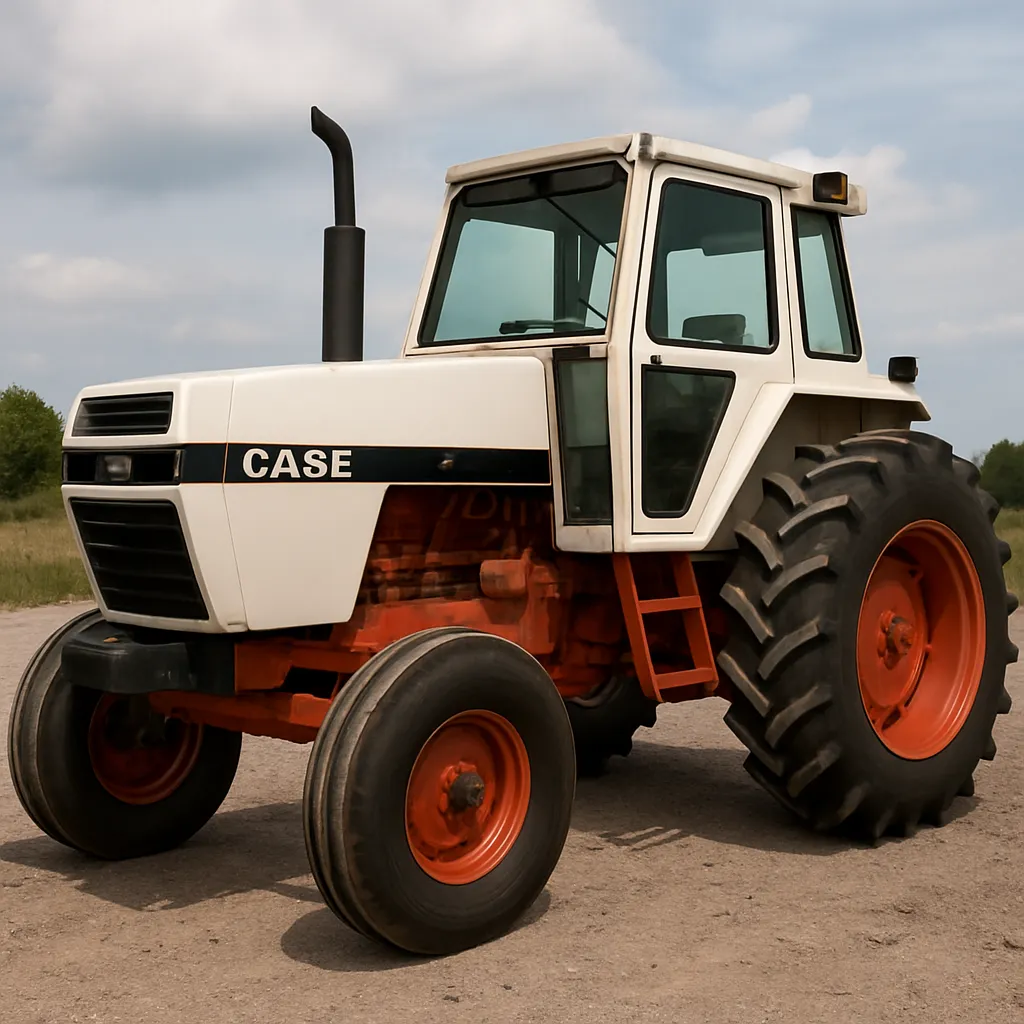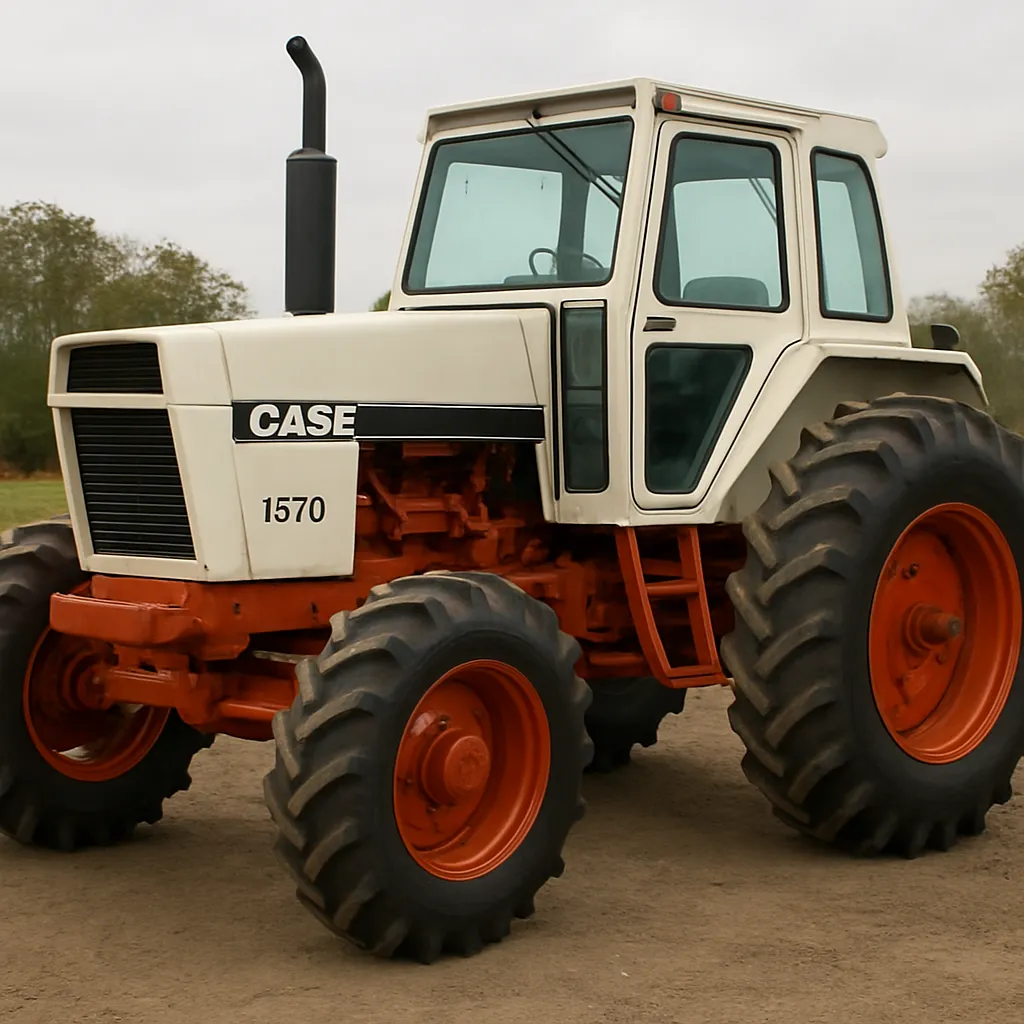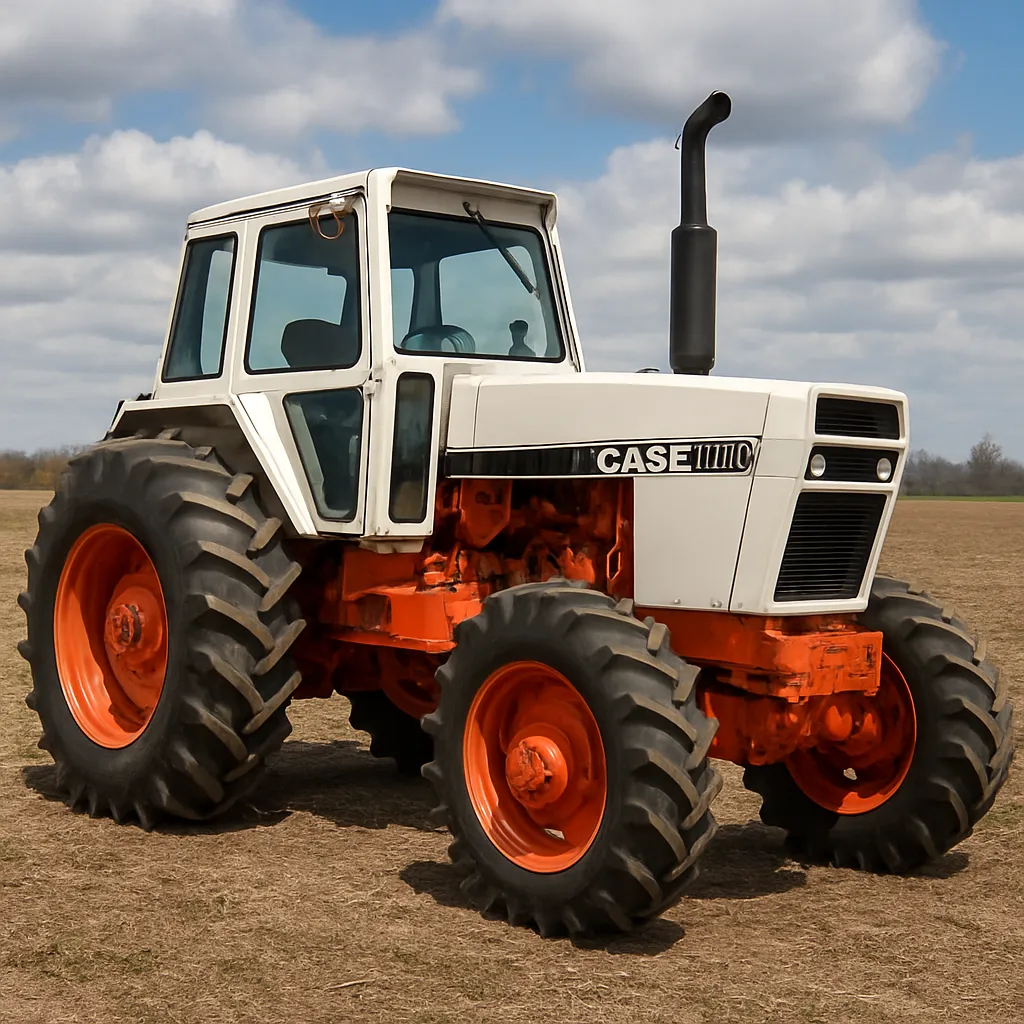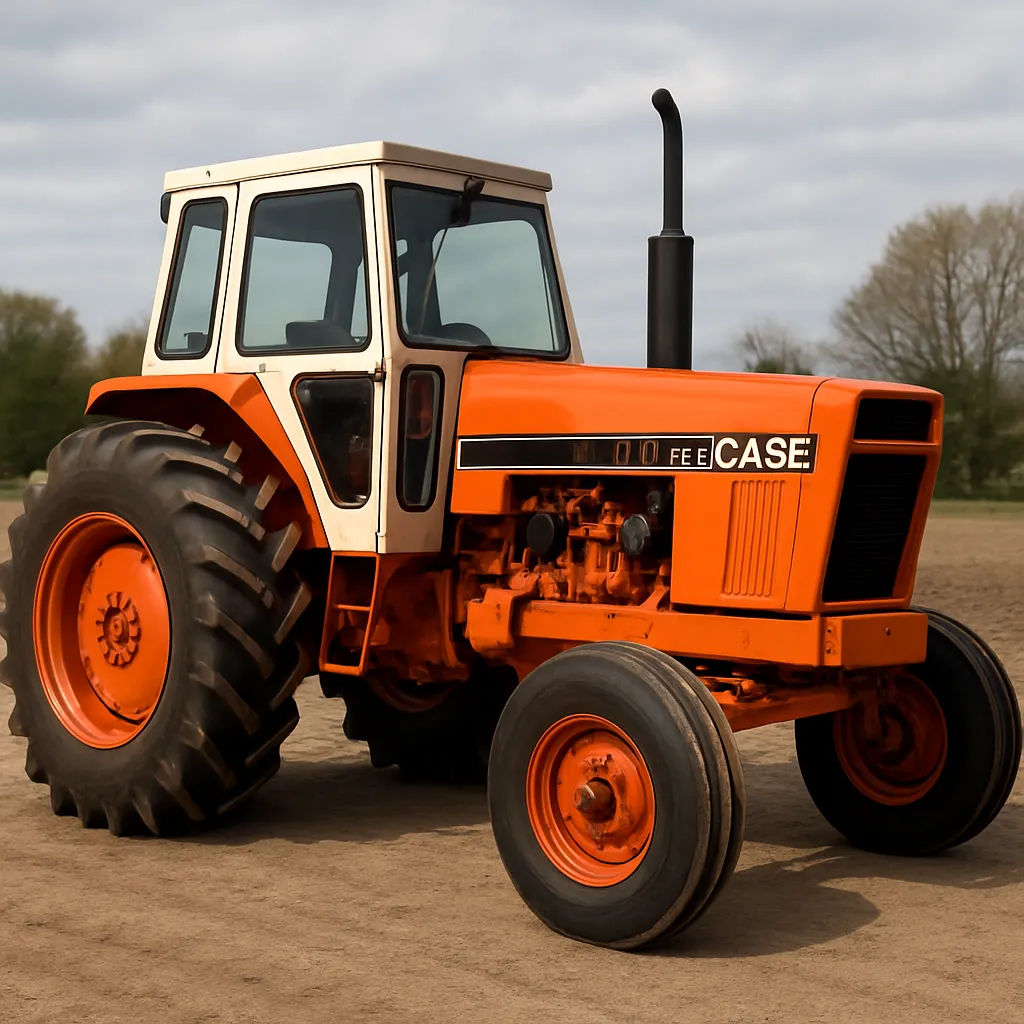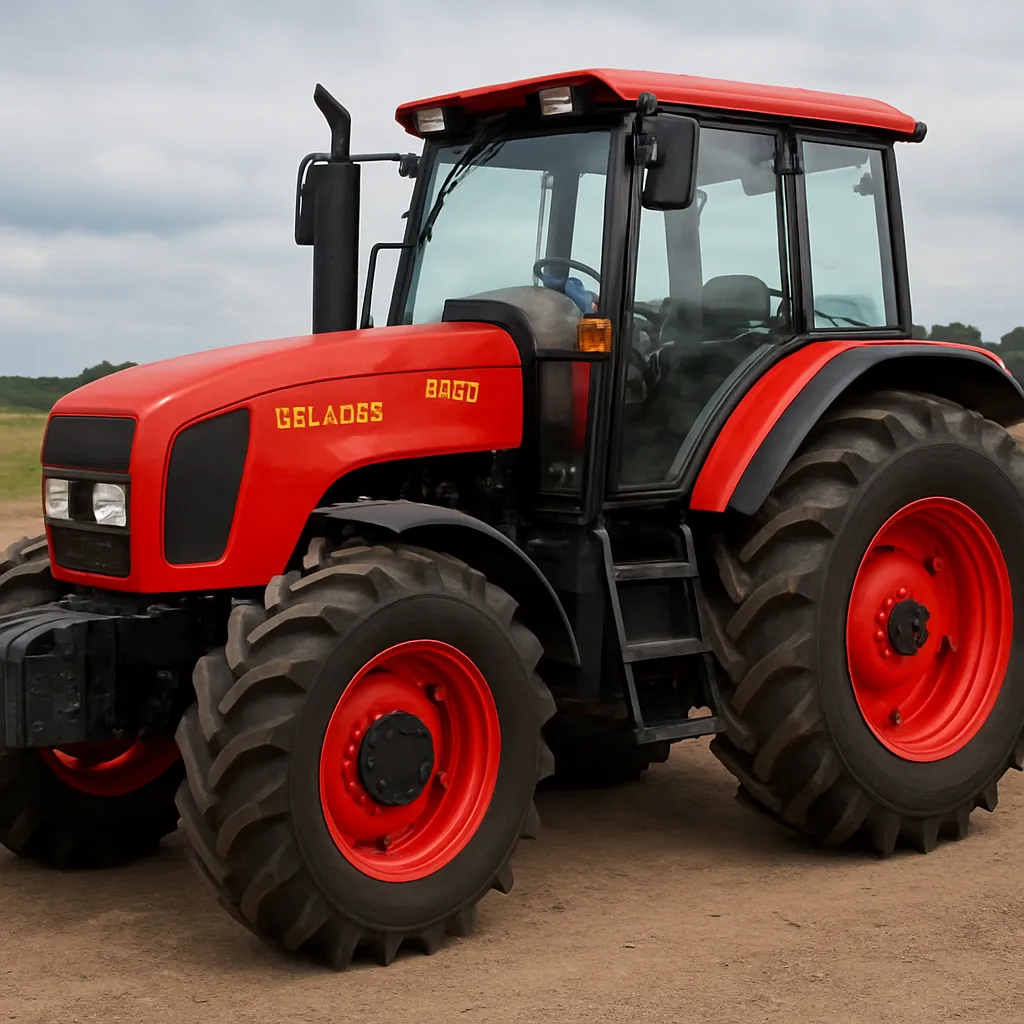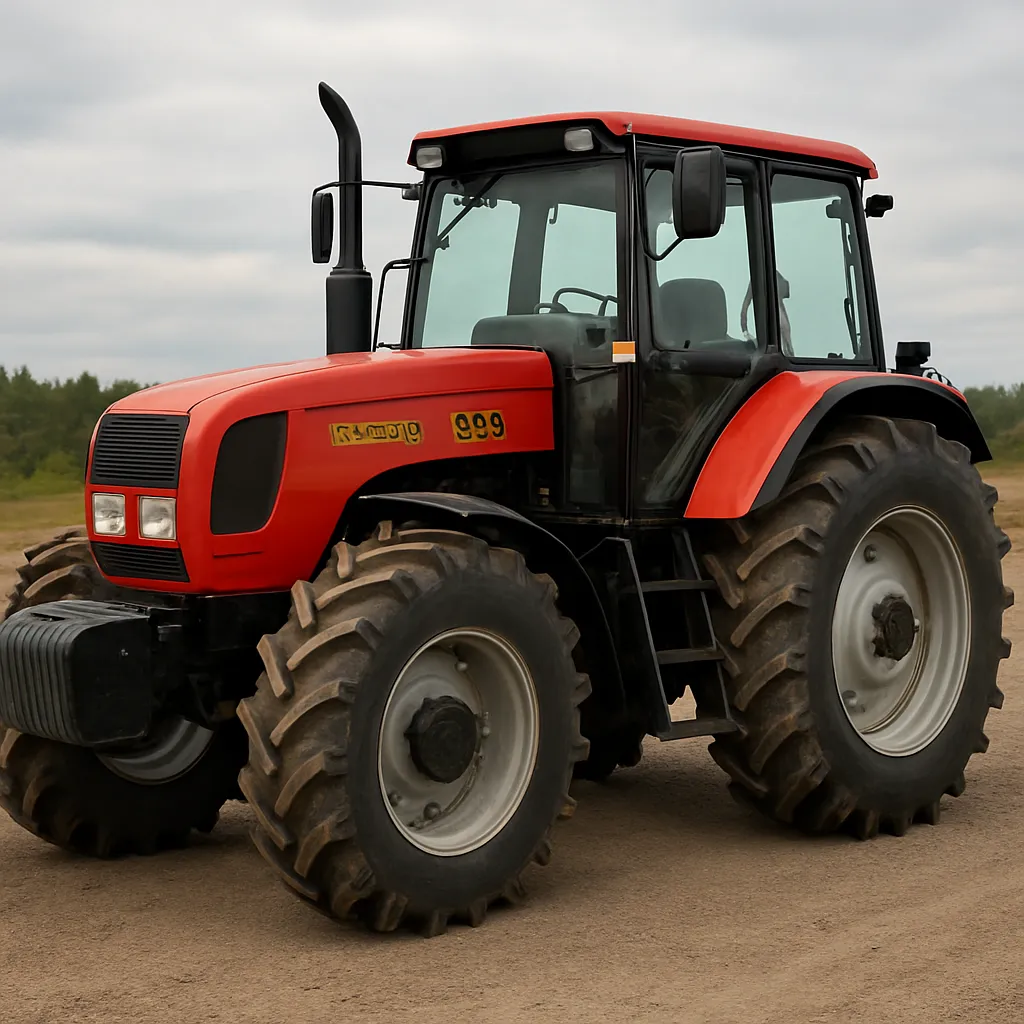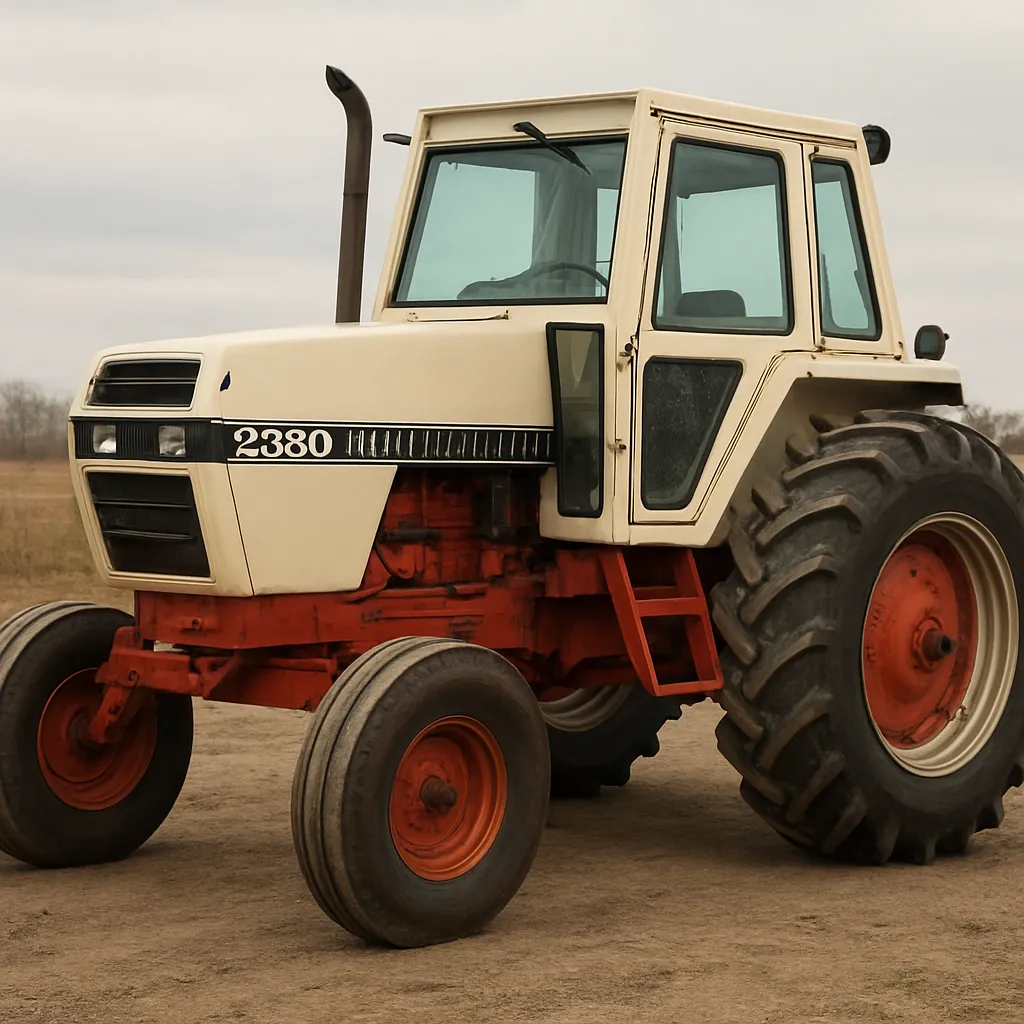
The Case 2390 tractor occupies an interesting place among mid-sized agricultural machines: solidly built for fieldwork, adaptable across a variety of implements, and valued for straightforward mechanics that make it popular with farmers, contractors and smallholding owners. In this article we explore the background of the model, its technical characteristics and typical applications, plus practical information about maintenance, market value and safety. Where precise numbers vary by year and configuration, ranges and typical figures are provided to give a realistic picture of what to expect from this type of tractor.
History and manufacturer background
Case tractors come from a long lineage of equipment produced under the Case name and later Case IH after the merger of J.I. Case and International Harvester’s agricultural division. The naming conventions used by Case often place models like the 2390 in the mid-range of the product lineup — machines designed to bridge the gap between compact utility tractors and large row-crop or specialty farm tractors. These models were aimed at mixed farms, contractors and commercial users who needed a balance of horsepower, durability and serviceability.
Throughout the late 20th century and into the early 21st century, Case & Case IH focused on producing tractors that combined robust mechanical engineering with practical operator features. The Case 2390 — depending on market and specific production year — was commonly offered with features such as a diesel engine, multi-speed transmissions, a rear PTO and standard hydraulics. The model’s design emphasis was on consistent day-to-day performance rather than exotic electronics or high-end automation, which makes older units particularly attractive to owners who prefer simpler systems and easier repairs.
Design and technical overview
At its core the Case 2390 follows the conventional layout for agricultural tractors: a front axle (2WD or optional 4WD), a forward engine compartment, an operator platform or cab, and a rear three-point hitch with power take-off. Typical technical attributes for tractors in this class include a turbocharged or naturally aspirated diesel engine, engine output measured in horsepower in the mid-range for farm use, and hydraulics sized to operate a variety of implements.
Engine and powertrain
The engine is a reliable diesel design tuned for torque delivery at low to medium rpm, supporting both draft work (plowing/tillage) and PTO-driven implements (mowers, balers). While specifications differ by year and country of sale, mid-range Case models like the 2390 commonly provide between roughly 75 and 120 rated engine horsepower depending on configuration. Transmission choices often include a synchronized shuttle, partial powershift or fully mechanical gearbox with multiple forward and reverse gears, offering flexibility for field speeds and transport.
PTO, hydraulics and hitch
A standard rear PTO is central for implement work. The available PTO power is typically slightly lower than engine power but sufficient to run balers, rotary mowers, and seeders. Hydraulics generally include an open-center pump feeding remote valves; flow rates are adequate for loaders, hydraulic top links and multi-function rear implements. The rear three-point hitch conforms to standard categories for implement compatibility and usually includes draft and position control for more precise depth and lift management.
Chassis, weight and fuel
The tractor’s weight is balanced to provide traction while minimizing soil compaction; typical operating weight for a mid-sized model can range from roughly 3,000 to 5,000 kg (6,600 to 11,000 lb) depending on tires, ballast and attachments. Fuel capacity commonly falls in the 80–150 liter range, allowing extended working periods between refills. Cooling systems and air filtration are designed for dusty, prolonged operation often encountered in agricultural settings.
Applications and typical uses
The Case 2390 is versatile and intended for numerous agricultural and non-agricultural tasks. Its design suits everyday farming activities as well as specialized seasonal operations.
- Primary tillage and secondary cultivation — plows, discs and cultivators can be pulled efficiently thanks to strong torque at low RPM.
- Seeding and planting — used to drive planters and seeders with consistent ground speed and PTO support for seed meters or row cleaners.
- Hay and forage work — mowing, tedding, raking and baling driven off the PTO; many operators pair these tractors with round balers and large mowers.
- Loader tasks — a front-end loader attachment converts the tractor into a multipurpose machine for material handling, pallet loading and farmyard duties.
- Haulage — trailers and slurry tankers for on-farm transport and field-cart operations.
- Municipal and contract work — roadside mowing, light earthmoving, and winter tasks such as snow clearing when equipped with a blade or blower.
In short, the 2390 is often chosen by owners who need a dependable workhorse that can be quickly reconfigured for multiple roles across the farm and property.
Performance, fuel use and operational statistics
Performance in the field is a function of engine output, transmission efficiency and traction. For tractors in this horsepower band, real-world fuel consumption varies by load but typical figures for continuous fieldwork fall between 6 and 15 liters per hour. Light transport or idling yields much lower rates, while heavy draft operations push fuel use toward the upper range. PTO efficiency and driveline losses mean that estimated PTO horsepower is generally 10–15% lower than rated engine horsepower under load.
Duty cycle longevity is often expressed in hours. Many well-maintained Case tractors reliably reach 5,000–10,000 hours before requiring major engine or transmission overhauls. In practical terms, a farmer using the machine for 700–1,200 hours per year could expect a useful service life measured in years or decades, depending on maintenance intensity and the environment of use.
Sales and resale statistics depend on region and market demand for used agricultural equipment. Used mid-sized tractors from reputable brands like Case historically maintain reasonable resale values because of their broad compatibility and ease of repair. In many markets, comparable used tractors may sell within a range that reflects hours, condition and included implements — from several thousand dollars for high-hour units to tens of thousands for low-hour or recently refurbished examples.
Maintenance, common issues and troubleshooting
One of the key advantages of models like the Case 2390 is the relative simplicity of servicing. Basic maintenance tasks — oil and filter changes, air filter replacement, fuel filter changes, lubrication of linkages and greasing of joints — are straightforward and well-documented in service manuals.
Routine schedule
- Daily or pre-start checks: coolant level, engine oil level, fuel level, visible hydraulic leaks, tire pressure and lights.
- Every 50–200 hours: engine oil and filter change, fuel filter replacement, air cleaner inspection and greasing.
- Every 500–1,000 hours: transmission and final drive fluid checks, hydraulic filter replacement, valve adjustments as required by the engine design.
- Major services at 2,000–5,000+ hours: injector servicing, turbo inspection (if applicable), clutch adjustments or replacement depending on wear.
Common wear points
Over time, hydraulic seals, injector pumps, starter motors and electrical connections are commonly serviced or replaced. Older tractors may show hydraulic leaks from control valves and hoses, and diesel injection systems can require periodic attention for fuel efficiency and starting reliability. Regular attention to the cooling system and air intake reduces the risk of overheating and premature wear.
Attachments and implement compatibility
A major strength of the 2390 is adaptability through a wide range of attachments. These tractors are compatible with front loaders, backhoes (in some cases), bale spears, rotary cutters, flail mowers, seeders, sprayers and plows. The three-point hitch categories and standard PTO configurations make it easy to fit implements from multiple manufacturers.
Modern retrofits such as quick-attach mounts, upgraded hydraulic flow systems and electronic throttle controls can expand functionality. Implement selection should prioritize rated PTO power and hydraulics flow to ensure the tractor can safely and effectively operate the chosen equipment.
Market considerations, ownership costs and resale
When evaluating a Case 2390 on the used market, key considerations include engine hours, maintenance records, presence of a cab versus open station, tire condition, and the service history for transmission and hydraulics. Ownership costs include fuel, routine parts and labor for servicing, and occasional unexpected repairs. Insurance and registration costs vary by region but should be factored into total cost of ownership.
Resale value tends to favor units with documented maintenance and those that still have commonly available parts. Since many owners value mechanical simplicity, tractors that retain original mechanical controls rather than heavily customized electronic systems may find a broader pool of buyers.
Safety, ergonomics and operator comfort
Safety features for this class of tractor typically include ROPS (rollover protective structure), seatbelt, good visibility, and external lighting for low-light operation. Cabs (where equipped) can include HVAC, sound insulation and vibration damping, improving operator comfort during long workdays. Proper operator training, routine inspection of safety systems and adherence to load and hitching limits are essential to preventing accidents.
Modern retrofits and sensible upgrades can further improve safety: beacon lights, rear-view cameras, improved mirrors and ergonomic seating can reduce operator fatigue and increase situational awareness.
Interesting facts and cultural impact
Tractors like the Case 2390 are often celebrated by small-farm enthusiasts and vintage-tractor hobbyists. Their straightforward design makes them a popular candidate for restoration projects. In local communities, these tractors frequently appear in parades, machinery shows, and tractor pulls, which underscores their cultural importance beyond strictly agricultural functions.
The presence of such tractors on small and medium-sized farms has helped sustain diversified agricultural practices by providing reliable power without the steep learning curve of heavily computerized systems. Their longevity and ease of repair have contributed to a culture of hands-on maintenance and equipment stewardship among generations of farmers.
Choosing and evaluating a used unit
If you are considering purchasing a Case 2390, perform a systematic inspection:
- Verify service history and ask for documentation of major repairs or component replacements.
- Inspect engine for smoke on start-up (blue or black smoke can indicate oil burning or injection issues).
- Check for hydraulic leaks, condition of hoses, and smoothness of implement lift/lower operations.
- Assess transmission behavior under load, including clutch engagement and any unusual noises.
- Confirm PTO engagement and that power is transmitted smoothly to implements.
- Test-drive where possible to evaluate steering, brakes and overall responsiveness.
A pre-purchase assessment by a trusted mechanic can reveal issues that are difficult to spot during a casual inspection and can influence negotiation on price.
Conclusion
The Case 2390 typifies a practical, mid-sized agricultural tractor built to perform a wide array of tasks reliably. Its combination of durable diesel power, flexible implement capability, and straightforward serviceability makes it a sensible choice for many farm and property operations. Attention to routine maintenance, careful selection based on hauling and PTO needs, and a clear understanding of long-term ownership costs will help ensure that a 2390 (or a comparable model) continues to be a productive asset for years. Whether used for daily fieldwork, occasional loader duties or restored as a vintage piece, machines of this class remain central to the rhythm of modern small-scale agriculture and rural life.