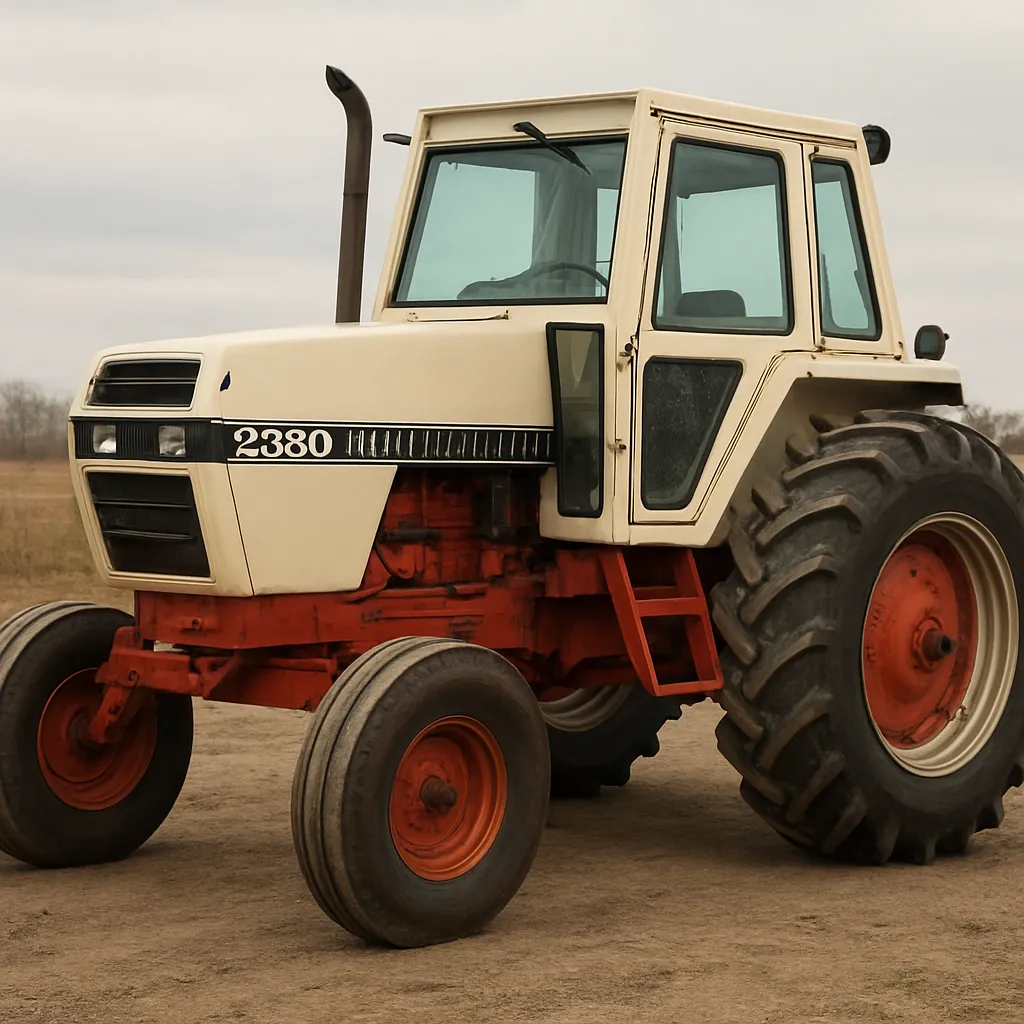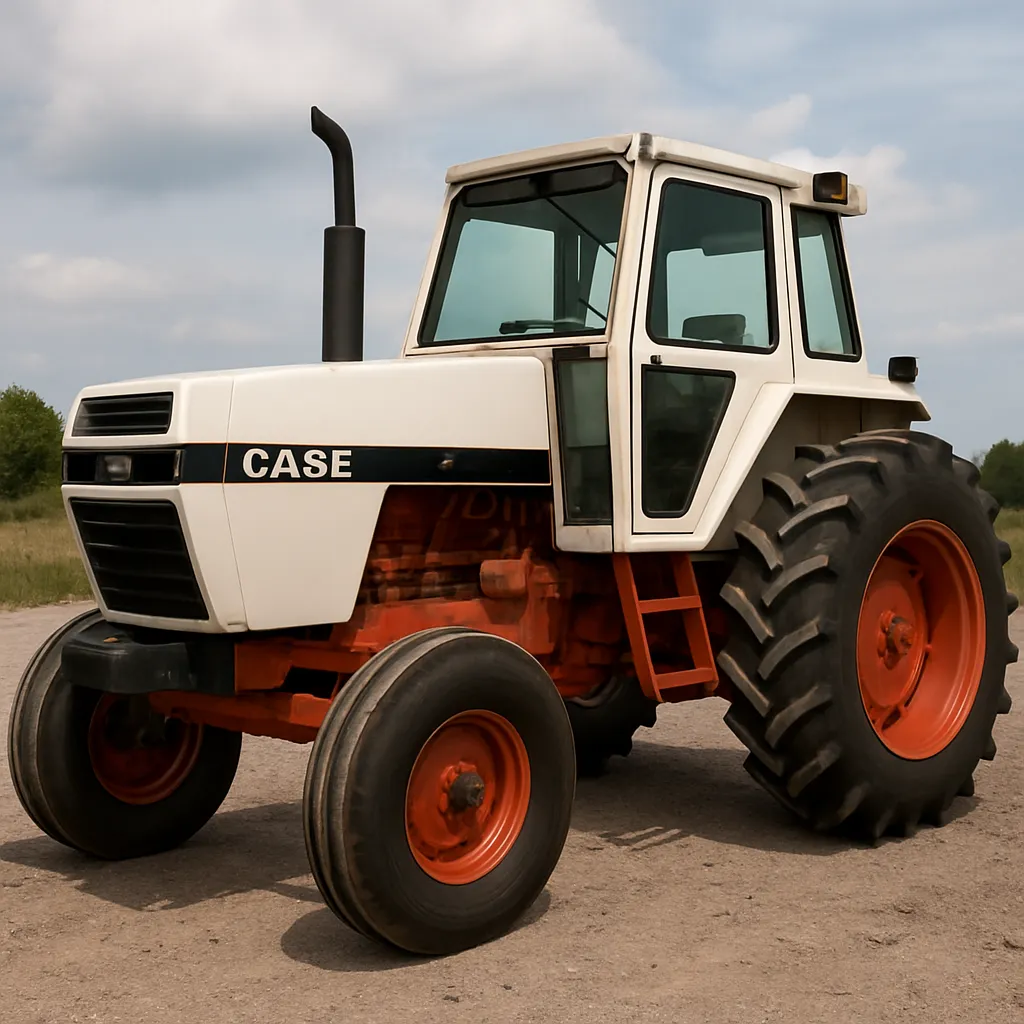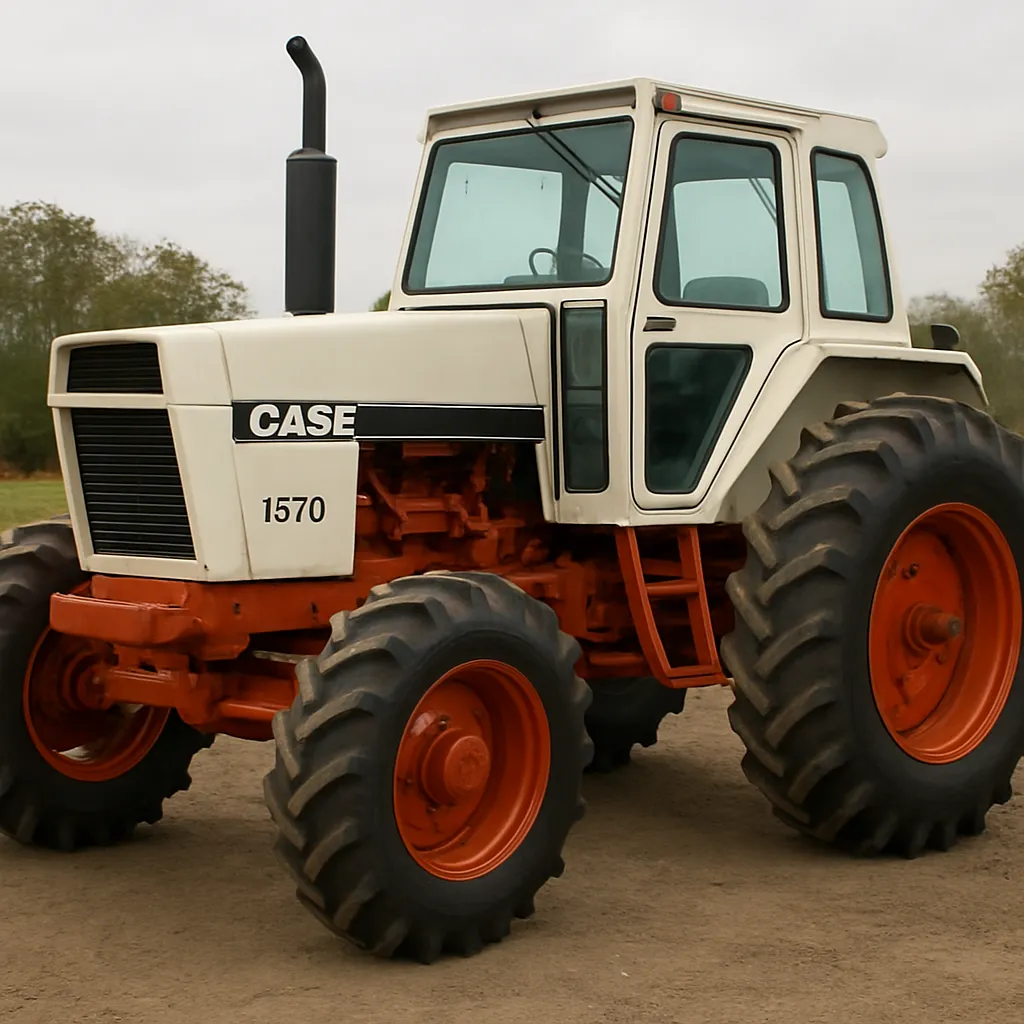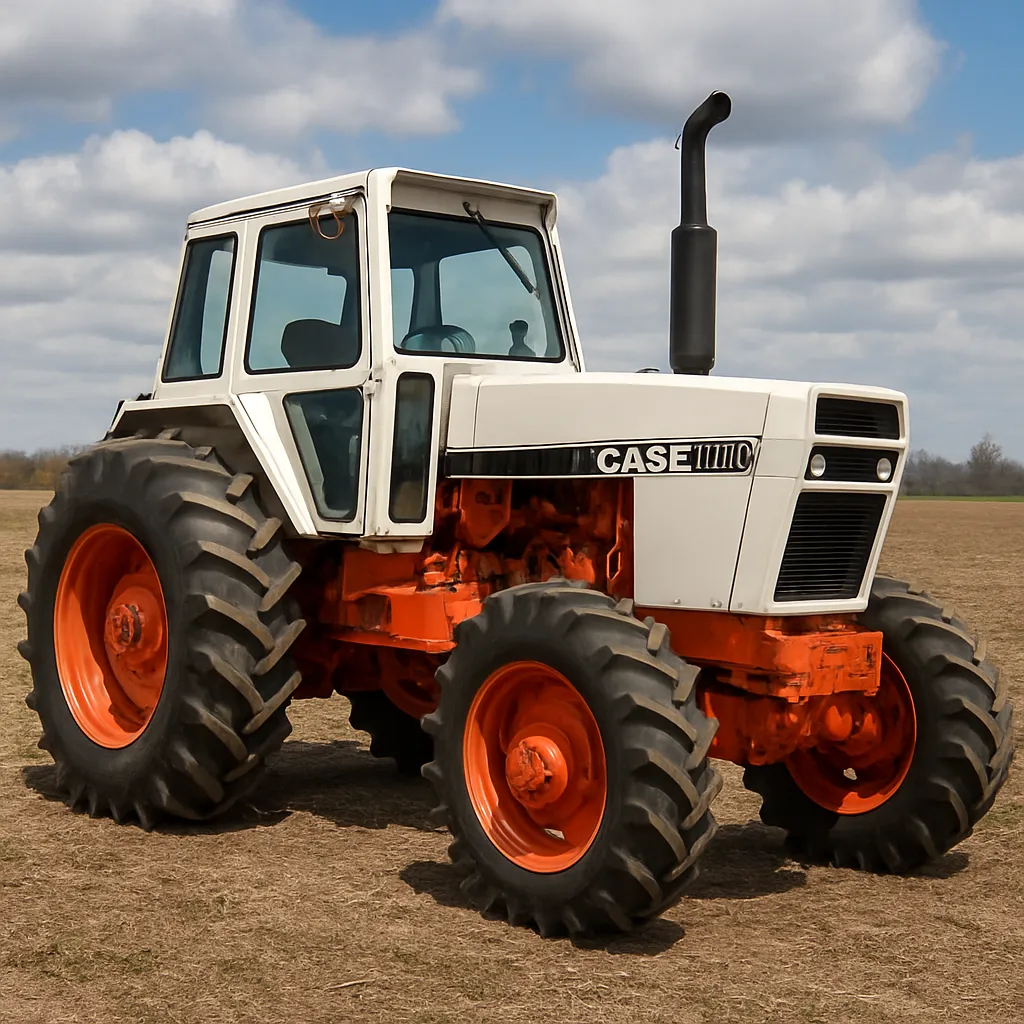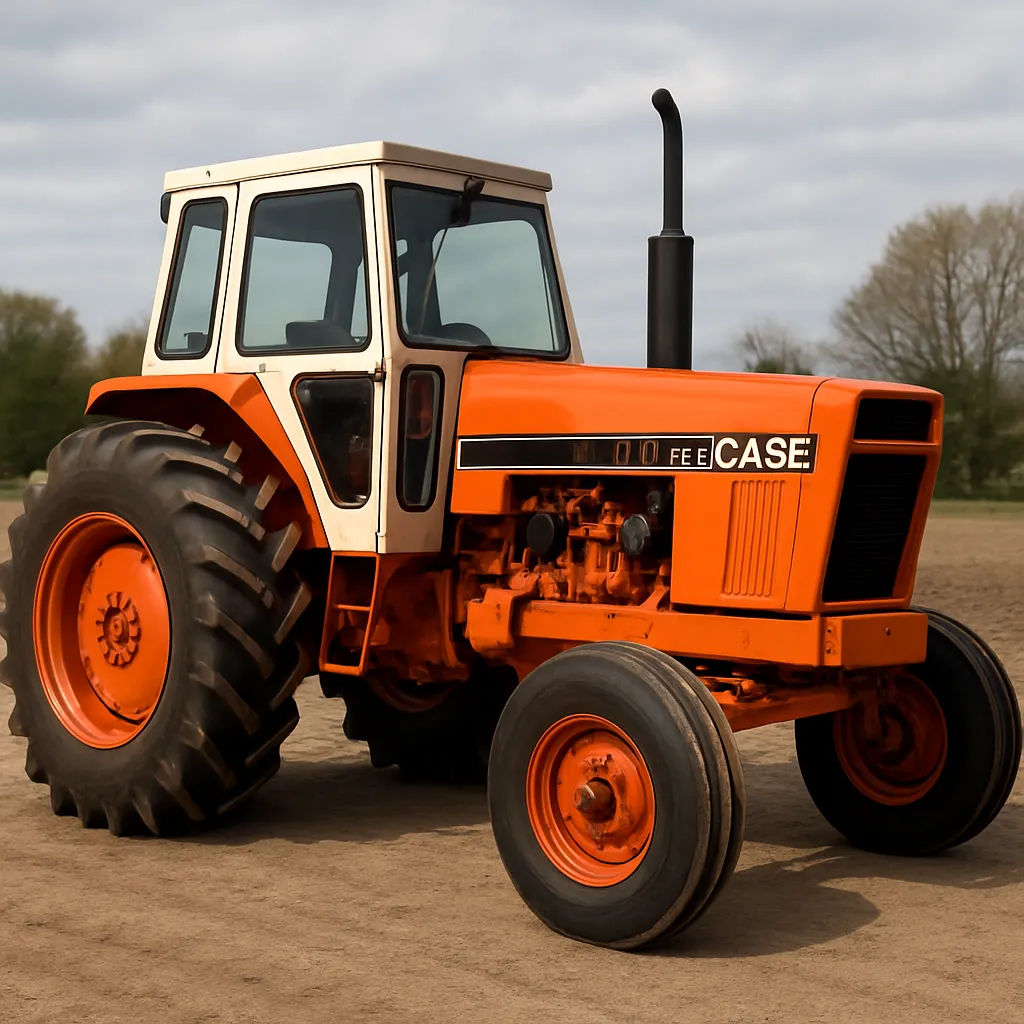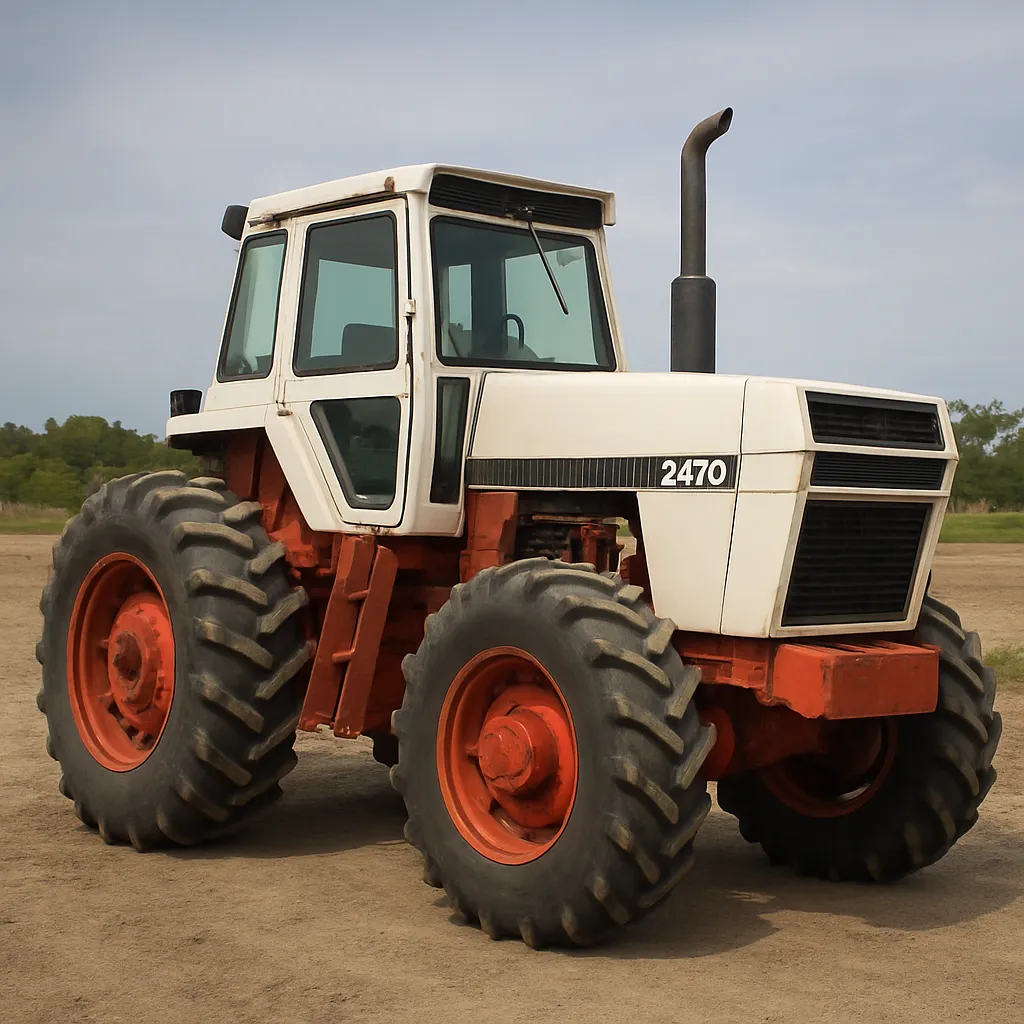
The following article provides an in-depth look at the Case 2470, a robust agricultural machine that has been used by farmers and contractors for a variety of tasks. The focus here is on the tractor’s background, typical specifications, practical applications, upkeep and troubleshooting, market position, and real-world performance. Throughout the text you will find practical guidance and context for understanding the machine’s place in modern and historical agricultural work. Key concepts such as Case 2470, tractor, diesel, horsepower, torque, PTO, transmission, reliability, maintenance and versatility are emphasized to help navigate the most important aspects of ownership and operation.
History and development
The Case 2470 emerged as part of the extended lineup of tractors developed by the Case and Case IH family during the late 20th century. Born from decades of agricultural engineering evolution, the model was designed to fill a role between medium- and high-horsepower field tractors—providing enough power for demanding tillage and row-crop work while maintaining manageable size and operating costs. Its design reflects the priorities of the era: robust mechanical systems, mechanical fuel injection on many variants, simple but effective hydraulics, and a cab or open-station configuration tailored to operator needs.
Although specific production years and build numbers can vary by market and region, tractors in the 2400 series were produced to answer farmer demand for adaptable, durable machines that could be used on mixed farms, for transport, and for implements requiring sustained power. The model was often marketed to both small commercial growers and larger family operations looking for a reliable workhorse.
Technical characteristics and performance
The Case 2470 is typically powered by a diesel engine designed to deliver steady, long-duration output rather than short bursts of power. Exact engine specs differed by configuration and market; however, general performance characteristics are consistent across examples:
- Engine configuration: inline multi-cylinder diesel engine (turbocharged on many versions for improved responsiveness under load).
- Power output: rated horsepower usually falls into the mid-horsepower class. In operational terms the tractor is commonly listed in ranges that make it suitable for medium to heavy tillage and PTO-driven implements.
- Torque: emphasis on usable torque at lower RPM for pulling and PTO tasks—engines were tuned to deliver strong mid-range torque rather than high-RPM peak power.
- PTO: the unit typically supports standard PTO speeds (540 and often 1000 rpm on higher-spec models), allowing it to drive a broad range of implements from mowers and balers to power harrows and feed mixers.
- Transmission: available in multiple configurations, ranging from synchronized mechanical gearboxes and shuttle shifts to multi-range powershift or partial powershift options on higher-trim units. These choices target different operator preferences—simplicity and durability versus ease of use and quick directional changes.
- Hydraulics and three-point hitch: the hydraulic system provides sufficient flow and lifting capacity for heavier implements, and hitch categories appropriate for the tractor’s size (often Category II or Category II/III) increase implement compatibility.
Performance in the field depends heavily on implementation (tyres, ballast, gearing, and soil conditions), but the 2470 class is known for steady, predictable work rates and good tractive ability when properly ballasted and paired with the correct tyres or tracks.
Primary applications and typical uses
The core strength of the Case 2470 lies in its broad versatility. It is a true all-rounder suited to a wide range of agricultural and ancillary tasks:
- Tillage and primary cultivation: ploughing, discing, and power harrow work where sustained traction and torque are required.
- Seeding and drilling: pulling heavy seed drills and cultivators across medium to large fields.
- Hay and forage work: mowing, raking, tedding, and baling—the PTO capacity and steady torque make it a dependable partner for haying seasons.
- Transport and logistic tasks: trailer haulage on-farm, feed and fertilizer distribution when fitted with appropriate gearing and tyres.
- Loader work: when equipped with a front loader the tractor can handle pallet and farm-yard duties, though loader capacity depends on subframe and counterbalance setup.
- Specialist implements: in mixed farms the machine can be used with sprayers, spreaders, and power-driven shop tools, thanks to robust hydraulics and PTO compatibility.
The tractor’s mix of power and compactness also made it popular for contractors who needed a single machine capable of switching between fieldwork and transport roles quickly.
Operator environment and ergonomics
Designers of the Case 2470 balanced practicality and operator comfort. Cabbed versions provide basic climate control, good visibility over the implement and bonnet, and straightforward instrument clusters. Controls are typically laid out with simplicity in mind—mechanical levers and switches for major functions and a clear tachometer and oil-pressure/fuel gauges for monitoring.
Common ergonomic features include an adjustable seat, easily reachable hydraulic control levers, and a coherent dashboard. While not as plush as modern high-spec tractors, the layout reduces operator fatigue during long days. Open-station variants emphasize accessibility and ease of service, favored in environments where cabs are less necessary.
Maintenance practices and common issues
Longevity and reliability of the Case 2470 are strongly linked to maintenance discipline. Owners who keep up with routine service tend to enjoy long service lives and predictable performance. Typical maintenance points include:
- Engine oil and filter changes at manufacturer intervals; attention to oil quality prevents premature wear.
- Fuel system care: regular fuel filter replacement and attention to water in the fuel (especially in cold or humid climates).
- Cooling system upkeep: radiator cleaning, coolant checks, and thermostat inspections to avoid overheating under heavy load.
- Transmission and final drive oil checks—contamination or low oil levels are frequent causes of premature failure.
- Hydraulic system service: filter changes, monitoring for leaks, and keeping hoses and seals in good condition.
- Regular greasing of linkages, steering joints and PTO splines to reduce wear and extend component life.
Common wear points reported by operators include hydraulic leaks at fittings, wear in clutch packs or synchromesh components on high-hour transmissions, and turbocharger service needs on turbocharged engines. Many issues are predictable and visible during pre-season inspections, which should include a test of the PTO under load, hydraulic response checks, and a walk-around visual for loose bolts, frame cracks, or tyre wear.
Upgrades, retrofits and modernisation
Because the Case 2470 is mechanically straightforward, it lends itself well to practical upgrades that can extend its usefulness:
- Tyres and ballast: fitting wider, low-compaction tyres or adjusting ballast can improve field performance and reduce fuel use.
- Modern electronics and telematics: aftermarket kits can provide GPS guidance, basic field logging, and engine-management monitoring without complex factory wiring.
- PTO and hitch improvements: retrofitting quick-hitch systems or reman three-point hitches can improve implement hookup speed and safety.
- Cab comfort upgrades: adding improved seats, sound-deadening materials, and auxiliary HVAC units for operator comfort on older cabs.
- Remanufactured engine or injection pumps: when high hours require major work, reman options provide a balance of cost and reliability.
Well-chosen upgrades can make a decades-old machine perform reasonably close to modern equivalents for routine farm tasks, while retaining the mechanical simplicity many operators prefer.
Market, resale and statistical indicators
Exact production volumes and global sales figures for the Case 2470 are not universally documented in a single public source, and numbers can vary by market. Still, general market signals and resale behavior offer useful insights:
- Resale values: prices vary widely with condition, hours, and local demand. In many regions, clean, mechanically sound examples attract strong interest from small-to-medium farms and contractors looking for value, often trading at a fraction of newer machines’ cost.
- Parts availability: parts for this generation of Case tractors are commonly available through dealer networks, independent suppliers, and a robust aftermarket of refurbished components. This availability supports long-term ownership.
- Durability statistics: anecdotal and community-sourced reports commonly cite tractors of this class running reliably past 8,000–10,000 engine hours when properly maintained. Many examples have even exceeded that range after engine overhauls or component rebuilds.
- Operational economics: fuel consumption is application-dependent. Typical field rates for mid-horsepower diesel tractors range significantly—under light load a machine may consume single-digit liters per hour, while heavy draft work can push consumption into double digits. Proper gearing and implement selection reduce fuel use per hectare.
Because of the durability and parts ecosystem, the Case 2470 often holds its utility value even as machines around it modernise—making it a pragmatic purchase for operations that prioritise cost-effective capability.
Field examples and practical performance observations
Farmers who operate similar tractors report several consistent observations:
- Steady pull and implement control in medium-to-heavy soil when ballasted correctly—translates into uniform seed placement and consistent tillage depth.
- Reliable PTO operation with mechanical simplicity—fewer electronic faults than modern tractors, and easier diagnostics for owners comfortable with mechanical systems.
- Fuel economy that is respectable when the tractor is matched to implement size; oversized implements cause high slip and poor efficiency.
- Flexibility to handle seasonal spikes in workload—many operators use the unit for primary cultivation in spring and heavy transport or loader work in offseason months.
These practical observations reinforce the 2470’s reputation as a dependable, multi-role machine capable of serving a broad set of farm tasks with minimal fuss.
Buying checklist and inspection tips
For prospective buyers, a structured inspection reduces risk. Key checks include:
- Engine: check oil condition, compression if possible, and for signs of excessive smoke under load.
- Transmission: test all gears under load and watch for slipping, grinding or hard shifts.
- Hydraulics: inspect for slow response, leak points, and consistent lifting capacity.
- PTO: run the PTO under load and verify speeds and smooth engagement.
- Chassis and frame: look for cracks, welding repairs, or bent components—especially around loader mounts and three-point hitch areas.
- Service history: documented maintenance can be more valuable than cosmetic condition alone; look for regular oil, filter and cooling system maintenance records.
Environmental and regulatory considerations
Tractors in the Case 2470 class predate modern emissions-control regimes, so owners should be aware of applicable local regulations concerning older diesel engines. In many jurisdictions, older agricultural machinery receives exemptions or is covered by specific agricultural emissions programs, but operators should confirm local requirements for road use, emissions testing, and potential incentives for retrofit or replacement. Routine engine tuning and proper maintenance also reduce smoke and improve fuel efficiency, which helps both compliance and operating costs.
Conclusion and practical recommendations
The Case 2470 represents a pragmatic choice for operations requiring a dependable, mechanically straightforward workhorse. Its strengths—solid diesel performance, multi-role capability via robust PTO and lifting systems, and proven reliability when maintained—make it a sensible option for mixed farms, contractors, and owners who value ease of service over cutting-edge electronics.
Before buying or operating one, prospective users should prioritize a thorough inspection, confirm parts and service availability in their region, and match the tractor carefully to the implements and field conditions they most commonly encounter. With thoughtful upkeep and sensible upgrades, this tractor can continue to deliver productive service for many years.
Practical short maintenance schedule
- Daily: visual walk-around, fluid level checks (engine oil, coolant), tyre pressure and visible leaks.
- Weekly: grease fittings, check air filter and fuel water separators.
- Monthly: inspect hydraulic hoses and connections, test PTO and linkage wear points.
- Seasonal (pre- and post-season): full oil and filter change, transmission and final drive oil inspection, radiator and intercooler cleaning, battery and starter checks.
Quick buying summary
- Look for clean service records and a clear history of regular maintenance.
- Prefer tractors with documented hydraulic and transmission servicing if heavy implement work is intended.
- Consider reman engine or fuel-system components if hours are high but the tractor is otherwise sound.
- Factor in upgrade costs if you plan to modernize with guidance systems or improve operator comfort.
Overall, the Case 2470 remains a noteworthy entry in the lineage of dependable agricultural tractors. Its combination of practical engineering, adaptable performance, and straightforward serviceability helps explain why similar machines continue to be used and valued across many farming communities. Properly assessed and maintained, the unit can provide a cost-effective, long-lived platform for a wide range of farm tasks.