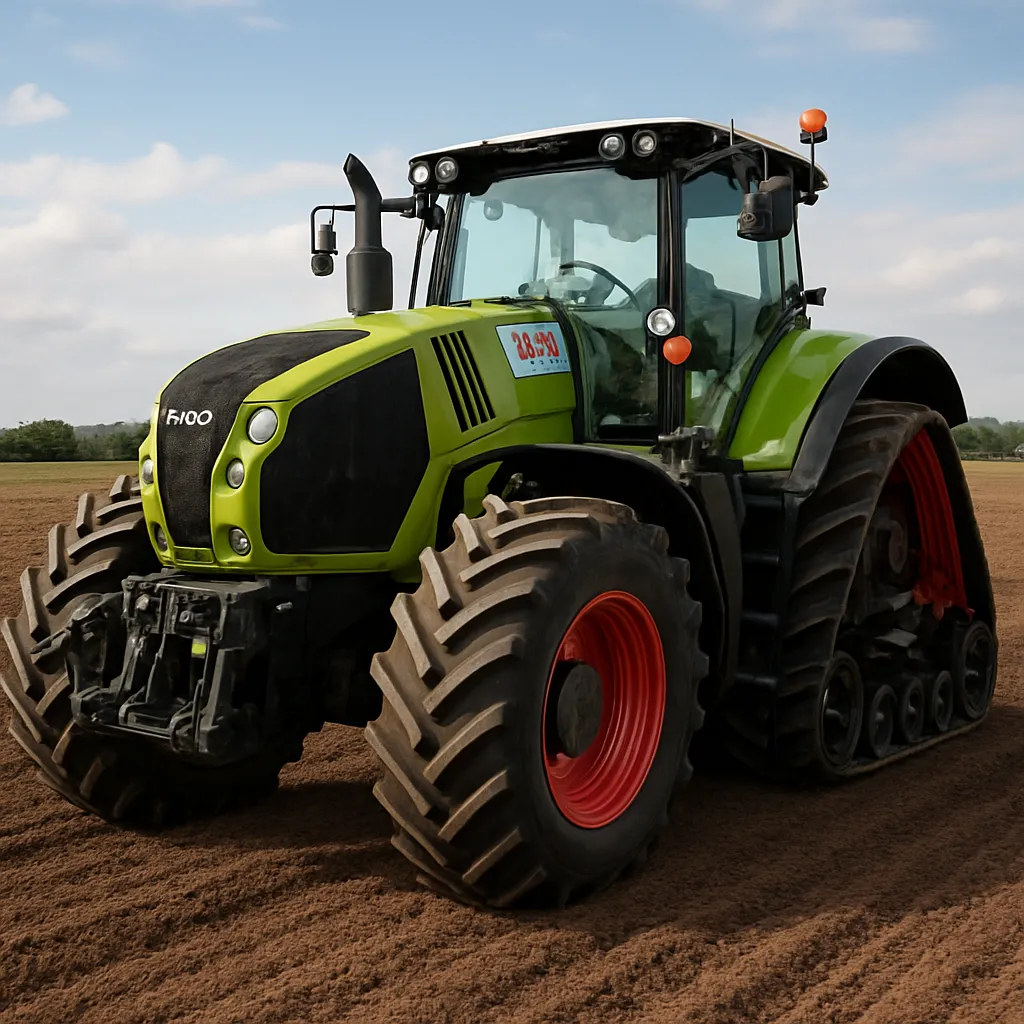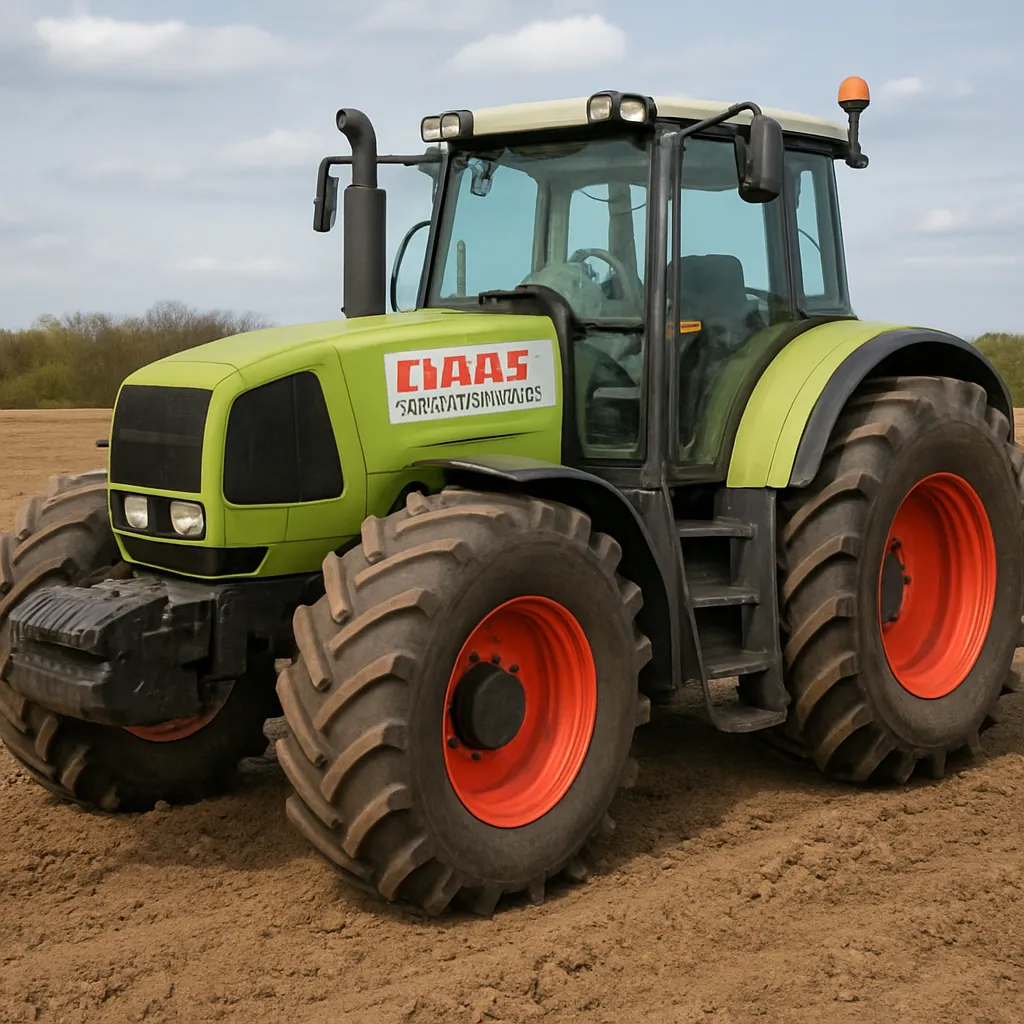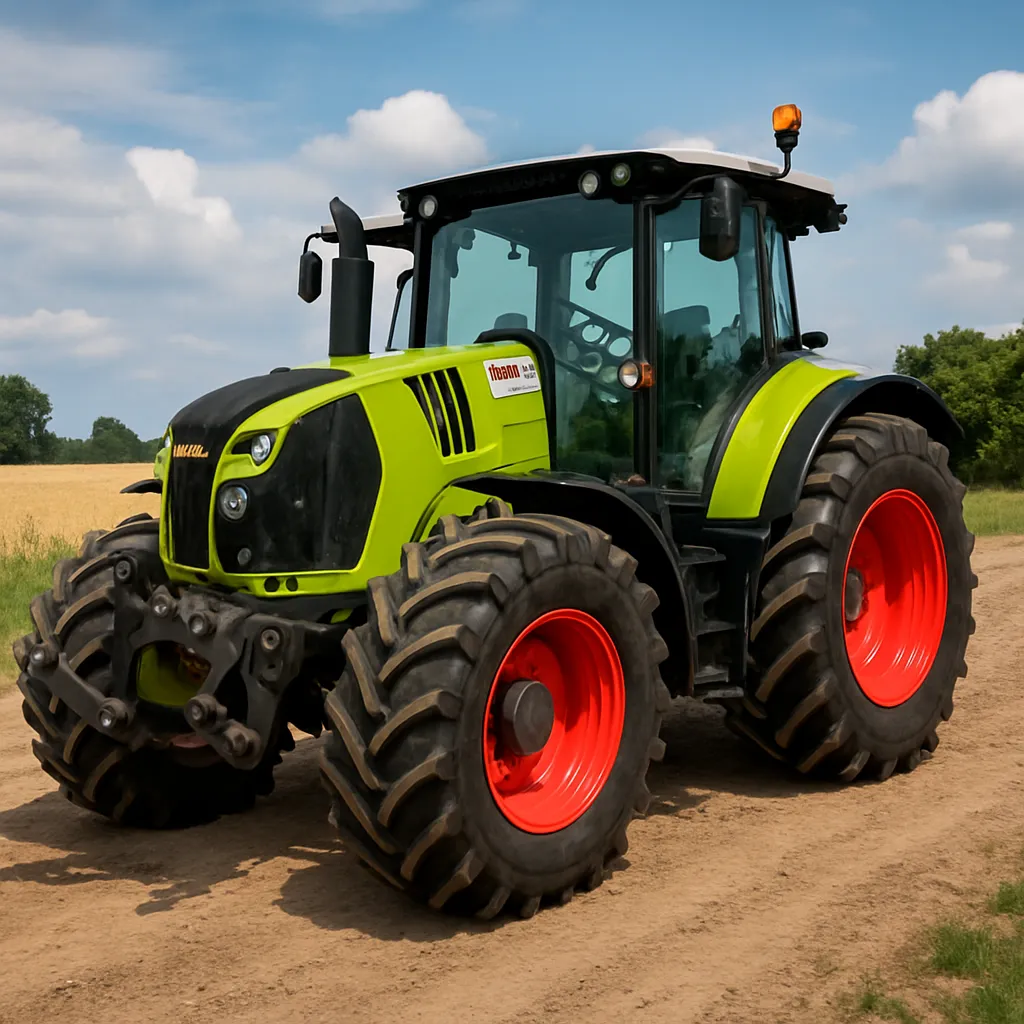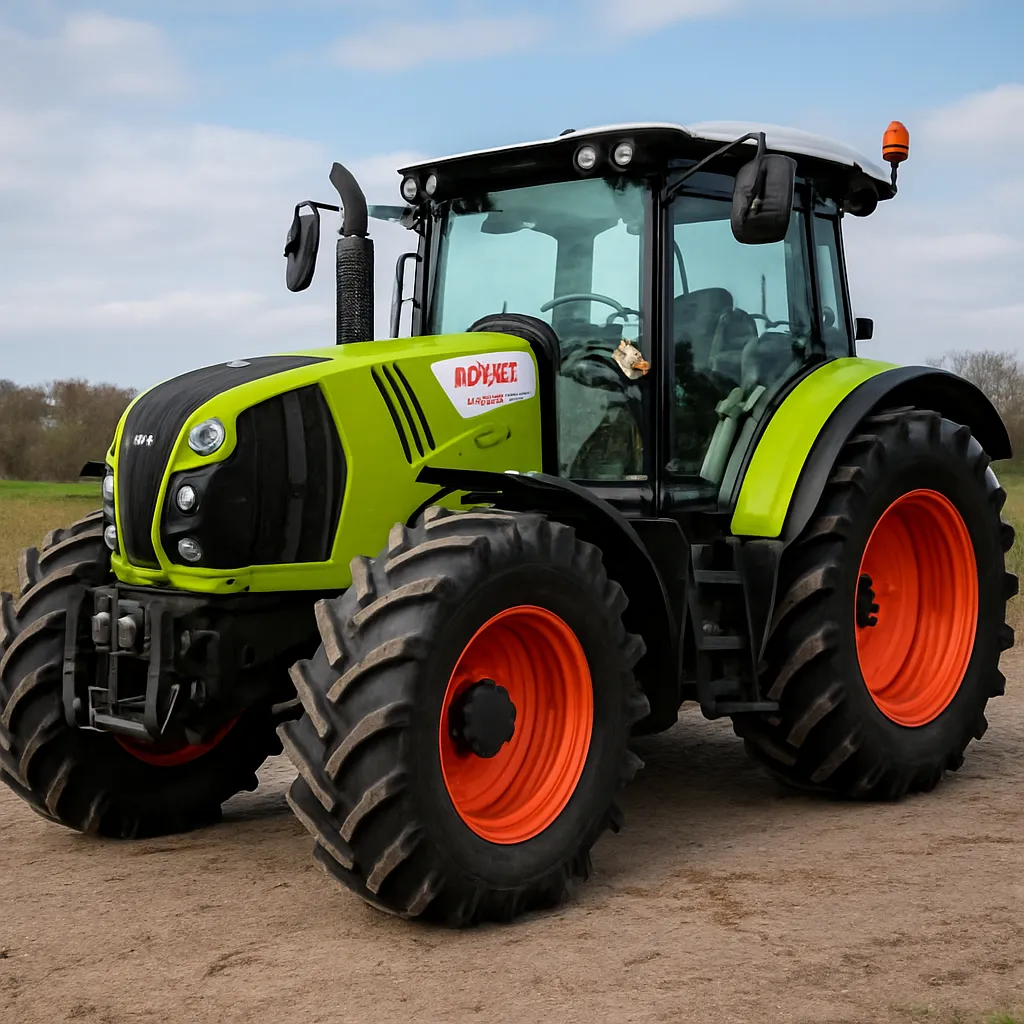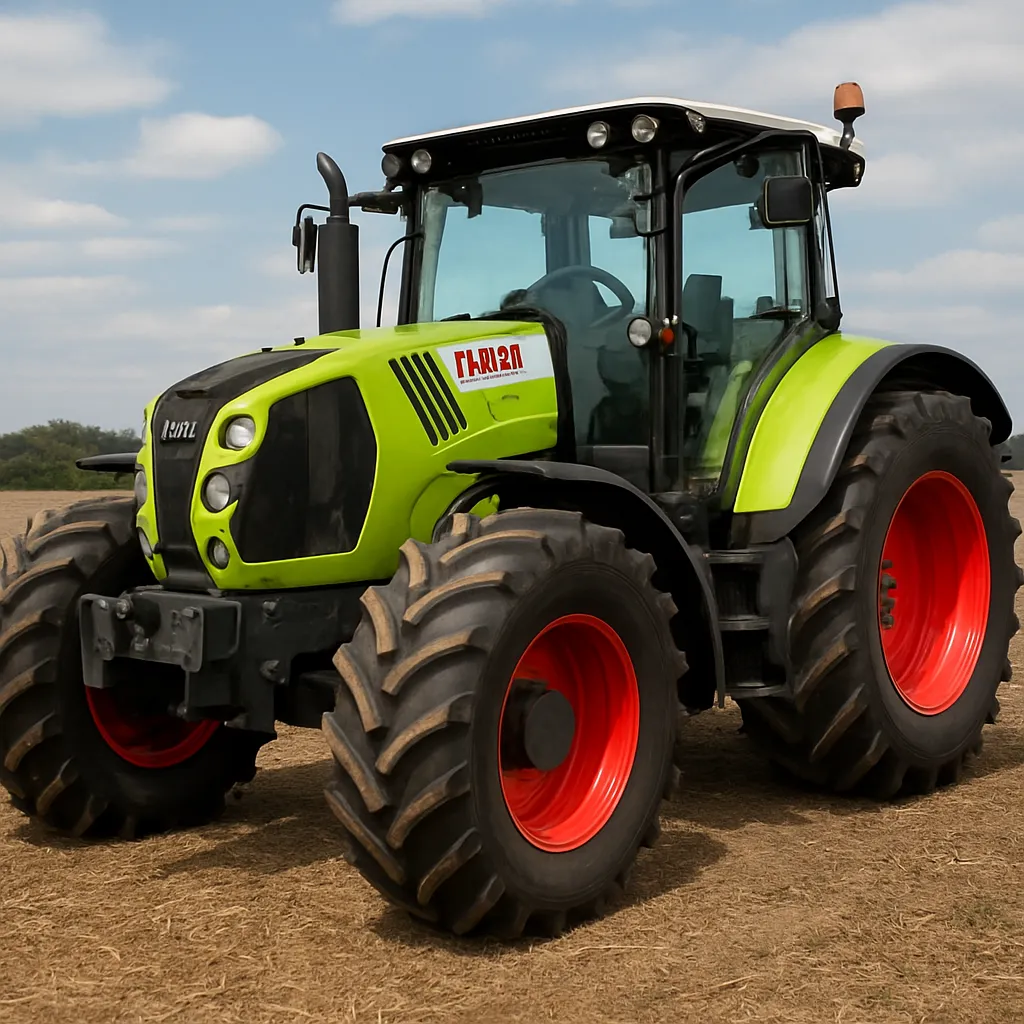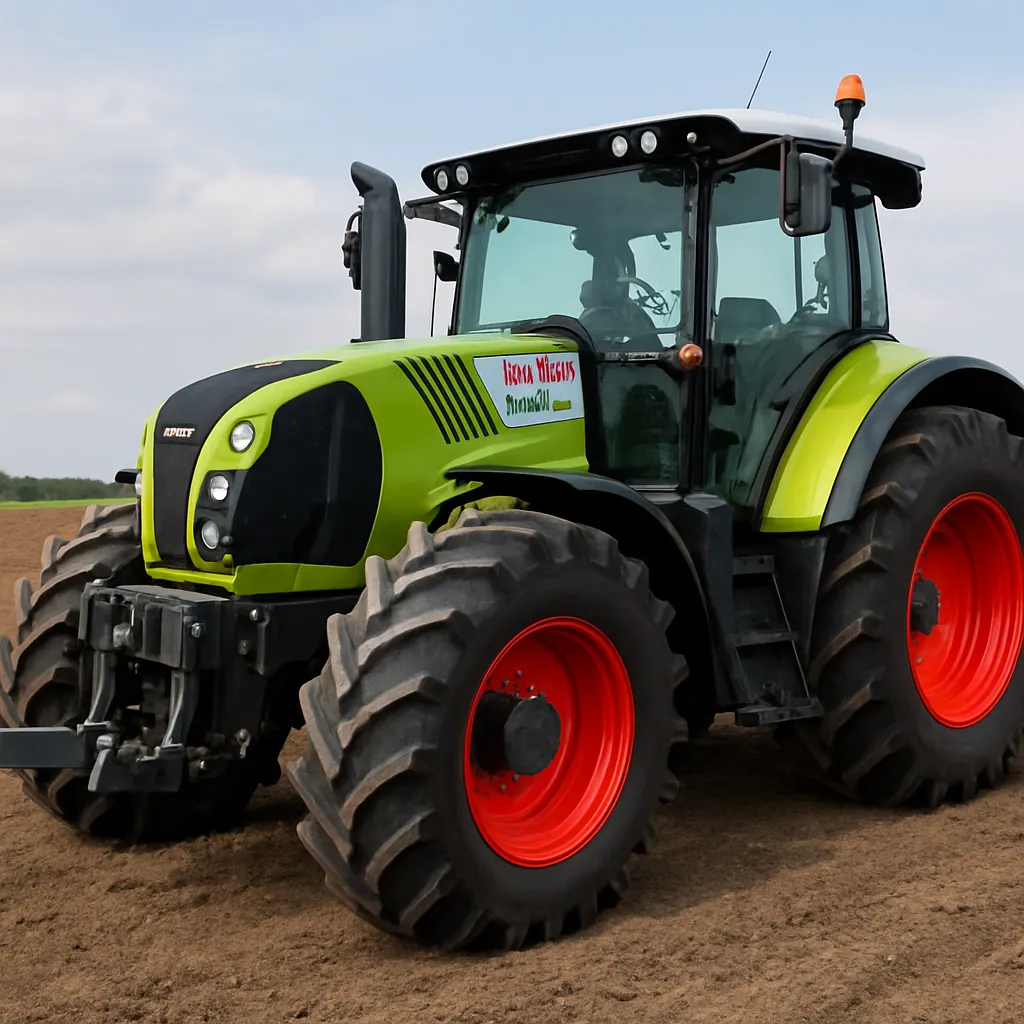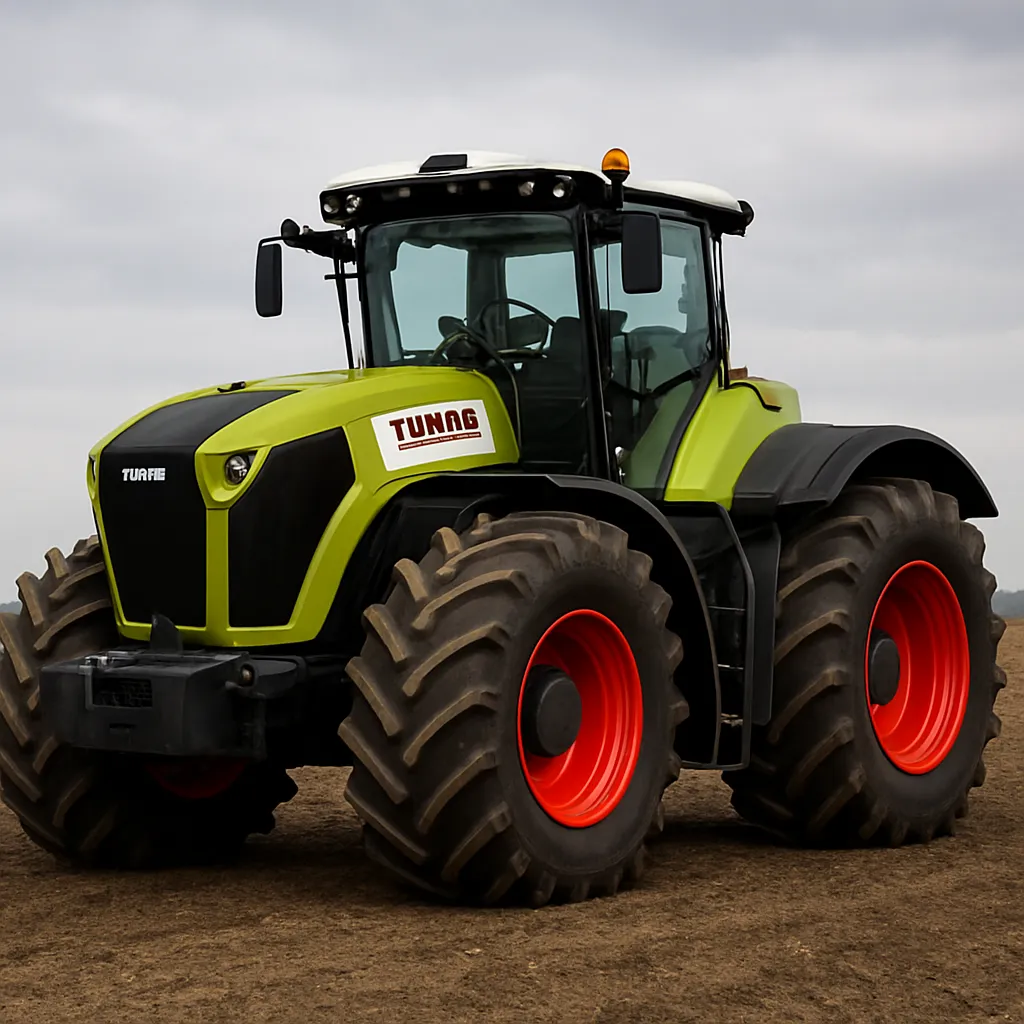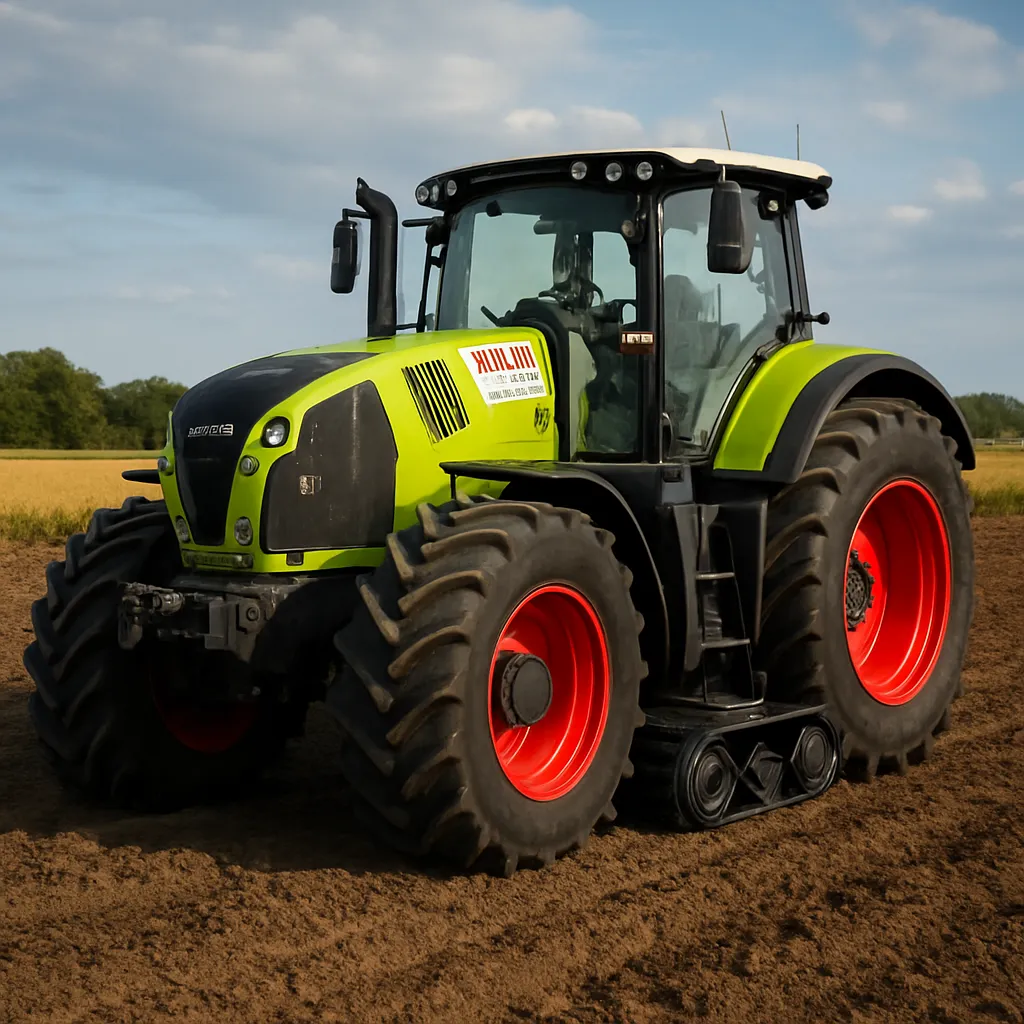
The agricultural machinery market has seen significant innovation in recent years, and one of the machines that embodies that trend is the Claas Axion 870 Terra Trac. This model combines modern engine and transmission technology with a track-based undercarriage designed to reduce soil compaction and improve field performance. In the text below you will find an overview of the tractor’s intended uses, technical and operational highlights, typical applications on farms, and practical considerations for owners and operators. The article also discusses economic and environmental implications, and includes approximate technical statistics where available.
Design and Technical Features
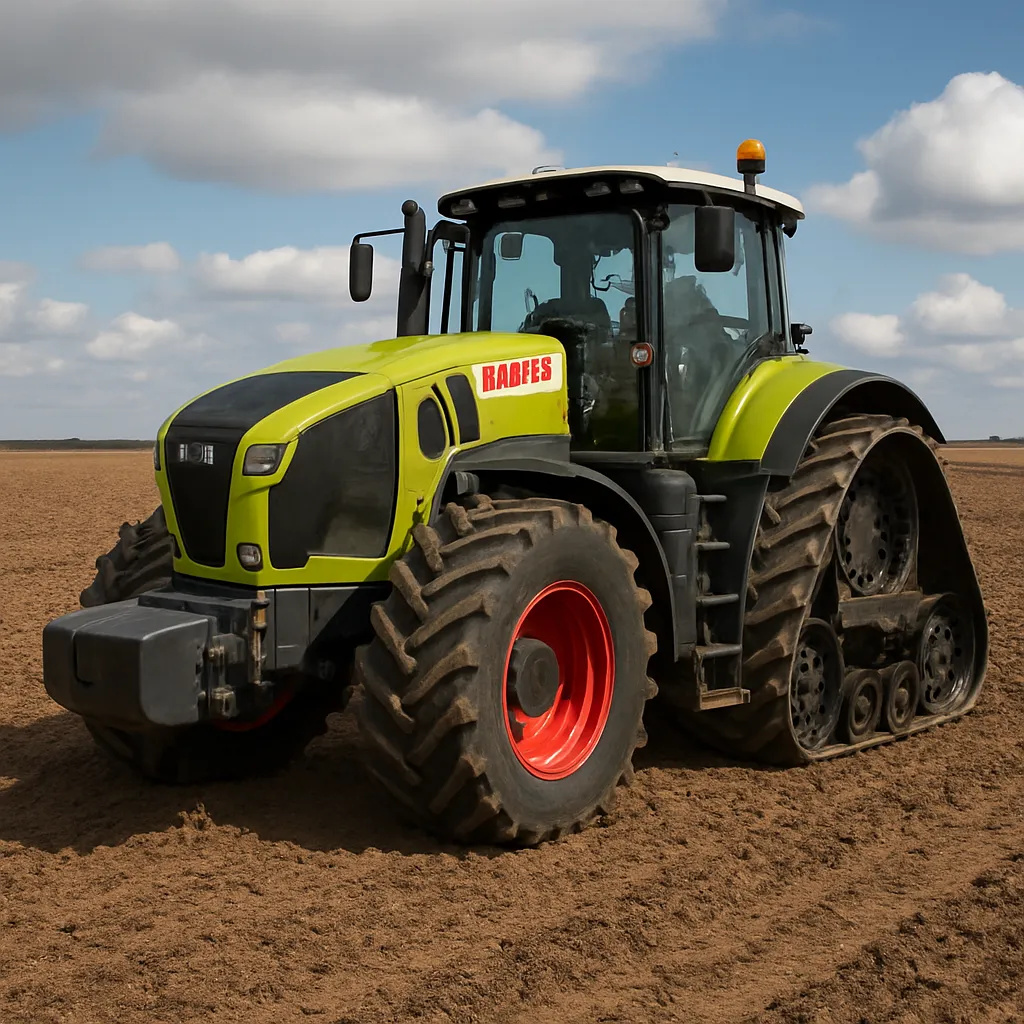
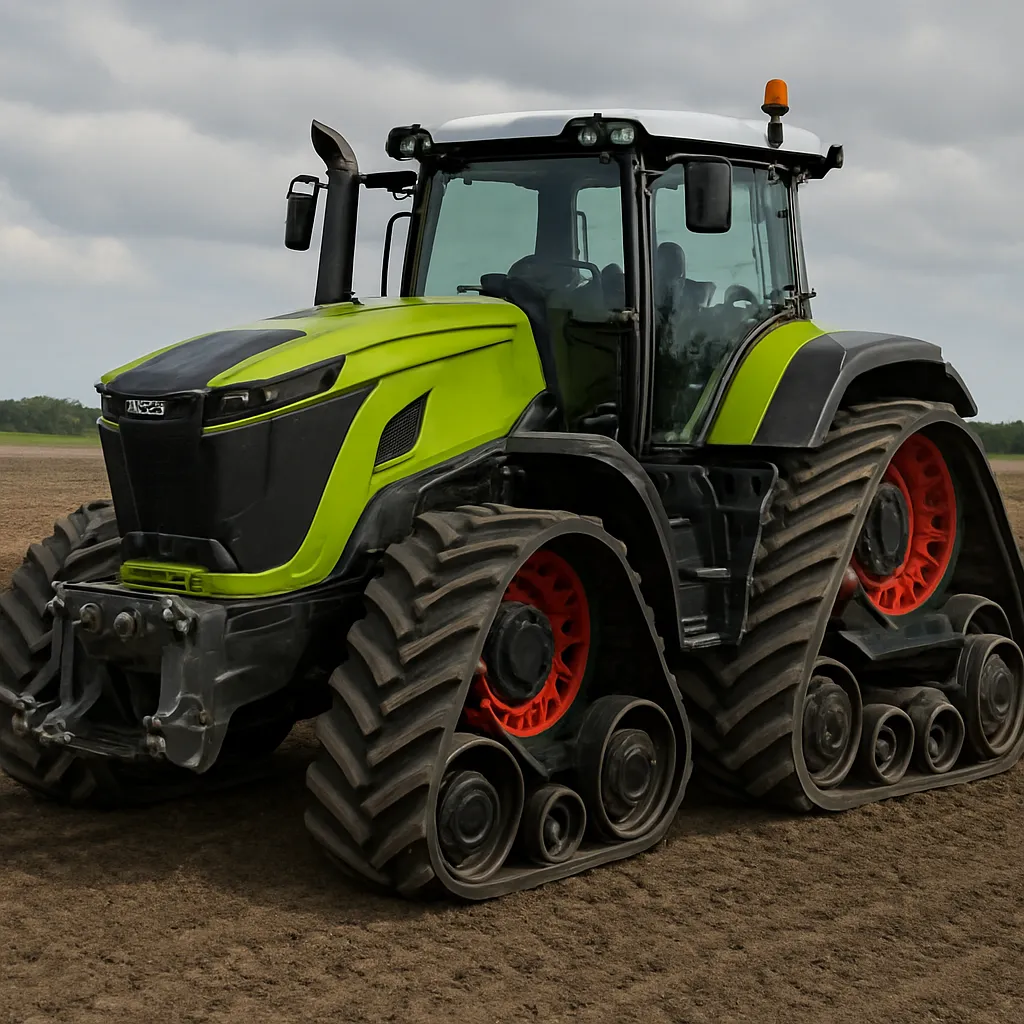
The Claas Axion 870 Terra Trac is a member of the Axion 800 family adapted with a continuous rubber track system instead of conventional rear wheels. This conversion is intended to deliver superior traction, smoother ride quality, and significantly reduced ground pressure compared to twin-wheel configurations. The track system changes the tractor’s contact patch with the soil, distributing weight more evenly and allowing the machine to operate effectively in wet or sensitive soils where wheeled tractors might struggle.
Engine, Power and Transmission
The Axion 870 is equipped with a high-capacity diesel engine tuned for agricultural work. Depending on market and configuration, the machine’s nominal power typically falls into the upper range of the Axion series. Typical figures reported by industry sources place the engine output in a range that serves heavy-field applications and transport tasks alike, providing a mix of sustained power and peak performance for PTO and hydraulic demands.
- Horsepower: Exact power ratings vary by optional packages and emission standard calibrations, but the Axion 870 class is designed to deliver robust working power suitable for large implements and intensive tasks.
- Torque: Engines are calibrated for strong low-end torque to pull heavy loads, maintain speed under draft conditions, and assist with PTO-driven implements.
- Transmission options typically include continuously variable or stepless systems that prioritize fuel economy and operator ease of use by providing seamless speed changes under load.
Terra Trac Undercarriage
The Terra Trac system is a manufacturer-engineered track undercarriage that replaces the conventional rear wheel drive. It is designed for reliability under agricultural conditions, featuring robust track frames, reinforced rubber belts, and careful weight distribution. Advantages of this undercarriage include reduced slippage during high draft work, increased traction in soft soils, and improved flotation, meaning the tractor exerts less pressure per square centimeter of soil. Maintenance of track systems differs from wheeled axles: inspections of track tension, rollers, and drive components are essential for long service life.
Hydraulics, PTO and Implement Integration
High-performance hydraulics are essential for the Axion 870 class, and the Terra Trac is no exception. Generous hydraulic flow rates, multiple couplers and mechanical options allow the tractor to support complex seeders, large cultivators, multi-section sprayers and heavy balers. The standard PTO systems deliver appropriate shaft speeds and torque for a wide range of implements, while advanced electronics ensure smooth engagement and protection during operation. Modern cab systems integrate implement control via protocols such as ISOBUS, enabling seamless communication between tractor and implement for precision management.
Primary Applications and Field Use
The Claas Axion 870 Terra Trac is tailored for farms and contractors who require a powerful, low-ground-pressure machine capable of handling large implements and long working hours. Its principal applications include:
- Deep tillage and heavy soil cultivation where increased traction and weight distribution improve implement performance.
- Large-scale seeding and planting operations that benefit from steady PTO drive and consistent ground contact.
- Transport and haulage on soft surfaces where reduced slippage and improved ride stability increase productivity and operator comfort.
- Work on light or marshy soils where wheel-based machines might compact or become mired.
- Precision farming tasks that require stable speeds and reliable implement control, supported by integrated electronics.
Contractor and Specialty Use
For contractors, the Terra Trac configuration adds versatility to the fleet. Track-equipped tractors frequently command a premium for contract work on late-season or wet-field jobs because they can finish tasks sooner and with less soil damage. Additionally, in operations that transition between heavy fieldwork and long-distance road transport, Terra Trac tractors maintain field advantages while benefiting from drive systems that support adequate road speed and stability.
Performance, Efficiency and Environmental Impact
One of the strongest selling points of the track version is improved performance in limiting soil compaction and thus helping maintain long-term soil health. By spreading the tractor’s mass across a larger surface area, the Terra Trac configuration reduces peak contact pressure. The net effect is often lower rutting and better root zone structure after intense fieldwork.
Fuel Consumption and Operational Efficiency
Fuel economy depends on the nature of the job, ground conditions and operator practices. In many heavy draft scenarios, the increased traction offered by tracks can lead to improved drawbar efficiency — meaning a greater proportion of engine power is converted into useful work rather than lost to wheel slip. This can translate into lower effective fuel consumption per hectare during challenging conditions, although on flat, dry fields the heavier track system can sometimes slightly increase rolling resistance and consumption compared to wheeled counterparts. In short, benefits are most pronounced where traction limitations or ground protection are limiting factors for wheeled tractors.
Soil Protection and Sustainable Farming
Soil compaction is a persistent issue in modern agriculture, reducing water infiltration, root development and yields over time. The Terra Trac undercarriage is frequently cited for its capacity to protect soil structure by lowering peak load and minimizing repetitive compaction in wheel paths. Many growers adopting track tractors report improved post-harvest soil conditions and reduced need for remedial deep loosening operations, which can have favorable implications for long-term farm sustainability and operational costs.
Operator Comfort, Electronics and Precision Farming
Operator comfort plays a central role in productivity, especially for long-duration tasks. The cabin in machines from this class typically features ergonomic controls, excellent visibility and suspension systems tuned for both field and transport. Integrated control consoles allow drivers to adjust transmission, implement settings, and track parameters efficiently without leaving the cab.
Control Systems and Connectivity
Modern Axion models include advanced telematics and precision-farming support. Systems for GPS-assisted steering, section control and variable-rate application are commonly supported, allowing the Terra Trac variant to participate fully in precision agriculture workflows. These systems increase accuracy for seeding and spraying and can reduce overlapping and input waste, improving overall farm economics.
Safety Features
- Stability control and improved braking systems tailored to the mass and dynamics of track-equipped tractors.
- Enhanced lighting and camera options for safer night work and transport on public roads.
- Operator assistance features such as automated headland sequences that reduce fatigue and improve operational consistency.
Maintenance, Lifecycle and Total Cost of Ownership
Track systems require different maintenance routines than wheeled tractors. Regular inspections of track tension, undercarriage rollers, and drive sprockets are necessary. Replacement intervals for rubber tracks and certain components are influenced by operating conditions — abrasive soils and frequent road use accelerate wear. Nevertheless, many owners find that the operational advantages in wet-field capability and reduced soil remediation needs help offset higher component costs over the lifespan of the machine.
Typical Service Intervals and Practical Tips
- Daily visual inspections: check for cuts or damage to rubber tracks, debris build-up, and proper tension.
- Scheduled lubrication and roller checks: follow manufacturer guidance for greasing intervals and wear limits.
- Monitor hydraulic and transmission systems: maintain fluid cleanliness and heed service life recommendations to protect expensive drivetrain components.
Comparisons, Market Position and Buyer Considerations
Compared to wheeled Axion models, the Terra Trac variant is positioned for operators prioritizing soil preservation, traction in adverse conditions, or greater flotation. Buyers should weigh the following considerations:
- Field conditions: if a farm frequently operates on wet or light soils, the track option may yield clear advantages.
- Transport needs: road use accelerates track wear, so evaluate the balance between field and transport tasks.
- Implement compatibility and service networks: ensure local maintenance expertise and parts availability for track systems.
- Resale and utilization: tracked tractors can attract a premium in regions where soil protection is valued; however, market preferences vary by geography.
Statistical and Manufacturer Data (Approximate and Contextual)
Manufacturers and dealerships provide detailed specifications by region and optional package. The following items summarize typical figures and ranges associated with the Axion 870 Terra Trac class; users should consult manufacturer documentation for exact numbers on a particular machine.
- Engine output: approximately within a high-output range appropriate for heavy draft work (figures vary by configuration and emissions package).
- PTO power: rated to deliver reliable power to a broad set of large implements; actual delivered PTO horsepower depends on engine calibration and driveline losses.
- Hydraulic flow: high-flow auxiliary hydraulics designed to support powered seeders and hydraulically demanding implements with multi-section control.
- Operating weight: notably higher than wheeled equivalents due to track undercarriage components and reinforced chassis; this increase is by design to distribute weight and lower contact pressure.
- Ground pressure: significantly reduced compared to twin-wheel configurations; exact kPa/psi figures depend on total machine mass and track contact area.
Real-World Performance Indicators
Independent farm trials and contractor feedback commonly report:
- Reduced wheel slip in wet conditions, frequently translating into better fuel efficiency per hectare for traction-limited tasks.
- Lower visible ruts and compaction in fields worked under similar conditions compared to high-horsepower wheeled tractors.
- Higher initial acquisition and maintenance costs, balanced by increased utilization windows and reduced corrective tillage in some operations.
Case Studies and Practical Examples
Across different regions, tracked Axion 870 machines have found roles in various applications:
- Spring seeding in northern climates where early-field access is critical — the tracks help avoid delays caused by wet soil conditions.
- Large-scale tillage in mixed soils where traction is the limiting factor for productivity with conventional tractors.
- Contracting fleets offering seasonal heavy work to farmers, enabling faster completion of deadlines with less soil damage.
Final Considerations for Prospective Buyers
Choosing a Claas Axion 870 Terra Trac variant is often driven by a combination of operational realities and strategic objectives: protecting soil structure, expanding workable windows in marginal conditions, and maximizing implement efficiency. Potential buyers should assess field conditions, typical work cycles, transport demands and local service support. When matched correctly to farm needs, the Terra Trac option can provide tangible benefits in traction, consistency and soil preservation.
In summary, the Claas Axion 870 Terra Trac stands as a specialized solution within the premium tractor segment: engineered for demanding tasks where tracks offer a measurable advantage. With a focus on sustained efficiency, robust low-end torque, and connectivity through modern systems such as ISOBUS, the machine supports a wide array of modern farming practices while aiming to reduce long-term soil damage and optimize operational output. For exact performance numbers, maintenance schedules and regional options, consult an authorized Claas dealer or the official technical documentation.