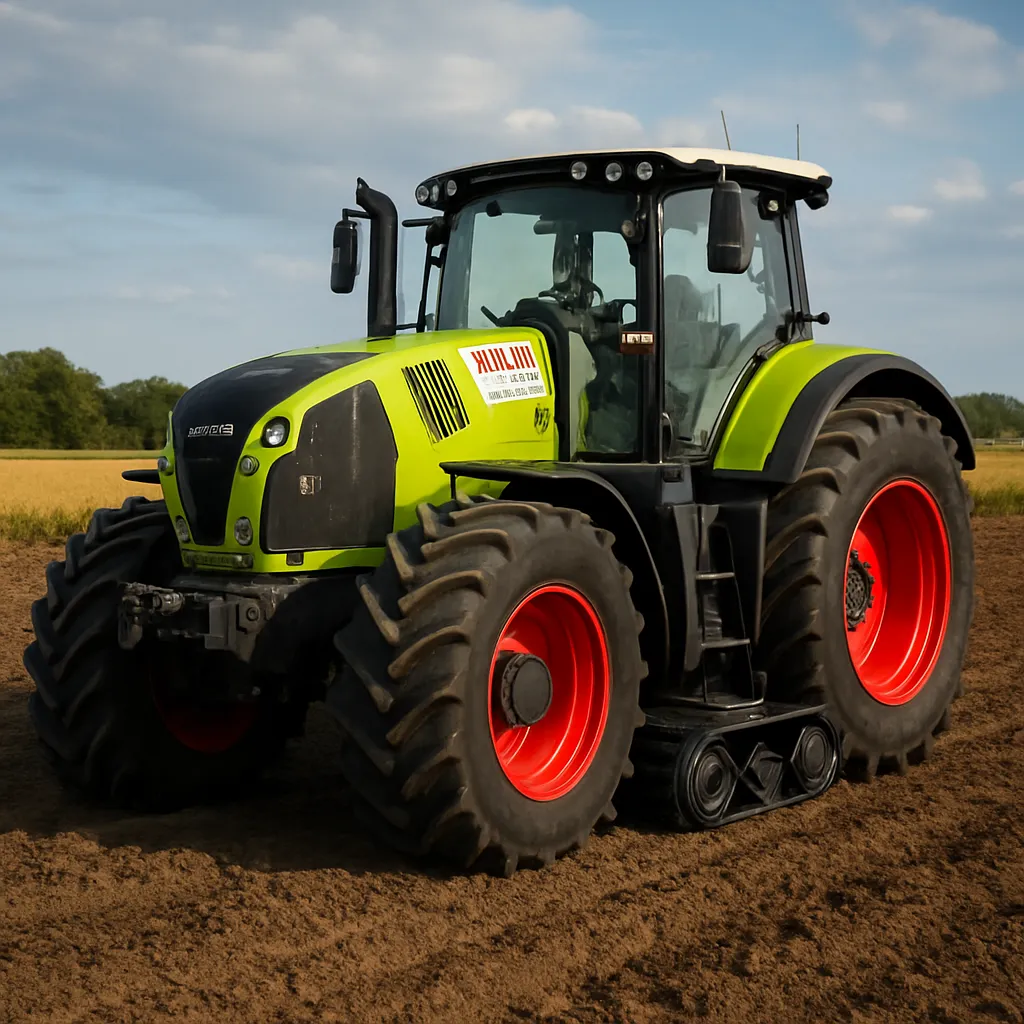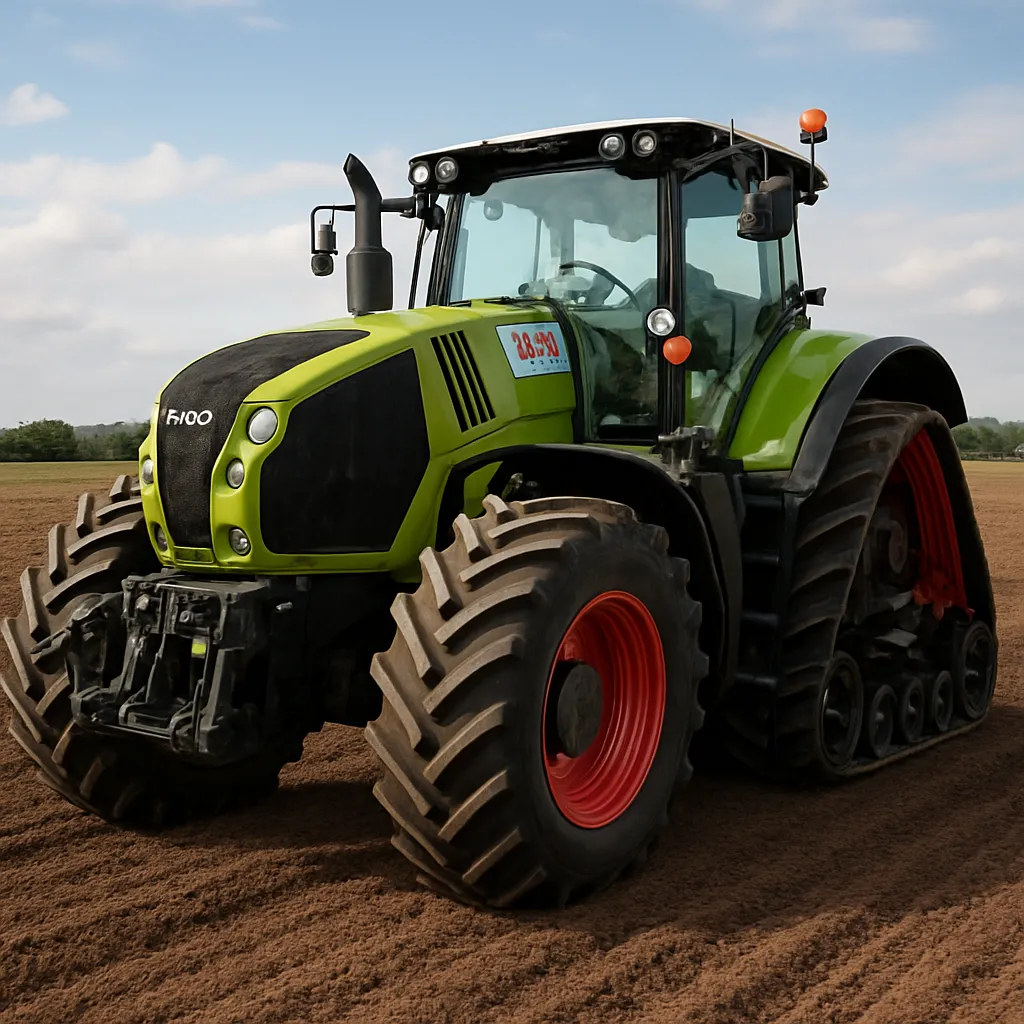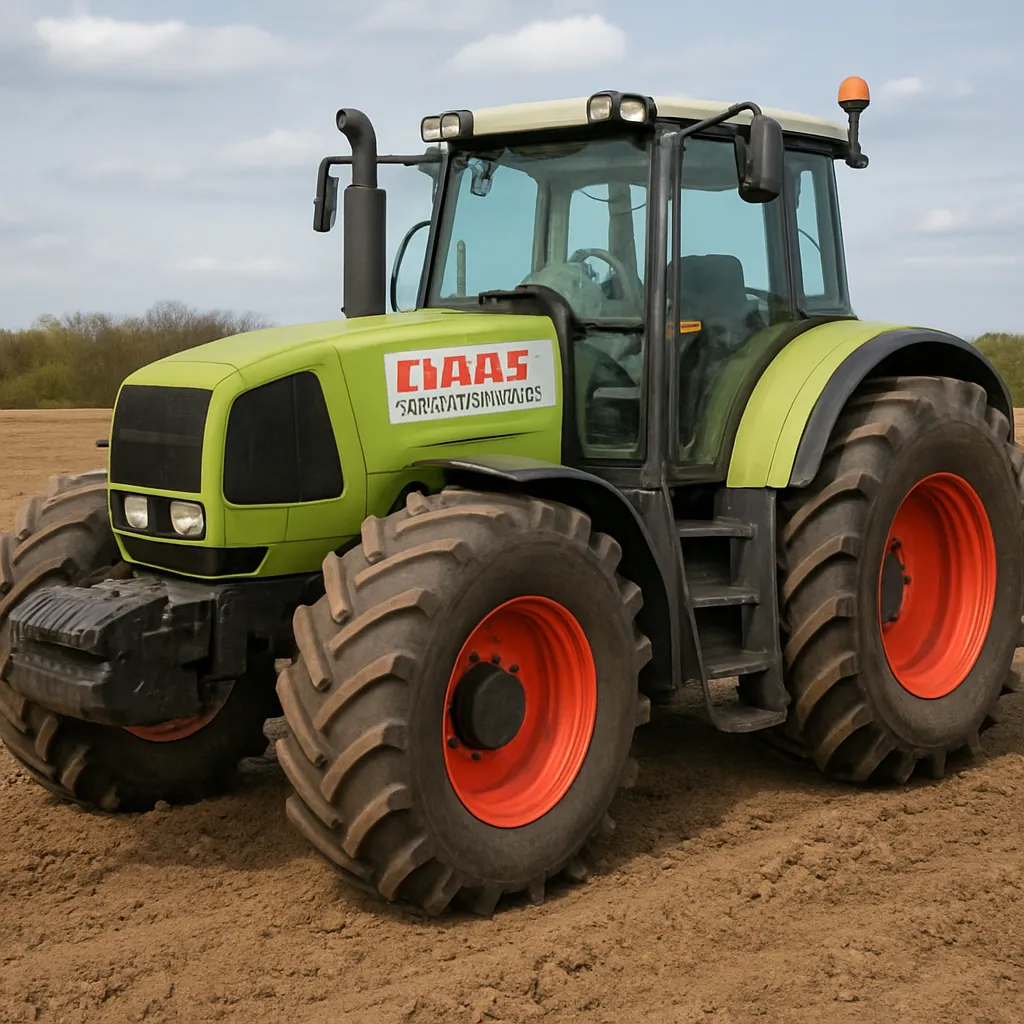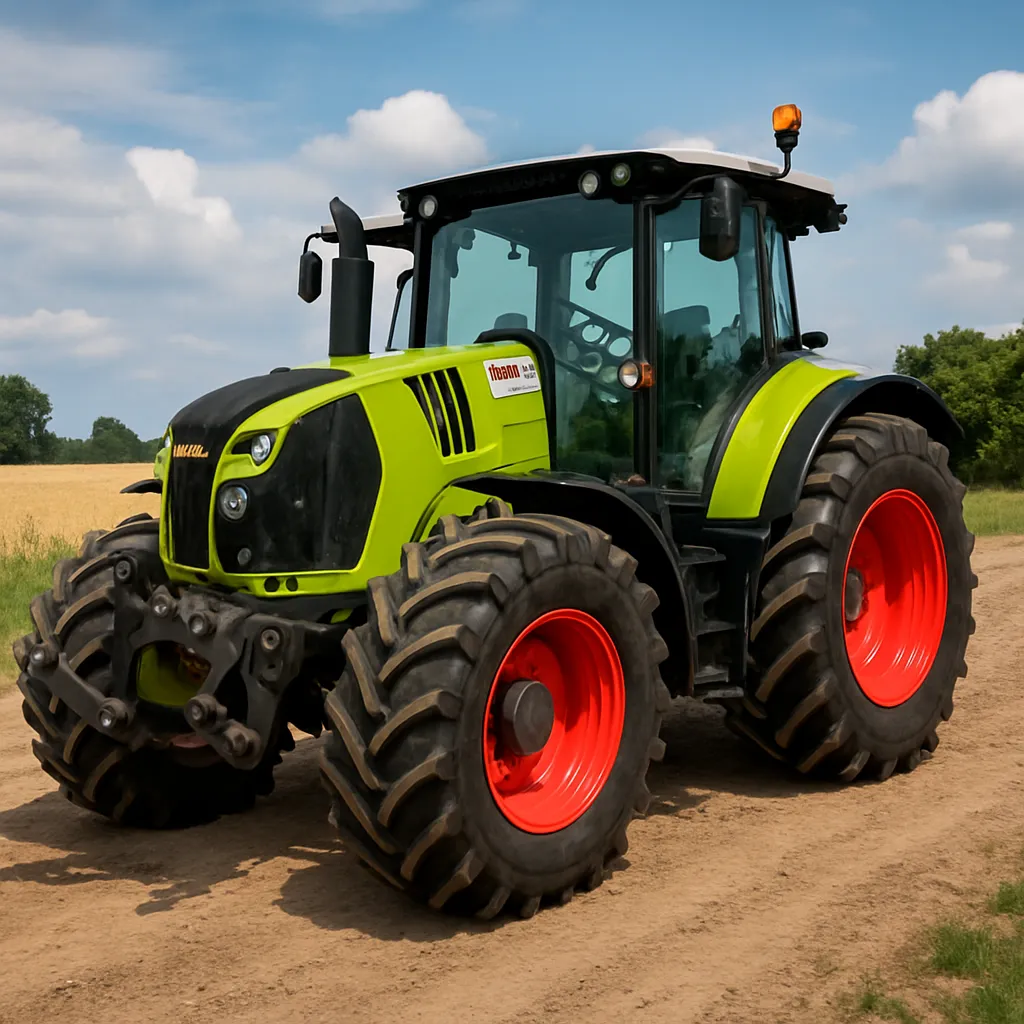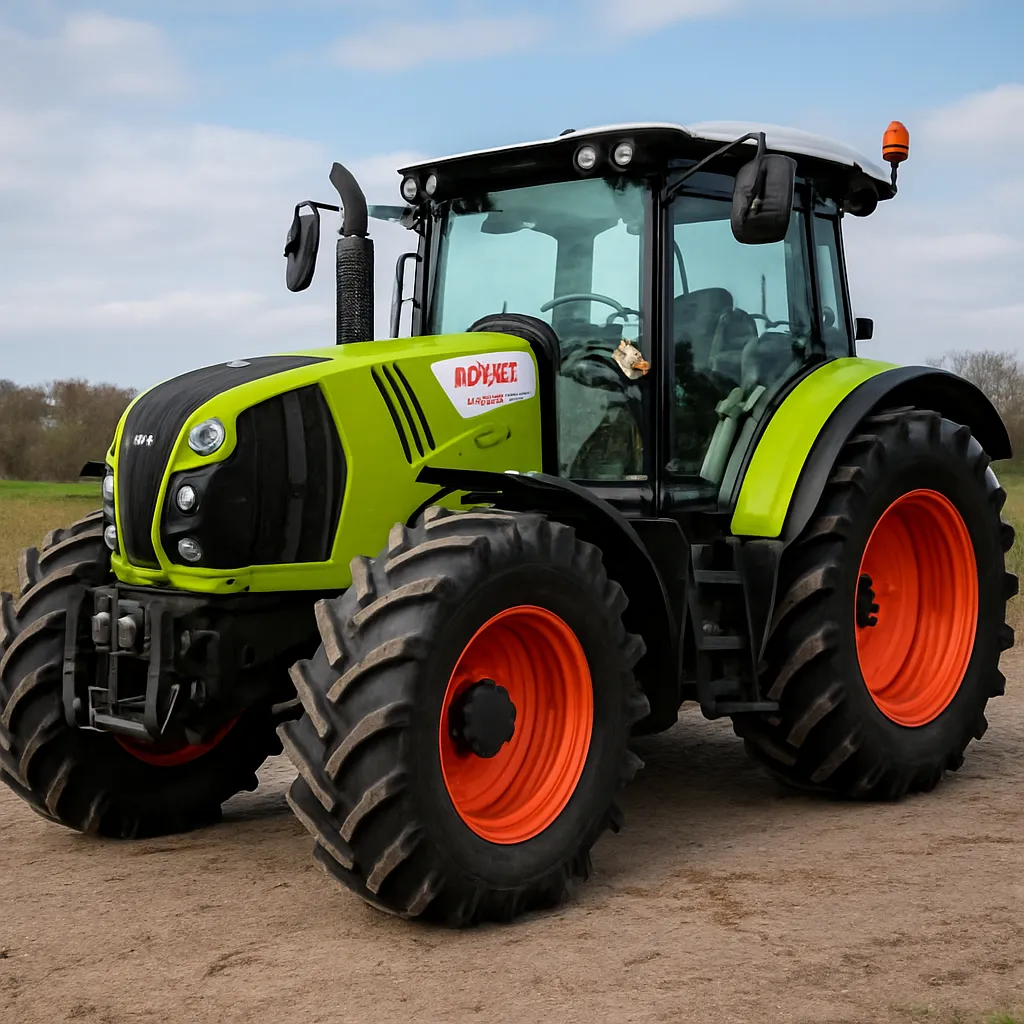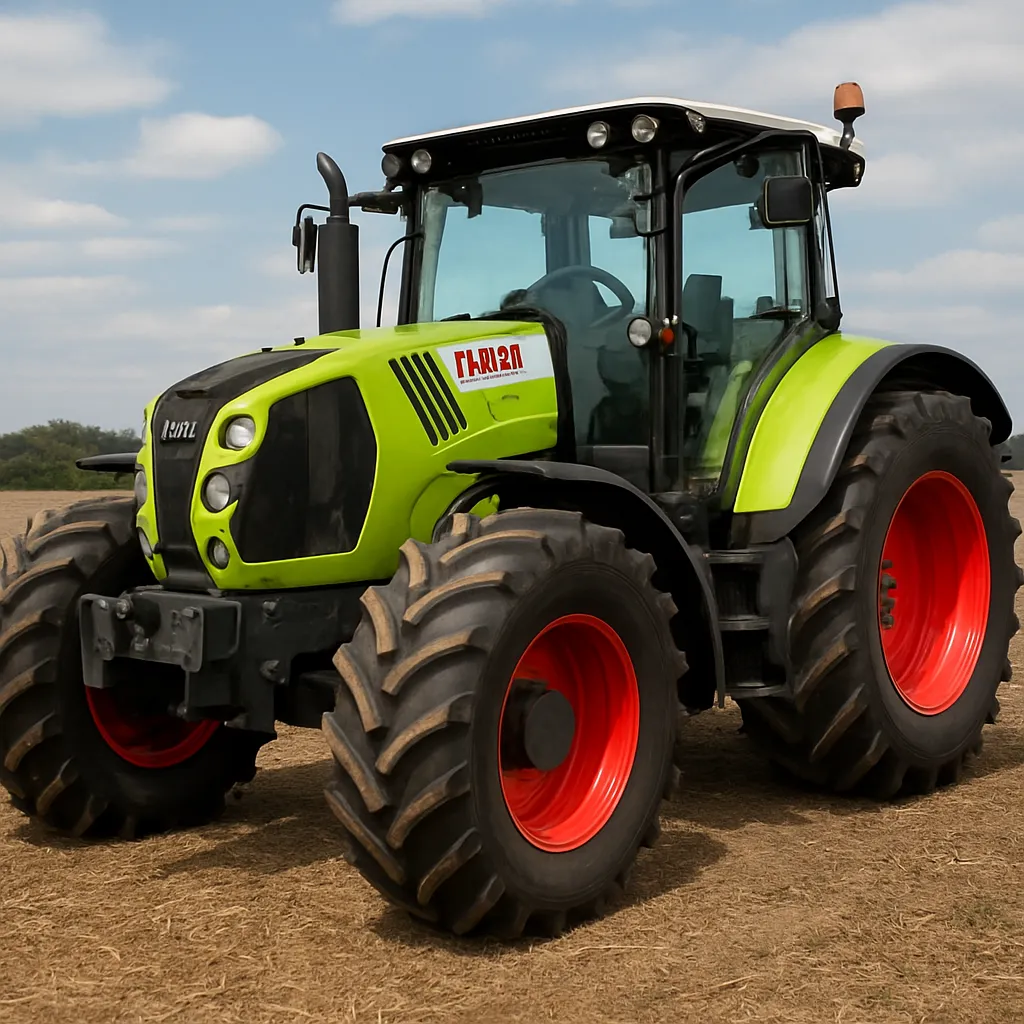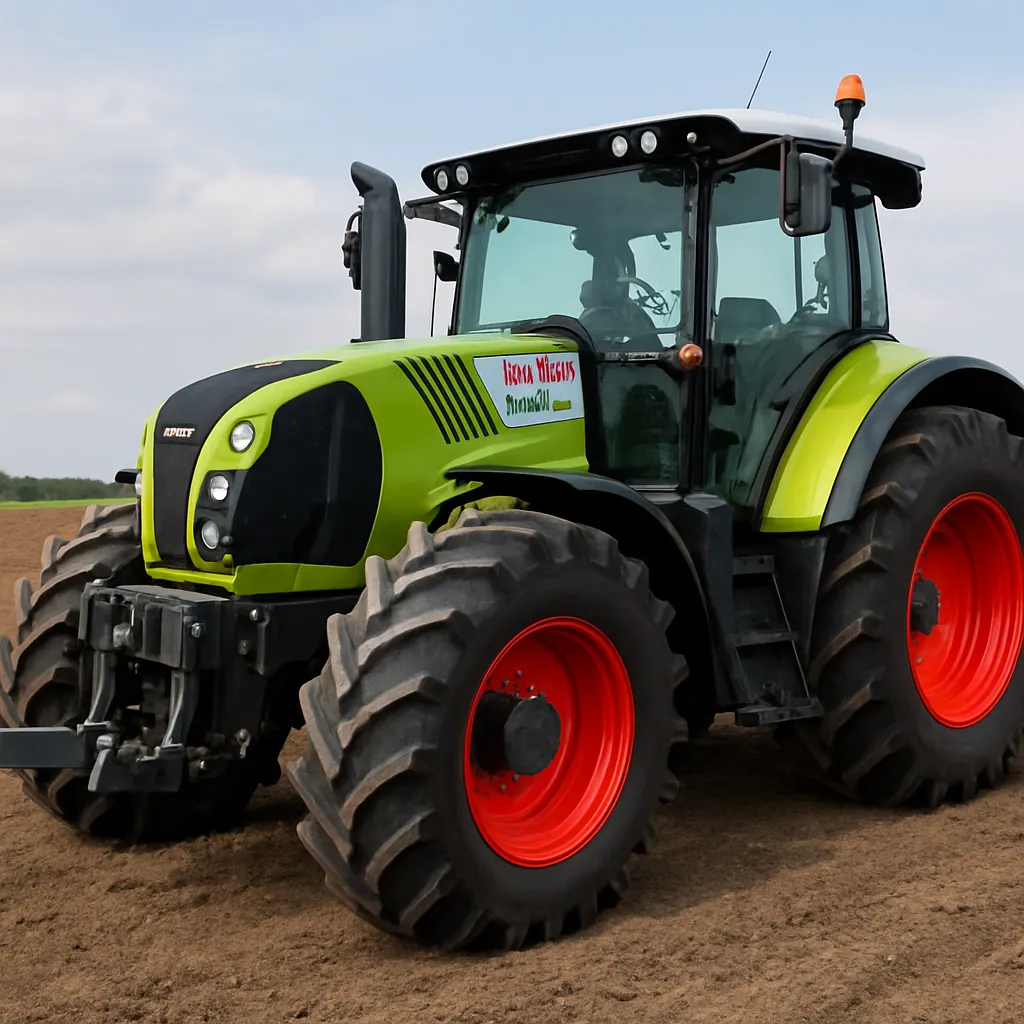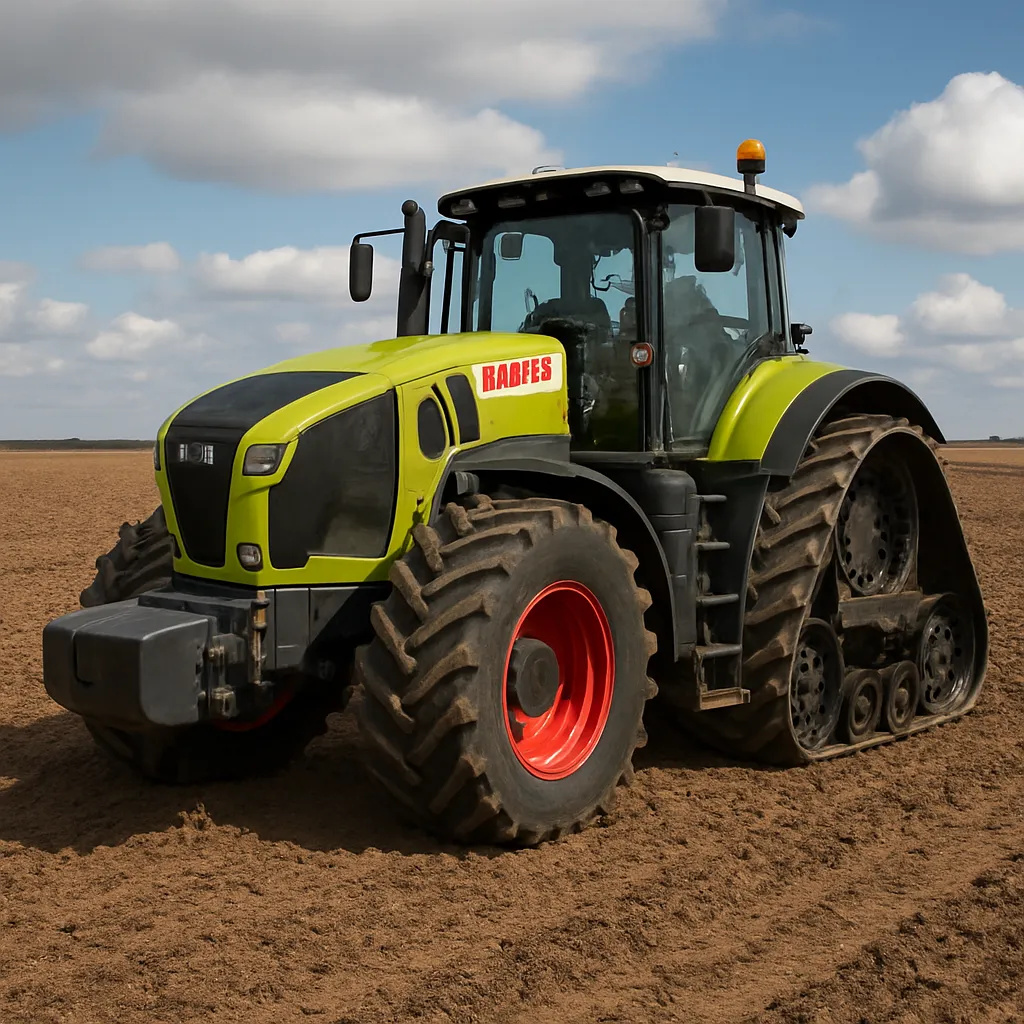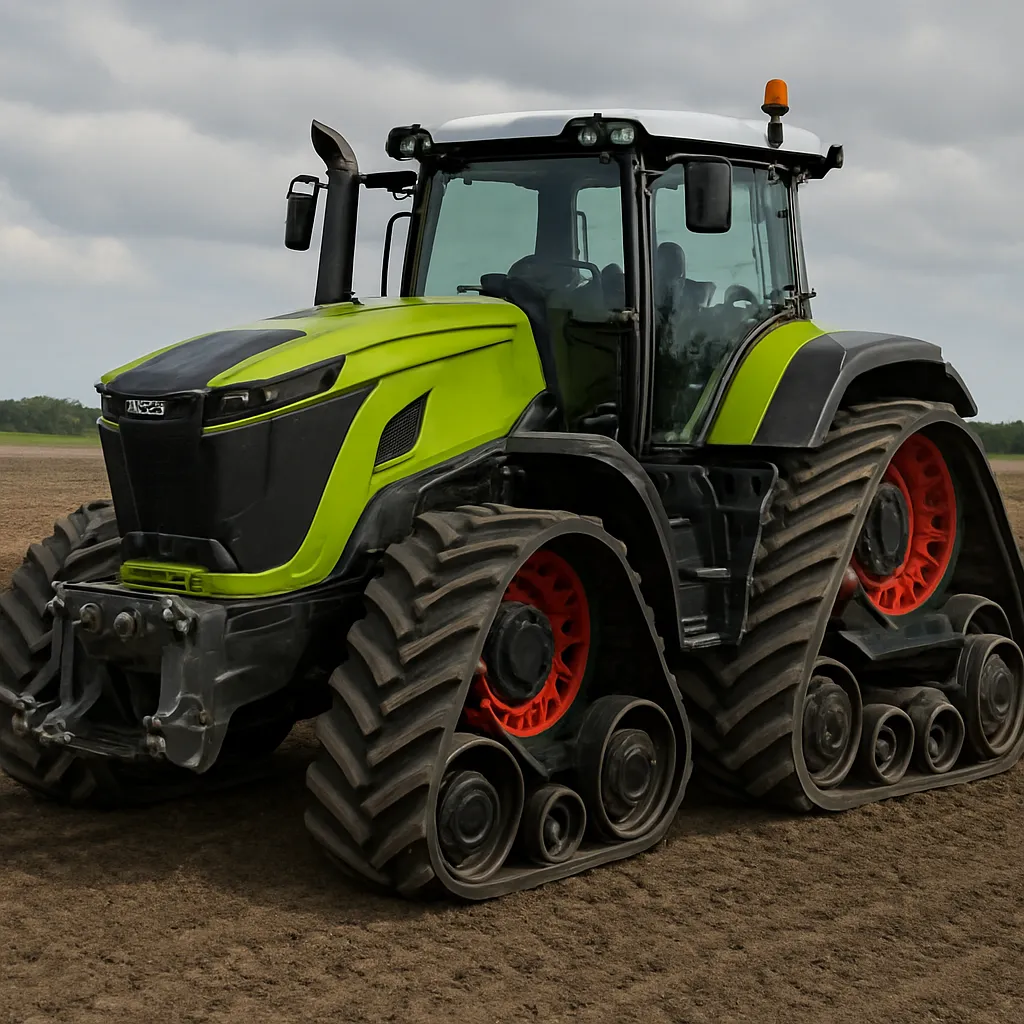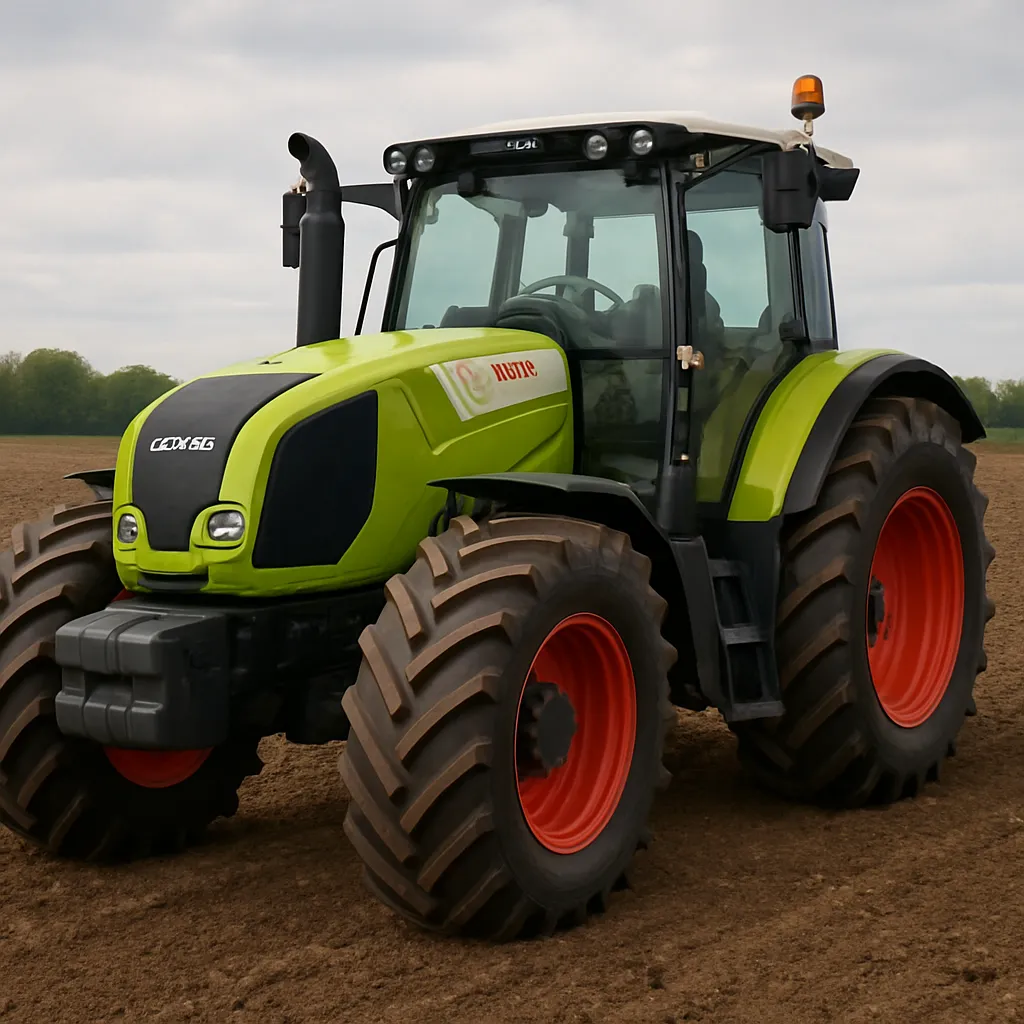
The Claas Axos Heavy represents a robust and versatile entry in the compact-to-medium tractor segment, designed to meet the needs of mixed farms, contractors and specialised agricultural operations. Combining practical engineering, flexible configuration options and focus on operator comfort, the Axos Heavy line is positioned as a reliable workhorse for tasks ranging from field work to municipal and livestock applications. This article examines the design, performance, typical applications, maintenance considerations and market positioning of the Axos Heavy, offering practical detail and approximate technical figures where appropriate.
Design and technical characteristics
The Claas Axos Heavy is engineered with simplicity and durability in mind. Its architecture emphasises serviceability and modularity: the chassis, driveline and hydraulics are built to accept a wide variety of implements and to operate reliably under heavy daily usage. While Claas offers multiple Axos configurations, the “Heavy” designation commonly refers to models with reinforced frames, higher lift capacity and stronger axle and PTO assemblies compared with lighter utility versions.
Engine and powertrain
Axos Heavy tractors are typically equipped with reliable diesel engines from well-known suppliers. Typical engine characteristics include four-cylinder layouts with turbocharging and intercooling to balance torque and fuel efficiency. The power range for the Axos family spans a broad window; for the heavier Axos variants, practical figures usually fall approximately between 70 and 120 horsepower, depending on model year and market specification. Exact power outputs, torque curves and emission compliance (Stage V / Tier 4 final options in recent years) vary by model and region.
Transmission options are designed to match different operational needs. Claas offers manual synchromesh transmissions, shuttle gearboxes for front-loader work, and in some markets more advanced semi‑automatic or continuously variable transmission (CVT) options for smoother operation and fuel economy. Gearbox choices typically include multiple forward and reverse ranges to accommodate both high-speed transport and low-speed implement work.
Hydraulics, PTO and three-point linkage
Hydraulic capabilities are central to the Axos Heavy’s versatility. The tractors are usually fitted with a closed-centre or open-centre hydraulic system providing a practical flow rate for implements. Typical serviceable hydraulic flow figures for heavy utility tractors of this class range from about 40 to 70 litres per minute, which supports loaders, mowers, balers and other power-hungry attachments.
- PTO options normally include 540 rpm and 1000 rpm modes, with electro-hydraulic engagement available on many models.
- The three-point linkage is generally Category II with lift capacities on the drawbar and at 24 inches behind the hitch commonly rated between approximately 2,500 and 3,800 kg depending on specification and optional equipment.
Chassis, axles and tyres
A reinforced chassis and heavy-duty front/rear axles distinguish the Axos Heavy from lighter utility machines. Many models can accept larger tyres for lower ground pressure in wet conditions or narrower agricultural tyres for row-crop applications. Optional front loaders attach to a robust subframe designed specifically for loader-intensive workflows, improving stability and service life.
Applications and typical use cases
The Claas Axos Heavy is intended for users who need a compact-to-medium-sized tractor with an emphasis on durability and multi-function capability. Its adaptability makes it suitable for the following applications:
- Arable farming — Secondary tillage, seeding, fertilising and light transport duties.
- Livestock operations — Feeding, bed preparation, manure spreading and bedding handling with front loaders.
- Hay and forage — Mowing, tedding, raking and baling when fitted with appropriate PTO-driven implements.
- Contracting and municipal work — Roadside maintenance, snow clearing, street sweeping and municipal landscaping where a compact but powerful machine is required.
- Vineyards and orchards (specialised variants) — Where narrower track widths and protection options are offered, Axos models can be adapted for permanent crop work.
- Front loader operations — The reinforced “Heavy” spec supports repeated loader cycles for pallet, silage and general material handling.
Because of its balance between manoeuvrability and power, the Axos Heavy is often chosen by mixed farms that require one tractor to perform many tasks without investing in a larger fleet. The availability of both cabbed and platform variants (in certain markets) adds to its suitability for both open-farm and enclosed-environment tasks.
Performance and operator features
Ergonomics and operator environment
Claas emphasises operator comfort and ergonomics across its tractor ranges. The Axos Heavy offers an operator station designed to reduce fatigue during long workdays. Features that may be present include an adjustable seat with suspension, easy-to-reach controls, clear instrumentation and optional air conditioning when fitted with a cab. Visibility from the cab or platform is optimised for loader work and hitching implements.
Control systems and electronics
Modern Axos Heavy machines incorporate user-friendly electronic controls where required: electronic engine management for efficient fuel consumption, optional electronic linkage control for smoother implement handling, and simple onboard displays for monitoring engine hours, service intervals and system warnings. Advanced precision-agriculture interfaces (ISOBUS compatibility) may be available on higher-spec machines or as factory options, enabling easier integration with modern implements and guidance systems.
Fuel economy, noise and emissions
Diesel engine technology, turbocharging and efficient transmissions help the Axos Heavy achieve respectable fuel economy in its class. Real-world consumption varies heavily with the task: light transport and loader work may see modest fuel use, while PTO-intensive forage operations will increase fuel burn. Emissions controls on more recent models comply with tighter regional standards (e.g., EU Stage V or equivalent), which can include selective catalytic reduction (SCR) and particulate filters.
Accessories, attachments and customisation
One of the Axos Heavy’s strengths is its ability to accept a wide range of implements, allowing a single tractor to serve multiple roles across the farm. Common attachments and accessories include:
- Front loaders with quick-attach systems for buckets, pallet forks and bale spears.
- Mowers (flail, rotary and disc) and mower-conditioners for forage and sward management.
- Bale wrappers, round and square balers connected via PTO and linkage.
- Tine harrows, cultivators and seed drills for tillage and seeding tasks.
- Manure spreaders and slurry handling equipment compatible with available PTO strength and linkage.
- Snow blades, sweepers and salt spreaders for municipal and winter duties.
- Front weights, ballast options, and tyre choices to tailor traction and ground compaction.
Customisation options often include cab comfort packs, additional hydraulics or auxiliary valves, power lifts, and lighting packages for extended working hours.
Maintenance, operating costs and lifecycle considerations
Maintenance and operating costs are central to the total cost of ownership. Claas designs the Axos Heavy with serviceability in mind: easy-access engine bays, grouped service points and a maintenance schedule that is manageable for farmers and small contractors.
Typical maintenance items
- Regular oil and filter changes (engine, transmission, hydraulics).
- Fuel filter and air filter replacements according to hours of operation and environment.
- Hydraulic system checks and occasional fluid changes, especially when working with heavy hydraulic attachments.
- Greasing of loader mounts, three-point linkage joints and PTO drive shafts.
- Tire inspections and alignment checks to minimise uneven wear and maintain traction.
Operating costs depend largely on fuel price, utilisation rate and regional service pricing. For many owners, the Axos Heavy represents a balance between initial investment and long service life. Using recommended maintenance intervals and genuine parts contributes to higher resale values and reduced downtime.
Safety, regulations and operator training
Safety features typically available on the Axos Heavy include ROPS (rollover protective structure) or fully certified cabs, emergency stop procedures, clear warning indicators and interlocks for PTO and attachment engagement. Because the tractor is often used with heavy implements, correct hitching, use of safety chains and adherence to load limits are critical to safe operation.
Operator training should cover:
- Correct hitching and PTO engagement procedures.
- Safe loader operation, including weight distribution and rollover avoidance.
- Daily pre-start checks and basic troubleshooting.
- Understanding of hydraulic circuits and implement connections.
Market position and comparative advantages
The Claas Axos Heavy competes in a busy segment populated by compact and medium-utility tractors from several global manufacturers. Its advantages include a strong reputation for build quality, dealer support in regions where Claas has a presence, and a good balance of power, hydraulics and loader readiness. Buyers often choose the Axos Heavy when they want a single tractor capable of intensive loader cycles, fieldwork and transport, without moving to a much larger (and more expensive) model.
Key comparative strengths:
- Versatility — configured for a wide variety of implements and tasks.
- Serviceability — accessible design for routine maintenance.
- Robustness — heavier components in loader-critical areas.
- Comfort — operator-friendly controls and optional cab features.
Purchasing considerations and resale
When evaluating a Claas Axos Heavy, prospective buyers should consider:
- Exact model year and engine emission standard (affects long-term compliance and resale).
- Transmission type and match to intended tasks (loader vs. field work vs. transport).
- Hydraulic flow and hitch capacity relative to the implements planned for use.
- Availability of service and parts in the local market from Claas dealers or authorised workshops.
Resale value is influenced by service history, hours of operation, condition of major components (engine, transmission, loader) and market demand. Machines that have been well maintained and that include popular options (front loader, cab, high-capacity hydraulics) typically command higher prices in the used market.
Environmental and regulatory considerations
Modern Axos Heavy models incorporate emissions control technologies to meet regional regulations. Buyers should check which emission tier a machine conforms to, particularly if operating in regions with strict air-quality or noise regulations. Fuel efficiency and correct maintenance also reduce the carbon footprint over the tractor’s lifecycle.
Summary and practical recommendations
The Claas Axos Heavy is a practical choice for farmers, contractors and municipal operators seeking a dependable, multipurpose tractor with enhanced structural components for loader and heavy-duty service. Its strengths are rooted in a balanced combination of durability, flexibility, and operator-focused features that make daily tasks easier and reduce downtime. While exact technical specifications vary by model and market, the Axos Heavy generally offers adequate horsepower for a broad spectrum of implements, strong hydraulic support, and a chassis designed to withstand demanding use.
Buying checklist
- Confirm engine power and emission standard for regulatory compliance in your region.
- Verify hydraulic flow and PTO options to ensure compatibility with intended implements.
- Inspect service history and check for heavy loader wear if buying used.
- Evaluate dealer support and availability of spare parts locally.
- Consider optional packages such as precision-AG interfaces (ISOBUS), enhanced lighting and comfort packages if you require long hours of daily operation.
With this combination of features and practical adaptability, the Claas Axos Heavy remains a compelling option for operators who need a versatile tractor that performs reliably across a broad range of agricultural and municipal duties. Careful selection of model options and adherence to recommended maintenance practices will maximise its productivity and long-term value.