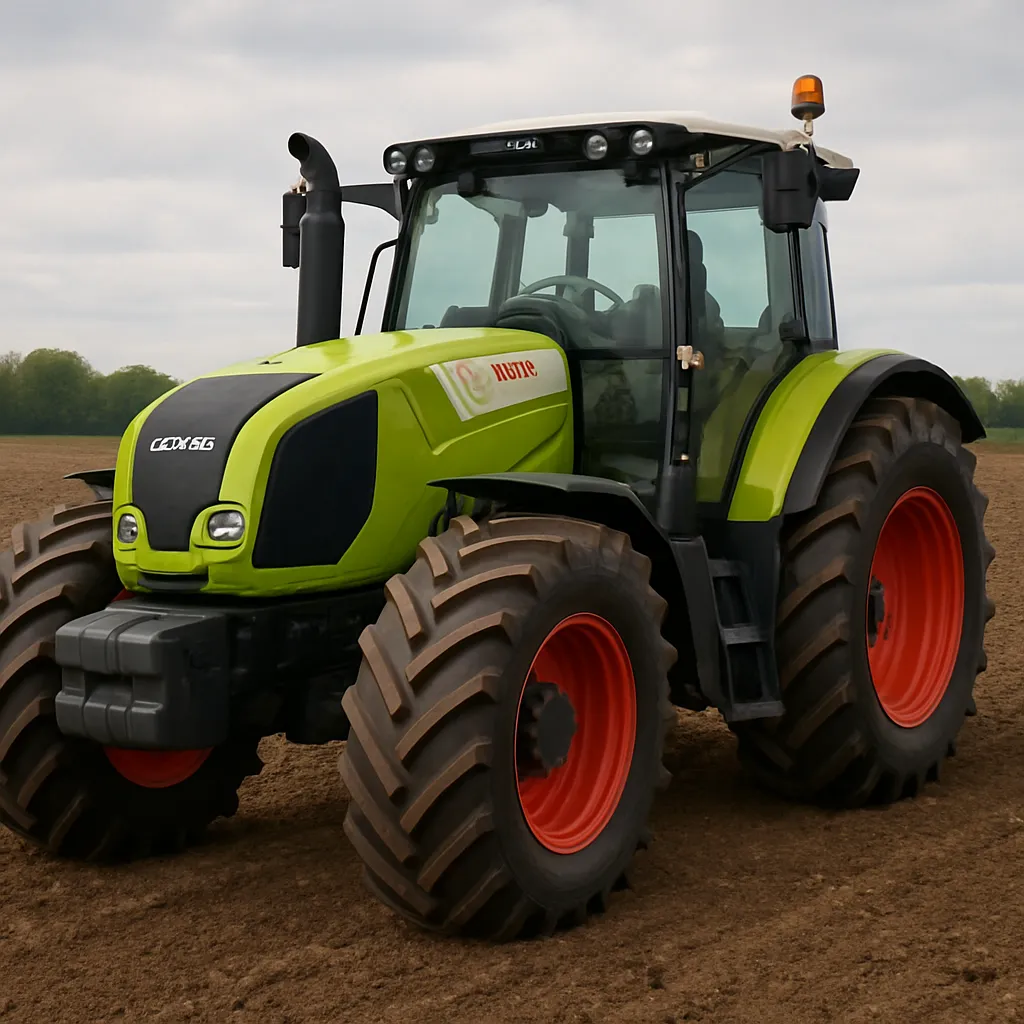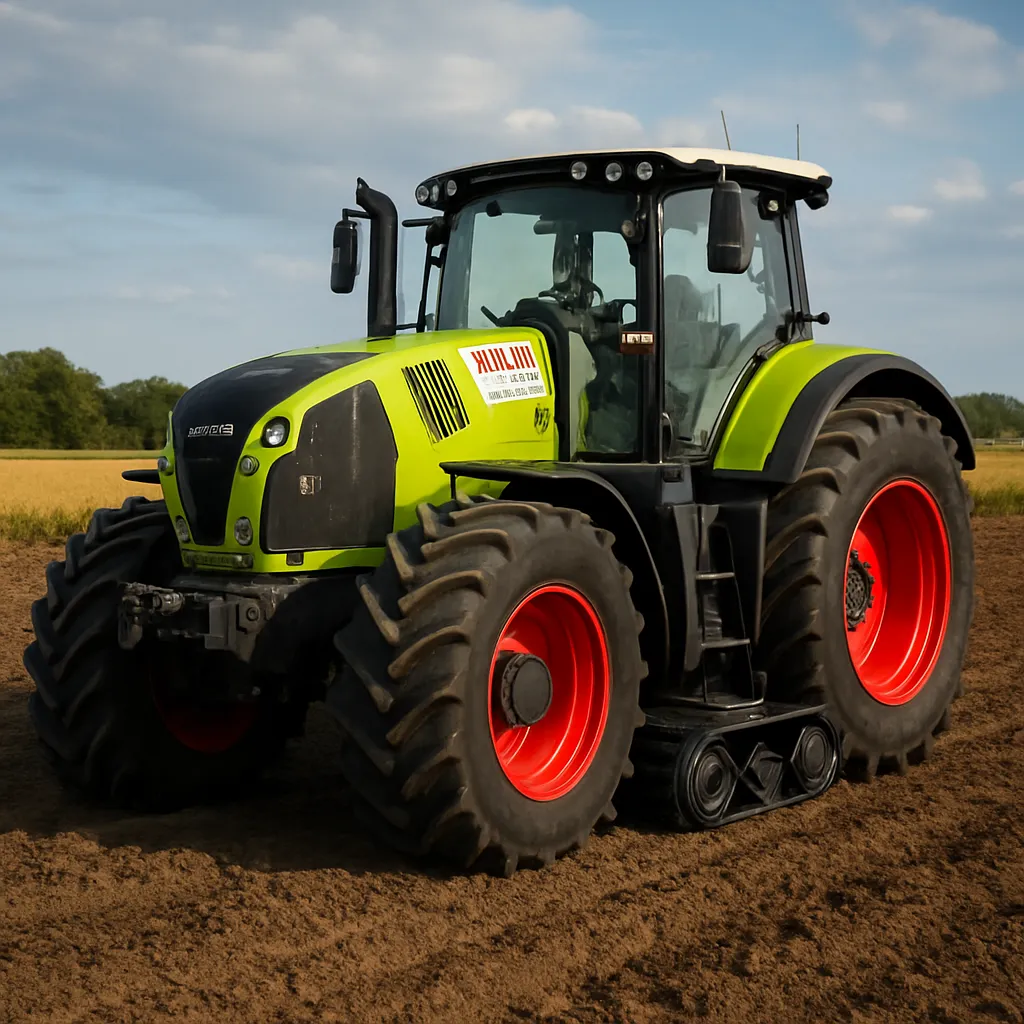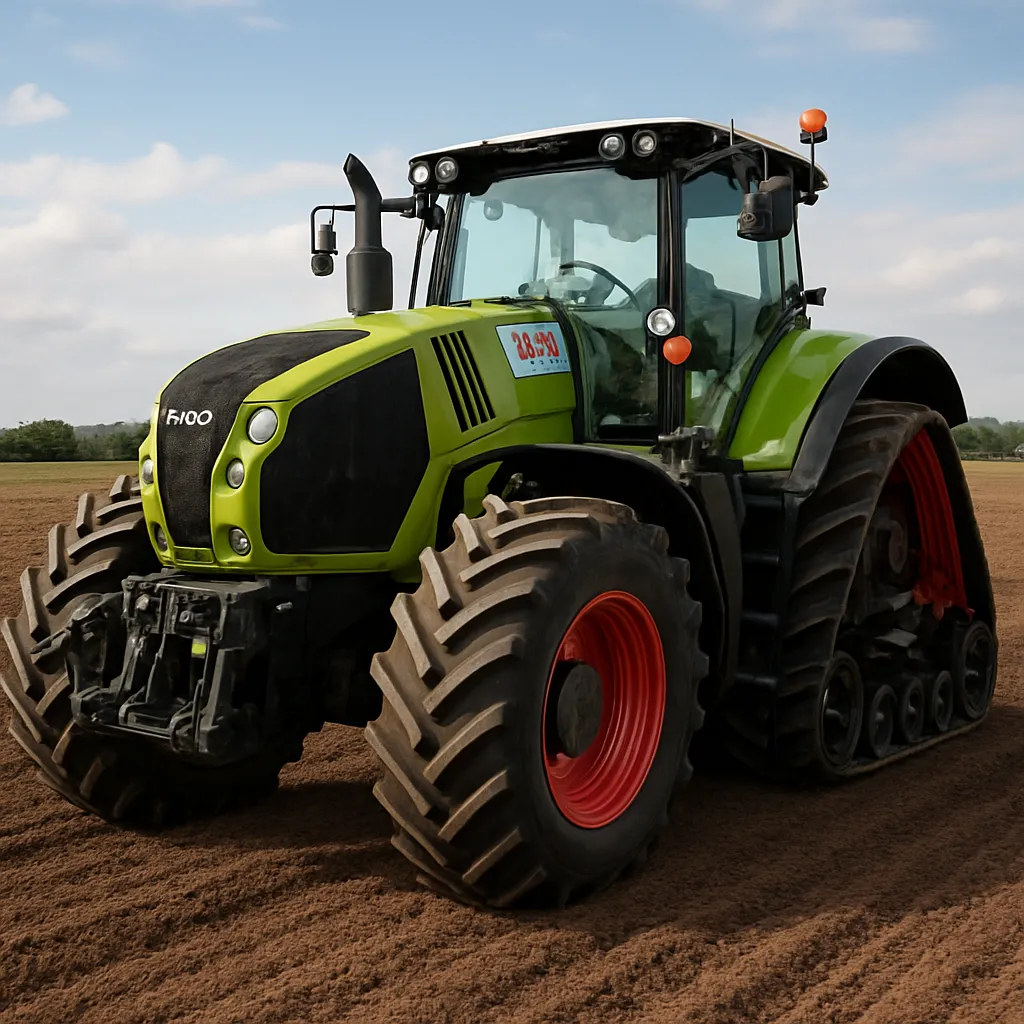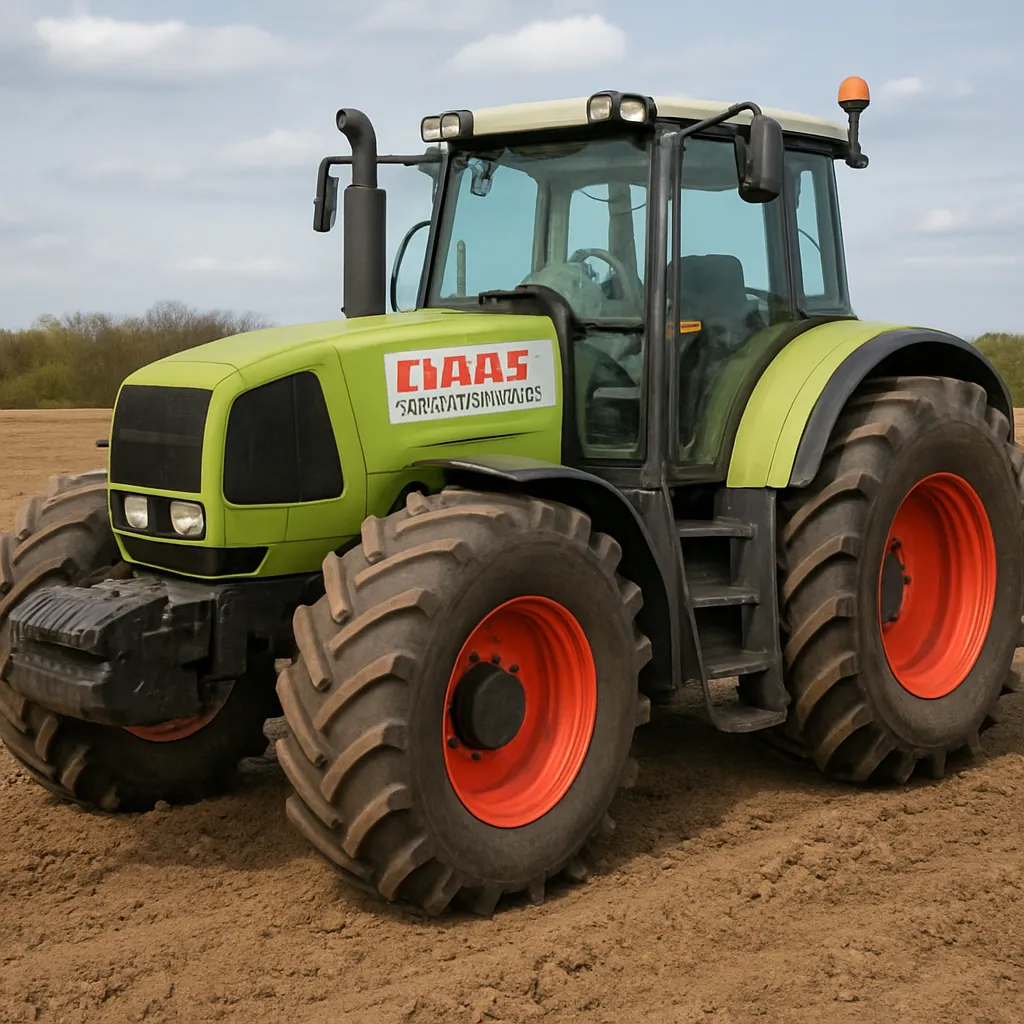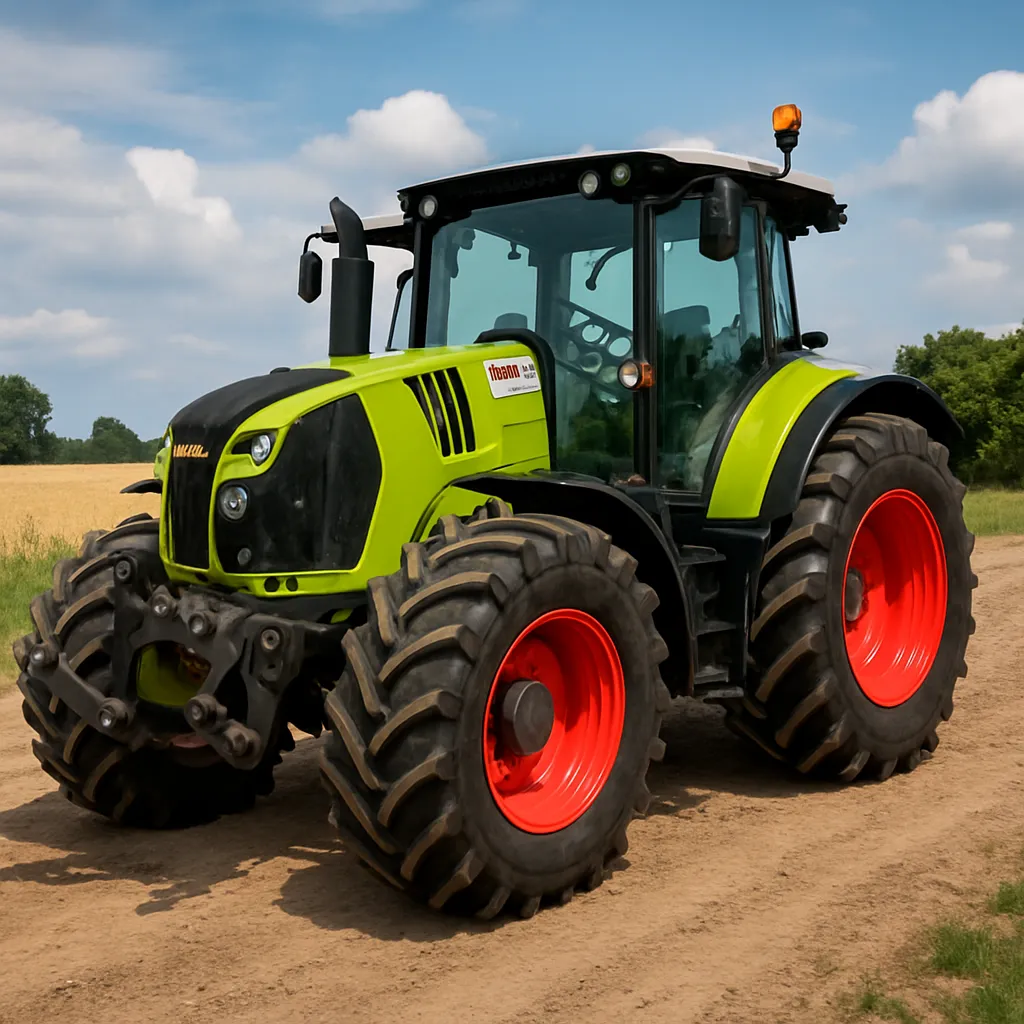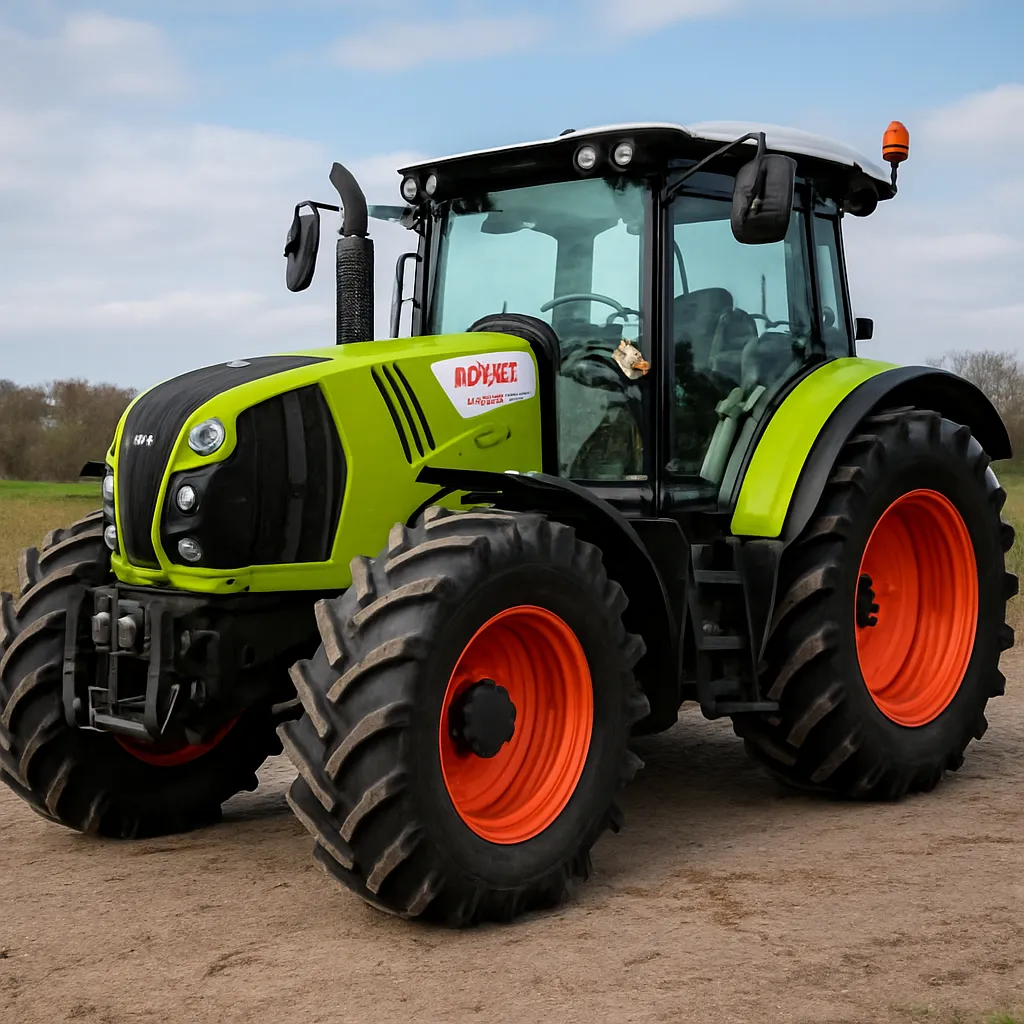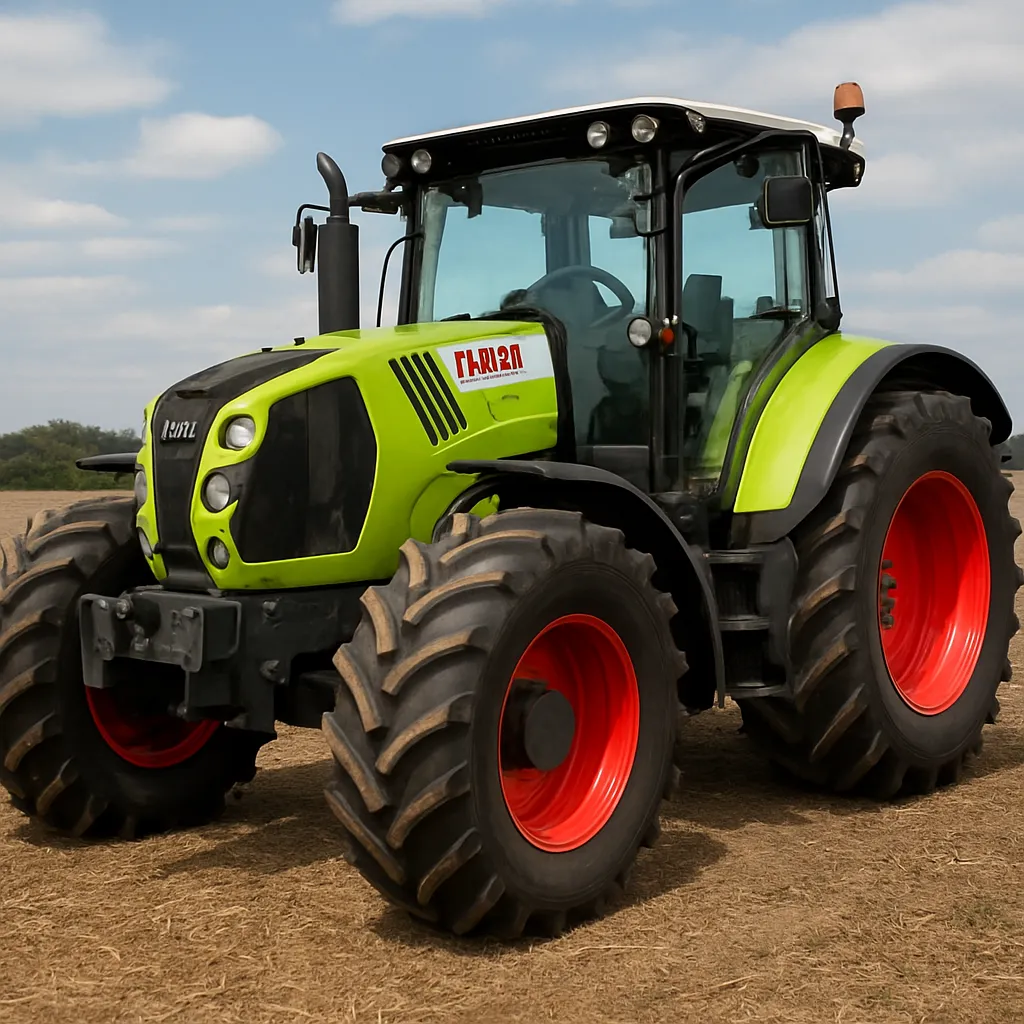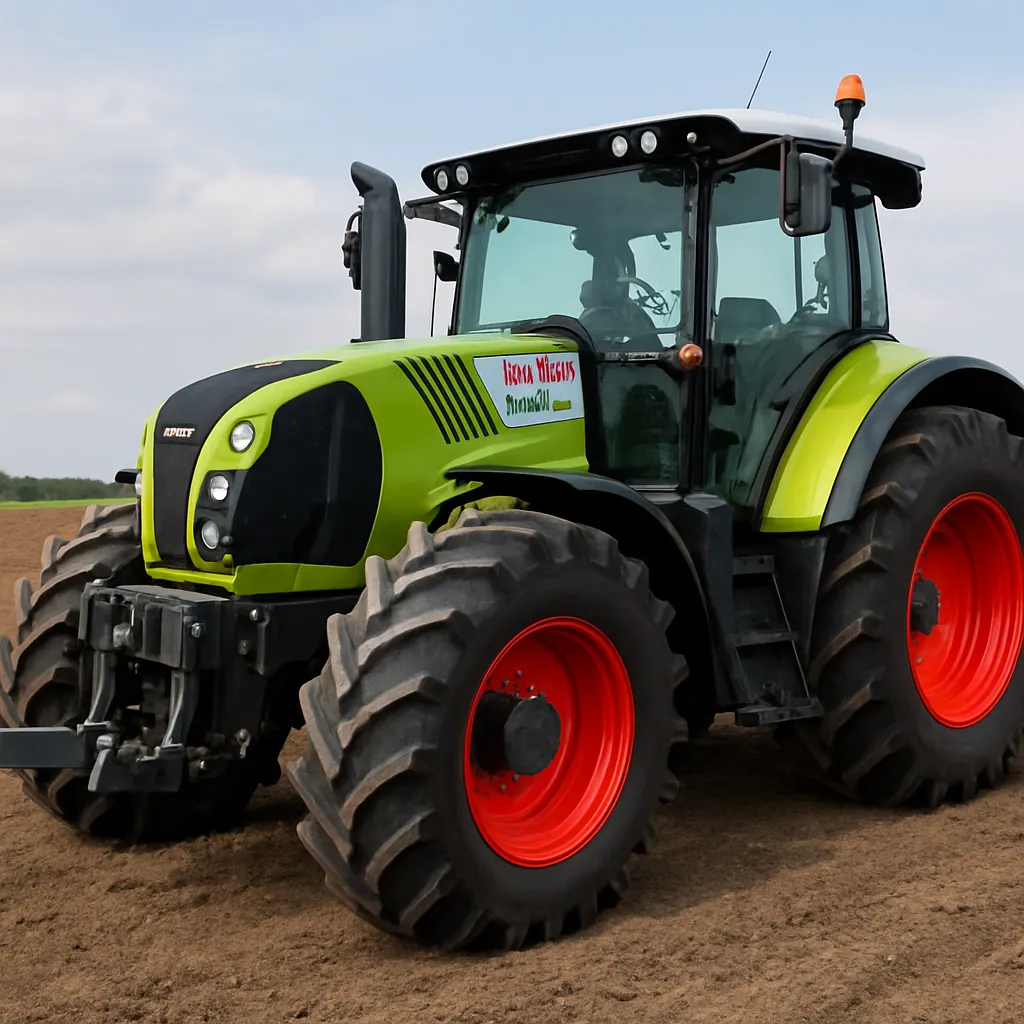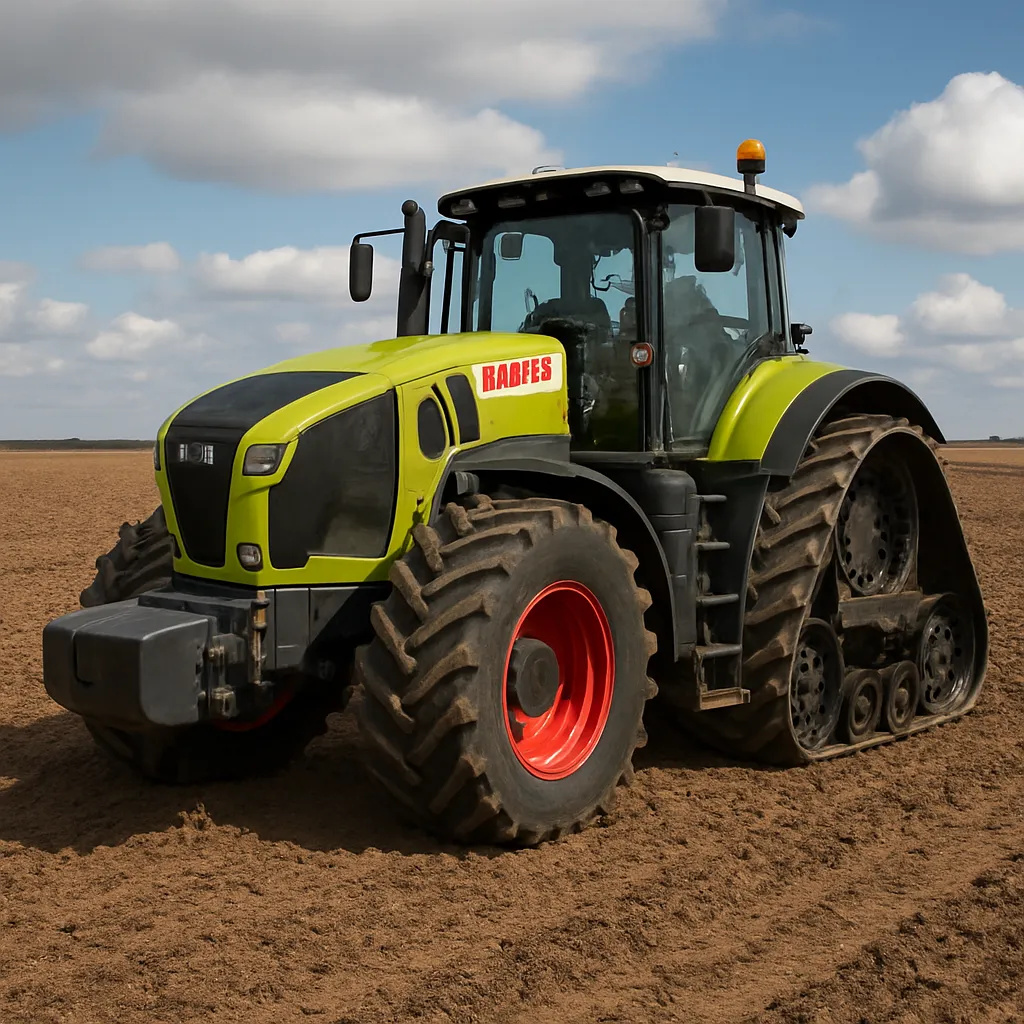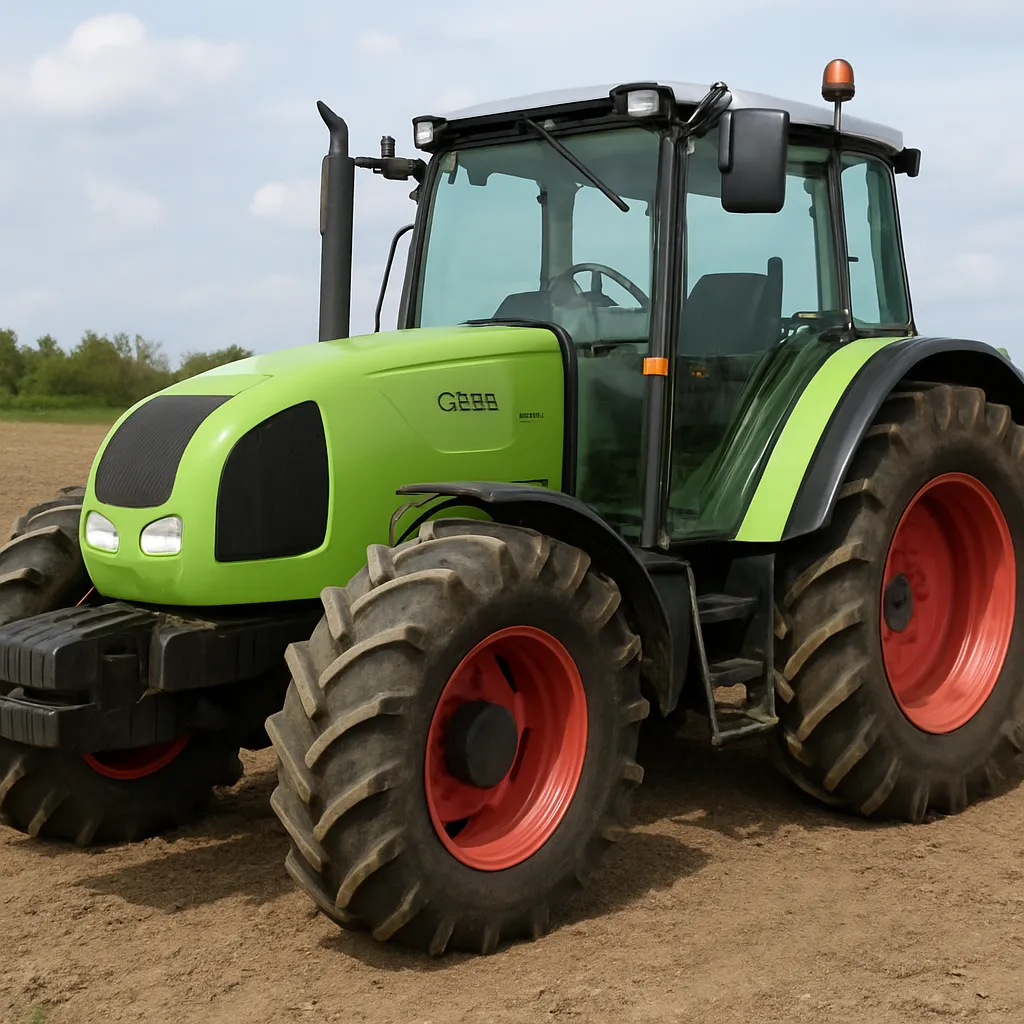
The Claas Celtis Turbo HD represents a modern approach to agricultural traction and heavy-duty fieldwork, combining robust mechanical solutions with contemporary electronic controls. Designed to meet the demands of mixed and specialized farming operations, this tractor is positioned to deliver reliable performance across a wide range of applications. In the following sections, we examine its design philosophy, practical uses, technical characteristics where available, and how it compares with competitors in the market. The article also explores operator comfort, maintenance considerations, and typical operational metrics to help farmers and contractors evaluate whether the Claas Celtis Turbo HD fits their needs.
Overview and design philosophy
The Claas Celtis Turbo HD is conceived as a multi-purpose, heavy-duty machine for medium-to-large farms and contractors who require a combination of pulling power and versatility. Claas, known for its harvesters and forage equipment, has extended its engineering principles—emphasis on robust components, efficient powertrains, and operator ergonomics—into the Celtis Turbo HD line. The “Turbo HD” designation suggests a turbocharged engine optimized for sustained load conditions and a reinforced chassis and drivetrain for continuous heavy use.
Key aspects of the design include a focus on reliability, modularity for different implement interfaces, and compatibility with precision agriculture systems. The cabin is engineered for all-day comfort and visibility, while the undercarriage and hydraulic systems are sized to support demanding implements such as large ploughs, seed drills, heavy cultivators, and front loaders.
Applications and fields of use
The Claas Celtis Turbo HD is suitable for a broad set of agricultural tasks. Its design makes it particularly effective in situations that require sustained power delivery and dependable component life.
Primary agricultural applications
- Soil preparation and tillage: large ploughs, cultivators, and disc harrows
- Seeding and drilling: powering high-capacity seeders and air drills
- Crop care: mounting sprayers, fertilizer spreaders, and integrated precision systems
- Harvest support: towing grain carts, trailers, and handling header transport
- Forage and silage work: pulling heavy forage wagons and operating front loaders
Contracting and non-farm uses
- Roadside mowing, municipal and landscape maintenance
- Construction support: hauling materials, light earthmoving with attachments
- Forestry edge operations: towing and powering winches in non-core forestry tasks
- Specialty cropping: vineyards and orchards where strength and compact control are needed (in specific configurations)
Because of its heavy-duty configuration, the Celtis Turbo HD is particularly attractive to contractors who need a reliable platform able to work long hours under varying conditions. Its adaptability to different implements and configurations broadens the scope of operations beyond traditional fieldwork.
Technical characteristics and systems
Claas equips its tractors with components designed to balance power, longevity, and user comfort. Below are the major technical areas that typically define a model like the Celtis Turbo HD. Exact factory specifications vary by year and market; where official figures are not universally publicized, typical ranges and system descriptions are supplied.
Engine and powertrain
The Celtis Turbo HD uses a turbocharged diesel engine tuned for sustained high-load operation. In this class of tractor, engines are calibrated to deliver strong mid-range torque to maximize drawbar performance and reduce the need for frequent gear changes. Emphasis on efficiency and compliance with emissions regulations (EU Stage V, or equivalent in other markets) is common.
- Turbocharged diesel architecture for improved low-end torque and response
- Intercooling and optimized fuel injection maps to support fuel savings under load
- Optional after-treatment systems to meet current emissions standards
Transmission and drive
Multiple transmission types are typically offered, from robust synchromesh gearboxes to advanced powershift or continuously variable transmissions (CVT) in premium configurations. A strong emphasis is placed on smooth shifting, durability, and the ability to match engine output to implement demands.
- Options for 12/12 to 32/32 or more gear ranges, depending on configuration
- Powershift or CVT options for seamless speed matching and fuel economy
- Full-time or selectable four-wheel drive and differential locks optimized for traction control
Hydraulics and PTO
Hydraulic capacity and PTO performance are critical for the Celtis Turbo HD class. High-flow hydraulic circuits enable efficient operation of heavy implements and front loaders, while a robust PTO delivers consistent rotational power for mounted equipment.
- High-capacity hydraulic pumps (single or dual) with flow options suitable for heavy implements
- Rear and mid-PTO options, frequently including 540/540E/1000 rpm variants
- Electronic linkage control and load-sensing hydraulics for precise implement management
Chassis, axles and tires
A reinforced frame and heavy-duty axles provide the mechanical backbone necessary for demanding chores. Tire choices and axle ratios are often configurable to balance traction, soil compaction, and transport speed.
- Weight distribution and ballast options for increased traction under heavy loads
- High-load axles rated for frequent heavy towing and implement drag
- Wide tire and dual-tire setups available for minimizing soil compaction
Cabin and operator environment
Modern cab design for the Celtis Turbo HD emphasizes visibility, reduced vibration, and ergonomics for long shifts. Intuitive control layouts and seating comfort reduce operator fatigue and increase day-long productivity.
- Noise and climate control systems tuned for extended use
- Adjustable seating, steering column, and easily reachable controls
- Integrated displays for engine, transmission, hydraulics, and optional precision farming interfaces
Electronics and precision farming
To meet contemporary farm management needs, the Celtis Turbo HD supports telematics, field mapping, and guidance systems. Connectivity options enable remote diagnostics, route planning, and fuel use tracking—key features for contractors and progressive farms.
- Compatibility with GPS guidance and auto-steering modules
- Telematics for service scheduling and remote condition monitoring
- ISOBUS support to simplify implement communication and data logging
Performance, efficiency and operating metrics
Operational performance depends strongly on configuration, implement selection, and field conditions. Below are practical ranges and observations from industry norms for tractors in the Celtis Turbo HD category. These figures are intended as reference ranges rather than definitive specs for a given serial number.
- Fuel consumption: typical fieldwork ranges from approximately 5 to 20 liters per hour depending on load and duty cycle; steady transport speeds are often more efficient
- Drawbar pull and tractive performance: designed to sustain heavy implements for long periods without overheating or driveline stress
- PTO output efficiency: high continuous PTO loads handled with minimal fluctuation thanks to torque-rich engines and stable transmissions
- Operational availability: with routine maintenance, uptime for a properly configured Celtis Turbo HD is strong; many operators plan service intervals based on engine hours and implement usage
Because precise statistical summaries (e.g., average lifetime hours, total cost of ownership) vary by region, fleet practices, and local fuel prices, prospective buyers should analyze total operating costs in their local context. Key variables include maintenance regimes, local service network density, and the intensity of seasonal usage.
Maintenance, service and lifecycle considerations
Maintenance strategy for heavy-duty tractors like the Claas Celtis Turbo HD emphasizes predictable service intervals and access to spare parts. Claas’ dealer network and parts availability influence lifecycle costs and resale values.
Routine maintenance
- Scheduled engine oil and filter changes, typically guided by engine hours
- Transmission and hydraulic fluid checks and periodic replacements
- PTO and driveline inspections; grease points and seals
- Tire and ballast checks to control wear and soil compaction
Service network and support
A strong manufacturer-backed service network reduces downtime. Telematics and diagnostics can accelerate troubleshooting and ensure that technicians arrive equipped with the right parts. For many farming operations, contractual service agreements or on-call arrangements with local dealers offer peace of mind during peak seasons.
Resale and total cost of ownership
Resale value is affected by hours, maintenance history, and market trends. Heavy-duty tractors with documented service and a robust maintenance history tend to command higher prices on the secondary market. Calculating total cost of ownership should include fuel, parts, downtime, and finance costs spread over anticipated service life.
Comparisons and market positioning
The Celtis Turbo HD competes with similarly classed models from other major tractor manufacturers. Each brand emphasizes different strengths—some focus more on transmission sophistication, others on cab comfort or dealership footprint. Claas positions the Celtis Turbo HD as a blend of reliable engineering and compatibility with their broader ecosystem of harvesting and forage equipment, which can be an advantage for integrated farm operations.
- Against premium competitors, the Celtis Turbo HD seeks to balance cost and functionality
- Its appeal is strongest for clients wanting a dependable platform that integrates with Claas implements and telematics
- Operators prioritizing cutting-edge transmission tech or extremely low weight may evaluate alternatives; those prioritizing rugged duty cycles often favor the Celtis approach
Operator experience and safety features
Operator experience is a critical part of the value offered by the Celtis Turbo HD. Safety, ergonomics, and ease of use reduce fatigue and increase productivity during long workdays.
- Visibility from the cab is optimized for implement attachment and field operations
- Simple, logical control layouts minimize the learning curve for new operators
- Safety features include rollover protection, effective lighting packages for night work, and robust braking and steering systems
- Comfort-focused options such as air-suspended seats, climate control, and low-noise insulation are available to improve operator endurance
The emphasis on an intuitive operator interface combined with optional automated functions (such as cruise control, headland management, and auto-guidance compatibility) increases the tractor’s productivity in both solo and team operations.
Customization, optional equipment and accessories
One of the strongest advantages of tractors in this class is the breadth of optional equipment and accessories that allow operators to tailor the machine to their specific needs. The Claas Celtis Turbo HD typically offers a robust suite of configuration options.
- Front loaders and specialized loader attachments
- Various wheel and track options for different soil types and seasons
- Enhanced hydraulic packages for high-flow implements
- Precision farming suites: RTK guidance, section control, and task-based data logging
- Comfort and convenience packages for long-haul or multi-shift operations
Environmental considerations
Modern agricultural machinery must balance productivity with environmental stewardship. The Celtis Turbo HD follows this trend by employing engine and exhaust technologies designed to reduce emissions while maintaining high operational efficiency. Additionally, tire and ballast choices can be optimized to reduce soil compaction, and precision farming integrations help minimize overlap and input waste during field operations.
These elements support sustainable farming practices by reducing fuel use, limiting excessive soil disturbance, and enabling more accurate application of agrochemicals and fertilizers.
Summary and practical recommendations
The Claas Celtis Turbo HD is positioned as a heavy-duty, versatile tractor suitable for a variety of agricultural and contracting applications. Key attributes include robust mechanical design, operator comfort, and compatibility with precision farming technologies. It is well-suited for farms and contractors who require dependable traction and implement support under sustained loads.
When evaluating a Celtis Turbo HD for purchase or lease, consider the following practical points:
- Define your primary applications and choose hydraulic/engine configurations that match implement requirements
- Review local dealer service capabilities and parts availability to minimize downtime
- Plan for telematics and precision farming options if you aim to optimize input use and record-keeping
- Factor in total cost of ownership—including fuel, maintenance, and resale expectations—rather than focusing solely on initial price
Finally, testing a machine in real operational conditions or consulting with other operators who use the model in similar applications can provide valuable, practical insights beyond factory specifications.
Highlighted strengths
- Power delivery suited for long-duration tasks
- Durability in construction and driveline components
- Hydraulics capable of supporting demanding implements
- Transmission options to match operator preferences and field conditions
- Comfort and safety features to reduce operator fatigue
- Efficiency and fuel economy potential with correct configuration
- Precision farming readiness for modern agronomic workflows
- Strong integration potential with Claas harvesting and forage equipment