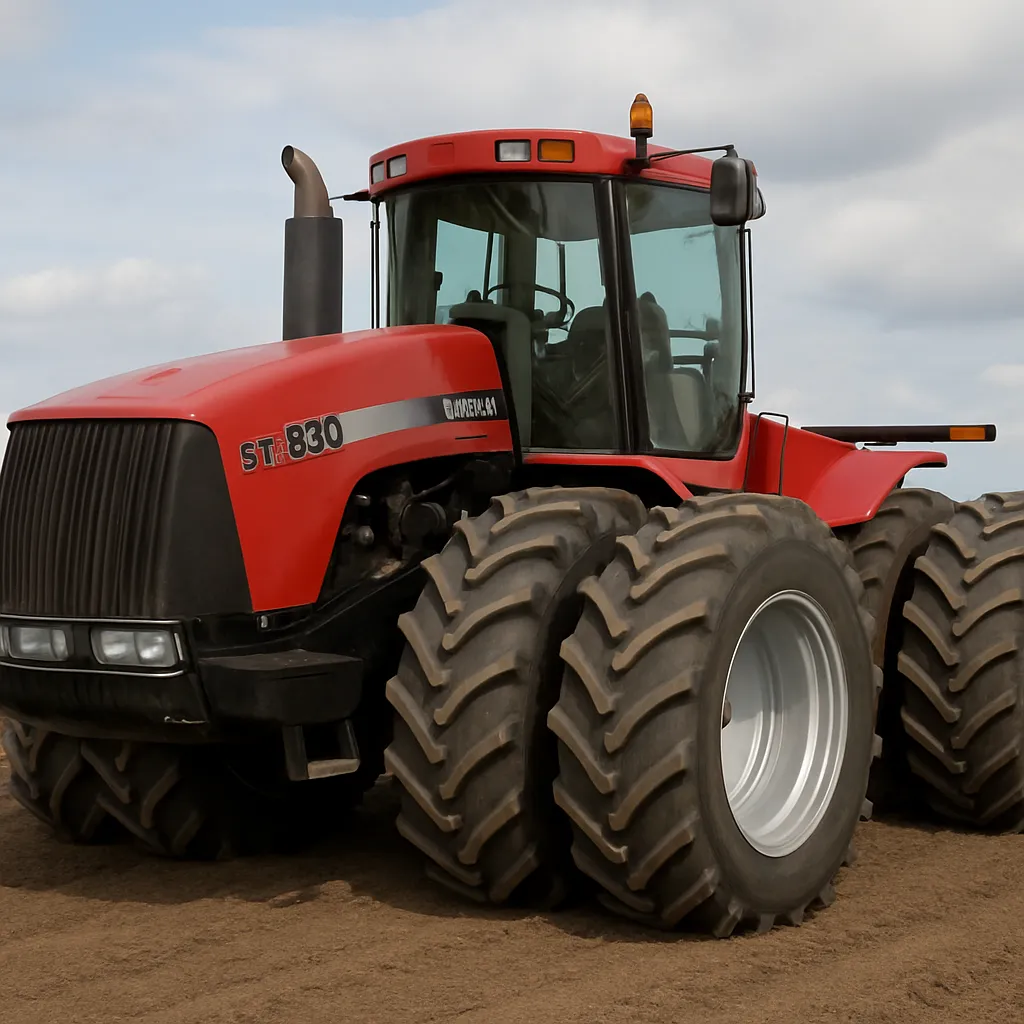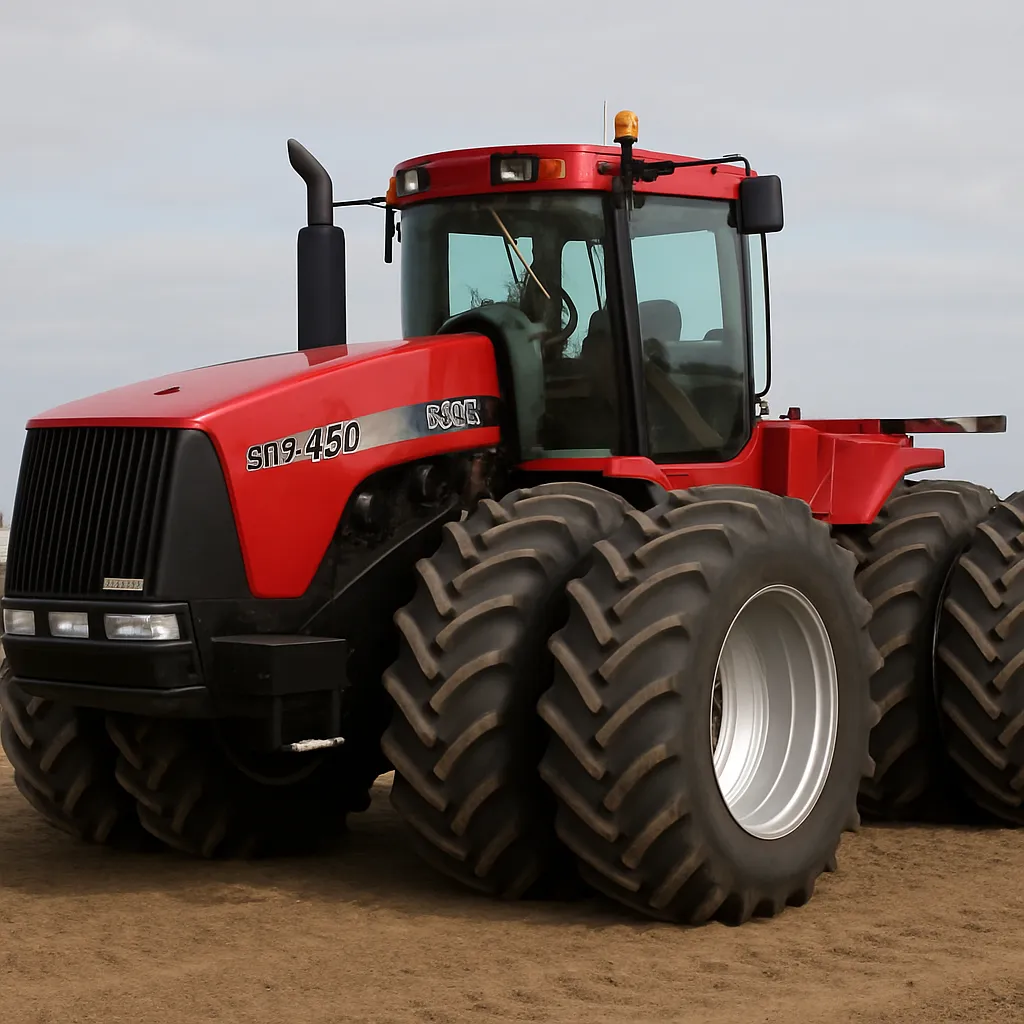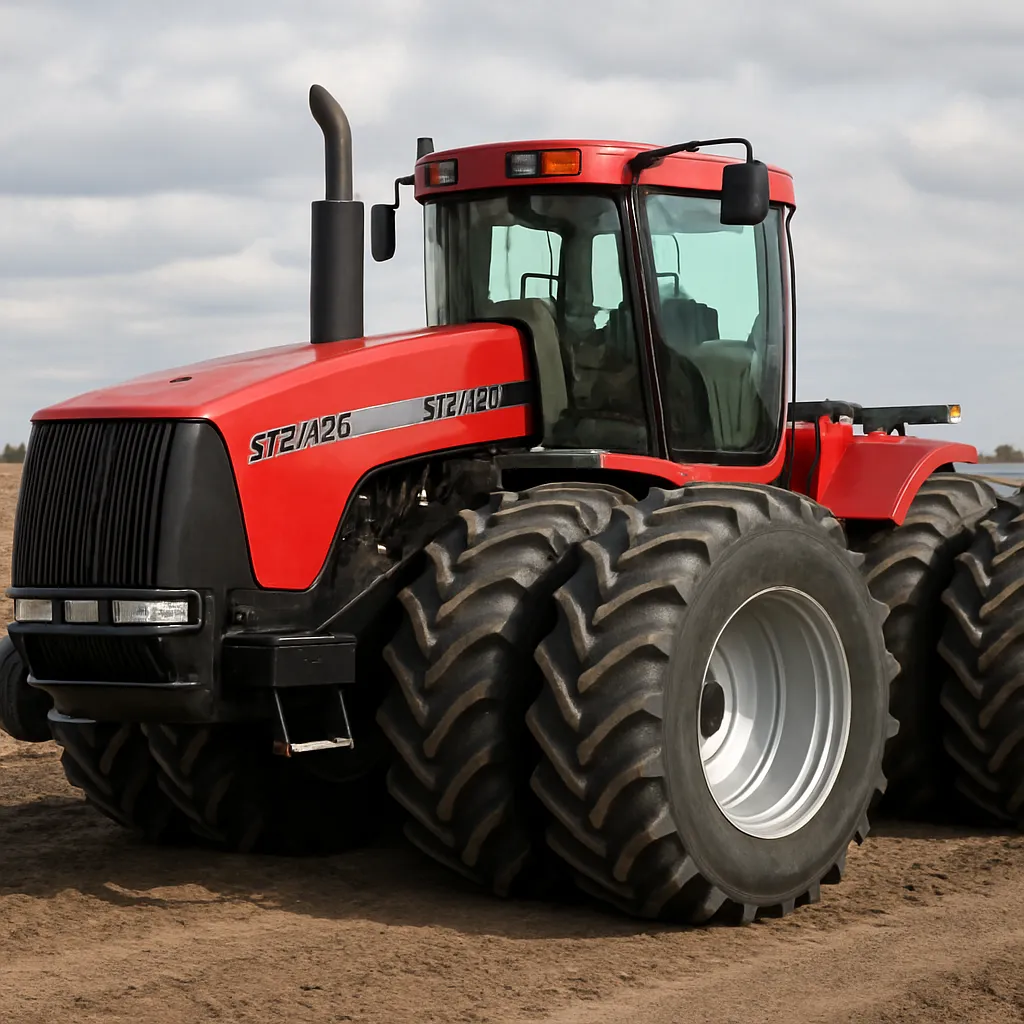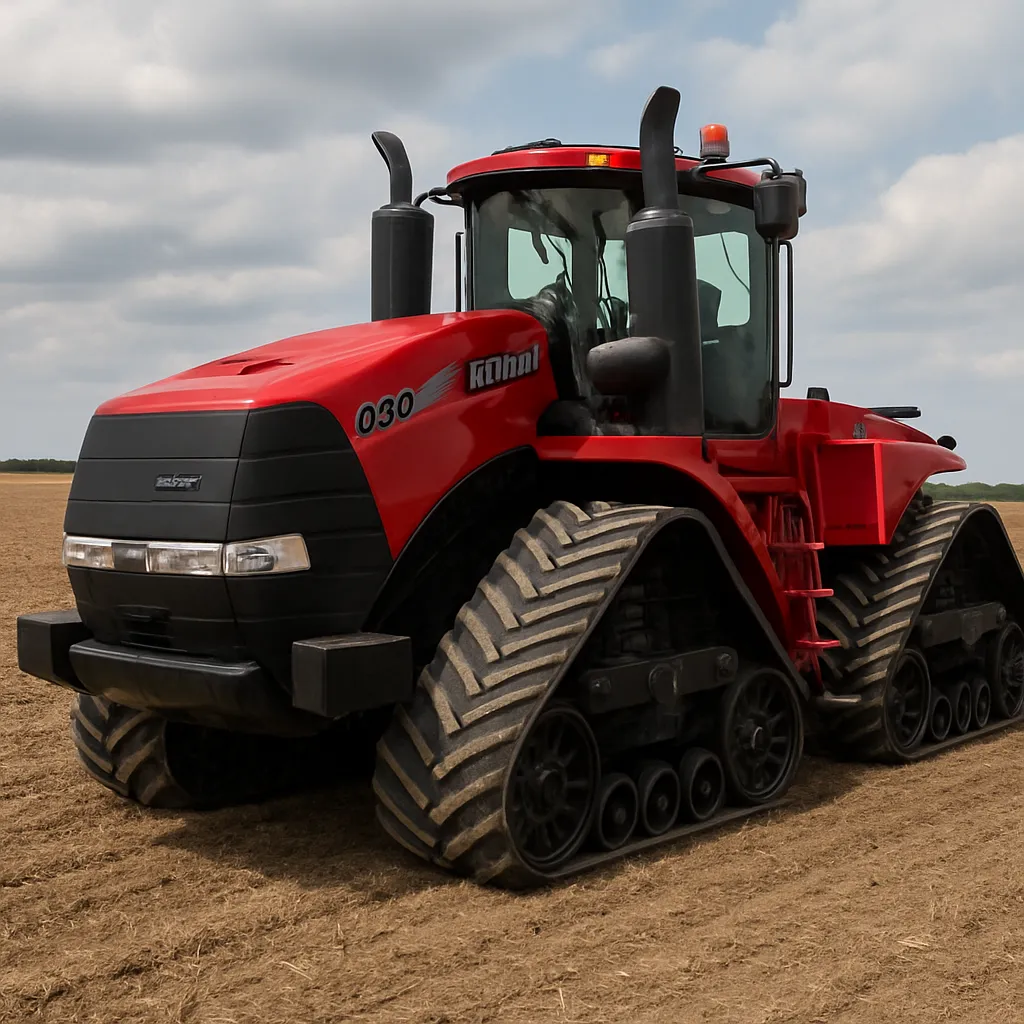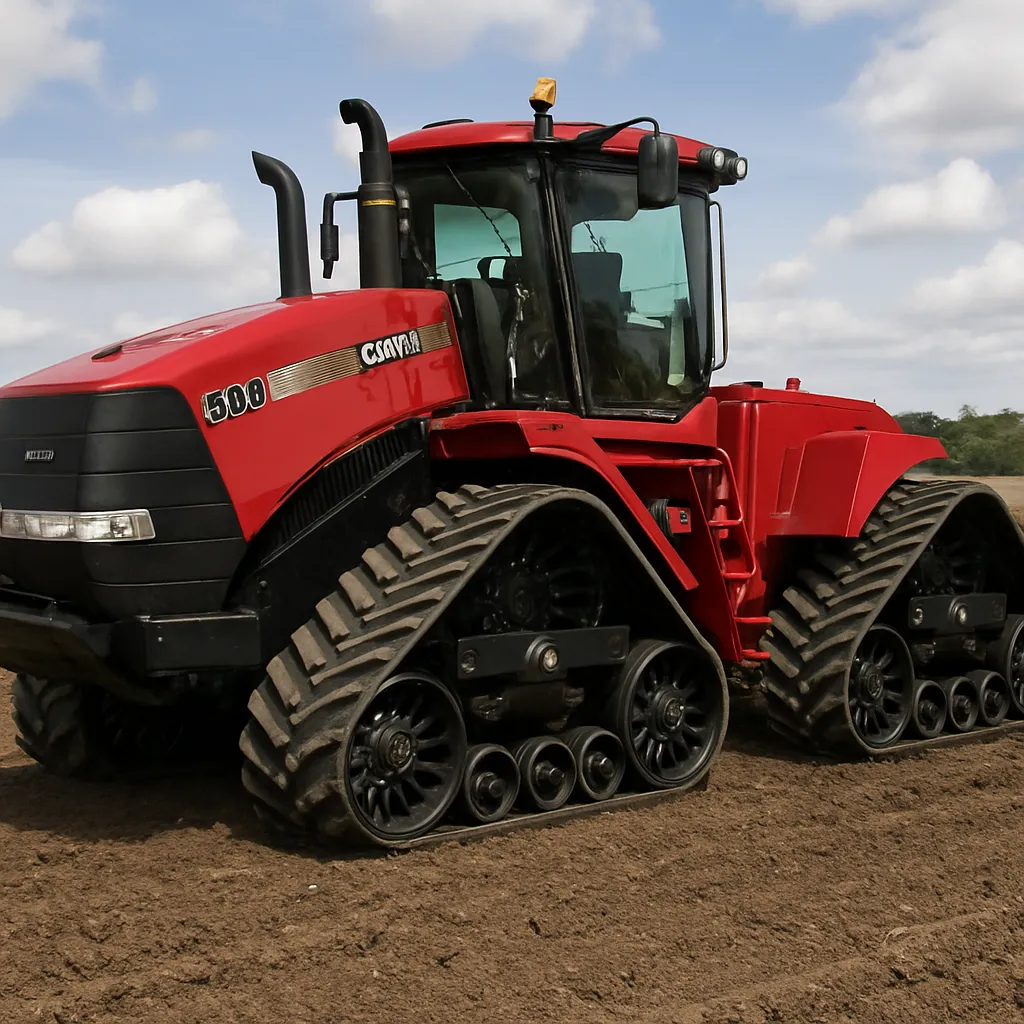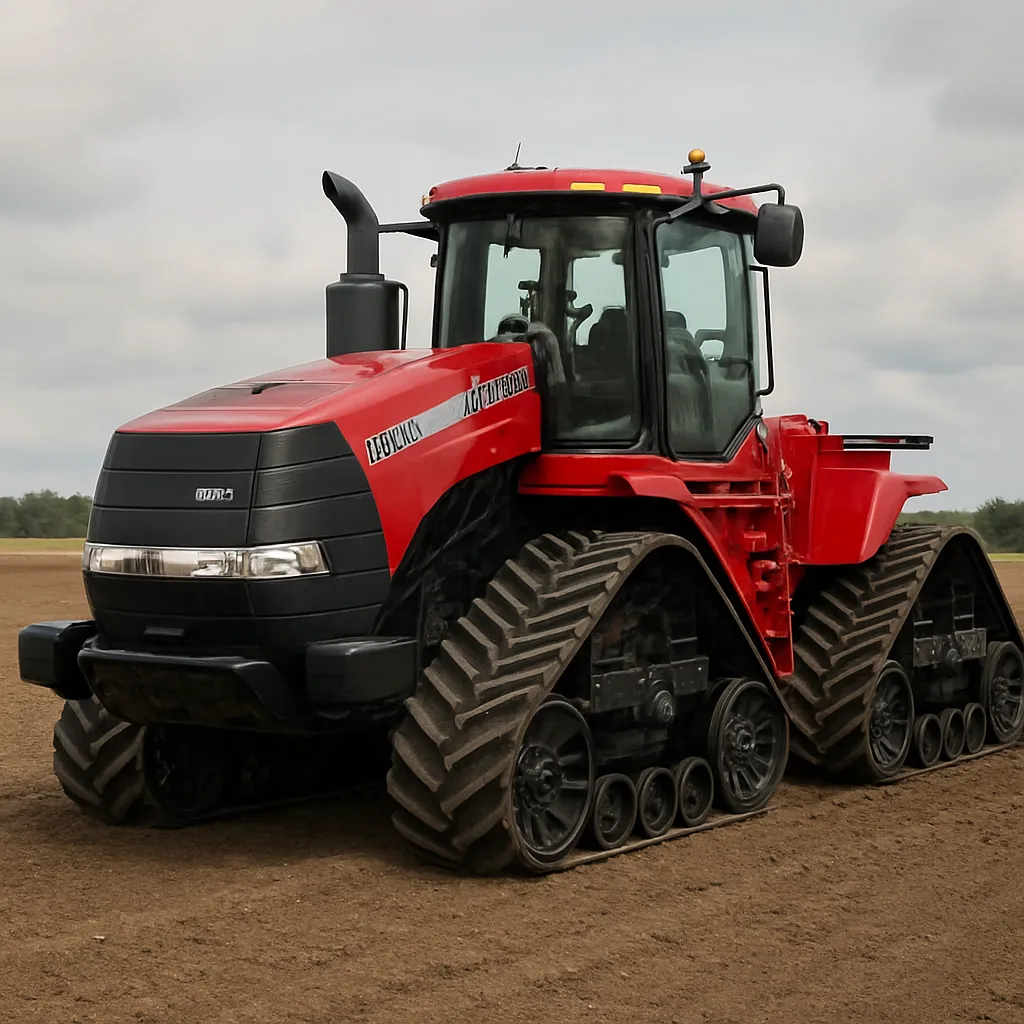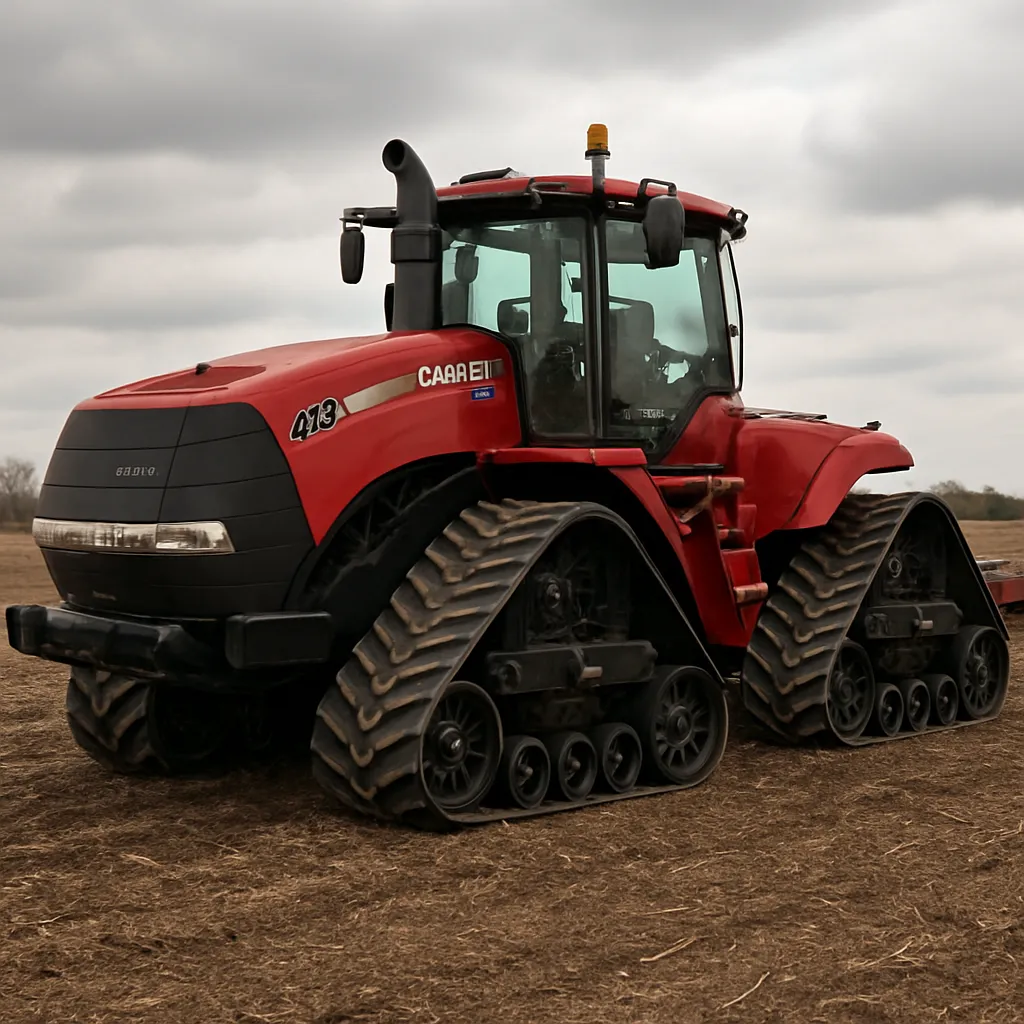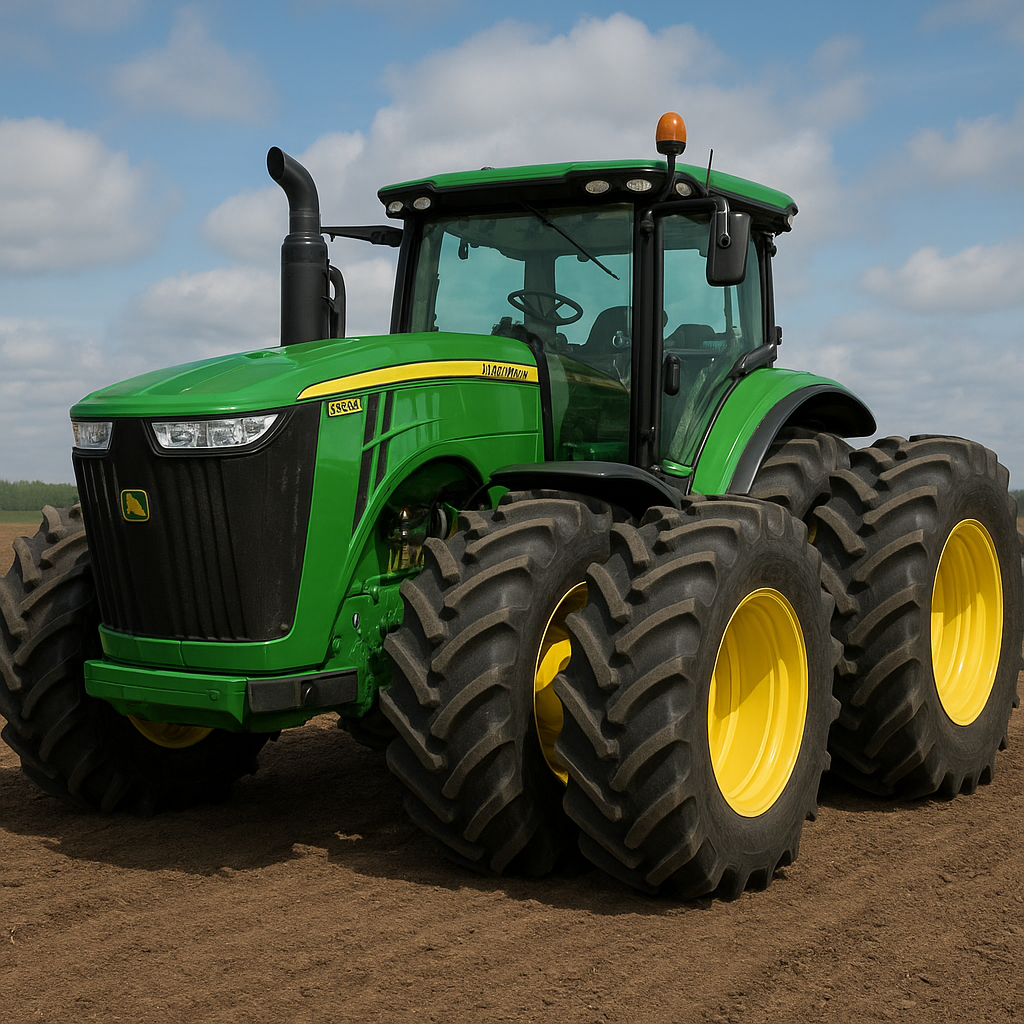
The John Deere 9R 540 is a flagship heavy-duty agricultural tractor designed for the largest modern farms and contracting operations. Combining high levels of power, advanced technology and operator-centric features, the 9R 540 addresses demanding tasks such as deep primary tillage, high-capacity seeding, traction-intensive transport and other large-scale field operations. Below you will find an in-depth look at its design, typical applications, technology highlights, service and economic considerations, and useful technical figures (given as typical ranges because detailed values depend on year and configuration).
Overview and role on modern farms
The 9R 540 sits at the top end of John Deere’s 9R series, built for producers who require sustained, high-horsepower performance. It is commonly chosen by large arable farms, agricultural contractors and operations that need to pull very large implements — for example, deep ploughs, heavy cultivators and wide planters — or to run high-capacity tankers and trailers. The 9R line is available in wheeled and track (9RT) configurations; the 9R 540 model is characterized by its combination of engine capacity, chassis strength and advanced drivetrain options.
Key attributes
- High horsepower for traction-intensive tasks and large implements
- Robust chassis and axle design to withstand heavy ballasting and loads
- Multiple transmission options to match operator preference and application needs
- Integrated precision agriculture systems for guidance and implement control
- Advanced cab ergonomics focused on comfort and productivity
Technical specifications and performance (typical ranges)
Specifications vary by year, options and regional configurations. The figures below are representative of the 9R 540 class and should be verified against a specific model year and factory or dealer configuration before purchase or operational planning.
Engine and powertrain
- Engine type: John Deere PowerTech series (inline 6-cylinder, turbocharged, aftertreatment system for emissions control)
- Rated engine power: approximately 540 hp (model designation indicates approximate nominal engine output)
- Displacement: typically around 13–14 liters (approximate)
- Peak torque: in the range of roughly 2,300–2,600 Nm depending on tuning and year
- Transmission options: stepped PowerShift (e23) or continuously variable transmissions (IVT/AutoPowr) on some configurations
Driveline, axles and traction
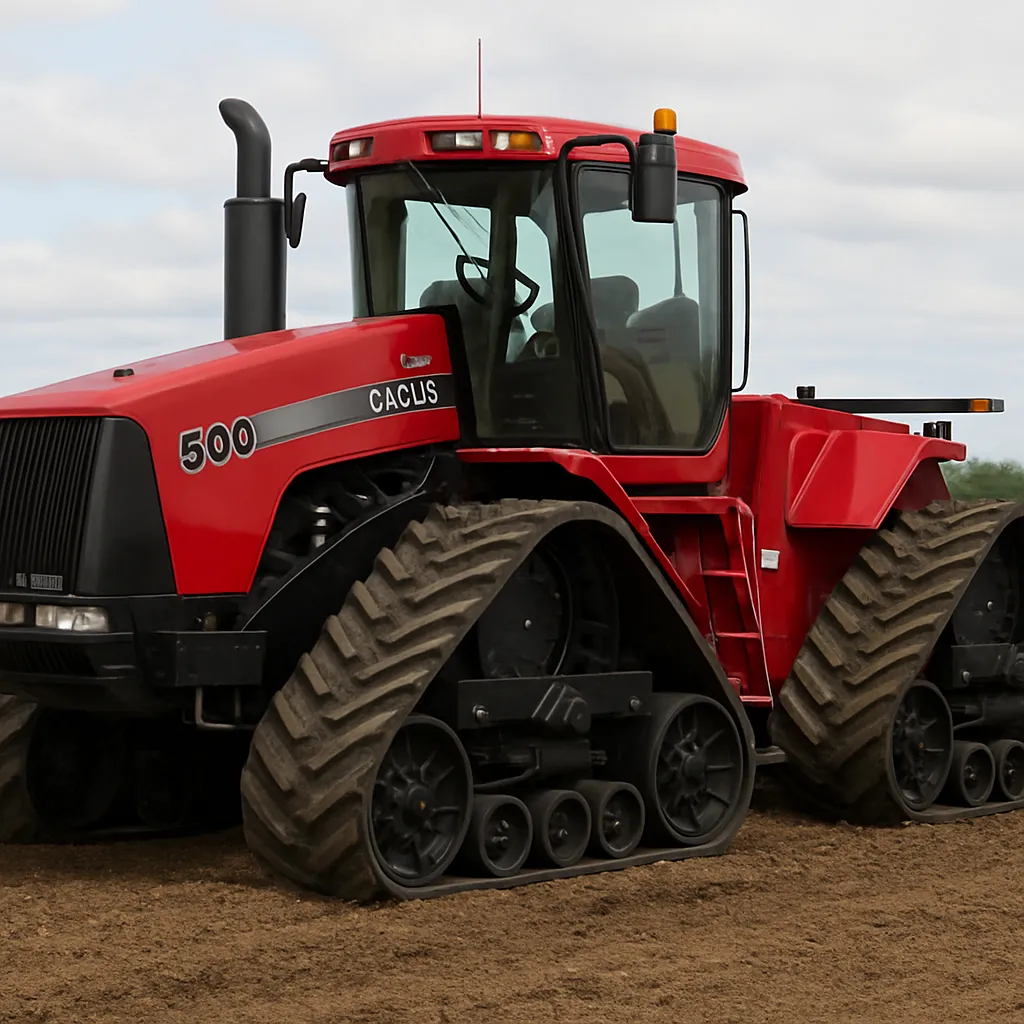
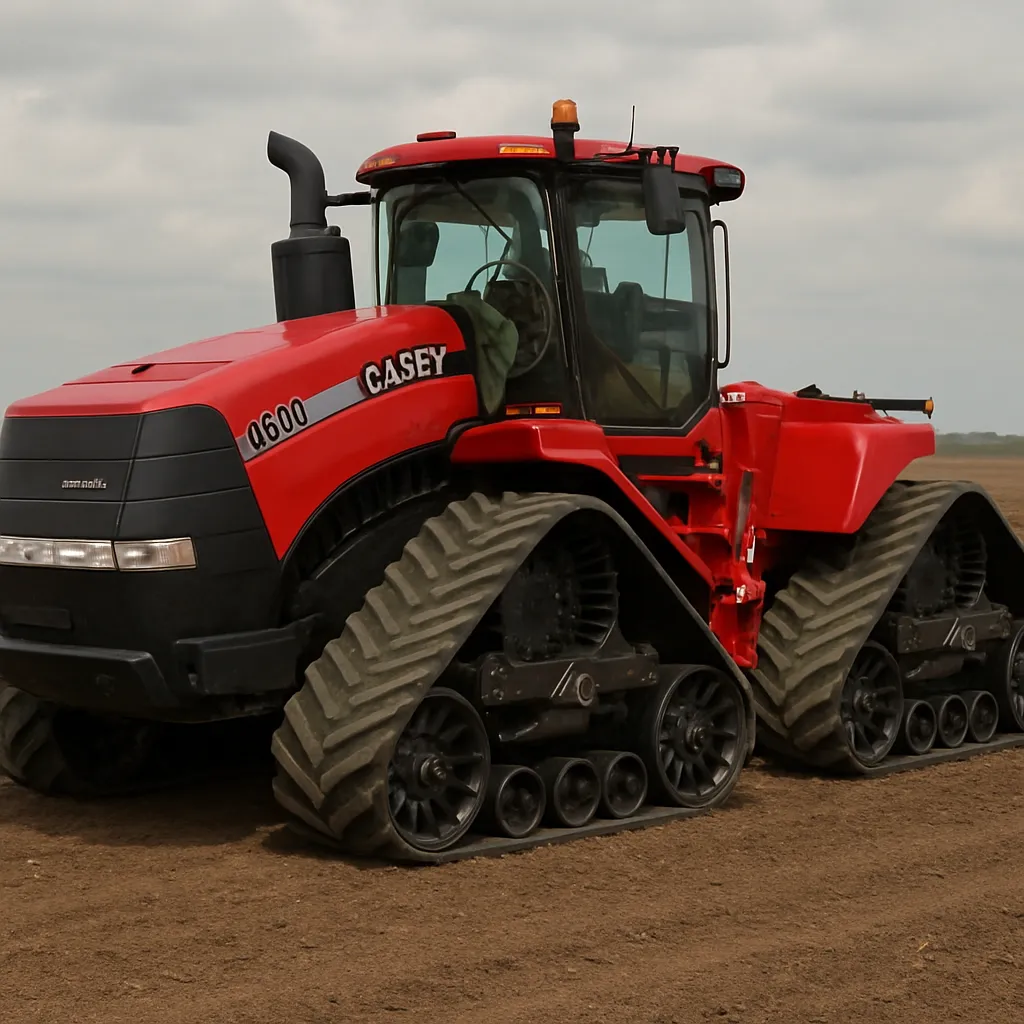
- Drive: four-wheel drive with heavy-duty front and rear axles; tracked variants (9RT) available for lower ground pressure
- Ballasting capacity: designed to accept significant ballast to optimize traction for heavy draft work
- Tire and track options: wide radial tires, duals, triple configurations or rubber tracks (on 9RT) for different soil protection and traction demands
Hydraulics, hitch and PTO
- Hydraulic system: multiple flow-rate options often exceeding 200 L/min for implement supply and control
- Control valves: several SCV (selective control valve) setups available for complex implement hydraulics
- Rear hitch lift capacity: engineered to handle very large implements; lift capacity varies with hitch and attachment choices
- PTO: integrated PTO options for rear and, optionally, front PTO depending on configuration
Weights, dimensions and capacities
Operating weight and dimensions are heavily influenced by tires, ballast and options. Typical operating weights for a fully ballasted machine in this class often fall in the region of roughly 15,000–20,000 kg (33,000–44,000 lb). Fuel capacity, hydraulic reservoir size and other fluid capacities vary by year and option package.
Applications and real-world use cases
The 9R 540 is targeted to large-scale operations where sustained high power and traction are essential. Typical applications include:
- Primary tillage: pulling multi-bodied ploughs or large cultivators for deep soil inversion and seedbed preparation.
- Seeding and planting: operating very wide planters (often 12–24 m or wider) that demand steady power and precision guidance to maintain consistent seed placement at speed.
- Large-implement transport: moving heavy seeders, cultivators and tankers between fields and over farm roads.
- Manure and slurry spreading: towing high-capacity tankers on fields with variable terrain while maintaining traction and field speed.
- Contracting applications: agricultural contractors who need a versatile, reliable high-horsepower tractor for hire across multiple jobs and seasons.
Why large operators choose the 9R 540
Large farms and contractors select the 9R 540 because it delivers:
- the ability to run larger implements and cover more hectares per hour,
- reduced time-to-field and improved operational efficiency,
- scalable configurations (wheels vs tracks, transmission choices) to match soil types and work patterns,
- integrated technology that enables precision farming and lowers overlap and input waste.
Technology, electronics and precision farming
John Deere positions the 9R 540 as not only a brute-force machine but also a precision tool. The tractor integrates modern electronics and connectivity to help users optimize operations.
Main technology features
- Guidance systems: AutoTrac automatic steering reduces overlap and operator fatigue, improving field efficiency.
- Telematics: JDLink and telematics platforms allow remote monitoring of location, fuel use, diagnostic alerts and operational hours.
- ISOBUS compatibility: enables seamless communication between tractor and implements for automated control and documentation.
- Section control and variable-rate application: reduce inputs and costs by applying seeds, fertilizers and chemicals exactly where needed.
- Advanced in-cab interfaces: CommandCenter displays and intuitive controls provide easy access to machine parameters and precision settings.
Benefits of integrated precision tools
By combining high horsepower with precision systems, operators can:
- cover more area per hour while maintaining application accuracy,
- lower input costs by avoiding double applications and by using variable-rate prescriptions,
- reduce soil compaction and crop damage through optimized paths and speed control,
- improve documentation for regulatory and management purposes, including yield-mapping and input tracking.
Operator environment and ergonomics
Long operations require a comfortable and distraction-free environment. The 9R 540 cab focuses on reducing fatigue and boosting productivity:
- Spacious, climate-controlled cab with premium seating (options such as ActiveSeat to reduce vibration)
- Low noise and vibration levels compared with older designs
- Ergonomically placed controls and a centralized touchscreen for machine functions and precision settings
- Excellent visibility for implement monitoring and field navigation
Economics and operating costs
Purchasing and running a 9R 540 should be considered a long-term investment. Operators must weigh purchase price, fuel consumption, maintenance and the value of increased capacity and reduced labor costs.
Fuel and efficiency
Fuel consumption depends on the task, terrain, and operator habits. Heavy draft or high-speed seeding will increase consumption. Because the tractor is intended for high-workload use, operators typically focus on:
- matching implements and working width to ensure optimal load on the tractor,
- using transmission and engine controls (e.g., cruise, IVT settings) to keep engine load in an efficient range,
- leveraging precision guidance to reduce headland turns and minimize wasted travel.
Depreciation and residual value
Large tractors from reputable manufacturers such as John Deere tend to retain value better than lesser-known brands, thanks to strong dealer networks, parts availability and brand perception. Regular service records and installed telematics data can improve resale value.
Maintenance, serviceability and dealer support
Maintenance planning for a high-horsepower tractor like the 9R 540 is critical to uptime. Key areas of attention include:
- engine service and aftertreatment maintenance (DPF and SCR systems where fitted),
- transmission and hydraulic oil monitoring and scheduled changes,
- axle and driveline inspection under heavy ballasting and frequent high-load use,
- electrical and sensor checks for precision systems and telematics connectivity.
One advantage of choosing a major brand is a widespread dealer network for spare parts, warranty service and software updates. Factory training and dealer expertise can reduce downtime and optimize fleet performance.
Environmental and safety considerations
Modern tractors must balance performance with emissions compliance and operator safety. The 9R 540 incorporates emission control technologies (e.g., selective catalytic reduction and particulate filters in many markets) to meet regional standards. Safety features often include advanced lighting packages, robust rollover protection integrated into the cab structure, and systems to lock controls during maintenance.
Comparisons and alternatives
In the high-horsepower category, the 9R 540 competes with large models from other global manufacturers. Buyers typically compare based on:
- fuel efficiency and power delivery curves,
- service intervals and dealer coverage,
- precision and connectivity ecosystems,
- operator comfort and cab features,
- total cost of ownership, including resale value.
Tips for potential buyers
- Define typical implements and field sizes first — buy the tractor that optimizes your most common tasks rather than the maximum theoretical capability.
- Evaluate transmission choice (PowerShift vs IVT) in terms of fuel efficiency and operator preference for the tasks you perform most.
- Consider track vs wheel options based on soil type: tracks reduce ground pressure and increase traction on soft soils but entail different maintenance and transport considerations.
- Ensure dealer support and parts logistics are strong in your region before committing to a large investment.
- Leverage telematics and precision tools to document ROI and make data-driven decisions on machine deployment.
Summary
The John Deere 9R 540 is a high-capacity agricultural tractor intended for large-scale arable farms and contractors who require sustained horsepower, robust traction and integrated precision tools. While precise specifications depend on year and options, the model class typically offers around 540 hp, large-displacement engines, advanced transmissions and a wide suite of electronic and hydraulic capabilities. When matched with the right implements and supported by good maintenance practices and dealer service, the 9R 540 can significantly increase productivity and operational efficiency on very large farms. Its strengths lie in heavy draft tasks, wide-seeding operations, and situations where both raw power and precise implement control are required.