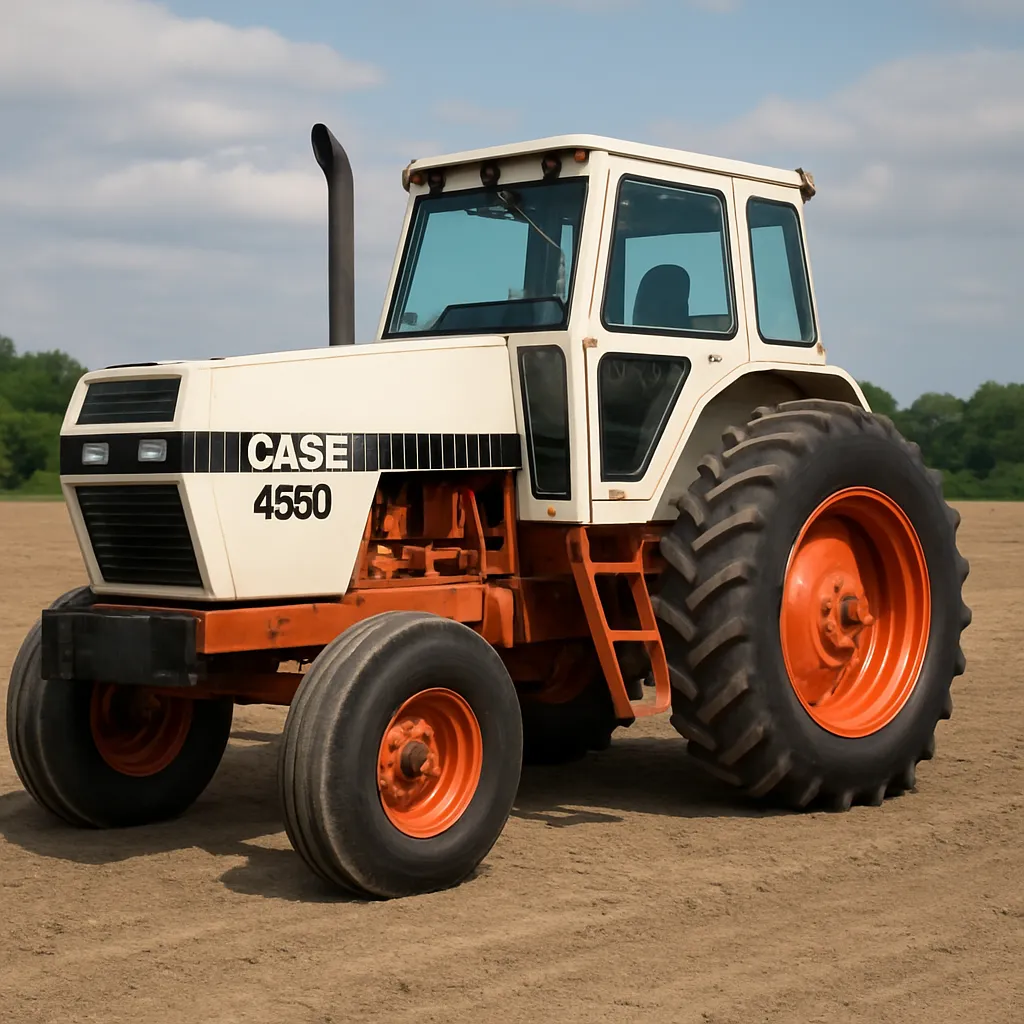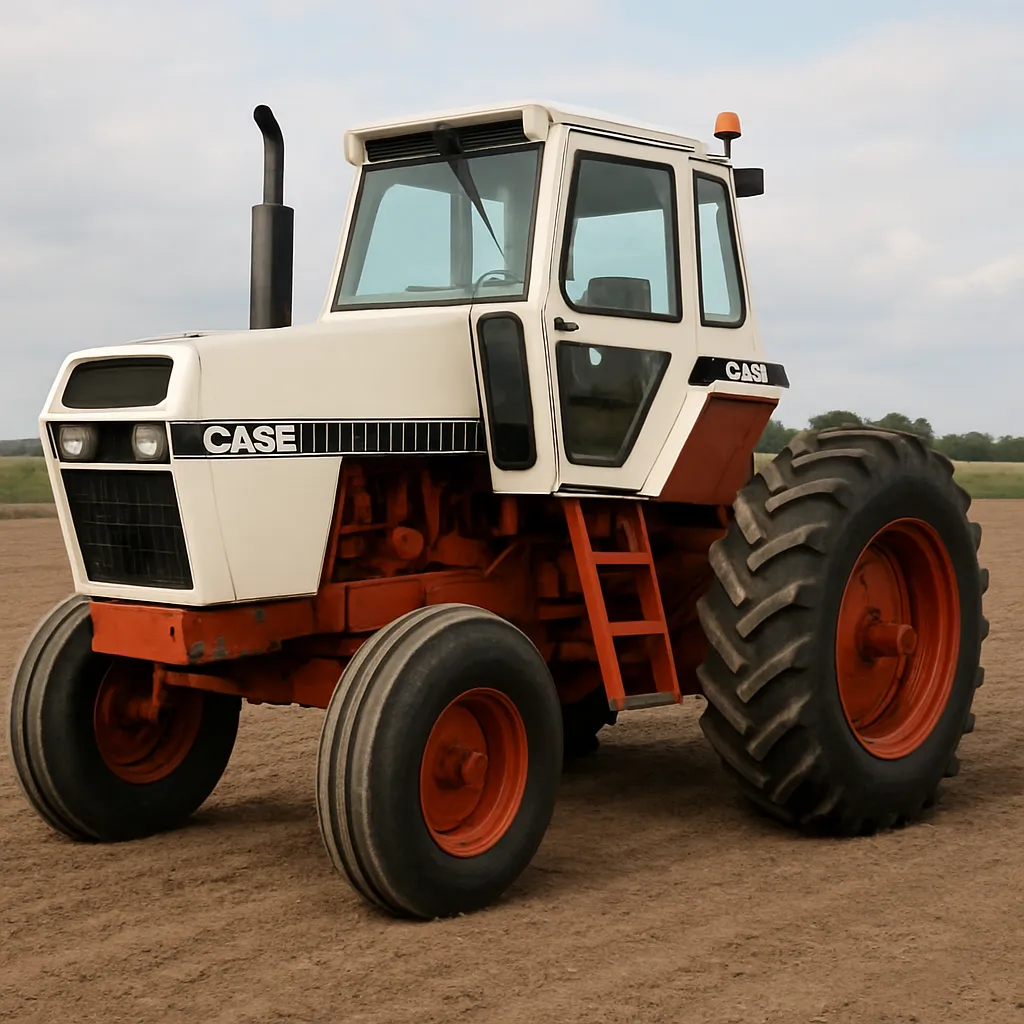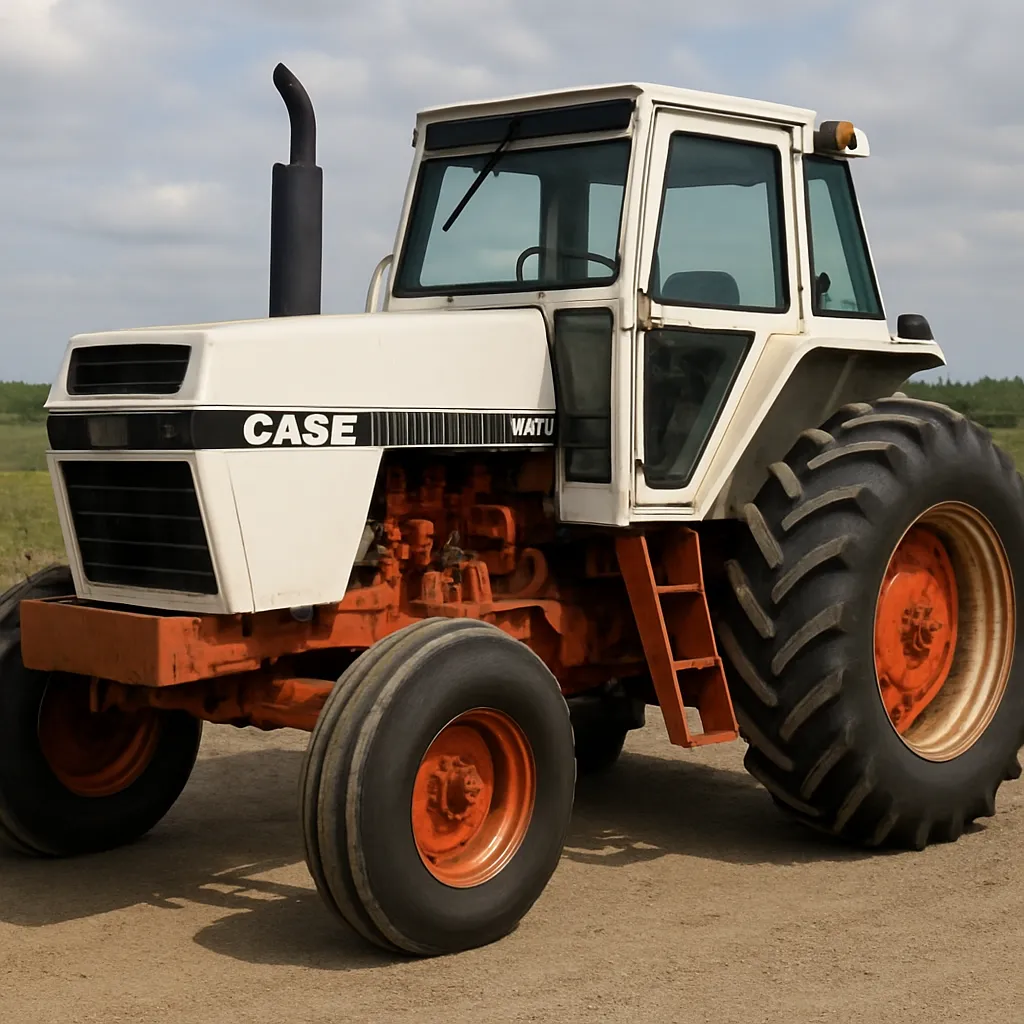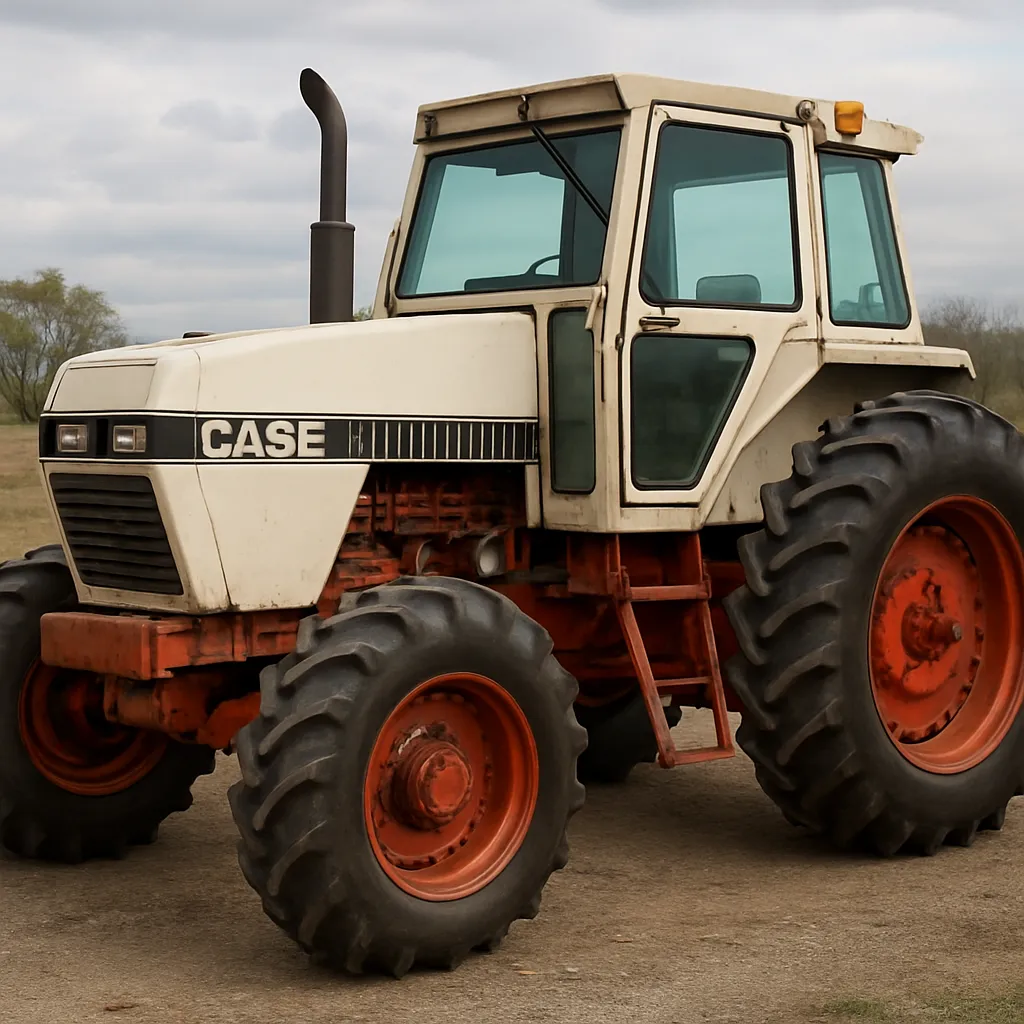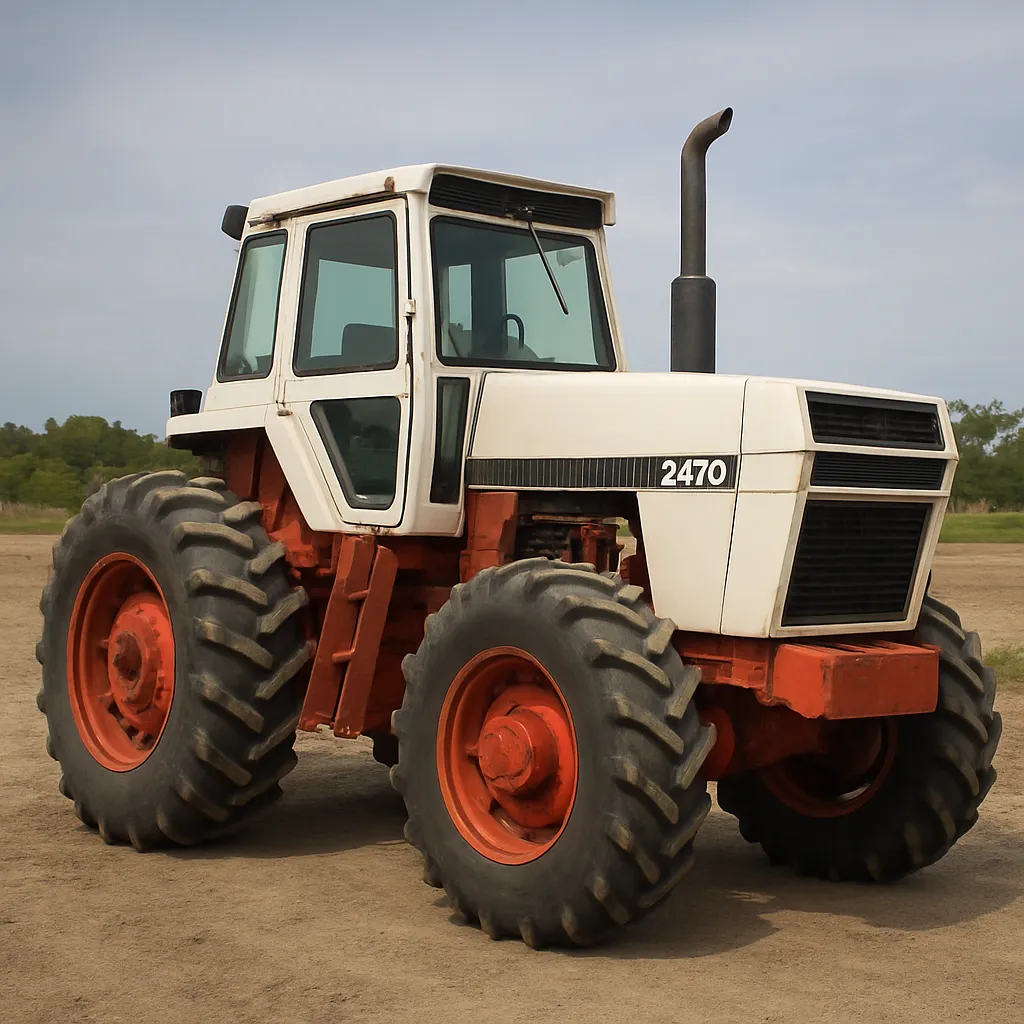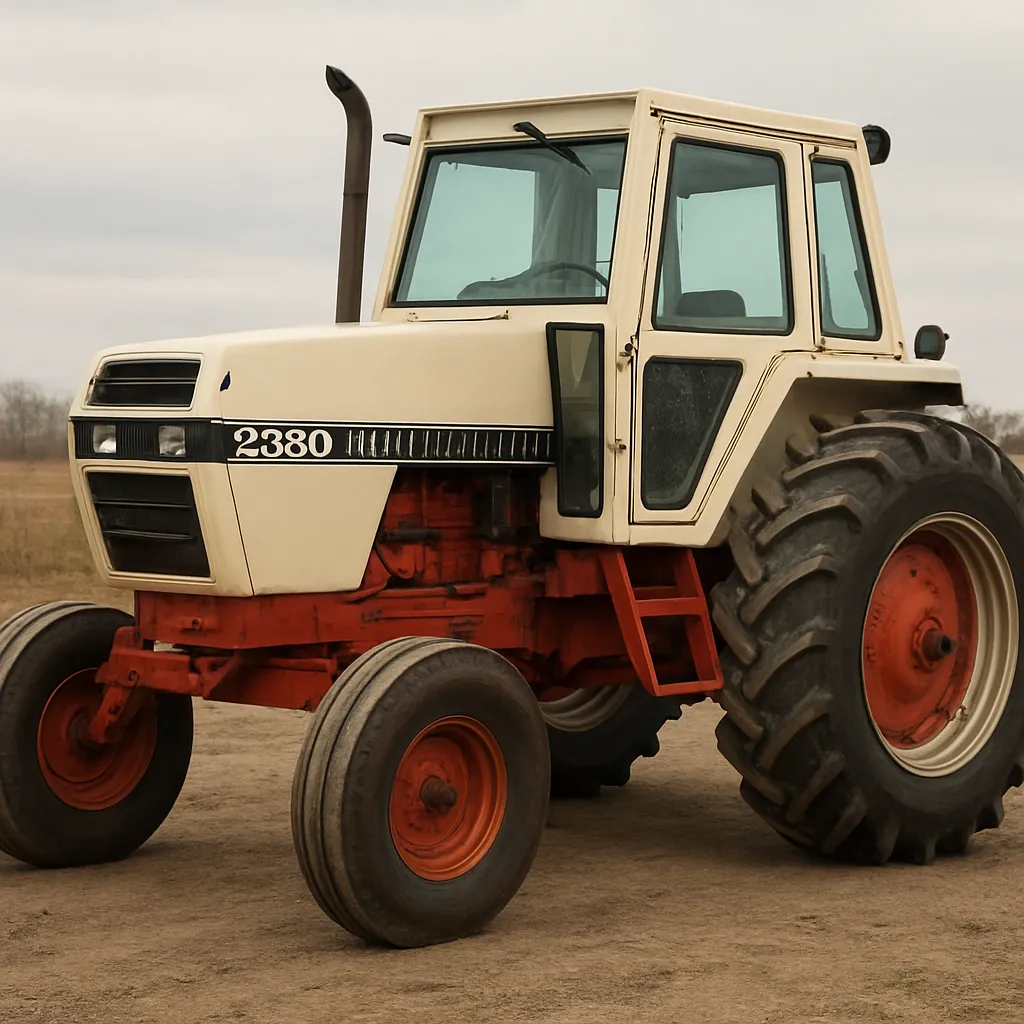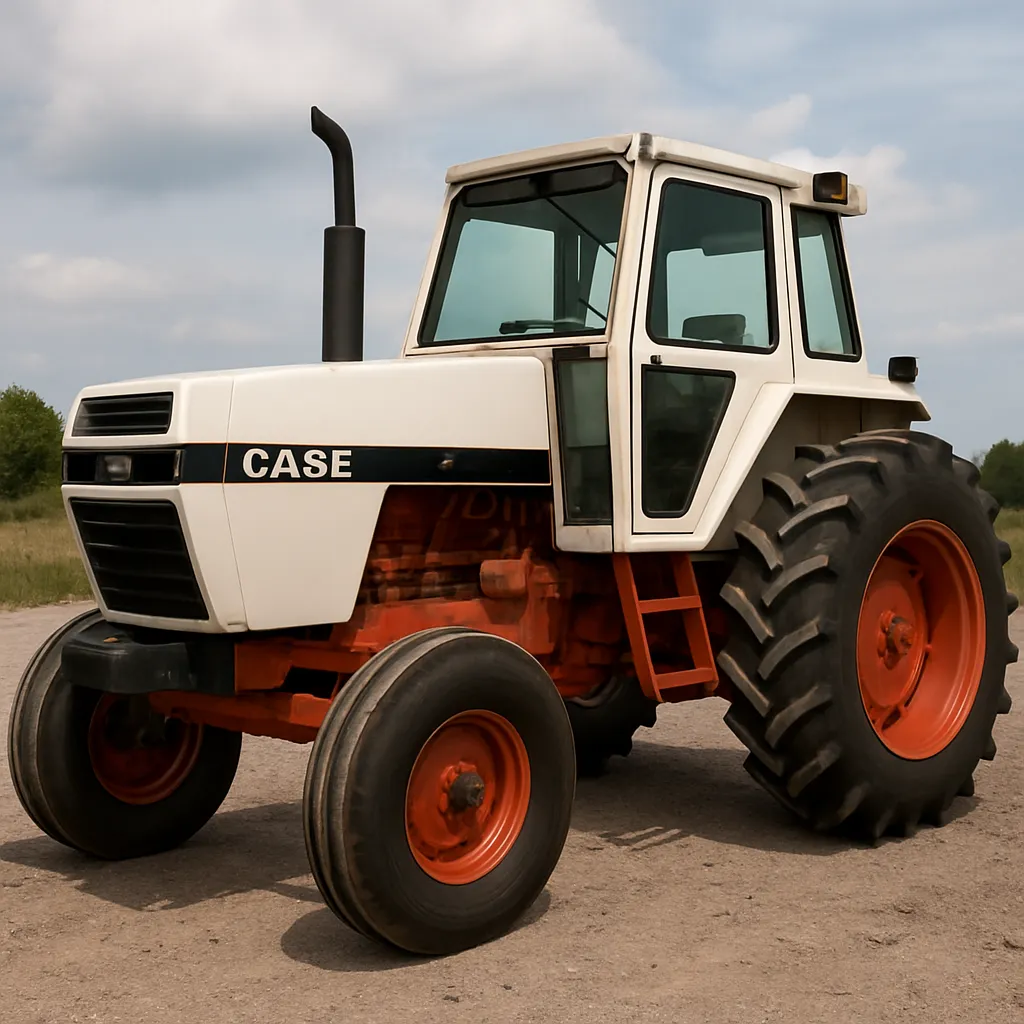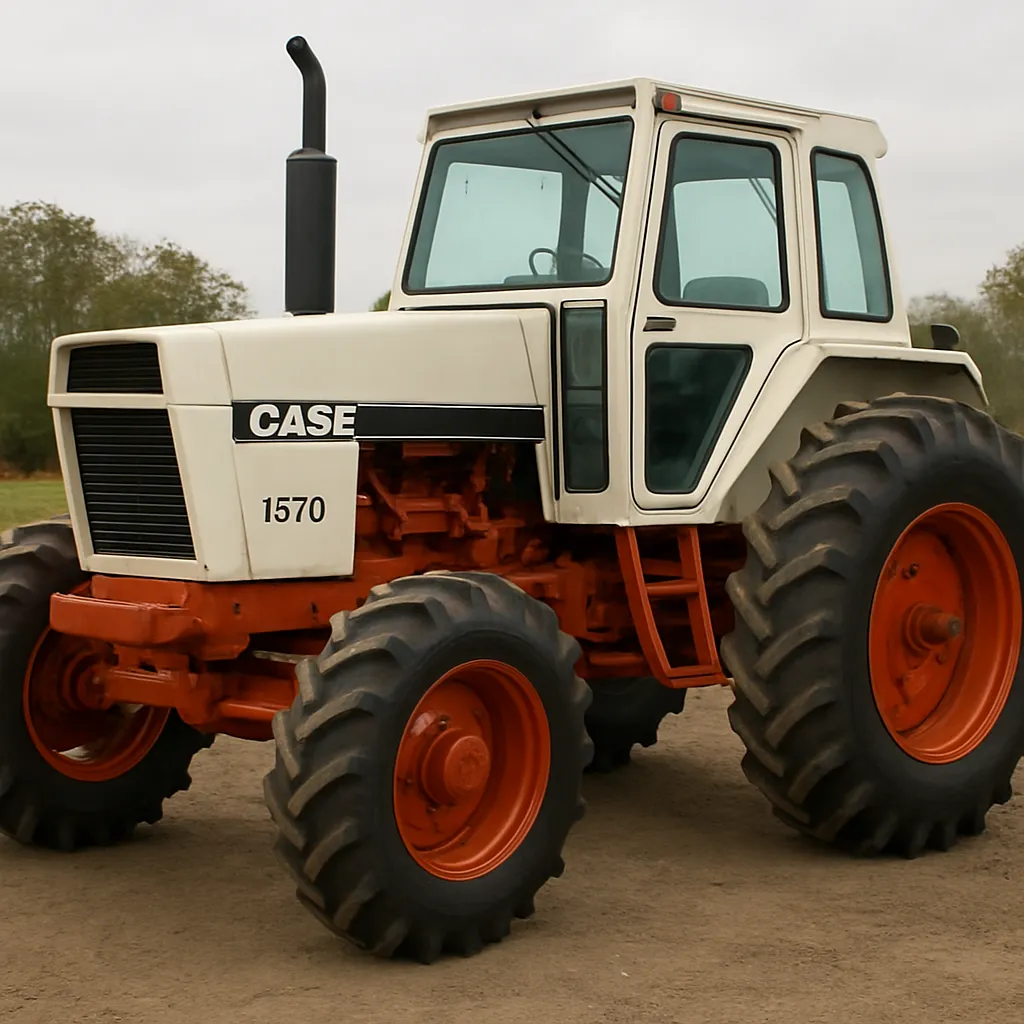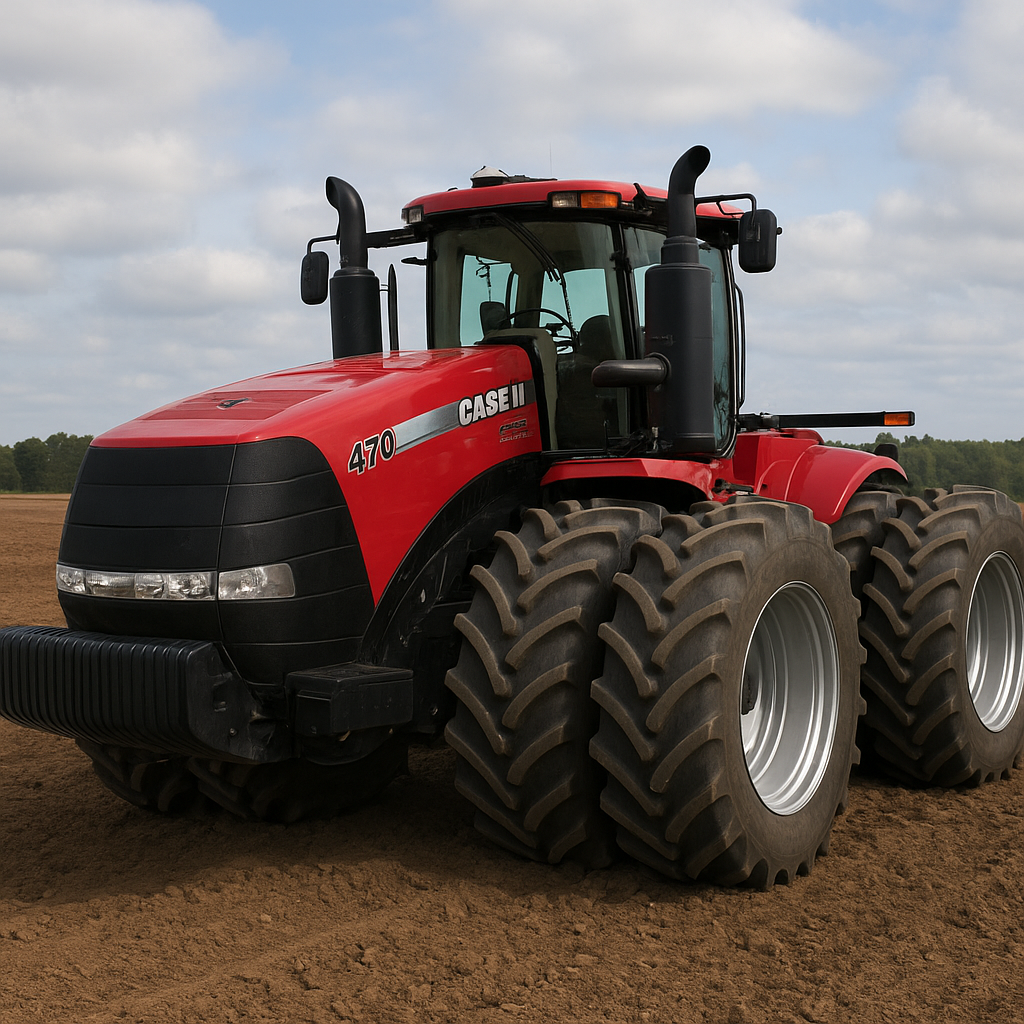
The Case IH Steiger 470 is a heavyweight workhorse in the world of large-scale agriculture, built to handle demanding tasks on expansive farms and in contracting operations. Combining raw pulling power with traction options, robust hydraulics and operator-focused features, this tractor is designed for high-productivity seasonal work such as deep tillage, heavy seeding and large implement transport. Below are detailed sections covering the machine’s background, typical specifications and performance characteristics, practical applications, operator amenities, maintenance considerations and market position.
Overview and background
The Steiger family of tractors traces its roots to the United States and rose to prominence for pioneering articulated, four-wheel-drive tractors that could deliver exceptional traction and stability on soft or uneven ground. Under the Case IH brand, Steiger models continued to evolve, offering higher power ratings and more sophisticated drivetrain and electronic controls. The model designation Steiger 470 generally reflects a tractor in the roughly 470 horsepower class, intended for heavy-duty fieldwork where both power and reliability are paramount.
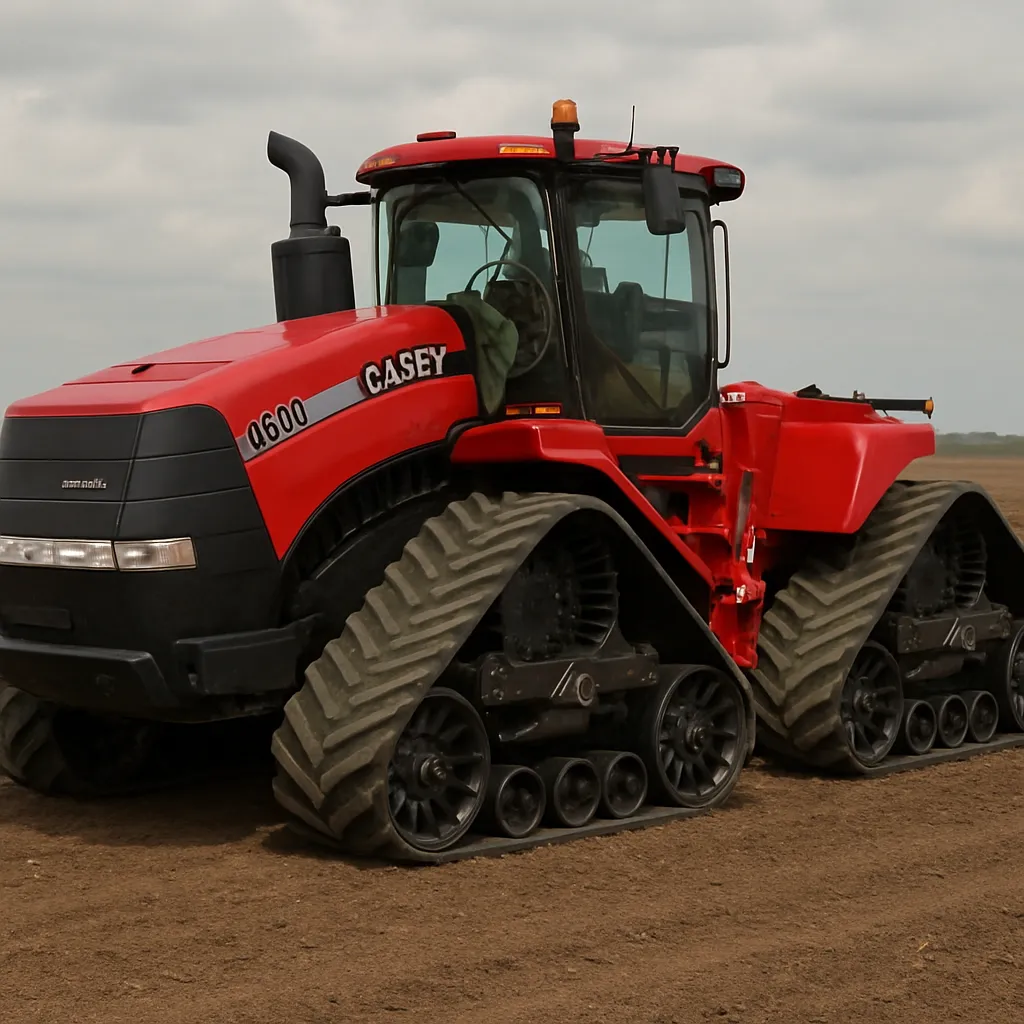
These machines are typically offered with multiple configurations, including two- and four-wheel drive or articulated 4WD, as well as tracked variants in other Steiger model families (Quadtrac or similar). Over different production years the Steiger 470 may appear with variations in engine tuning, transmission types and cab features; however, the core identity remains the same: a platform for high-traction, high-implement-capacity operations. Case IH positioned the Steiger line toward large commercial farms and contractors who require both continuous power and long workdays in the field.
Technical specifications and performance characteristics
Technical data for a Steiger 470 can vary depending on production year and optional equipment. Below are typical or representative figures and characteristics frequently associated with tractors in this class. Where specific numbers vary by configuration, ranges are provided to reflect real-world variations.
- Engine and power: Rated power around 470 hp (approx. 350–355 kW), with peak power often higher for short intervals. These engines are large displacement diesel designs with robust low-end torque for pulling heavy implements. Torque delivery and engine braking characteristics are tuned for heavy draft work.
- Transmission: Multiple transmission options have been offered over the years, from power shift units to continuously variable transmissions (CVT) or IVT-like systems in later or upgraded models. This allows operators to match speed and torque precisely to field conditions while optimizing fuel use.
- PTO: Typical PTO configurations include a 1000 rpm option suitable for high-power implements; PTO ratings will depend on drivetrain layout and gear reduction but are sized to support high-demand implements.
- Hydraulics: High-flow hydraulic systems providing large flow rates (often in the range of 150–200+ L/min with optional dual pumps) to operate multiple remote valves, big seeders, planters and hydraulic motors. Remote valve counts can be tailored to implement needs.
- Weight and ballast: Operating weight is substantial to ensure traction, commonly ranging from roughly 10–16 metric tonnes (10,000–16,000 kg) depending on configuration, tire choice and ballast, or more in tracked variants. Correct ballasting is essential to minimize wheel slip and maximize drawbar efficiency.
- Tires and tracks: Wheel options include large radial tires for field traction and flotation. Tracked configurations (on other Steiger variants like Quadtrac) are available for lower ground pressure and better traction on soft soils.
- Fuel capacity: Large tanks to support long hours of operation during peak seasons—commonly several hundred liters—help minimize refueling downtime on big farms.
- Top speed: Road speeds often up to 40 km/h (regulated by transmission and gearing options), which is helpful for moving between fields or to transport large implements.
Real-world performance notes
In practical terms, the Steiger 470 is designed to pull large coulter rigs, heavy disc harrows, chisel plows, deep tillage implements and multi-row planters. Its high torque reserves enable deep draft work at economical PTO and ground speeds. Fuel consumption depends heavily on load and operating conditions; typical field-drawbar tasks may average tens of liters per hour—operators commonly see fuel burn vary between roughly 20–45 L/h depending on task intensity, engine tuning and implement efficiency. These figures are approximate and can swing widely with tool selection and soil conditions.
Primary applications and field roles
The Steiger 470 finds its place wherever large-scale soil work, high-output planting or heavy haulage is required. Its combination of power, traction and hydraulic capacity makes it a favorite for several key applications:
- Heavy tillage: Pulling chisel plows, subsoilers and multi-section disc gangs across large acreages—the tractor’s weight and traction maintain consistent depth and finish.
- Large seeding and planting: Operating wide air seeders or planters that require steady forward speeds and significant hydraulic/air supply to meter seed and fertilizer precisely.
- Seedbed preparation and finishing: Traction and ballast help maintain consistent ground engagement for achieving even seedbeds across variable soils.
- Transport and logistics: Moving large implements or trailers between fields while maintaining speeds compatible with road travel (where permitted).
- Specialized contracting: Contractors use high-horsepower tractors for seasonal peaks where short windows of good weather demand fast turnaround of acreage—powerful tractors minimize time in the field.
Beyond these primary tasks, the Steiger 470 can serve in secondary roles such as pulling large sprayers or fertilizer applicators, powering PTO-driven equipment and even supporting emergency tasks like snow removal on large sites when fitted with appropriate front-mounted implements. The platform’s flexibility is one of its defining strengths.
Operator comfort, technology and safety
Modern iterations of the Steiger platform emphasize operator comfort, visibility and ergonomic control layouts because long shifts in peak seasons demand an environment that reduces fatigue and improves productivity. Key features and innovations typically include:
- Cab comfort: Spacious, climate-controlled cabs with suspension seats and noise insulation to reduce operator fatigue. Controls are organized for intuitive access to main drivetrain, hydraulic and implement settings.
- Precision agriculture and guidance: Many tractors in this class are equipped with optional GPS guidance, autosteer capabilities and documentation systems to improve field accuracy, reduce overlap and optimize input use. This contributes directly to better fuel efficiency and crop outcomes.
- Advanced displays and controls: Touchscreen monitors or multifunction displays provide real-time engine, transmission and hydraulic data; implement control integration allows the operator to monitor multiple systems at once.
- Safety systems: Rollover protection inherent to the cab structure, advanced braking systems, lighting packages for night work, and camera or sensor options to improve implement visibility and rear-hitch monitoring.
These amenities help operators remain productive during long days and enable farms to extract maximum efficiency from both equipment and labor. Better ergonomics and precision tools also reduce operator errors that can increase costs or cause implement wear.
Maintenance, total cost of ownership and resale considerations
Owning a high-horsepower tractor like the Steiger 470 requires planning around maintenance, parts, and operating expenses. While upfront capital cost is significant, many operators justify the investment through productivity gains and the ability to complete seasonal workloads more quickly.
- Maintenance routines: Regular servicing of engine oil and filters, air filters, fuel system filters, transmission and hydraulic fluid changes, and periodic checks of cooling systems and electrical wiring are critical. Adhering to manufacturer service intervals helps preserve engine life and maintain resale value.
- Component longevity: Large diesel engines in this class can achieve many thousands of operating hours with proper maintenance. Common wear items include tires, brake systems, hydraulic seals and electronic sensor modules.
- Operating costs: Major cost drivers include fuel, tires, and scheduled major services (engine and transmission overhauls at high hours). Precision guidance systems and software subscriptions can also add to annual expenses.
- Resale value: High-power tractors maintain reasonable resale values when well maintained, due to ongoing demand from contractors and expanding farms. Age, total hours, service history and condition of major systems (engine, transmission, hydraulics) substantially affect market value.
Buyers should consider lifetime utilization—how many hours per season the tractor will work—and match purchase or leasing decisions to expected workload. For operations with intense seasonal demands, the efficiency and throughput benefits of a Steiger 470 typically offset higher fuel and maintenance costs relative to smaller machines.
Variants, competition and market position
The Steiger 470 fits within a competitive segment that includes equivalent high-horsepower tractors from other major manufacturers. Some competing offerings provide tracked alternatives (for example, Case IH’s own Quadtrac versions in related ranges) or different approaches to power delivery and traction management.
- Tracked variants: Tracked configurations reduce ground pressure and improve traction in soft or wet soils. While the Steiger 470 itself is primarily known in wheeled configurations, Case IH’s lineup includes tracked models at similar power levels under different badges.
- Competitors: Other manufacturers offer tractors in the 400–500 hp range with varying transmission, cab and precision-farming offerings—operators often compare based on fuel economy, dealer support, uptime, technology integration and total cost of ownership.
- Customization: Large operators and contractors frequently specify tires, ballast, hydraulic packages and guidance systems to create a machine tailored to local soil conditions and implement fleets.
In many markets the decision to buy a Steiger tractor rests on a combination of dealer support, parts availability, and proven field performance. Case IH’s global dealer network and established reputation in large-farm settings are important advantages for many buyers.
Practical tips for potential buyers and operators
For those considering a Steiger 470—new or used—several practical items help ensure a successful purchase and long-term operation:
- Evaluate service history: For used tractors, request detailed maintenance records and verify major service milestones. Evidence of timely oil/filter changes and documented hydraulic service is important.
- Inspect under load: If possible, see the tractor operating under load with a comparable implement. Listen for unusual noises, check for smoke patterns at startup and observe hydraulic responsiveness.
- Consider implement match: Ensure the tractor’s hydraulic flow, PTO capacity and hitch rating align with the implements you plan to use. Overspecifying or underspecifying can both reduce lifetime value.
- Check electronics and guidance systems: Modern tractors rely on software and sensors—verify that all control systems are functioning and inquire about software update history and any subscription costs for precision services.
- Assess tire and ballast condition: Tire life and correct ballasting dramatically affect traction, soil compaction and fuel economy. Replace or rebalance as needed to match tasks.
Key takeaway:
A well-specified Steiger 470 is a high-productivity tool for large-acreage farming and contracting. It shines where raw power, traction and hydraulic capacity are required to move big implements efficiently. Prospective buyers should weigh fuel and maintenance costs against throughput gains and season-length benefits.
Closing observations and outlook
The Steiger 470 exemplifies the engineering trade-offs inherent in modern large tractors: higher purchase and running costs in exchange for the ability to complete more work, faster and with greater consistency. For large commercial farms and service contractors, that productivity translates into real economic value—faster spring work windows, improved timeliness of planting and more efficient use of expensive implements. As precision agriculture and telematics continue to advance, tractors like the Steiger 470 are increasingly integrated into broader farm-management systems that optimize inputs and labor based on real-time data.
Whether used for primary tillage, large-scale planting or heavy transport, the Steiger 470 remains a compelling option for operations that demand continuous high-power performance. Its combination of reliability, traction, integrated technology and operator-focused design make it a mainstay among high-horsepower tractors worldwide.