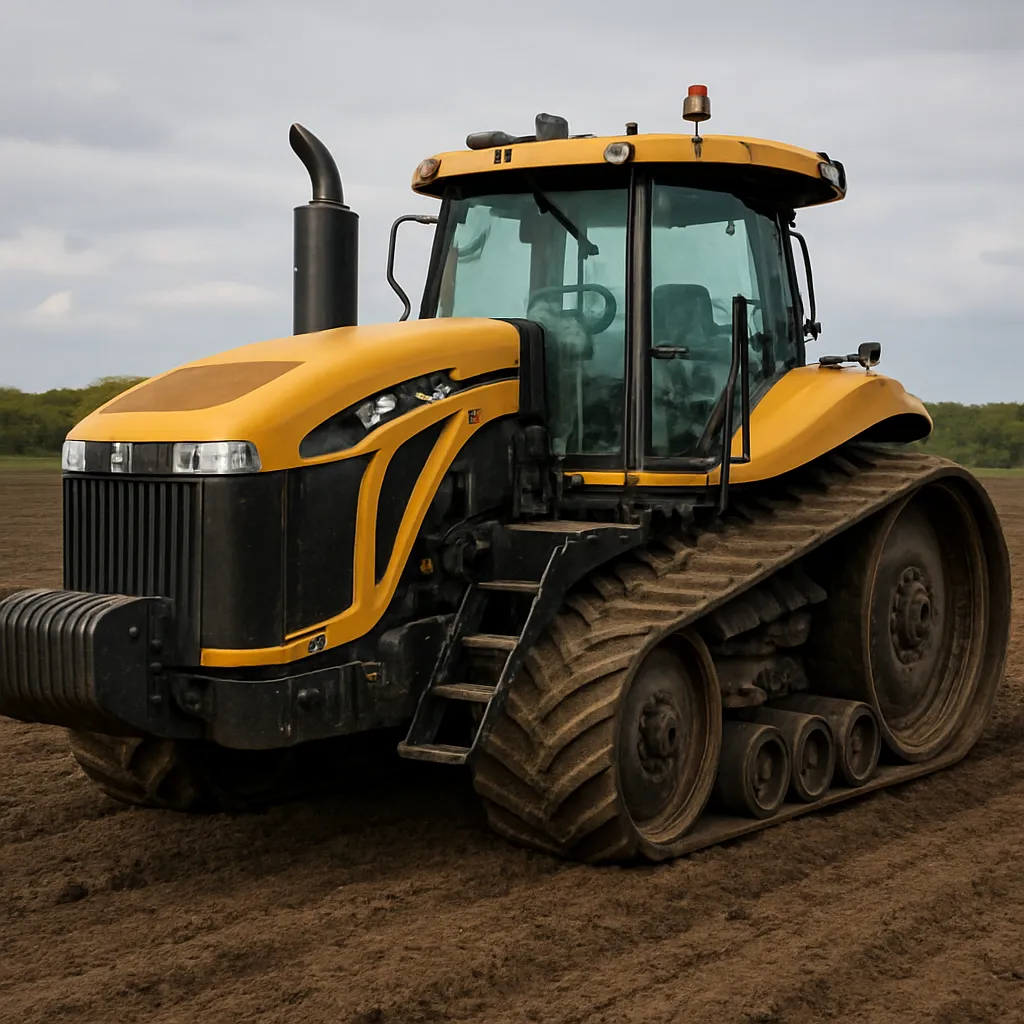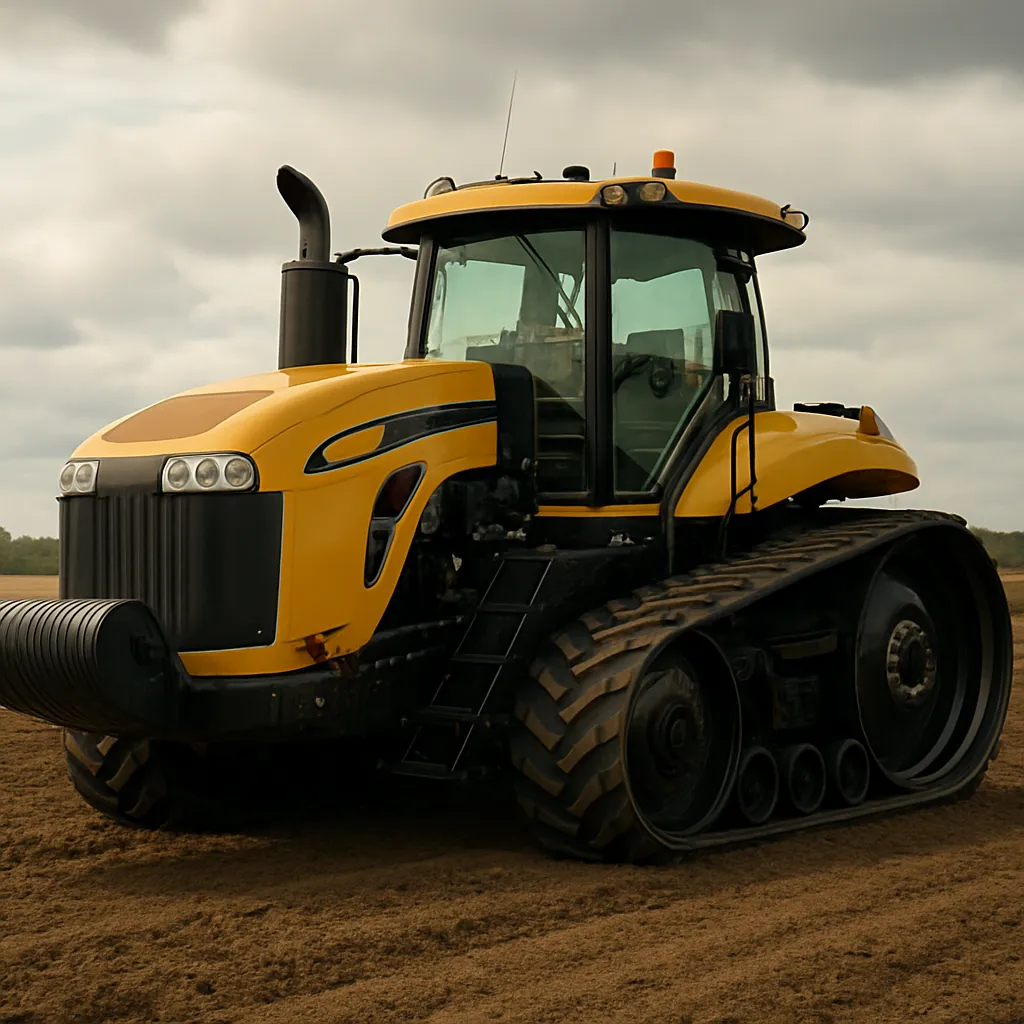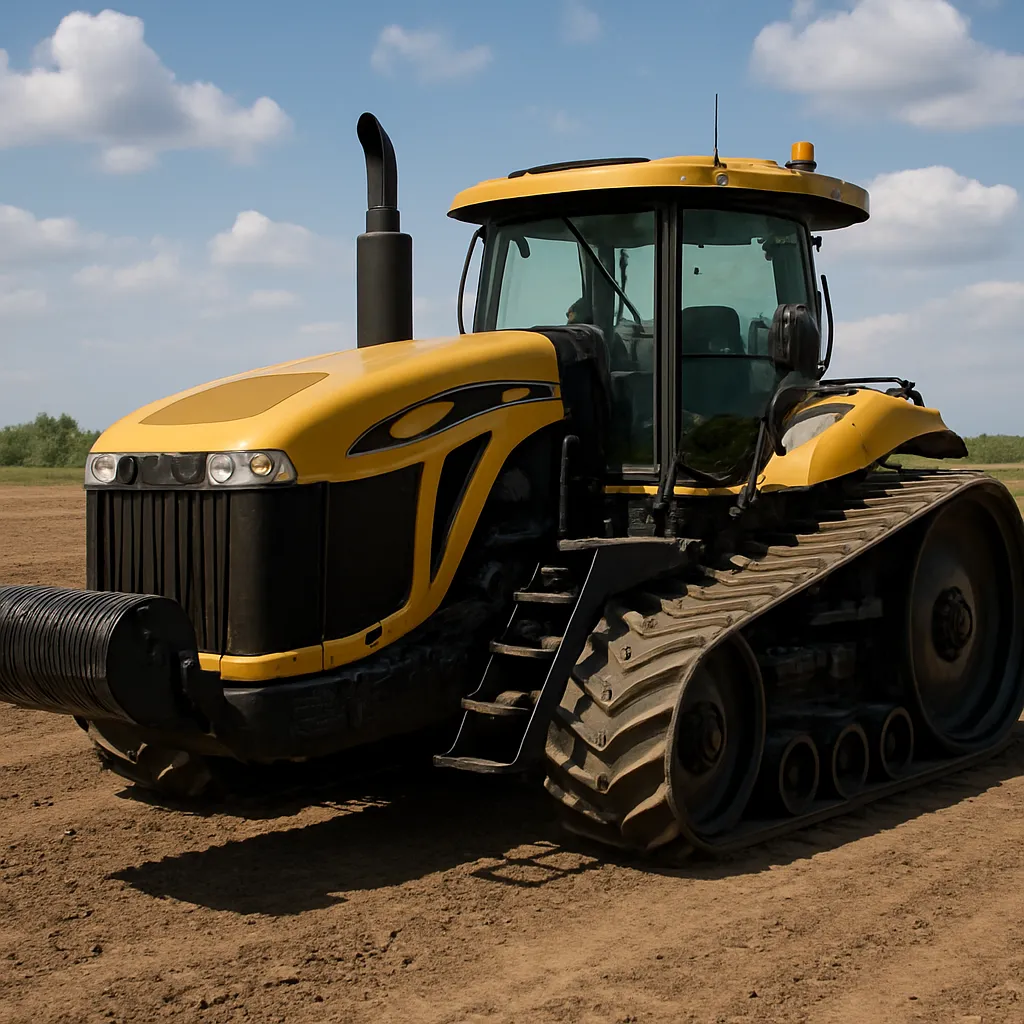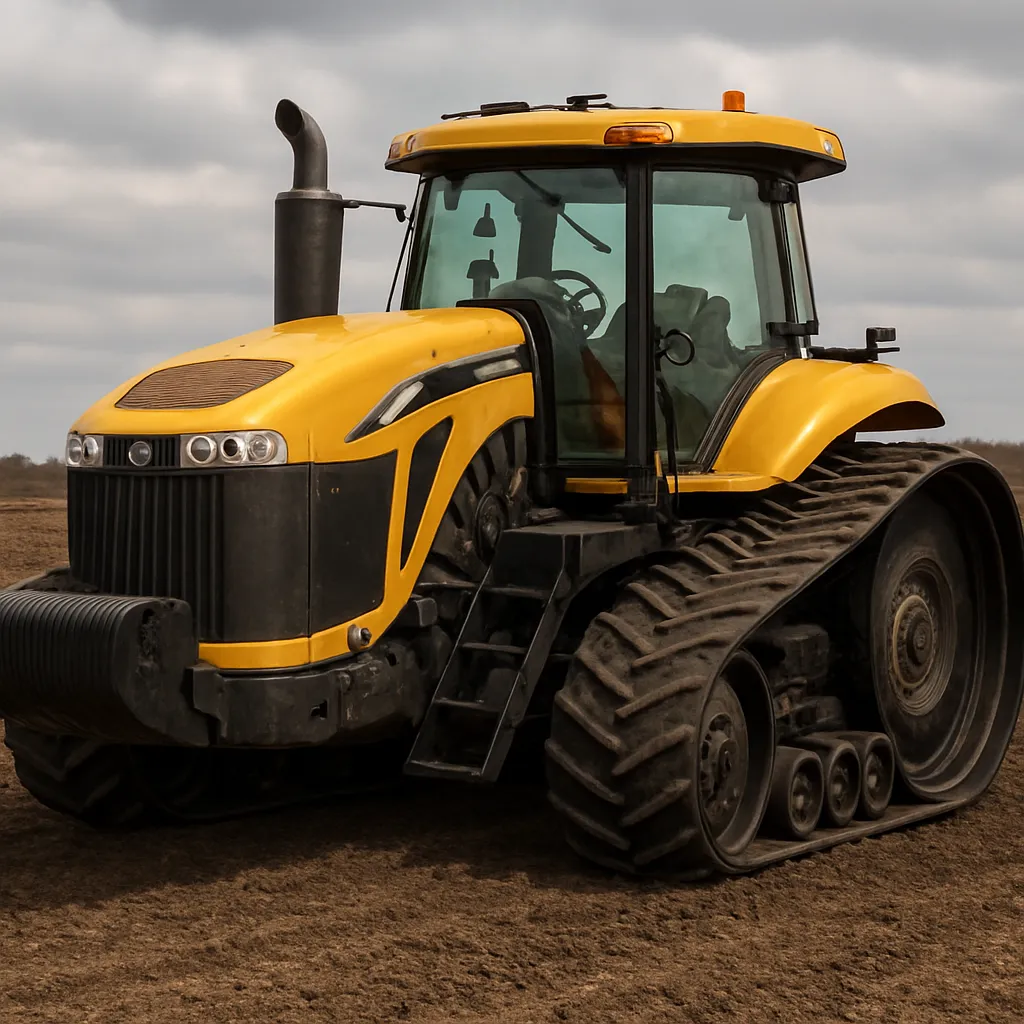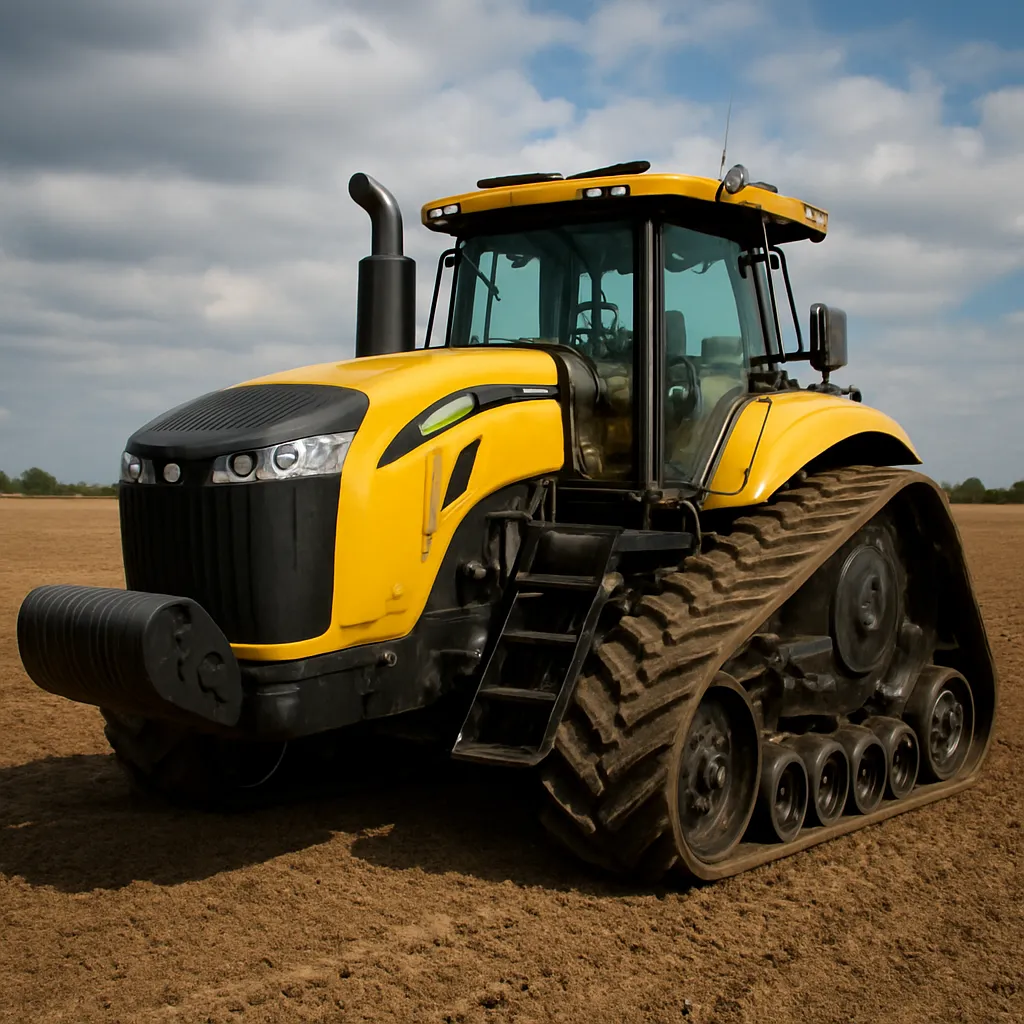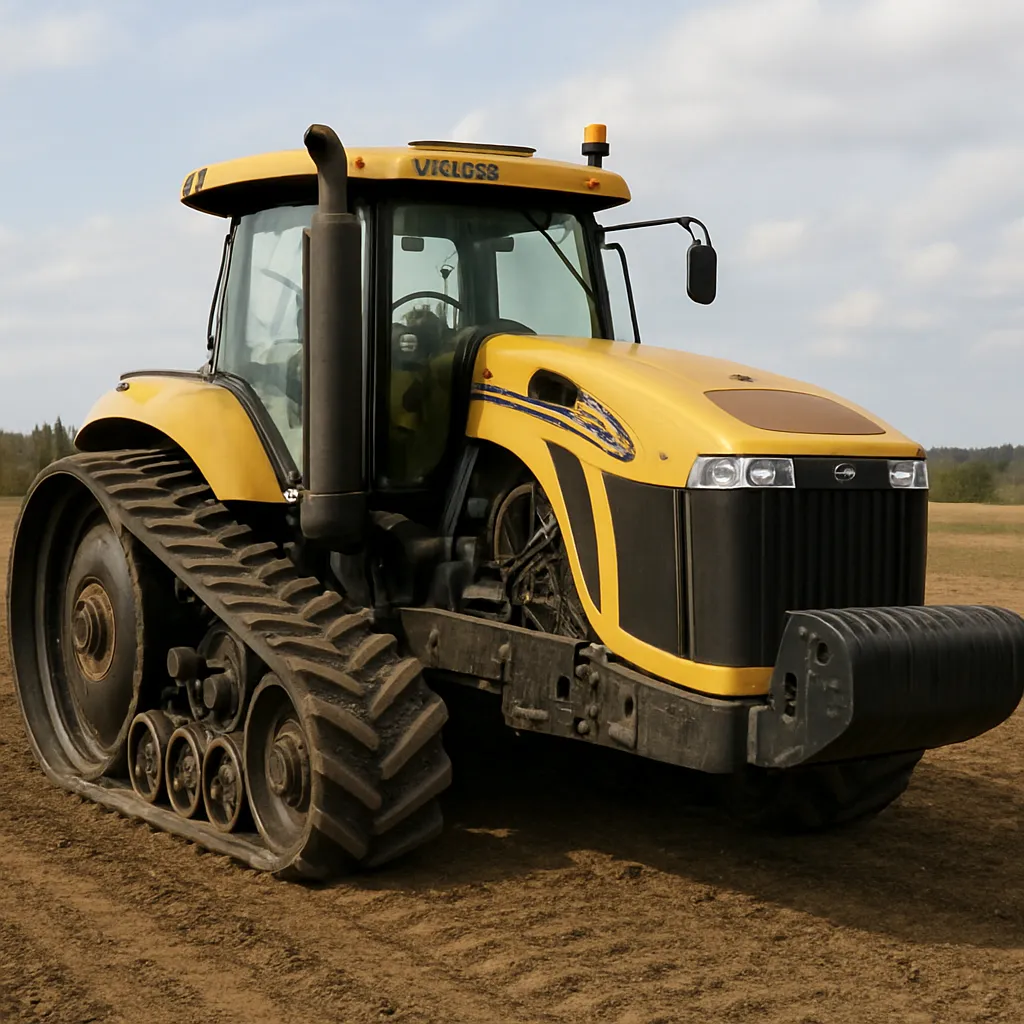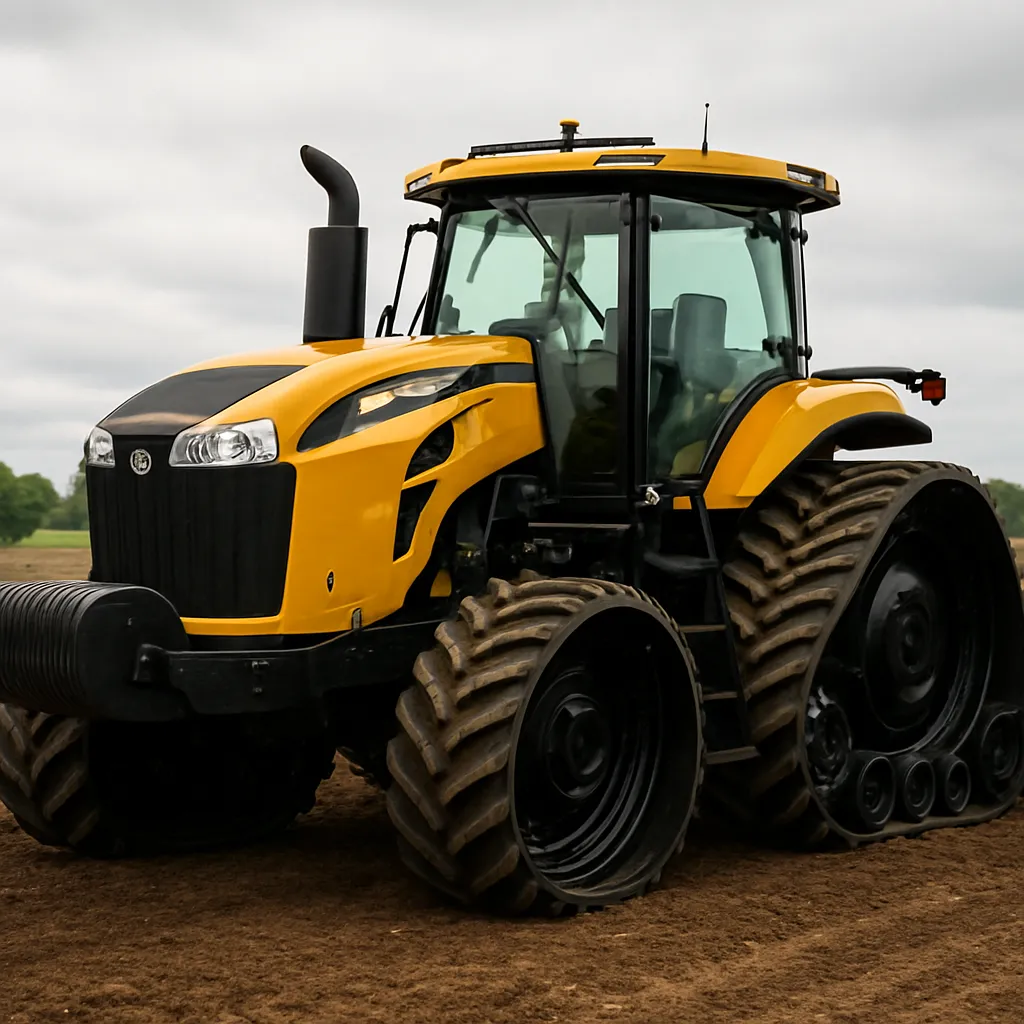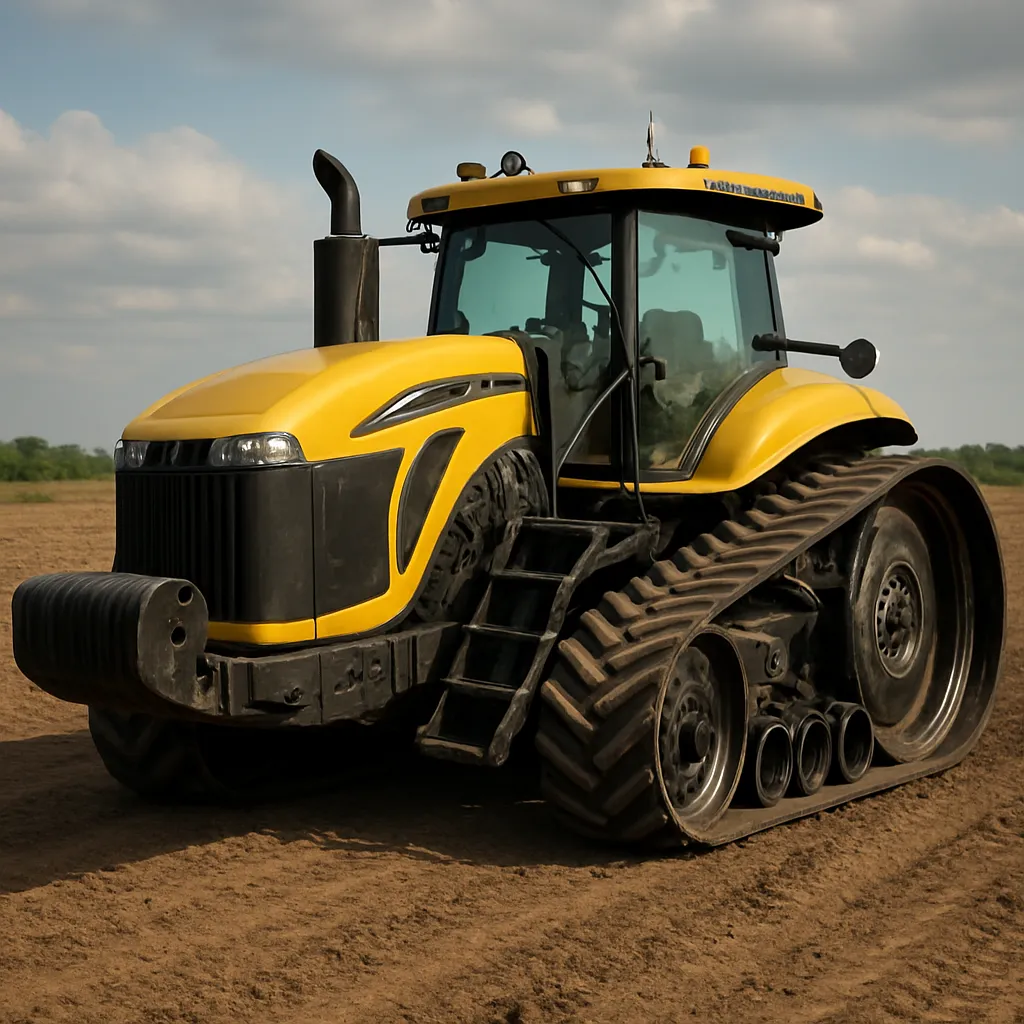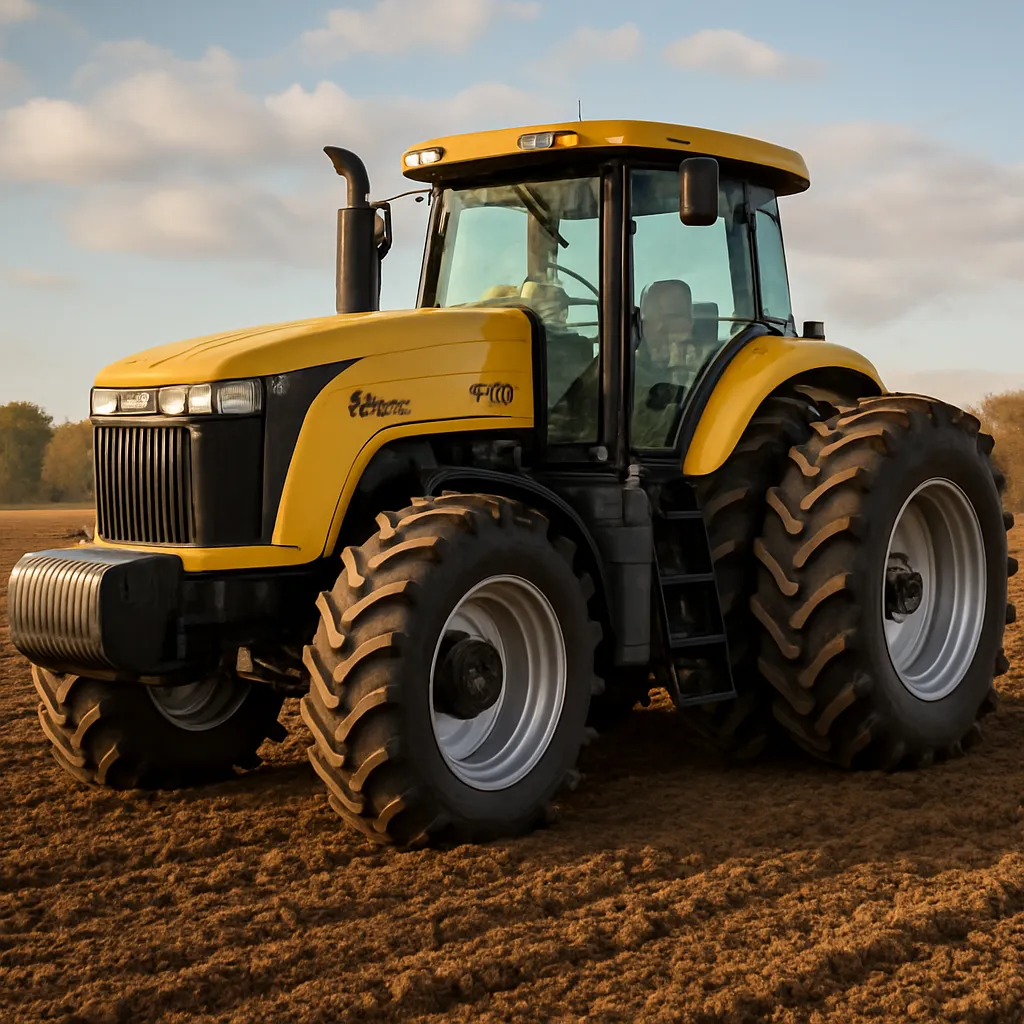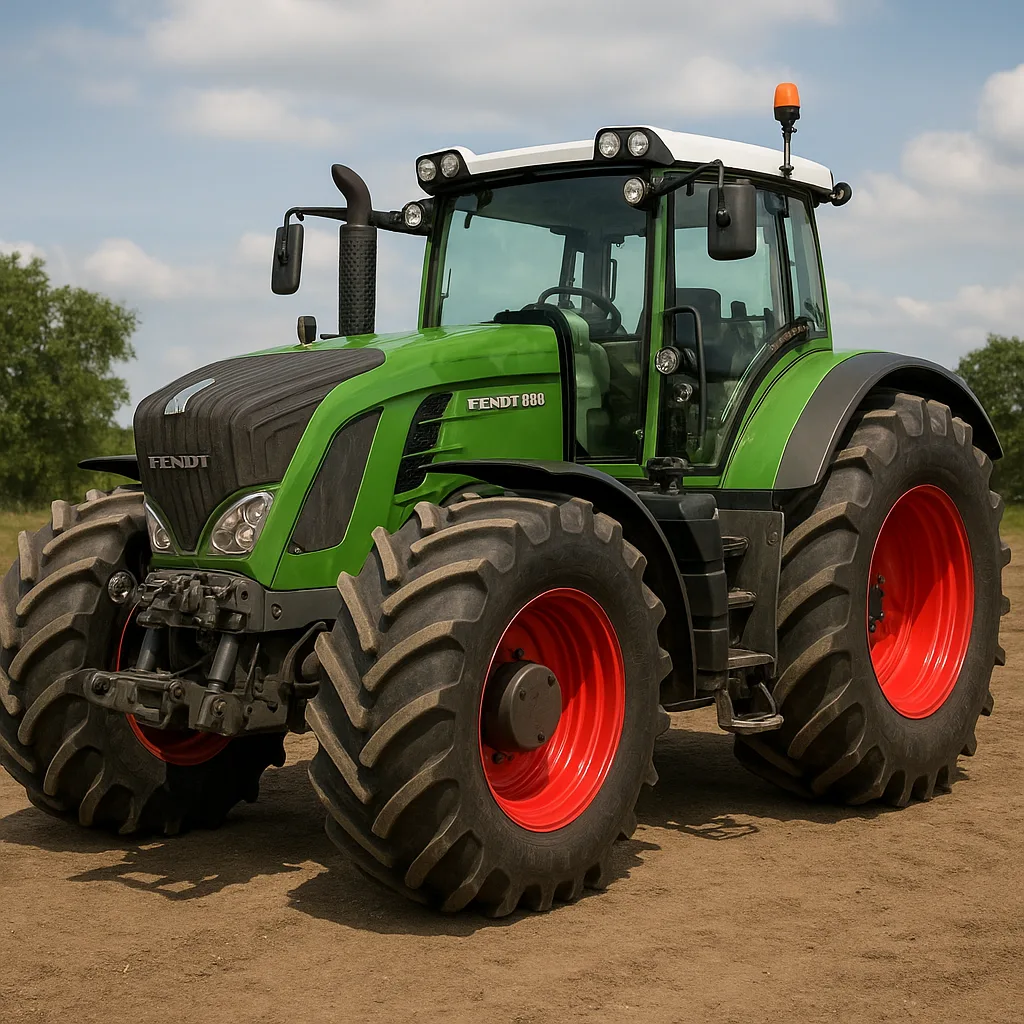
The Fendt 933 Vario stands as a prominent model in the Fendt 900 series, combining German engineering with modern agricultural technology. Built for demanding fieldwork, heavy towing and long working days, this tractor blends high performance with operator comfort and intelligent systems. The following article explores the 933 Vario’s design philosophy, typical technical characteristics, primary applications, and other notable information that farmers, contractors and machinery enthusiasts may find valuable.
Model overview and development
The Fendt 933 Vario is part of the long-running Fendt 900 Vario family, a lineup known for its robust construction, advanced continuously variable transmission and premium cab ergonomics. Over successive generations the 900 series has evolved to emphasize improved fuel economy, increased hydraulic and electrical capacity, and enhanced digital integration. The 933 occupies the mid-to-upper power range within the series, designed to deliver strong drawbar and PTO performance while remaining versatile across a wide range of tasks.
Fendt has consistently positioned the 900 series as a flagship offering for professional agriculture, and the 933 Vario is frequently chosen by operators who require a blend of high output, reliability and operator-focused features. The model is commonly offered with a range of options and packages that allow customization to crop farming, livestock operations and contracting work.
Technical characteristics and performance
Technical specifications for the 933 Vario vary by model year and regional configuration. Below are typical characteristics and performance figures that describe the tractor’s capabilities in practical terms. Where precise numbers may vary, approximate values are used to indicate expected performance.
Engine and power
The 933 Vario is powered by a robust 6-cylinder diesel engine developed for agricultural duty cycles. It emphasizes reliable torque delivery across a broad rpm range to support heavy implements and continuous PTO operation. Typical features include advanced common-rail fuel systems and selective catalytic reduction (AdBlue/DEF) to meet modern emissions standards.
- Horsepower: The 933 is commonly rated in the low-to-mid three-hundred horsepower range (approximately 320–350 hp depending on configuration and boost modes).
- Torque: High torque reserve at low engine speeds helps with pull-away and maintaining speed under load; peak torque figures are typically substantial for this class.
- Engine management: Electronic control ensures optimized fuel delivery, reduced emissions and integration with transmission and hydraulics for efficient operation.
Transmission and driveline
One of the standout features of the 900 Vario range is the stepless Vario transmission, which provides seamless speed changes without shifting gears. This system improves traction control, fuel efficiency and operator comfort.
- Vario transmission: Continuously variable drive that permits precise speed control, beneficial for seeding, spraying and transport tasks.
- Advanced traction management and multiple drive modes allow the tractor to adapt to field conditions, balancing wheel slip and power delivery.
- Power take-off (PTO): Typical PTO configurations include rear PTO with selectable speeds (e.g., 540/1000 rpm) and optional front PTO for mounted implements and front-mounted mowers or snow blowers.
Hydraulics, hitch and implement control
Hydraulic capacity and hitch systems on the 933 Vario are designed to handle large implements and hydraulic-demanding attachments.
- Hydraulic flow: High-flow hydraulic systems (with open-center or load-sensing configurations) provide sufficient flow for multi-function implements. Typical delivery rates can be substantial, supporting several remote valves and power-hungry tools.
- Linkage capacity and electronic control: Rear three-point hitch with electronic control and significant lift capacity enables large plows, seeders and cultivators to be operated safely and effectively.
- ISOBUS compatibility and precision farming interfaces allow implement manufacturers’ electronics to communicate seamlessly with the tractor for automated control.
Chassis, axles and brakes
The chassis of the 933 Vario is built to withstand heavy loads and frequent transport. Robust front and rear axles, along with optional front suspension, improve ride quality and stability.
- Weight and ballast: Substantial base weight and the option for additional ballast provide good traction and stability when pulling heavy equipment.
- Tyre configuration: Multiple tyre and track options help tailor the tractor for soil protection or traction-focused tasks.
- Braking systems and safety features include hydraulic or air-assisted options suitable for road transport of heavy trailers.
Cab, ergonomics and visibility
Fendt invests heavily in operator comfort. The 933 Vario cab is designed for long hours of work with careful attention to control layout, visibility and noise reduction.
- Cab comfort: Spacious cab with adjustable seats, climate control and low noise levels to reduce operator fatigue during long shifts.
- Ergonomic control station featuring multifunction joystick(s), touchscreen displays and customizable menus for machine settings.
- All-round visibility with large windows and optional cameras aids in safe implement maneuvering and road travel.
Applications and typical use cases
Versatility is one of the Fendt 933 Vario’s core strengths. It is used across many agricultural and non-agricultural tasks where robust pulling power, hydraulic support and reliable PTO performance are required.
Arable farming
- Primary tillage with large ploughs and cultivators: The 933’s torque and lift capacity make it suitable for heavy tillage.
- Seeding and planting: Smooth speed control from the Vario transmission improves seeding accuracy and reduces soil compaction compared to frequent gear changes.
- Spraying and fertilizer application: High hydraulic capacity and precise speed control help maintain consistent application rates.
Transport and contractor work
- Transport duties with trailers: The 933 Vario’s road speed capabilities and comfortable cab make it well suited for contracting operations where travel between sites is frequent.
- Contractors benefit from configurable options, strong service intervals and compatibility with heavy transport implements such as large balers and harvest support equipment.
Livestock and mixed farming
- Feed and silage handling: Strong hydraulics and front loader compatibility allow efficient material handling in barns and yards.
- Manure spreading and slurry handling: Robust PTO and hydraulic systems support large spreaders and slurry equipment.
Specialized tasks and municipal work
- Snow clearing and road maintenance using front-mounted tools and power take-off driven implements.
- Forestry-edge operations and mowing large grasslands with high-capacity implements.
Fuel efficiency, economics and ownership considerations
Economic performance is a key factor for tractor buyers. The 933 Vario’s design aims to balance fuel consumption with output, minimizing cost per hectare while providing high utilization.
Fuel efficiency and operating costs
Stepless transmissions, electronic engine management and efficient hydraulics contribute to optimized fuel usage. Real-world fuel consumption depends on load, field conditions and operator behavior, but owners typically report that well-configured 900-series tractors yield competitive liters per hectare for tasks requiring high power.
Serviceability and uptime
- Service intervals and diagnostics: Modern Fendt models include onboard diagnostics and remote telemetry, which help with preventive maintenance and reduce unexpected downtime.
- Parts availability and dealer network: A strong dealer network and aftermarket support are important when operating high-hour machinery.
Residual value and market demand
Fendt tractors generally hold good resale value due to brand reputation for durability, advanced features and strong market demand. Maintenance records, configuration (e.g., front PTO, loader packages, precision farming packages), and regional preferences influence resale pricing.
Electronics, precision farming and connectivity
Modern iterations of the 933 Vario are equipped with advanced electronics to support precision farming, remote management and operator assistance systems.
- FendtONE and similar integrated platforms provide task management, documentation and sometimes remote access to machine settings.
- Guidance and steering: Automated steering and section control improve application accuracy for seeding, spraying and fertilizing, reducing overlap and input costs.
- Telematics and monitoring: Real-time machine data helps fleet managers optimize logistics, perform preventative maintenance and analyze performance.
Maintenance, safety and operator training
Proper maintenance and operator training maximize the 933 Vario’s lifetime value and safe usage. The tractor’s complexity requires trained technicians for advanced diagnostics, but many routine tasks are designed for straightforward service.
- Daily checks: Fluids, filters and tyre pressures to ensure reliable daily operation.
- Scheduled maintenance: Following manufacturer intervals for oil changes, filter replacements and system checks extends engine and transmission life.
- Safety systems: Modern safety features include rollover protection, stable braking systems and visibility aids. Proper training in implement hookup and electronic system use is essential.
Comparisons and competitive landscape
The 933 Vario competes with tractors in the 300–400 hp class from other global manufacturers. Buyers often compare features such as transmission type (CVT vs powershift), hydraulic flow capacity, cab ergonomics, maintenance costs and integration of precision farming tools.
- Competitive advantages often cited for the 933 include smooth Vario transmission performance, premium cab design and strong integration of electronics.
- Alternatives might offer differing strengths—some models focus on lower initial purchase price, others emphasize higher hydraulic flow or simpler mechanical architectures that are preferred in certain markets.
Environmental and regulatory considerations
Engines in contemporary 933 Vario tractors meet emissions regulations through tailored aftertreatment systems including SCR and particulate filtration. Efficiency improvements reduce greenhouse gas emissions per unit of work, while precision farming tools can lower input waste and runoff.
AdBlue usage and maintenance of aftertreatment systems are part of regular operating costs; users should plan for these consumables and follow manufacturer guidance to maintain compliance and performance.
Buying and specification tips
When considering a 933 Vario, evaluate the following points to ensure the tractor matches your operational needs:
- Define the primary tasks and choose hydraulic, PTO and linkage options accordingly.
- Decide on cab and comfort packages if long daily operation is expected.
- Consider precision farming and telematics packages if efficiency and documentation are priorities.
- Check regional dealer support, warranty options and recommended service schedules.
Summary and final notes
The Fendt 933 Vario offers a blend of powerful performance, advanced transmission technology and operator-focused features suitable for a range of demanding agricultural tasks. Strong hydraulic capabilities, efficient engine management and rich connectivity options make it a compelling choice for professional farmers and contractors. Specifications may vary by model year and market, so prospective buyers should consult local dealers for exact figures and option lists. Thoughtful configuration, diligent maintenance and appropriate training help unlock the tractor’s full potential and protect its long-term value.
Fendt 933 Vario horsepower engine torque transmission cab hydraulics efficiency