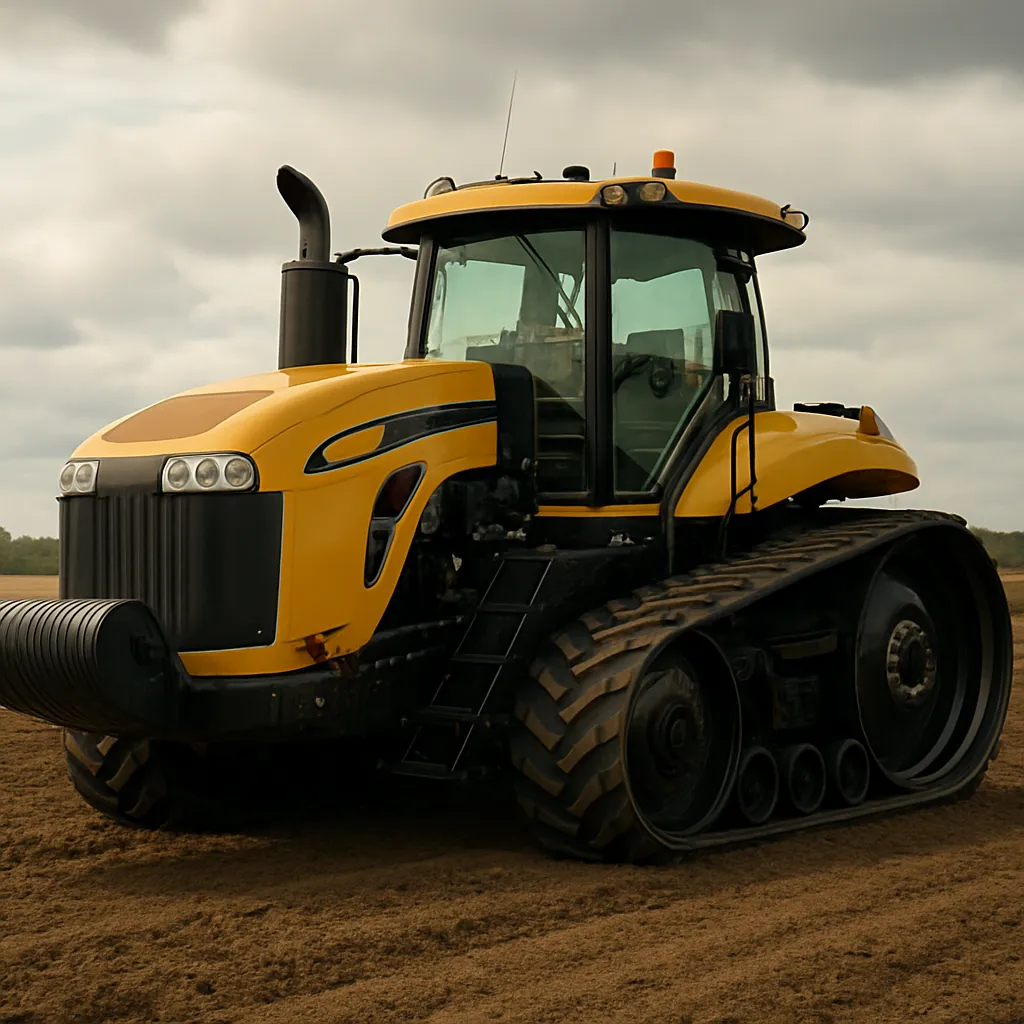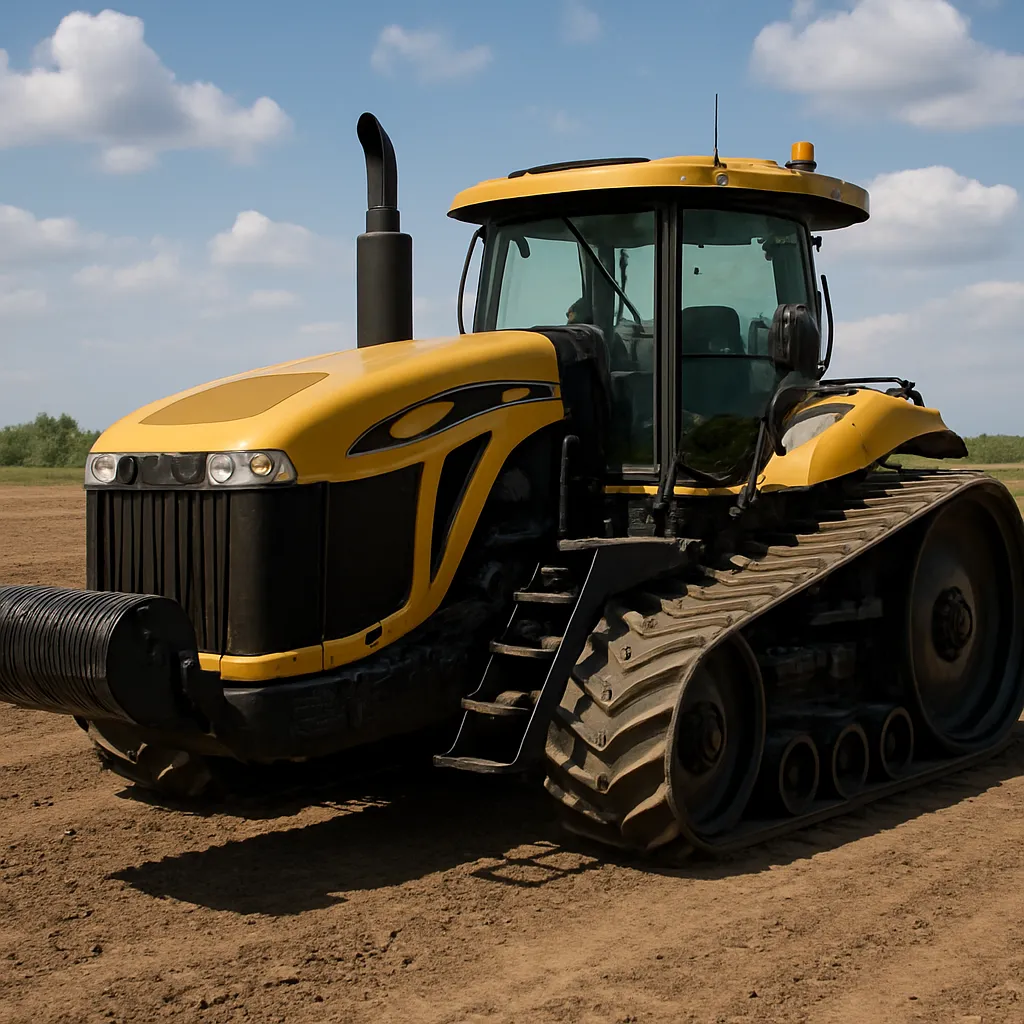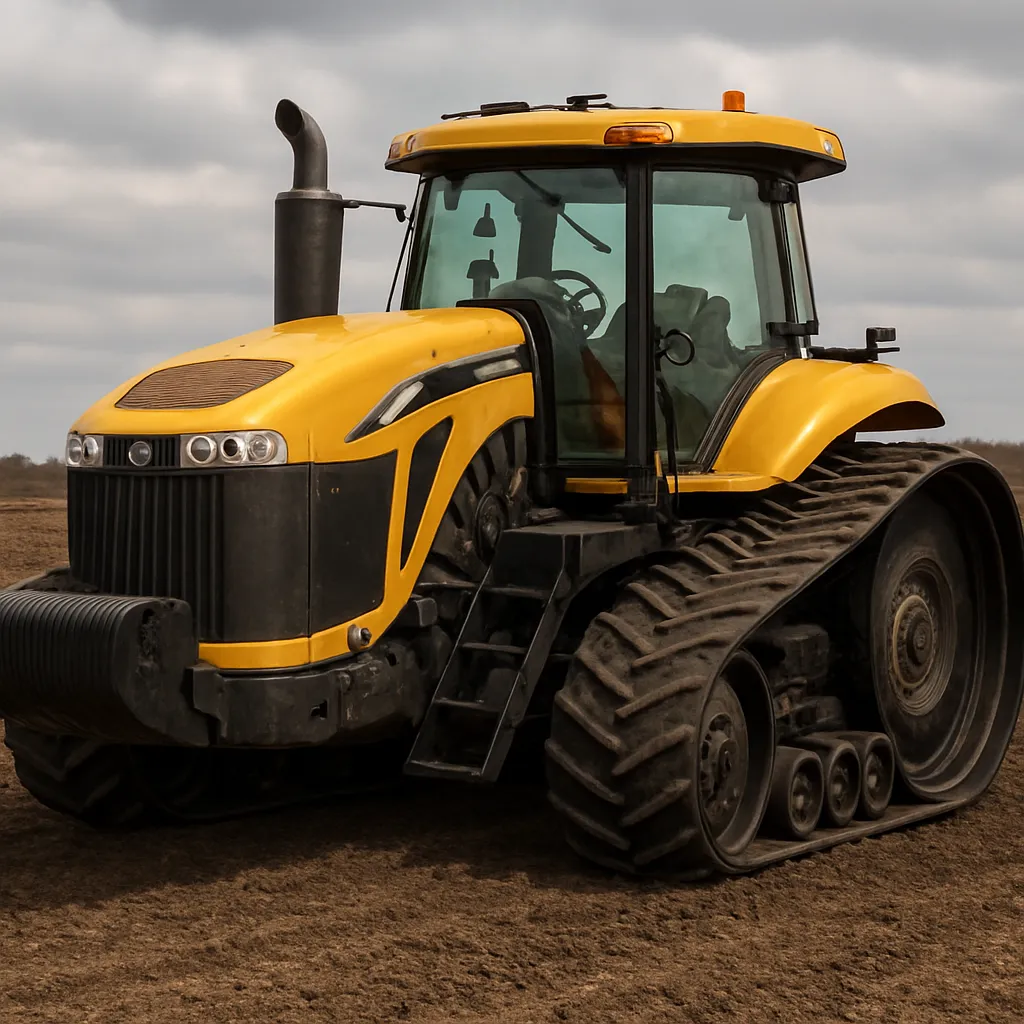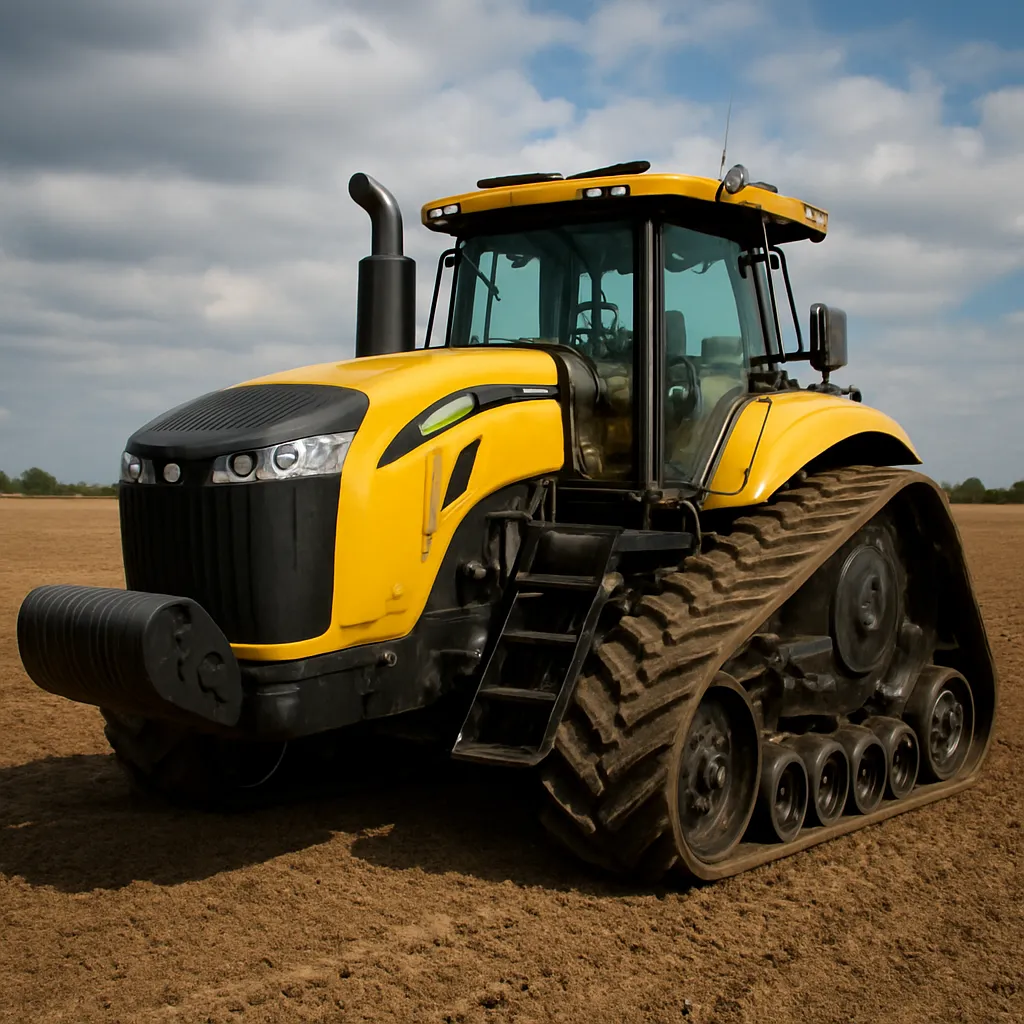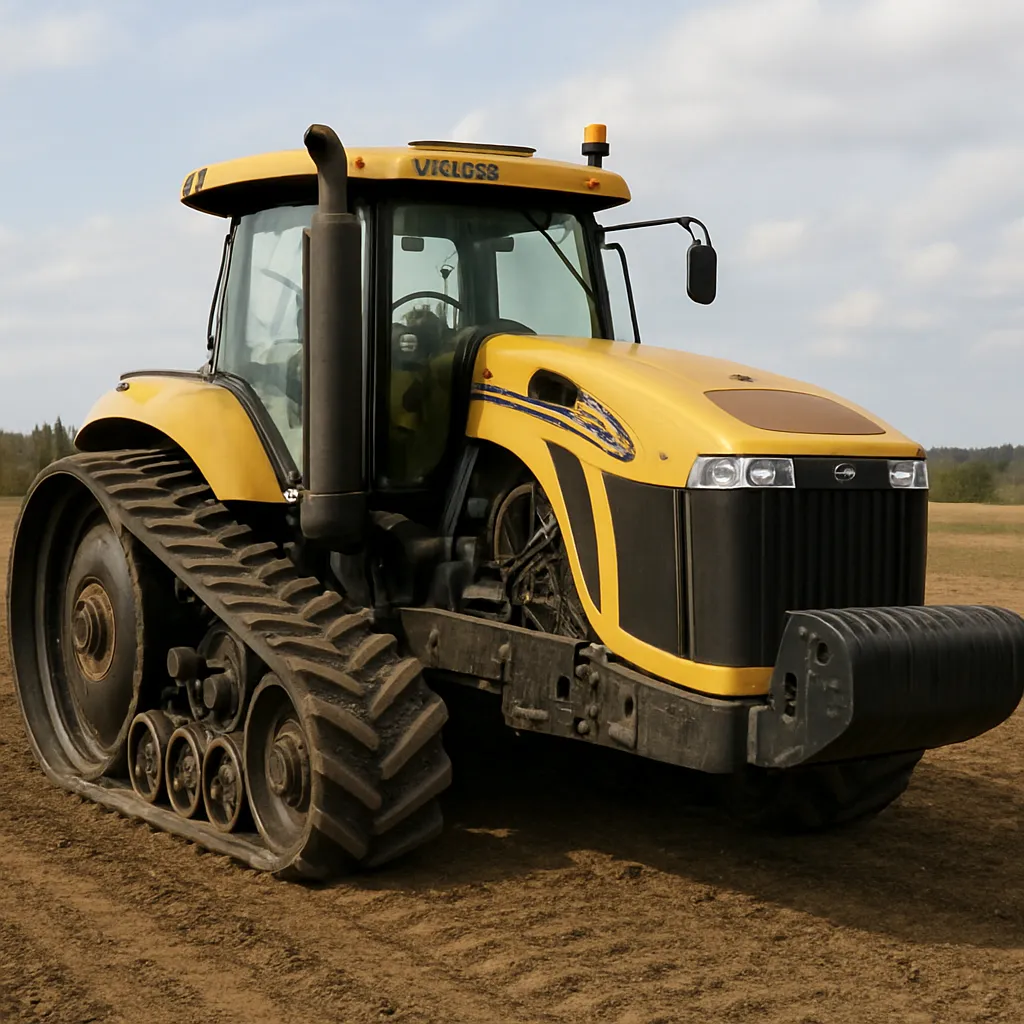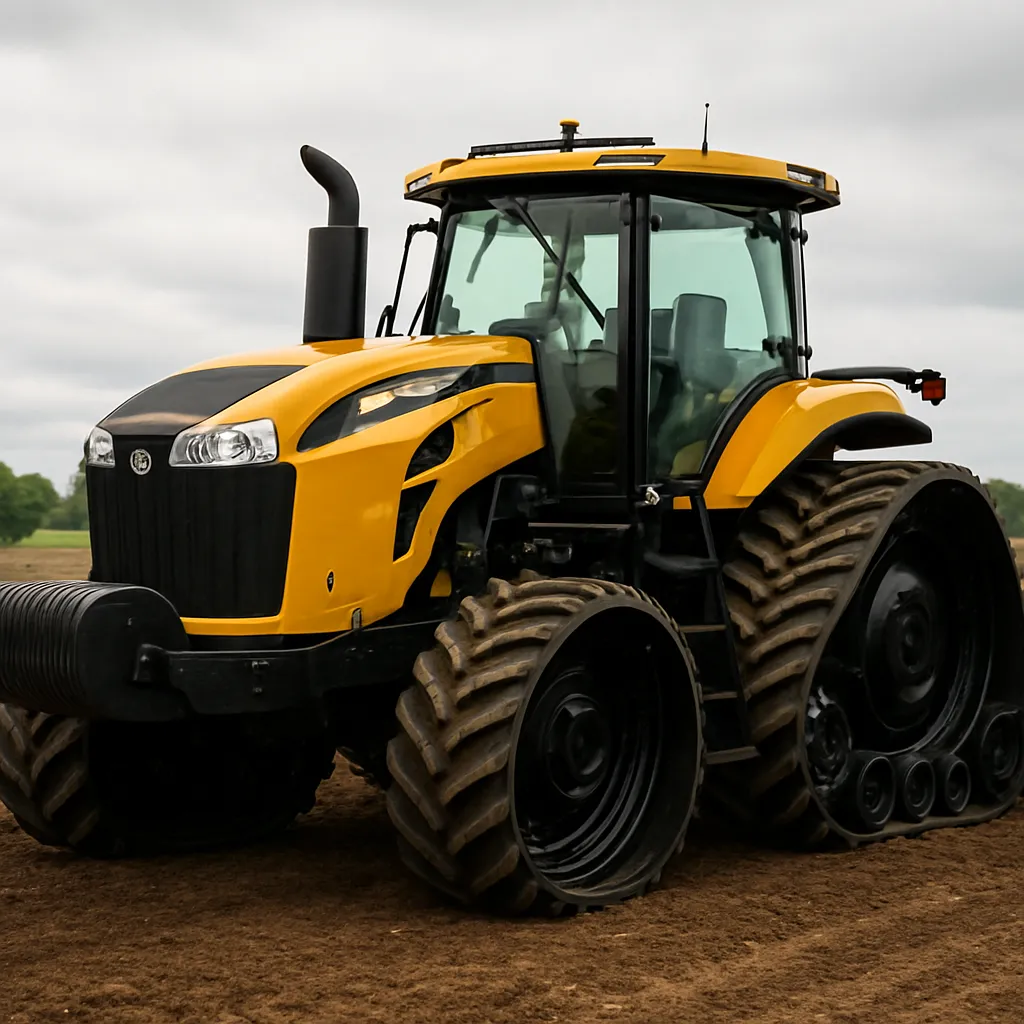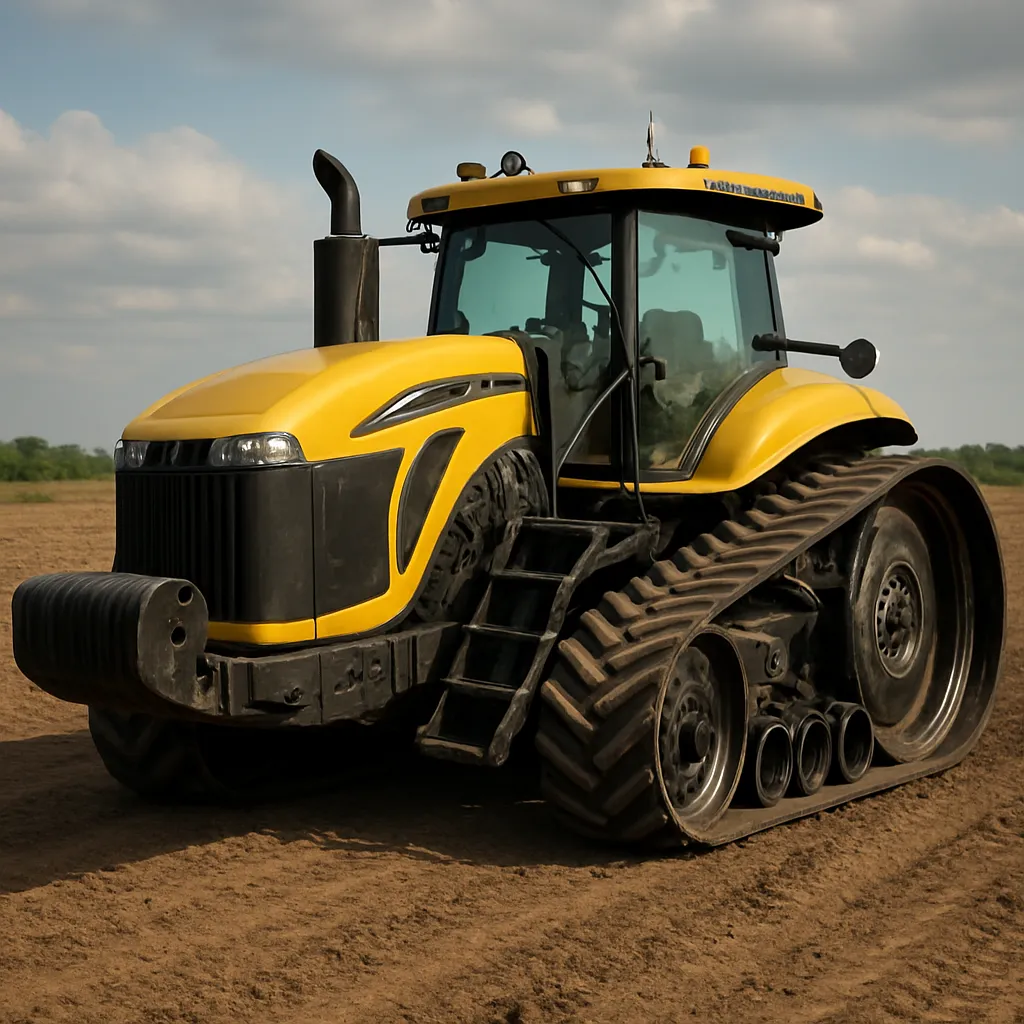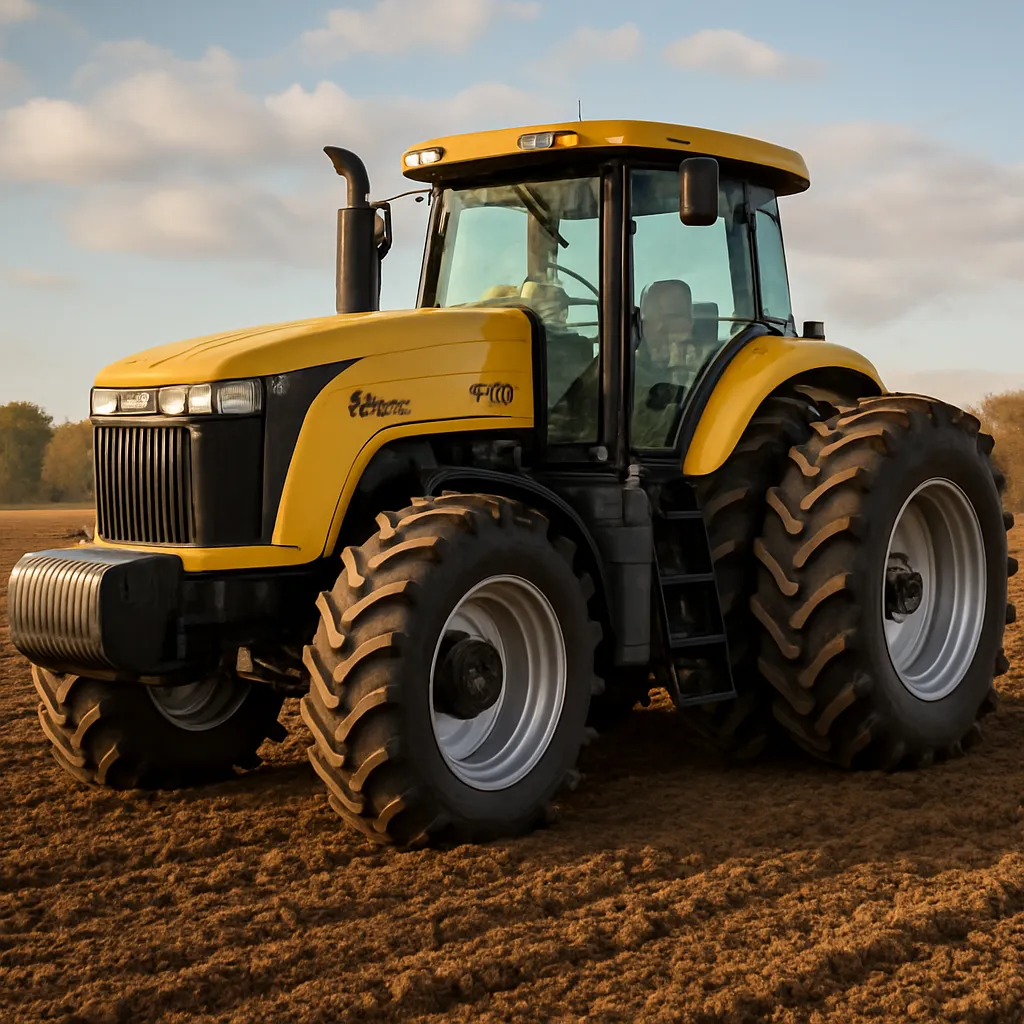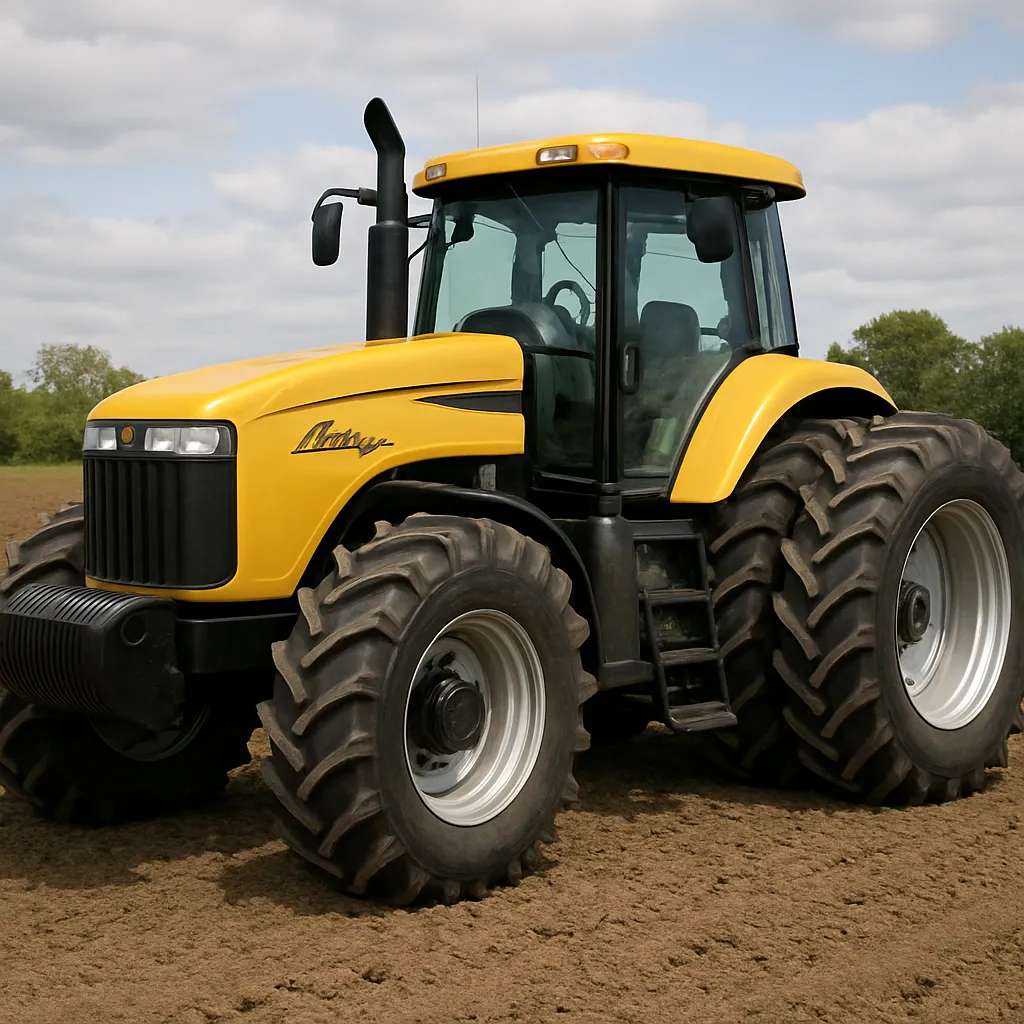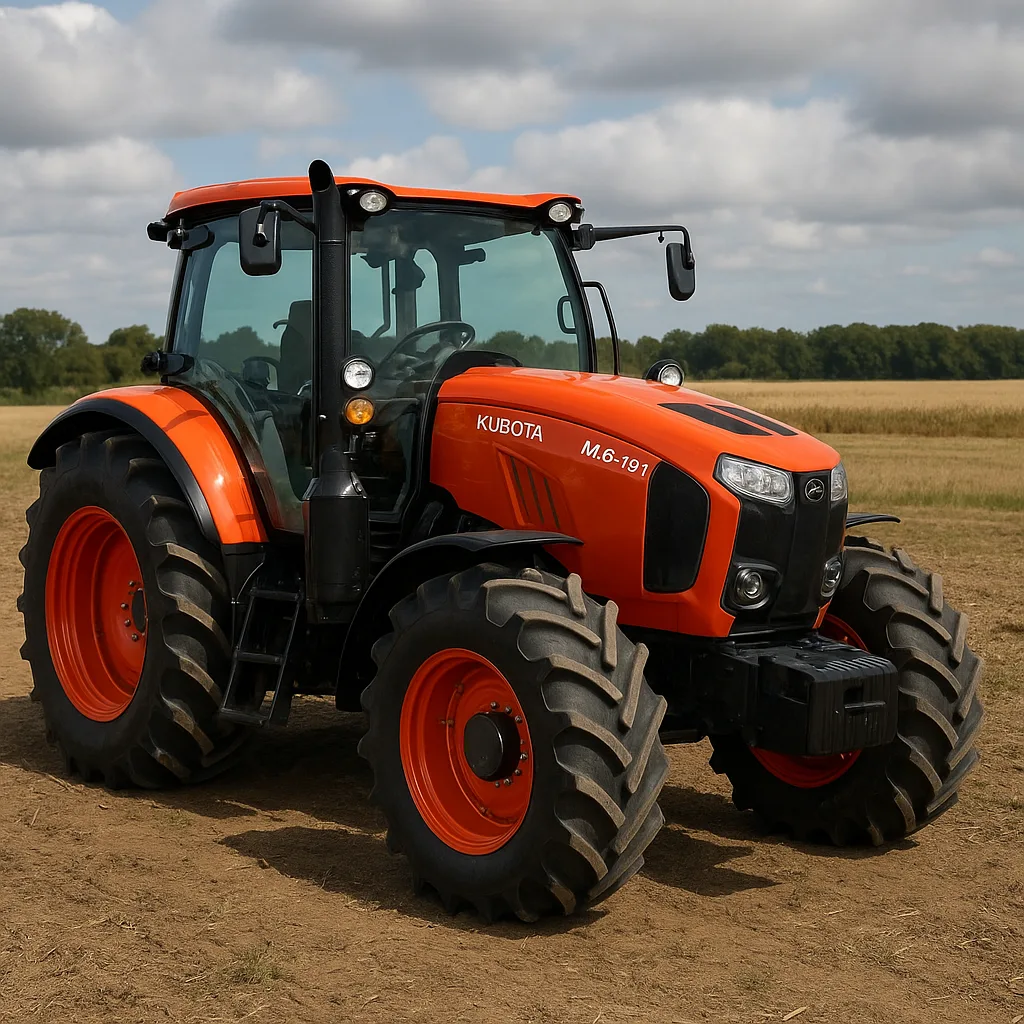
The Kubota M8-191 represents a class of heavy-duty modern agricultural tractors designed to balance powerful performance with operator comfort and advanced electronics. This article examines the M8-191 from multiple angles: technical characteristics, typical applications, operator-focused features, maintenance and economy, and its place in the market. Where numerical data is given, note that exact figures can vary with model year and optional configurations; I indicate approximate values or ranges when appropriate.
Overview and positioning
The Kubota M8-191 is part of the Kubota M8 series, aimed at farmers and contractors who need robust, all-day performance in tasks ranging from deep tillage to high-speed transport. As a member of the premium tractor segment, the M8-191 is designed to combine Kubota reliability with modern drivetrain and electronic systems. The model name M8-191 typically signals a machine with around 191 rated horsepower (depending on rating standard and whether boost is included), making it competitive with other mid-to-high-range agricultural tractors from major manufacturers.
Technical characteristics
At the heart of any tractor is its engine and powertrain. The M8-191 generally features a turbocharged, intercooled, common-rail diesel engine with six cylinders. Displacement for this class is commonly in the neighborhood of approximately 6.0–6.5 liters. Engines of this size aim to deliver strong torque across a wide rpm range, which is essential for heavy draft work and for maintaining ground speed under load.
- Engine type: 6-cylinder, turbocharged, common-rail diesel (approx. 6.0–6.5 L displacement)
- Rated power: around 170–200 ISO hp depending on measurement method and configuration
- Max torque: generous mid-range torque delivery to suit tillage and loader work (varies by engine tuning)
- PTO options: standard rear PTO speeds typically include 540 and 1000 rpm; optional 1000/1000E or economy settings may be available
- Transmission: offered in multiple configurations — powershift, power-shuttle, or a continuously variable/KVT-style transmission depending on market and year
- Hydraulics: high-flow hydraulic systems with multiple spool valves for implements and front linkage or loader functions; typical flow rates are in the medium-to-high range for the class
- Rear lift capacity: robust lift capacity suited for large implements (commonly in the several-tonne range; exact capacity depends on installation)
The M8-191 is commonly available with advanced electronics such as an integrated terminal for implement control and ISOBUS compatibility, optional automated steering (GPS/autosteer), and telematics connectivity. These features target efficiency gains, reduced operator fatigue, and improved implement control.
Typical applications and suitability
The M8-191 is a versatile machine intended for a broad range of tasks. Its combination of power and hydraulic capacity allows it to be used effectively in:
- Primary tillage: ploughing, subsoiling, and heavy cultivations where steady torque and traction are required
- Seedbed preparation and seeding: pulling large seed drills and combination seeders
- Baling and forage: powering mowers, rakes, tedders, balers and high-capacity forage wagons
- Transport: hauling trailers and tankers at road speeds with comfortable cab environment for long-distance moves
- Loader work: handling pallets, feed, and bulk materials with a front loader option
- Specialist contractor or municipal tasks: road maintenance with snow blades, box scrapers, and other attachments
Because the M8-191 sits near the top of the mid-size spectrum, it is often chosen by mixed and arable farms with larger acreages, livestock producers requiring high-capacity silage handling, and contractors who need flexible machines that can switch between field and transport duties.
Operator comfort, cab design and controls
One of the distinguishing aspects of modern tractors like the M8-191 is the emphasis on operator environment. Long hours in the cab demand ergonomic controls, excellent visibility, and climate control. Typical features include:
- Spacious, sound-insulated cab with comfort-oriented seating and adjustable armrests
- Climate control (heating and air conditioning) designed to maintain operator comfort in all seasons
- Clear sightlines to front loader and rear linkage with large, often panoramic windows
- Digital displays and multifunction controls providing easy access to engine, transmission and hydraulic settings
- Optional automation such as ISOBUS compatibility and steering assist for precision work
Ergonomics and reduced noise translate into less fatigue and higher productivity during long shifts, a critical factor for contractors and large-scale farmers.
Hydraulics, linkage and implement compatibility
The M8-191’s hydraulic and linkage capacities are designed to meet the demands of modern implements:
- High-capacity rear linkage for heavy implements and seeders
- Multiple remote spool valves (mechanical or electronic) to run complex hydraulic circuits on implements
- Optional front linkage and PTO to equip the tractor for loader-mounted tools or full front implement capability
- Advanced hydraulic control with load-sensing options in some configurations, providing efficient oil flow management and better fuel economy under variable loads
Compatibility with a wide range of implements — from high-capacity ploughs to precision seeders and large balers — is one of the strengths of the M8 platform.
Fuel economy, emissions and maintenance considerations
Modern diesel engines emphasize both raw performance and compliance with emissions standards such as Stage V in Europe or Tier 4 Final in North America. The M8-191’s engine and aftertreatment systems are engineered to meet these regulatory requirements while minimizing downtime.
- Aftertreatment systems (e.g., DPF, SCR) to reduce NOx and particulate emissions — periodic maintenance like periodic DPF regeneration may be required
- Fuel-efficient engine mapping and intelligent power management for better economy under varying loads
- Service intervals designed to reduce total cost of ownership, with easy-access maintenance points for filters, fluids and belts
- Telematics options for remote diagnostics and monitoring to reduce unplanned downtime
Prudent maintenance, including monitoring of engine oil, coolant, hydraulic fluid and fuel system filters, will keep operating costs predictable and extend the working life of the tractor.
Safety systems and operator aids
Safety features on the M8-191 are typical of a modern agricultural tractor and include:
- Roll-over protective structure (ROPS) integrated into the cab and seatbelt anchors
- Efficient lighting packages for night work and road travel compliance
- Integrated braking and transmission controls for smooth, safe deceleration under load
- Optional camera systems and sensors to improve awareness of rear implements and blind spots
These aids reduce risk during transport and when operating large implements in the field or near bystanders.
Market presence and statistical context
Exact global sales figures for a specific model like the M8-191 are not always publicly published, but the Kubota M8 series has been positioned to strengthen Kubota’s presence in the high-horsepower segment. Some contextual points:
- Kubota has steadily expanded from compact tractors into high-horsepower agricultural machines, often through the M-series, which competes with other major manufacturers in Europe and North America.
- Market uptake for tractors in the 150–220 hp class is driven by consolidation of farms, growth in contractor services, and demand for more powerful units that can handle large implements efficiently.
- Tractors in this range typically account for a significant share of revenue for manufacturers despite representing a smaller numerical share of unit sales, due to their higher price and spec complexity.
In many regions, the M8-191 is chosen by users who need the balance of weight, traction and hydraulic power to operate large implements without moving into the ultra-heavy tractor classes reserved for specialized, very-high-horsepower machines.
Operational tips and best practices
To get the most from an M8-191, operators and fleet managers typically follow a set of best practices:
- Match implements to the tractor: avoid under- or over-sizing; ensure PTO and linkage ratings align with implement requirements
- Use telematics and diagnostics proactively to schedule service and detect issues before they cause downtime
- Employ efficient gear selection and transmission modes for the task — automated regimes can save fuel and reduce wear
- Perform regular checks on hydraulics and cooling systems, especially under high-duty cycles such as continuous baling or heavy tillage
- Consider multi-machine fleet planning: the M8-191 works well as a pivot machine in fleets where smaller tractors handle lighter tasks
Following manufacturer service schedules and using genuine parts where possible helps preserve resale value and support warranty coverage.
Customization, options and resale value
Kubota and its dealers typically offer a range of factory and dealer-fitted options to tailor an M8-191 for specific uses. Popular options include heavy-duty front loaders, specialized hitching systems, advanced guidance packages, enhanced lighting, and different tire/track configurations for soil or transport priorities. A well-specified M8-191 that has been maintained and equipped for current market expectations tends to hold value well on the used market, particularly in regions where demand for mid-range power tractors is strong.
Conclusion
The Kubota M8-191 is a capable, flexible tractor built to serve demanding agricultural and contractor roles. With a focus on balanced power, reliability, operator comfort and modern electronic aids like ISOBUS and autosteering options, it addresses the needs of medium-to-large farms and contracting businesses. While specific technical figures vary by year and configuration, the defining attributes are a robust six-cylinder diesel engine, versatile hydraulic and linkage systems, and a range of transmission choices to suit different operating philosophies. For farms and contractors seeking a dependable workhorse in the roughly 170–200 hp class, the M8-191 is a model worth evaluating.