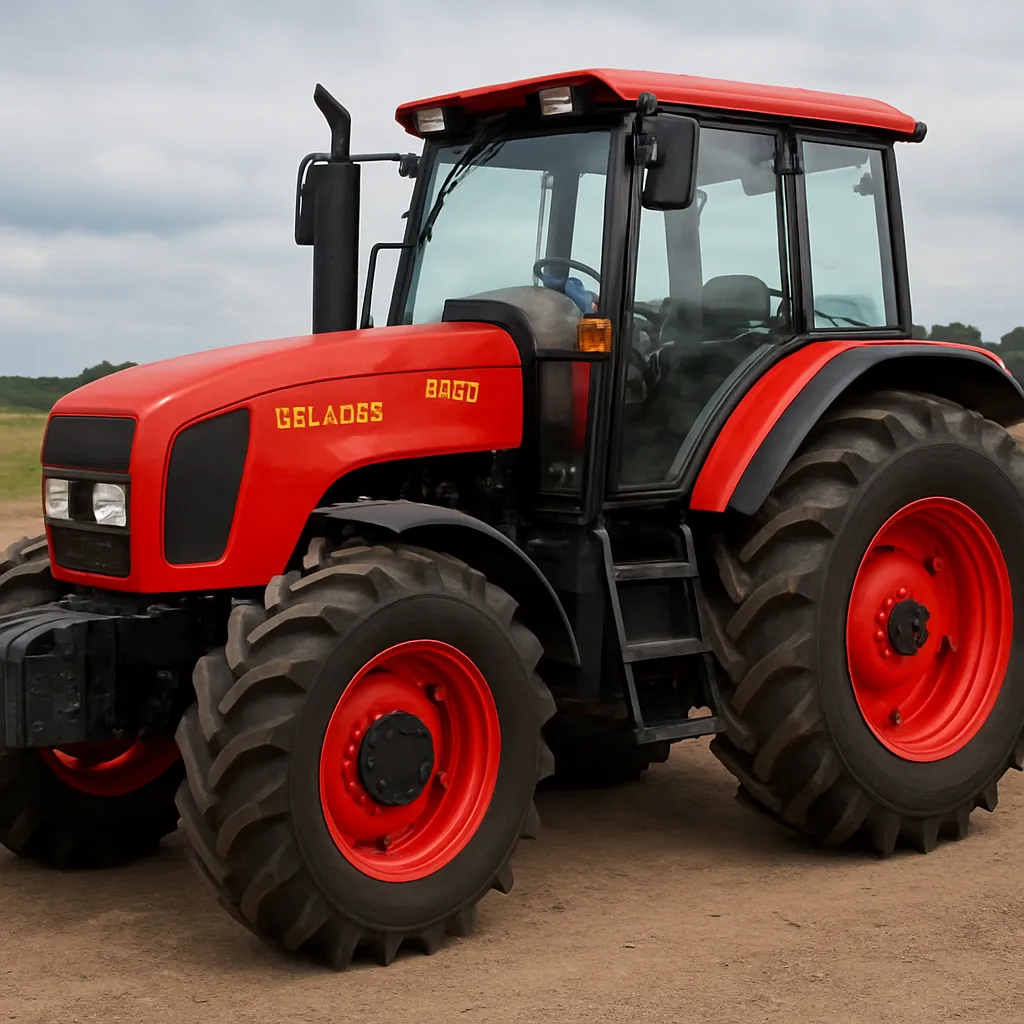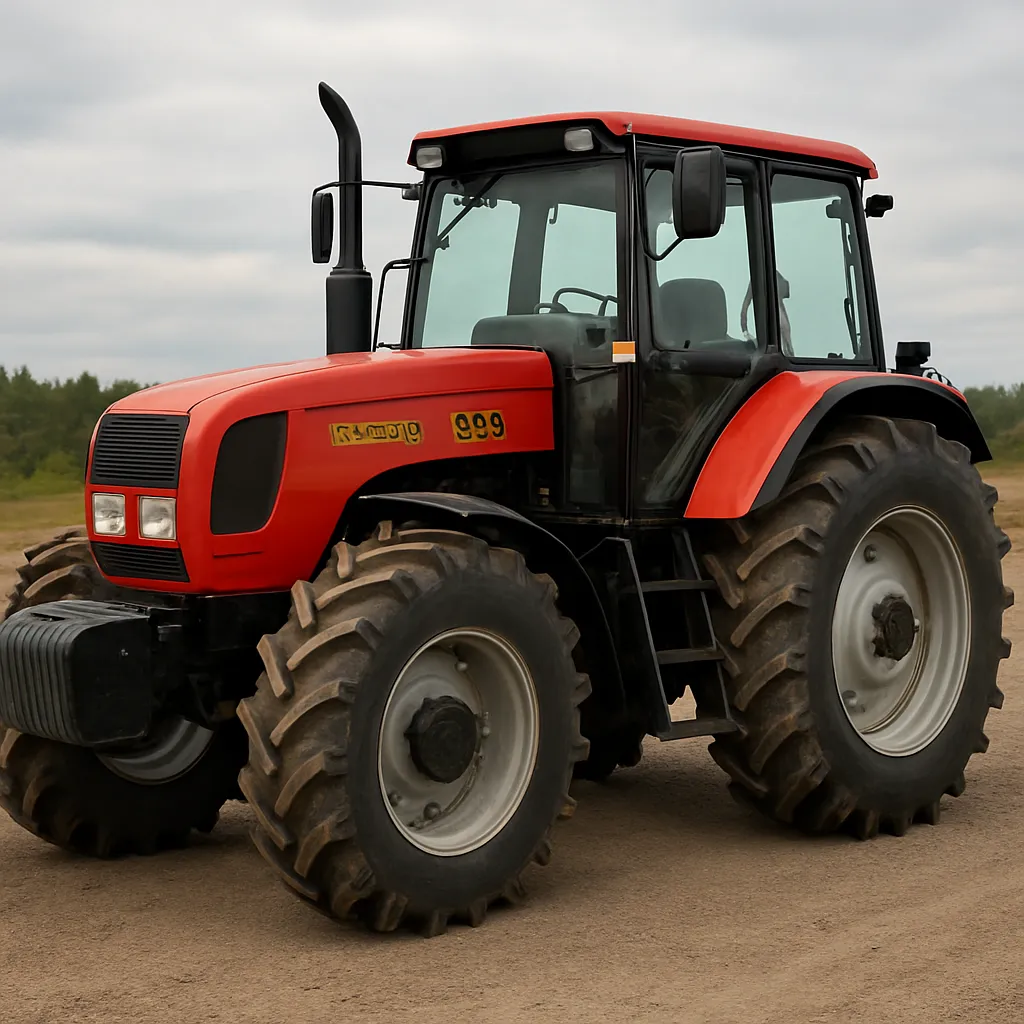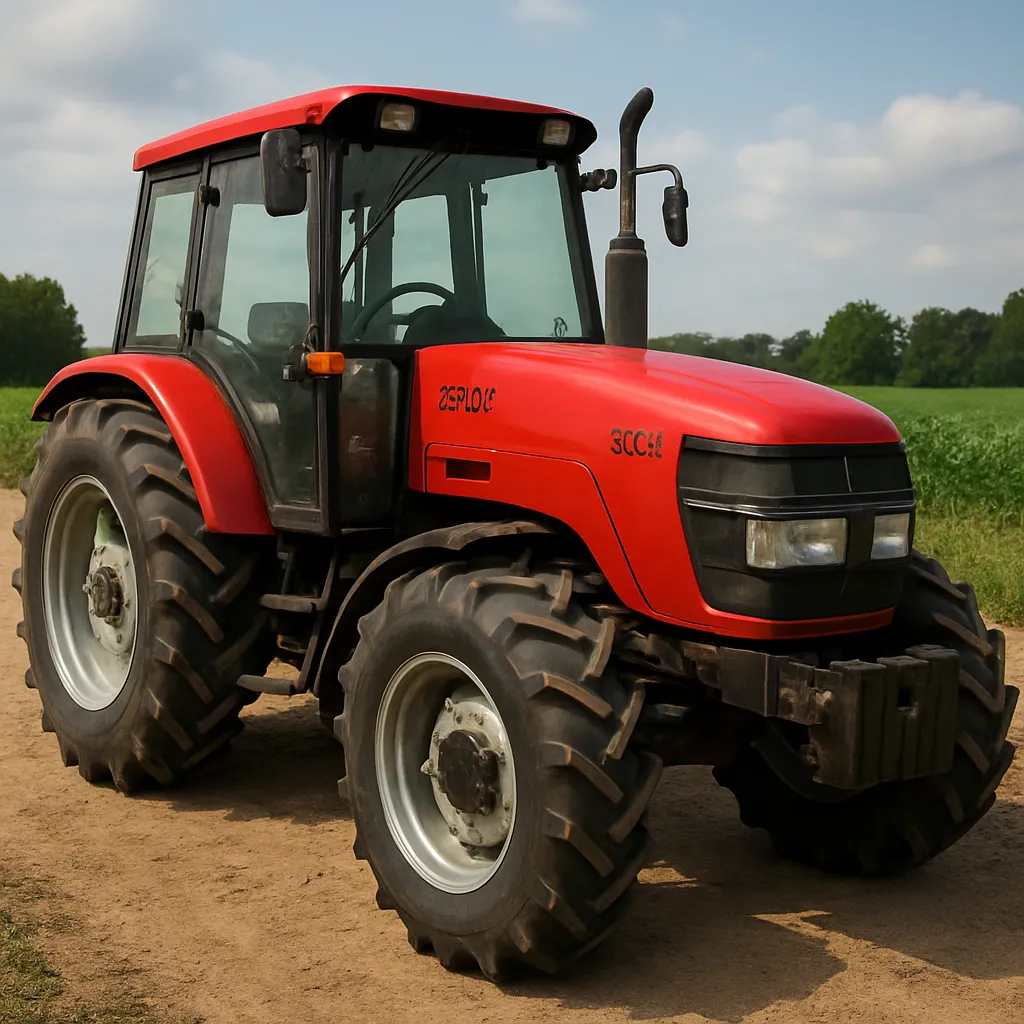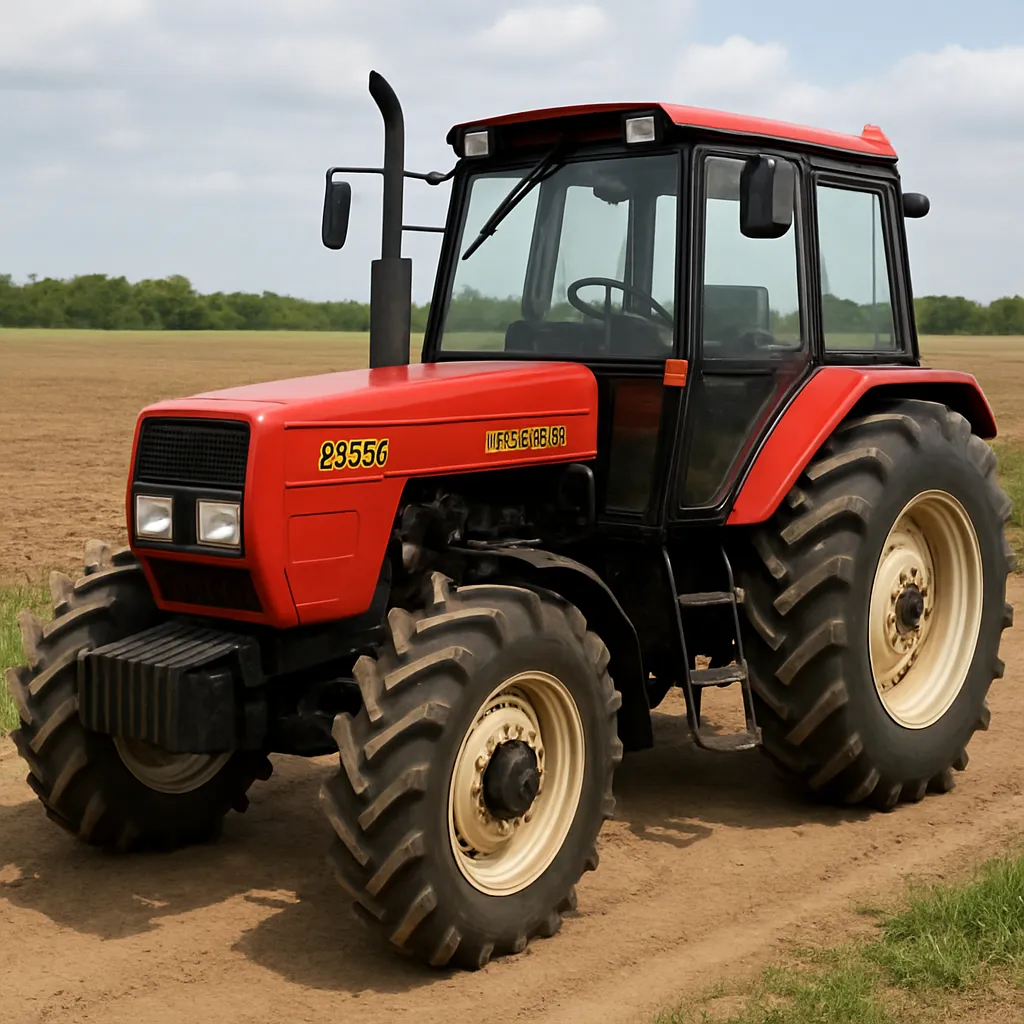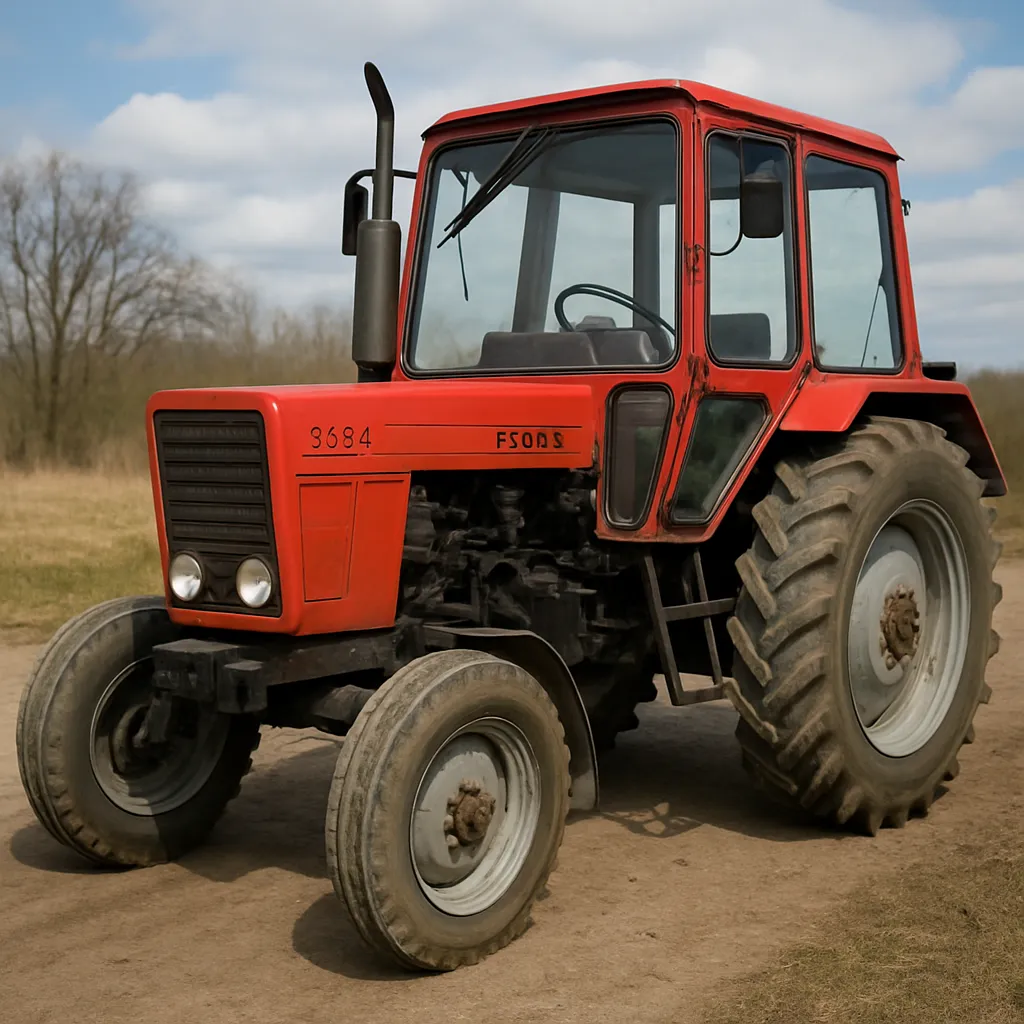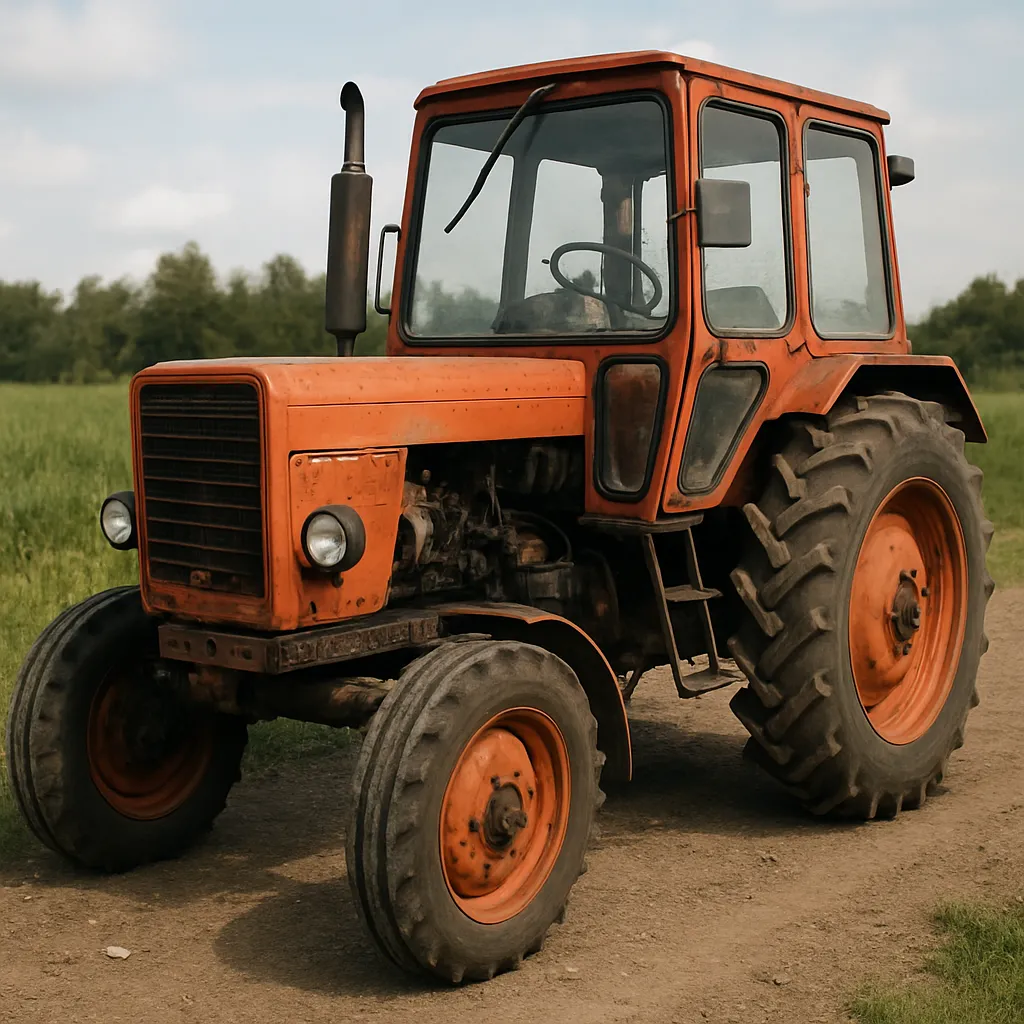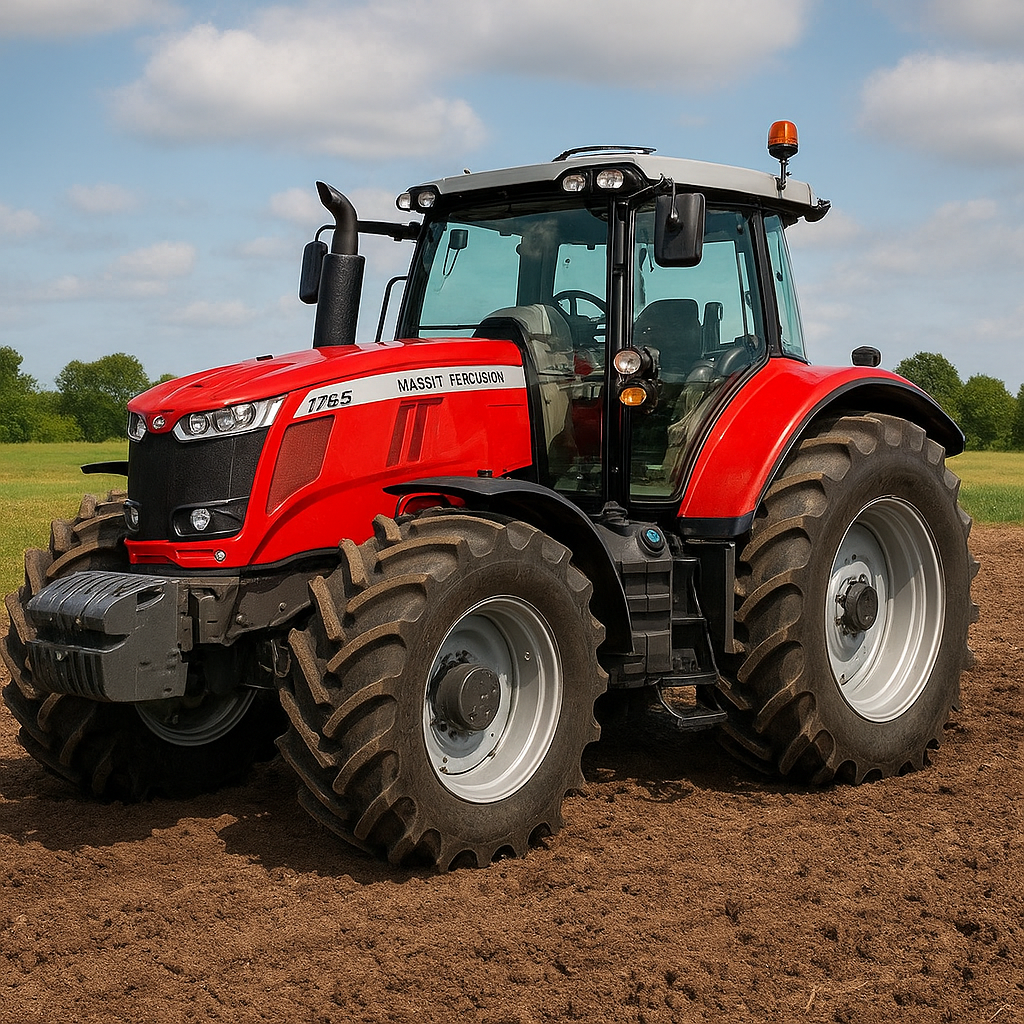
Massey Ferguson 7718 S is a modern agricultural tractor designed to balance power, versatility and operator comfort for medium-to-large farms and contracting businesses. This article explores its technical features, typical applications, operational strengths and maintenance considerations. Wherever possible, numerical data and commonly reported specifications are provided as estimates or typical values so readers can understand the machine’s capabilities and how it fits into contemporary farming operations.
Design, engine and core specifications
The 7718 S sits within Massey Ferguson’s series intended for intensive fieldwork, transport and multifunctional use. The tractor’s design emphasizes durability, serviceability and efficient power delivery. Key design philosophies include straightforward service points, modular component access and an ergonomically arranged cab for long working days.
Powertrain and engine
The heart of the 7718 S is a turbocharged diesel engine typically produced to the manufacturer’s specifications (often from AGCO Power for Massey Ferguson models). Its characteristics are tuned to deliver broad, usable torque across a wide rpm range rather than peak figures at a narrow band—important for agricultural tasks that demand consistent pulling power.
- Engine type: turbocharged diesel, common-rail injection (typical)
- Displacement: generally in the region of mid 5–7 liters for tractors of this class (model-dependent)
- Rated power: commonly marketed in the range around horsepower levels suited to medium-large operations (for the 7718 S class this is often around 170–190 hp nominal, with transient boost available under load)
- Emissions and aftertreatment: meets modern emission regulations (DOC/DPF and possibly SCR depending on market and year)
These engine characteristics provide a balance between fuel consumption and the ability to run heavy implements without excessive downshifting. The integration with the tractor’s transmission and hydraulic systems is calibrated to maximize real-world efficiency.
Transmission and driveline
Massey Ferguson offers multiple transmission choices across series, and the 7718 S is typically available with efficient, farm-focused options. Whether a stepped powershift or a continuously variable-type transmission is fitted, the goal is to offer smooth modulation and easy operation.
- Transmission options: powershift variants or advanced continuously variable transmissions (market-dependent)
- Drive: 4WD with robust front axle and differential options for field stability
- Top transport speed: factory options commonly include 40 km/h or higher depending on gearing
Practical driveline features often include an electrohydraulic differential lock, torque management and selectable creep gears for specialized low-speed tasks. These systems contribute to both productivity and operator confidence in variable ground conditions.
Hydraulics, hitch and PTO
Hydraulic capacity and rear linkage strength are vital for modern implements. The 7718 S generally offers hydraulic flow rates and lift capacities suitable for large planters, cultivators, balers and mounted seeders.
- Hydraulic system: open-center or load-sensing options with typical flow rates in the approximate range of 120–160 l/min (model and pump options vary)
- Rear linkage (lift) capacity: class-leading numbers for the segment—commonly several thousand kilograms at the link ends (often quoted around 7,000–10,000 kg depending on configuration)
- PTO: standard 540/1000 rpm with optional economy PTO or ground speed PTO depending on application
The robustness of the hydraulic circuits supports multiple remote spool valves and proportional control, enabling precise operation of modern implements and front loaders. Front linkage and front PTO options extend utility for loader and front-mounted equipment use.
Applications and typical use cases
The 7718 S is positioned as a multi-purpose workhorse. Its combination of power, hydraulics and hitch capacity makes it suitable for a broad set of agricultural and contracting tasks. Below are common application areas and the reasons the tractor is chosen for these roles.
Arable farming
For cereal, oilseed and row-crop operations, the tractor is used for primary and secondary tillage, seeding and fertilizer application. The high hydraulic flow and linkage capacity allow it to pull large soil-engaging implements or carry heavy mounted seeders, enabling higher field productivity and wider working widths.
Forage and livestock farming
Larger livestock farms and contractors appreciate the 7718 S for baling, mowing, tedding and forage harvesting support. With compatible front loaders and comfortable cab ergonomics, it is also practical for feed handling and bale stacking.
Contracting and mixed-use
Contractors value machines that can be quickly reconfigured for different jobs. The 7718 S is often used for transport, cultivation, hedge trimming, snow clearing (with front blades) and other municipal or seasonal tasks. Reliability and a wide option list (PTOs, hitch variants, pneumatic braking, etc.) make it flexible for diverse contracts.
Transport and heavy lifting
When equipped with appropriate gearing and braking options, the tractor serves as a competent transport tractor for trailers, slurry tankers and sprayers. Robust hydraulics and hitch capacity also mean it can handle heavy-mounted equipment for field or on-farm tasks.
Operator environment, controls and comfort
A major selling point in modern tractors is the cab environment. Massey Ferguson has focused on operator-centric design to reduce fatigue and improve productivity during long shifts.
Cab design and ergonomics
The cab of the 7718 S is arranged for intuitive control placement, excellent visibility and low noise levels. Large glass areas and optional lighting packages improve visibility for night work. Climate control, air-suspended seats and adjustable steering columns are typical conveniences meant to enhance operator comfort.
Controls, displays and connectivity
Modern versions of the tractor are equipped with multifunction control arms, touchscreen displays or digital instrument clusters, and precision farming compatibility. The integration allows:
- GPS and auto-steer-ready systems for precision field passes
- Telematics options for remote diagnostics and fleet management
- Task controllers and ISOBUS compatibility for plug-and-play implement control
Such features reduce overlap, improve input efficiency and simplify implement management—important for maximizing returns from seed, fertilizer and fuel investments.
Fuel efficiency, emissions and operating economics
Fuel consumption and lifecycle costs are decisive when choosing a tractor. The 7718 S is engineered to offer competitive fuel economy through efficient engine maps, intelligent transmission logic and selective power delivery that matches workload demands.
Fuel and emissions
Tractors in this class meet contemporary emission standards using aftertreatment systems that maintain performance while lowering particulate and NOx output. Typical operating fuel consumption varies by task but can be optimized through:
- Using the correct gear/PTO match for implements
- Employing cruise and engine management features that limit unnecessary revs
- Matching implement size to tractor capacity to avoid undersized or oversized pairings
Maintenance and total cost of ownership
Key maintenance features aimed at reducing downtime include easy access to service points, extended service intervals for certain consumables and modular components that can be replaced quickly in the field or service shop. Well-managed maintenance schedules keep resale value healthy and reduce unplanned costs.
Performance data and statistical considerations
Exact specifications can vary by production year, regional configuration and optional packages. Below are commonly reported or typical figures for tractors of this displacement and class to give a realistic perspective:
- Typical rated power: approximately 170–190 hp (model-specific)
- Maximum torque: broad torque curves with peak torque delivery in a flexible RPM window (boost modes available under load)
- Hydraulic flow: commonly between 120–160 l/min depending on pump configuration
- Rear lift capacity: often in the 7,000–10,000 kg range at link ends depending on hitch specification
- Fuel tank capacity: roughly 300–400 liters on many tractors in this class to support long working days without frequent refueling
- Transmission: choices include multi-range powershift or continuously variable variants giving flexible ground speed ranges
These numbers should be verified with the manufacturer’s current datasheet or dealer for exact figures relating to a specific serial year and market configuration. Real-world fuel consumption often depends on implement load, field conditions and operator technique; average consumption figures for similar tractors during moderate field operations might range from 15–35 liters/hour depending on task intensity.
Reliability, servicing and resale value
Reliability in farm machinery is not only a function of build quality but also of appropriate use and maintenance. The 7718 S benefits from a global parts and dealer network in many markets, which supports uptime through readily available spare parts and trained technicians.
Warranty and support
Warranty coverage and optional service contracts vary by region and dealer. Many operators choose extended service agreements or preventative-maintenance packages that can limit unplanned expenses and safeguard resale value.
Resale and lifecycle considerations
Massey Ferguson tractors typically hold reasonable resale value given brand recognition and widespread parts availability. Maintaining service records, adhering to manufacturer-recommended maintenance intervals and using genuine parts help sustain machine value and reliability.
Comparisons, options and buyer considerations
When choosing a tractor like the 7718 S, buyers should consider several comparative points to ensure the machine matches their operational demands:
- Right-sizing: avoid excessive overcapacity which increases initial cost and fuel use, and undercapacity which reduces efficiency and increases wear
- Transmission preference: CVT-like transmissions provide seamless speed control and may improve fuel use in variable tasks; powershift transmissions can offer simplicity and predictable stepping preferred by some operators
- Hydraulic and hitch needs: match hydraulic flow and lift capacity to implement requirements (cultivators, planters, balers, front loaders)
- Precision farming capability: if running ISOBUS implements or auto-steer, verify compatibility and required options
- Comfort and cab features: long-day operations benefit noticeably from better seating, noise insulation and climate control
Additional factory or dealer options such as front loaders, front PTO, heavier axles, upgraded lighting and telematics should be chosen according to the operation’s typical tasks and budget.
Environmental and sustainability aspects
Modern tractors must balance productivity with reduced environmental impact. The 7718 S uses improved fuel combustion and aftertreatment systems to lower emissions while maintaining performance. Operators can further reduce their carbon footprint by:
- Practicing efficient field planning to reduce passes
- Using precision application systems for fertilizer and crop protection
- Keeping the engine in optimal tune and maintaining tires/ballast for lower rolling resistance
These measures, combined with a well-chosen tractor size and modern drivetrain control, contribute to lower input use and improved sustainability metrics across the farm.
Summary and practical recommendation
The Massey Ferguson 7718 S is designed as a capable, versatile tractor for a variety of farm and contracting applications. Its combination of robust engine characteristics, flexible transmission options, strong hydraulic and hitch capacity, and operator-oriented cab make it appropriate for arable, livestock and mixed farming operations. Key selling points include reliability, modular serviceability and adaptability for precision agriculture.
For prospective buyers, the best approach is to define the typical implements and tasks the tractor will perform, then match required specifications—power, hydraulics, lift capacity, PTO options and transmission type—to those needs. Confirm exact factory specifications, available dealer support and optional packages for your market year model to ensure an optimal purchase decision. With correct sizing and configuration, the 7718 S can deliver strong field performance, improved operator comfort and competitive operating economics.