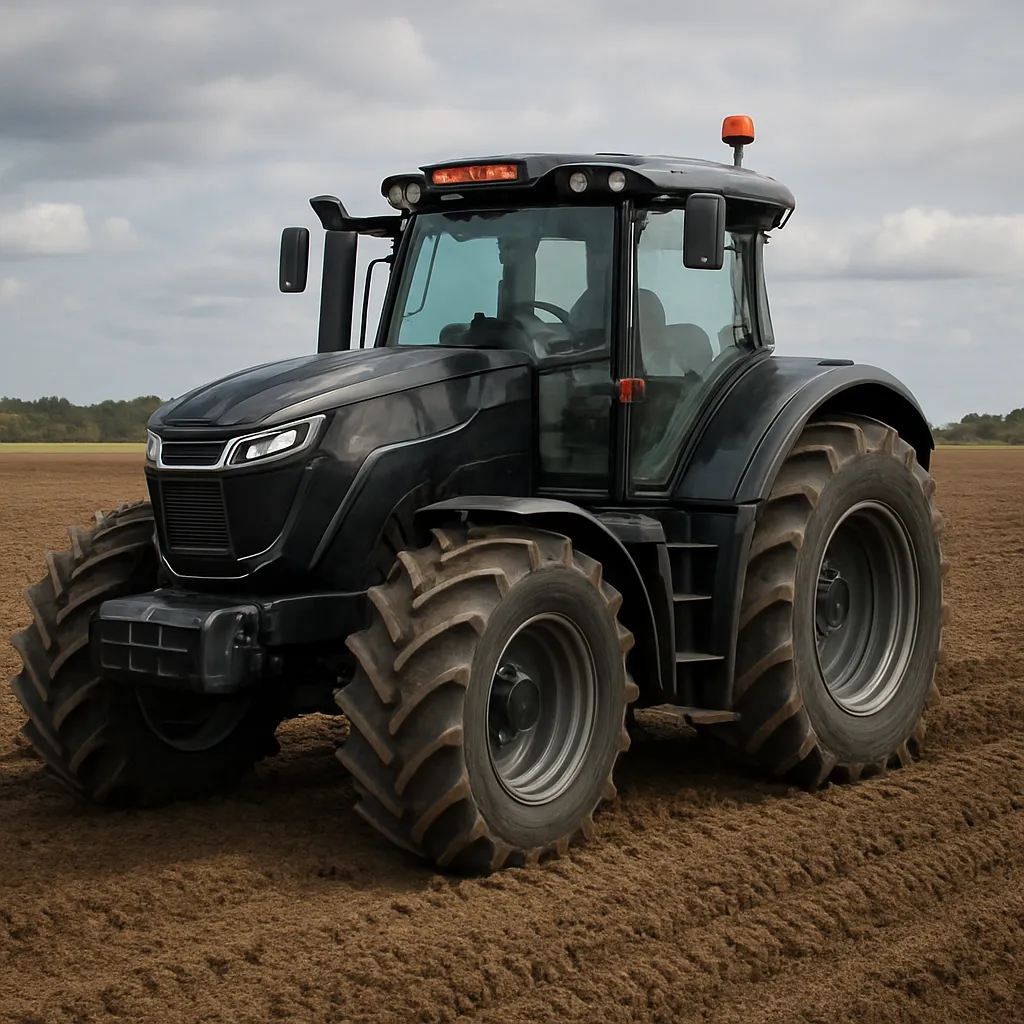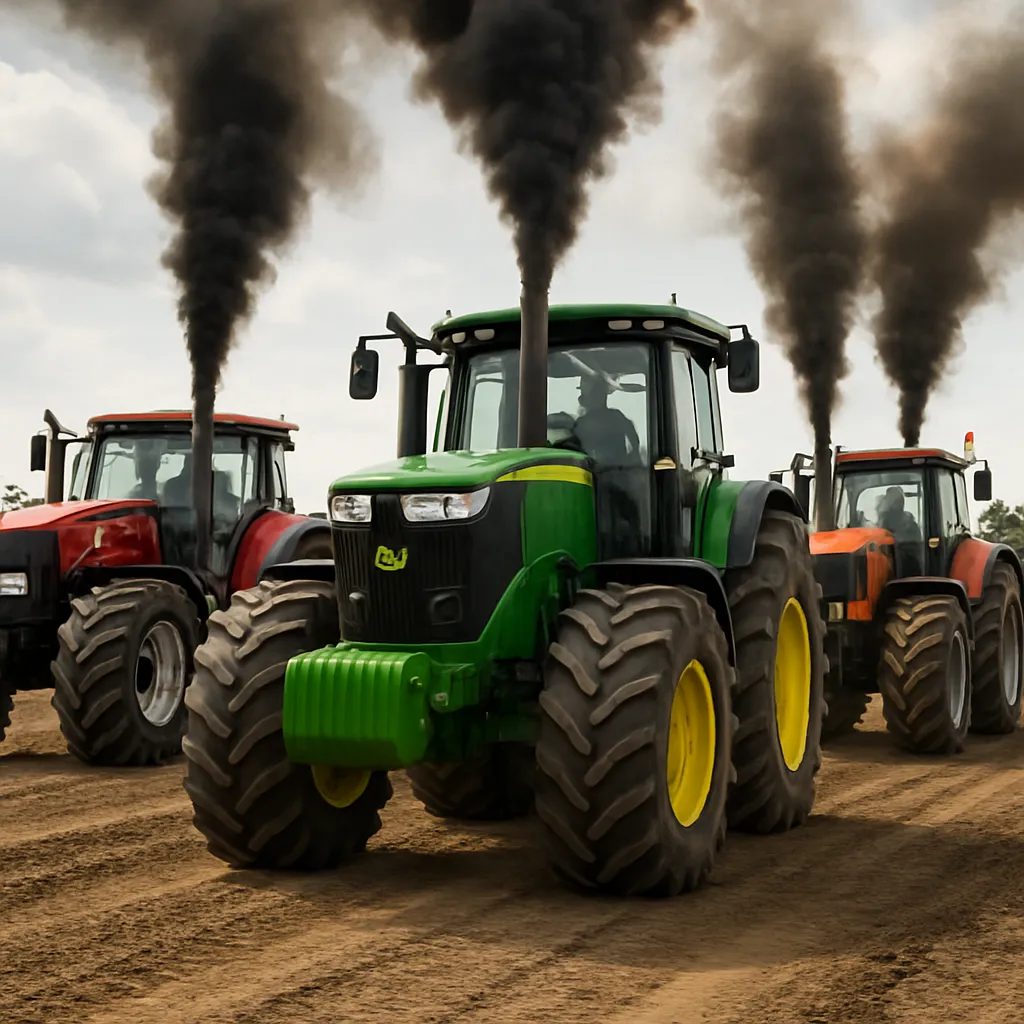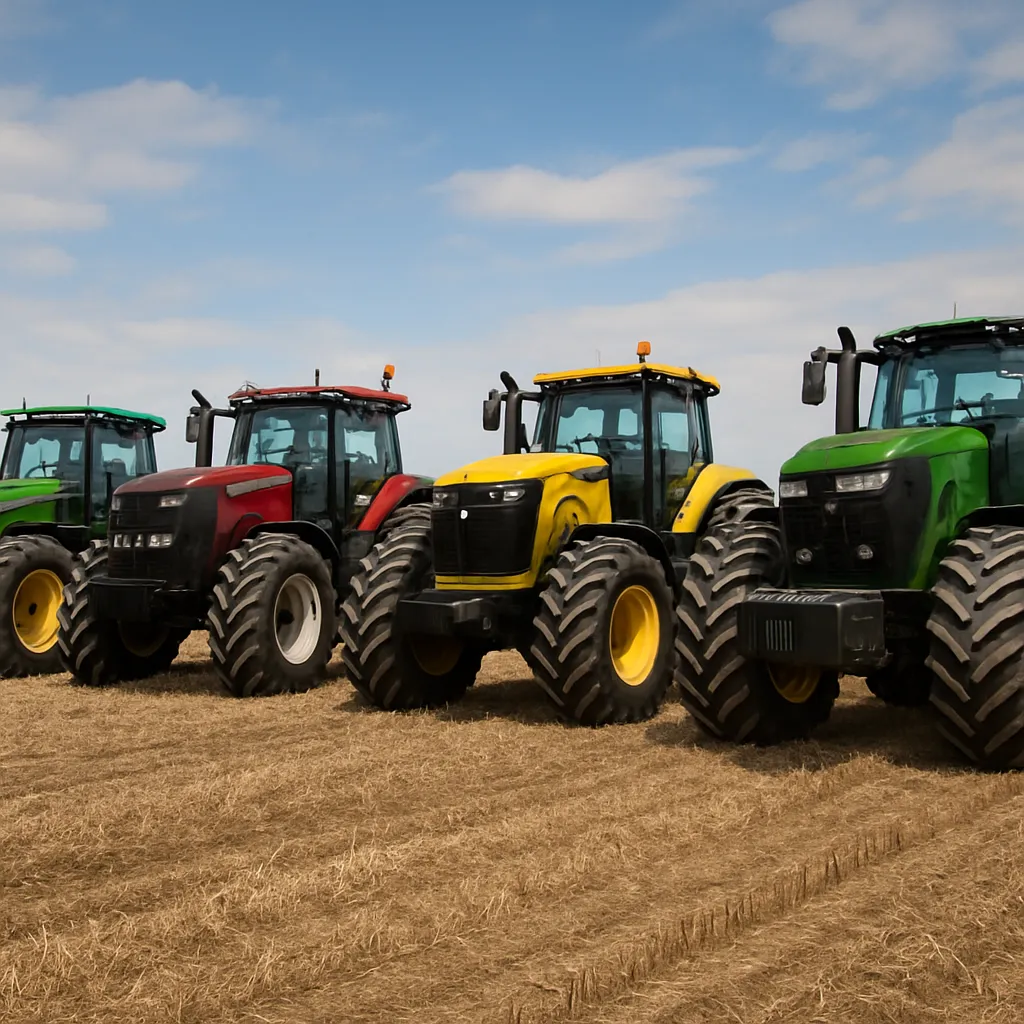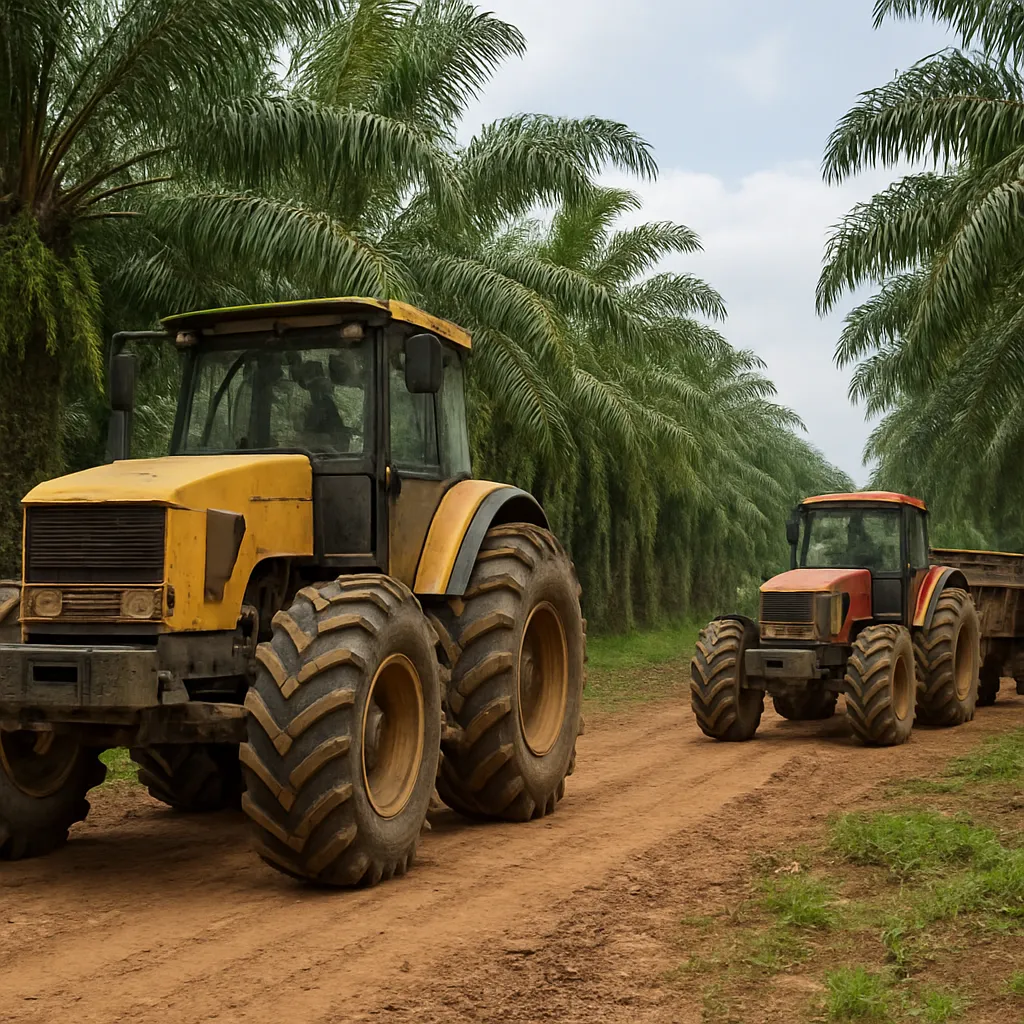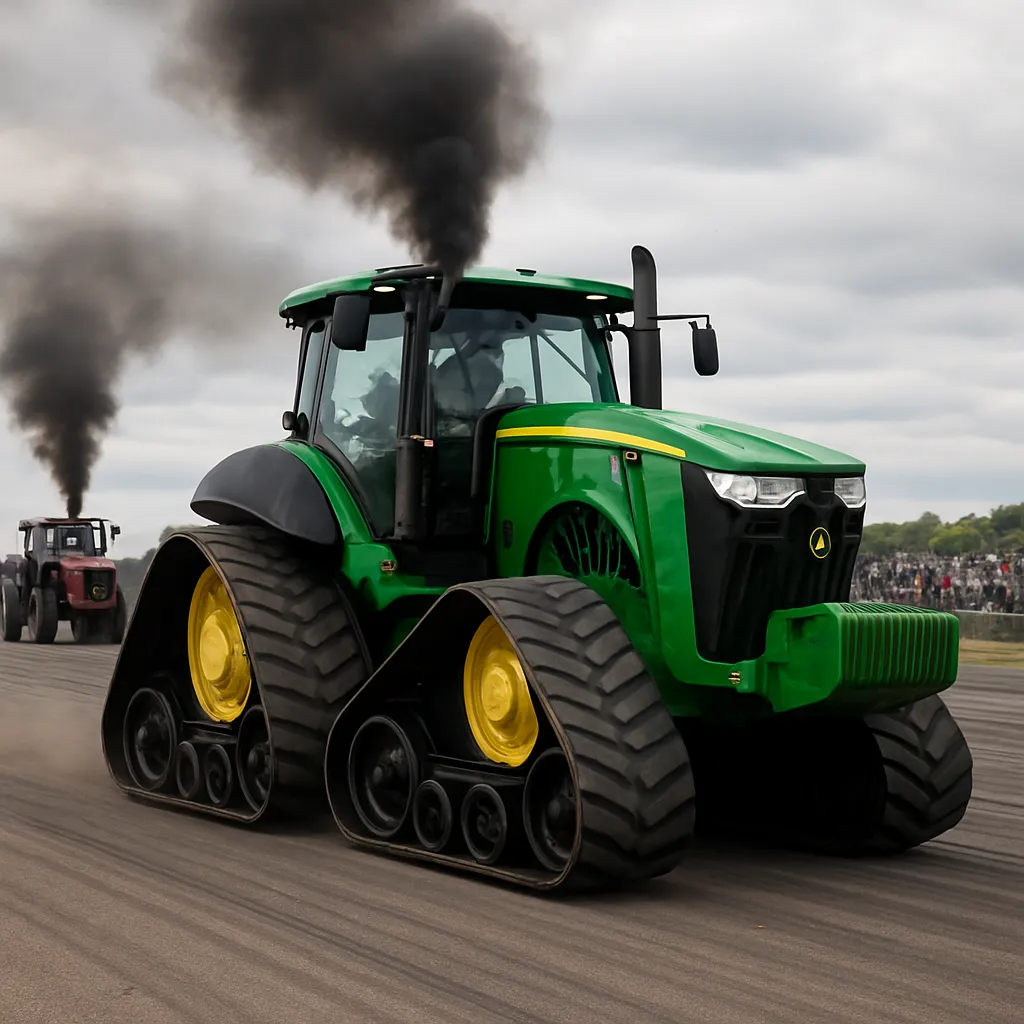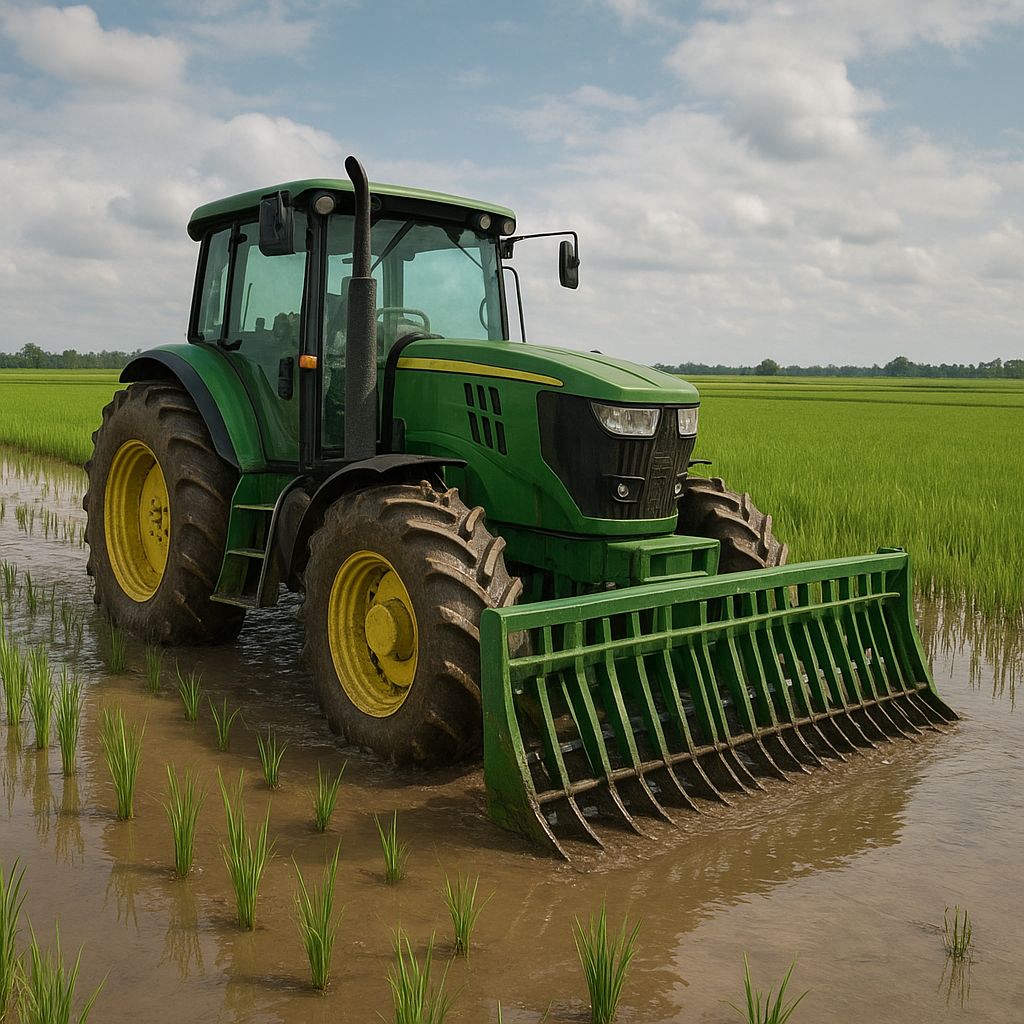
The expansive world of agriculture has witnessed a surge in demand for super-sized machines tailored to the challenges of **paddy** and wetland cultivation. These giants of the field combine advanced engineering with specialized design to conquer water-logged soils and deliver unmatched **productivity**. This article delves into the characteristics, innovations, and ecological implications of large tractors built specifically for rice and wetland farming.
Exploring Giants: The Rise of Wetland Tractors
Rice paddies and wetlands present unique obstacles: soft, saturated ground that can swallow conventional machinery. To address these issues, manufacturers have introduced colossal tractors featuring ultra-wide tracks, engineered to distribute weight evenly and prevent sinking. These machines, often tipping the scales at over 15 tons, are revolutionizing how farmers manage expansive **flooded** terrains. Not only do they reduce soil compaction, but they also ensure consistent planting depths and improved yields.
- Floatation Tracks: Extra-large surface area to stay buoyant on waterlogged fields.
- High-horsepower Engines: Delivering anywhere from 200 to 500 HP for heavy-duty operations.
- Engine Torque Management: Allows smoother power delivery, essential for traction in mud.
- Robust Chassis: Built to withstand corrosive conditions typical of wetland environments.
Key Features of Giant Mudfield Tractors
These specialized tractors boast an array of features that set them apart from standard models. From reinforced drivetrains to customizable cabin settings, each element is crafted for optimal performance under challenging conditions. Below are some of the most critical design elements:
- Mud-resistant Tracks: Designed with self-cleaning treads to eject debris and minimize slippage.
- Adjustable Floatation Pressure: Allows operators to change track pressure on the go for varied soil densities.
- Waterproof Electronics: Control systems sealed against moisture to ensure longevity and reliability.
- Ergonomic Cabins: Featuring climate control, vibration dampers, and panoramic views for operator comfort.
- Customizable PTO Attachments: Supporting transplanters, harvesters, and rotary tillers optimized for paddies.
Technological Innovations Driving Efficiency
Advancements in technology have played a pivotal role in enhancing the capabilities of large-scale wetland tractors. Cutting-edge solutions streamline fieldwork, boost accuracy, and reduce environmental impact.
Precision Farming Systems
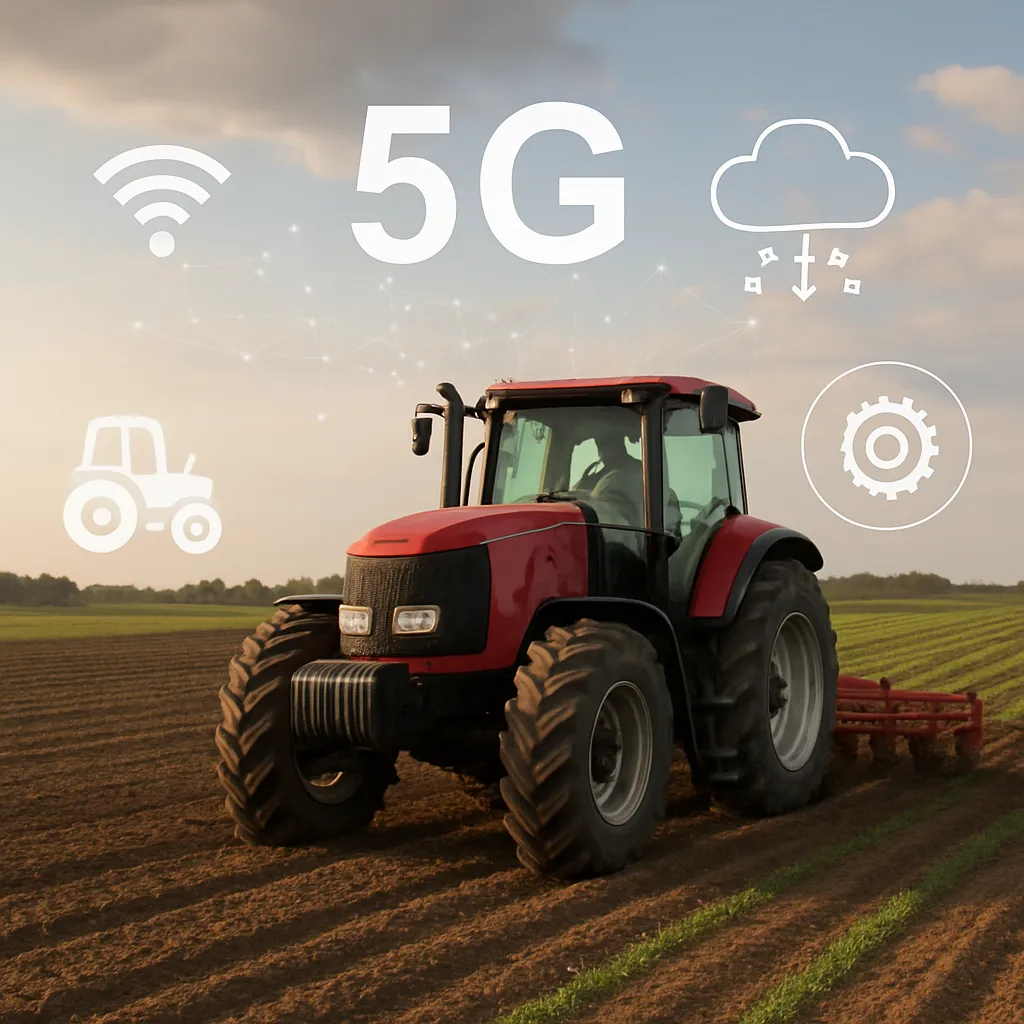
GPS-guided steering and variable-rate application systems enable tractors to operate with centimeter-level accuracy. This leads to more efficient seed placement, reduced overlap, and optimal fertilizer use.
Telematics and Remote Monitoring
Real-time data on fuel consumption, engine health, and ground conditions can be transmitted to cloud platforms. Farmers and technicians can monitor performance remotely, scheduling maintenance proactively to minimize downtime.
Automated Control Loops
Integrated sensors adjust engine output and track tension automatically. Whether encountering softer patches or dry ridges, the tractor adapts instantly, ensuring continuous traction and consistent tillage depth.
Environmental and Operational Considerations
While these mechanical titans yield substantial benefits, they must be operated responsibly to protect fragile wetland ecosystems. Several considerations ensure sustainable use:
- Wetland Preservation: Maintaining buffer zones to protect native flora and fauna.
- Emission Controls: Installing advanced filters and **scrubbers** to meet stringent air quality standards.
- Soil Health Management: Rotating crops and using cover crops to prevent nutrient depletion in paddy soils.
- Water Management: Employing precise irrigation schedules to conserve water and reduce methane emissions.
Case Studies and Notable Models
Leading manufacturers have launched flagship models that showcase the latest in agricultural engineering. Here are a few noteworthy examples:
- AgriMax 4500: Equipped with a 480 HP engine, amphibious chassis, and self-leveling tracks for extreme wetland conditions.
- PaddyMaster X7: Featuring automatic load-sensing hydraulics and integrated yield-mapping software for data-driven decisions.
- HydroTrek 400: Boasts a hybrid diesel-electric powertrain, reducing fuel consumption by up to 20% while maintaining torque.
- TerraFloat Pro: Known for its modular design, allowing quick conversion between tillage, seeding, and harvesting setups.
These giants demonstrate the growing trend toward **customization**, **sustainability**, and digital integration in modern wetland agriculture. As global demand for rice continues to rise, the evolution of these tractors will play a crucial role in meeting the challenges of tomorrow’s farming landscape.