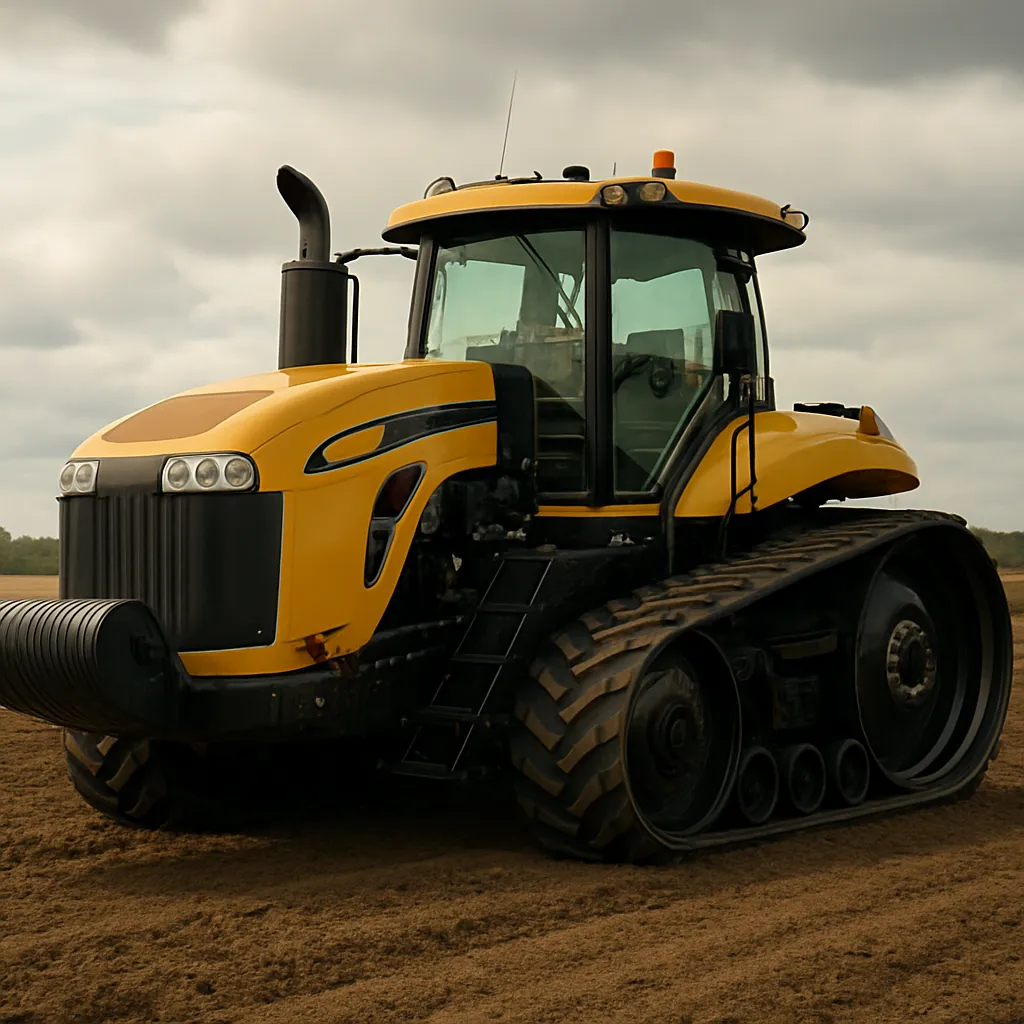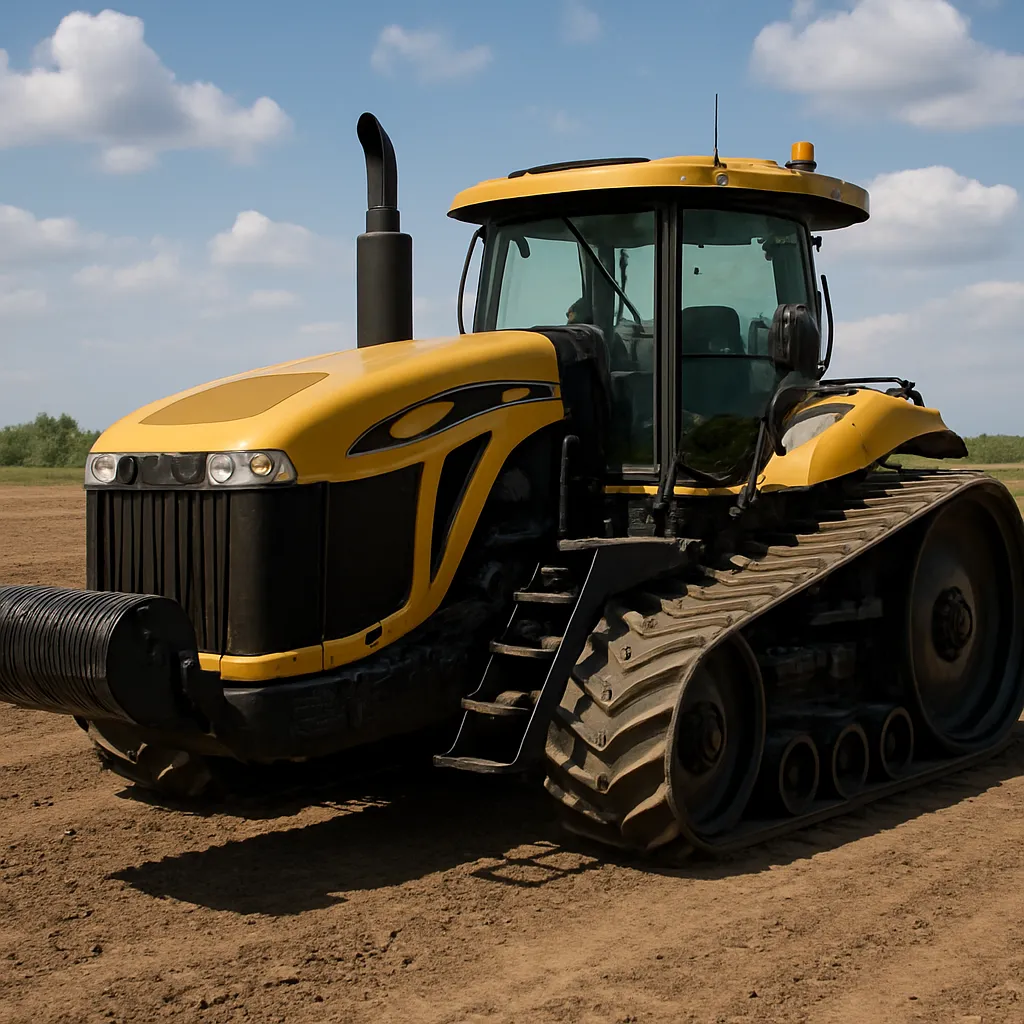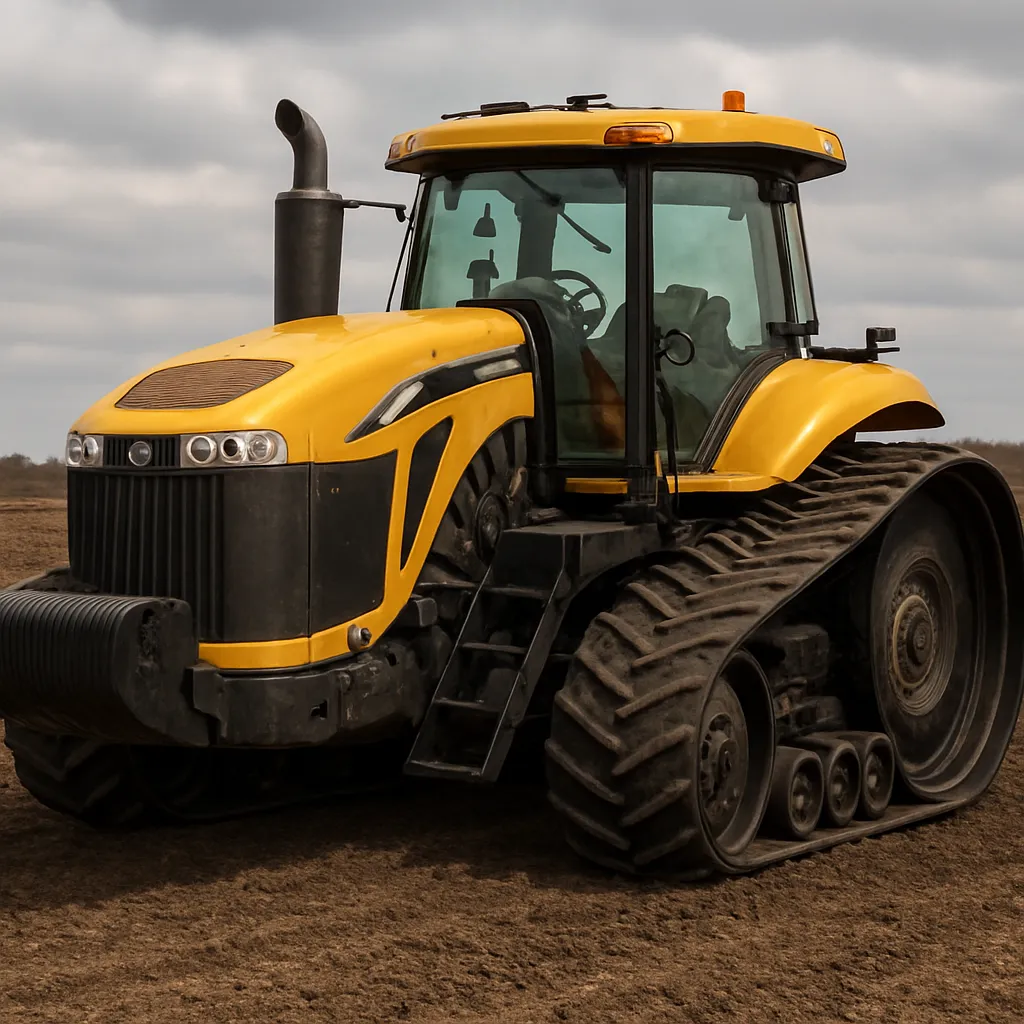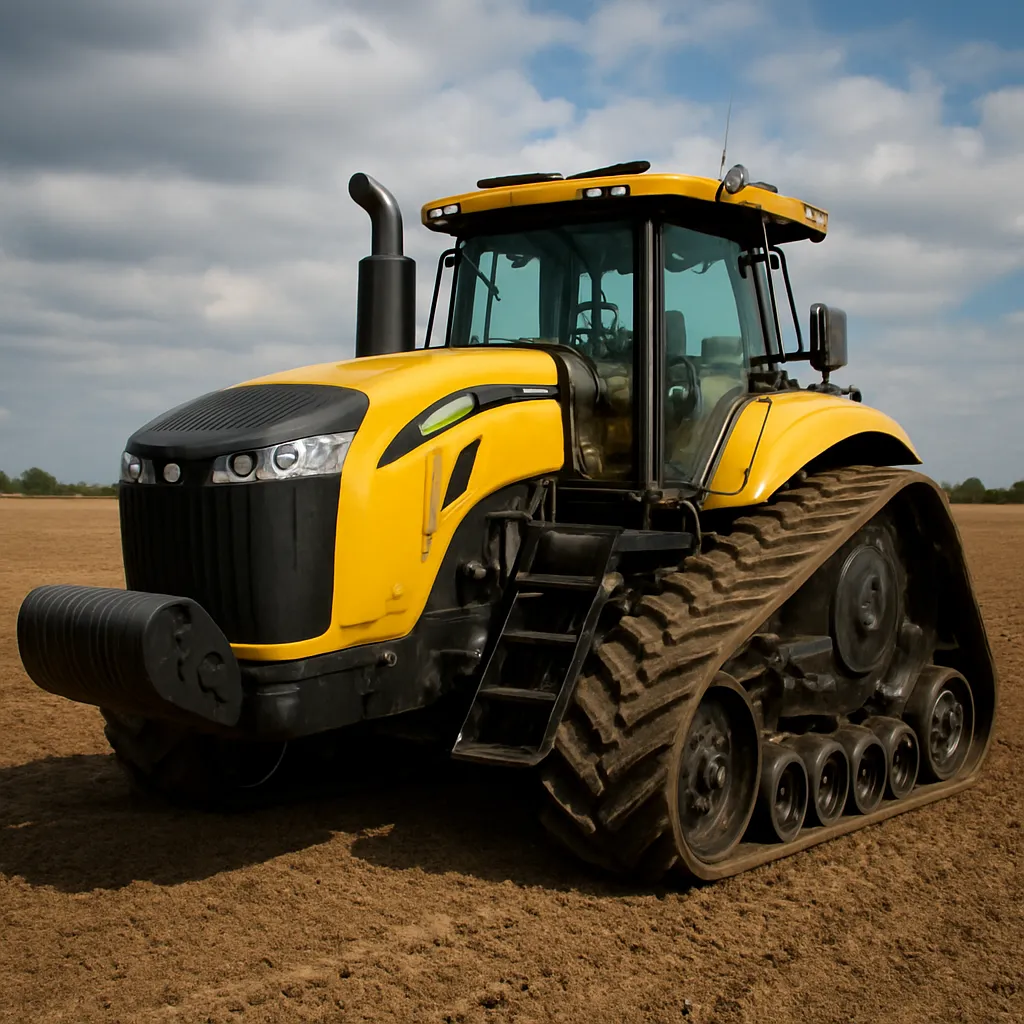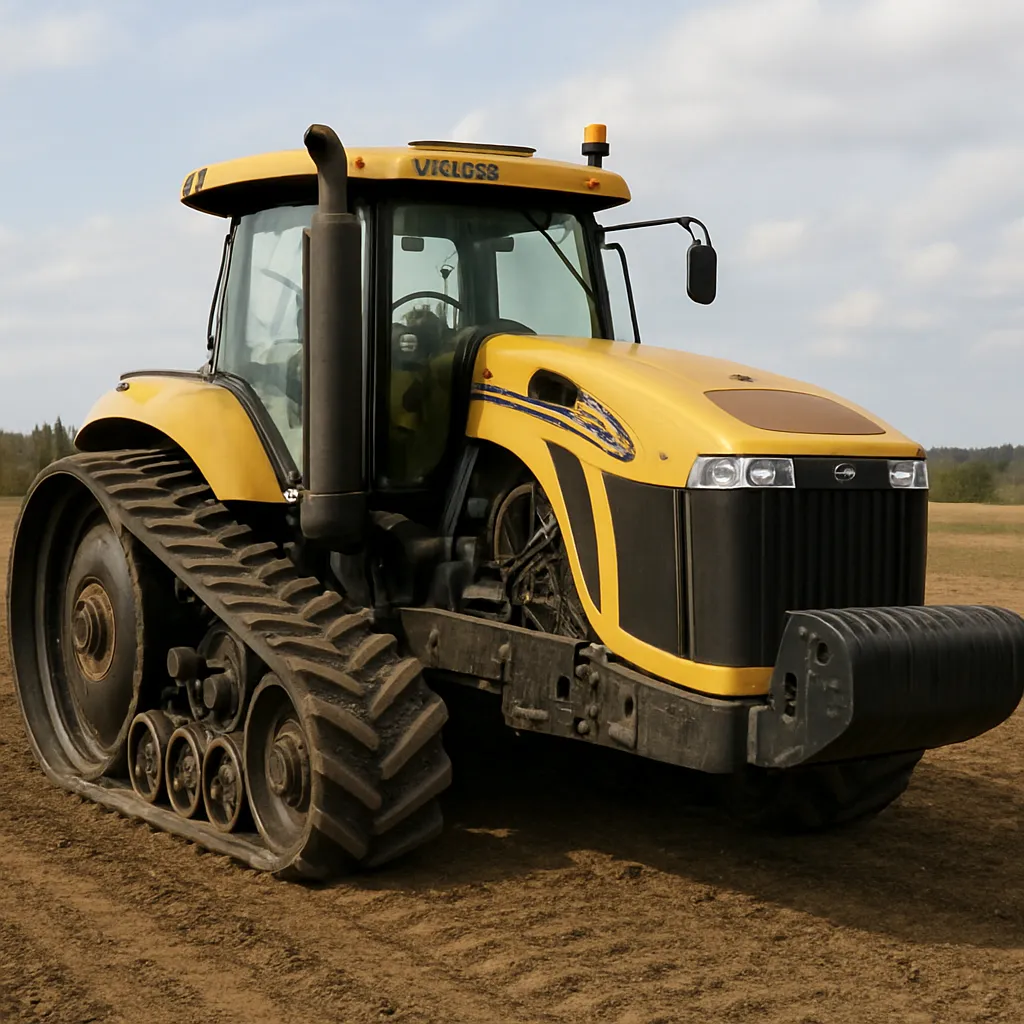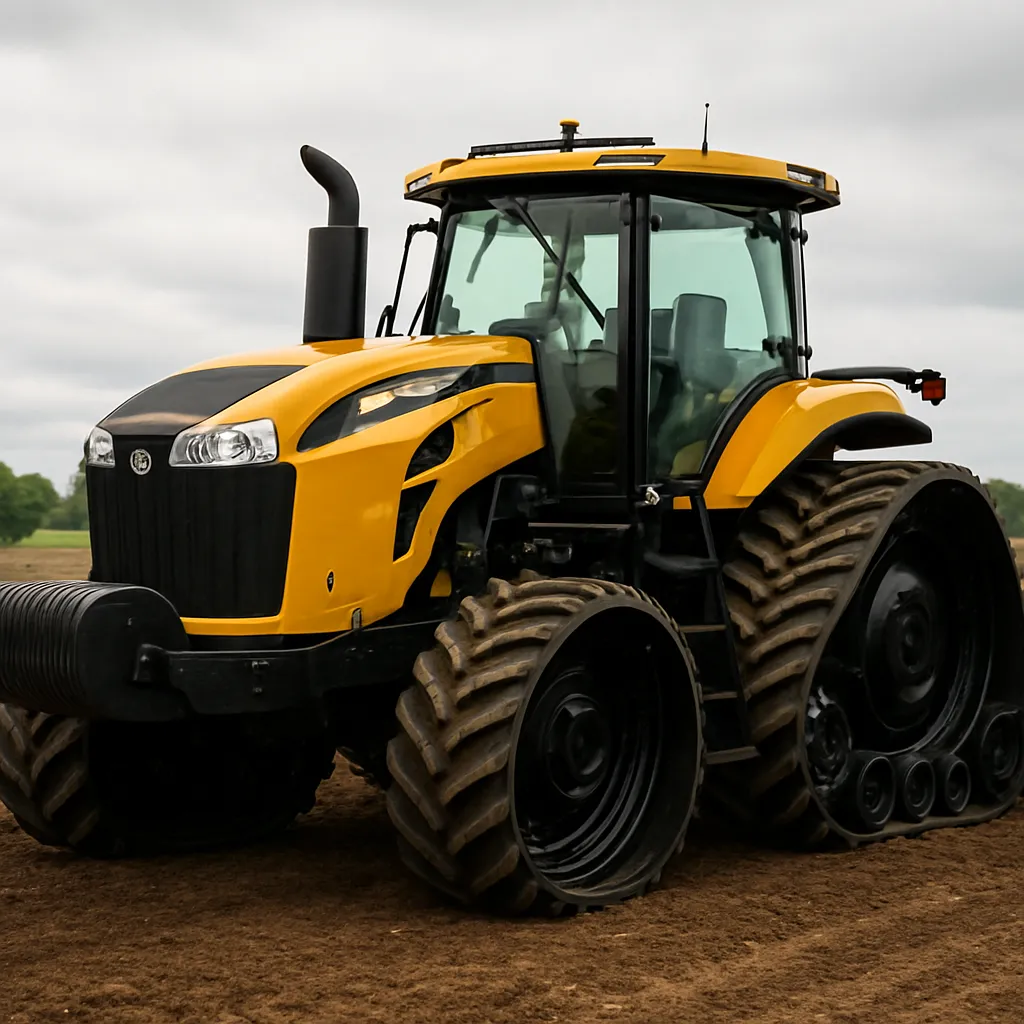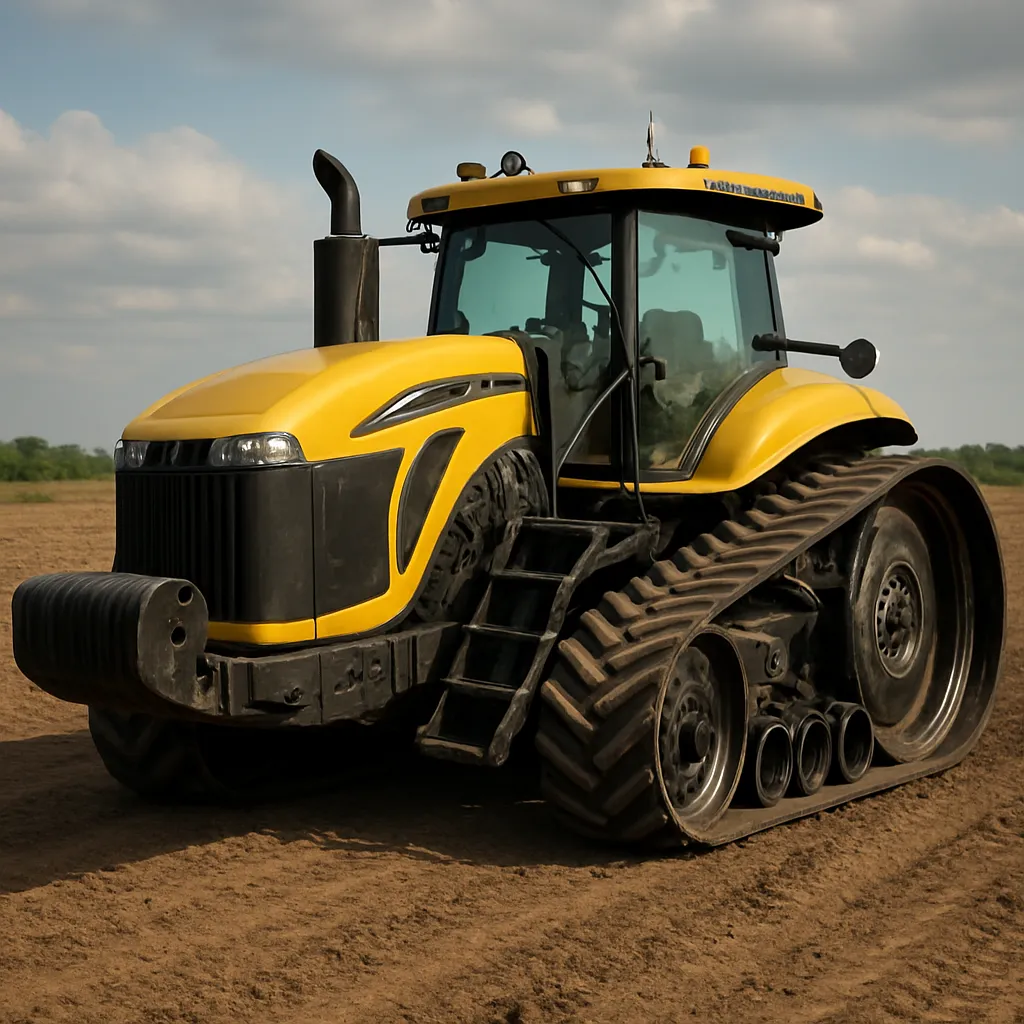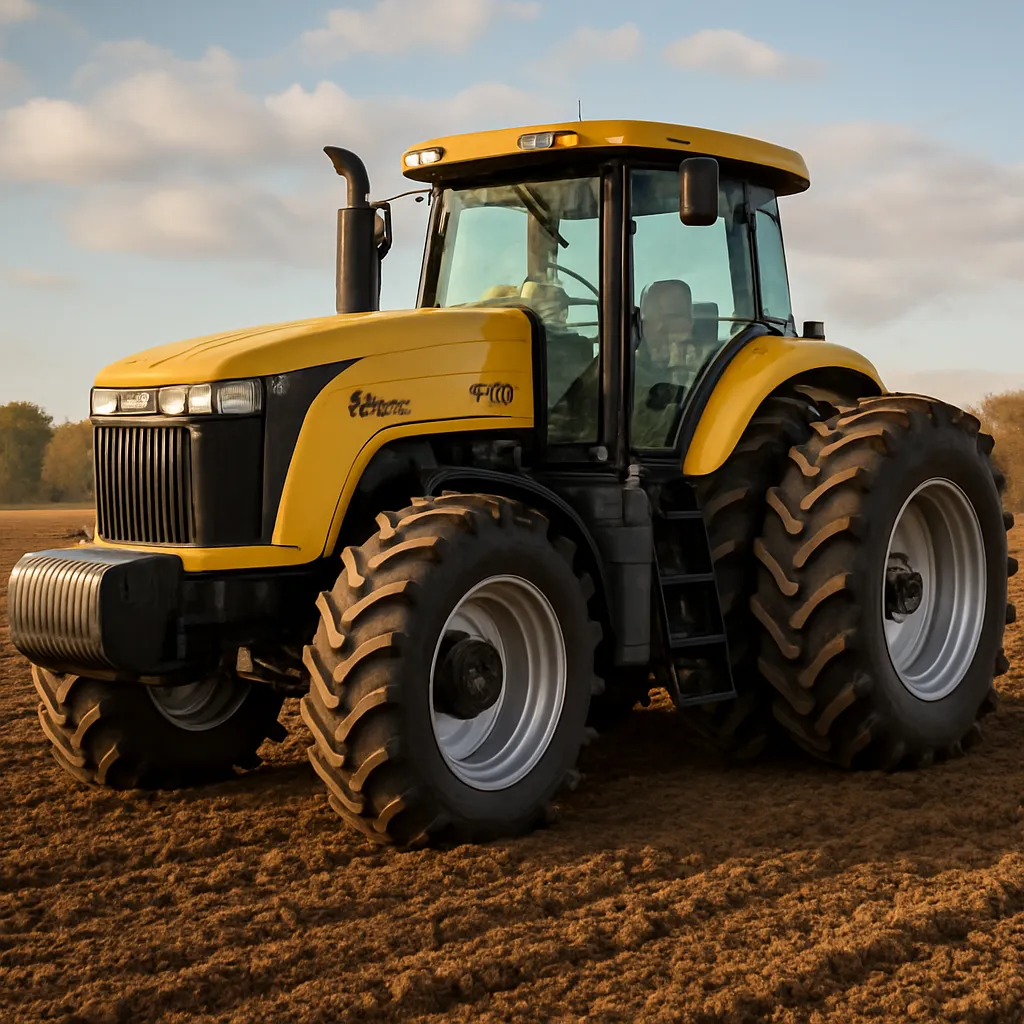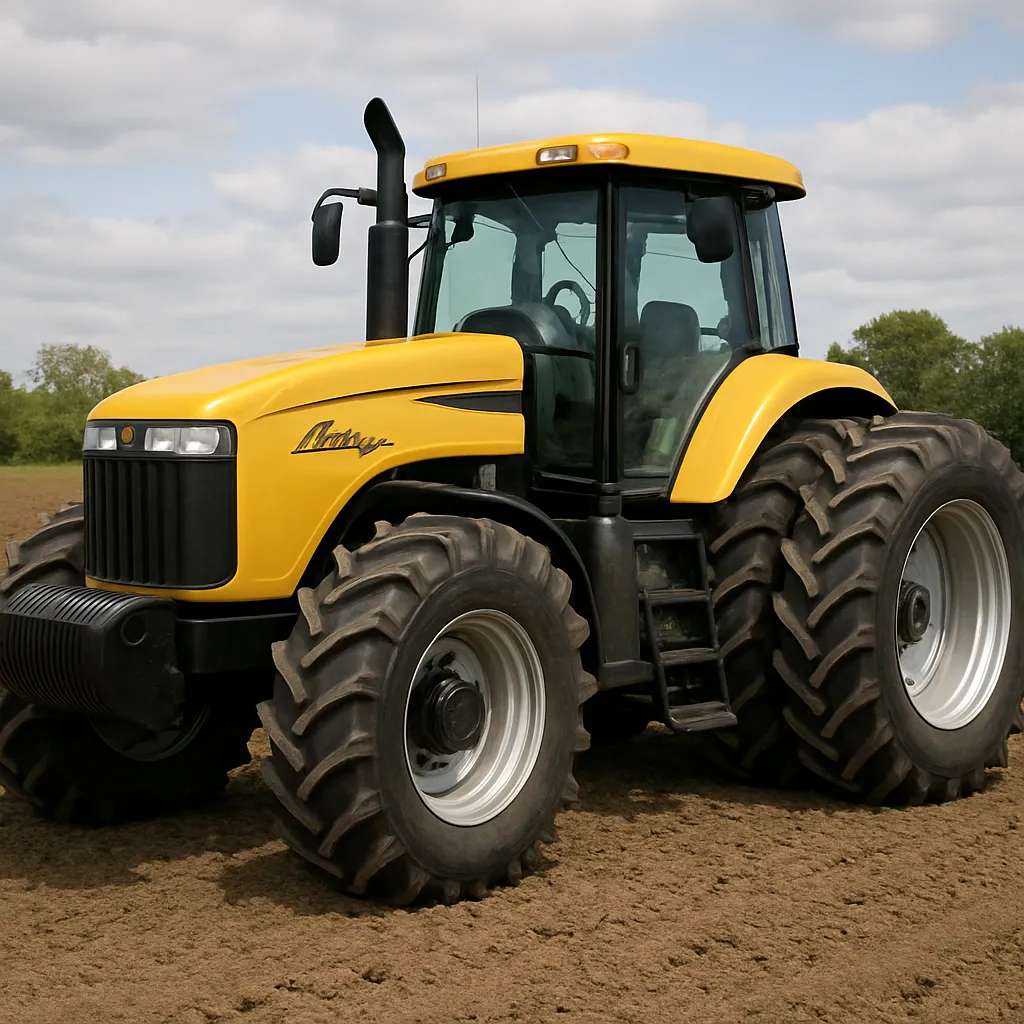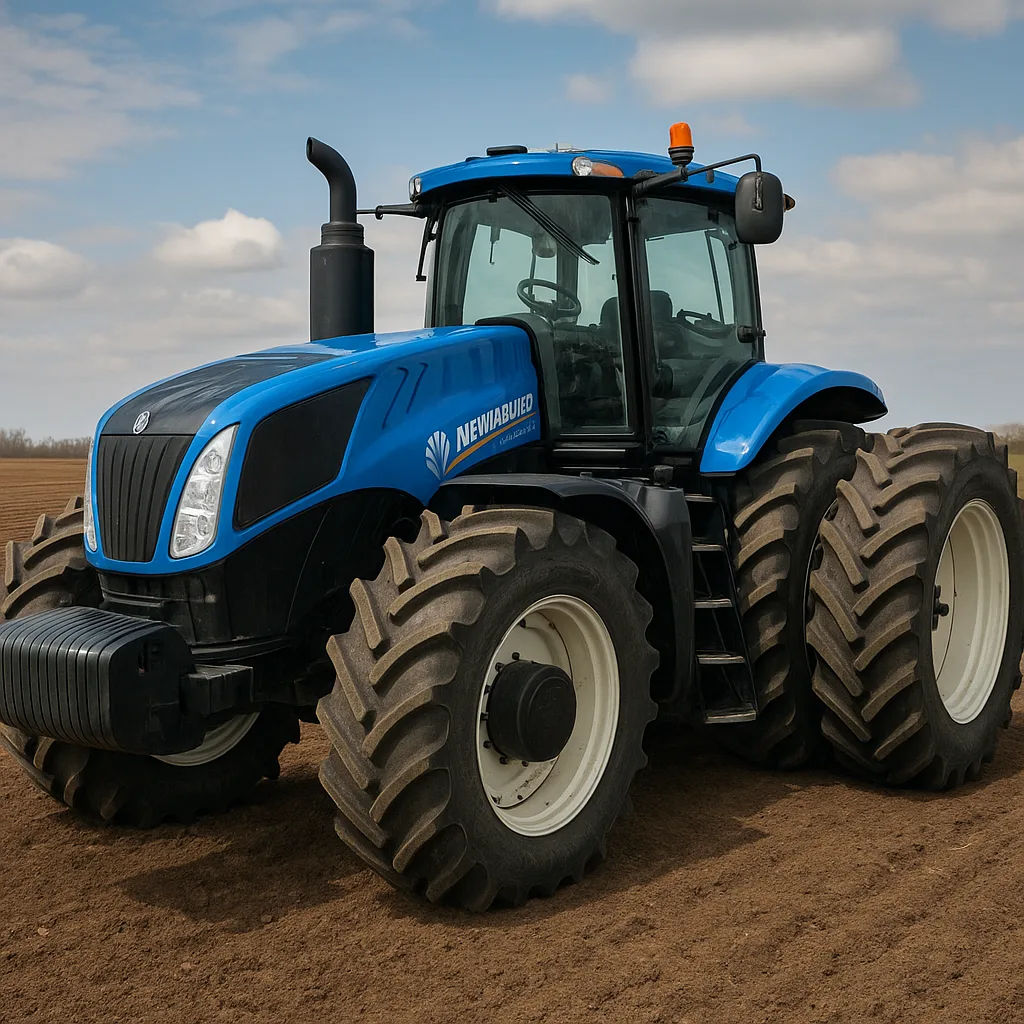
The New Holland T9.565 is a flagship high-horsepower agricultural tractor designed for large-scale farming operations that demand raw pulling power, advanced technology and reliable uptime. In this article we explore the T9.565’s design philosophy, typical applications, technical characteristics and operational considerations. We highlight the features that make it a preferred choice for tasks such as primary tillage, heavy seeding, large planter work, deep ripping and high-capacity transport in broad-acre agriculture. Wherever possible, practical figures and typical specifications are provided to help operators, fleet managers and buyers understand what this model delivers in the field.
Overview and design intent
The New Holland T9 family was created to meet the needs of professional farmers and contractors who work on very large fields and require continuous, high-traction performance. The T9.565 sits near the top of that family, offering a combination of substantial rated power and flexible drivetrain options to match ground conditions and implements. New Holland engineered the T9 series with a focus on maximizing ground contact, improving fuel efficiency per delivered horsepower, and integrating modern precision-farming systems to reduce operator fatigue and increase pass-to-pass accuracy.
Key design priorities for the T9.565 include high tractive effort with minimal soil compaction, operator comfort in long shifts, easy serviceability for reduced downtime and compatibility with a wide range of implements. For many large farms, contractors and custom operators, the T9.565 replaces multiple smaller tractors by providing the capacity to pull larger equipment at efficient field speeds.
Typical applications and field roles
Primary tillage and deep ripping
One of the most common uses for the T9.565 is primary tillage. Large disc harrows, chisel ploughs and deep rippers require sustained torque and traction to operate at effective depths across wide working widths. Thanks to its heavy-duty frame and high drawbar pull, the T9.565 is capable of pulling implements with working widths that would overwhelm smaller tractors, allowing faster field coverage and fewer passes.
Seeding and planting with large planters
Modern planters for broad-acre crops are built to cover many rows in a single pass. When pulled at agronomically appropriate speeds, these large planters benefit from a power unit that supplies steady torque and smooth power delivery. The T9.565 supports high-capacity planters with reliable hydraulic flow and electronic control systems that integrate planter monitoring and section control.
High-capacity transport and materials handling
Beyond fieldwork, the T9.565 is often used in heavy transport duties: hauling large grain carts, low-bed trailers and heavy machinery between fields. Its stability, braking systems and transmission options tailored for road and field modes make it a viable long-distance mover within farm complexes.
Specialized uses: sugarcane, ripper-attachment and multi-season roles
In regions that grow intensive row crops such as sugarcane and cotton, variants of the T9 platform can be configured with appropriate tires, tracks or ballast for seasonal demands. Contractors may also use the machine year-round by switching between tillage, planting and transport tasks, maximizing return on investment.
Key technical characteristics and typical specifications
Exact specifications vary by year, market and chosen configuration; the numbers below represent typical or commonly reported figures for the T9.565 but may differ in particular factory or dealer configurations. Where appropriate, figures are given as approximate values.
- Engine: Typically a 6-cylinder, 12.9-liter FPT/Cursor-series diesel engine delivering the model designation power. The engine is designed for long-haul agricultural duty cycles with robust low-end torque for draft work.
- Horsepower: The T9.565 designation correlates with approximately 565 ISO hp (rated) at engine peak power. In many configurations a temporary or transport boost (depending on modes and ECU settings) can increase available power at the drawbar for short-duration tasks.
- Transmission: Multiple transmission choices are commonly available across the T9 range, including advanced continuously variable or e-Shift-like transmissions and heavy-duty powershift variants. These systems provide smooth acceleration, fine speed control in fieldwork and efficient power transfer for road travel.
- Drivetrain options: The T9 can be specified with conventional dual wheels, duals, or New Holland’s signature track systems, including the Quadtrac configuration which replaces wheels with four independent tracks to increase traction while reducing ground pressure.
- Hydraulics: High-flow hydraulic systems to operate modern planters, seeders and air carts — typical flow values for high-capacity setups are in the high hundreds of liters per minute (combined system flows), with multiple remote valves and electronic control options.
- Mass and ballast: Operating weight varies widely with configuration (wheels vs tracks, ballast, front weights). Typical operating mass is in the multi-tonne range, designed to provide the necessary ballast for pulling without excessive field compaction when fitted with tracks.
- Top speed: Road speeds often reach up to 40 km/h depending on gearing and local regulations, making transport between fields efficient.
- Cab and operator features: Large, quiet cabs with climate control, ergonomic controls, touchscreen displays for machine and implement management, and integrated guidance systems.
Performance metrics commonly monitored
Farmers and fleet operators commonly focus on fuel consumption per hectare, effective hectares per hour (field capacity), implement weight and usable hydraulic flow at operational PTO settings. For the T9.565, fuel efficiency is influenced by matching implement size to tractor power, driveline selection (wheels vs tracks) and the use of precision guidance systems to reduce overlap and redundant passes.
Technology and operator-centric features
Modern high-horsepower tractors are as much about electronics and comfort as they are about brute force. The T9.565 integrates several technology layers to make large-scale operations easier and more precise.
Precision farming and guidance
Most T9 machines are factory-ready for precision agriculture packages. These include automated steering, section control for planters and applicators, ISOBUS compatibility for plug-and-play implement control and telematics for remote monitoring of location, fuel use and fault codes. With integrated GPS guidance, the T9.565 helps reduce overlaps, optimize work paths and increase productivity in large fields.
Cab ergonomics and controls
The cab design emphasizes long-day comfort: adjustable seats with air suspension, comprehensive climate control, low noise levels and an intuitive right-hand console with multifunction joystick and touchscreen display. Visibility over wide implements is assisted by camera systems and well-positioned mirrors.
Engine management and emission systems
To meet modern emission standards, the engine package uses aftertreatment systems that can include SCR (selective catalytic reduction) and particulate filtration. These systems are engineered to operate reliably under heavy loads and to minimize operator intervention for routine regeneration cycles.
Traction systems: Quadtrac and wheeled alternatives
A defining option for the T9 series is the availability of track systems. New Holland’s Quadtrac setup replaces traditional wheels with four synchronized independent tracks, each with its own drive. The benefits of tracks include greater contact area with the ground, reduced slip, lower ground pressure and improved flotation in wet or soft soils.
- Advantages of tracks: improved traction, reduced soil compaction per unit of work, better traction on hills and in soft conditions, and often higher effective drawbar pull.
- Advantages of wheels/duals: lower acquisition cost, simpler service in some environments and potentially reduced rolling resistance on firm, dry surfaces.
Operators choose the configuration that best matches soil type, implement type and logistical needs.
Operational economy, productivity and maintenance
For a machine of this size, the economics of ownership depend on uptime, fuel efficiency and utilization rate. The T9.565 is optimized to reduce cost per hectare by enabling fewer passes across a field and faster completion of heavy tasks.
Fuel consumption and efficiency
Fuel consumption varies based on load and operating conditions. When matched correctly to implements, a high-horsepower tractor like the T9.565 can reduce total fuel use per hectare by completing jobs in fewer passes and at higher effective working speeds. Integrating engine management settings, using precision guidance and selecting the appropriate transmission mode are all ways to manage fuel consumption.
Maintenance considerations
Large tractors require planned maintenance to avoid costly downtime during peak seasons. The T9.565’s design typically emphasizes accessible service points, extended service intervals for some systems and on-board diagnostics to help identify issues quickly. Fleet operators often combine manufacturer service contracts with seasonal inspections to ensure reliability across planting and harvest windows.
Attachments, implements and customization
The T9.565 is compatible with a broad spectrum of implements designed for large-scale agriculture:
- Large disc harrows and cultivators for primary and secondary tillage
- High-capacity air seeders and planters with ISOBUS control
- Deep rippers and subsoilers for soil loosening
- Grain carts and high-volume trailers for harvest logistics
- Front loaders (where applicable) and specialty attachments with appropriate counterweighting
Customization options typically include hydraulic packages, PTO configurations, PTO speed choices and factory-fitted or dealer-installed guidance and telematics packages. Proper matching of hydraulics and electronic control is essential for modern planted implements that rely on precise metering and feedback.
Market position and comparisons
The T9.565 competes in the high-horsepower tractor segment with machines from other global brands. Buyers often compare metrics such as drawbar pull, fuel efficiency, service network coverage, total cost of ownership and comfort. New Holland positions the T9 series by emphasizing the versatility of track and wheel options, integrated precision tools and the reputation of the engine and drivetrain suppliers.
When comparing models, important factors include:
- True usable power under draft loads rather than peak engine horsepower alone
- Traction system benefits in local soils
- Service network and parts availability in the operator’s region
- Residual values and resale demand for large tractors
Buying considerations and lifecycle costs
Purchasing a T9.565 (new or used) requires evaluating both purchase price and lifecycle expenses. Key factors for prospective purchasers include:
- Annual hours of use: High-horsepower tractors are most economical when used extensively across multiple tasks and seasons.
- Configuration matching: Selecting tracks vs wheels, hydraulic packages and guidance electronics that match typical implements will avoid paying for unused capability.
- Service and warranty: Extended warranties and planned maintenance agreements can protect seasonal income against major failures.
- Resale strategy: High-utilization contractors may plan fixed replacement intervals; others may hold machines longer to amortize capital costs.
Safety and environmental considerations
Modern tractors like the T9.565 include safety systems such as improved visibility, integrated lighting packages for night work, robust braking systems and operator restraint designs. Environmental considerations focus on emissions controls in the engine aftertreatment systems and on strategies to reduce soil compaction, such as using tracks or wider tyres to distribute weight.
Real-world performance and operator feedback
Feedback from large operators highlights several recurring themes with machines in the T9 class:
- When correctly matched to implement size, these tractors significantly increase daily effective hectares due to fewer required passes.
- Quadtrac or track systems are frequently preferred in heavy, wet soils where wheel slip would otherwise reduce efficiency and increase fuel consumption.
- Telematics and integrated guidance deliver not just convenience but measurable operational gains through reduced overlap and better field planning.
- Maintenance planning is essential; the unit’s complexity (emissions systems, advanced transmissions) requires knowledgeable servicing to maintain uptime.
Conclusion: who should consider the T9.565?
The New Holland T9.565 is aimed at large commercial farmers, contractors and agricultural enterprises that require a high-horsepower, reliable and technology-rich tractor platform. Its strength lies in delivering sustained draft power for wide implements, offering flexible drivetrain choices (including track systems) and integrating precision-farming electronics that increase field efficiency. For operations with the scale to utilize its capabilities seasonally and year-round, the T9.565 can be a cornerstone asset — provided it is properly matched to implements, supported by appropriate maintenance planning, and managed to maximize utilization.
Purchasers should verify detailed factory specifications for the exact build they intend to buy — including engine calibration, transmission type, hydraulic flow rates and aftertreatment arrangements — since these details affect performance, compliance with emissions regulations and operating costs.
New Holland and dealers typically provide detailed spec sheets and demonstrations. For further assurance, potential buyers often request field demonstrations with their own implements to assess real-world drawbar performance, fuel use and implement compatibility prior to purchase.