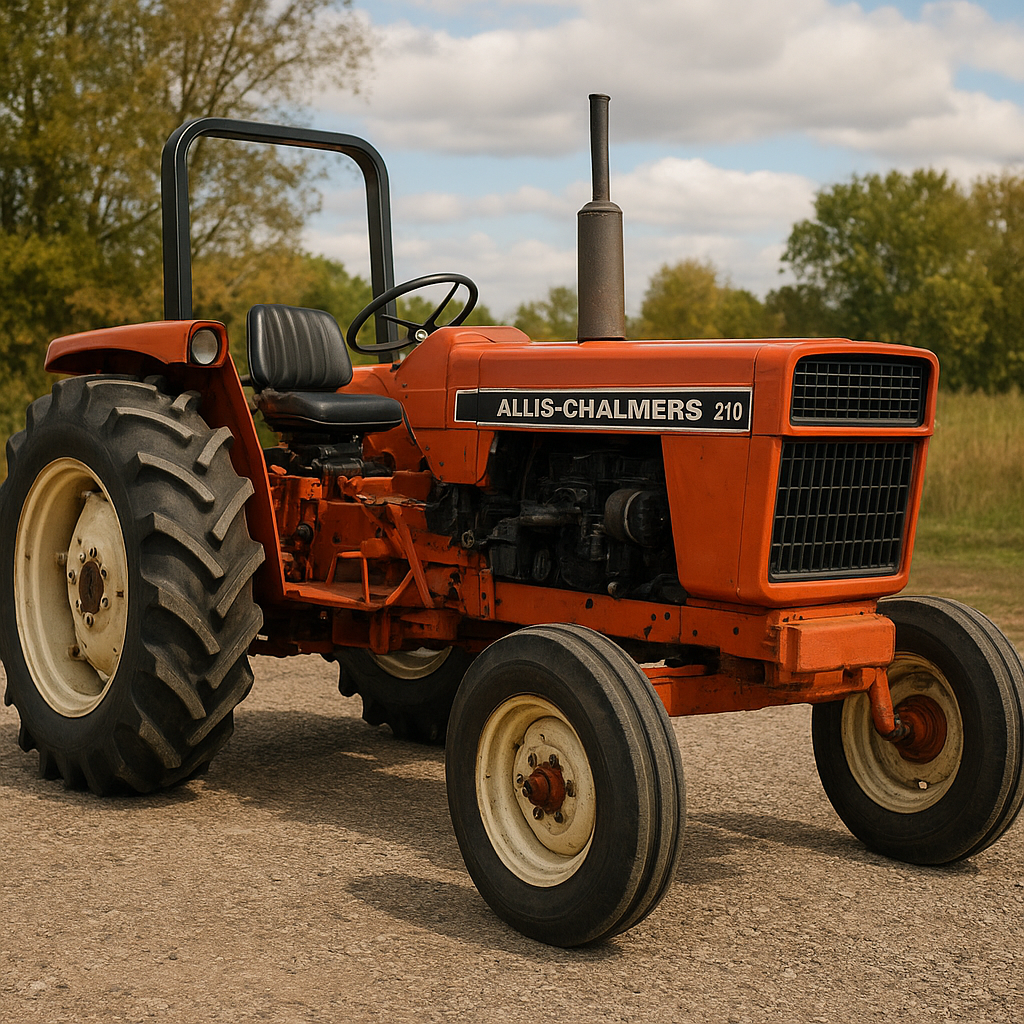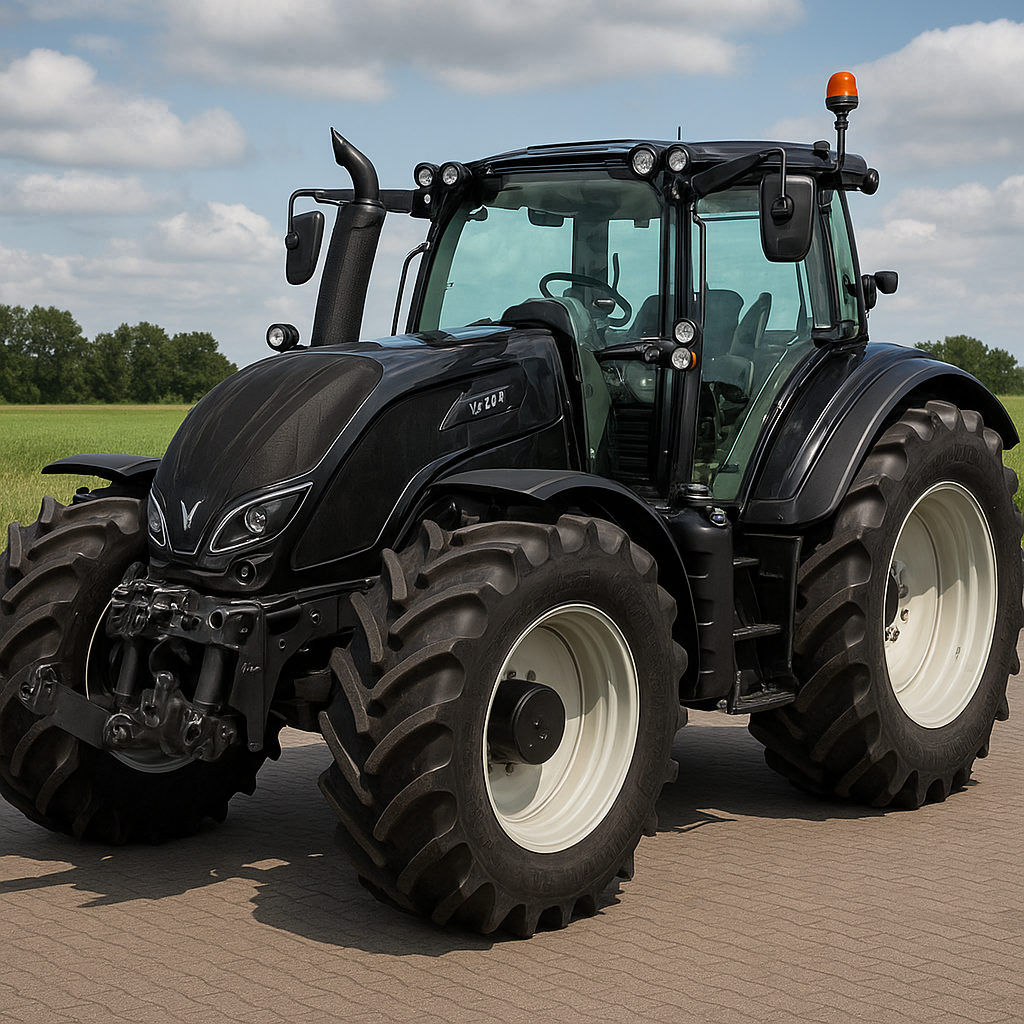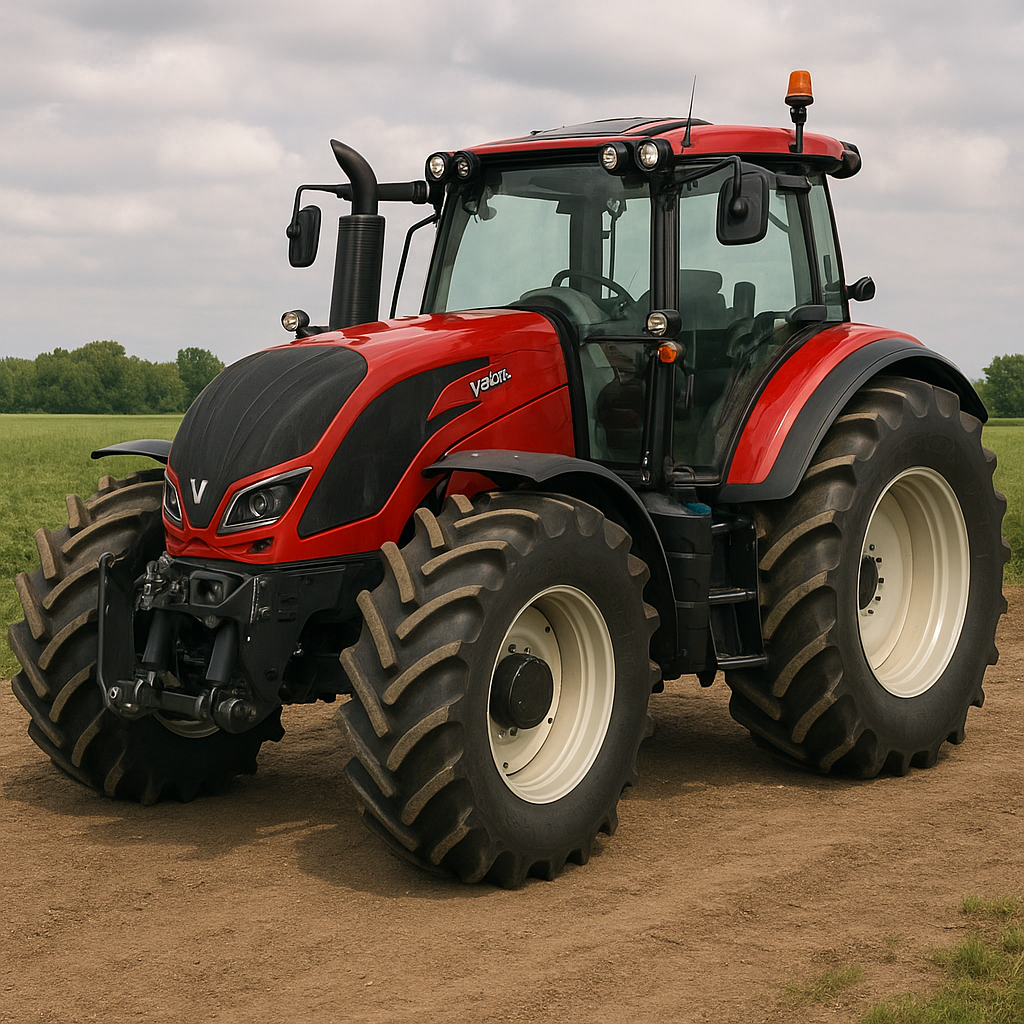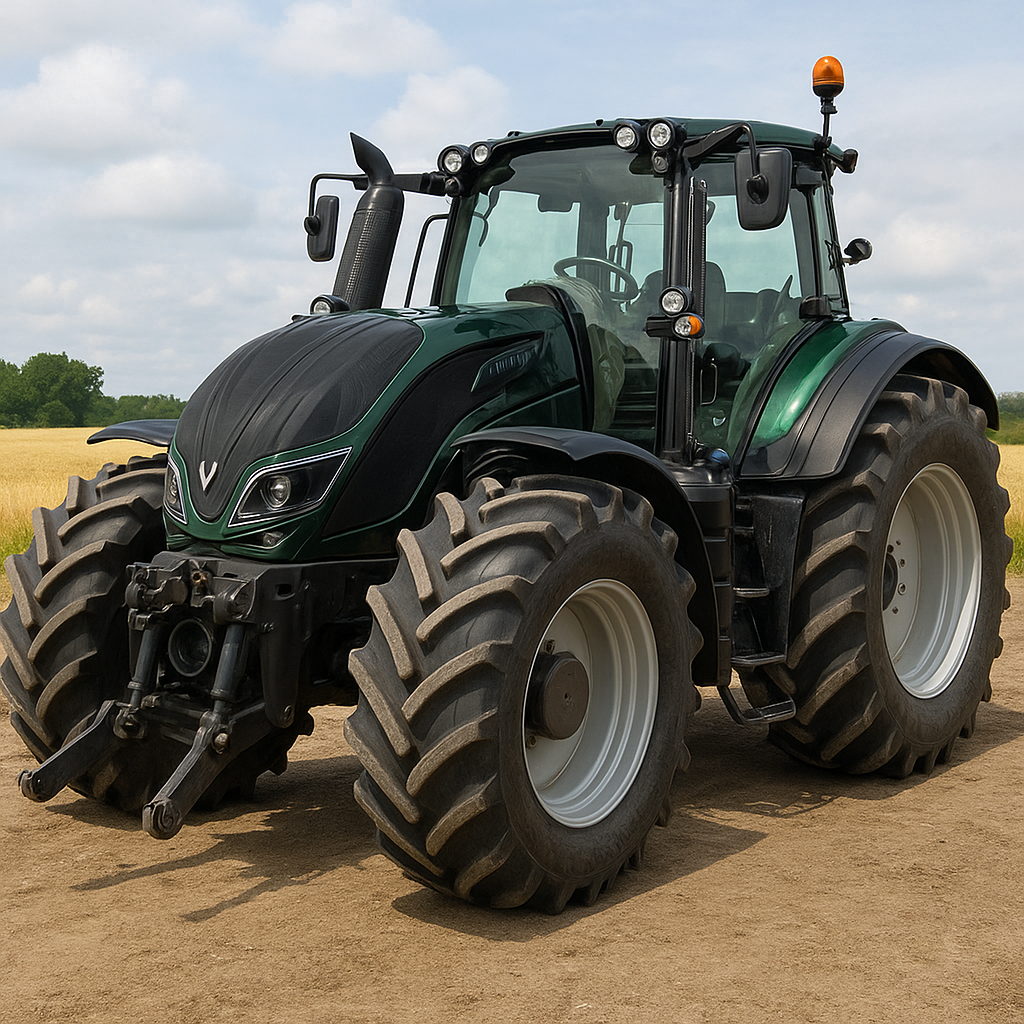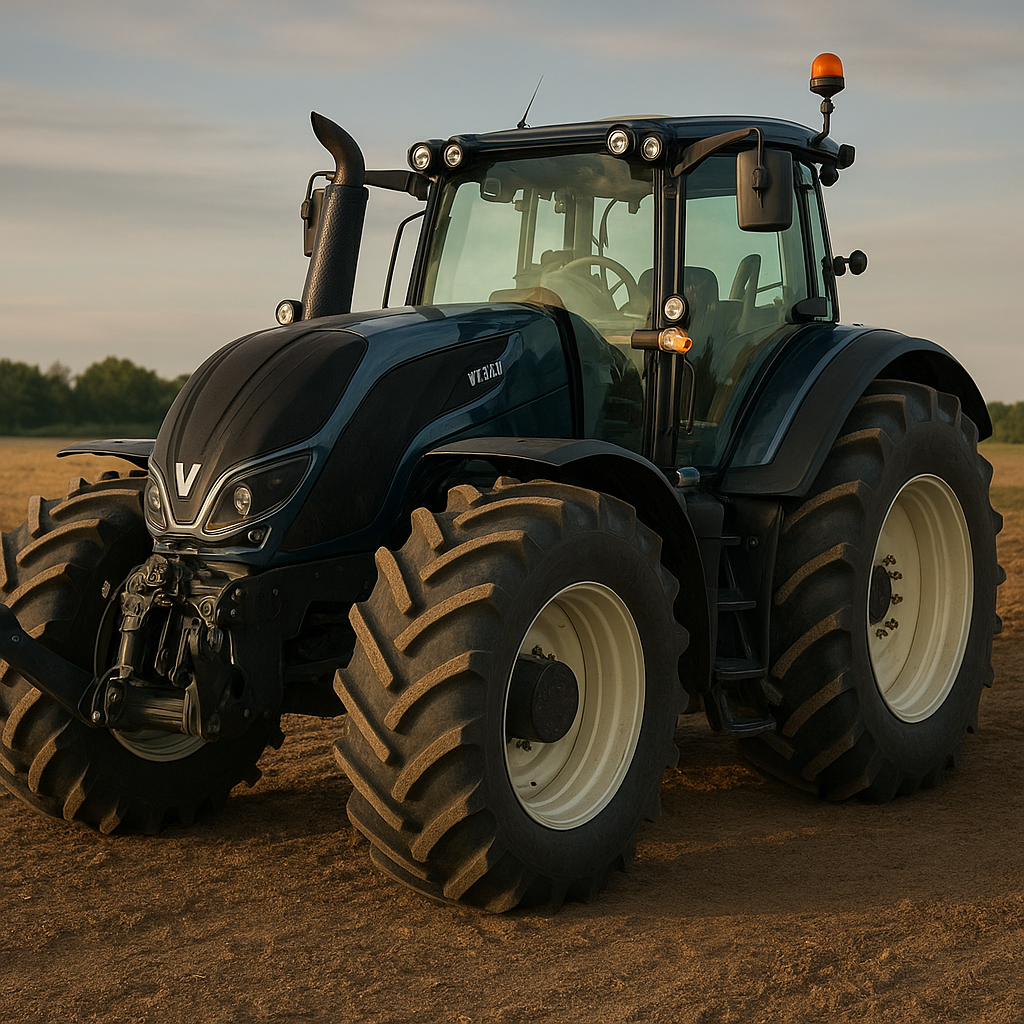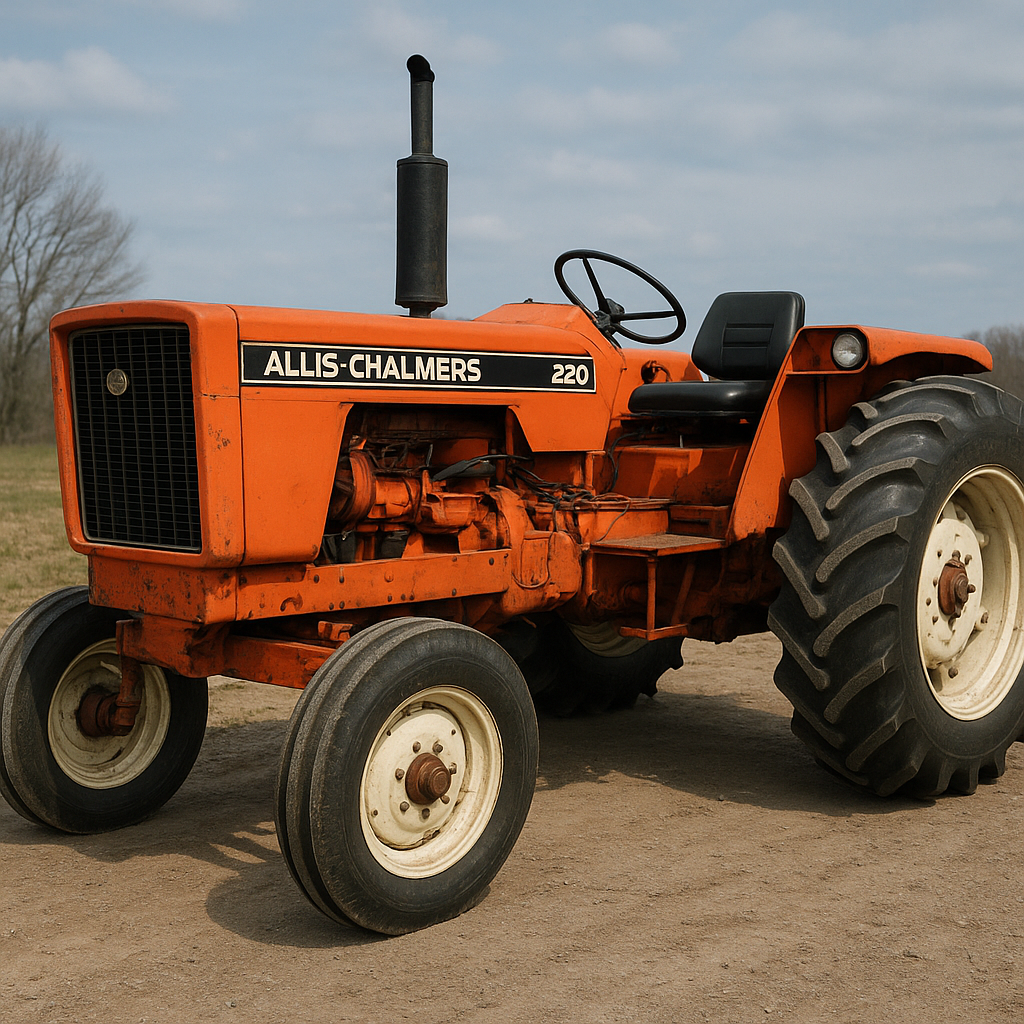
The Allis-Chalmers 220 occupies a distinctive place in the mid-20th century history of American farm machinery. Combining practical design with versatile utility, this model served small and mid-sized farms in a variety of climates and soil conditions. The following article explores the tractor’s background, technical characteristics, practical applications, and aspects of ownership and preservation. It aims to provide a comprehensive picture for collectors, restorers, historians, and farmers interested in classic equipment.
Historical background and design philosophy
The story of the Allis-Chalmers 220 is rooted in the broader evolution of mechanized agriculture after World War II. As farmers sought machines that could increase productivity while remaining affordable and easy to service, manufacturers developed mid-range models that emphasized reliability and adaptability. The 220 was designed to fill a niche between smaller utility tractors and larger row-crop or high-horsepower machines, offering an attractive balance of power, maneuverability, and implement compatibility.
Allis-Chalmers approached the model with a pragmatic design philosophy: use proven components, keep controls intuitive, and provide options to suit different farming operations. This resulted in a tractor that could be configured for narrow-row work, wide-row cultivation, or general-purpose tasks simply by changing wheels, hitches, or implements. The 220’s styling reflected the era’s preference for functional, robust lines rather than ornate details, with an emphasis on accessible service points and a durable chassis.
Technical characteristics and variations
The 220 was available in several configurations to meet varied farm needs. Exact specifications could vary by year, intended market, and optional equipment. In general terms, the tractor typically featured a sturdy 4-cylinder powerplant, a simple but effective transmission, and a chassis designed to accept a wide range of farm implements.
Engine and power delivery
- The engine was designed for consistent torque delivery suitable for both draft work (plowing, harrowing) and PTO-driven implements (mowing, baling).
- Fuel options often included gasoline and, in some market/era variants, diesel conversions or factory diesel choices. This flexibility favored farmers in regions with different fuel availabilities.
- Rated and drawbar horsepower numbers tended to place the 220 in the mid-range for its class — enough to pull multiple-bottom plows or to run PTO equipment such as stationary balers or large mowers, while still being manageable on smaller properties.
Transmission and controls
The transmission emphasized simplicity and reliability: moderate gear ranges, straightforward shifting patterns, and mechanical linkages that made field repairs feasible with basic tools. Operators appreciated the clear sightlines to implements and a control layout that minimized confusion during long workdays.
Chassis, tires and hitching
- Adjustable track width was commonly available, enabling use in row crops.
- Wheel configurations ranged from narrow front-end tricycle setups to wide front and four-wheel arrangements for stability on slopes and during heavy draft work.
- PTO and drawbar hitches were stoutly built to accept common implements of the era, and three-point hitch systems (Category I style) or two-point systems were either standard or available as options depending on the model year and market.
Practical applications and typical uses
On the farm, the Allis-Chalmers 220 proved its value through versatility. Farmers used it for a wide array of tasks across seasons, which is one reason many remained in service for decades.
Field work and soil preparation
- Plowing and primary tillage: With adequate drawbar pull, the 220 handled multiple-bottom plows on light to medium soils.
- Secondary tillage: Harrows, diskers, and cultivators were commonly paired with the 220 for seedbed preparation and weed control.
- Row-crop cultivation: Adjustable track widths and front-end options made the tractor suitable for corn, cotton, and similar row-crop operations.
Haying, harvesting and livestock chores
- PTO-driven mowers, balers, and rakes could be operated effectively, making the 220 a staple on mixed farms with livestock needs.
- Loader and grapple attachments (either factory or aftermarket) provided utility for bale handling, manure work, and material loading around barns.
Specialty and municipal uses
Beyond crop and livestock farming, the 220 found roles in orchard and vineyard operations (with appropriate low-clearance or narrow configurations), municipal groundskeeping, and small construction tasks when fitted with backhoes or loaders. Its manageable size and mechanical simplicity made it a favorite for operations where large tractors would be impractical.
Maintenance, common issues and ownership considerations
One of the enduring strengths of the Allis-Chalmers 220 is its approachable maintenance profile. Like most tractors of its generation, regular attention to basic mechanical systems extended service life dramatically.
Routine maintenance tasks
- Oil and filter changes: Frequent checks of engine oil, transmission fluid, and hydraulic oil keep wearing parts protected.
- Cooling system care: Radiator and water pump maintenance is vital to prevent overheating under heavy draft loads.
- Electrical and charging systems: Points, condensers, batteries, and later alternators need periodic attention; simple electrics make troubleshooting easier than on modern tractors.
- Tire and wheel upkeep: Proper tire pressure and wheel alignment ensure safe, efficient traction and reduce wear on steering components.
Common mechanical concerns
Owners of classic tractors often report a set of recurring issues that stem from age and heavy use rather than design flaws. These include worn bushings in steering linkages, leaky seals in hydraulic pumps and wheel seals, and carburetor adjustments or fuel system cleaning for gasoline models. Diesel models, when present, often show typical injector wear or valve-seat needs depending on maintenance history.
Parts availability and aftermarket support
Parts availability for the 220 is generally acceptable compared with rarer antique tractors. Major consumables — gaskets, filters, brake components, and common engine parts — remain available through specialty suppliers and salvage networks. For less common items, reproduction or custom-fabricated parts and aftermarket adapters help keep machines running. A thriving community of owners and clubs also aids in locating hard-to-find components.
Restoration, preservation and collector interest
Restoration of a classic Allis-Chalmers model such as the 220 can be a rewarding project for hobbyists and historians alike. Restorers often balance originality with practicality, retaining the tractor’s character while ensuring safe operability.
Restoration priorities
- Structural integrity: Frame, axles, and mounting points should be inspected, repaired, or reinforced as needed.
- Powertrain refurbishment: Depending on condition, rebuilding the engine, transmission, and hydraulics may be necessary for reliable operation.
- Cosmetic work: Paint and decals are important for display value. Attention to historically accurate color schemes and markings increases appeal to collectors.
- Safety upgrades: Owners often install modern lighting, improved seat mounts, or better brakes while preserving the tractor’s vintage look.
Market and collector value
Collector interest in mid-century tractors has grown steadily. Factors affecting the 220’s market value include condition, originality, rarity of specific options, and historical provenance (for example, documented long-term ownership by a single farm or use in a notable operation). Properly restored examples that run reliably and show well can command significant interest at auctions, farm shows, and private sales, especially within Allis-Chalmers enthusiast circles.
Operational tips and modern adaptations
Operating a classic tractor safely and efficiently requires some adjustment from modern-machine habits. The 220’s mechanical simplicity is an asset but also requires mindful handling.
Tips for safe operation
- Pre-operation checks: Always inspect fluid levels, tire condition, battery charge, and PTO guards before daily use.
- Understanding controls: Take time to familiarize yourself with clutch, throttle, brake biasing (if differential braking is present), and any unusual starting procedures associated with older engines.
- Load matching: Avoid overloading the tractor beyond its practical drawbar or PTO capacity. Using matched implements prolongs drivetrain life.
Modern upgrades that preserve character
Owners often add discreet modernizations to improve reliability and safety without compromising historic appearance. Examples include upgraded ignition systems for more reliable starting, concealed hydraulic improvements for smoother implement control, and auxiliary lighting for low-light work. These adaptations extend the practical usefulness of the tractor while keeping its classic silhouette intact.
Economic and cultural impact
Models like the Allis-Chalmers 220 contributed to the postwar agricultural transformation by enabling smaller farms to mechanize profitably. Rather than being limited to large agribusinesses, mid-century farmers could adopt mechanized solutions that reduced labor requirements and expanded the acreage that a family could manage.
Culturally, tractors such as the 220 became symbols of rural resilience and innovation. They appear in period photographs, local histories, and memoirs, representing the shift from animal-powered to machine-driven agriculture. Today, restored machines are displayed in parades, museums, and county fairs, connecting new generations with the practical ingenuity of earlier farming communities.
Common misconceptions and clarifications
Over time, myths can form around classic machinery. Addressing common misunderstandings helps potential owners and enthusiasts make informed choices.
- Myth: Older tractors are too fragile to be useful. Reality: When properly maintained or restored, mid-century tractors deliver dependable service for many tasks; their simplicity makes repairs easier than on high-tech modern units.
- Myth: Parts are impossible to find. Reality: While some parts require ingenuity, many consumables and popular service components are readily available through specialty suppliers and salvage networks.
- Myth: All configurations are identical. Reality: Model variants, optional equipment, and year-to-year changes mean that two tractors labeled “220” may differ significantly in features and specifications.
Where the 220 fits in a modern context
In today’s agricultural and hobbyist scene, the Allis-Chalmers 220 occupies a niche as a versatile, approachable machine ideal for small-scale farms, hobby farms, and collectors. It is large enough for substantive fieldwork but compact enough for hobbyist maintenance and storage. For educators and rural historians, it serves as a practical teaching tool illustrating mid-20th-century engineering principles.
Practical modern uses include:
- Maintaining pastures and hayfields with classic implements or modern adapted tools.
- Demonstration work at agricultural museums or vintage equipment shows.
- Light construction and property maintenance when fitted with loaders or backhoes.
- Hobby farming tasks where the economics of a brand-new tractor aren’t necessary.
Summary and final thoughts
The Allis-Chalmers 220 stands as an example of a well-balanced mid-century tractor: practical, serviceable, and adaptable. Whether valued for its historical significance, consumer-friendly mechanics, or day-to-day utility, it remains a model that continues to find fans among collectors, small farmers, and restoration enthusiasts. Attention to regular maintenance, a thoughtful approach to restoration, and respect for the machine’s mechanical limits will ensure that a 220 can remain a productive and enjoyable asset for years to come.
Allis-Chalmers fans and tractor historians often recommend joining regional clubs or online forums to share knowledge, source parts, and preserve the stories that make machines like the 220 more than just equipment — they are tangible connections to a pivotal era of agricultural change. With proper care and mindful use, the Allis-Chalmers tractor of this line continues to demonstrate the enduring value of robust mechanical design and practical versatility in the field of agriculture.