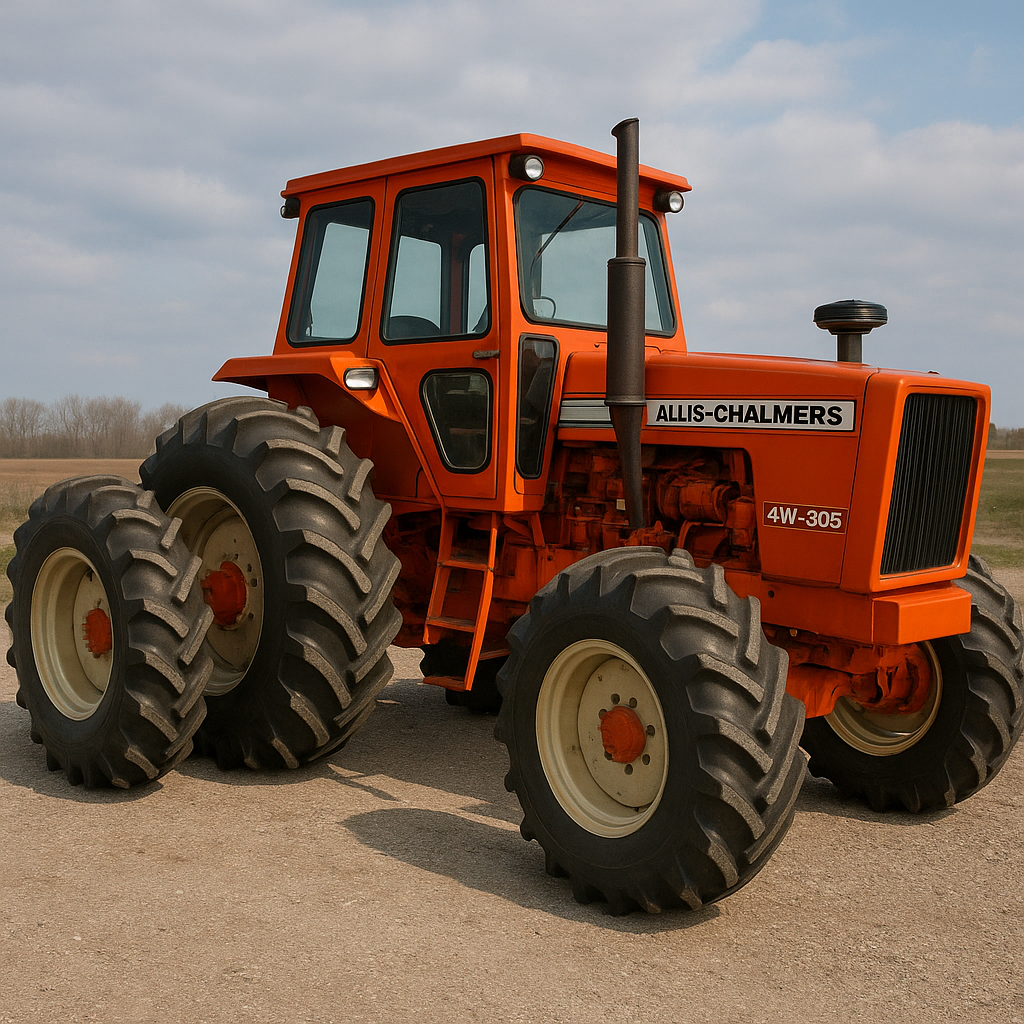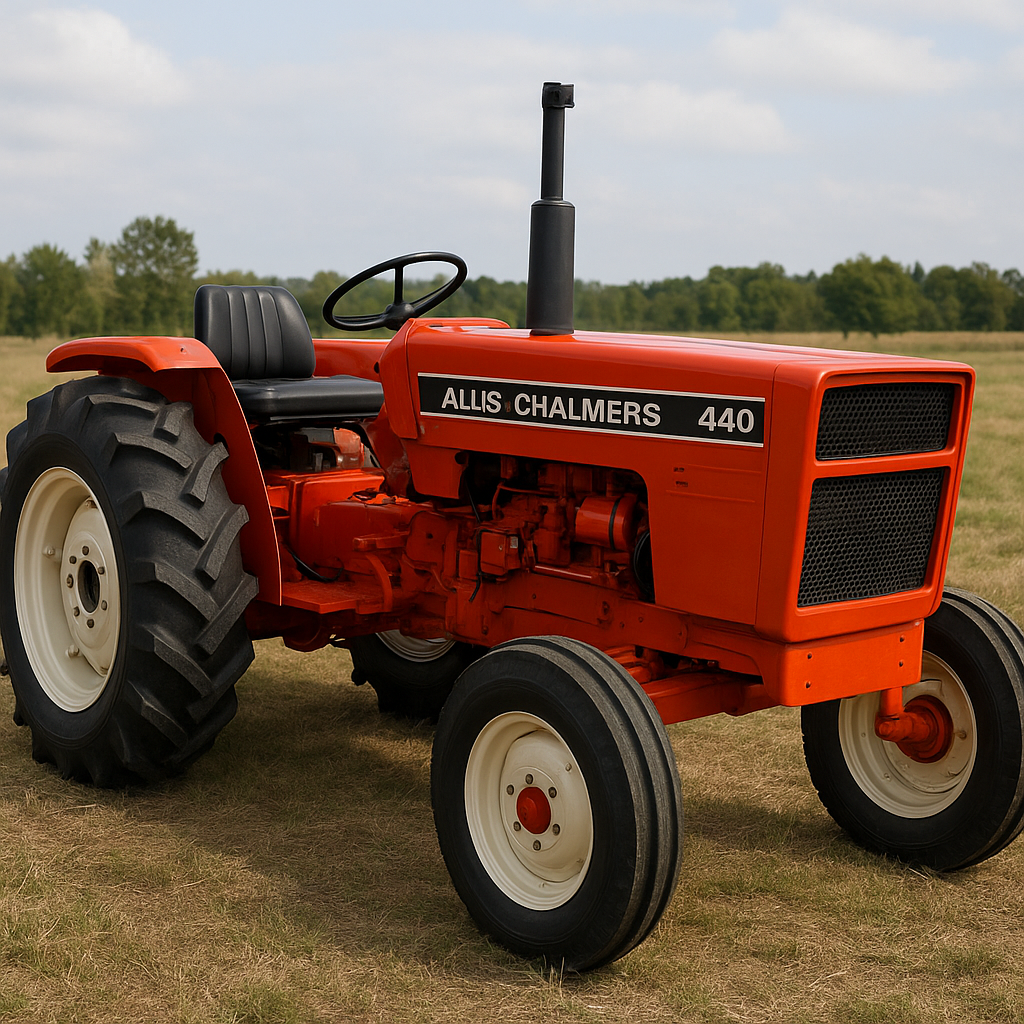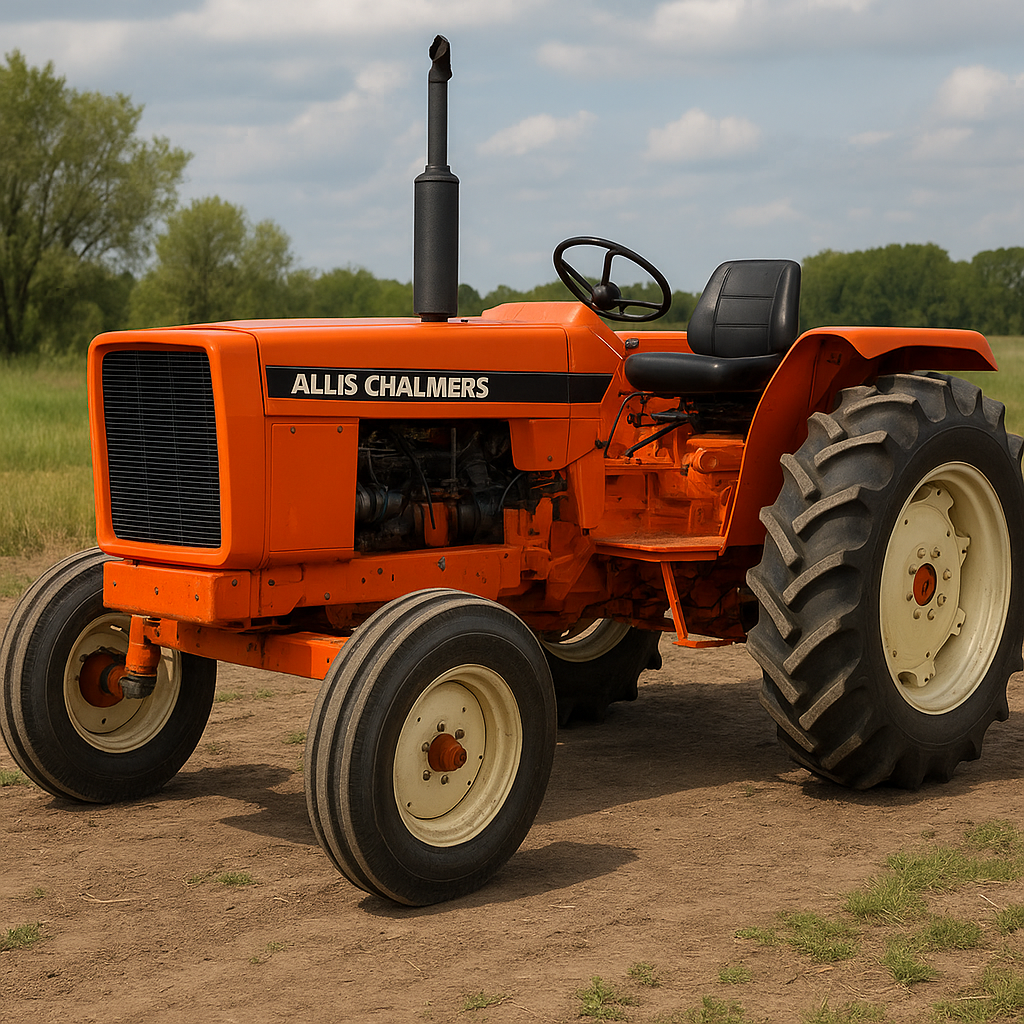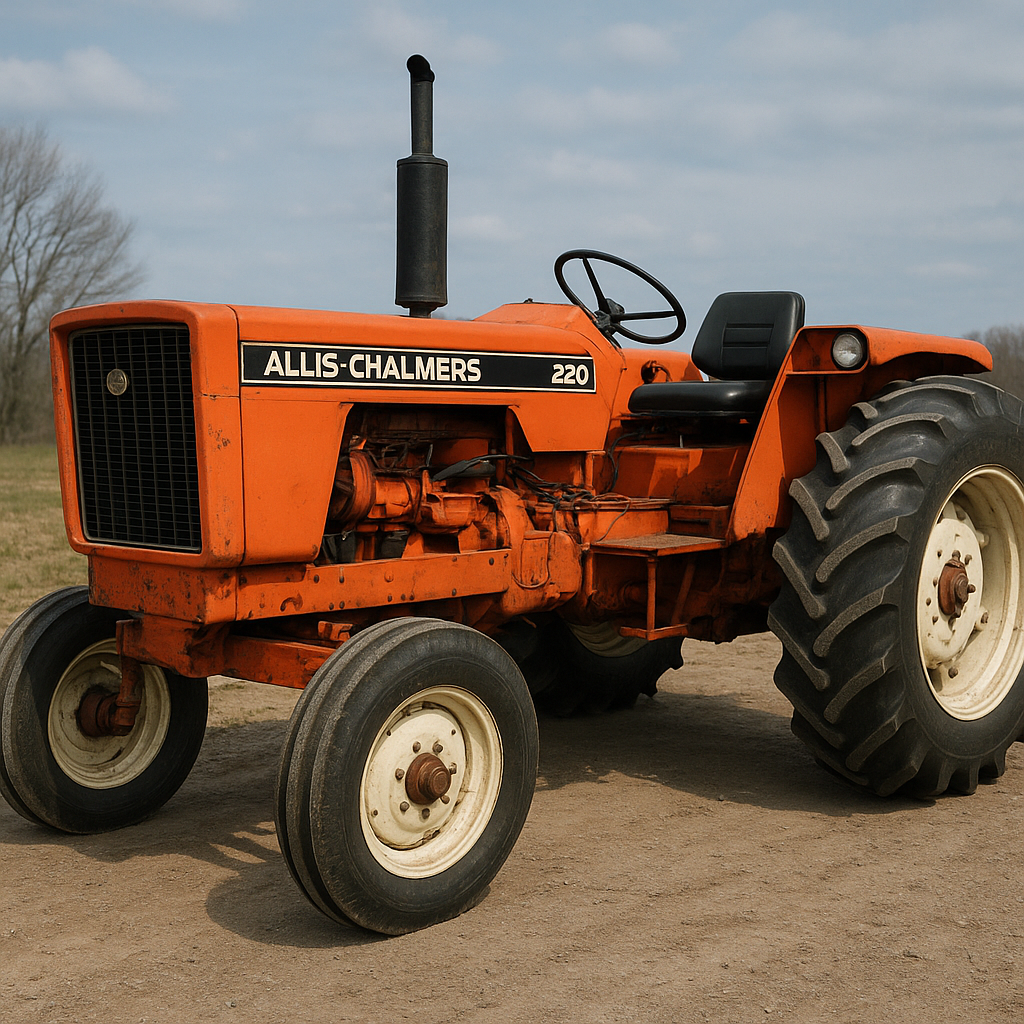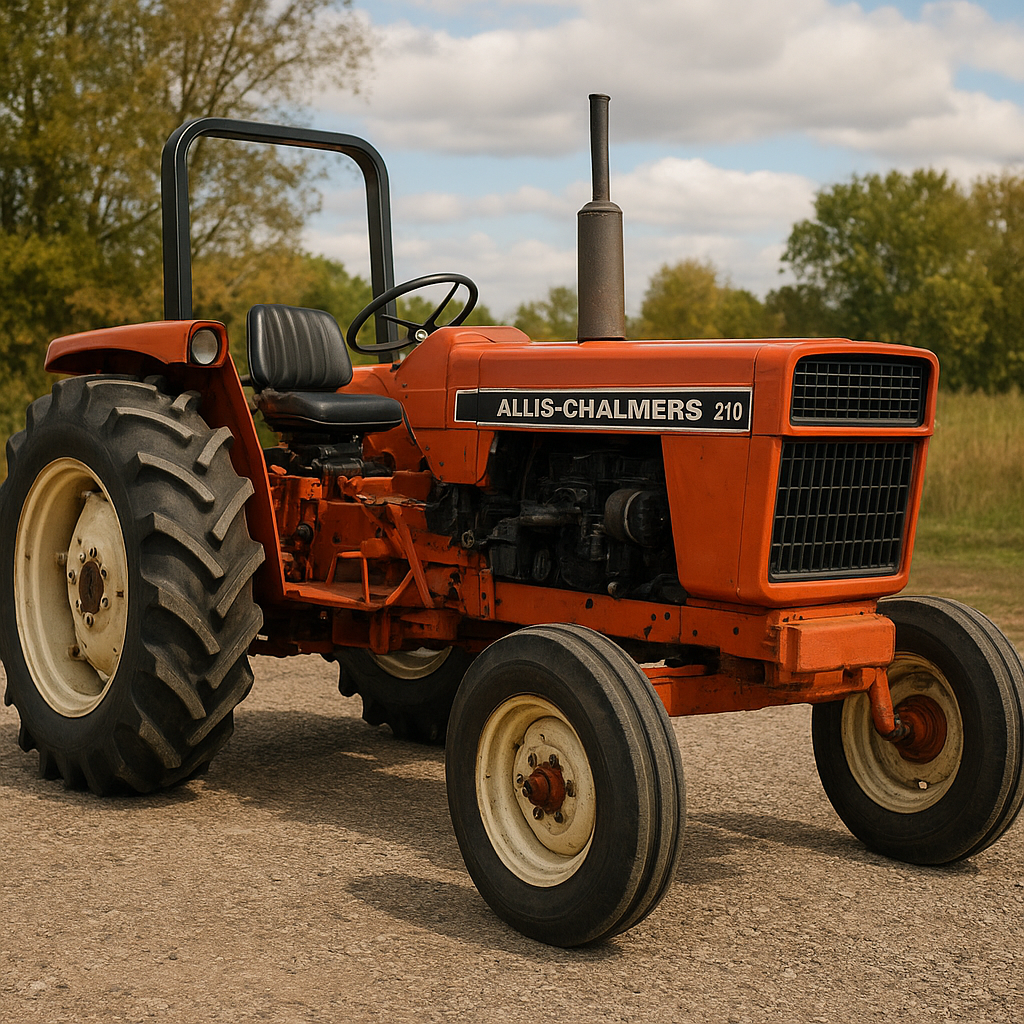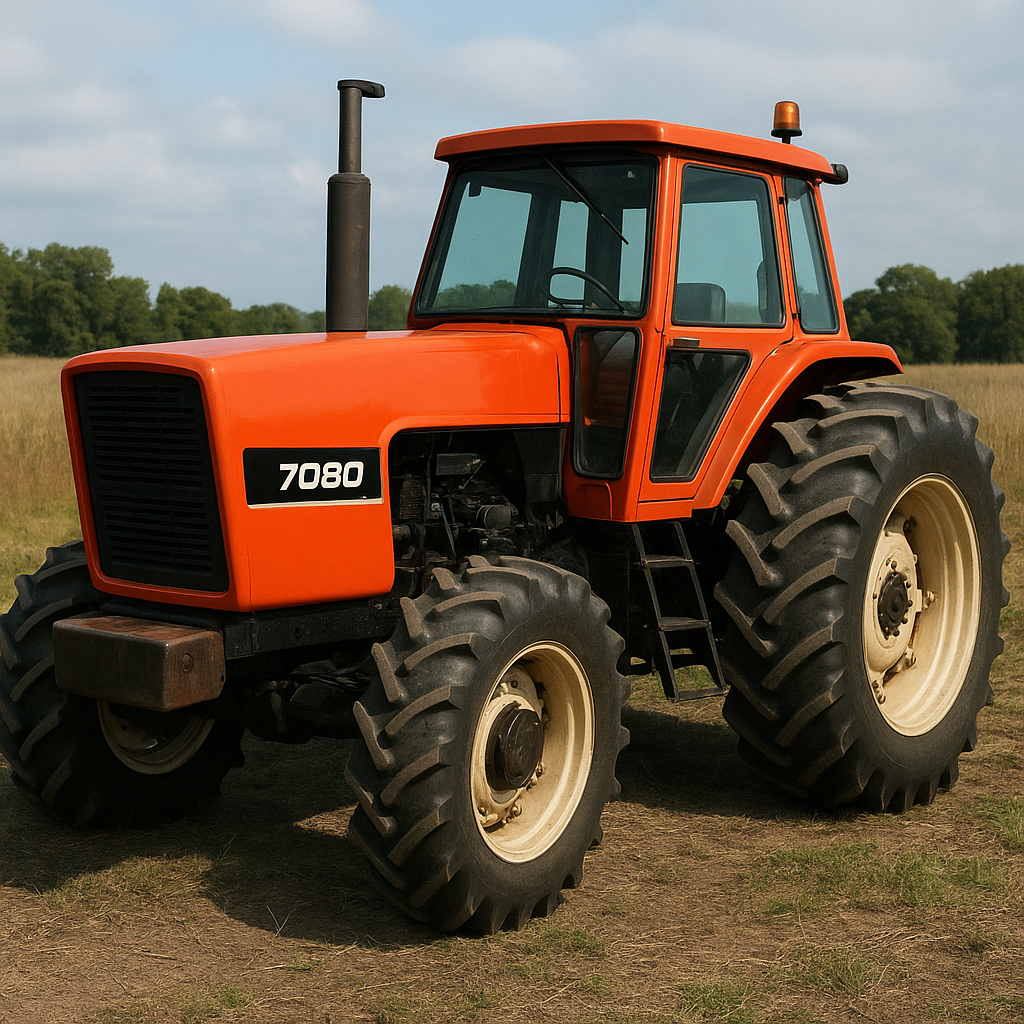
The Allis-Chalmers 7080 occupies a distinct place in the history of agricultural machinery as a heavy-duty utility and field tractor designed to meet the needs of large-scale farming and demanding tasks. In this article you will find an overview of its design, practical applications, technical characteristics (where commonly reported), maintenance and ownership considerations, and its legacy among collectors and operators. The text highlights the tractor’s most important attributes and provides context for those considering one for work, restoration, or historical interest. Throughout the article, several key terms are emphasized to draw attention to important concepts.
Design and engineering overview
The Allis-Chalmers 7080 was designed to be a robust and capable machine for high-hour agricultural operations. Emphasizing strength and serviceability, the tractor was built with components intended to handle intensive tasks such as deep tillage, large-planter pulling, heavy transport, and PTO-driven implements. The engineering philosophy favored straightforward mechanical systems that technicians and owners could service without extensive factory-level equipment.
Powertrain and drivetrain characteristics
- Engine: The 7080 typically features a turbocharged diesel engine designed to deliver steady torque across a wide rpm band. While detailed factory specifications vary by year and market, models of this class usually offer a nominal power range that supports demanding field work.
- Transmission: The tractor was commonly supplied with multi-speed transmissions offering both synchronized and partial powershift options depending on configuration. These transmissions balanced the need for diverse ground speeds with the ability to keep the engine in its optimal power band.
- Drive configuration: Versions were offered with rear-wheel drive and selectable front-wheel drive or full-time four-wheel drive options. The robust axle and differential designs supported heavy draft loads and hauling.
Chassis, hydraulics and operator environment
The chassis of the 7080 was engineered around rigidity and stability. A heavy frame, wide stance, and ballast capacity allowed it to pull large implements without excessive wheel slip. The hydraulic system provided sufficient flow and pressure for large planters, hydraulic-assisted tillage implements, and auxiliary equipment. From the factory and in aftermarket restorations, operators often prioritize hydraulic upgrades to meet modern implement demands.
Ergonomics were functional: cabs (when fitted) emphasized visibility and basic comfort, while open-station models focused on straightforward controls and easy access for maintenance. Instrumentation typically included engine and transmission monitoring gauges, hydraulic pressure, and PTO engagement indicators.
Applications and field performance
The Allis-Chalmers 7080 is primarily an agricultural workhorse, suited to farms and contractors that require sustained high power and reliability in the field. Its construction and systems allow it to perform a wide variety of tasks:
- Agriculture: Primary roles include plowing, disking, chisel plowing, heavy cultivations, and pulling large planters or seed drills. The tractor’s torque characteristics make it effective in soils that demand steady draft power.
- Transport and hauling: With its high gross vehicle weight rating and strong driveline, the 7080 can be used for farm transport tasks, towing heavy trailers, and moving materials between fields or to storage.
- Hay and forage: The tractor’s PTO is compatible with large balers, forage harvesters, and mowers. High torque at lower RPMs helps drive PTO loads efficiently.
- Specialty and contractor work: In some regions, the 7080 found use in specialized roles such as land leveling, road-side maintenance, or pulling forestry equipment when fitted with the correct tires and protective features.
Field performance traits
- Traction: The heavy weight and optional four-wheel-drive models provide strong traction in varied soil conditions, reducing wheel slip for draft work.
- Fuel economy: For its class, the 7080 balances fuel consumption with power output. Efficient fueling depends on correct engine tuning, implement matching, and gear selection.
- Reliability: Owners often praise the model’s mechanical simplicity and the robustness of major components, which contributes to long service life when properly maintained.
Technical specifications and commonly reported figures
Exact factory figures for the Allis-Chalmers 7080 can differ between production years and regional variants. Below are commonly reported or typical ranges for tractors of this size and era; use these as reference points rather than definitive, model-specific values. For restoration or purchase decisions, always confirm the exact ratings on the tractor’s data plate or service manual.
- Rated engine power: Generally reported in a range rather than a single value. For tractors comparable to the 7080 class, nominal power often falls between approximately 150 and 260 horsepower (112–194 kW), depending on tuning and options.
- PTO power: PTO ratings typically are slightly less than engine gross power; expect PTO output sufficient to run large balers, mowers, and PTO-driven implements effectively.
- Engine type: Turbocharged inline diesel engines with robust construction and mechanical fuel injection were common. Displacement figures for similar tractors generally fall in the multi-liter range (often 7–12 liters), providing high torque at low rpm.
- Operating weight: Depending on configuration, ballasting, and attachments, operating weights for tractors in this class commonly range from 6,500 kg to over 12,000 kg (14,000–26,000 lb).
- Transmission speeds: Multi-range gearboxes with 8–24 forward gears are typical, including synchronized ranges and optional powershift segments for field adjustments under load.
- Hydraulic flow: Hydraulic systems in these tractors provide flows that support large implements; typical flow rates might range from 60 to more than 100 liters per minute (L/min) depending on pump configuration and auxiliary options.
- Fuel capacity: Tanks commonly hold several hundred liters to enable long field days without refueling, with reported ranges near 200–400 liters depending on the build.
Because many units have been modified, repowered, or updated by owners over decades of service, you will find variations far from these ranges in the field. Always verify specifics for a particular unit before purchase or modification.
Maintenance, common issues, and ownership considerations
Owning an Allis-Chalmers 7080 (or any older heavy tractor) requires a practical approach to maintenance and understanding the common points of wear. Many operators appreciate the straightforward mechanical layout that simplifies repairs, but long-lived machines have typical issues to watch for:
- Wear on drivetrain components: Bearings, seals, and gear teeth on axles, transmissions, and differentials can show wear after extensive use. Regular oil analysis and scheduled fluid changes help detect and prevent catastrophic failures.
- Hydraulic system upkeep: Leaks, pump wear, and hose degradation are common with age. Ensure filters are replaced regularly and hydraulic fluid is kept clean to prolong component life.
- Engine maintenance: Valve adjustments, injector servicing, and turbocharger inspection are routine for older turbocharged diesels. Fuel system cleanliness is critical to maintain performance.
- Electrical system: Corrosion of connectors, aging wiring insulation, and alternator/starting system wear can cause reliability issues, especially in machines exposed to moisture and field contaminants.
- Cab and operator comfort upgrades: Modern operators often retrofit seats, climate control, and instrumentation for improved comfort and efficiency on long shifts.
Parts availability and restoration
Parts availability depends on region, the number of units sold into a market, and aftermarket support. Many basic components—filters, belts, bearings—are readily available through generic suppliers or cross-referenced parts. More specialized items may require searching through vintage parts dealers, salvage units, or custom fabrication.
Restoration projects range from light cosmetic work and mechanical refreshes to complete overhauls. Enthusiasts should plan for the potential cost and downtime of sourcing rare components, and consider modern upgrades (fuel system, electrical, hydraulics) to improve safety and usability while preserving the tractor’s historic qualities.
Comparisons and market position
When new, the Allis-Chalmers 7080 competed with tractors from major manufacturers that targeted large farmers and contractors. Its competitive strengths typically included a balance of durability and serviceability. Owners sometimes preferred it for straightforward mechanical systems compared to more complex electronic controls found on some later models from other brands.
- Compared to contemporary offerings, the 7080 often represented a compelling value for farms prioritizing mechanical simplicity and ease of repair.
- Later tractors from other manufacturers introduced more advanced hydraulics, electronic engine management, and comfort features; the 7080 remains attractive to owners who prefer less electronic complexity and easier field serviceability.
Legacy, collectability and cultural impact
The Allis-Chalmers brand evokes strong nostalgia among agricultural communities, and the 7080 contributes to that legacy. While not always the most collectible model in monetary terms, it holds value for those who appreciate rugged utility tractors that can still perform meaningful work today.
- Collector interest: Interest is strongest among operators and restorers who value functional vintage equipment that can return to service.
- Historical significance: The 7080 serves as an example of mid-to-late 20th century tractor design that prioritized practical mechanics and field reliability.
- Community and knowledge base: Enthusiast groups, online forums, and regional clubs provide significant practical knowledge, parts leads, and restoration advice that helps preserve working examples.
Buying advice and what to inspect
When evaluating a used Allis-Chalmers 7080, prioritize inspections that reveal the condition of major systems and overall wear. Key points to evaluate include:
- Engine health: Check for excessive smoke, compression consistency across cylinders, leakdowns, and oil condition.
- Transmission and clutch: Ensure smooth gear changes, check for slipping under load, and inspect for leaks and unusual noises.
- Hydraulics: Test lift and implement response under load, listen for cavitation or pump noises, and inspect hoses and cylinders for leaks.
- Axles and final drives: Look for play in wheel bearings, overheating signs, and differential noises that suggest worn gears.
- Frame and welds: Check the chassis for cracking or repaired areas, especially if the tractor has been used in high-stress pulling or heavy lifting.
Practical tips for operation
- Match implements to the tractor’s drawbar and PTO capacities to avoid overloading the driveline.
- Maintain regular fluid-change intervals and keep thorough maintenance records to preserve value and reliability.
- Use ballast strategically—adequate front or rear ballast reduces wheel slip and improves implement control, but too much weight reduces fuel efficiency and increases stress on components.
- Consider incremental upgrades such as improved filtration, modern lighting, or internal electronic monitoring to enhance safety and reliability without drastically altering the tractor’s character.
Conclusion
The Allis-Chalmers 7080 stands as a representation of rugged, practical tractor engineering tailored to high-demand agricultural tasks. Its value comes from a blend of dependable mechanical systems, adaptability to a variety of implements, and a community of operators and restorers who keep these machines working. Whether used for heavy tillage, hauling, PTO-driven implements, or restored as a piece of agricultural history, the 7080 continues to be appreciated for its straightforward capabilities and enduring presence in the field.