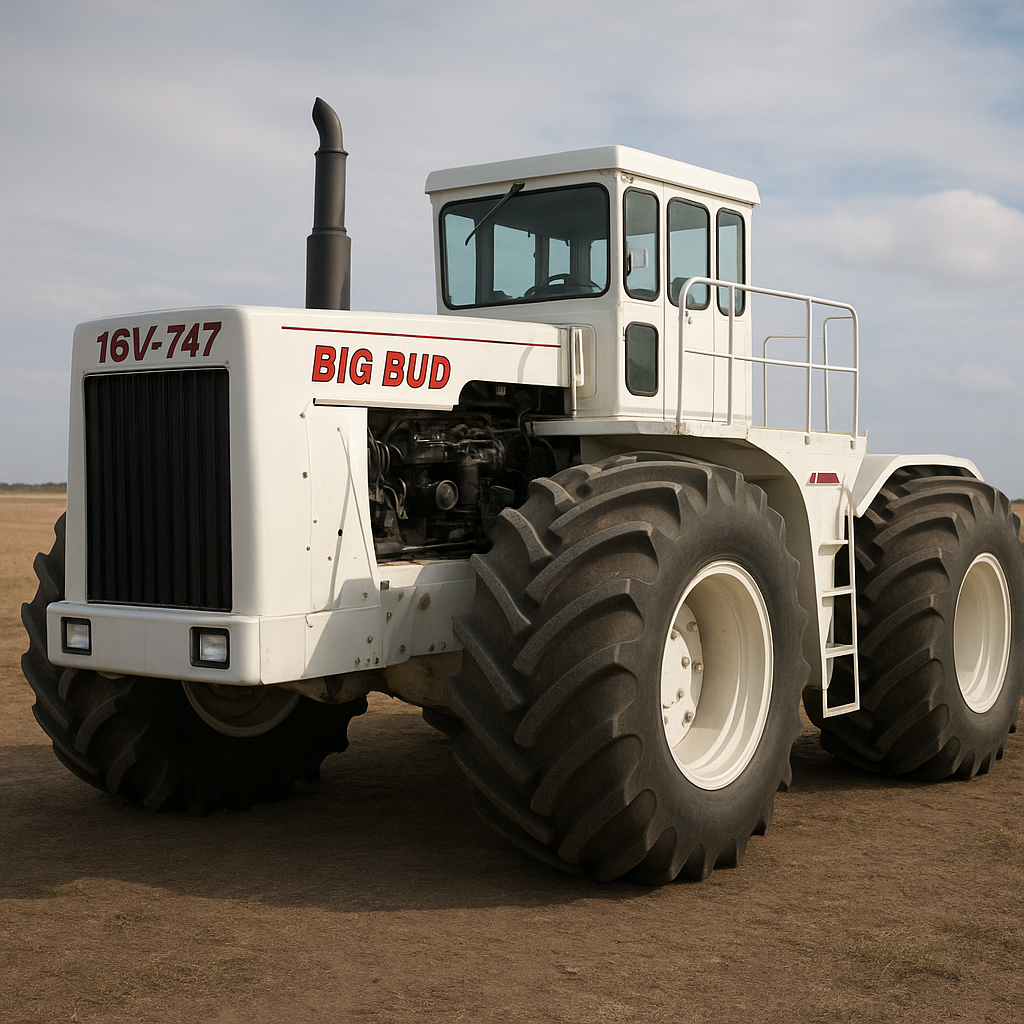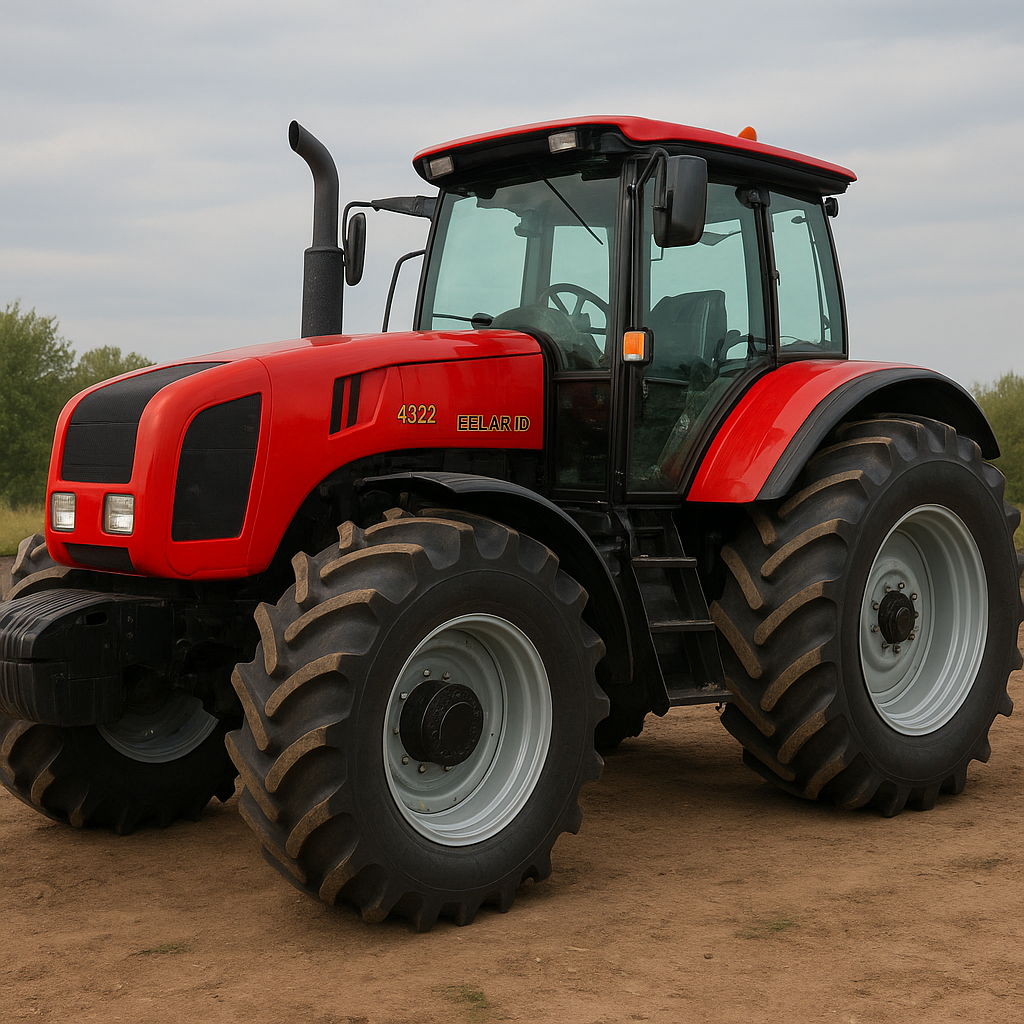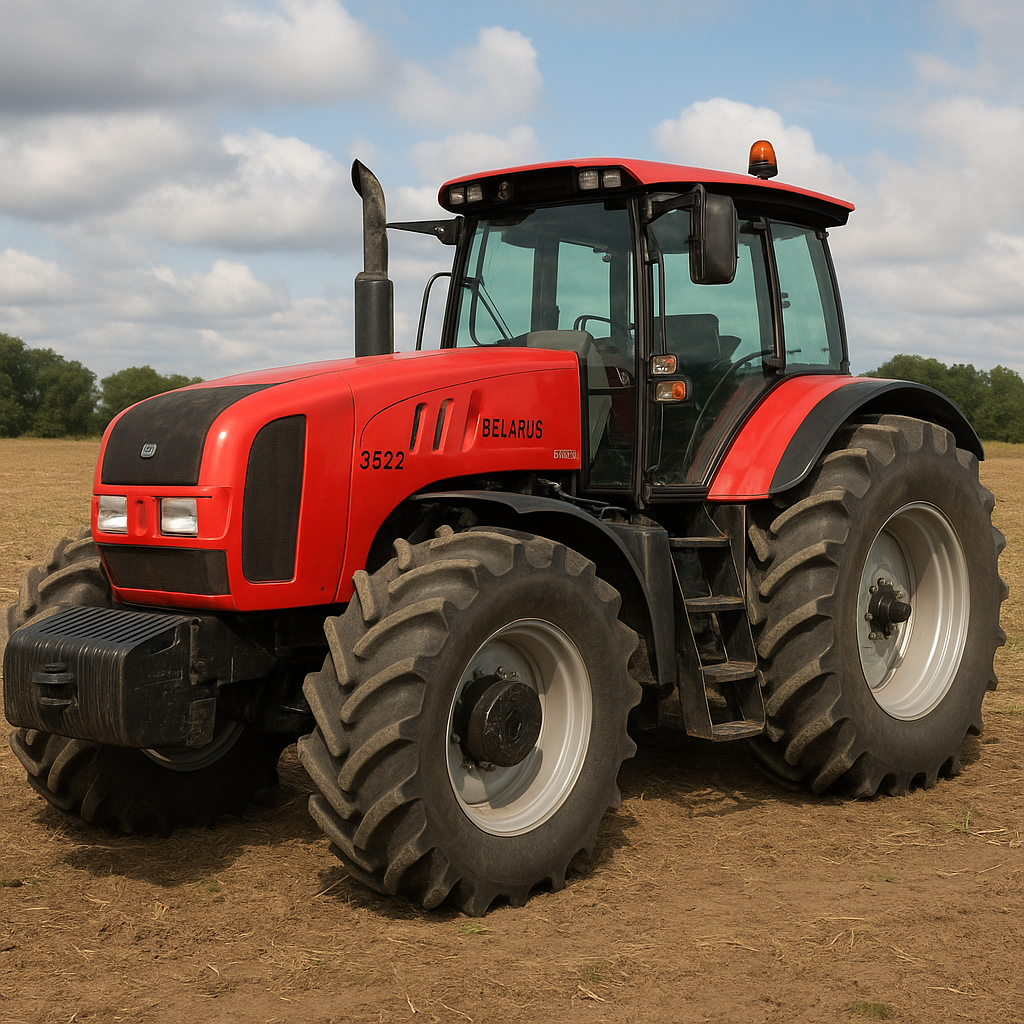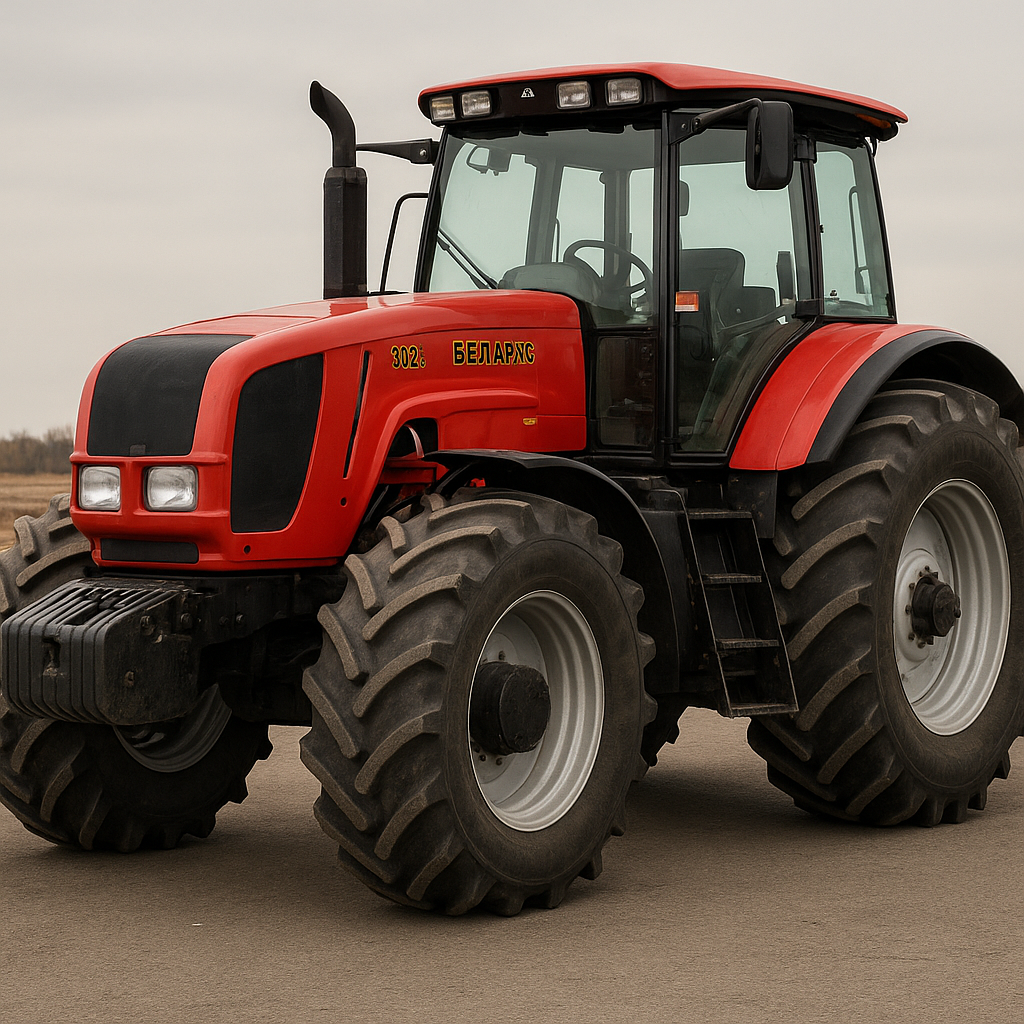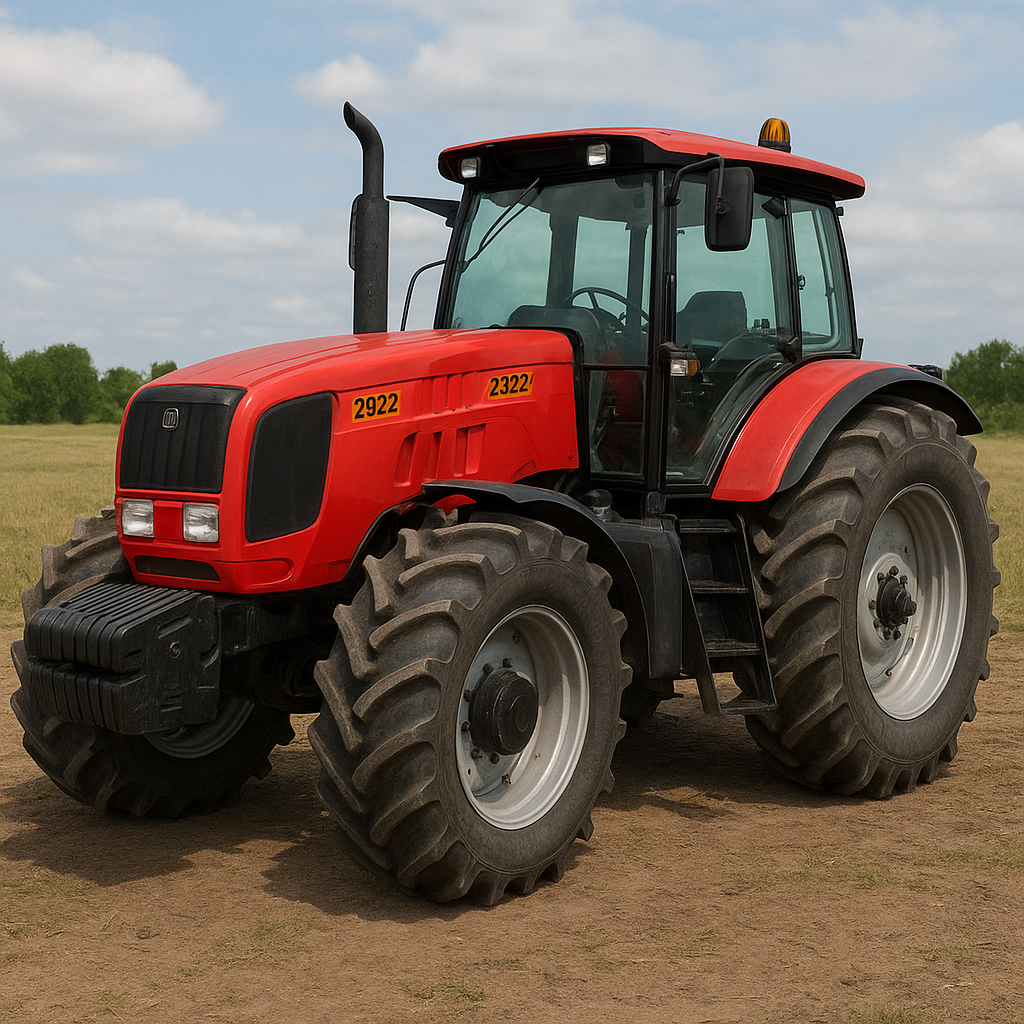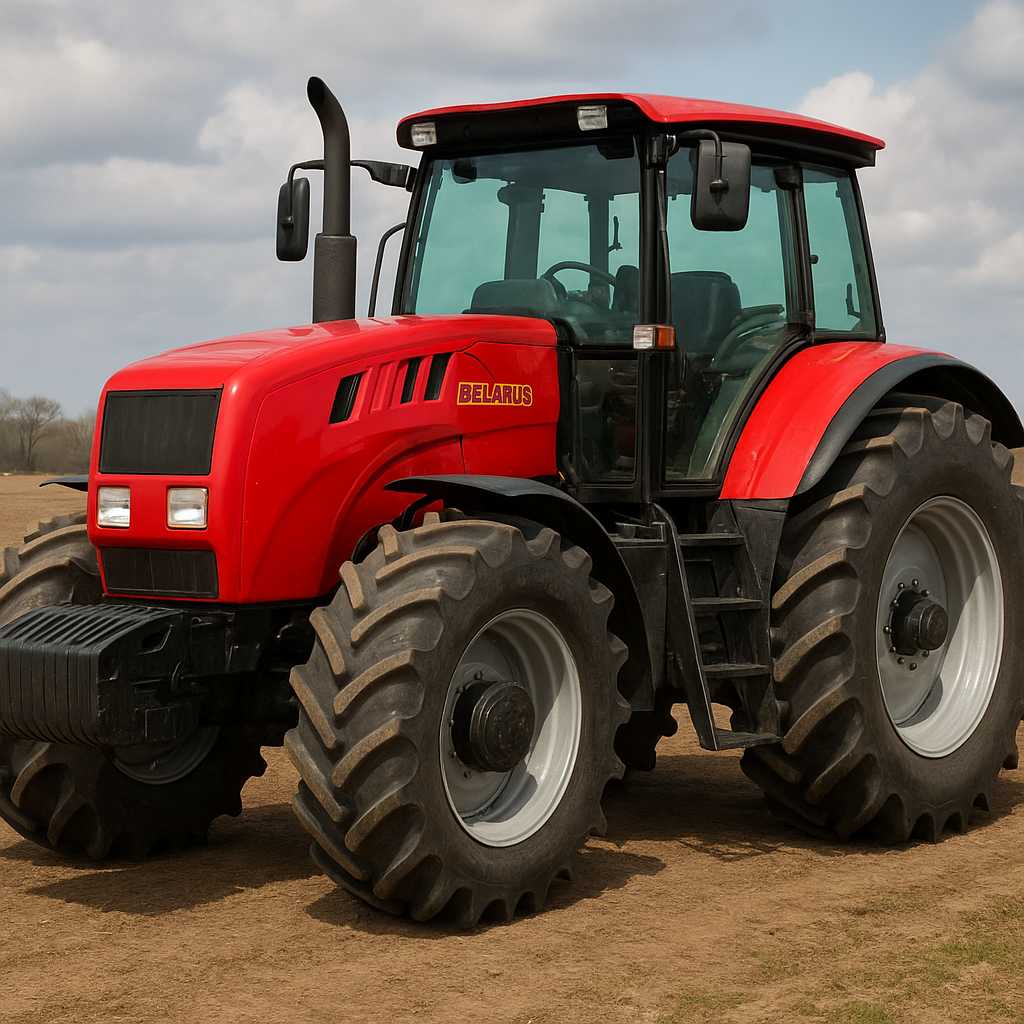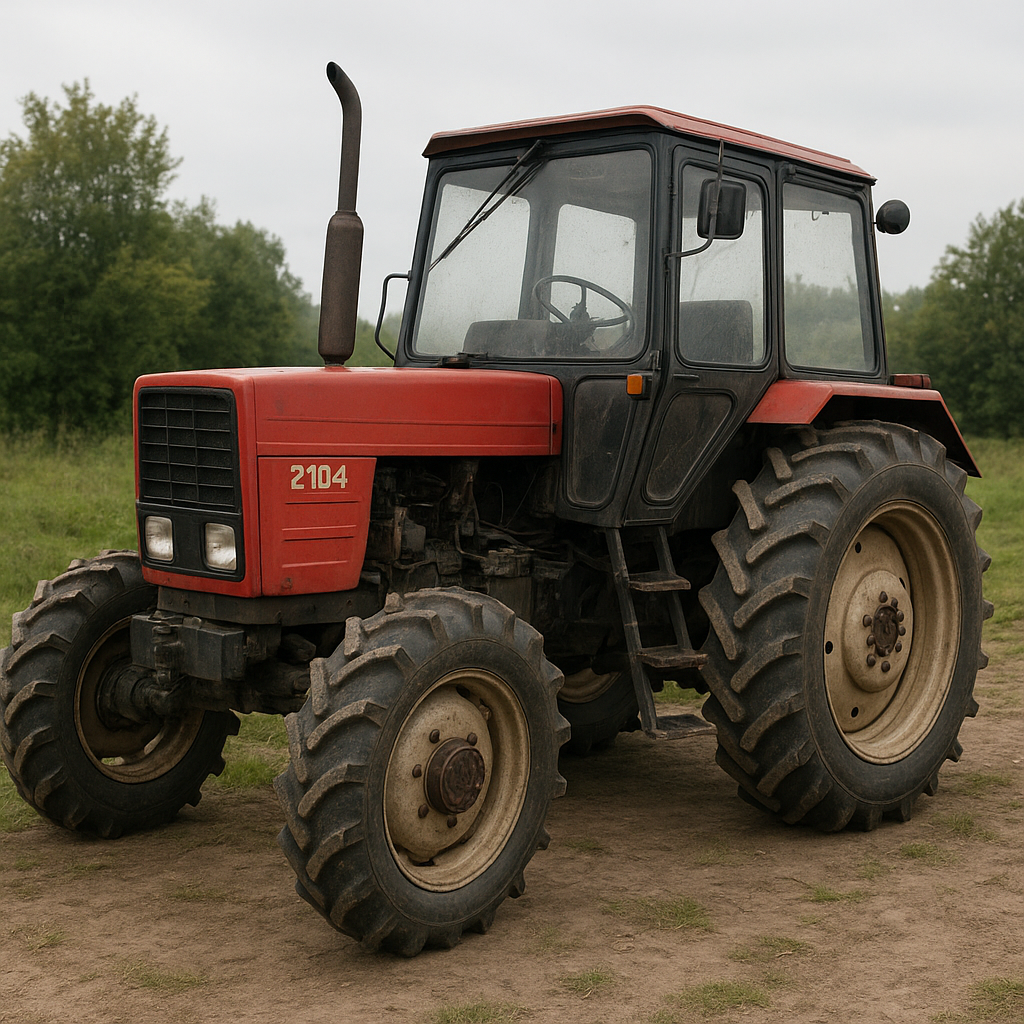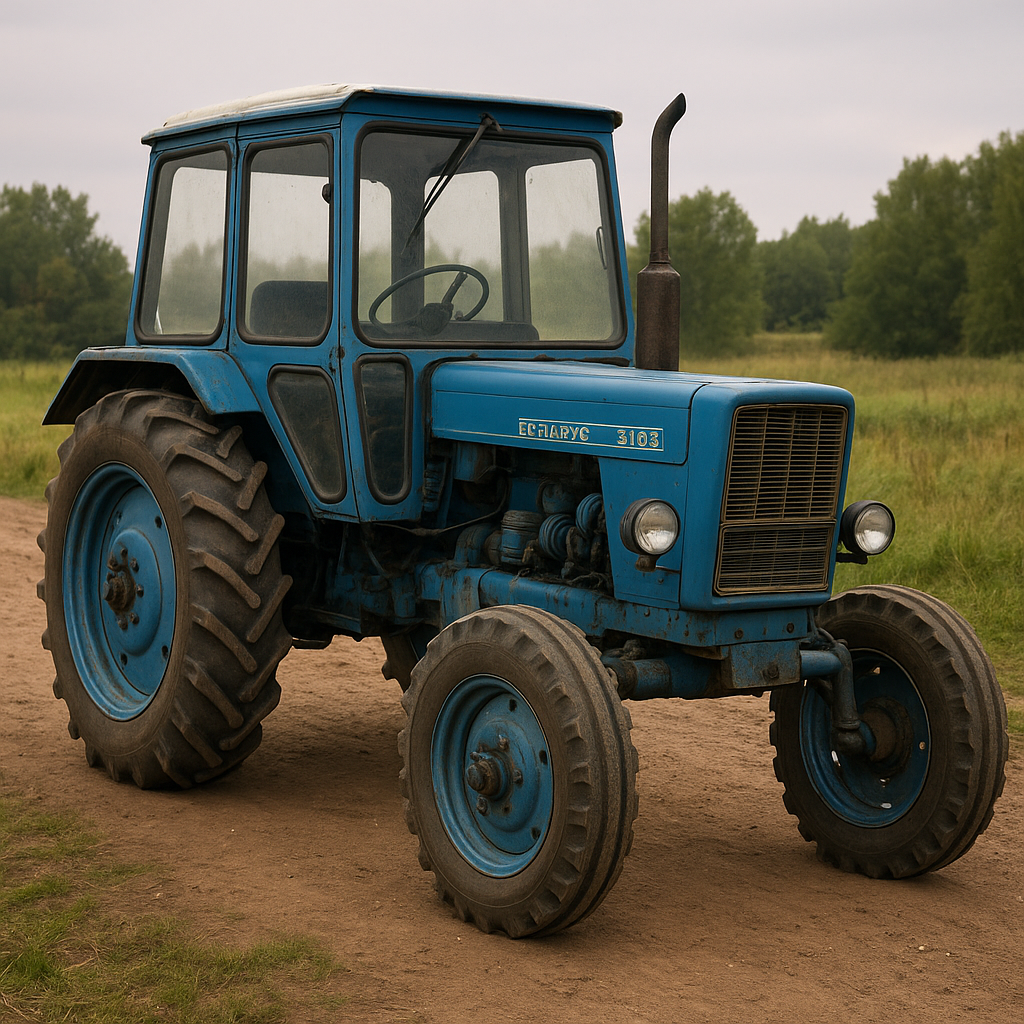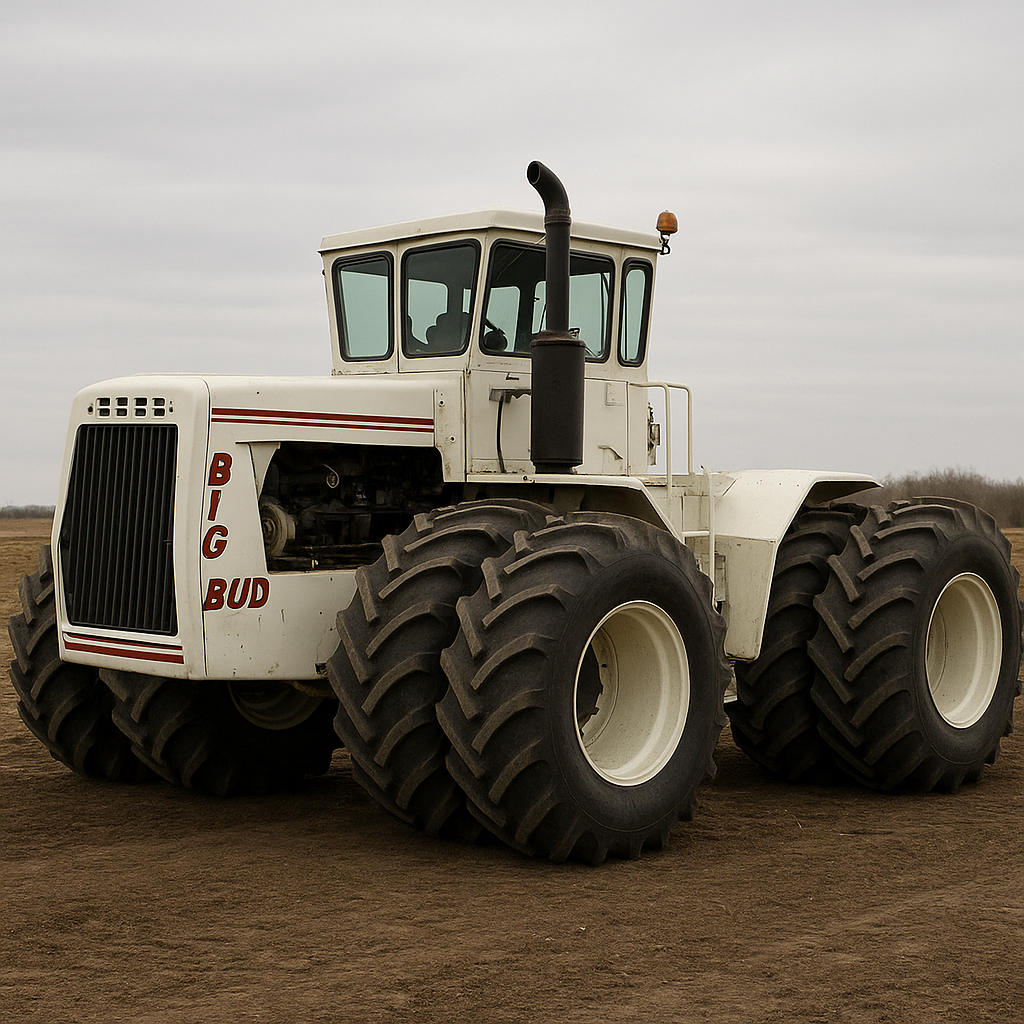
The Big Bud 350 is a member of an iconic family of giant agricultural tractors designed for the most demanding fieldwork on large farms and contract operations. Engineered to move massive loads, prepare expansive acres for planting, and tow multi‑furrow implements, the Big Bud series has become synonymous with extreme power and size in the world of farm machinery. This article explores the history, design, practical uses, operational characteristics, and broader significance of the Big Bud 350, offering both practical information for operators and enthusiasts as well as contextual data about where this machine fits into modern agriculture.
History and development of the Big Bud line
The Big Bud name is rooted in the agricultural manufacturing tradition of the northern United States. The brand became famous for pushing the limits of tractor size and power to meet the needs of large acreage farmers and custom operators. Over decades of development, Big Bud models were created to address a specific niche: farms where a single enormous tractor could increase operational efficiency by pulling very large implements and completing heavy tillage passes in fewer passes than conventional tractors.
Origins and evolution
Big Bud tractors originated in the mid‑20th century as farmers and engineers experimented with combining multiple engines or scaling up components to create machines with substantially more pulling power than mainstream tractors. The result was a line of machines that emphasized raw force, heavy frames, and robust drivetrains. While the best‑known member of the family is the record‑holding Big Bud 747, other models such as the Big Bud 350 were developed to offer very high capability in a slightly more compact package.
Over time, these tractors incorporated incremental improvements in transmission design, hydraulics, tires, and operator comfort, but the core priority remained: provide an enormous amount of work per hour for very large operations. Manufacturing locations and ownership of the Big Bud brand changed over time, but the machines continued to attract attention for their sheer scale and specialized function.
Design and technical characteristics
The Big Bud 350 is built around a philosophy of heavy‑duty construction, modular serviceability, and maximum effective field performance. While specific configurations may vary by production year and custom order, several defining design characteristics are common to the model and to the Big Bud family in general.
Engine and powertrain
The Big Bud 350 typically features a large diesel engine designed to deliver sustained high torque at agricultural engine speeds. The model number often reflects the approximate nominal horsepower class, so a Big Bud 350 is commonly associated with the 300–400 hp range in typical configurations. Engines are selected for durability and torque rather than lightness, ensuring effective operation when pulling large implements at low ground speeds.
- Engine type: Heavy‑duty turbocharged diesel (varies by model year and rebuilds)
- Horsepower range: Approximately in the 300–400 hp class (nominal; PTO and drawbar ratings will differ)
- Cooling and air systems: Oversized radiators and filtration to manage sustained heavy loads
Transmission, axles and traction
Transmission options on Big Bud tractors are robust and designed for heavy loads: mechanical gearboxes or powershift transmissions with multiple ranges to match engine output to field speed. Big Bud tractors emphasize low‑speed, high‑torque operation—ideal for deep tillage and large implement pulling—so transmissions are rated to handle substantial torque loads.
- Drive layout: Usually 4WD heavy‑duty configuration for maximum traction
- Axles: Reinforced axles with large hubs and bearings to support heavy ballasted weight
- Tires: Very large agricultural tires or dual wheel setups to spread weight and reduce soil compaction
Hydraulics, hitching and implements
Hydraulic systems on the Big Bud 350 are sized to lift and control very large implements. The three‑point hitch and drawbar arrangement allow the tractor to pull wide plows, deep rippers, strip‑till equipment, and large seeders. Auxiliary hydraulic circuits enable the operation of modern implements that require flow for coulter gangs, seed meters, or folding mechanisms.
- Hydraulic flow: High‑capacity pumps for multiple remote circuits
- Hitching: Heavy‑duty drawbar and hitch receivers suitable for multi‑ton implements
- PTO options: PTO outputs where specified to match implement requirements
Applications and typical uses
The Big Bud 350 is used where scale and efficiency are the primary goals. Its typical roles reflect the needs of large grain farms, custom soil prep contractors, and operations in regions with extensive contiguous fields.
Primary agricultural applications
- Tillage: Primary and secondary tillage using large chisel plows, cultivators, and discs. The Big Bud 350 excels at deep ripping and reducing the number of passes required to prepare seedbeds.
- Seeding and planting support: Pulling wide planters and air seeders that cover many acres per pass, which reduces field time and fuel per acre under the right conditions.
- Land reclamation and preparation: Tasks such as breaking sod, deep ripping compacted subsoils, and prepping marginal ground for production or grazing.
- Custom contracting: Contractors who work across many farms or on very large properties often use machines like the Big Bud 350 for jobs that require consistent heavy pulling and wide implement support.
Non‑field uses and cultural roles
Beyond everyday fieldwork, Big Bud tractors have a presence as showpieces and in agricultural museums due to their cultural significance. Owners sometimes use them for promotional events, parades, or as landmarks at farm equipment museums. They also attract enthusiasts who restore and preserve large vintage agricultural machines.
Performance statistics and operating considerations
When evaluating the Big Bud 350 for purchase or operation, several performance statistics and practical operating considerations are key. Exact numbers depend on configuration, year, and maintenance, but general ranges and expectations can be stated.
Fuel consumption and efficiency
Fuel consumption is one of the most important economic factors. Under heavy field load, large diesel tractors consume substantial fuel. For a tractor in the 300–400 hp range like the Big Bud 350:
- Estimated heavy‑load fuel consumption: commonly in the range of roughly 8–25 gallons per hour depending on engine tuning, duty cycle, and ground speed.
- Fuel use per acre: Highly dependent on implement width, soil type, and required passes. Wider implements reduce fuel per acre by covering more ground, which is a major advantage of very large tractors.
Fuel efficiency in big tractors is often evaluated as a system — the tractor plus the implement — because a larger tractor pulling a wider implement can lower the fuel cost per acre despite high hourly consumption.
Field capacity and productivity
Field capacity is typically measured in acres per hour and depends on implement width and travel speed. The Big Bud 350, when matched to large implements, delivers higher acres per hour than a smaller tractor with a narrower tool. Typical influencing factors include soil conditions, terrain, turning time on headlands, and operator skill.
- Acres per hour: Ranges widely; matching implement width is crucial to realizing productivity gains.
- Operating speed: Designed for effective operation at low forward speeds under high draft loads, maximizing power transfer to the ground.
Weight, soil impact and ballasting
Large tractors are heavy, and weight must be managed to balance traction and soil conservation. Operators will ballast the Big Bud 350 to prevent wheel slip under heavy draft, but they also consider tire selection, duals, or flotation options to limit compaction.
- Operating weight: Typically several tons; exact weight depends on ballast and tire configuration.
- Soil compaction: Mitigated using wide flotation tires, dual wheels, or controlled traffic strategies.
Maintenance, operating costs and life cycle
Owning and operating a Big Bud 350 involves commitments in service, parts, and skilled labor. These machines are robust, but their size and specialized components influence total cost of ownership.
Routine maintenance
Regular maintenance includes oil and filter changes, cooling system checks, transmission service, hydraulic oil and filter replacement, and inspection of driveline components. Given the heavy loads these tractors carry, proactive attention to bearings, seals, and fasteners reduces the risk of catastrophic failures in the field.
- Maintenance intervals: Follow engine and component manufacturer recommendations; expect higher frequency under continuous heavy usage.
- Parts availability: Some parts are common heavy‑duty components, but model‑specific items may require sourcing from specialty suppliers or the collector community.
Operating cost factors
Key costs include:
- Fuel — often the largest ongoing expense.
- Repairs and parts — especially for transmission and axle components under heavy draft.
- Labor — operators and mechanics experienced with large tractors.
- Insurance, storage, and transport — moving large equipment between fields or to service locations may require special transport.
Despite these costs, the Big Bud 350 can be cost‑effective for very large operations because of its potential to increase productivity per hour and reduce the number of passes needed to cover an acre.
Comparisons, modern alternatives and technological integration
While Big Bud tractors stand out for size and raw power, modern agriculture has diversified the ways farmers achieve high productivity. The Big Bud 350 should be viewed in the context of contemporary options.
Comparisons with articulated and four‑wheel drive tractors
Modern high‑horsepower tractors from mainstream manufacturers (e.g., brands producing articulated tractors or heavy 4WD units) often incorporate advanced transmissions like continuously variable transmissions (CVT/IVT), refined emissions control, and more integrated electronics. These machines can rival a Big Bud in horsepower while offering different tradeoffs in efficiency, maneuverability, and service networks.
- Advantages of Big Bud 350: Exceptional single‑tractor pulling capability, simplicity in heavy structural components, strong resale and collector interest.
- Advantages of modern tractors: Better fuel management systems, precision ag integration (GPS, auto‑steer, sectional control), and wider dealer support networks.
Precision agriculture and retrofits
Many Big Bud tractors have been retrofitted with modern electronics for GPS guidance, autosteer, and implement control. These upgrades allow owners to reduce overlap, improve accuracy in seeding and application, and integrate the machine into modern farm data systems. Retrofitting can be a cost‑effective way to gain precision benefits while preserving the mechanical strengths of the Big Bud platform.
Market, collectibility and cultural significance
Beyond practical fieldwork, the Big Bud 350 has market and cultural dimensions worth noting. Collectors and agricultural museums value Big Bud tractors for their engineering audacity and visual impact.
Resale market and value factors
Resale prices depend on condition, hours, maintenance history, and how closely the machine matches the needs of potential buyers. Factors that can increase value include documented service records, recent major overhauls, and fitted modern electronics. Conversely, extensive repair needs or difficulty sourcing specialty parts can reduce market value.
Cultural and educational roles
Big Bud tractors are often showcased at farm shows, rallies, and museums to demonstrate the history of agricultural mechanization. They highlight how engineers and farmers solved productivity problems at scale and offer hands‑on educational opportunities about gearing, hydraulics, and heavy equipment operation.
Practical advice for prospective owners and operators
If you are considering acquiring a Big Bud 350 or hiring one for contract work, a few practical considerations help ensure the machine suits your operation:
- Match implement width to the tractor’s effective horsepower so the tractor is neither under‑ nor overused.
- Plan for fuel logistics: secure on‑farm storage and refueling systems to minimize downtime.
- Use flotation tires or dual wheels where necessary to reduce soil compaction.
- Keep a maintenance log and perform preventative servicing to avoid costly field failures.
- Evaluate the benefits of retrofitting GPS guidance and telemetry to track performance and improve field efficiency.
Summary and outlook
The Big Bud 350 represents a class of agricultural equipment built for power, durability, and performance in very large field operations. While precise specifications such as exact horsepower, weight, and fuel consumption vary by configuration and year, the consistent characteristics are a focus on heavy‑duty components, superior traction, and the ability to support wide implements to maximize acres covered per hour. For large farms, contractors, and collectors, the Big Bud 350 remains a compelling machine—one that bridges historical craftsmanship and modern agricultural demands when appropriately configured and maintained.