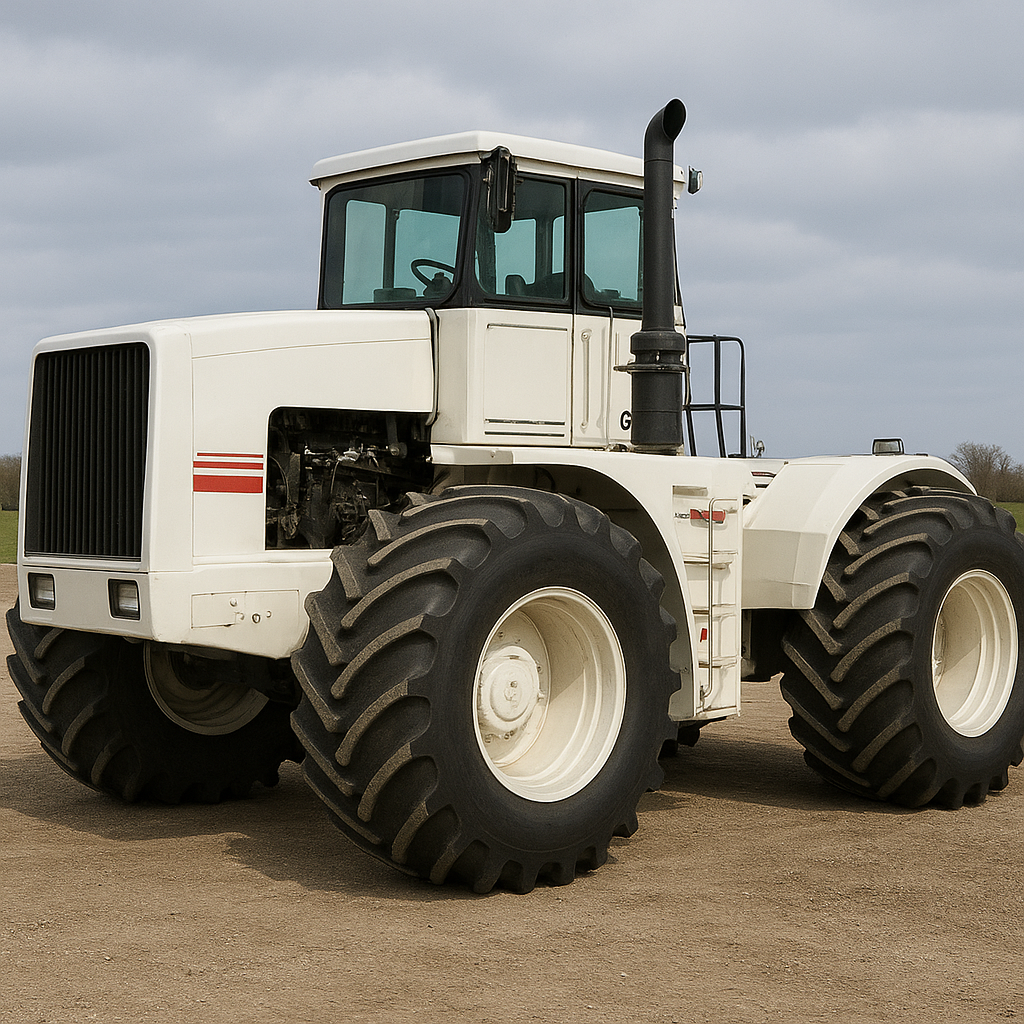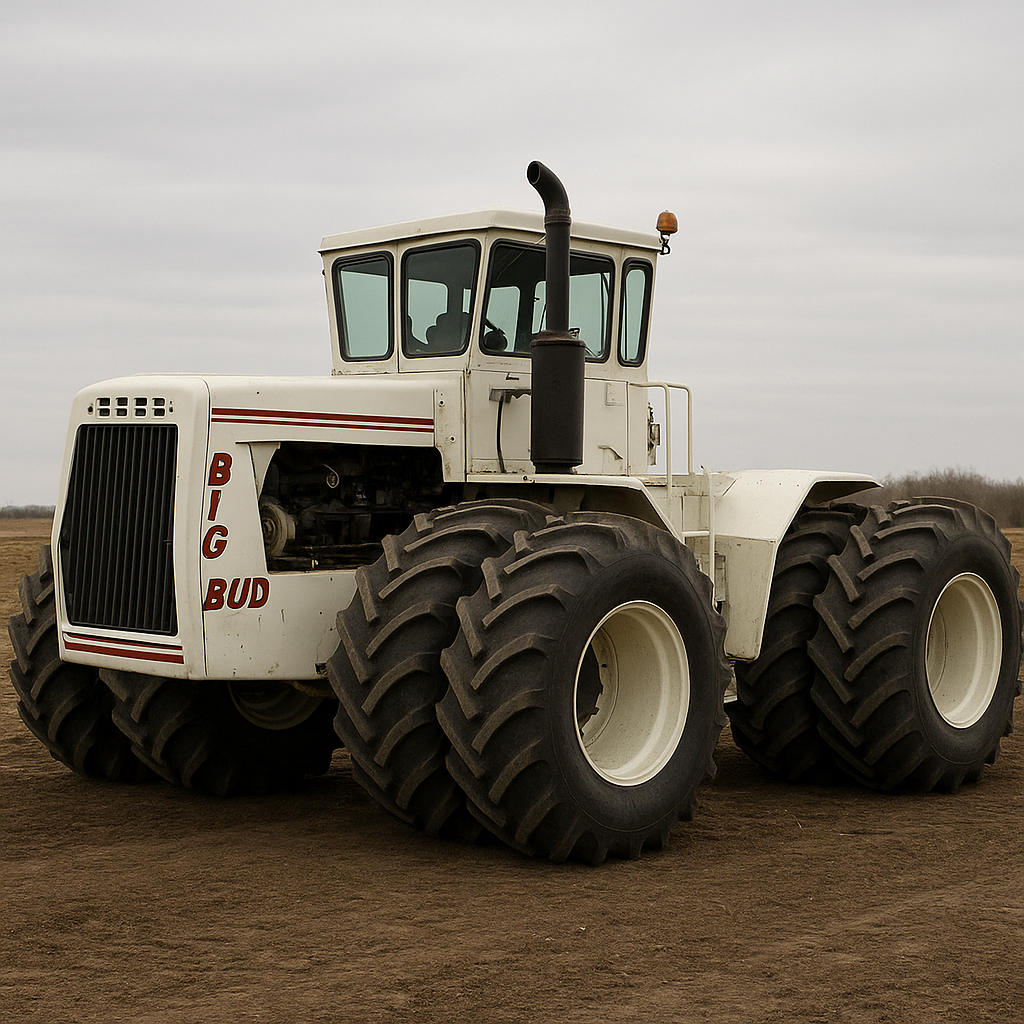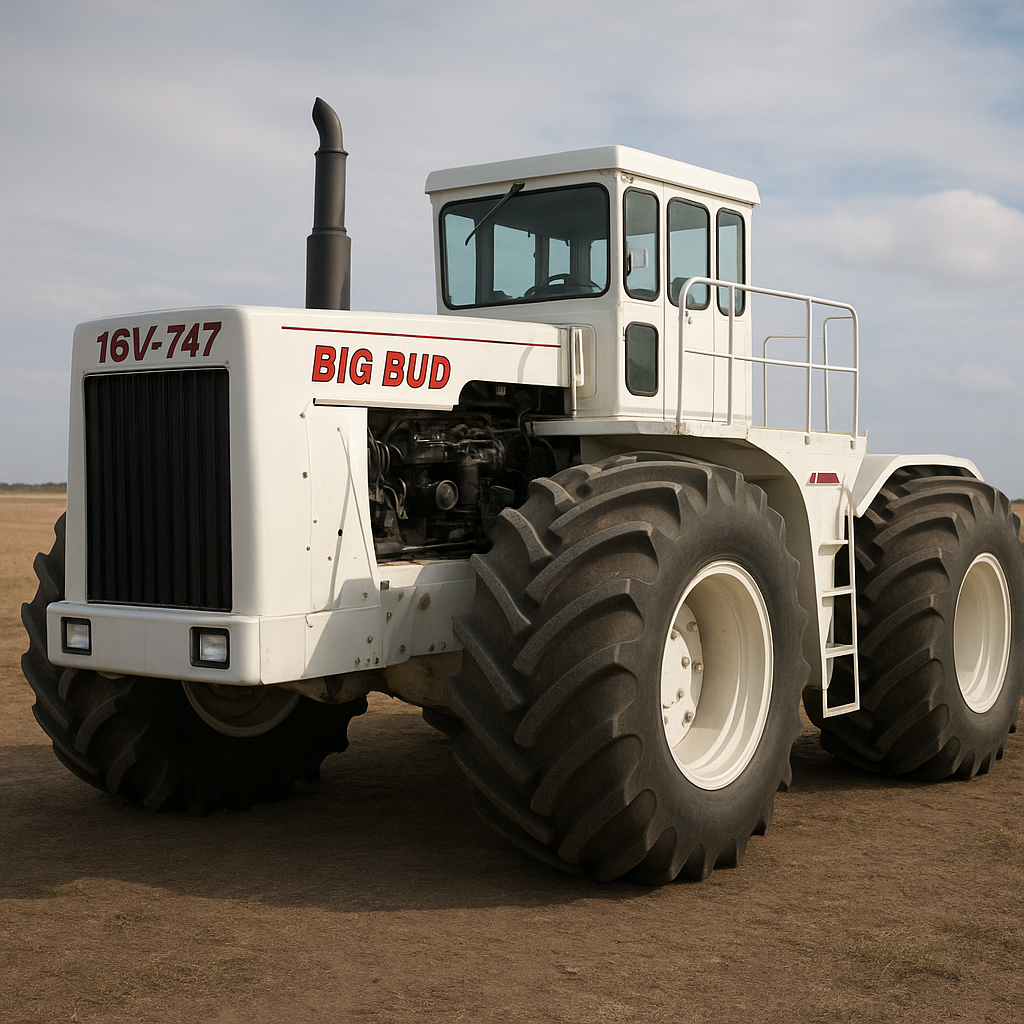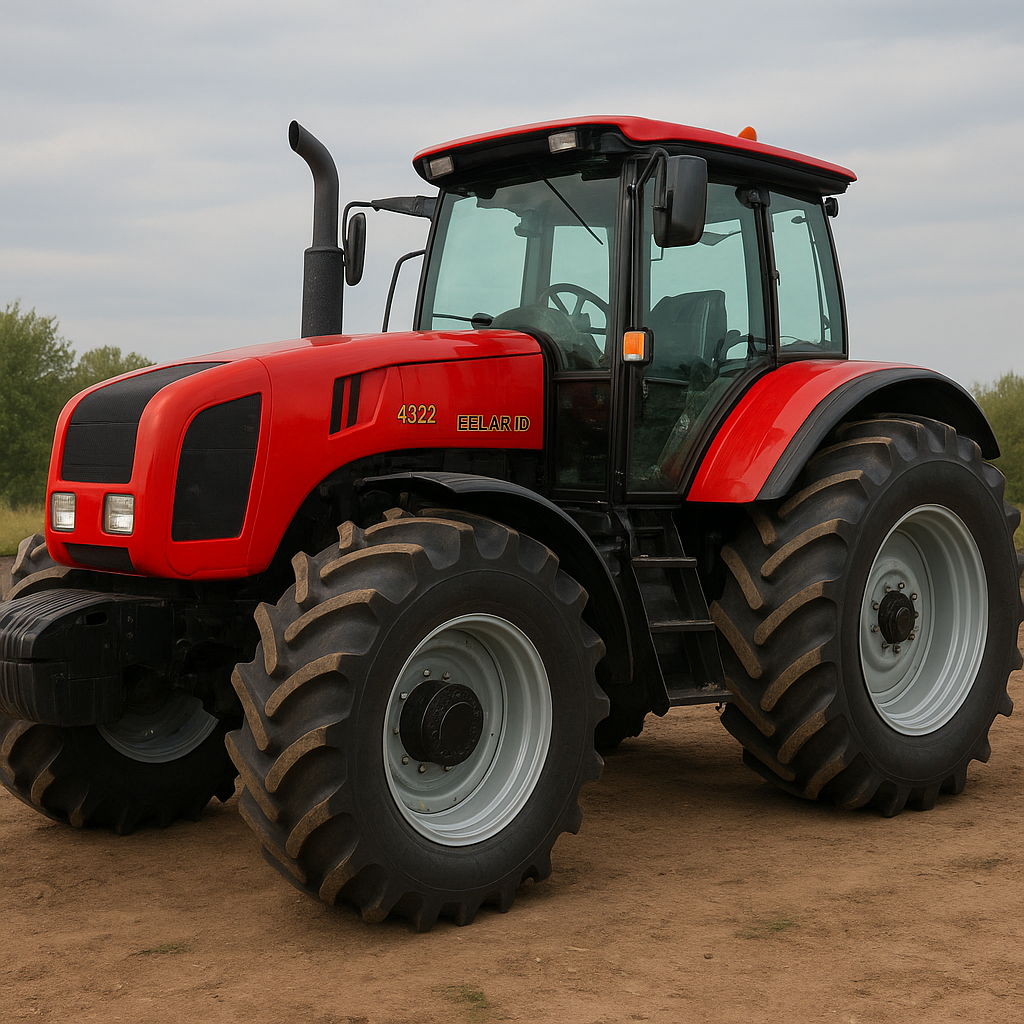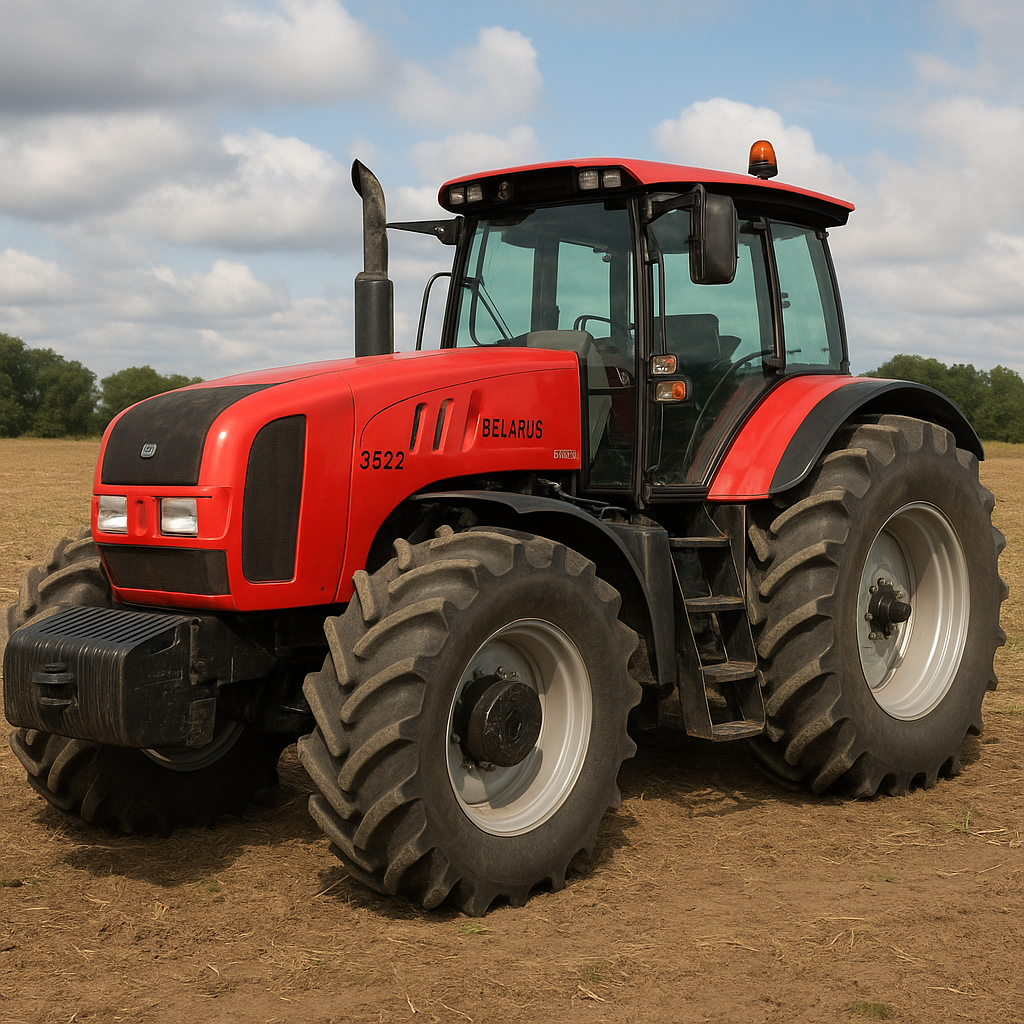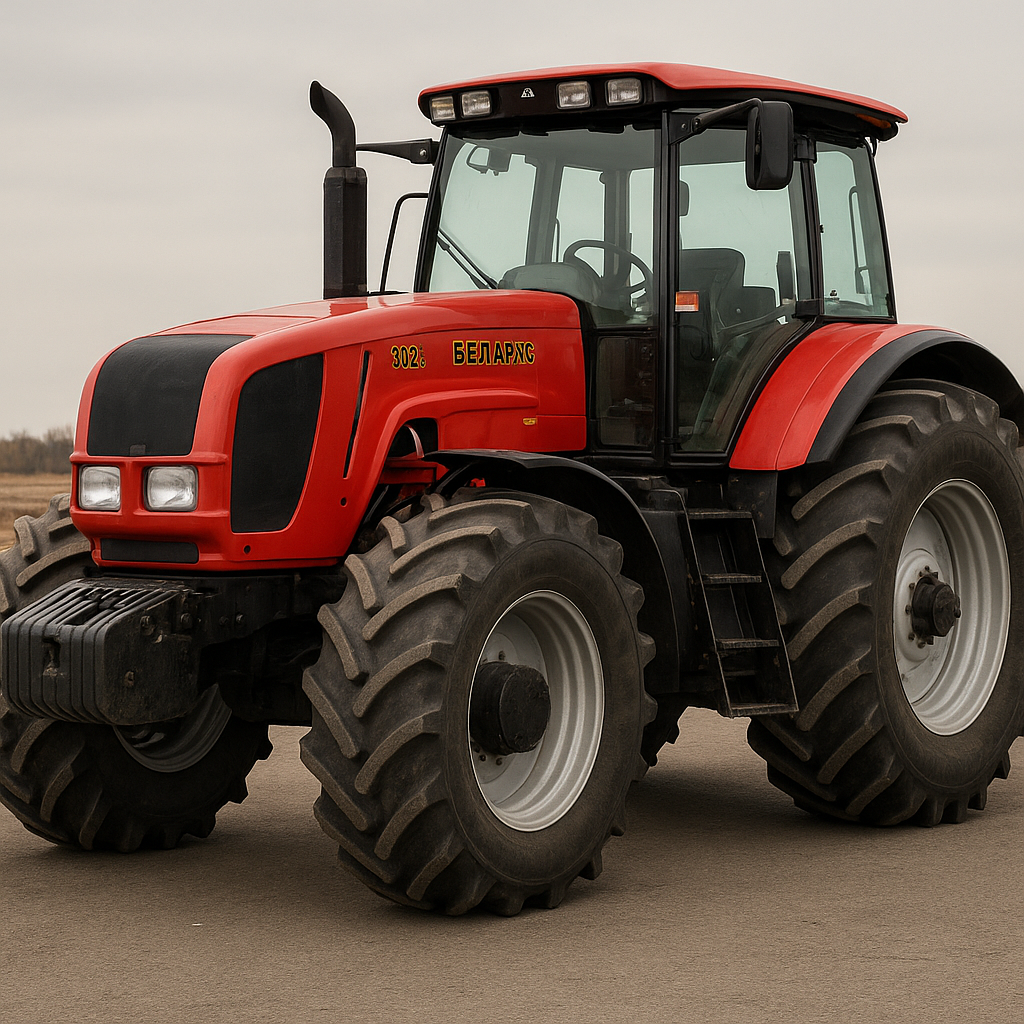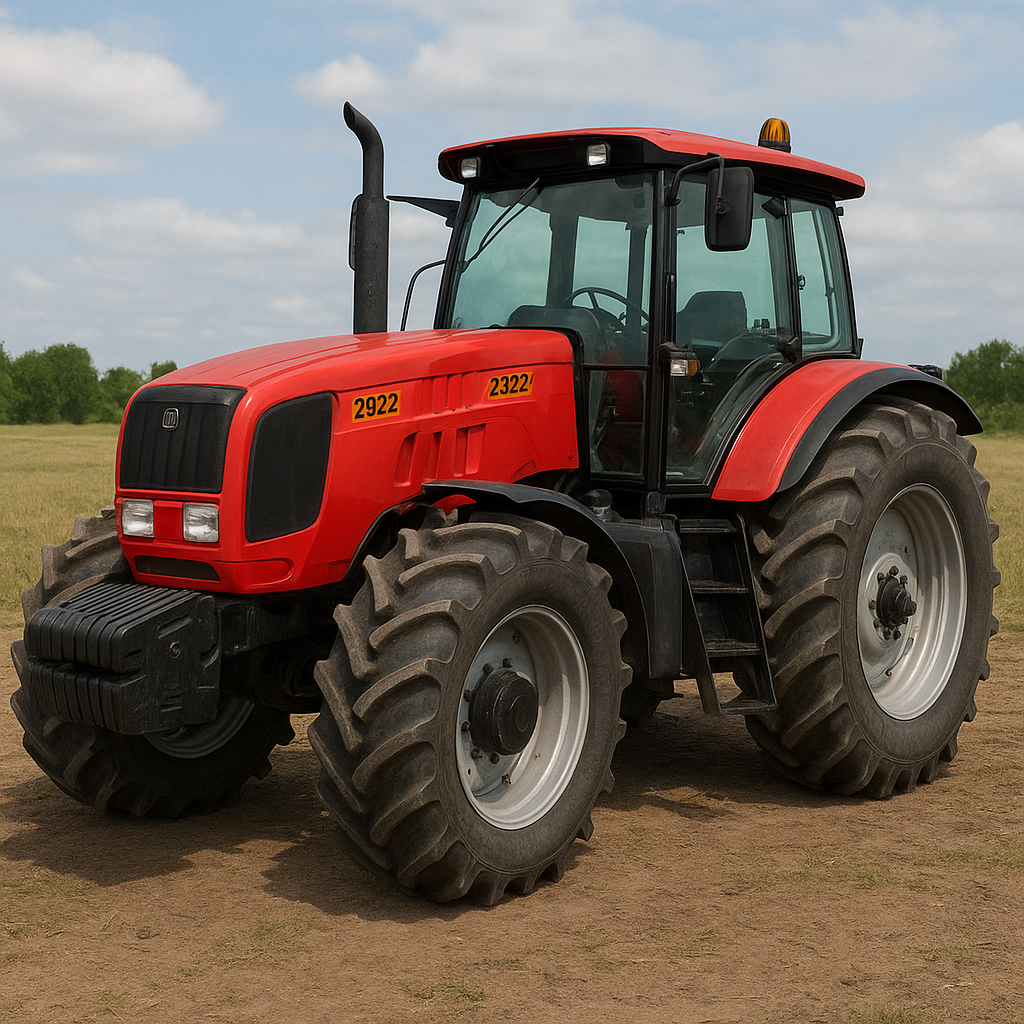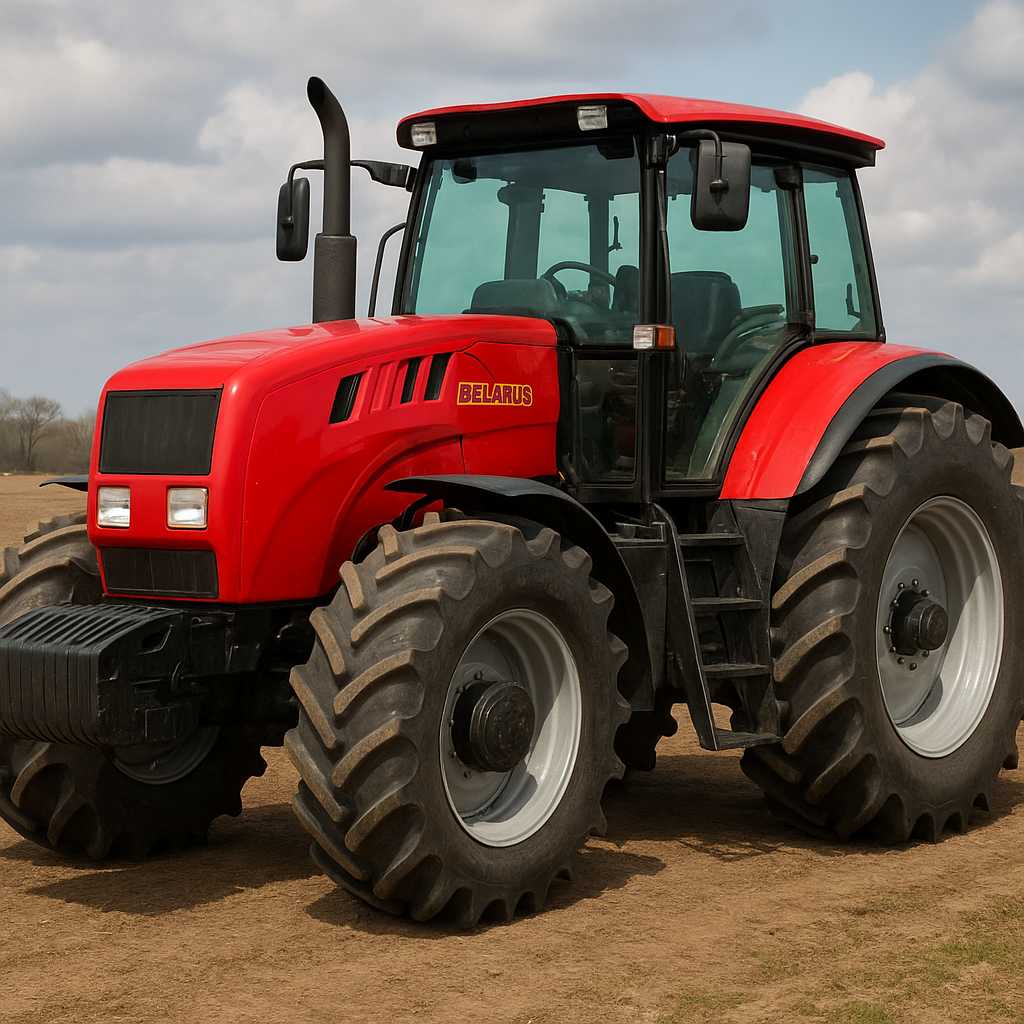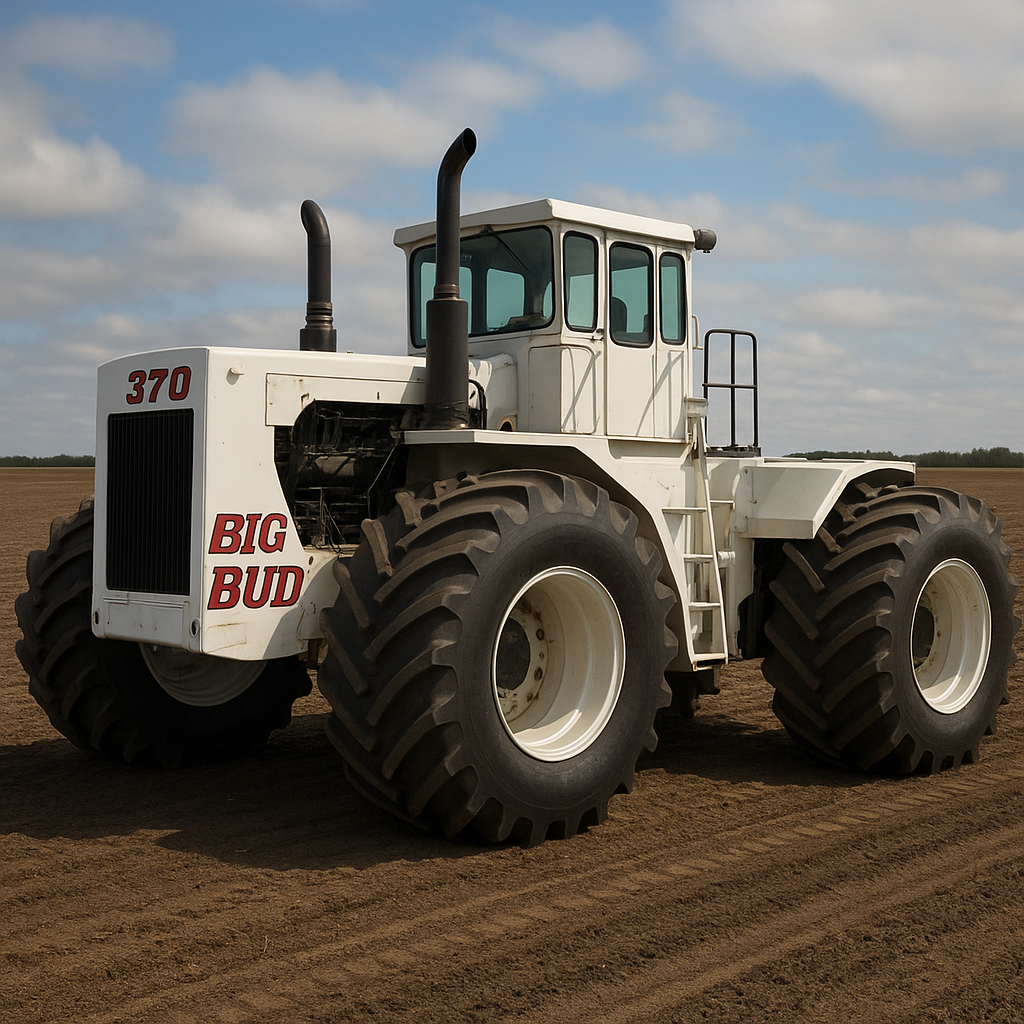
The Big Bud 370 is a member of the family of high-capacity agricultural tractors that symbolize the drive for increased productivity in large-scale farming. Designed to handle heavy draft work, broad tillage, and large implements, this tractor sits in a niche where raw pulling power, stability, and durability are prioritized over compactness and road speed. In the following sections, we explore the history, design features, typical applications, operational considerations, and the cultural and economic roles of the Big Bud 370. Throughout the text you will find practical insights, comparative context, and notes on known specifications where available.
History and background
The name Big Bud evokes images of some of the largest farm tractors ever built. While the most famous model from the marque is the Big Bud 747—often described as the world’s largest farm tractor—the line includes other models intended for high-horsepower, heavy-duty fieldwork. The model designation “370” generally signals a tractor designed around the neighborhood of 370 horsepower, positioning it for operations that require substantial but not extreme maximum output.
The Big Bud line emerged in response to the consolidation of farms and the rising scale of agricultural operations in the mid-to-late 20th century. As farms expanded, the need for tractors that could pull wider plows, seeders, and cultivators without the complexity and inefficiency of multiple smaller tractors became clear. The Big Bud 370 was designed to meet that demand: a machine that balanced high drawbar/thrust capability with manageable size and transportability for large field operations.
Manufacturing and ownership histories vary by region; Big Bud tractors were engineered with a focus on customizability and adaptability, allowing owners to modify machines for specific crop systems and soil types. Over time, these tractors became associated not only with functionality but with a certain cultural cachet among collectors and enthusiasts of heavy agricultural equipment.
Design and technical characteristics
At the heart of the Big Bud 370’s appeal is its combination of horsepower, torque delivery, and robust chassis design. While exact factory specifications vary by model year and configuration, some general design features are consistent across Big Bud tractors and especially relevant to the 370-class machines.
Engine and powertrain
- Engine: The model number typically indicates nominal engine horsepower near 370 hp. Engines used in this class are high-displacement diesel units tuned for sustained high-torque output at moderate RPMs, suitable for heavy draft work.
- Transmission: Heavy-duty powershift or manual transmissions with multiple speed ranges are common. These designs emphasize reliability and allow operators to match engine load to implement demand precisely.
- Drivetrain: Many Big Bud tractors use full-time or selectable four-wheel drive arrangements, often with large-diameter axles and heavy-duty differentials to transfer torque to the ground without implanting excessive wheel slip.
Chassis, tires, and ballast
The Big Bud 370 typically features a reinforced frame and a long wheelbase to distribute weight and improve traction under heavy loads. Tire options range from very large flotation tires to dual-wheel setups depending on field conditions and soil compaction concerns. Ballast is often adjustable: operators add or remove weights or use liquid ballast systems to optimize draft force and minimize slip.
Hydraulics and three-point linkage
Strong hydraulic systems with high flow rates are important for powering large implements, lifting, and controlling complex seeders or planters. PTO systems on tractors of this size are designed to handle high torque loads and frequently use heavy-duty couplings and a mid- or rear-mounted PTO shaft.
Operator environment and controls
Given long hours in the field, operator comfort and visibility are central to design. Cab insulation, ergonomic controls, and clear sightlines are typical, with later models or retrofits offering air conditioning, advanced suspension seats, and even GPS-compatible control packages for precision farming.
Applications and field use
The Big Bud 370 is intended for large-acreage, high-intensity operations where efficiency and the ability to pull wide implements are key. Typical uses include:
- Tillage: Large moldboard plows, cultivators, and disk harrows — where significant draft power is needed to cut and turn soil at depth.
- Seeding and planting: Pulling multi-row planters or air seeders across broad swaths in a single pass to reduce field operating time.
- Fertilizer and chemical application: Towing large tanks or booms for nutrient and pest management across many hectares.
- Land leveling and reclamation: Heavy earthmoving implements for land preparation in irrigation or reclamation projects.
- Custom work: Contracting and custom hire where a single heavy tractor can replace multiple smaller units, saving time and labor.
For these tasks, the Big Bud 370’s strengths are its ability to pull wide implements with reduced pass counts, its resilience in heavy soils, and its adaptability to different attachment types. Its design emphasizes continuous power delivery and cooling capacity so it can operate for long periods without overheating or transmission stress.
Performance and operational considerations
Operating a tractor like the Big Bud 370 requires understanding of several performance trade-offs and practical constraints.
Fuel consumption and efficiency
High-horsepower tractors consume significant diesel when under heavy load. Fuel use scales with implement width and operating depth; operators seeking to maximize fuel efficiency often adopt wider implements to reduce total passes, optimize gear choice and RPM, and use telemetry or guidance systems to minimize overlap. While exact consumption numbers vary, fuel efficiency planning is a major part of operating cost calculations for machines in this class.
Soil compaction and mitigation
Large tractors can increase the risk of soil compaction, especially when used repeatedly on the same traffic lanes. To mitigate compaction, operators use flotation tires, duals or tracks, controlled traffic farming systems, and minimize passes by combining operations where possible.
Maintenance and service
Maintenance of a Big Bud 370 is more intensive (and generally more expensive) than for smaller utility tractors. Important maintenance tasks include:
- Regular engine and transmission oil changes using heavy-duty lubricants.
- Cooling system checks and radiator cleaning to prevent overheating under load.
- Tire inspections and frequent pressure monitoring to ensure even wear and reduce compaction risks.
- Hydraulic system servicing and filter replacement to maintain implement control reliability.
Because some Big Bud tractors are custom-built or modified, parts may sometimes be non-standard; good workshop practices and access to skilled diesel mechanics are essential.
Economic, environmental, and farm-management impacts
Choosing a high-horsepower tractor such as the Big Bud 370 is as much an economic decision as a technical one. Farms must balance the capital cost and operating expenses against expected gains in productivity and scheduling flexibility.
Economics
- Capital cost: Purchase price (or equivalent leasing cost) for a large tractor can be much higher than for mainstream utility tractors; many operations justify the cost by reducing the number of passes and machines required for major field operations.
- Operating costs: Fuel, tires, maintenance, and insurance are significant. However, by increasing implement widths and reducing labor and field time, effective cost-per-acre can fall.
- Depreciation and resale: Heavy tractors often hold collector or specialty value, and well-maintained machines may retain reasonable resale prices within niche markets.
Environmental considerations
Environmental trade-offs include fuel consumption and soil health. Modern management strategies aim to reduce negative impacts through precision guidance systems (to reduce overlaps), variable-rate applications (to reduce chemical use), and reduced-tillage systems that limit passes. In some cases, farms retrofit large tractors with emission-control upgrades or acquire more modern engines to improve fuel efficiency and reduce particulate emissions.
Modifications, modernizations, and technological upgrades
Given their rugged frames and powerful drivetrains, many Big Bud 370 tractors have been modernized over time. Common upgrades include:
- GPS and auto-steer systems for precise field work and reduced operator fatigue.
- Improved cabs with climate control and advanced monitoring displays.
- Hydraulic and electronic control retrofits to improve implement responsiveness and enable precision-planting tools.
- Engine or transmission swaps with more efficient modern units where feasible and economically justifiable.
Custom shops and larger farm maintenance departments often perform these upgrades, recovering some of the initial capital investment by extending service life and improving overall efficiency.
Safety, transport, and legal aspects
Large tractors present specific safety and transportation considerations. Road transport may require escort vehicles or special permits in some jurisdictions due to width and weight. Operators must be trained in heavy equipment handling, and farms usually adopt strict lockout/tagout and maintenance protocols to reduce accident risk. Visibility aids, lighting, and reflective marking are standard for machines that operate near public roads.
Legacy, collectability, and cultural meaning
Big Bud tractors, including the 370-class machines, occupy a special place among agricultural machinery enthusiasts. They represent an era when sheer mechanical scale was a key route to productivity gains. Well-preserved examples can be sought after by collectors, museums, and historic farming displays.
These tractors also serve as focal points at agricultural shows and parades, where their size and engineering draw public interest. Their legacy is twofold: a story of industrial innovation in agriculture and a continuing practical role on farms that require heavy-duty field capability.
Notes on specifications and statistics
Precise factory specifications for the Big Bud 370 can vary by build year, regional configuration, and later modifications. In general:
- The “370” designation commonly refers to the engine’s approximate rated horsepower; actual engine output, drawbar power, and PTO ratings depend on calibration and accessory equipment.
- Operating weight for tractors in the 300–400 hp class typically ranges widely based on ballast and tire configuration; many heavy tractors weigh multiple tons and can exceed several metric tons when ballast and implements are included.
- Fuel consumption under heavy draft conditions is substantial; operators should plan for significant diesel use during peak operations.
Because many Big Bud units were produced in smaller batches or were individually modified, authoritative manufacturer-produced specification sheets may not be as readily available as they are for mass-produced mainstream tractors. For exact numbers relevant to a given unit, the best source is the machine’s serial plate, owner’s manual for that serial batch, or an experienced heavy-tractor mechanic who has inspected the machine.
Practical advice for prospective owners and operators
- Assess needs: Confirm that your operation needs a high-horsepower tractor; for many farms, a team of smaller tractors with modern implements and precision systems can be more flexible and less costly in the long run.
- Inspect carefully: Before purchase, get a thorough mechanical inspection focusing on engine health, transmission condition, hydraulics, and chassis integrity.
- Plan for maintenance: Ensure access to parts, an experienced service provider, and spare components that are likely to wear on a heavy machine.
- Consider retrofit options: GPS, improved cab comfort, and updated hydraulics or electronics can dramatically improve productivity and reduce operator fatigue.
- Mind soil health: Use wide implements, controlled traffic systems, or tracks where soil compaction is a concern to preserve long-term field productivity.
Conclusion
The Big Bud 370 sits at the intersection of brute agricultural power and practical farm economics. Designed to deliver substantial pulling capability and long, reliable hours in the field, it appeals to large-scale growers and custom operators who need to accomplish wide, heavy tasks efficiently. While exact statistics for specific Big Bud 370 units may vary due to custom options and later modifications, the model’s general identity as a high-horsepower, heavy-duty tractor is clear.
Whether valued for its operational capacity or its place in agricultural history, the Big Bud 370 represents a chapter in mechanized farming where scale was leveraged to increase productivity. Prospective owners should weigh the machine’s performance advantages against maintenance, fuel, and soil-management considerations to ensure that it fits the farm’s long-term strategy.