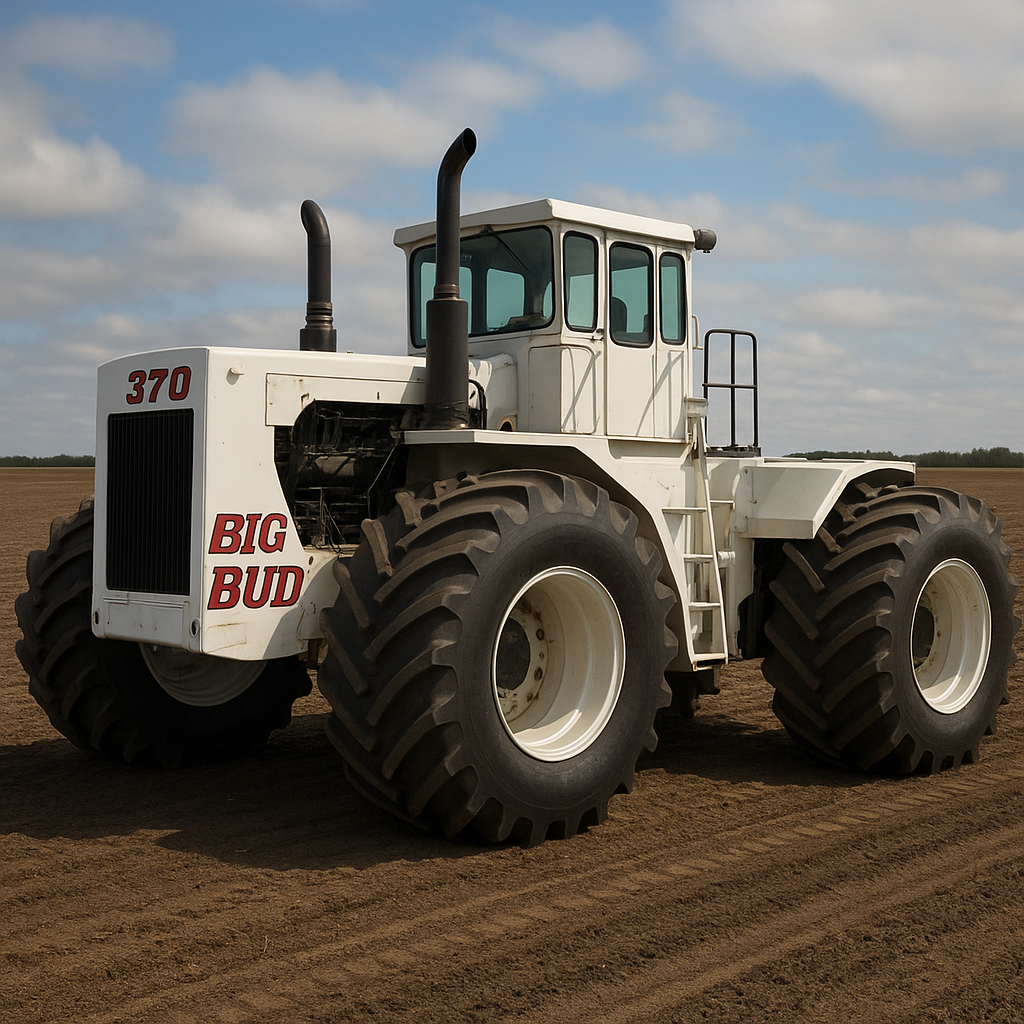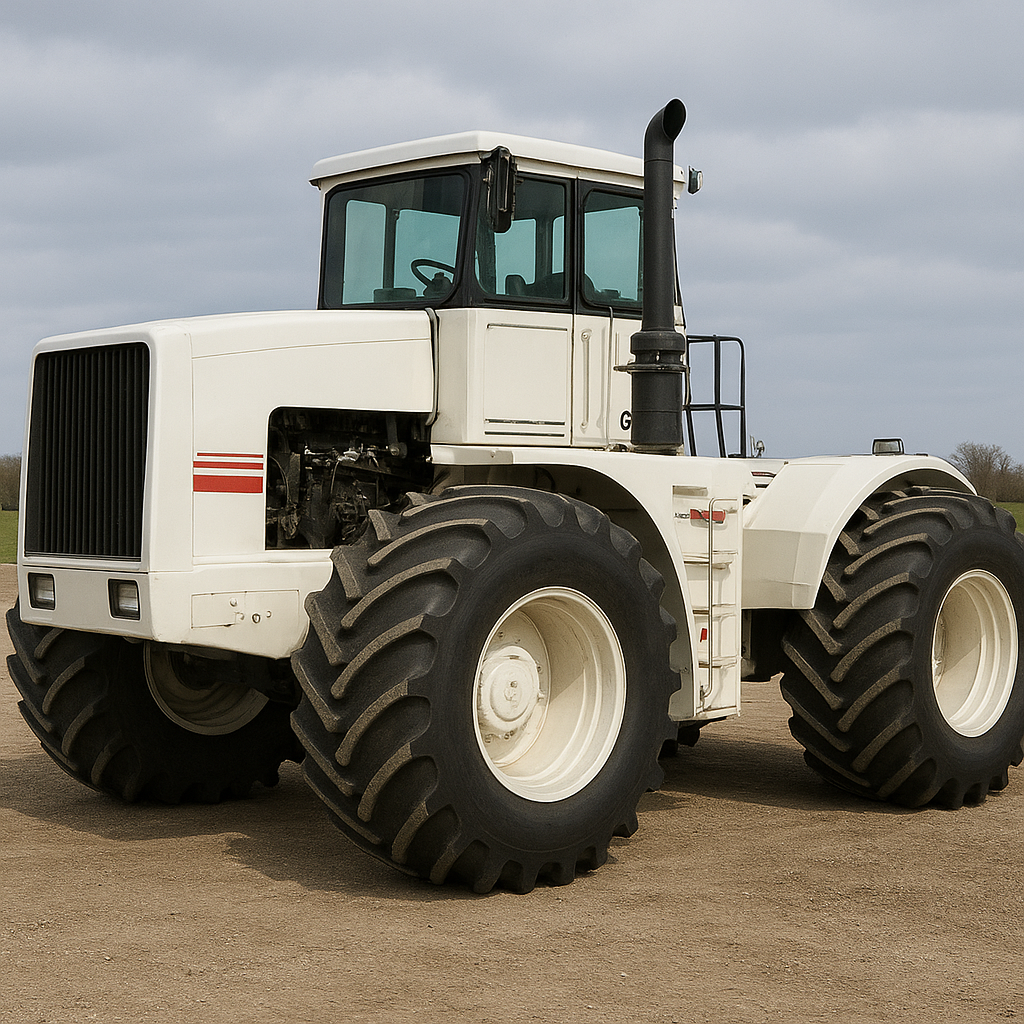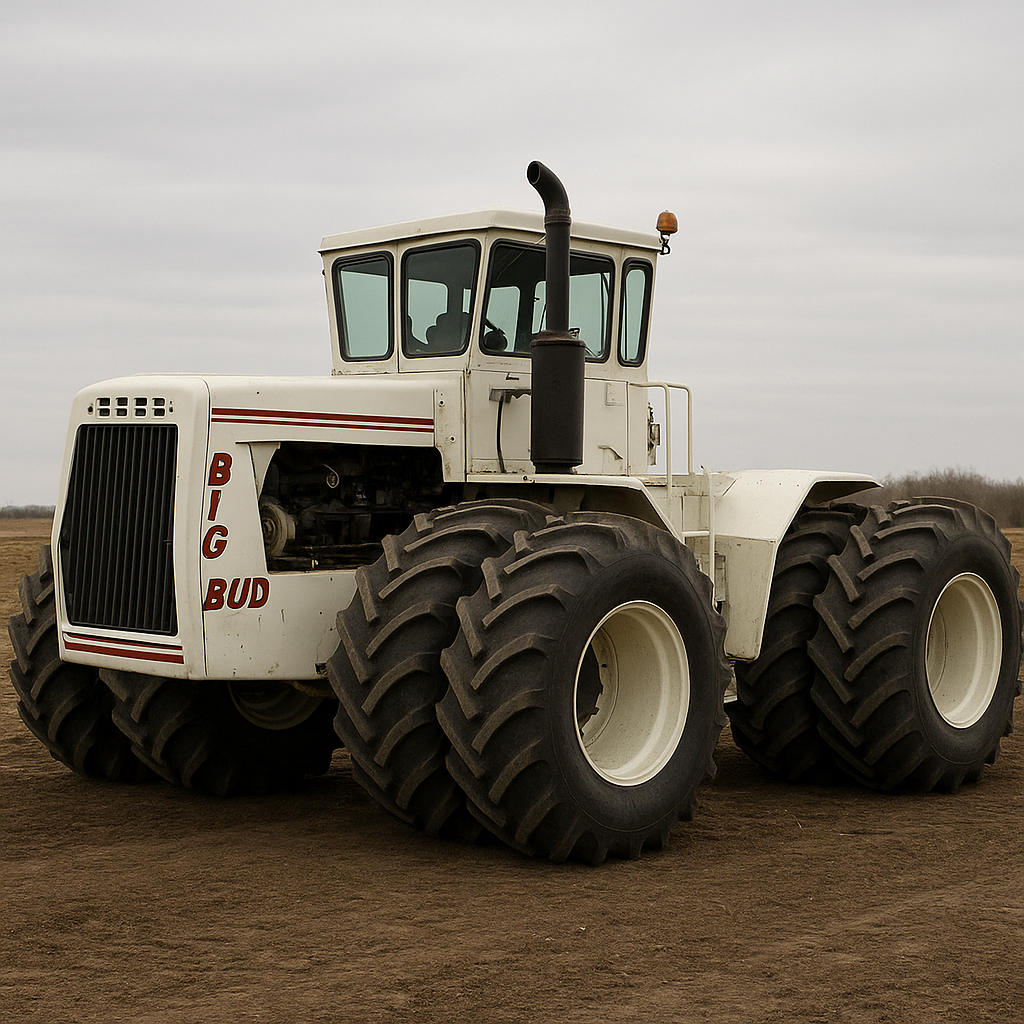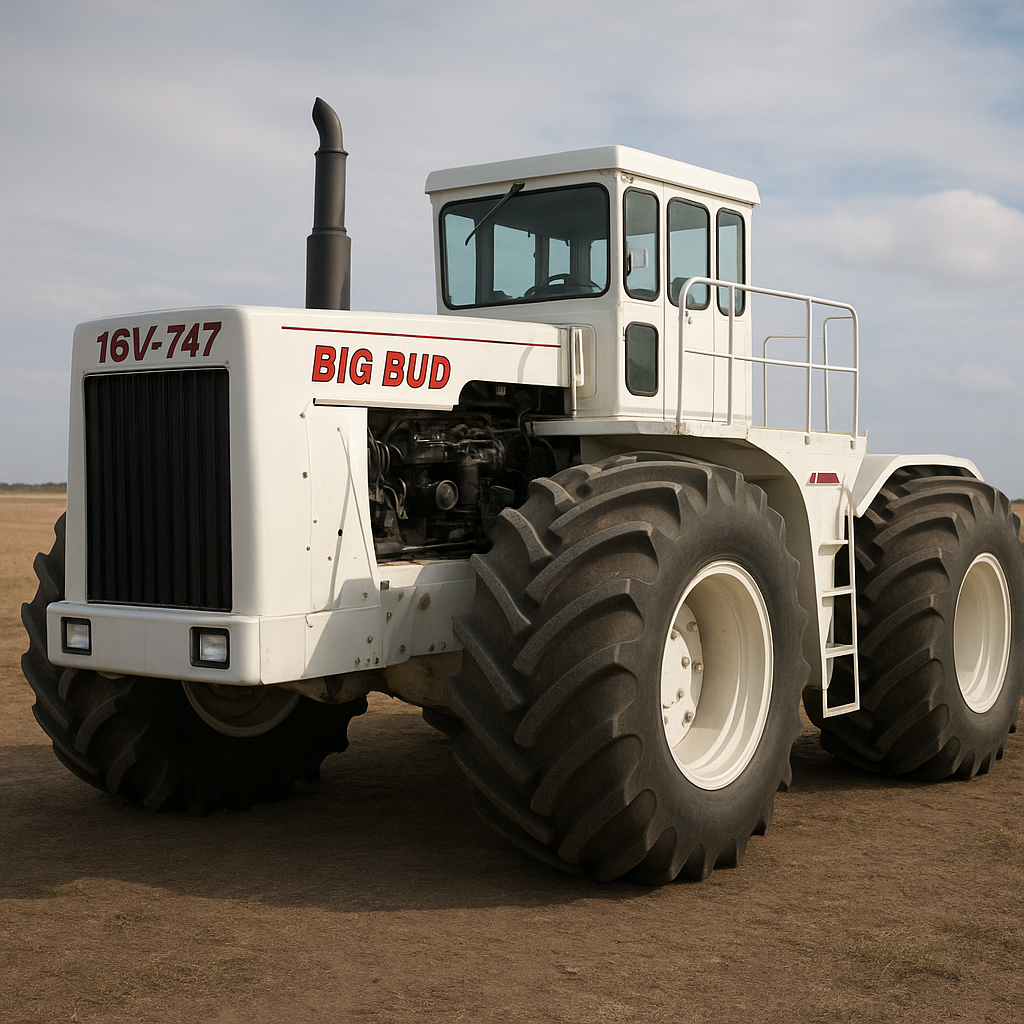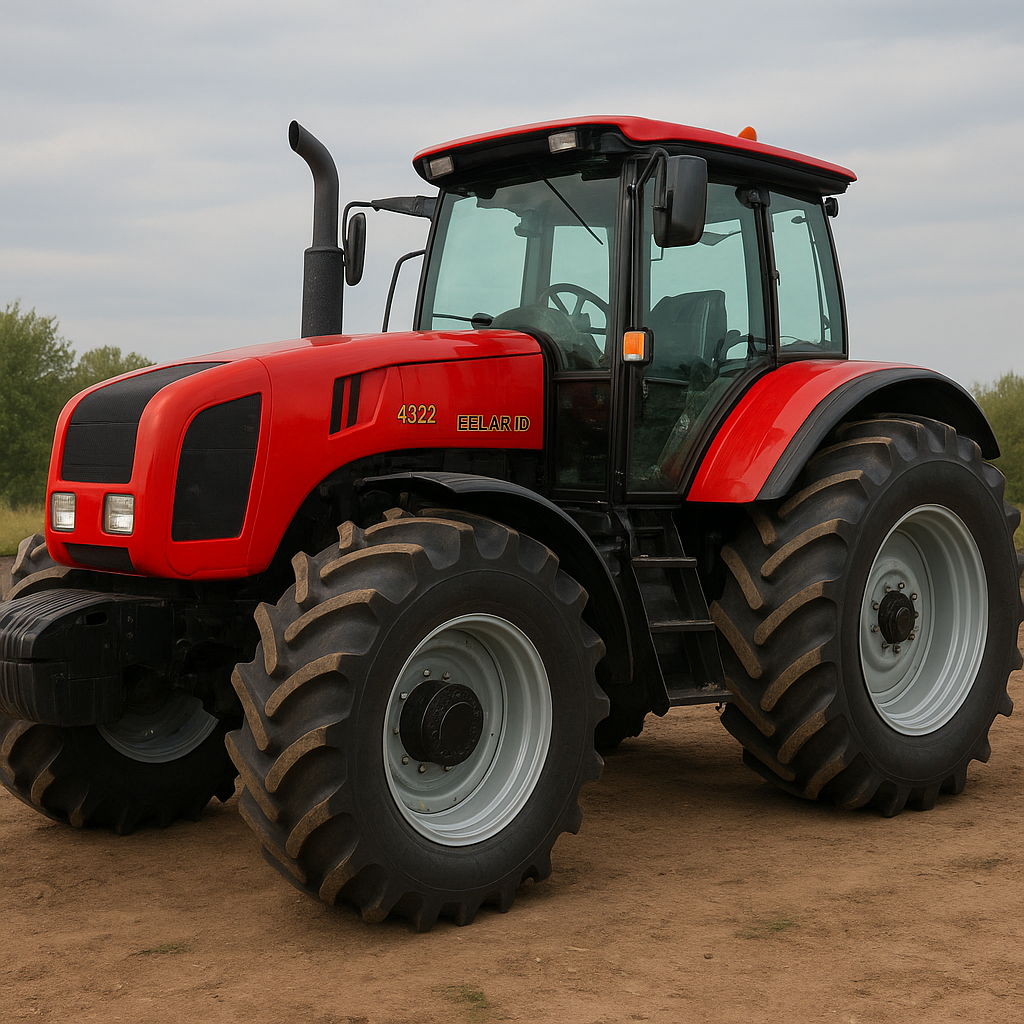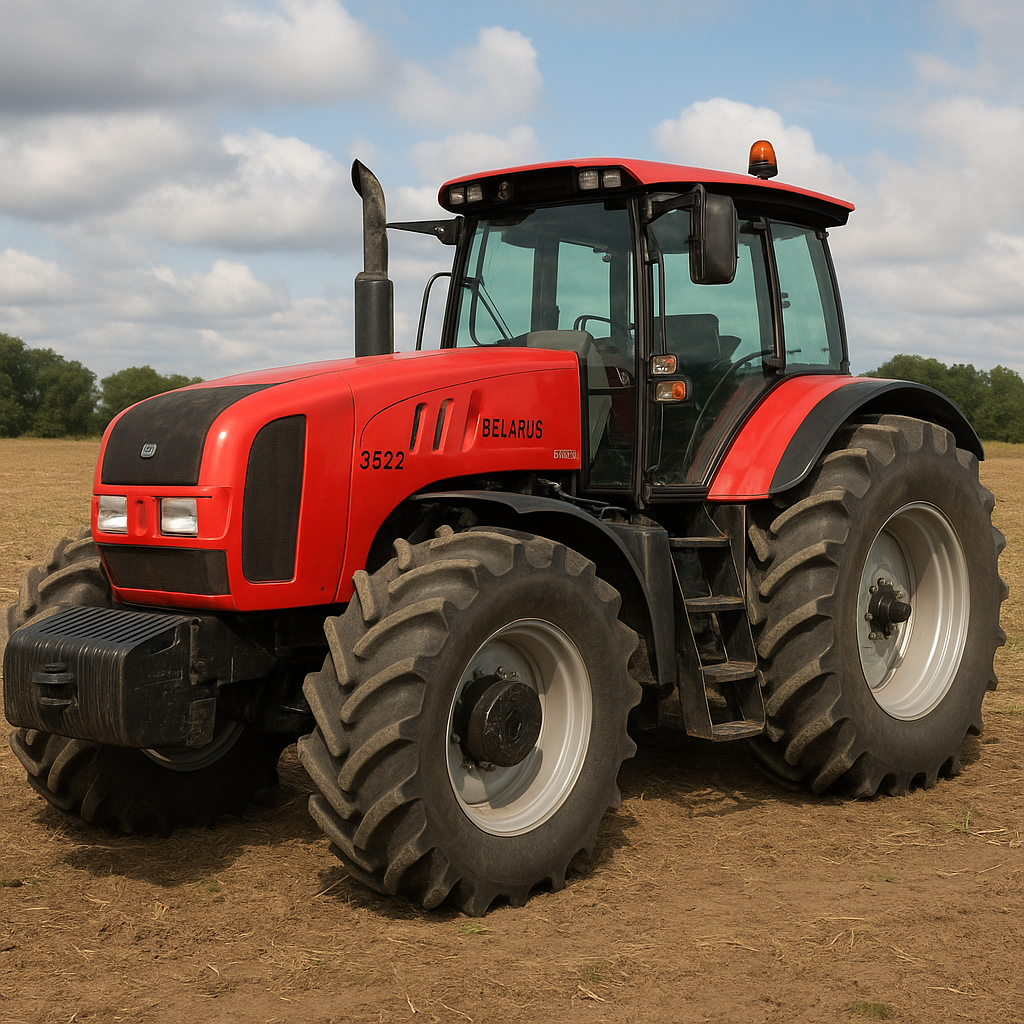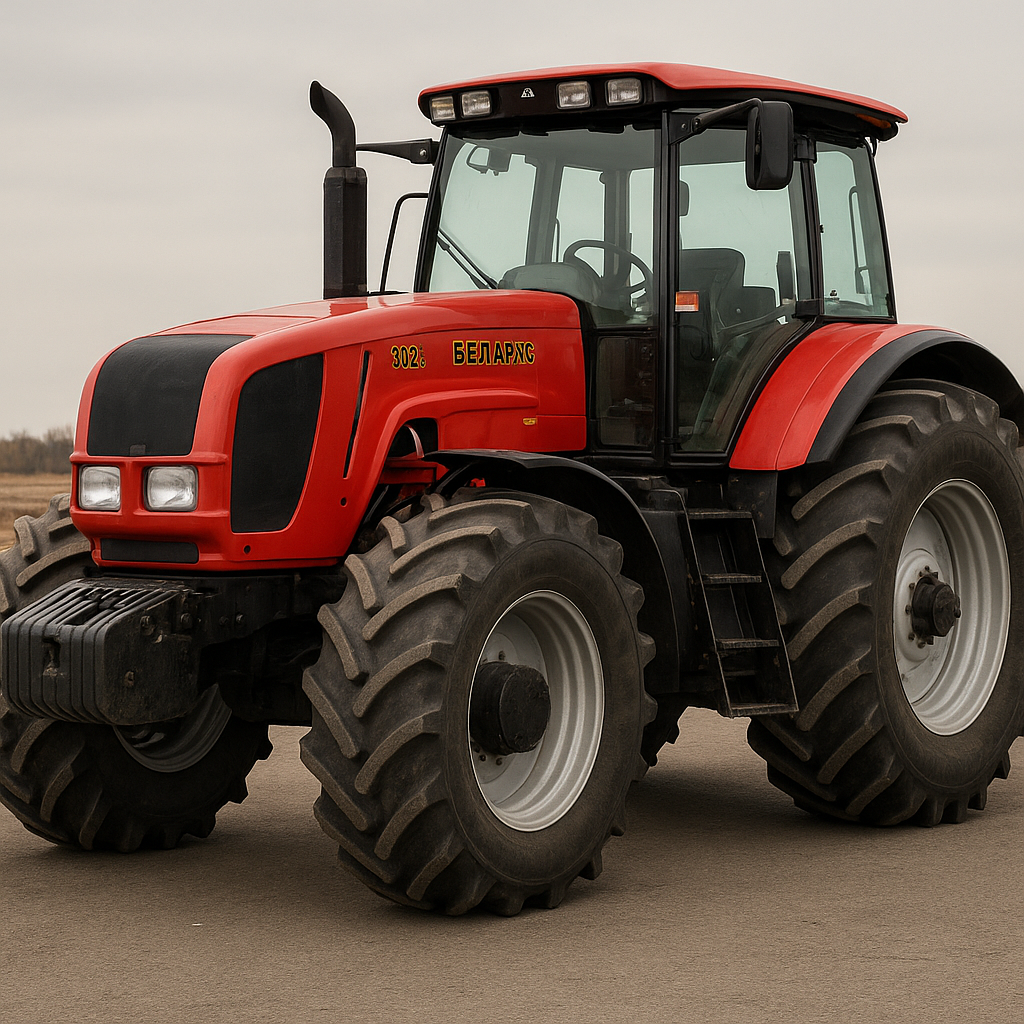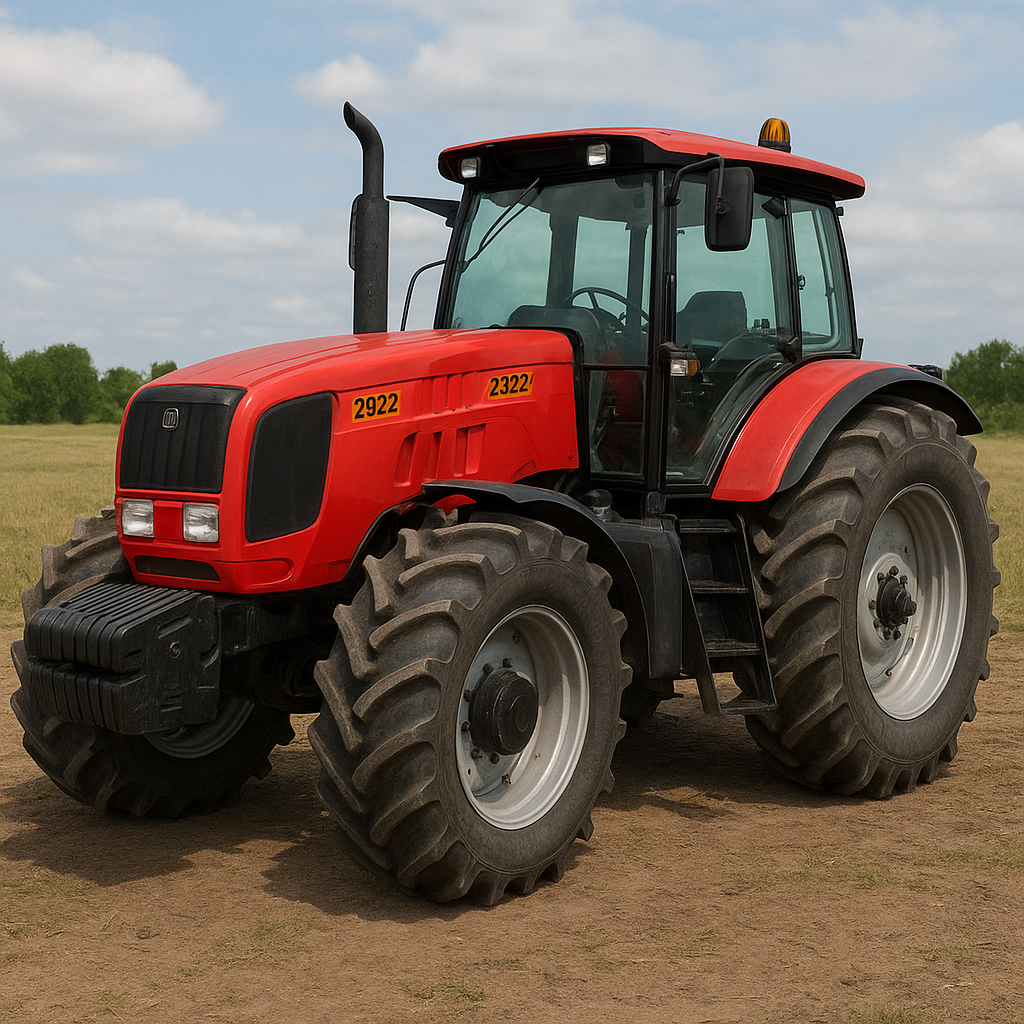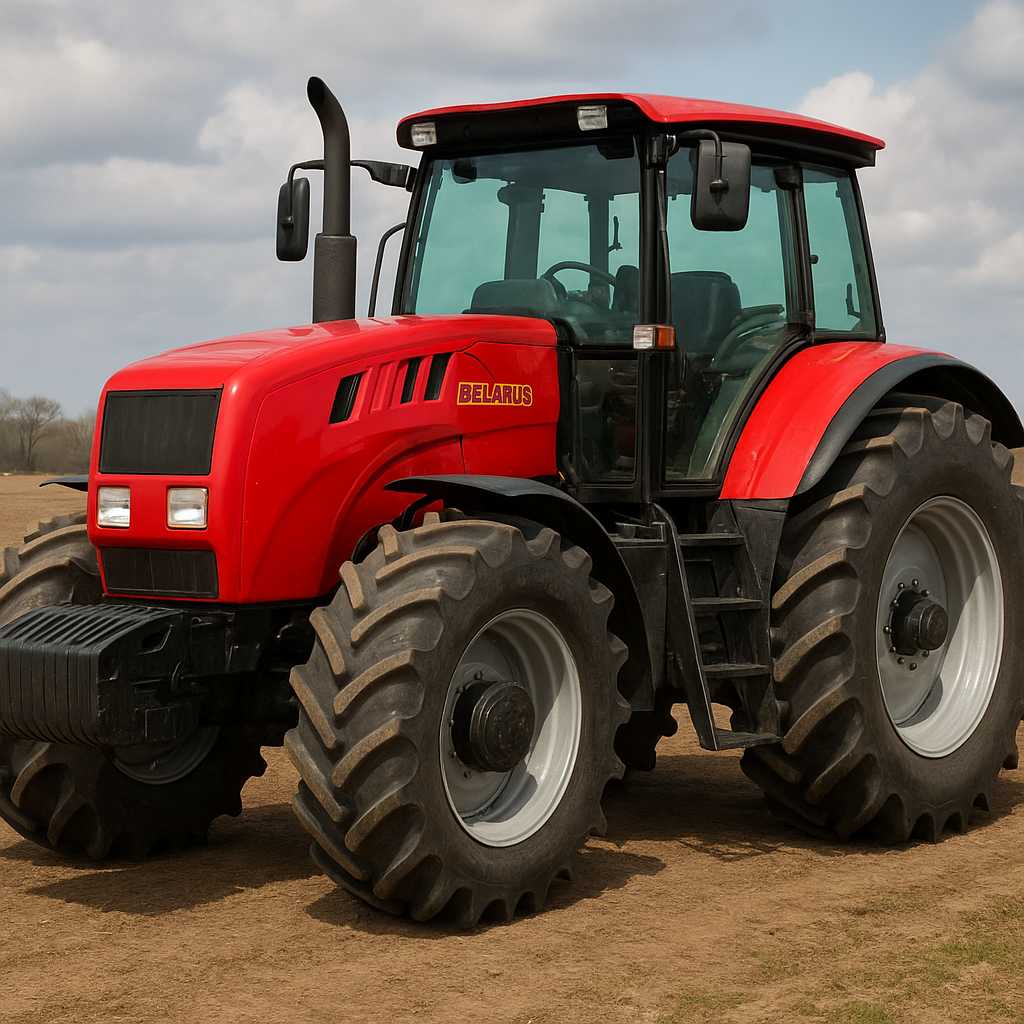
The Big Bud 440/93 is a notable machine in the world of large-scale agriculture — a purpose-built, high-capacity tractor designed to handle demanding fieldwork on expansive farms and specialized operations. While not as globally famous as the record-setting Big Bud 747, the 440/93 represents the company’s approach to delivering robust power, durable components and versatile functionality to producers who require sustained performance for heavy tillage, deep ripping or large implement towing. This article explores the 440/93’s background, typical technical characteristics, practical applications, operational considerations and broader economic and cultural impacts.
History and Development
The Big Bud name has been synonymous with exceptionally large farm tractors since the mid-20th century. Models from the manufacturer were engineered to serve the growing needs of large-scale grain operations and contractors working in extensive fields. The designation 440/93 generally implies a model positioned in the mid-to-high power bracket of Big Bud’s lineup, with the first number commonly reflecting a nominal horsepower class and the second number sometimes linked to an internal series or year of revision.
Development of heavy-duty agricultural tractors such as the 440/93 was driven by several converging trends: consolidation of farms into larger units, the growing scale of mechanized tillage and seeding, and the need to reduce passes over fields to save time and labor. The Big Bud program focused on maximizing drawbar power, durability and operator comfort for prolonged shifts. Over successive revisions, Big Bud tractors incorporated stronger frames, larger axles, and upgraded drivetrain components to reliably transfer engine output to the ground under heavy loads.
Design and Technical Characteristics
Exact specifications for the 440/93 may vary according to year of manufacture, country-specific configurations and aftermarket modifications. Nevertheless, this class of tractor shares common design priorities that distinguish it from smaller agricultural machines.
Powertrain and Engine
- The model designation suggests a nominal output in the region of 440 horsepower, although actual rated power can differ according to engine tuning, emission controls and OEM options. Some units are detuned or uprated for particular applications.
- Big Bud tractors of this class frequently use heavy-duty diesel engines designed for continuous high-load operation, prioritizing torque at low rpm to optimize traction and implement control.
- Engine cooling, air filtration and fuel delivery systems are oversized to handle prolonged fieldwork and dusty conditions.
Drivetrain, Chassis and Traction
- Four-wheel drive (4WD) configurations are typical, with robust axles, differentials and final drives capable of sustaining high drawbar pulls.
- Frame and hitch points are engineered to accept large implements such as multi-shank rippers, deep tillage cultivators and wide seeders. This ensures efficient power transfer and minimizes structural fatigue.
- Wide tires or track options can be fitted to reduce ground pressure; the 440/93 class is often chosen where balance between soil compaction concerns and traction is required.
Hydraulics, PTO and Implement Integration
- High-flow hydraulic systems are standard to support large winged implements and hydraulic depth-control systems.
- Power take-off (PTO) ratings and remote couplers are specified to match the load characteristics of the implements commonly used with such tractors.
Operator Environment and Controls
Cab design typically emphasizes visibility, ergonomic control layout and vibration isolation—important for operators working long hours. The 440/93 often features comfortable seating, climate control and straightforward instrumentation focused on mechanical durability rather than complex electronic ecosystems.
Typical Applications and Uses
The Big Bud 440/93 is engineered for environments where sustained high power and traction are more important than extreme maneuverability. Typical applications include:
- Tillage: Primary and secondary tillage with heavy disc harrows, ripper-shanks and cultivators on large fields.
- Ripping and Soil Conditioning: Deep tillage to break subsoil pans and prepare seedbeds over wide swaths.
- Seeding and Planting: Pulling very wide planters where a single pass covers hectares, reducing fuel use per hectare by minimizing multiple passes.
- Baling and Harvest Support: Pulling large balers or towing heavy trailers in operations where high drawbar pull is necessary.
- Contracting: Farm contractors and custom operators value the 440/93’s capacity to move large implements and complete major jobs quickly.
Performance Metrics and Statistical Considerations
When evaluating machines like the Big Bud 440/93, several performance metrics are commonly considered. Exact figures can vary, and owners often modify machines for specific roles. The following are typical ranges and considerations rather than definitive manufacturer claims.
- Nominal Power: Approximately 400–480 hp class, often rounded in model naming (the 440 figure being indicative).
- Operating Weight: Large tractors in this power bracket commonly have operating weights in the range of 12–25 metric tons, depending on ballast, tires or tracks and attachments. Heavier configurations improve traction but increase ground pressure.
- Fuel Consumption: Under heavy field loads, fuel consumption for tractors of this size is typically in the range of 25–60 liters per hour (approximately 6.5–16 US gallons/hour). Actual rates depend on load, speed and duty cycle.
- Drawbar Pull: High drawbar pull is a priority; figures are often reported in the tens of kilonewtons, but exact numbers depend on traction, tire configuration and soil conditions.
- Field Efficiency: Use of a single high-power tractor pulling a wide implement can cut required passes and reduce labor hours, increasing hectares-per-day compared to smaller tractors that require multiple passes or additional machines.
Because Big Bud models have been produced and modified in limited runs, global statistical databases may not list every serial variant. Owners and agricultural equipment historians frequently compile operational data by machine rather than rely exclusively on factory publications.
Operational Considerations and Best Practices
Operating a high-capacity tractor such as the 440/93 requires attention to several important areas to maximize uptime, efficiency and longevity.
Soil and Field Management
- Be mindful of soil compaction. High axle loads can compact soil layers, impacting yields. Use wider tires, duals or tracks to distribute load, and combine deep tillage with controlled traffic farming where possible.
- Match implement width and depth to field conditions—over-sizing an implement for a given field can increase fuel use and soil disturbance unnecessarily.
Fuel and Fluid Management
- Plan refueling and maintenance logistics because large tanks and high consumption can create downtime if service intervals are not well-managed.
- Use high-quality lubricants and filtration systems; heavy-duty engines perform best with consistent fluid cleanliness.
Maintenance and Upkeep
- Routine checks on drivetrain components, including axles, differentials and final drives, are critical because these endure sustained high loads.
- Hydraulic systems should be monitored for leaks, contamination and correct pressure settings to avoid implement control issues.
- Scheduled inspections of tires or tracks, wheel bearings and hitch points help prevent catastrophic failures during peak work seasons.
Transport and Logistics
Due to its size, moving a 440/93 between fields or farms may require special permits, transport equipment or careful planning to avoid road damage or traffic obstructions. Stone guards, beacons and slow-moving-vehicle signage improve on-road safety.
Economic and Environmental Aspects
Purchasing and operating large tractors like the Big Bud 440/93 involves trade-offs between capital and operational efficiency.
- Economies of scale: On very large farms, a single high-capacity tractor can reduce per-hectare fuel costs and labor by completing tasks in fewer passes than smaller machines.
- Acquisition cost: Initial purchase price and the costs of heavy-duty implements are significant; many operators weigh these against long-term productivity gains and resale values.
- Resale and service network: Big Bud units are less common than mainstream brands, which can affect resale values and availability of OEM parts. However, many owners report that robust mechanical designs and a community of dedicated enthusiasts make long-term ownership feasible.
- Environmental considerations: Heavy, powerful tractors have higher fuel consumption per hour, but if they reduce the number of passes required across a field they can be more fuel-efficient per hectare overall. Still, operators should evaluate soil health impacts and adopt mitigation practices like variable-depth tillage or cover cropping.
Retrofits, Upgrades and Longevity
One of the characteristics appreciated by owners of Big Bud-style tractors is the machines’ adaptability. Several common upgrade paths prolong service life and enhance performance:
- Engine remapping or replacement with modern, more efficient diesel engines to meet emission requirements and improve torque curves.
- Upgrading hydraulics and control systems for better implement integration and precision depth control.
- Converting from tires to rubber tracks or wide flotation tires to reduce ground pressure in sensitive soils.
- Installing telematics or basic monitoring systems to track fuel use, engine hours and preventive maintenance needs.
Because Big Bud tractors were often built with a focus on mechanical simplicity and heavy components, well-maintained units can remain productive for decades. Enthusiast communities and specialist shops can supply parts, fabricate components and share technical knowledge that supports long-term ownership.
Comparison and Legacy
In the hierarchy of very large agricultural tractors, the Big Bud lineup occupies a unique niche. Compared with mainstream manufacturer offerings, Big Bud machines emphasize raw power and structural robustness over advanced electronic controls and modular dealership support. This has led to a dedicated following among operators prioritizing simplicity, serviceability and high-drawbar performance.
For context, the Big Bud 747—the most famous example from the brand—grabbed headlines as one of the largest tractors ever built with reported horsepower ratings well above those of the 440 class. The 440/93 and similar mid-high range models offered many of the same engineering philosophies at a scale better suited to large commercial farms rather than headline-setting record attempts.
Safety and Regulatory Considerations
Operating large tractors brings specific safety and compliance responsibilities:
- Meet local road transport regulations for oversized agricultural machinery, including lighting, signage and escort requirements when necessary.
- Ensure rollover protection structures, seat belts and cab safety systems are functional. Operator training is essential given the machine’s mass and power.
- Adhere to emissions regulations applicable in your jurisdiction—older engines may need retrofitting or may not be legal for certain on-road or stationary uses without modification.
Ownership Experience and Community
Owners of Big Bud tractors often report a strong sense of community. Because these tractors are less common and typically used by large-scale operations, owners and mechanics share knowledge about repairs, custom modifications and sourcing of parts. This community knowledge can be invaluable for troubleshooting uncommon issues and arranging specialist services such as custom axle work or frame repairs.
In many regions, preserved Big Bud tractors appear at agricultural shows, classic machinery gatherings and museums. Enthusiasts value them both for their historic role in mechanized farming and for the practical longevity of the machines themselves.
Concluding Remarks
The Big Bud 440/93 class of tractor occupies an important place for those requiring sustained, high-drawbar performance in large-scale agricultural operations. With emphasis on mechanical strength, operator comfort for long shifts and adaptability to heavy implements, the 440/93 is a practical choice where single-pass efficiency and robust reliability are priorities. While specific specifications can vary by year, configuration and aftermarket changes, the general profile is clear: this is a heavy-duty agricultural machine optimized for power, traction and long-term serviceability. Prospective owners should weigh the benefits of reduced pass count and high productive capacity against factors such as initial cost, maintenance logistics, potential soil compaction and regulatory requirements. For many large operators and contractors, however, the performance and durability of a machine in the 440/93 class deliver measurable advantages in productivity and operational flexibility.