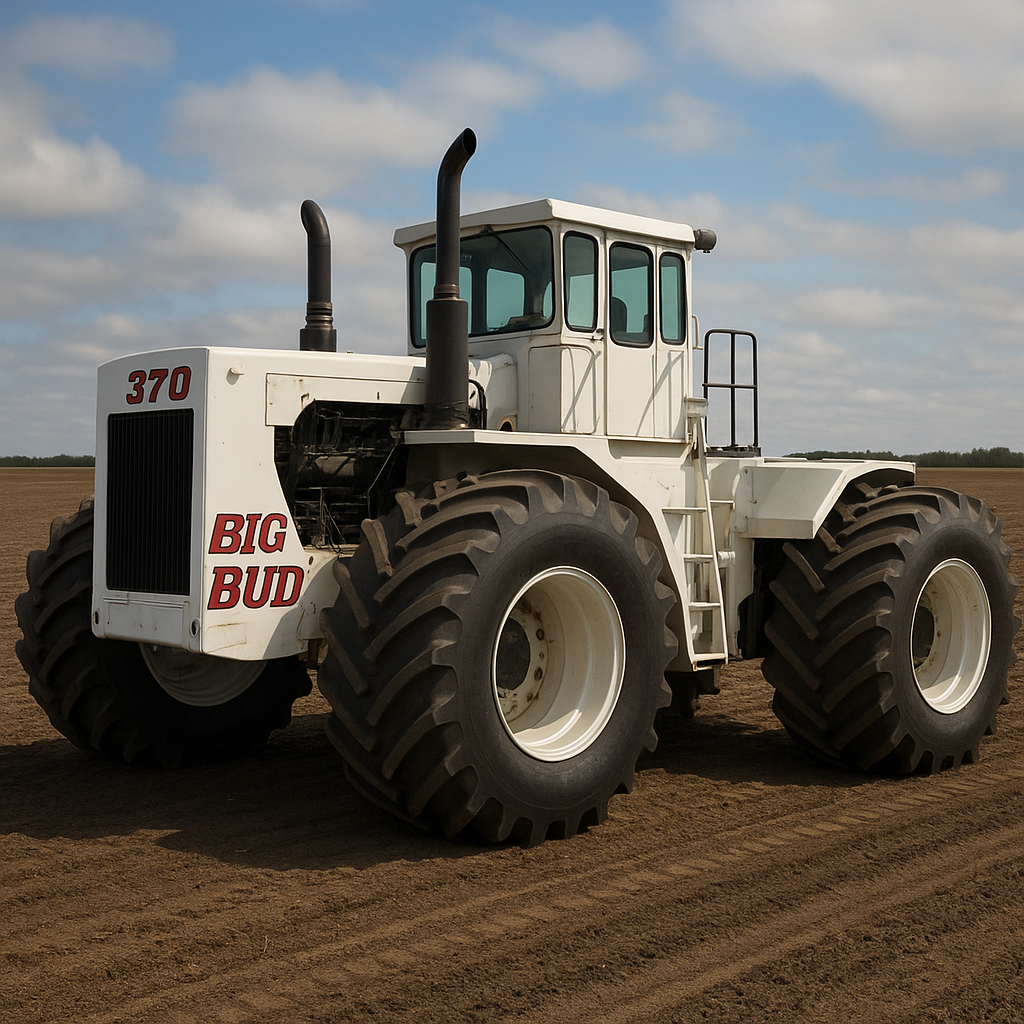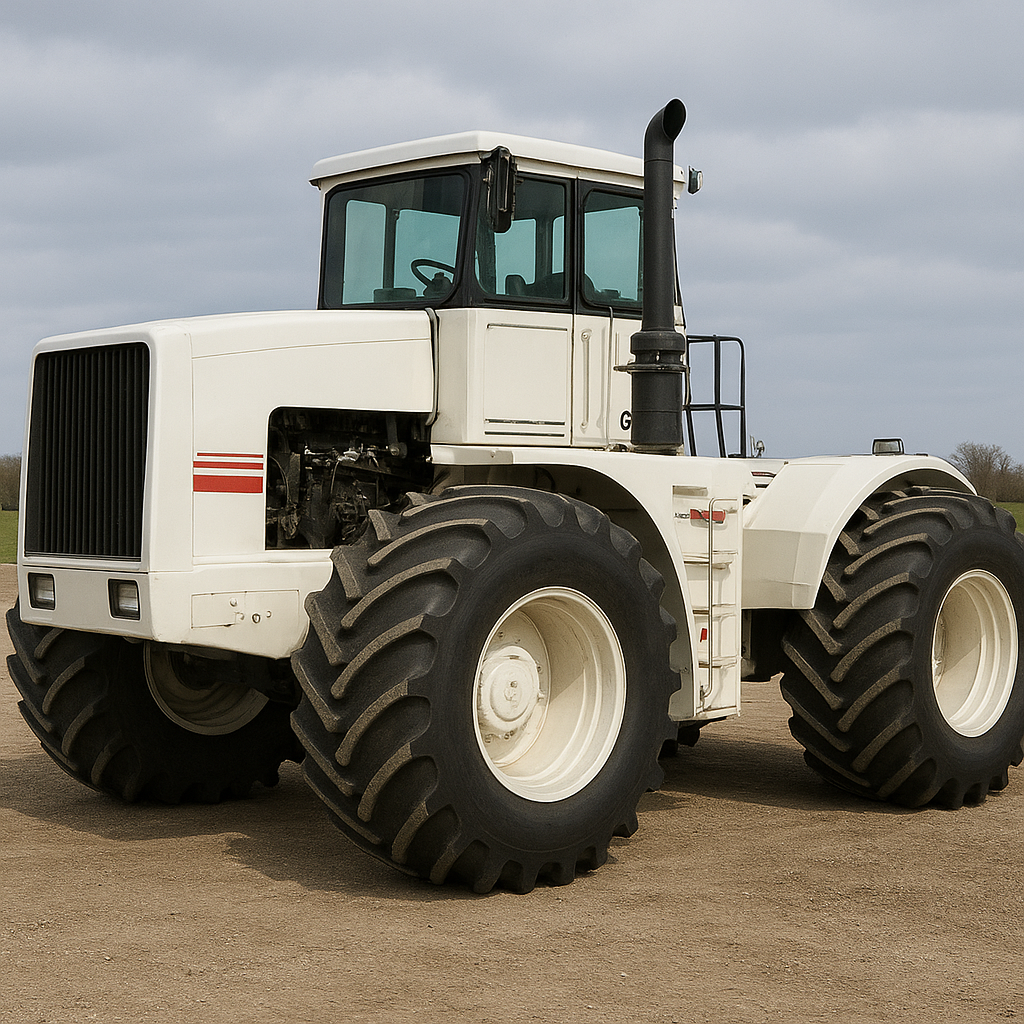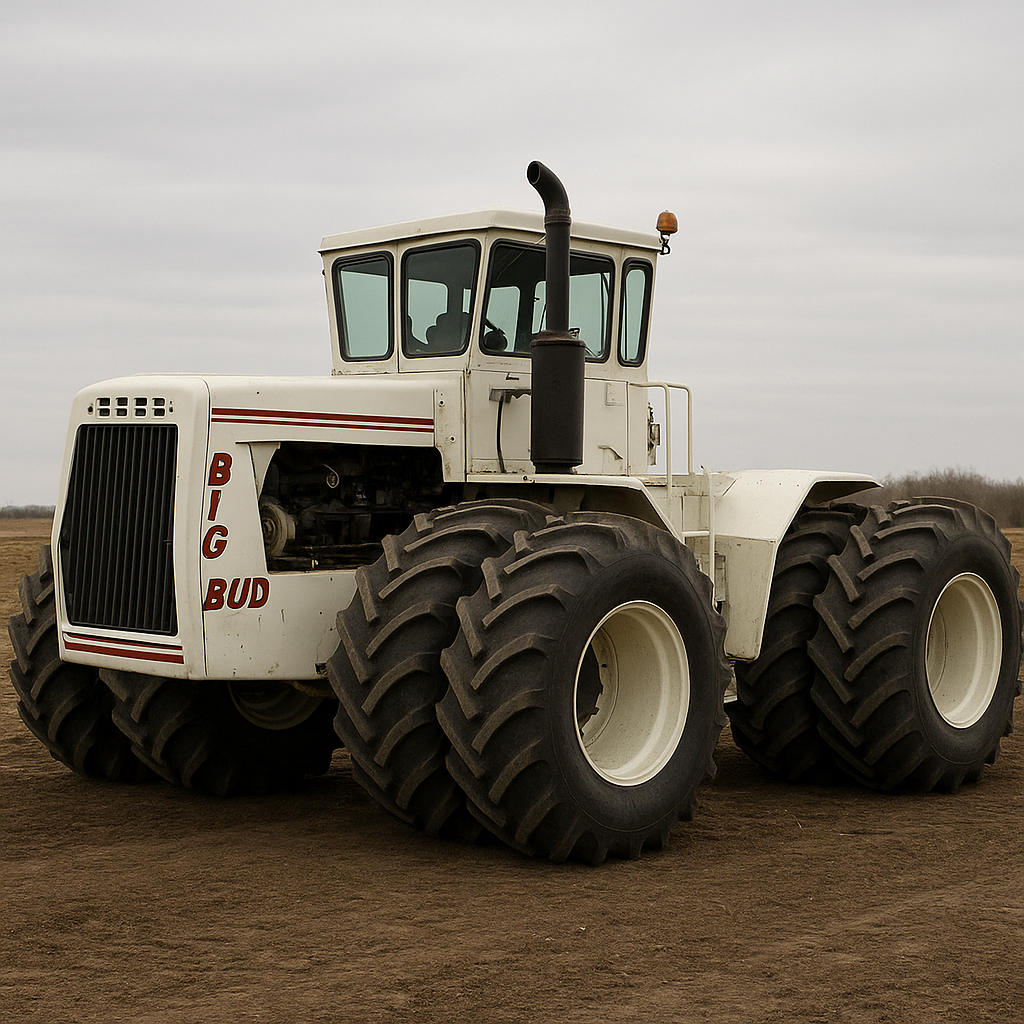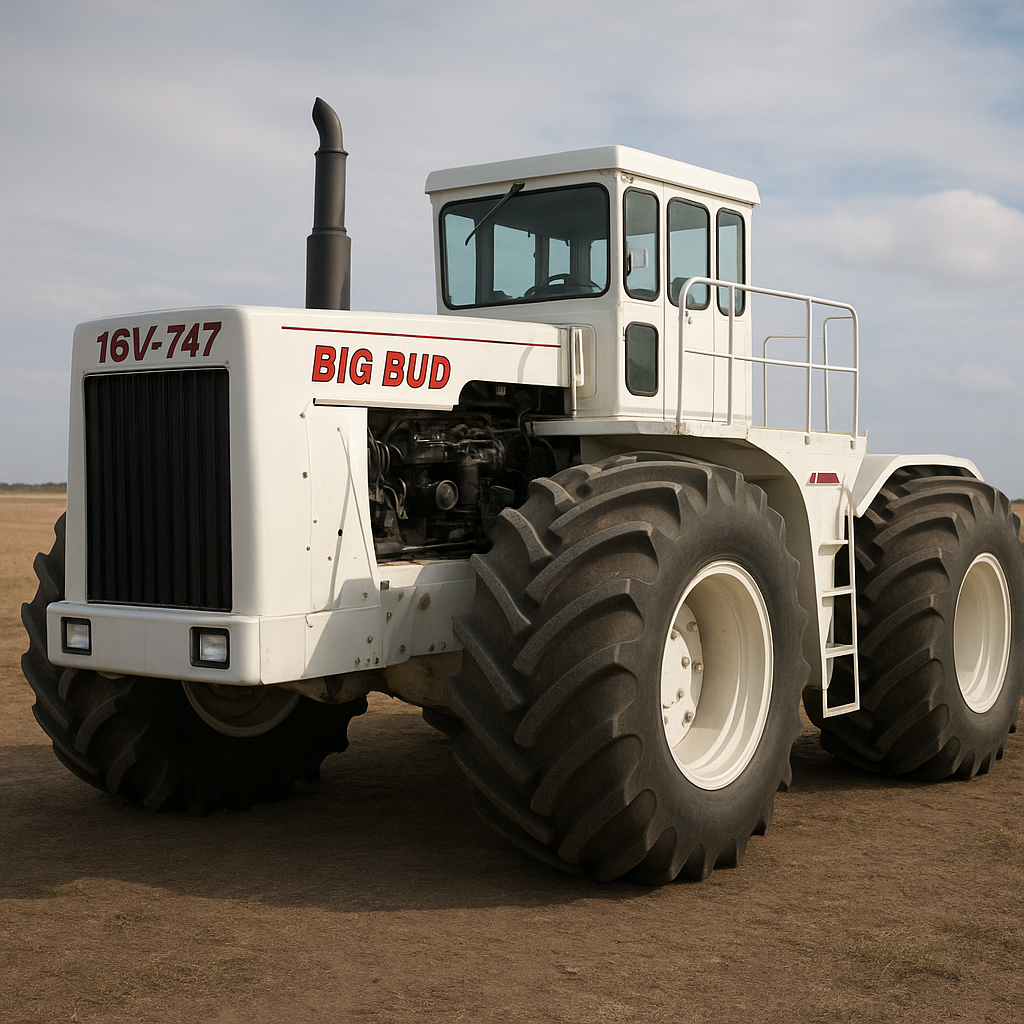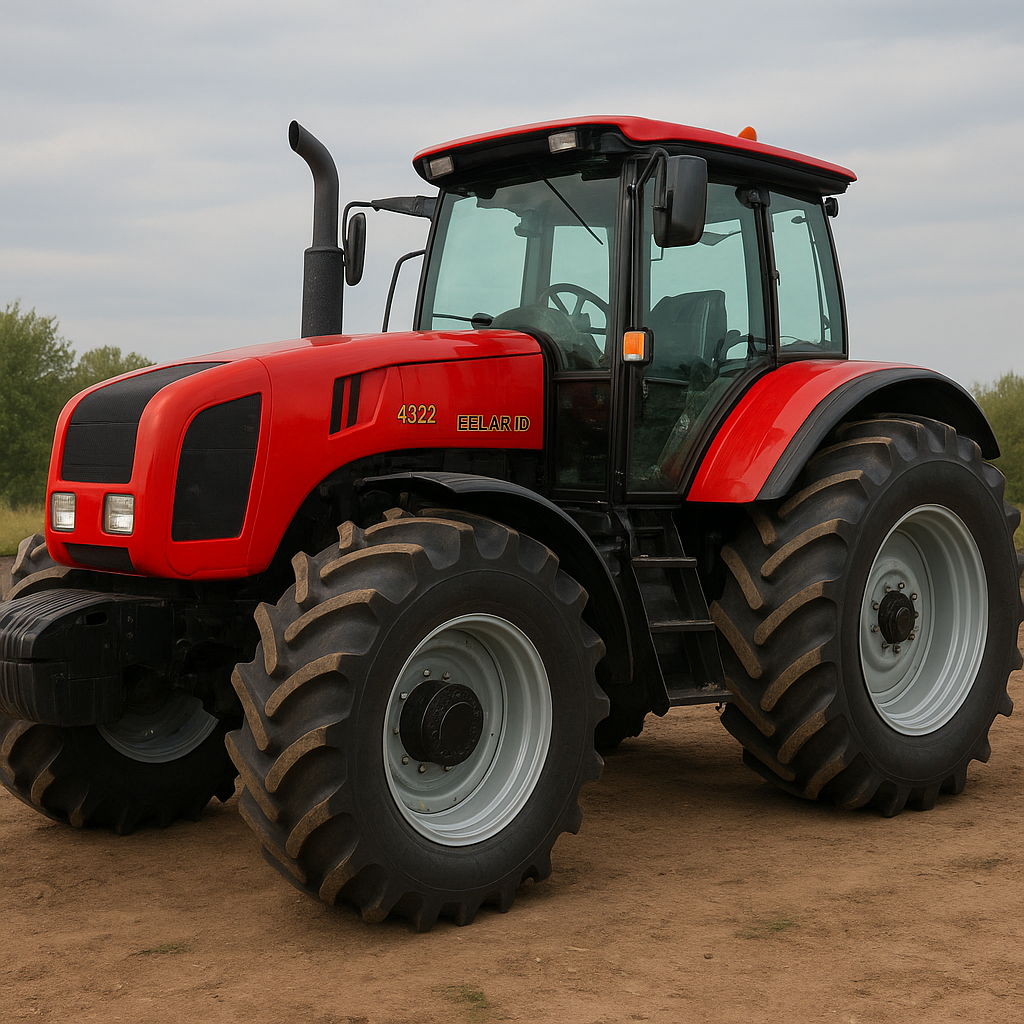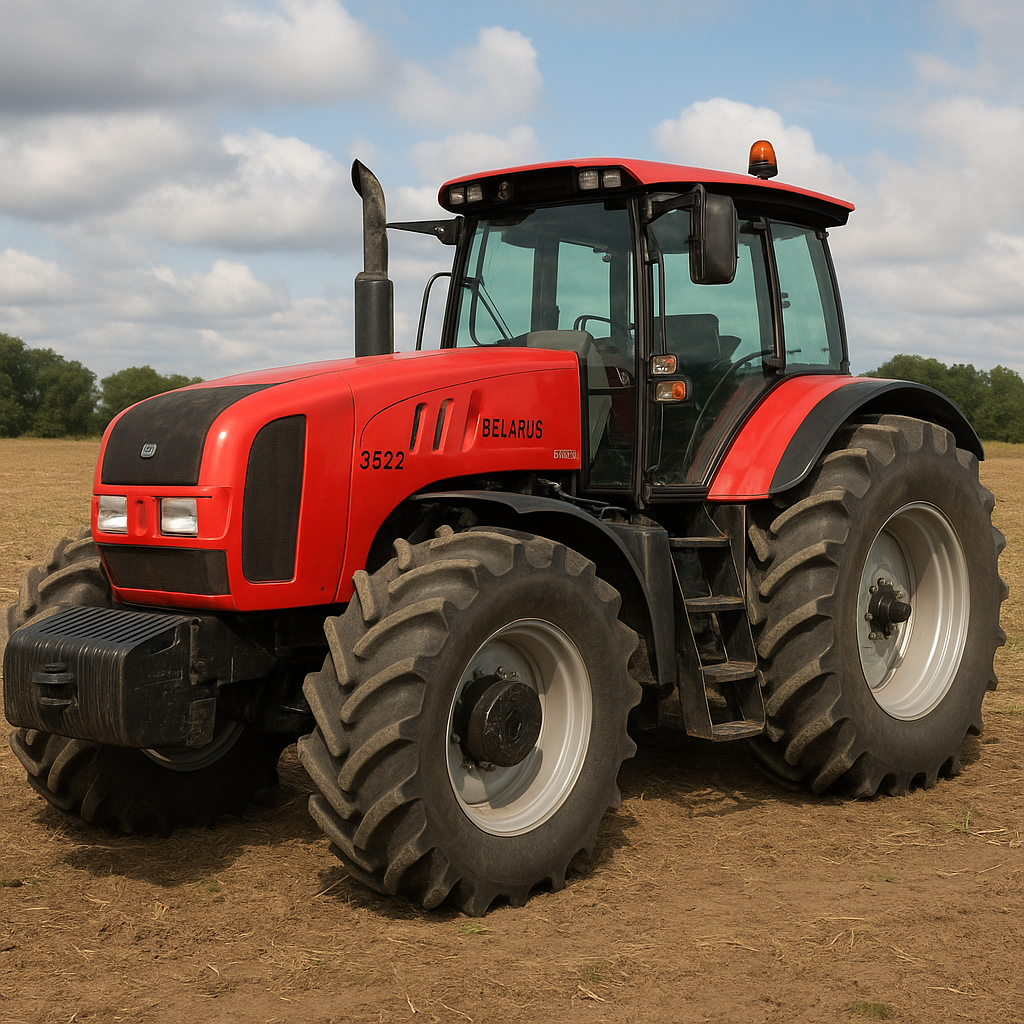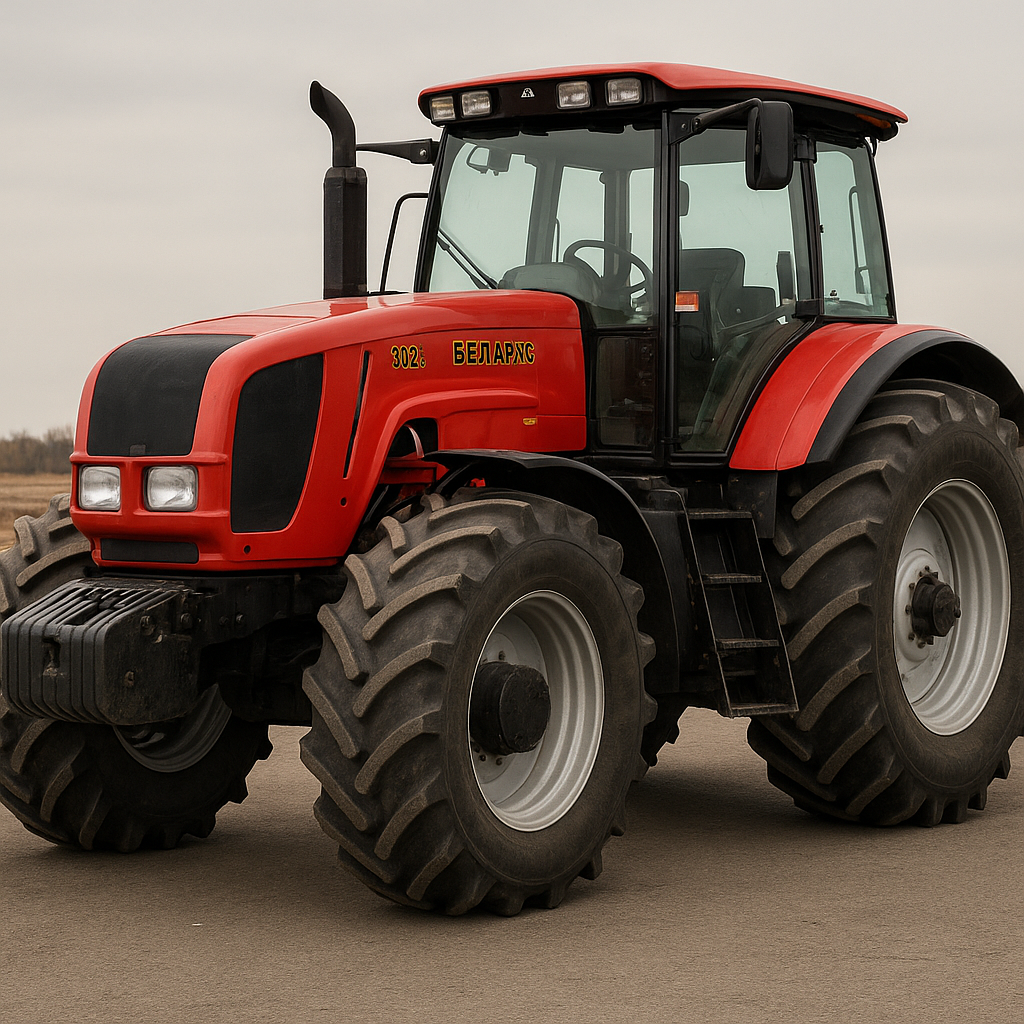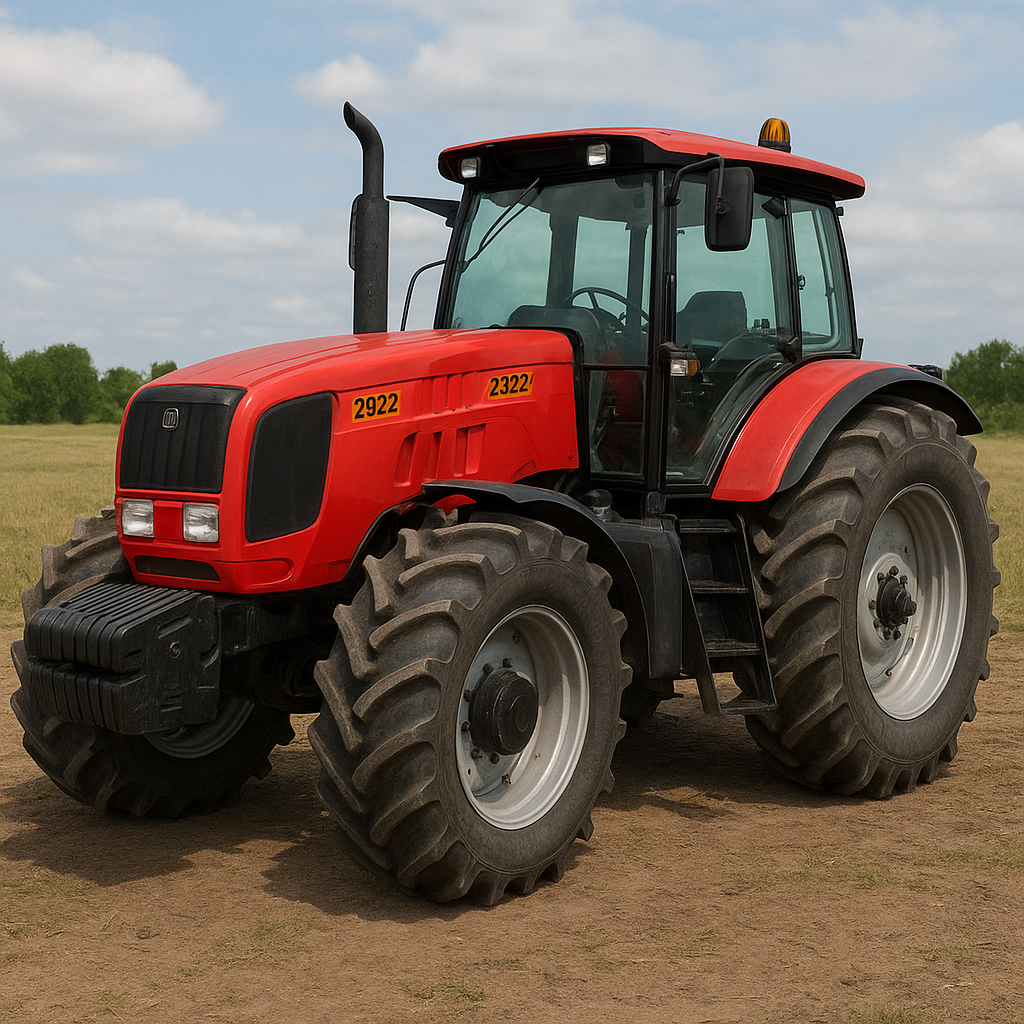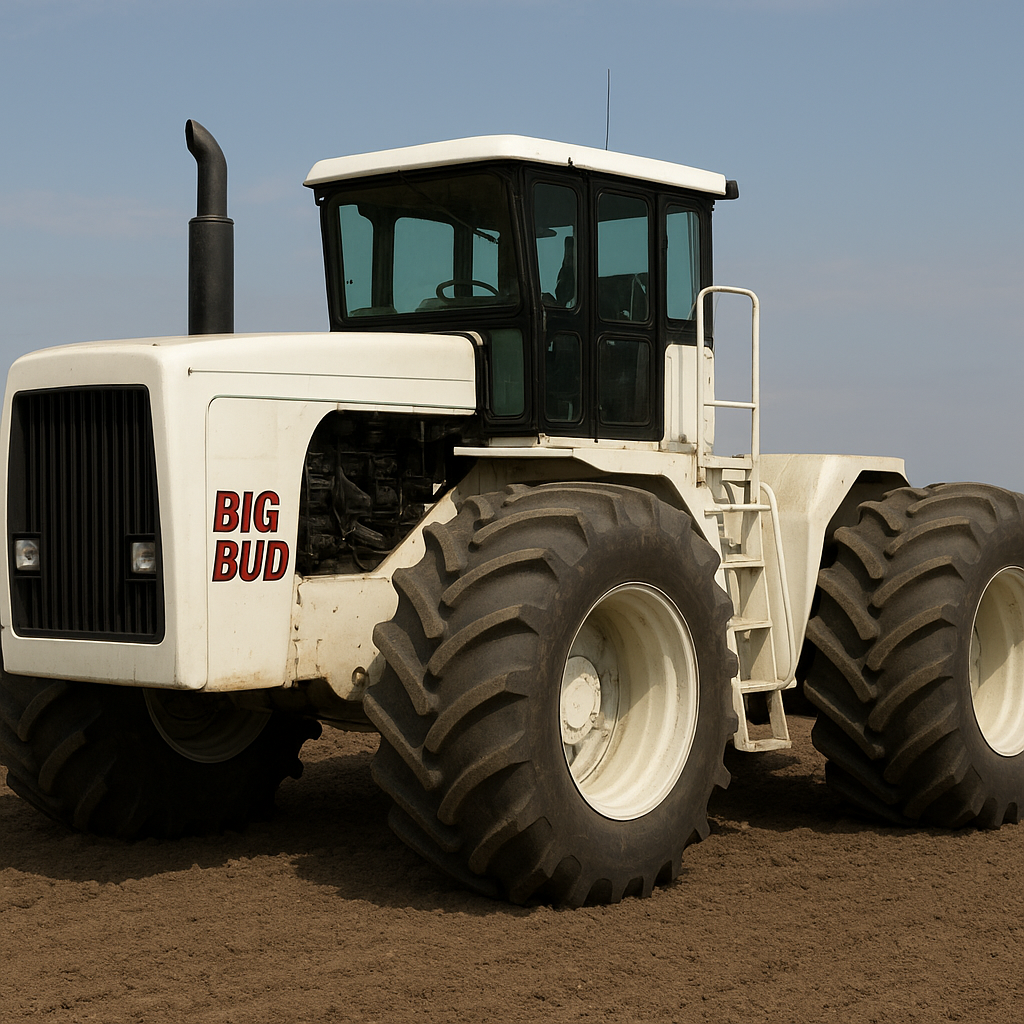
The following article explores the Big Bud 450, a heavy-duty agricultural machine that has played an important role in large-scale farming operations. It examines the tractor’s design, technical features, practical applications, maintenance and operational tips, and its place in agricultural history and economics. The text aims to give a comprehensive view for farmers, mechanics, agricultural students, and machinery enthusiasts who want to understand where and how this model is used, what makes it distinctive, and what to consider when operating one.
Design and technical specifications
The Big Bud 450 is a prominent example of a high-capacity, purpose-built farm tractor. From the outset, this machine was engineered to deliver sustained pulling power for heavy tillage and field work on large-scale farms. The core features that define the model include a powerful diesel powerplant, heavy-duty driveline, reinforced frame, and a focus on traction and implement compatibility.
Powertrain and engine
At the heart of the machine is an engine designed to deliver substantial, continuous torque rather than brief spikes of power. The Big Bud 450 typically offers around 450 horsepower at the crankshaft in its stock configuration, making the unit suitable for demanding operations such as deep ripping and pulling large planters and cultivators. The engine is a turbocharged diesel design optimized for high torque at low engine speeds, which improves fuel efficiency during sustained load conditions.
The transmission system is built to handle the loads that accompany an implement-laden drawbar. Robust gearboxes and multi-range transmissions, often with powershift or synchronized ranges, allow operators to select the correct speed and torque balance for varied soil and field conditions. The design emphasizes durability and serviceability.
Chassis, weight and traction
One of the defining characteristics of the Big Bud 450 is its substantial operating mass. The tractor’s curb weight, including ballast and tires, typically places it among the heavier single-unit tractors used in agriculture. Heavy mass enhances traction and reduces wheel slip when performing deep or high-draft operations. Because traction is so important, manufacturers and owners often equip these tractors with wide agricultural tires, dual wheeling, or even flotation options.
Key design priorities include a low center of gravity, even weight distribution, and a reinforced frame to endure high drawbar forces. These features, combined with the vehicle’s weight, make the tractor efficient at transferring engine power into ground-pulling force.
Hydraulics, PTO and implement interfaces
Modern versions of high-horsepower tractors like the Big Bud 450 typically offer powerful hydraulic systems for lift and control of large implements. Multiple high-flow hydraulic circuits allow for simultaneous operation of planters, coulters, hydraulic markers, and other tools. The rear three-point hitch and category-compatible drawbar accommodate heavy modern implements. A durable Power Take-Off (PTO) provides rotational power for PTO-driven equipment, although the primary use case for such tractors is traction rather than PTO work.
- Transmission: heavy-duty multi-range, often with synchronized or powershift options
- Hydraulics: high-flow multiple circuits for large implements
- PTO: robust, used for supplemental implements
- Cooling: beefy cooling systems to manage heat in continuous heavy work
Applications and typical uses
The Big Bud 450 is designed primarily for operations that require significant traction, high draft force, and continuous power. It finds its most natural home on large farms, ranches, and contractors’ operations where scale and efficiency are critical.
Main field operations
Primary tasks for which the Big Bud 450 is ideally suited include:
- Tillage: Moldboard plowing, chisel plowing, subsoiling and deep ripping to break hard pans or prepare seedbeds over very large acreages.
- Seeding and planting: Pulling very large planters and air seeders, allowing operators to cover expansive areas quickly during planting windows.
- Land leveling and reclamation: Moving heavy scrapers and land-leveling implements in projects that demand consistent power and traction.
- Hauling heavy farm implements: Towing large sprayers, spreaders, and specialized equipment where road speed is secondary to pulling capability.
Because of its size and focus on tractive effort rather than nimbleness, the Big Bud 450 is less often used for small-scale horticultural tasks or tight-yard work. Its advantages are fully realized in broad-acre cropping systems and large-scale soil management projects.
Specialized and non-agricultural uses
Beyond conventional farming, tractors of this class have been adapted for specialized applications, such as:
- Contract earthmoving and land reclamation, where consistent heavy draft is needed.
- Forestry road preparation and large-scale clearance tasks (with suitable attachments).
- Research and demonstration operations to show the capability of large-implement systems.
Operational considerations and maintenance
Operating and maintaining a Big Bud 450 requires planning, mechanical knowledge, and adherence to safety protocols. Machines of this size are both capital-intensive and complex, and their operating costs reflect that reality.
Operator skills and safety
A trained operator should understand weight distribution, implement matching, and field conditions. Operating large tractors safely includes:
- Ensuring proper ballast to minimize wheel slip and maximize traction without overstressing the drivetrain.
- Selecting correct gearing for current soil conditions to avoid stalling or causing implement damage.
- Monitoring tire inflation closely: large agricultural tires must be kept at appropriate pressures to balance flotation, traction and soil compaction.
Because the machine’s mass is significant, braking distances are longer and turning radii are larger, making attention to terrain and obstacles essential.
Maintenance regimes
Regular servicing is crucial for reliability and longevity. Typical maintenance tasks include:
- Engine oil and filter changes at manufacturer-recommended intervals.
- Hydraulic fluid and filter maintenance to keep circuits operating smoothly under high pressure and volume.
- Transmission service, including checks for gear wear and proper lubrication, given the heavy loads transmitted through the driveline.
- Cooling system inspection, as sustained heavy loads generate significant heat.
- Tire inspection and alignment, especially when duals or wide flotation tires are used.
Availability of parts and qualified technicians can be a limiting factor for older or less-common models. Owners often maintain a small inventory of critical spare parts and rely on scheduled inspections to prevent downtime during peak seasons.
Fuel consumption and efficiency
Tractors in the 400–500 horsepower class consume significant quantities of diesel under heavy load. Fuel consumption depends on the task, soil conditions, and operator techniques, but it is typical for machines in this class to be managed with careful load planning and matched implement widths to ensure fuel is used efficiently across the field. Modern practice emphasizes right-sizing implements and employing GPS-guided auto-steer systems to minimize overlaps and reduce fuel burn per acre.
Historical context and production
The development of ultra-high-horsepower tractors like the Big Bud 450 is tied to the scale-up of agricultural operations in the mid-to-late 20th century. As grain farms expanded and the push for economies of scale intensified, farmers and manufacturers pursued ever-larger equipment to reduce time in the field and maximize the short windows available for seeding and harvest.
Evolution of large tractors
Historically, tractor development progressed from small single-axle units to multi-hundred-horsepower machines as engines, drivetrains, and tire technology advanced. The Big Bud 450 stands in that evolutionary line as a solution for farms requiring more than what medium-sized tractors could deliver. Over the years the trend has alternated between ever-larger single tractors and the use of multiple smaller tractors working in parallel, depending on economic and logistical considerations.
Production and availability
Availability of Big Bud 450 units varies by region and by the specific model year and configuration. Some units were custom-fitted with different engines, tires, and transmissions according to owner needs. Because these tractors were often sold to large operations or contractors, many have remained in active service for decades, refurbished or upgraded to modern standards. When purchasing a used unit, prospective buyers should evaluate service history, condition of the engine and transmission, and any modifications that may affect performance or reliability.
Legacy
The Big Bud 450 and tractors like it have left a clear legacy in mechanized agriculture: they demonstrated the benefits and limits of mega-tractors and encouraged discussions about soil health, implement technology, and the economics of scale. Their presence reshaped how very large farms plan operations, manage labor, and structure machinery fleets.
Economic and environmental aspects
Large tractors change the economic calculus of farming. They offer efficiency benefits by allowing single passes with very wide implements, reducing labor requirements and shortening the overall time needed for operations. However, they also entail higher capital outlay, greater fuel use, and potentially increased soil compaction if not used thoughtfully.
Cost-benefit considerations
Key economic factors include:
- Upfront acquisition cost — high for new or well-refurbished units.
- Operating costs — fuel, tires, parts, and specialized maintenance.
- Depreciation vs. output — on very large farms the ability to finish tasks within narrow windows (planting or fall tillage) can offset higher operating costs.
- Utilization rate — tractors of this class make sense when they are used intensively over many acres; underutilized units are harder to justify financially.
Environmental and soil health implications
There are environmental considerations to monitor with heavy tractors:
- Soil compaction: Repeated passes with very heavy equipment can compact soil, harming root growth and reducing infiltration. Practices such as controlled traffic farming (CTF), wider tires, lower inflation pressures, and occasional subsoiling can mitigate impacts.
- Fuel consumption and emissions: Larger engines consume more diesel. Modern emissions controls and engine tune-ups help, but operators concerned with carbon footprint often balance the higher per-hour fuel burn against fewer total passes across the field.
- Resource efficiency: Efficient use of wide implements reduces overlaps and can reduce total fuel use per acre planted or tilled when compared with many narrower-pass operations.
Comparisons, modern alternatives and future trends
The Big Bud 450 represents one strategy: scale up a single unit to handle very large implements. Alternative strategies have emerged, and understanding them helps place the Big Bud in context.
Multiple smaller tractors vs. single mega-tractor
Farms can choose between:
- One very large tractor like the Big Bud 450, which minimizes the number of machines and operators but concentrates risk and requires heavy investment and specialized maintenance.
- Several medium-sized tractors that split tasks across multiple machines — this increases flexibility and reduces the impact of one unit being out of service, and often allows better maneuverability in mixed cropping systems.
Both approaches have trade-offs in capital cost, labor requirements, and field efficiency.
Technological integration and automation
Modern tractors increasingly incorporate guidance systems, telemetry, and semi-autonomous features. Integrating GPS auto-steer, section control, and implement monitoring can substantially increase the effective productivity of a Big Bud 450 by reducing overlaps and improving pass-to-pass accuracy. Some owners retrofit older tractors with modern electronics to improve operational efficiency.
Future outlook
Looking forward, the future of mega-tractors will be shaped by:
- Advances in electric and hybrid drivetrains for high-horsepower applications.
- Further adoption of precision farming technologies to reduce wasted passes and emissions per acre.
- Greater focus on soil health practices that limit compaction, including controlled-traffic systems and improved tire or track technologies.
Acquisition advice and resale considerations
If you are considering purchasing a Big Bud 450—new or used—evaluate the following factors carefully to ensure the investment aligns with your operation’s needs.
- Match implements to tractor capability: Ensure the implements you plan to pull are properly matched to the tractor’s drawbar capacity and hydraulic/power interfaces.
- Check service history: Look for records of engine, transmission, and hydraulic repairs and any major rebuild work. Heavy-use tractors benefit from consistent preventive maintenance histories.
- Tire condition and suspension: Replacing tires on large tractors is expensive; inspect for wear, sidewall condition, and rim integrity.
- Availability of parts and technical support: Older or rare variants may require longer lead times for parts and specialized mechanics.
- Resale market: Demand for large tractors is regionally driven; assess local market appetite before committing to purchase.
Leasing and contracting alternatives
For many operations, leasing a tractor or hiring a contracting service to perform high-draft operations is a cost-effective alternative to ownership. This option transfers maintenance and capital risk to the lessor or contractor and allows farms to access high-horsepower capability when needed without full-time ownership costs.
Conclusion
The Big Bud 450 is an emblematic high-horsepower workhorse tailored for very large-scale agricultural tasks. It combines a robust engine, heavy-duty transmission, and substantial weight to maximize traction and pulling power for deep tillage, wide seeding, and other high-demand operations. While the benefits in efficiency and reduced field time are significant for operations that use it intensively, the economic and environmental trade-offs require careful management. Sound maintenance, appropriate operator training, and the integration of modern precision tools help unlock the best returns from these machines. For farms considering whether a Big Bud 450 fits their strategy, the decision ultimately hinges on scale, utilization, and the broader machinery philosophy adopted by the operation.