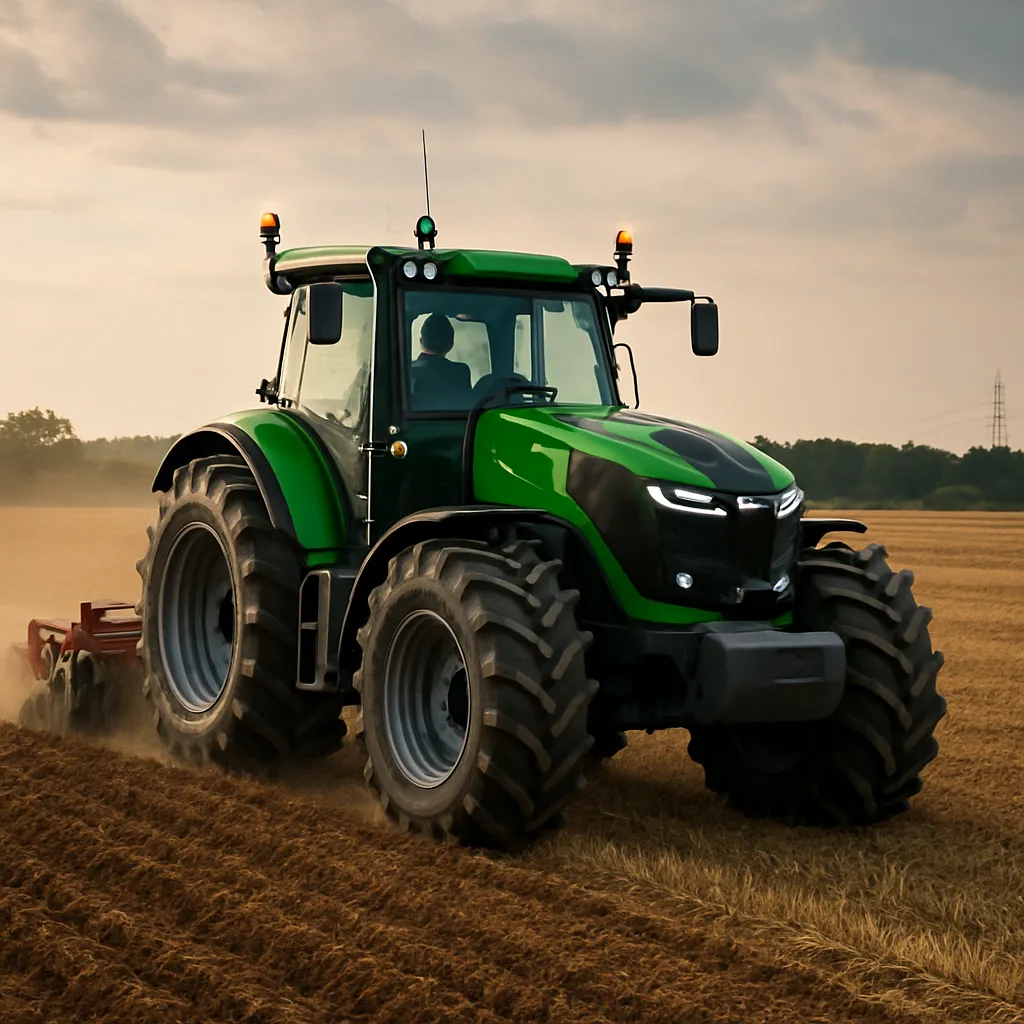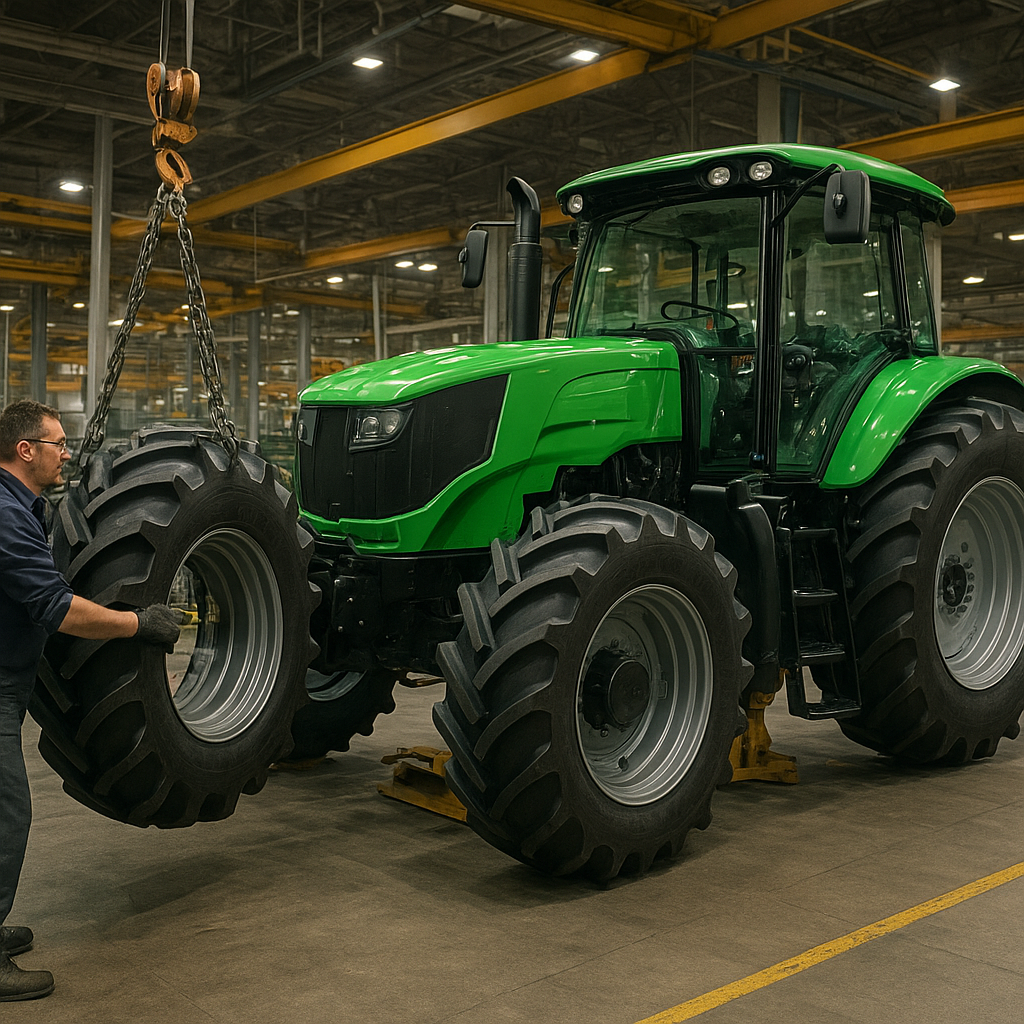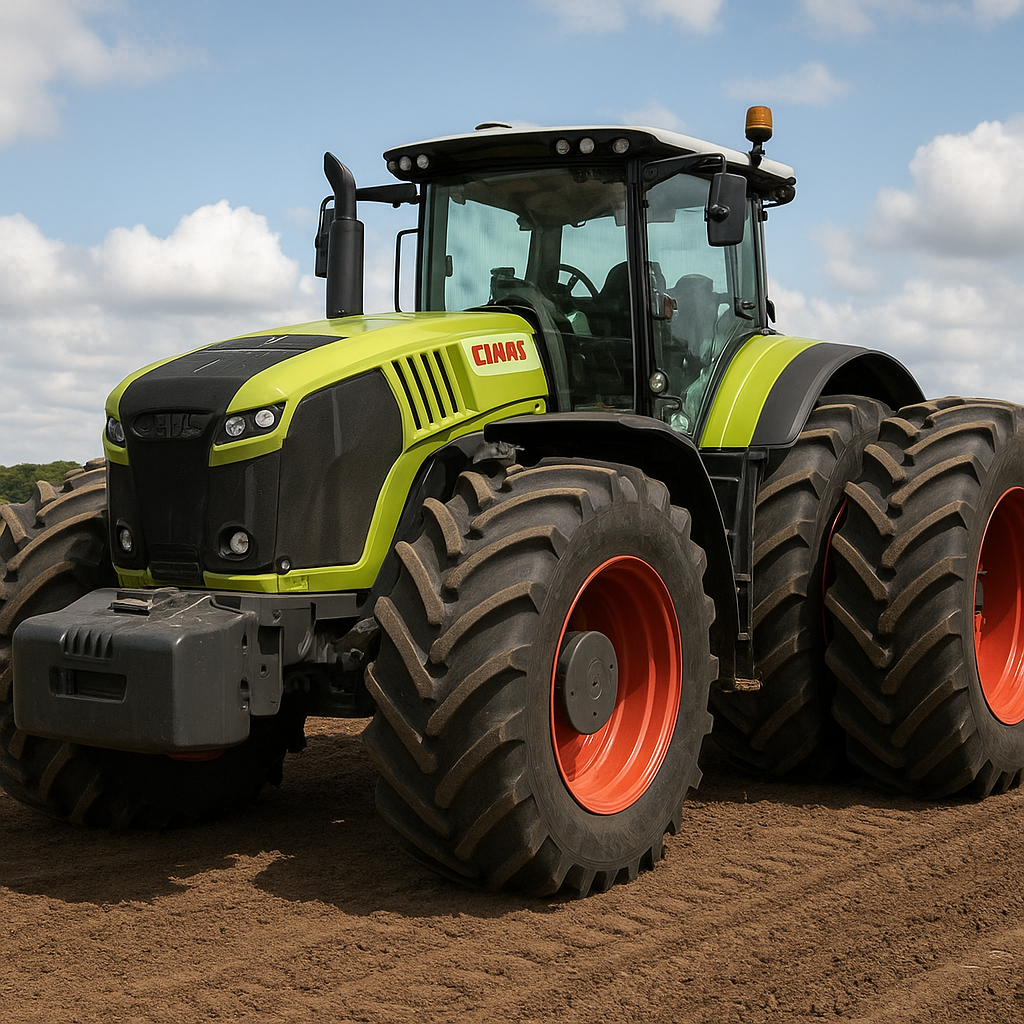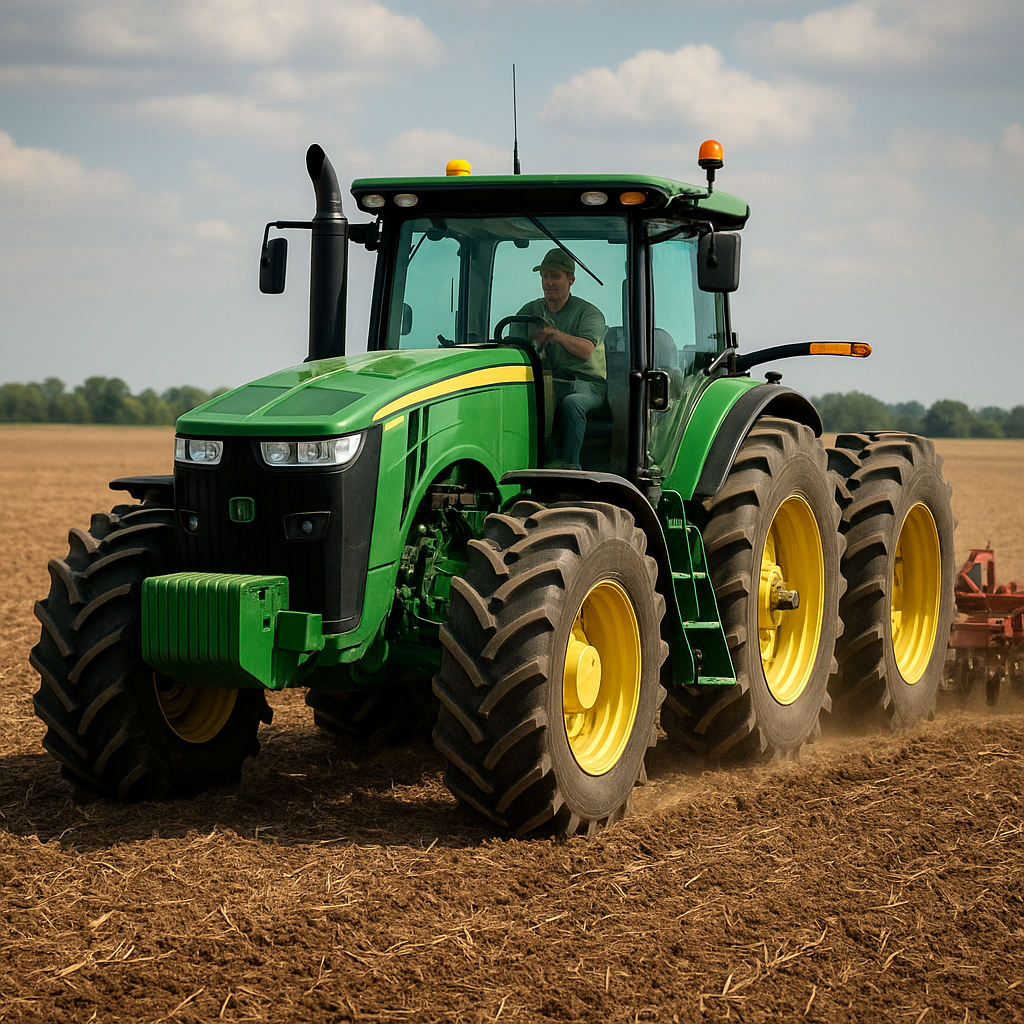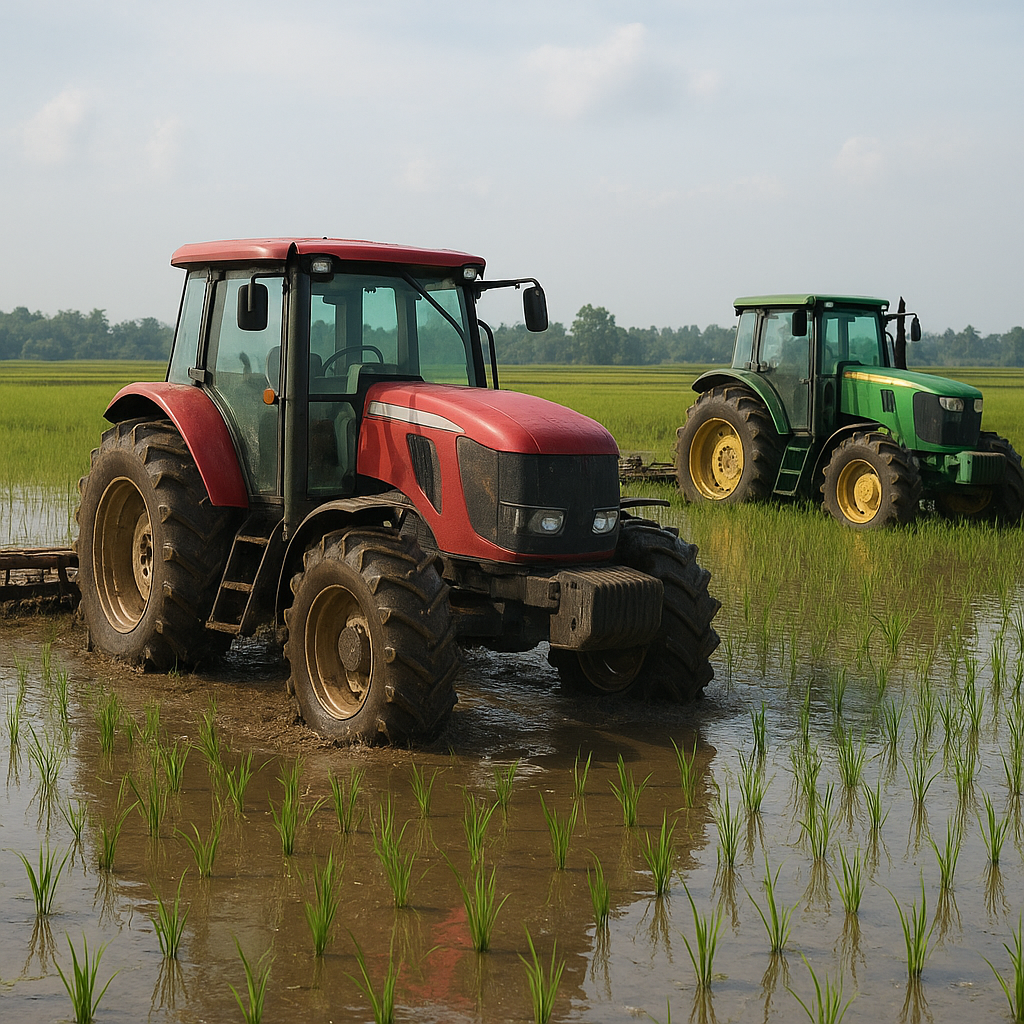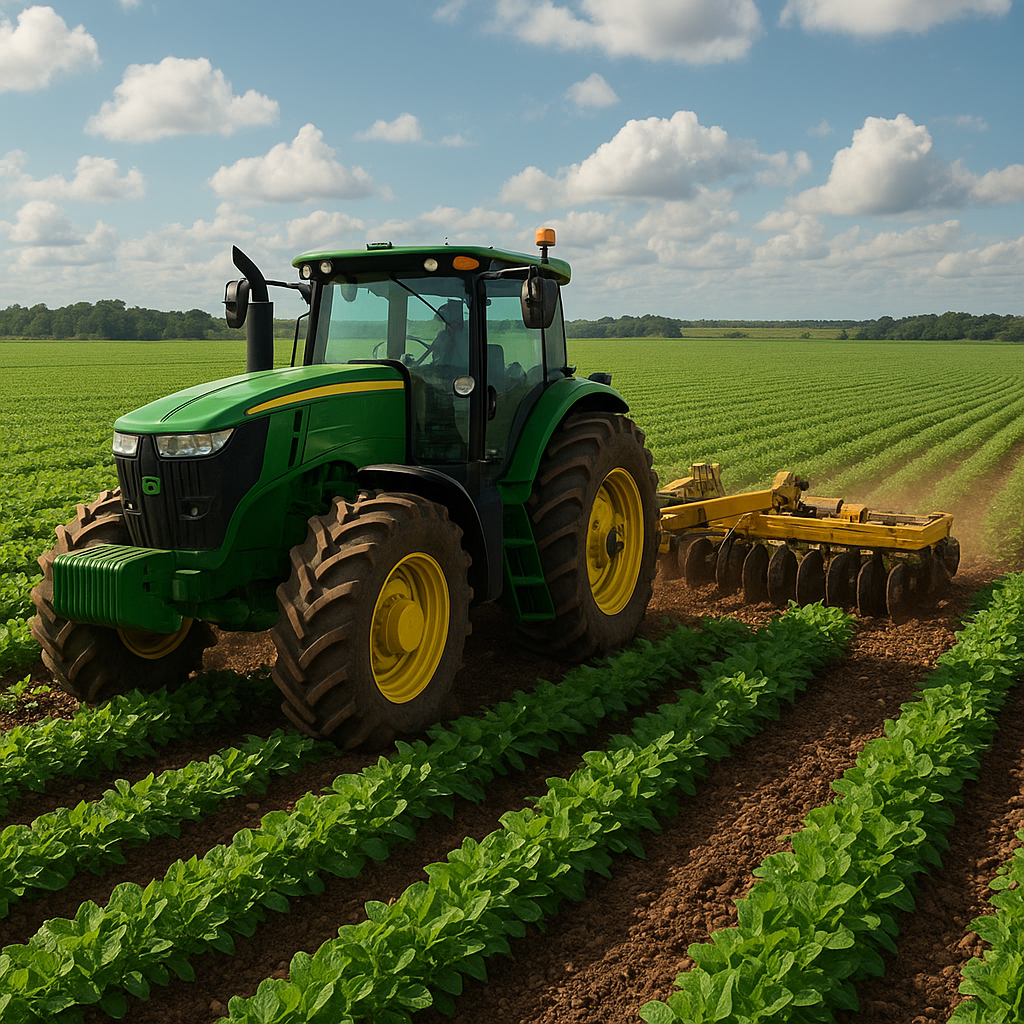
The sprawling fields of the Brazilian Cerrado are now home to some of the most impressive agricultural machinery on Earth. Farmers turning this vast landscape into a powerhouse of soybean export rely on mega tractors that deliver unmatched performance. In a competitive global market, these behemoths have become essential to maximizing yield while reducing labor and operational costs. From the sun-baked savannas of Mato Grosso to the rich soils of Paraná, the age of gigantesque machines is transforming how soybeans are planted, nurtured, and harvested.
The Evolution of Mega Tractors in Brazil
Brazil’s tractor story began modestly in the mid-20th century when small two-wheel machines replaced animal labor on pioneering farms. Over decades, as the nation’s agrarian frontier expanded, so did the demands on mechanical power. By the 1980s, local assemblers collaborated with global manufacturers to produce mid-size tractors, but it wasn’t until the early 2000s that the concept of a powerful engines-driven, high-horsepower workhorse took root. Today’s models often exceed 600 horsepower, featuring advanced drivetrains and sophisticated electronics designed for broad-acre soybean fields.
From Humble Beginnings to Industrial Giants
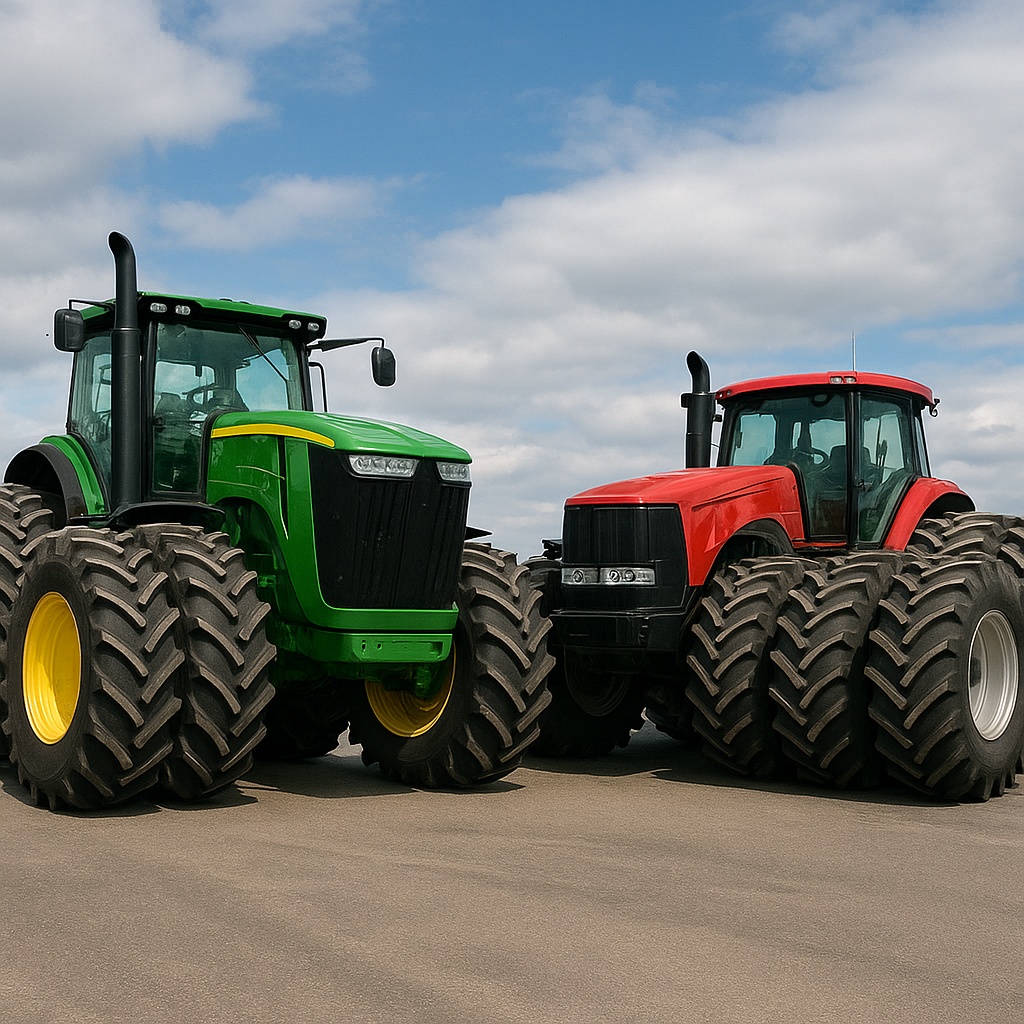
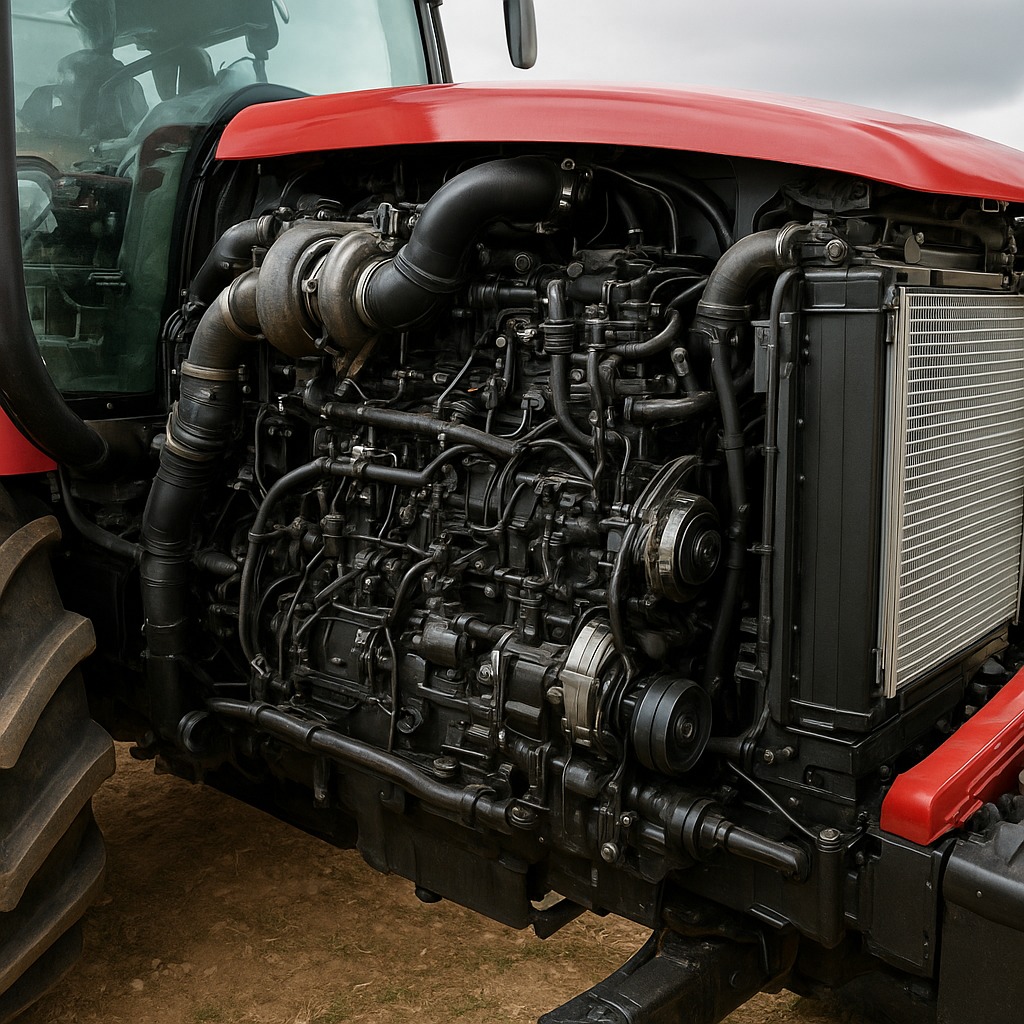
Early Brazilian tractors rarely surpassed 100 horsepower and lacked precision guidance systems. The rise of agribusiness and large-scale soybean farming fueled demand for vehicles capable of towing multi-row planters and heavy sprayers over hundreds of hectares daily. International brands introduced dual-wheel configurations, tracked systems, and hydrostatic transmissions. Domestic firms responded with locally adapted models, fine-tuning suspension, cooling systems, and cabin ergonomics to match the rigors of tropical climates. This evolution led to a new class of machines that can operate for ten hours straight while consuming twenty liters of diesel per hour—numbers that seemed impossible three decades ago.
Key Players and Models Driving Soybean Cultivation
Market competition in Brazil has attracted major global manufacturers and rising local champions. While brands like John Deere, Case IH, and New Holland dominate sales charts, Brazilian divisions of international companies often unveil region-specific upgrades. These include high-capacity air filtration, reinforced chassis, and software tuned to local soil types.
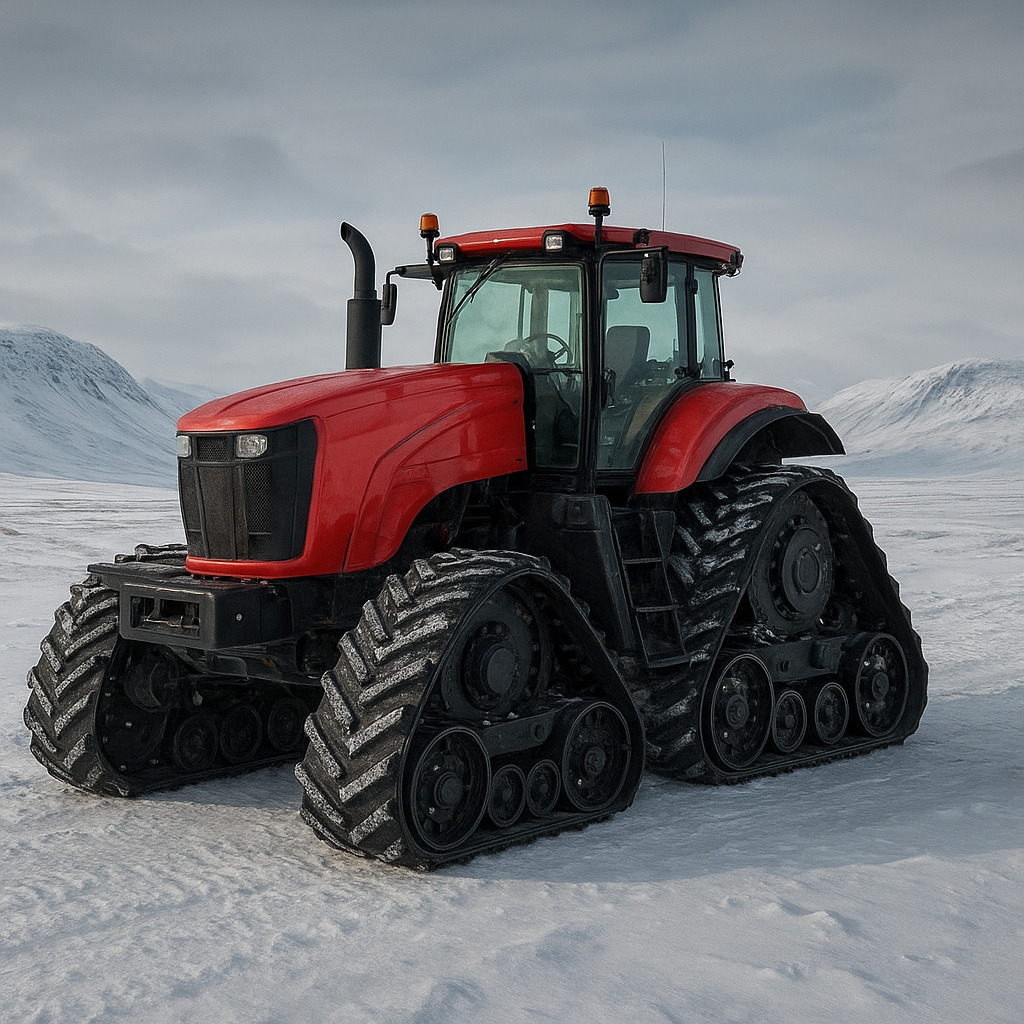
- John Deere 9470RT: This flagship model offers continuous tracks for reduced soil compaction and improved traction, essential when heavy implements traverse soft ground during wet seasons.
- Case IH Steiger 620: With a massive frame and 620 horsepower, it pairs perfectly with air seeders that cover ten rows simultaneously, streamlining planting operations.
- New Holland T9 Series: Featuring the Auto Command CVT (Continuously Variable Transmission), it optimizes fuel consumption and keeps engine rpm within an ideal range for efficiency.
- Local OEM Xtrac A750: A Brazilian success story, this tractor integrates locally sourced components and a rugged cooling system. It’s praised for reliability in remote areas lacking dealer support.
Integration with Soybean Production Chains
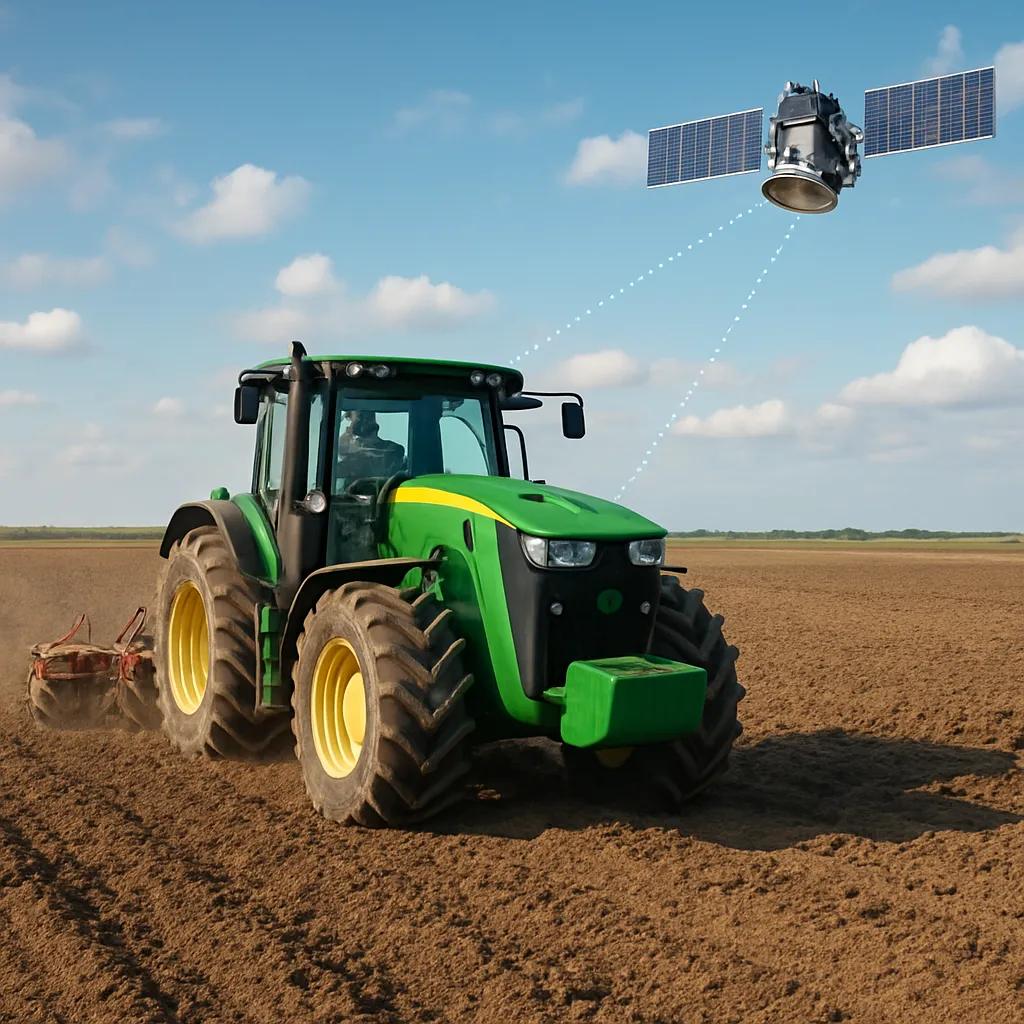
Tractors are the backbone of every link in the production chain, from field preparation and seeding to fertilization and pest control. Equipped with GNSS guidance, these vehicles achieve centimeter-level accuracy. This boosts planting uniformity and pesticide coverage, directly raising Brazilian agriculture output. As soybean prices fluctuate on global markets, farmers invest in high-tech tractors to differentiate themselves through superior field management and lower operational expenses.
Technological Innovations and Efficiency Gains
Behind the hulking frames of modern tractors lies a suite of advanced technology designed to squeeze every drop of productivity from the land. Key innovations include:
- Precision farming systems: Real-time soil mapping and variable-rate applications enable input optimization at the sub-meter level.
- Telematics: Remote performance monitoring reduces downtime by alerting operators to maintenance needs before breakdowns occur.
- Hybrid and alternative fuels: Experimental models using biodiesel blends and electric-assist motors aim to lower carbon footprints and improve sustainability.
- Autonomous driving modules: Trials are underway for self-driving tractors that follow preprogrammed paths, freeing operators for multitasking tasks such as data analysis.
These advancements enhance engine torque management and reduce slippage, resulting in fuel savings of up to 15 percent per planting season. High-definition displays within cabs present real-time data on soil moisture, fertilizer distribution, and machine health. By integrating tractor performance into farm management software, cooperatives and individual operators can benchmark results, allocate resources more effectively, and forecast maintenance budgets.
Digital Agriculture Ecosystem
Brazilian farmers increasingly rely on a network of satellites, drones, and on-the-ground sensors. Tractors equipped with the latest modulation tools can adapt seeding rates and chemical mixes on the fly. This real-time adaptability translates into consistent germination rates and robust crop stands. In many regions, these systems have boosted average soybean yield from three to four tons per hectare, a dramatic improvement that underpins Brazil’s role as a leading exporter.
Challenges and Future Prospects
Despite stunning progress, several hurdles remain. Labor shortages, rising equipment costs, and volatile commodity prices create uncertainty. The upfront investment for a top-tier 600+ horsepower tractor can exceed half a million US dollars, forcing smaller farms to form cooperatives or rely on custom service providers. Infrastructure gaps, such as inadequate roads and limited maintenance networks, also challenge remote operations.
- Financing constraints: High down payments and interest rates strain budgets, especially for mid-sized producers.
- Parts availability: Imported electronic components may face delays due to customs bureaucracy.
- Environmental regulations: Stricter emissions standards will require upgrades to engine designs and after-treatment systems.
Looking ahead, the ongoing refinement of tractors promises even greater integration with renewable energy sources and carbon-tracking software. Farmers and manufacturers are exploring hybrid drivetrain prototypes that pair diesel engines with battery-powered traction motors. Such hybrids could deliver instant torque bursts, reducing fuel spikes during heavy pulling. In addition, research into alternative lubricants and biodegradable hydraulic fluids aligns with broader goals of ecological stewardship.
Outlook for Brazilian Soybean Industry
As global demand for plant-based proteins rises, Brazil’s soybean belt will remain a focal point for innovation in mechanization. Continuous improvements in machine size, automation, and data analytics will drive down costs per ton of harvested beans. Partnerships between technology firms, agricultural research institutes, and rural producers will accelerate the adoption of next-generation tractors that offer seamless connectivity, minimal environmental impact, and maximized productivity.
Ultimately, the synergy between human expertise and mechanical might will determine how effectively Brazil can maintain its leading position in world markets. The next decade might see fleets of driverless tractors mapping fields and adjusting seeding rates autonomously, but one thing is certain: the era of mega tractors has only just begun, with untapped potential waiting to be harnessed across the vast plains of South America.