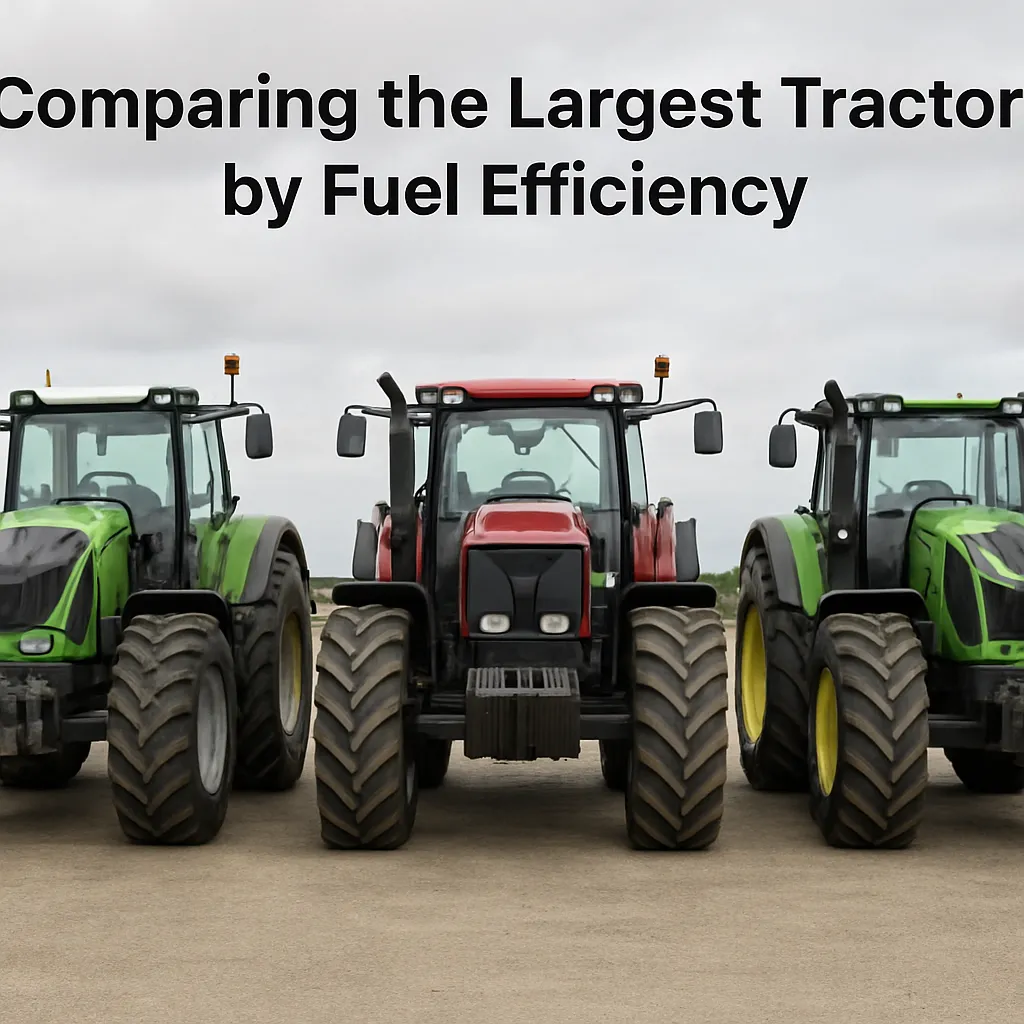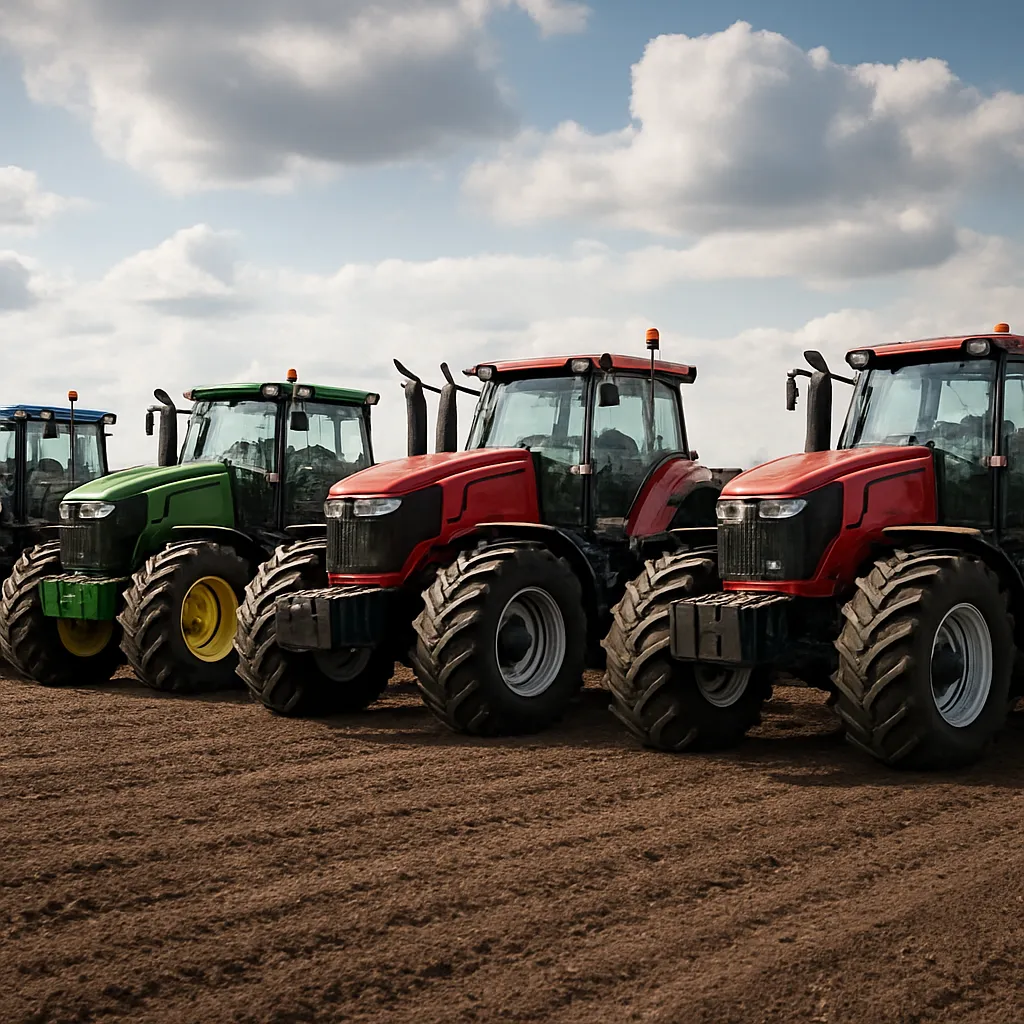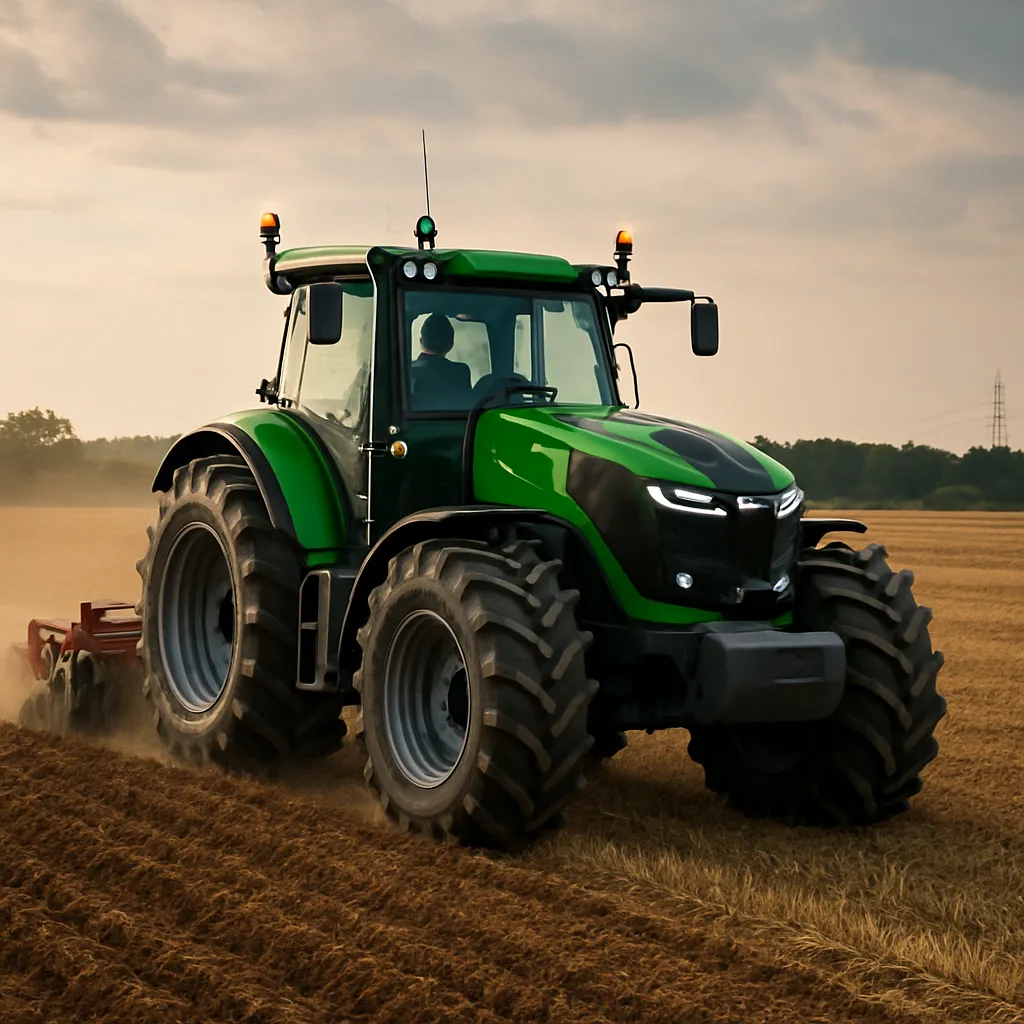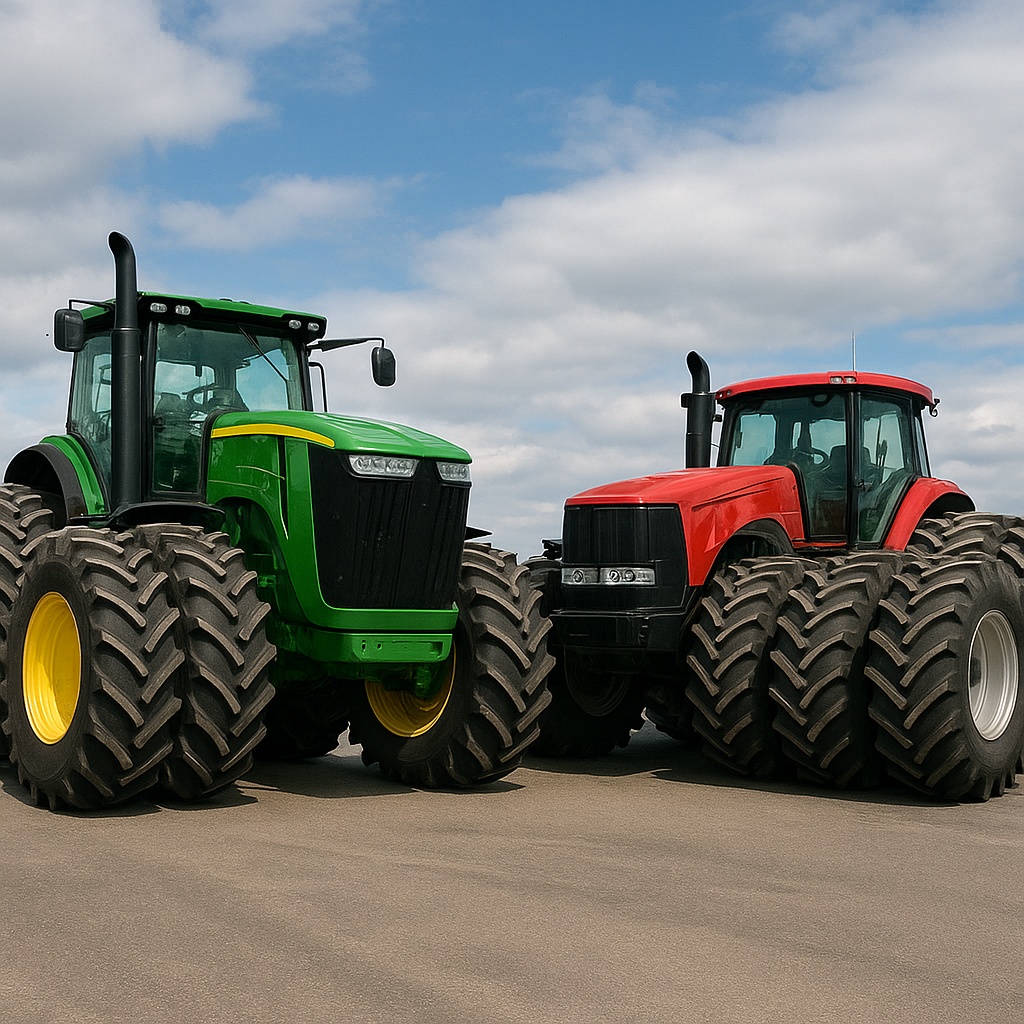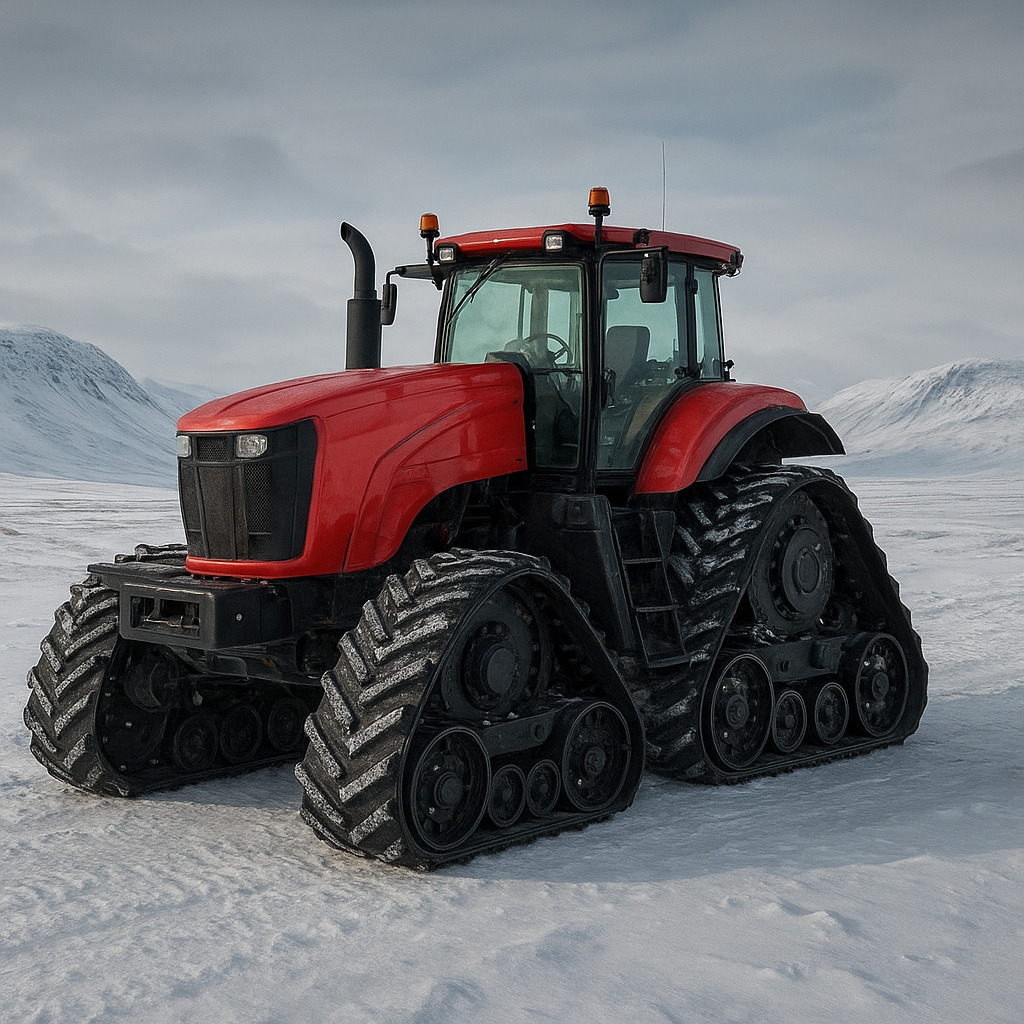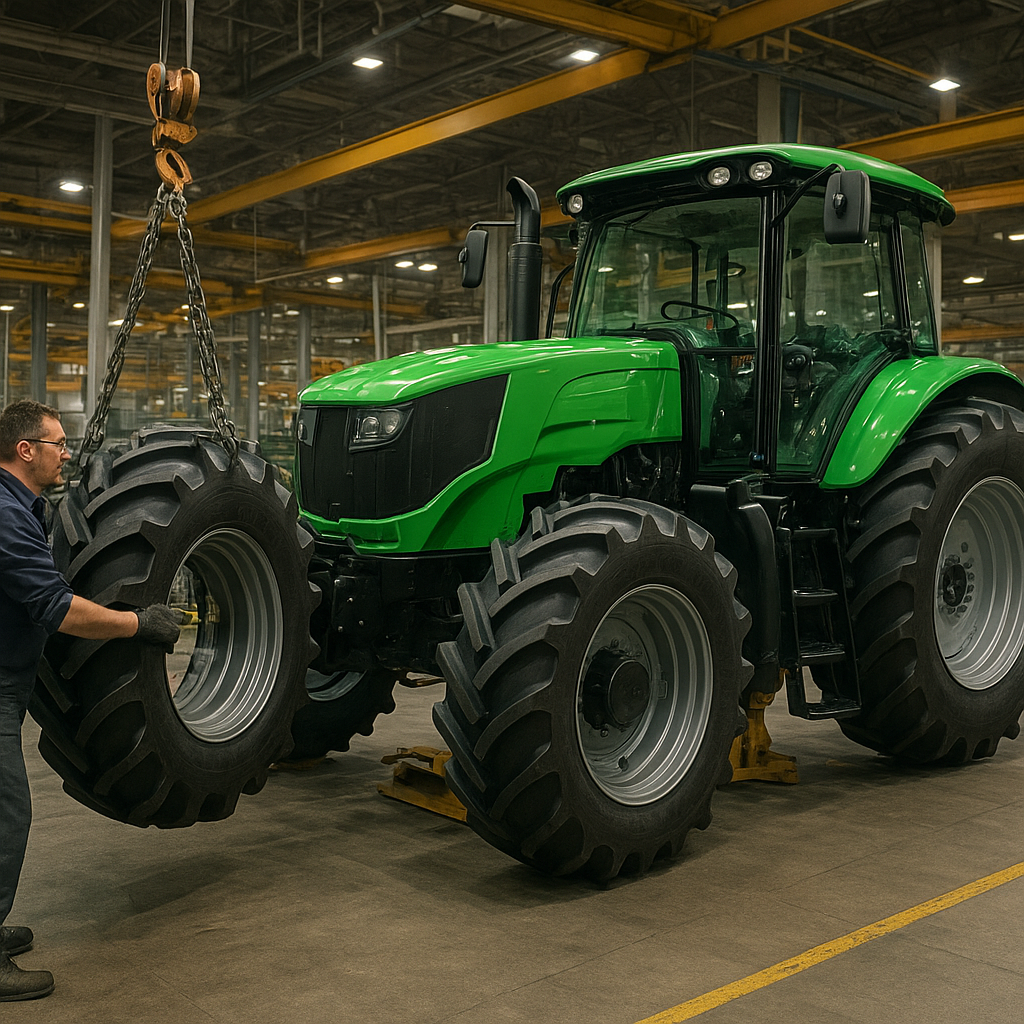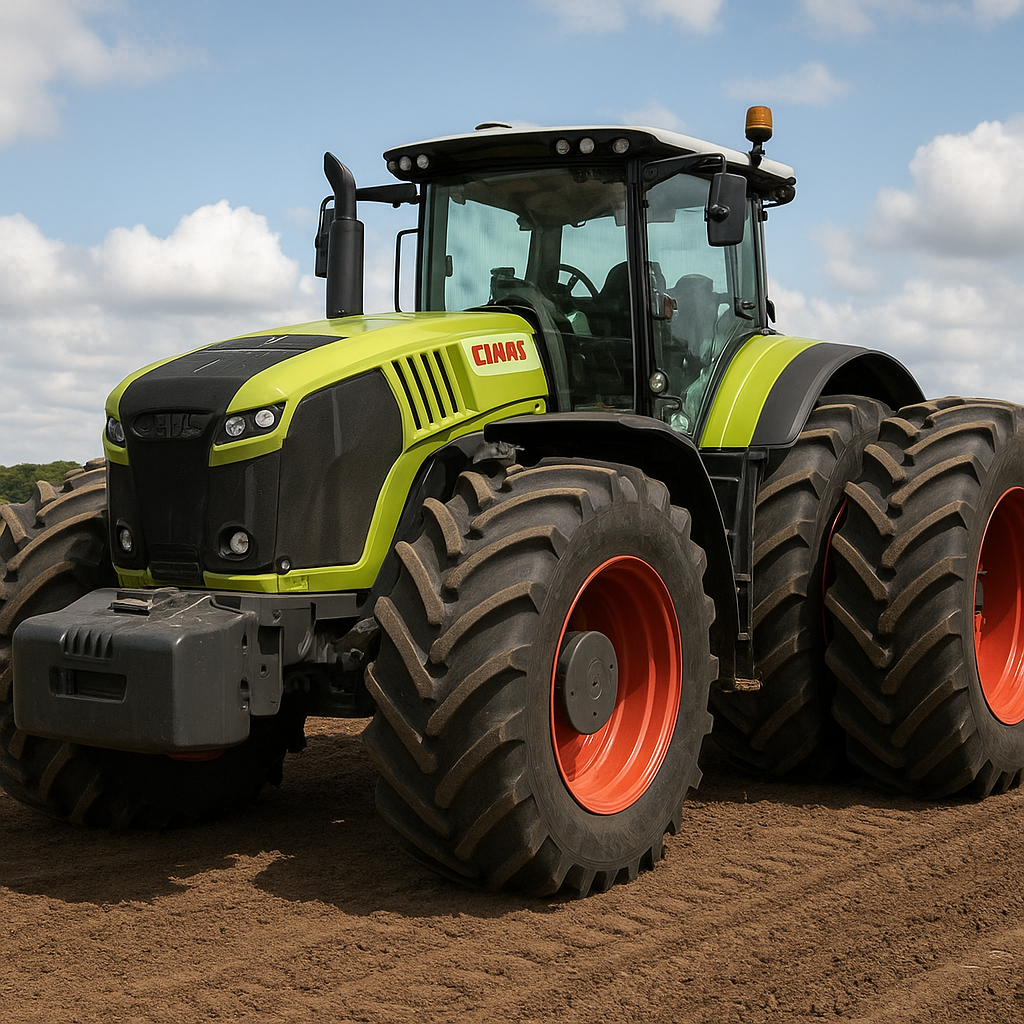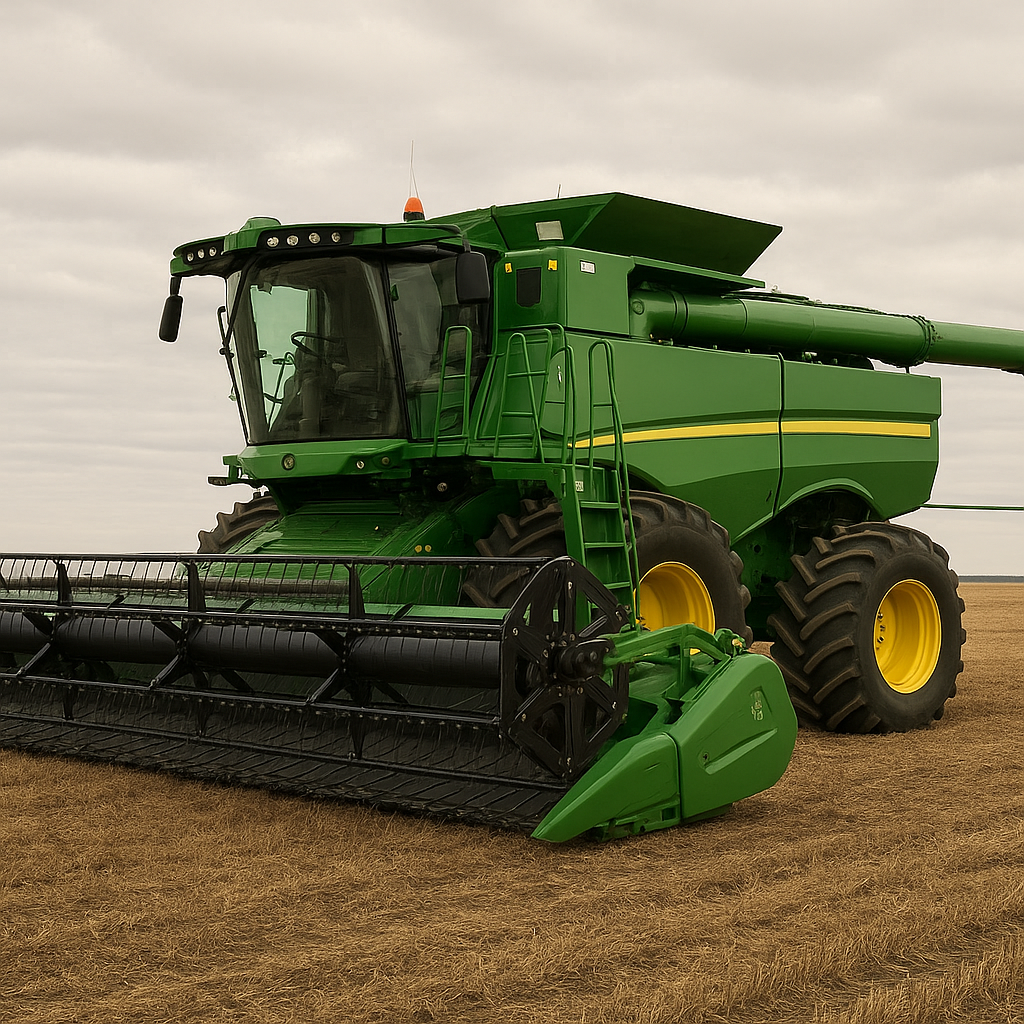
The world of modern agriculture has witnessed a remarkable shift towards ever-larger, ever-more-powerful machines. Among these, the **biggest** combine tractors stand out as icons of sheer **scale** and engineering prowess. This article explores the evolution, the cutting-edge **technologies**, and the most **monumental** models that have redefined the possibilities of **harvesting** on an industrial scope.
Evolution of Massive Agricultural Powerhouses
The journey towards today’s giants began in the early 20th century, when small, steam-powered farm tractors gave way to more reliable internal combustion engines. As farm sizes expanded, so did the demand for greater **efficiency**, pushing manufacturers to design ever-larger machines. By the 1960s, farmers experimented with dual-engine layouts and multiple axles to increase pulling capacity. These prototypes laid the groundwork for true behemoths that would emerge decades later.
Key milestones in this evolution included the shift from single to dual and even quad engine configurations, as well as the adoption of hydrostatic and fully electronic steering systems. Each leap in design allowed tractors to haul heavier implements, cover more ground per hour, and tackle challenging terrains that were once impossible for standard equipment.
Engineering Breakthroughs Behind Record-Breaking Machines
At the heart of the biggest tractors lies a suite of **innovations** that marry raw power with precise control. Turbodiesel engines exceeding 800 horsepower became a reality through advancements in fuel injection, turbocharging, and intercooling. Modern variants boast outputs well over 1,000 hp, delivering the muscle needed to pull massive cultivators and planters.
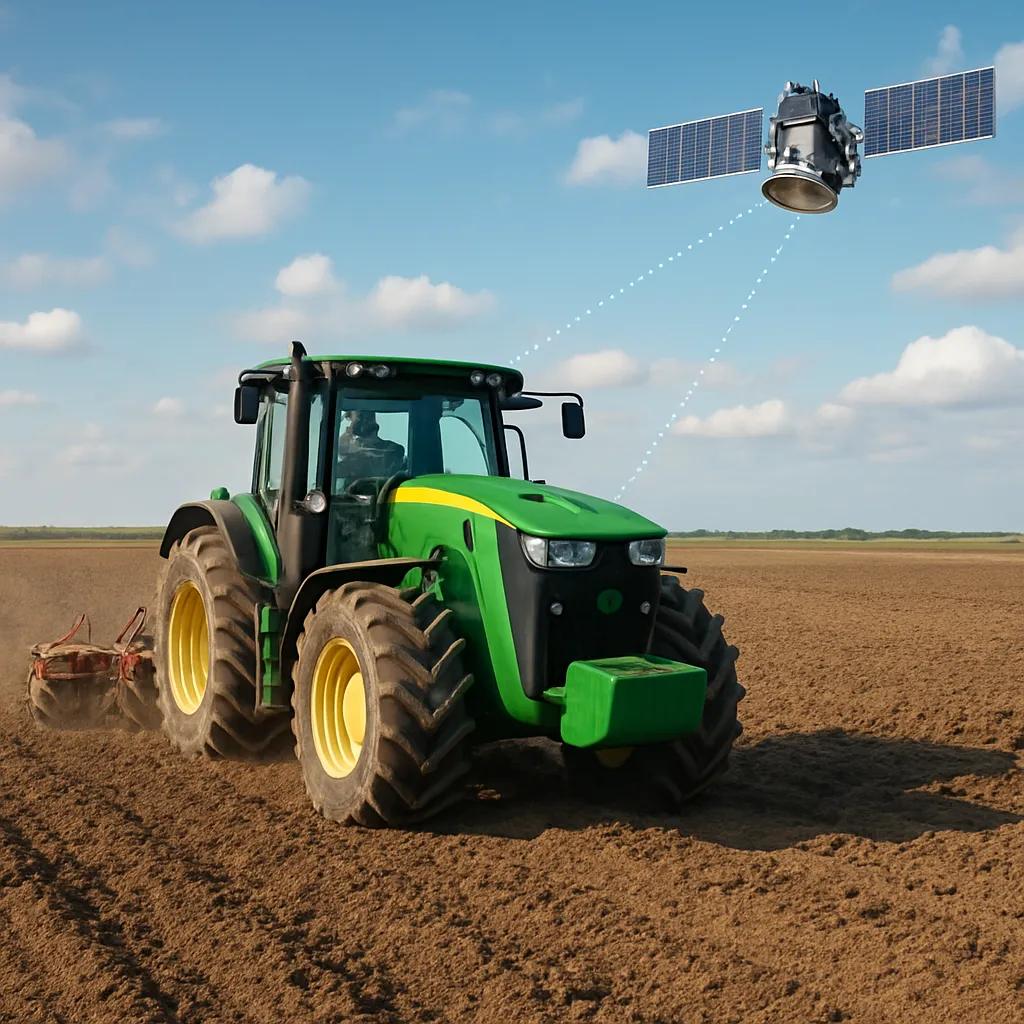
Beyond brute force, these giants incorporate sophisticated computer systems. Real-time telemetry monitors engine parameters, soil conditions, and implement performance, allowing operators to adjust settings on the fly for peak **productivity**. GPS-guided auto-steer technologies ensure perfect row alignment and minimal overlap, translating into significant savings in seed, fertilizer, and fuel.
Another cornerstone is the heavy-duty transmission. Continuously Variable Transmissions (CVT) have become increasingly prevalent, offering seamless speed adjustments and optimal engine load management. Hydraulics have also scaled up dramatically; hydraulic pumps capable of over 500 liters per minute power implements with precise pressure control, enabling uniform tillage and **planting** depths across vast fields.
Iconic Gigantic Models and Their Specifications
- Big Bud 747 – Often hailed as the first true mega-tractor.
- Challenger MT975E – A modern titan with advanced electronics.
- Fendt Kagrotron 1050 Vario – Represents the pinnacle of German engineering.
Big Bud 747
The Big Bud 747 holds the record as the **largest** farm tractor ever built. Constructed in 1977 by Northern Manufacturing Company, it sports a twin-turbocharged Detroit Diesel 16V92T engine producing an astonishing 947 horsepower. Weighing over 57 tons, it features 8 massive tires across four axles. Its frame is built from welded steel beams, and the hydraulic system delivers around 380 liters per minute. Despite predating modern electronics, its sheer mechanical **robustness** allowed operators to tackle enormous cultivators and plows with ease.
Challenger MT975E
Introduced in the early 2000s, the Challenger MT975E elevated the game with 1050 horsepower driven by a Caterpillar 3516B engine. This model incorporates a full CVT, integrated auto-steer, and an onboard computer that adjusts engine output in response to load and ground conditions. With a weight of approximately 36 tons and four track units instead of tires, it minimizes soil compaction while offering exceptional traction. Its advanced **telemetry** system can log thousands of data points per hour, enabling farm managers to optimize field workflows.
Fendt Kagrotron 1050 Vario
Launched by AGCO’s Fendt brand, the Kagrotron 1050 Vario delivers 1,044 hp via a MAN-built engine. Its hallmark is the VarioDrive dual-circuit compact **CVT**, ensuring zero steps between working speeds and road transport speeds up to 60 km/h. The hydraulic output exceeds 600 liters per minute, and the electrically controlled implement interface provides near-instant response times. A gyroscopic suspension system maintains stability on undulating ground, while the luxurious cab offers air-sprung seats, climate control, and a fully integrated touchscreen console for controlling all functions.
Future Prospects in Mega-Tractor Development
Looking ahead, the trend towards ever-larger machines might be tempered by sustainability concerns. Hybrid drivetrains combining diesel with electric motors promise lower emissions and improved fuel economy. Manufacturers are researching autonomous operation, where fleets of unmanned giants coordinate via cloud-based platforms. Soil health remains critical, prompting innovation in track technology and adaptive ballast systems that reduce compaction while preserving high **torque** and traction. Whether powered by next-generation biofuels or advanced battery packs, the tractors of tomorrow will continue to push the boundaries of **agricultural** engineering and redefine what it means to harvest on an epic scale.