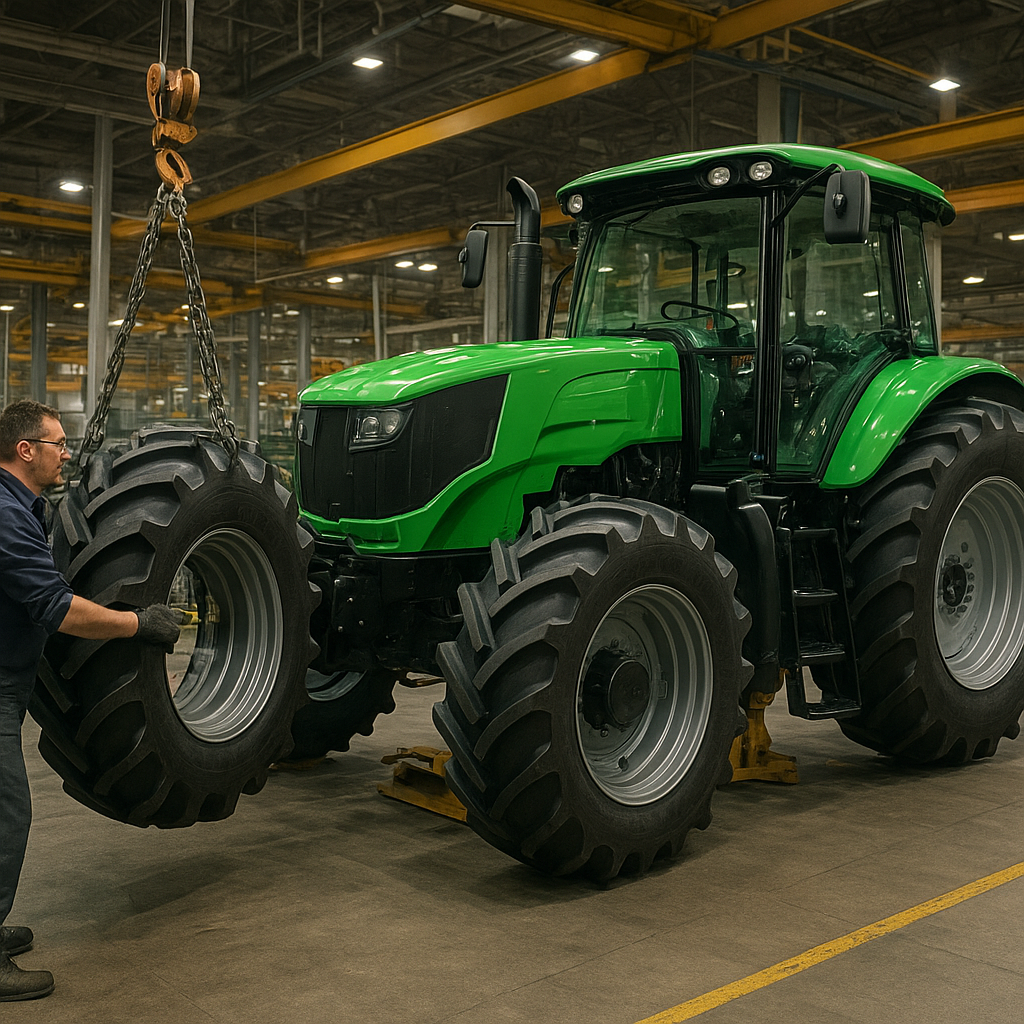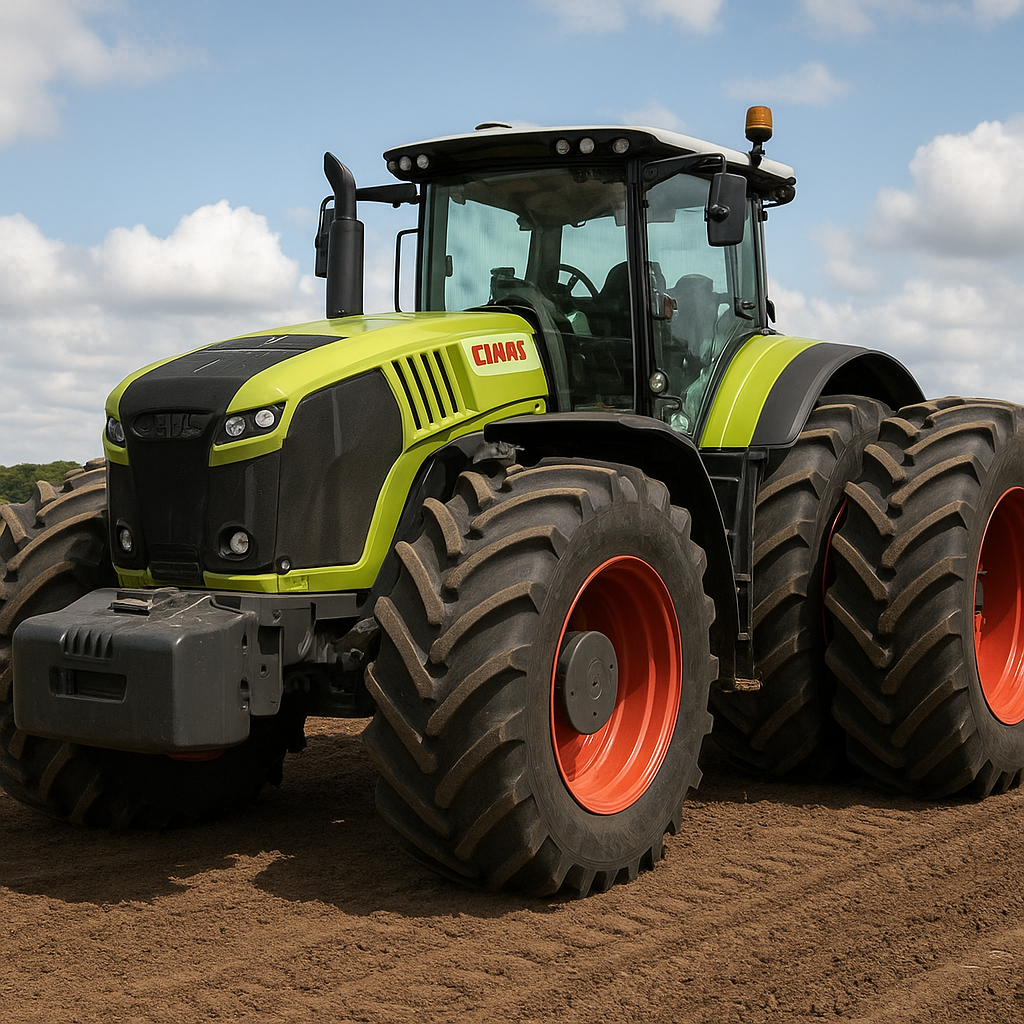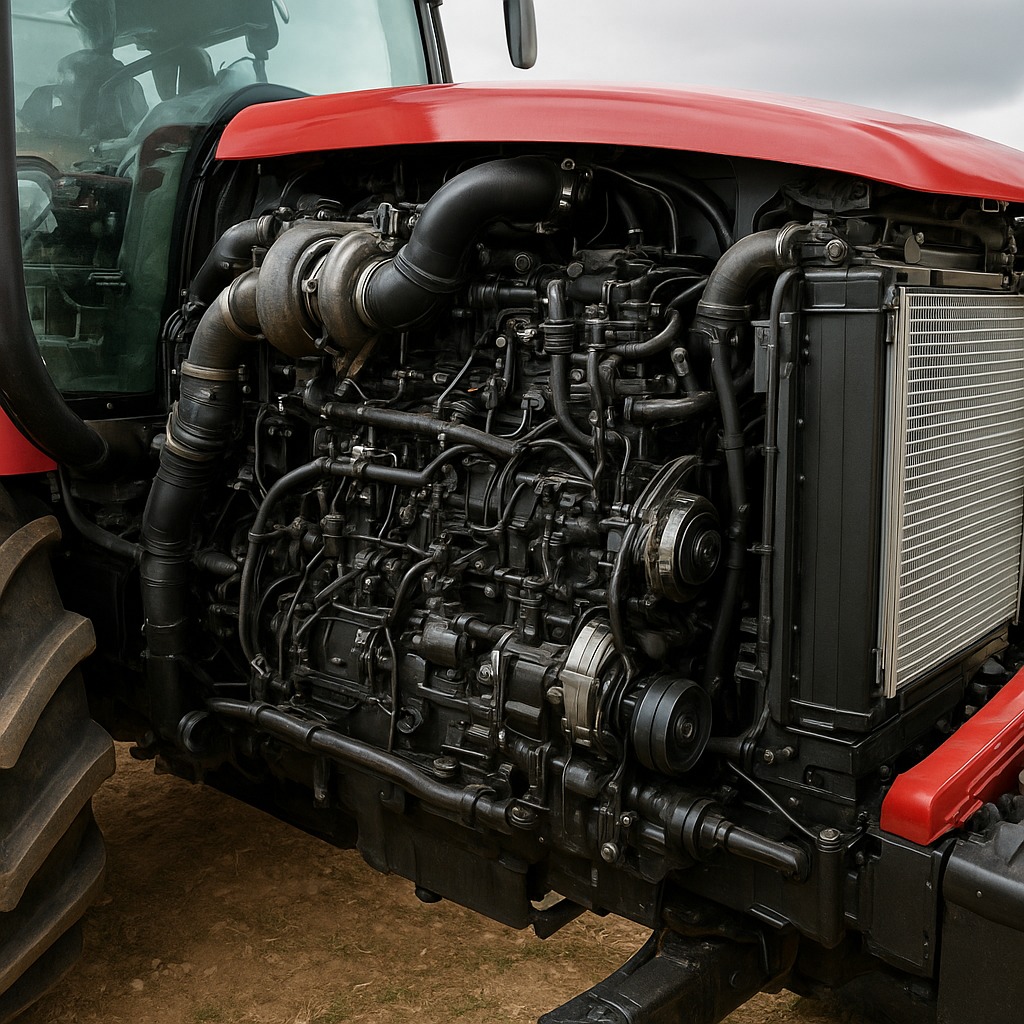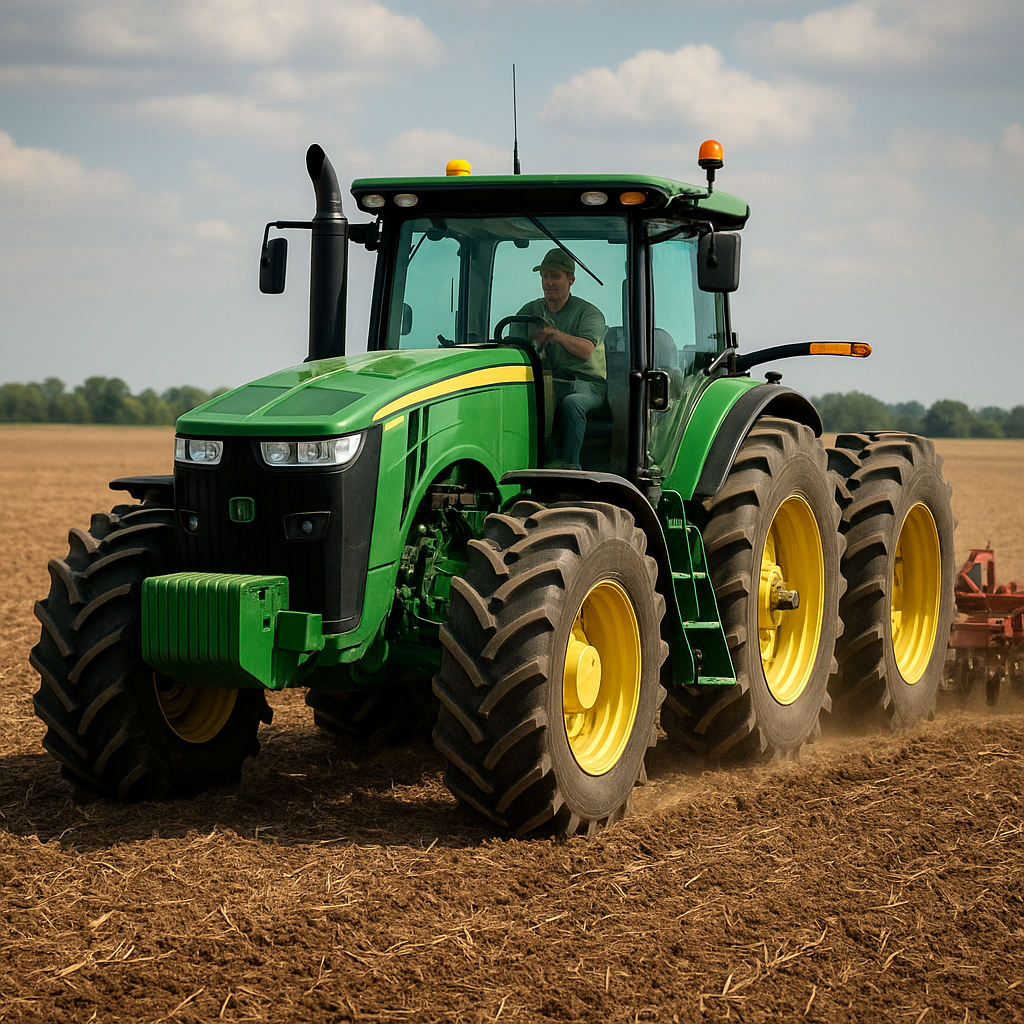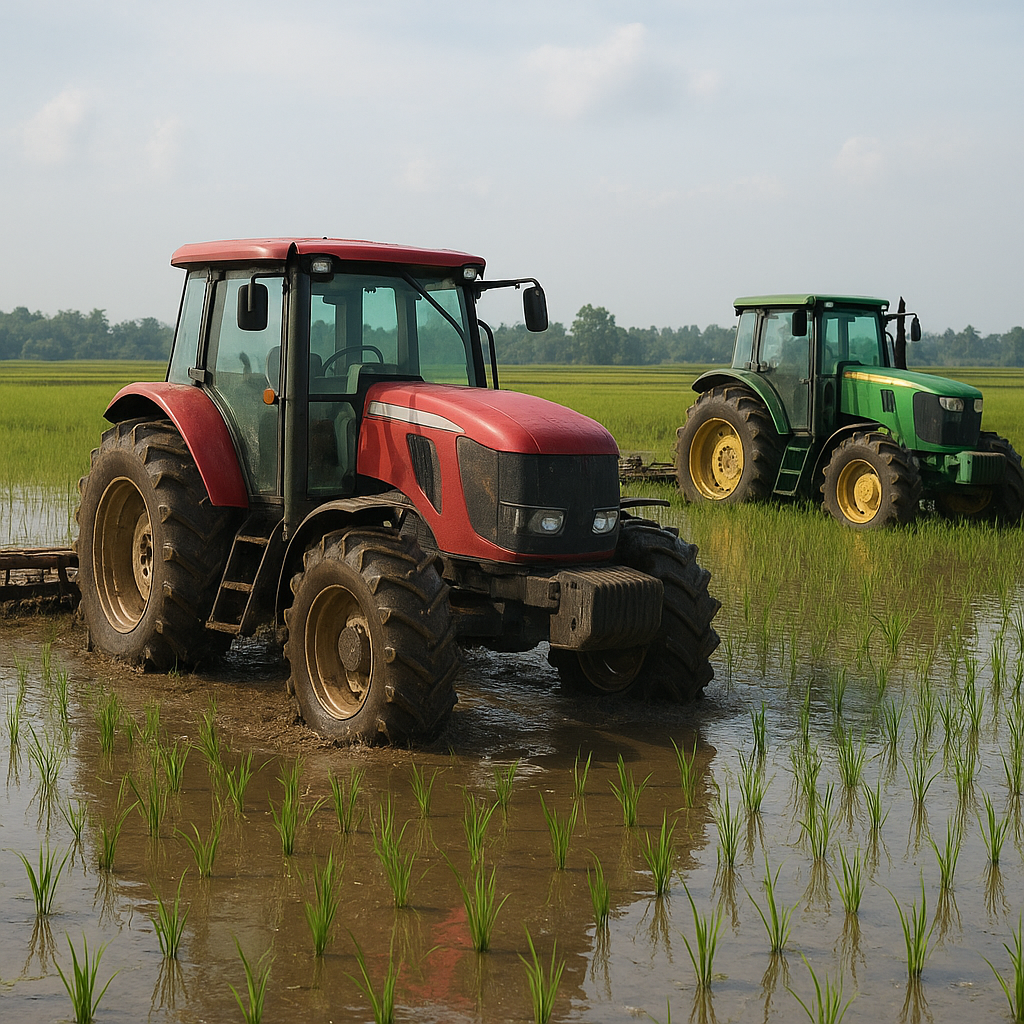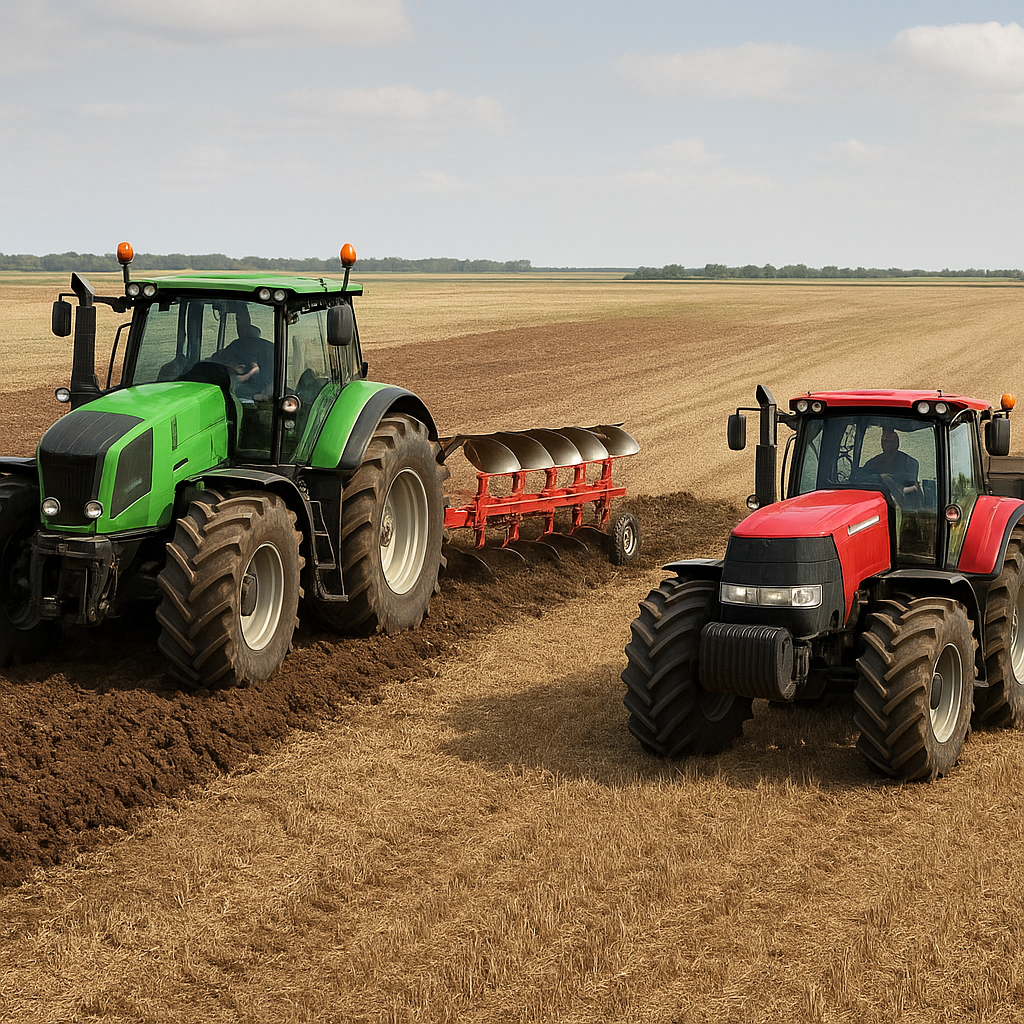
The world of modern agriculture relies heavily on the immense capabilities of the largest farm machines. From breaking tough soil to hauling massive loads, these mechanical giants redefine the concept of efficiency on large-scale operations. This article delves into the most powerful tractors used for plowing contrasted with those designed primarily for hauling, exploring their unique features, performance metrics, and impact on the farming industry.
Power Giants: Leading the Plowing Charge
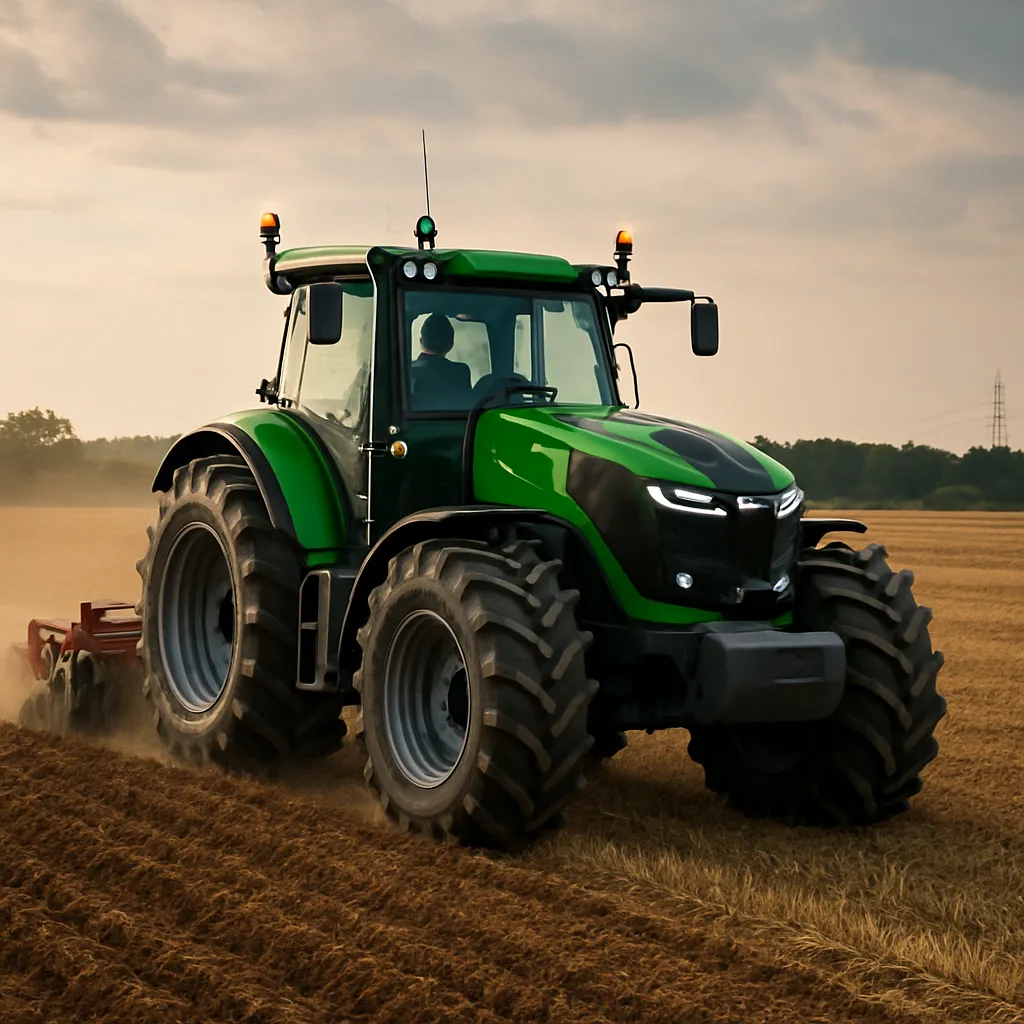
When it comes to tackling hard-packed fields after winter or preparing vast tracts for spring planting, farmers turn to the most formidable plowing tractors available. These vehicles boast staggering horsepower ratings—often exceeding 600 HP—to pull multi-furrow plows through heavy clay and dense soils. Their massive tires or tracks deliver outstanding traction, reducing slippage and ensuring uniform furrow depth.
- Case IH Steiger Quadtrac – Equipped with four independent tracks and up to 620 HP, it minimizes soil compaction while maximizing ground contact.
- John Deere 9RX – This tracked monster delivers up to 670 HP and features advanced ActiveCommand Steering for precise control.
- Fendt 1100 Vario MT – Combining a 12.4-liter engine with stepless Vario transmission, it produces around 627 HP and boasts outstanding fuel economy.
- New Holland T9 Series – Offering up to 682 HP, this tractor integrates IntelliTurn™ for optimized turn performance and minimal crop damage.
These plowing titans often feature suspension systems, such as air-cushioned cabs and chassis, that reduce operator fatigue during long hours in the field. Their robust frames and reinforced transmission gears withstand immense stress, delivering reliable durability.
Hauling Powerhouses: Moving Tons with Precision
While plowing tractors excel at breaking ground, hauling tractors focus on transporting grain, fertilizer, and other agricultural commodities. The critical factors here are load capacity, fuel economy under heavy loads, and braking performance on uneven terrain. Hauling rigs may pair high-torque engines with specialized transmissions that balance speed and pulling force.
- Case IH Magnum AFS – Delivers up to 380 HP but shines in towing capacity and hydraulic output, ideal for large trailers and front loaders.
- Massey Ferguson 8700 S – Known for its Dyna-VT stepless transmission, it handles heavy grain carts with ease and boasts a high-flow hydraulic system.
- CLAAS Xerion 5000 – With a front steering axle, all-wheel drive, and up to 530 HP, it offers exceptional maneuverability while hauling oversized loads.
- John Deere 8R Series – Offers up to 410 HP, CommandPRO joystick control, and Max Tow capability, enabling smooth operation under maximum load.
Hauling tractors also incorporate advanced braking and stability systems, like integrated load balancing and hydraulic trailer brakes, to ensure safe operation on slopes and during highway transit. Their cabs often provide panoramic visibility and ergonomic controls for precise load management.
Head-to-Head: Plowing vs. Hauling
Comparing tractors specialized for plowing against those built for hauling reveals distinct design philosophies. Plowing units emphasize traction and raw engine output, often sacrificing top speed for optimal pull force. Hauling tractors, conversely, balance engine power with transmission gearing that supports sustained speeds of 25–40 km/h under full load.
- Engine Tuning: Plowing tractors feature torque curves peaking at low RPM for breakthrough power, while hauling machines maintain consistent torque across a broader range.
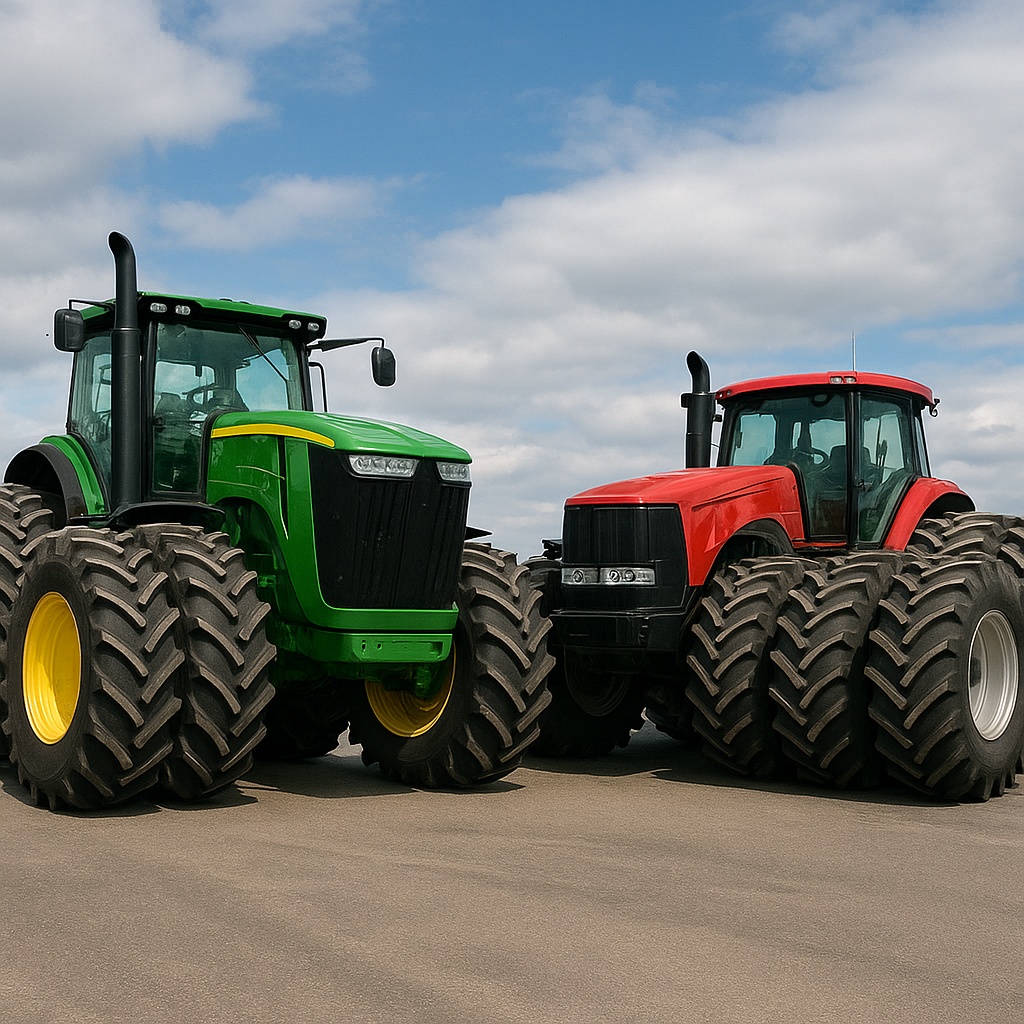
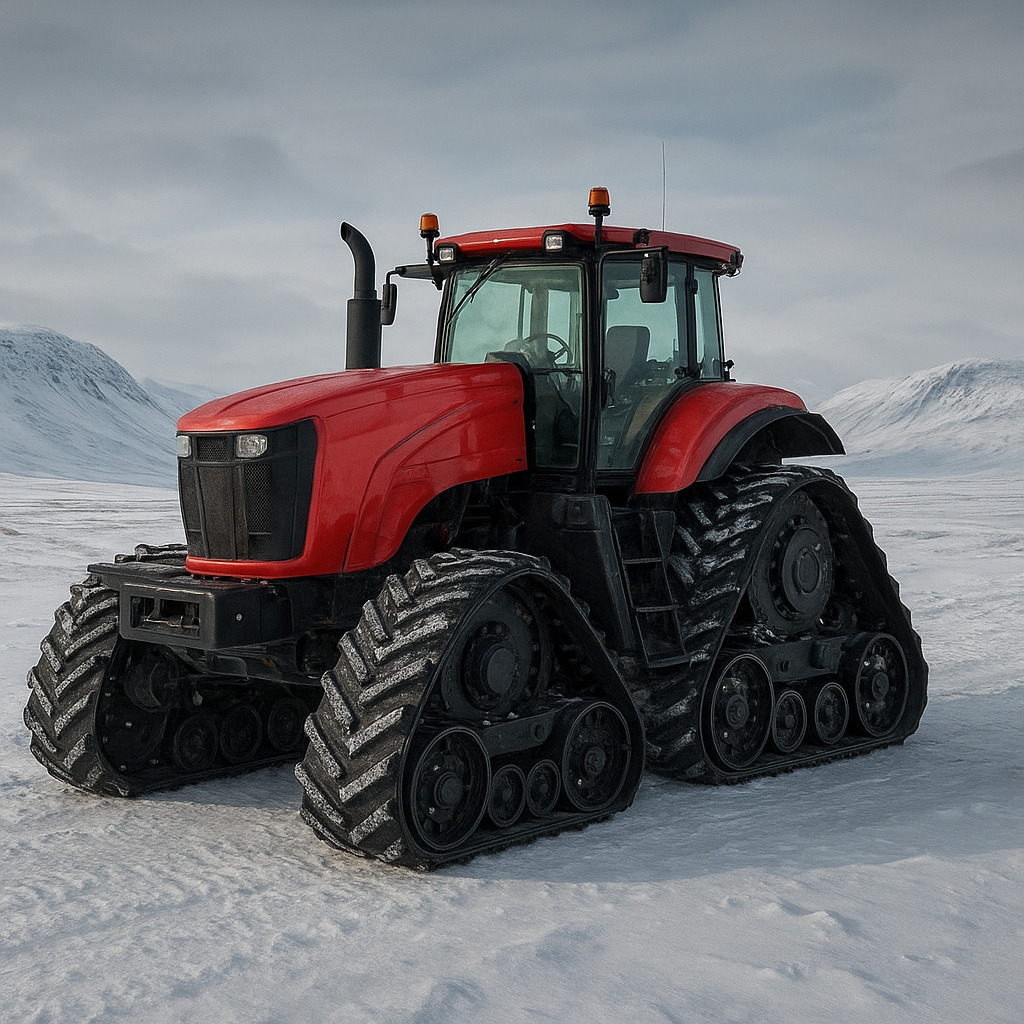
- Undercarriage: Tracks dominate in plowing applications for even weight distribution; heavy-duty tires are preferred for hauling to reduce rolling resistance.
- Hydraulics: Plowers rely on quick-lift systems to adjust plow depth, whereas haulers benefit from high-volume hydraulic pumps for trailer brakes and loader attachments.
- Fuel Efficiency: Advanced engine management and auto-idle functions keep consumption in check, but hauling tractors often achieve better economy at cruising speeds.
Despite these differences, many manufacturers offer modular packages that allow a single tractor model to switch between plowing and hauling roles by changing tires, adjusting ballast, or fitting optional equipment. This versatility enhances overall productivity on mixed-use farms.
Technological Innovations Shaping the Future
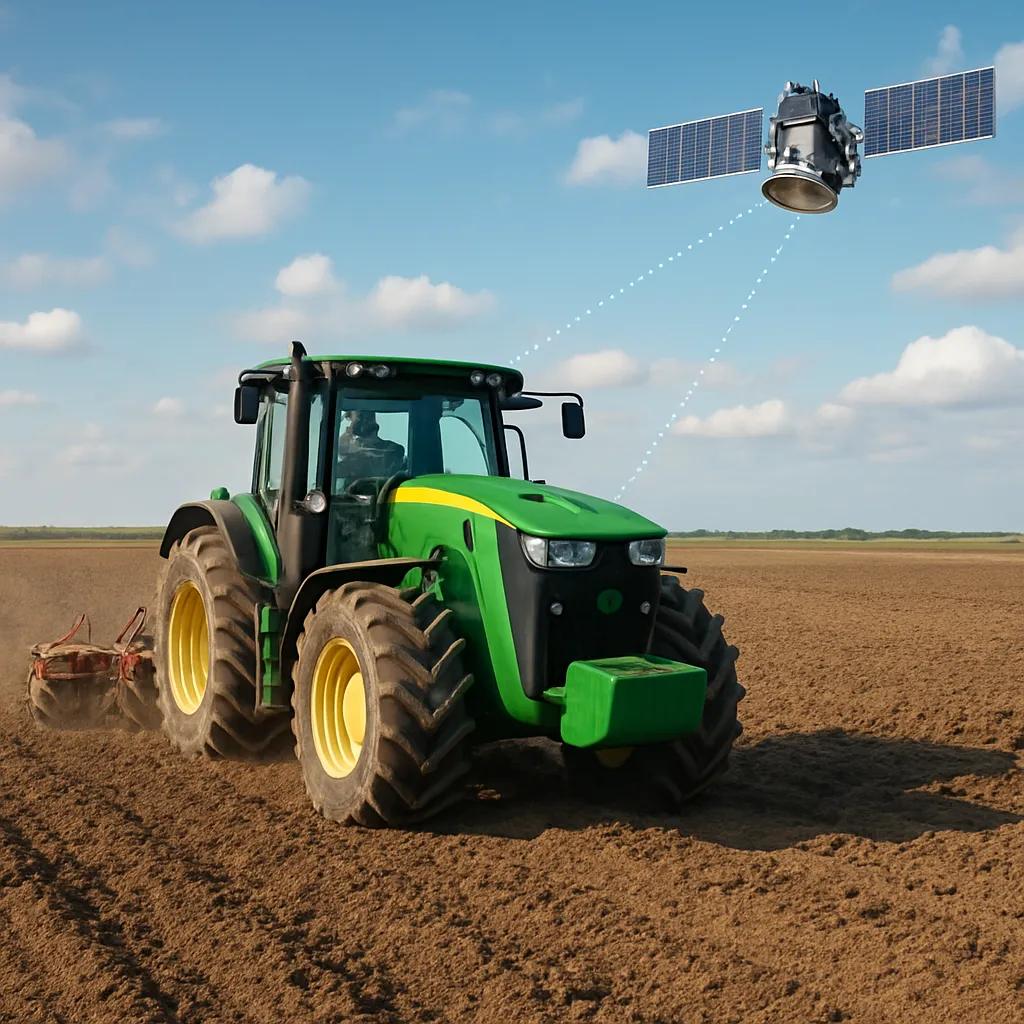
The race for the most capable tractors has sparked breakthroughs in precision agriculture, connectivity, and autonomy. Large tractors now integrate GPS-based auto-steer, variable-rate seeding controls, and telematics platforms that monitor performance in real time. These systems optimize field coverage, reduce overlaps, and lower input costs.
- Autonomous Operation: Prototype tractors from major OEMs can operate without onboard drivers, plowing or hauling in pre-mapped fields under remote supervision.
- Smart Implements: Connected plows and trailers adjust working depth and unloading rates on the fly, communicating with the tractor’s central computer.
- Hybrid Powertrains: Experimental models combine diesel engines with electric drives for peak power on demand and regenerative braking during hauling.
- Advanced Materials: Carbon-fiber-reinforced components reduce weight and improve durability, boosting payload capacities and lowering soil compaction.
Such advancements promise to increase operational efficiency, lessen environmental impact, and elevate safety standards. As demands for sustainable, high-yield farming grow, these monsters of the field continue evolving, merging brute strength with cutting-edge intelligence and setting new benchmarks in agricultural mechanization.