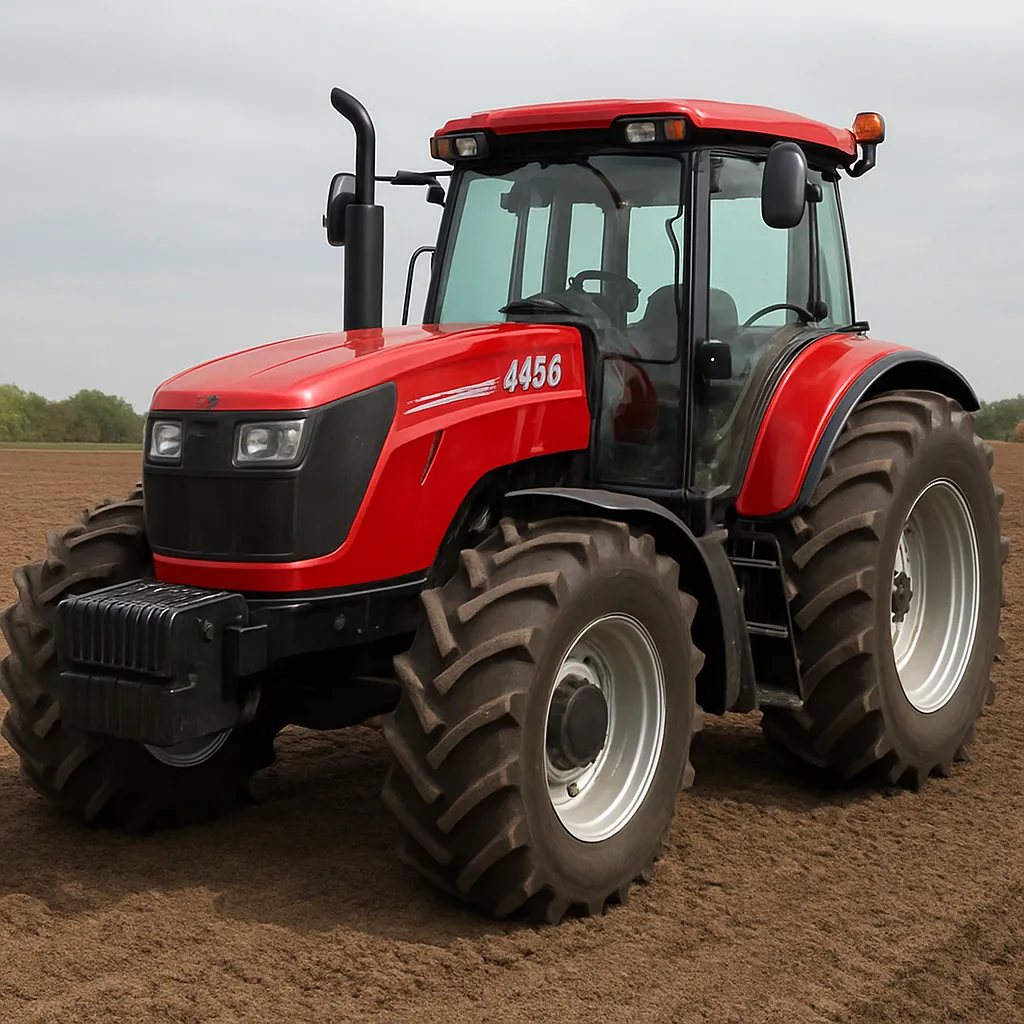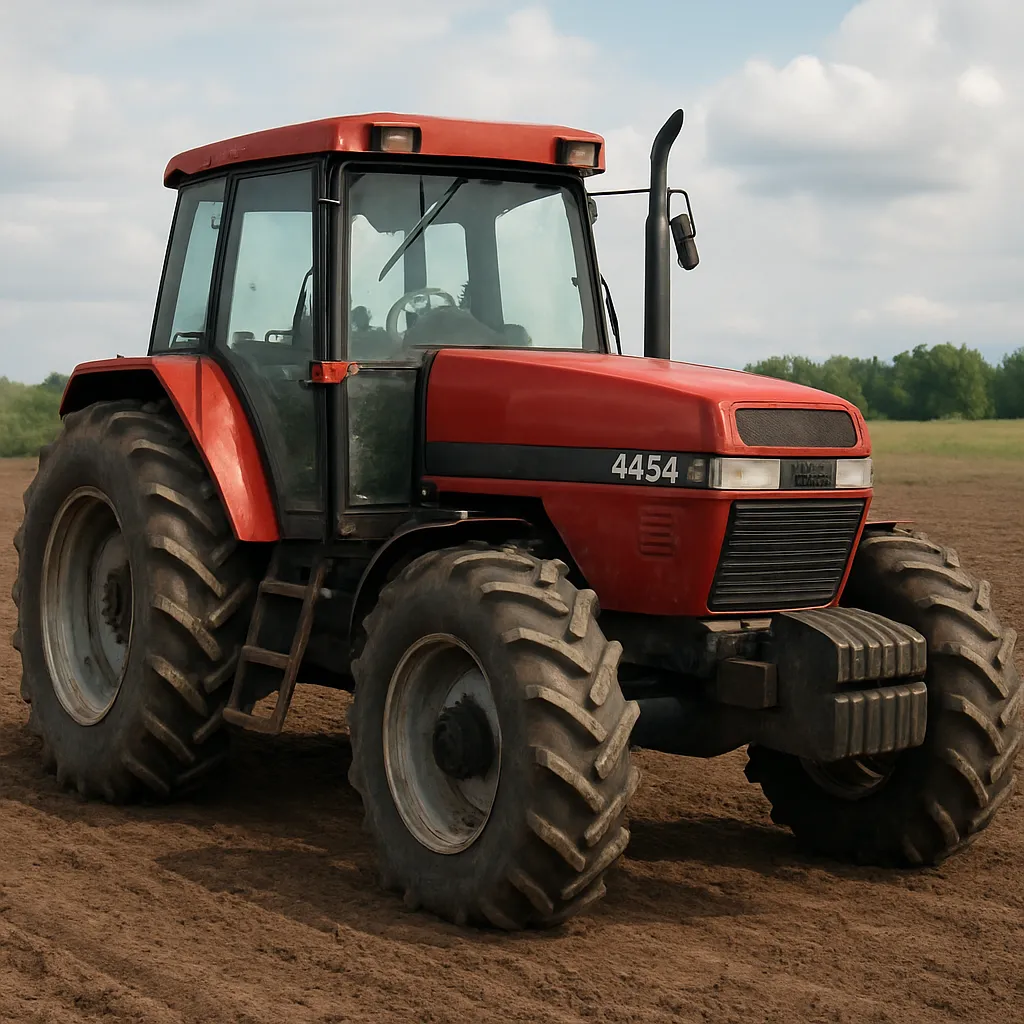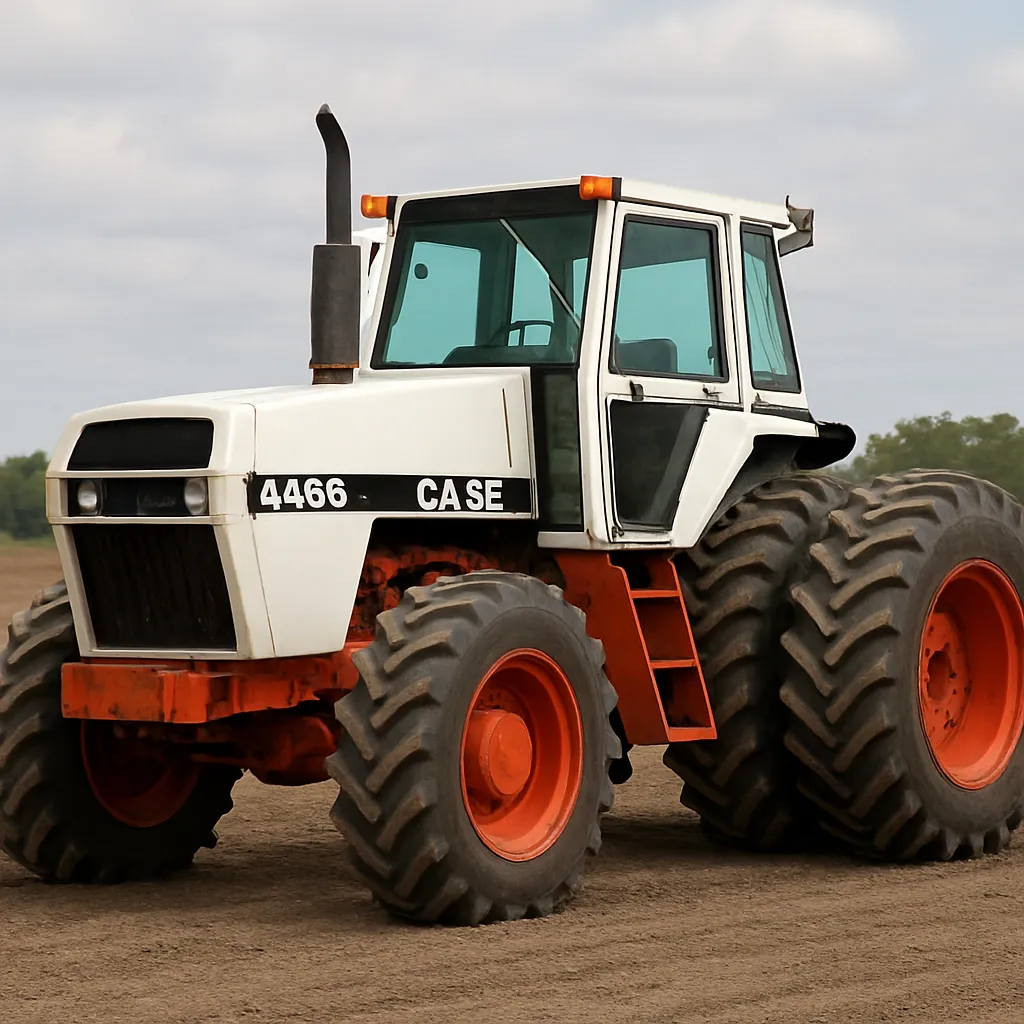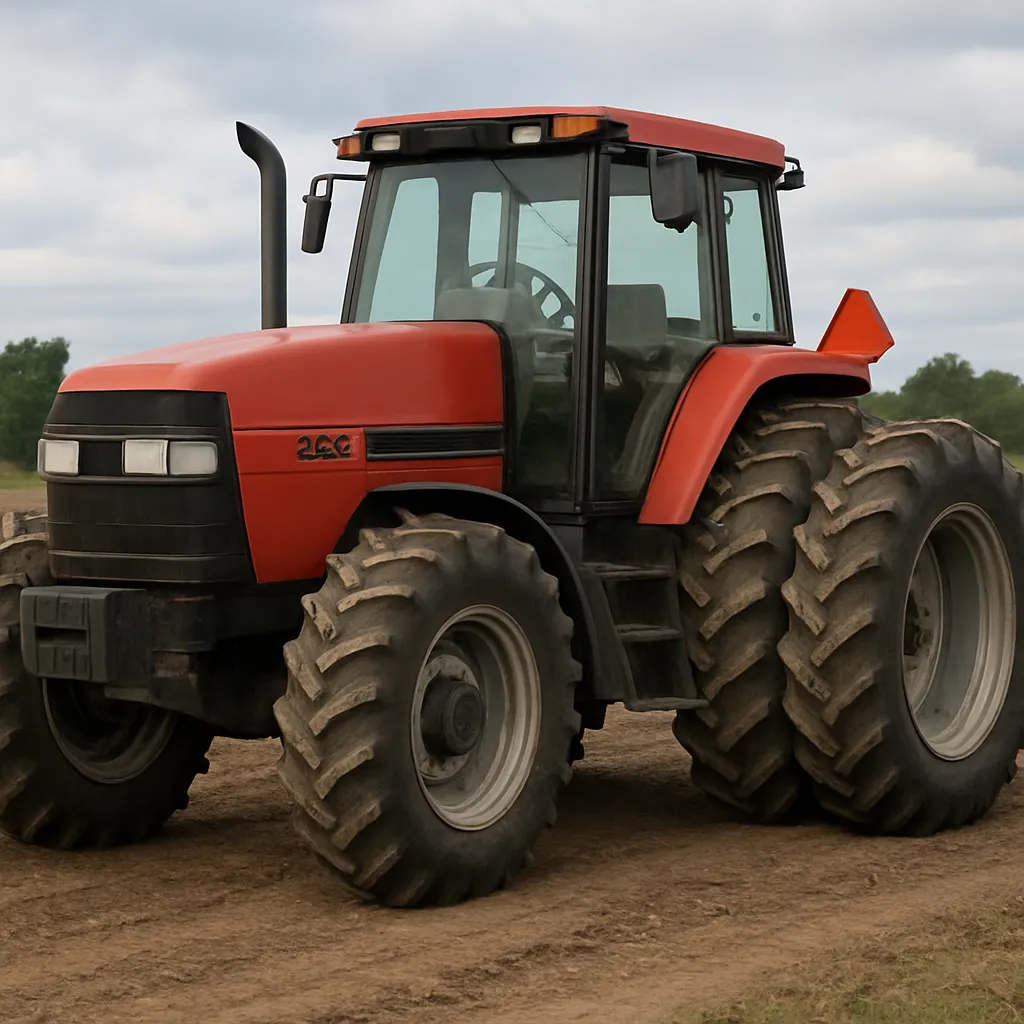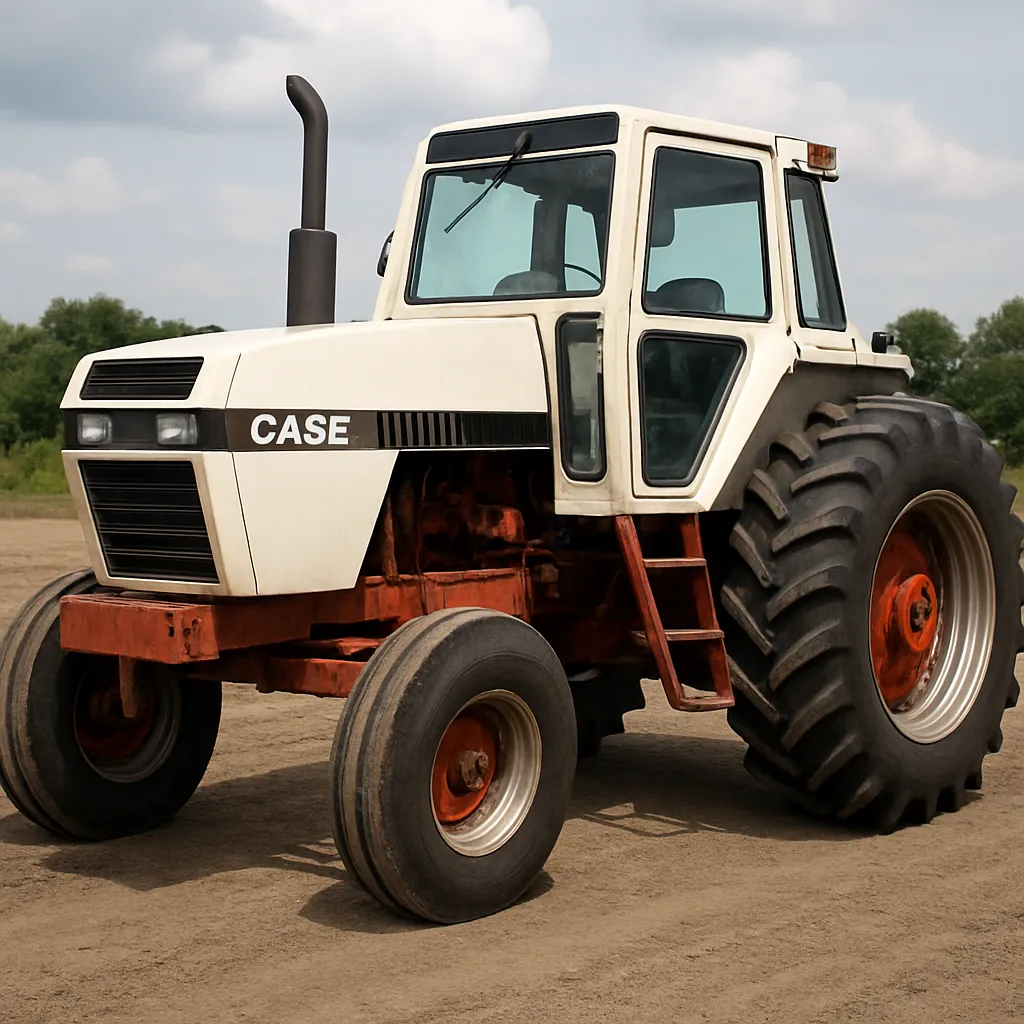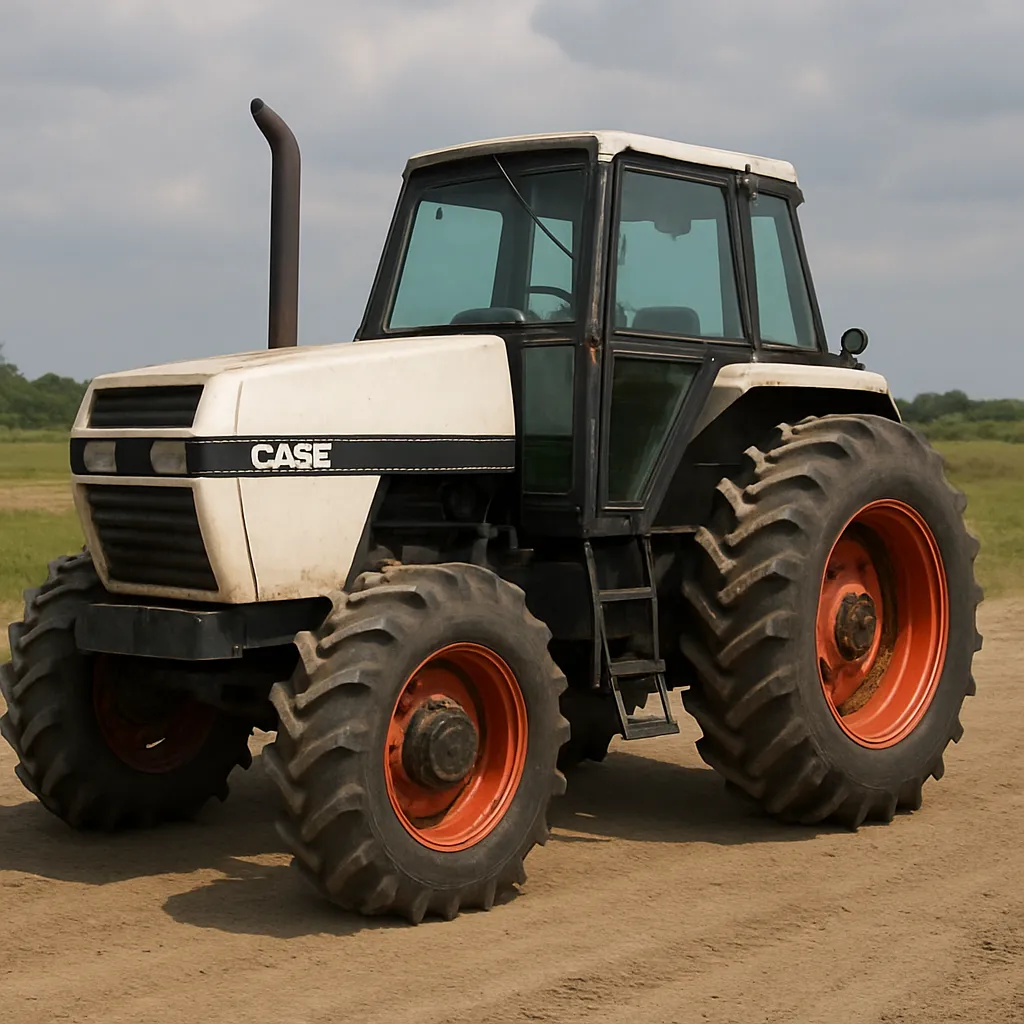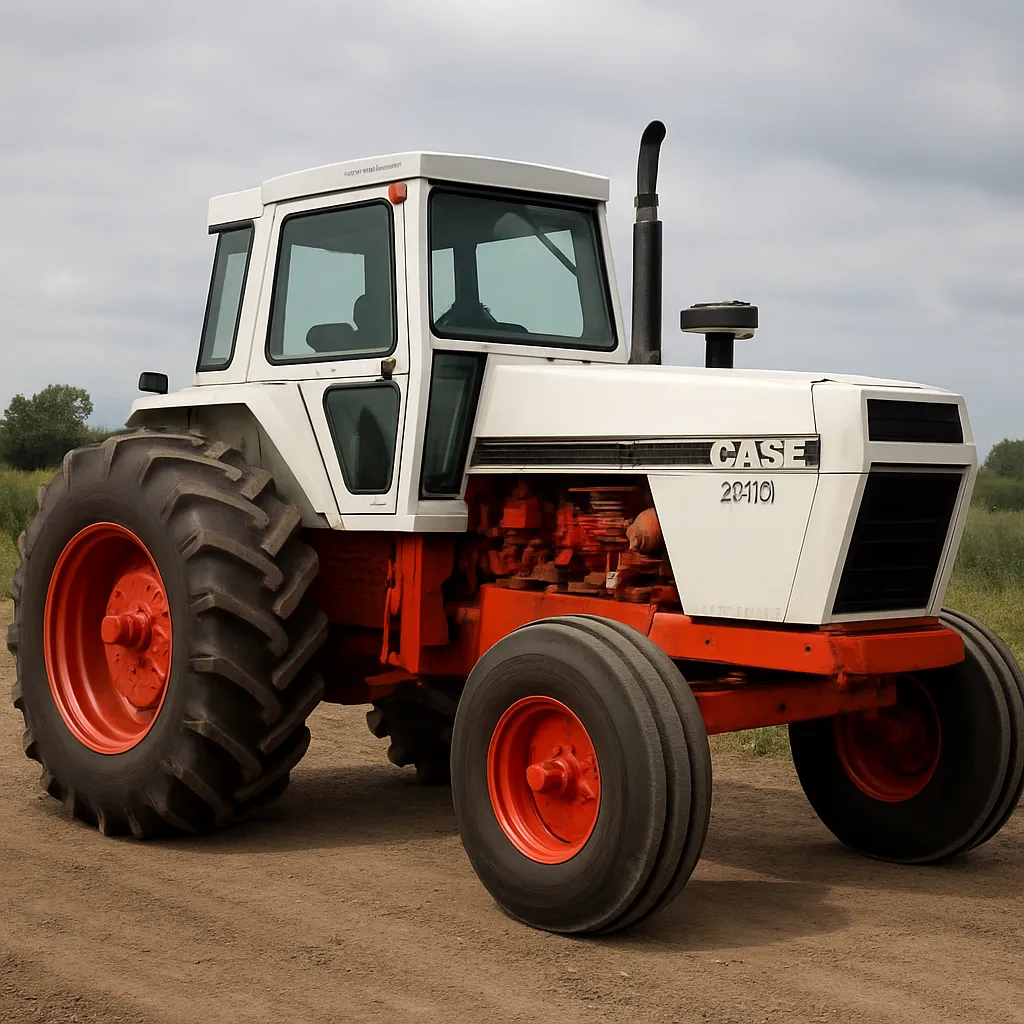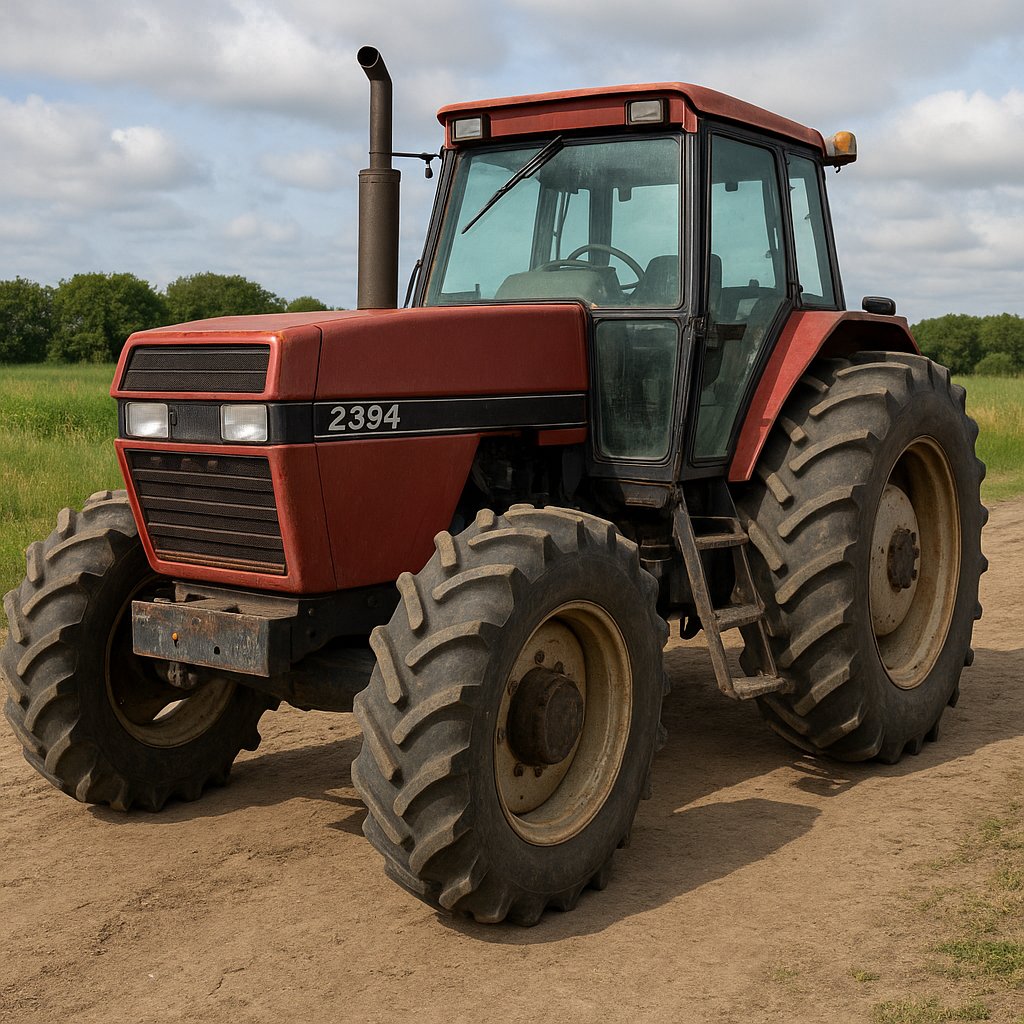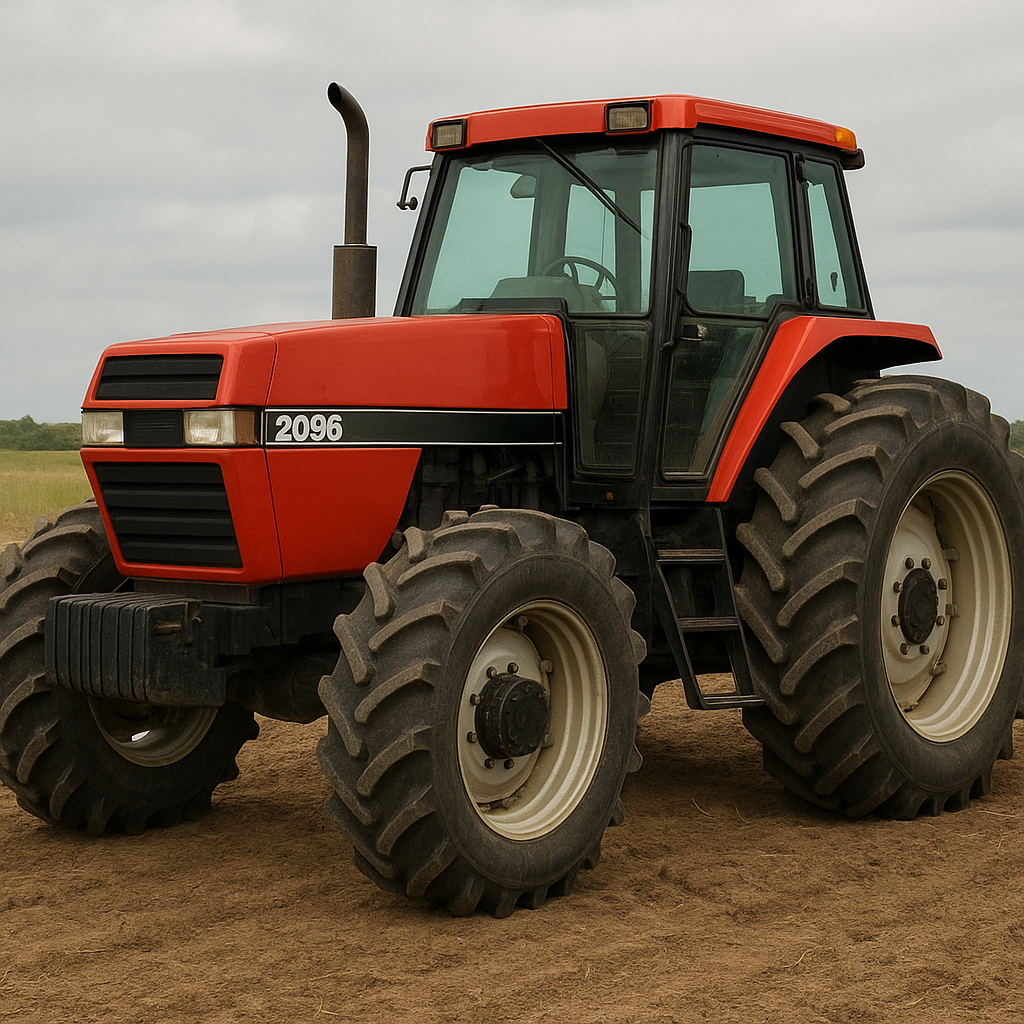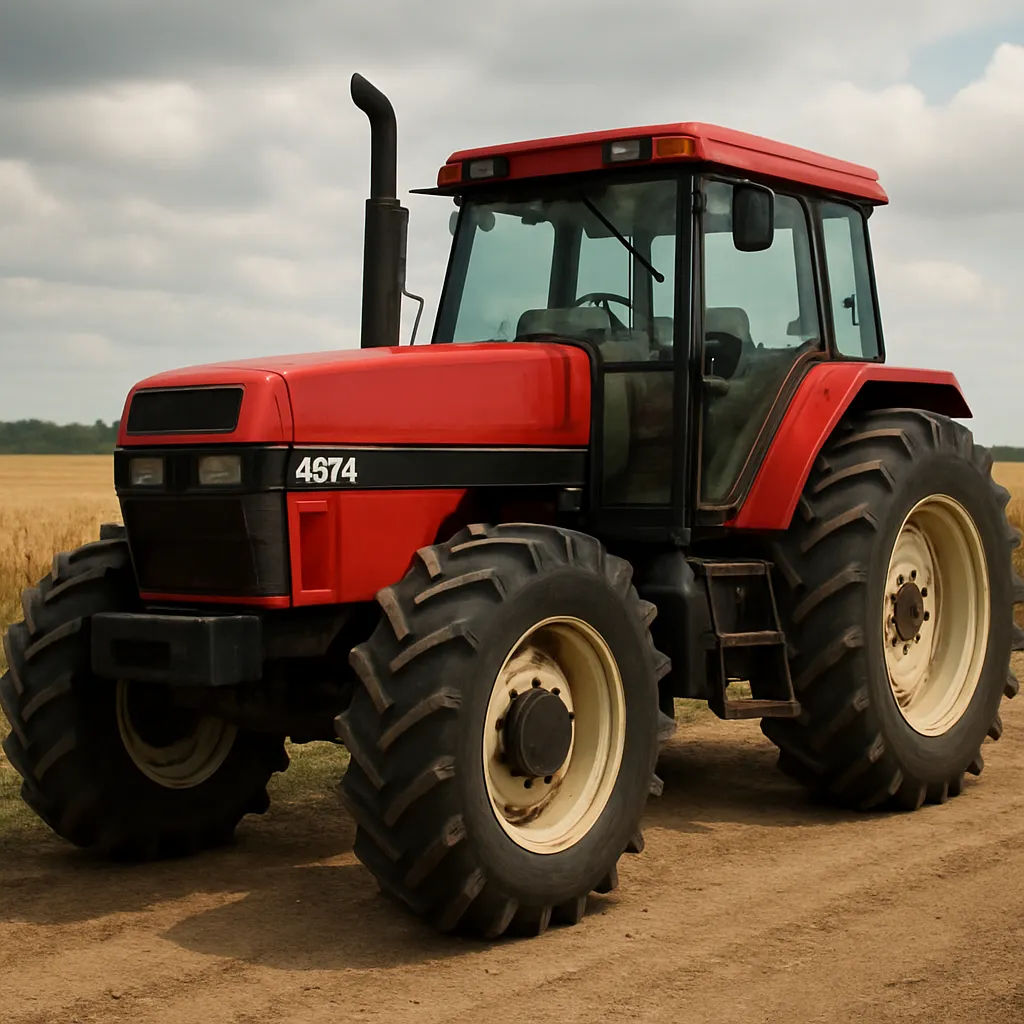
The Case 4894 tractor occupies a distinct place among mid-to-large agricultural machines, known for its balance of power, versatility, and practicality. In this article you will find an overview of the tractor’s design philosophy, common applications on farms and beyond, maintenance and operational considerations, and some contextual market and performance information. Wherever possible, I note typical numerical ranges and industry figures; exact specifications can vary by year, country of sale, and optional equipment.
Design and technical overview
The Case 4894 is designed as a workhorse for demanding tasks that require a combination of traction, power delivery, and operator comfort. Its architecture follows the typical modern-tractor template: a robust chassis, a diesel engine with turbocharging in many variants, multi-speed transmission options, a rear PTO (power take-off), and adaptable hydraulic systems for implements.
Powertrain and drivetrain
- Engine: Tractors in this class commonly feature turbocharged diesel engines with intercooling. Typical displacement and cylinder configurations aim to provide reliable torque at low RPM for fieldwork. While exact output depends on model year and tuning, comparable tractors often deliver between 100 and 180 horsepower at the flywheel in standard configurations.
- Transmission: A variety of transmissions may be available—ranges include synchronized gearboxes, power shift, or even CVT-like systems in later or upgraded machines. These transmissions emphasize smoothness and fuel economy during field and transport work.
- Drive layout: Most examples are rear-wheel drive with an option for 4WD, the latter providing enhanced traction for heavy tillage, loader work, and wet-field conditions.
Hydraulics, PTO and linkage
The hydraulic system is a central feature: pumps rated to deliver sufficient flow for modern implements, remote valves for multiple functions, and a three-point linkage with standardized lift capacity. Typical lift capacities for a machine in this segment may range from 2,500 to 4,500 kg at the hitch, supporting plows, seeders, and mounted harvest aids. The hydraulics are designed for responsiveness under load and integration with electronic control systems where equipped.
Cabin and operator ergonomics
Cabins on this type of tractor prioritize visibility, control layout, and comfort for prolonged operation. Features often include adjustable seating, climate control, integrated instrument clusters, and optional guidance systems. Ergonomics help reduce operator fatigue and improve productivity during long planting or harvest windows.
Primary applications and field roles
Case 4894-style tractors are versatile machines used across a wide range of agricultural and rural tasks. Their combination of power and adaptability allows them to be central assets on commercial farms and multifunctional operations.
Agricultural uses
- Tillage: Capable of pulling multi-bottom plows, disk harrows, and cultivators. The strong torque curve and traction help maintain consistent soil engagement.
- Seeding and planting: With precise speed control and compatible ballast setups, the tractor ensures consistent seeding depth and spacing when paired with modern planters and air seeders.
- Crop protection and spraying: Field sprayers require stable platforms and adequate hydraulic/PTO support; tractors of this class often power pump systems and tow large booms.
- Hay and forage: Tasks such as mowing, raking, baling, and transport are common, with tractors supporting both PTO-driven implements and heavy trailers.
Non-agricultural and specialty roles
Beyond traditional farm duties, machines like the Case 4894 find use in:
- Construction and earthmoving (when equipped with a front loader or heavy-duty tires)
- Municipal tasks such as snow removal and road maintenance
- Forestry operations for hauling and light skidding
- Transport duties on mixed farms or estates—moving feed, materials, and equipment
Operational performance, fuel economy and statistics
Performance metrics for tractors are affected by load, terrain, implement choice, and operator technique. Below are typical ranges and industry-context statistics relevant to machines in the same class as the Case 4894.
Fuel consumption and efficiency
- Field fuel consumption: Depending on load and implement, tractors of this size commonly use between 8 and 25 liters of diesel per hour in field work. Light transport consumes less; heavy tillage pushes consumption toward the higher end.
- Specific fuel consumption: Modern diesel engines aim for efficient combustion; specific fuel consumption in agricultural diesel engines typically ranges from 200 to 260 g/kWh under optimal conditions.
- Factors affecting economy: proper tire inflation, ballast and weight distribution, correct gearing, and regular maintenance all have significant impact on fuel use.
Productivity metrics
Common productivity measures include hectares per hour in seeding or tillage, bale output per hour for forage work, and tons transported per trip. While absolute numbers vary widely, this class of tractor commonly enables a single operator to manage several dozen hectares per day in seeding or simple tillage tasks, depending on implement width and field conditions.
Reliability and lifecycle costs
Reliability statistics depend on use profiles and maintenance discipline. Typical lifecycle cost components include fuel, tires, scheduled maintenance (filters, fluids, belts), unexpected repairs, and eventual resale. On average, planned maintenance represents a predictable portion of operating costs—many operators budget several hundred to a few thousand USD/EUR per year for upkeep on mid-to-large tractors, with larger expenses (engine overhaul, transmission repair) scheduled by hours-of-use milestones (for example, major checks at 3,000–5,000 hours).
Maintenance, serviceability, and common issues
Long-term performance hinges on proactive maintenance. The Case 4894 and similar tractors are designed for serviceability: accessible filters, modular components, and straightforward lubrication points.
Routine maintenance checklist
- Daily: visual inspection, fluid level checks (engine oil, coolant, hydraulic oil), tire pressure, lighting and electrical checks
- Every 50–250 hours: replace engine oil and filters, grease zerk fittings, inspect belts and hoses
- Major intervals (1,000–3,000 hours): transmission service, hydraulic system checks, potential injector or turbo inspections depending on symptoms
- Seasonal: prepare for winter storage or peak season use; battery care, fuel conditioning, and inhibitor checks
Common wear points and troubleshooting
Typical areas to monitor include the clutch and transmission (slippage or rough shifts), hydraulic pump performance (slow or erratic implement response), and electronic sensors or guidance systems that can be affected by moisture or vibration. Addressing small issues promptly usually prevents larger downtime events.
Safety, operator training and modern integrations
Safety is central in modern tractor design. Machines in this category commonly include roll-over protection structures (ROPS), seat belts, lighting packages for low-visibility operation, and optional camera systems for improved rear visibility. Operator training improves both safety and efficiency—training usually covers PTO safety, hitching and detaching implements, proper ballast, and safe transport speeds.
Automation and guidance systems
Many operators retrofit or order tractors with GPS guidance, auto-steer, and task-control displays. These technologies increase accuracy (reducing overlap on seeding/spraying), reduce operator fatigue, and optimize input use. When combined with yield monitors and telematics, they enable data-driven decisions and fleet management.
Market position, resale and economic considerations
The Case brand (Case and Case IH under CNH Industrial historically) has a long heritage in agricultural machinery. Models comparable to the 4894 appeal to midsize and large farms that need robust, multi-task tractors without the premium cost of top-tier flagship models. Economic considerations include:
- Initial purchase price vs. lifecycle cost: lower-priced units may have higher maintenance demands; higher-end options may include comfort and efficiency upgrades that pay off in longer seasons.
- Resale value: tractors that are well maintained, with documented service records and low hours, retain better market value. Availability of parts and local dealer support are strong determinants of resale price.
- Financing and incentives: many markets offer agricultural financing or tax incentives for equipment purchases—these should be considered when evaluating total ownership cost.
Modifications, attachments and versatility
One of the major strengths of tractors like the Case 4894 is their ability to accept a wide range of implements and attachments, which multiplies the machine’s utility across seasons.
Common attachments
- Front loader and bucket systems—for material handling, feedlot work, and light earthmoving
- Three-point mounted implements—plows, cultivators, seeders, mowers
- PTO-driven equipment—bale wrappers, choppers, mowers
- Towed implements—trailers, sprayers, spreaders
- Specialty equipment—forestry grapples, orchard protection kits, and snow-clearing plows
Customization and fleet integration
Through optional hydraulic circuits, electrical harnesses, and ballasting kits, operators can fine-tune the tractor to their local conditions. Fleet managers appreciate commonality across machines (shared parts, consistent controls) for simplified training and logistics.
Interesting facts and historical context
While the specific nomenclature “4894” identifies a particular model series, it also reflects a broader tradition in tractor manufacturing: iterative improvements across generations yield machines that are more fuel efficient, more comfortable, and easier to maintain. Some interesting contextual points:
- Many tractors have evolved from purely mechanical controls to electronically assisted systems that help optimize engine speed, hydraulic flow, and implement management.
- Environmental regulations and market demand have driven adoption of cleaner engines and emissions control technologies—elements that impact both initial design and long-term maintenance.
- Second-hand markets for such tractors are active in regions with strong mixed-farming sectors, offering opportunities for smaller farms to acquire capable machinery at reduced cost.
Buying considerations and checklist
If you are evaluating a Case 4894 or a similar tractor, consider the following checklist before purchase:
- Usage profile: match horsepower and PTO capacity to the implements you plan to run
- Hours and service history: lower hours and full service records typically indicate better long-term value
- Hydraulic and hitch compatibility: ensure the tractor supports the flow, pressure, and linkage class your implements need
- Comfort and safety options: heating/AC, ROPS, lighting, and visibility for year-round work
- Dealer network and parts availability: local support reduces downtime
- Fuel efficiency and operating costs: estimate annual hours to compare lifetime fuel and maintenance expenses
Conclusion
The Case 4894-type tractor serves as a flexible, durable platform for an impressive range of agricultural and rural tasks. Its strengths are in its balanced powertrain, hydraulic capacity, and adaptability to implements—from seeders and tillage gear to loaders and PTO-driven machines. While exact specifications and performance numbers depend on year and configuration, operators value this class of tractor for its combination of durability, versatility, and manageable operating costs. Proper maintenance, attention to fuel economy, and the integration of modern guidance systems can further enhance productivity and extend lifecycle value, making such tractors a core investment for many farming enterprises.