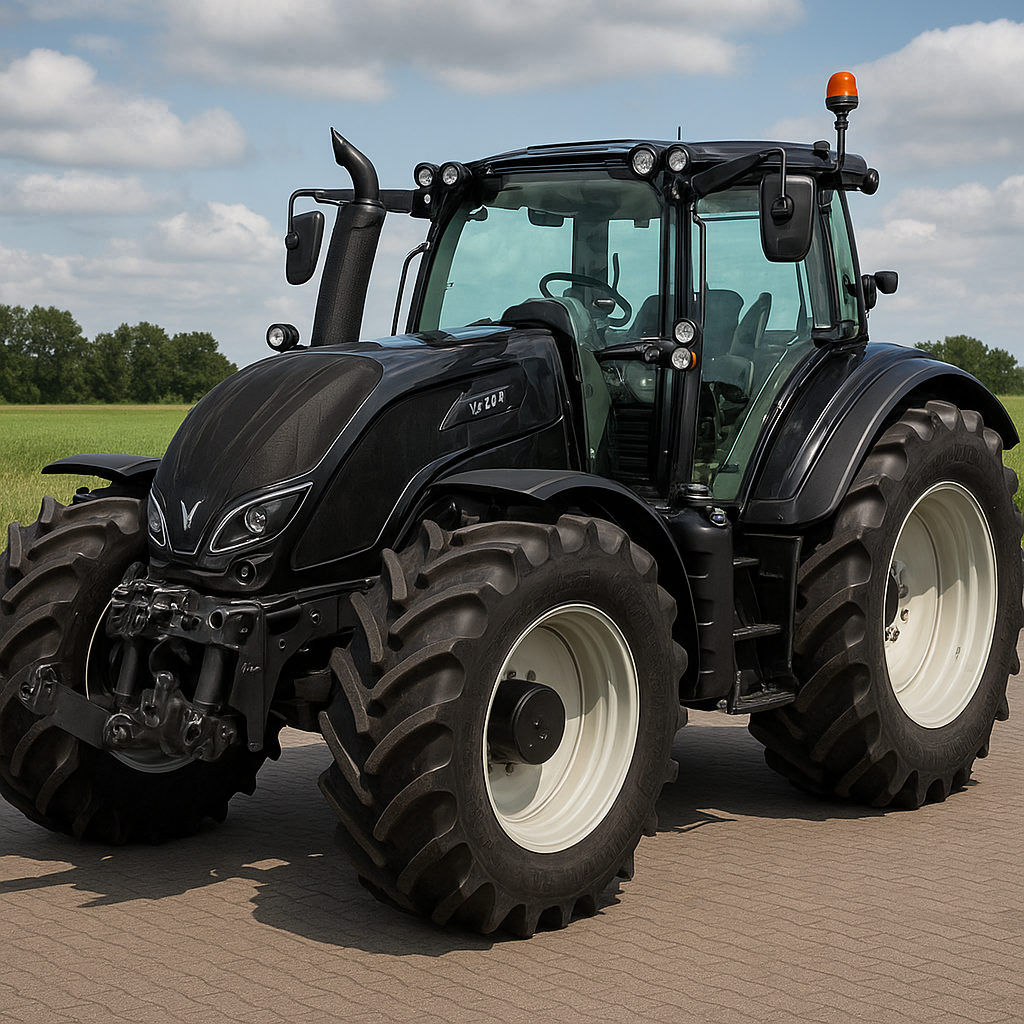
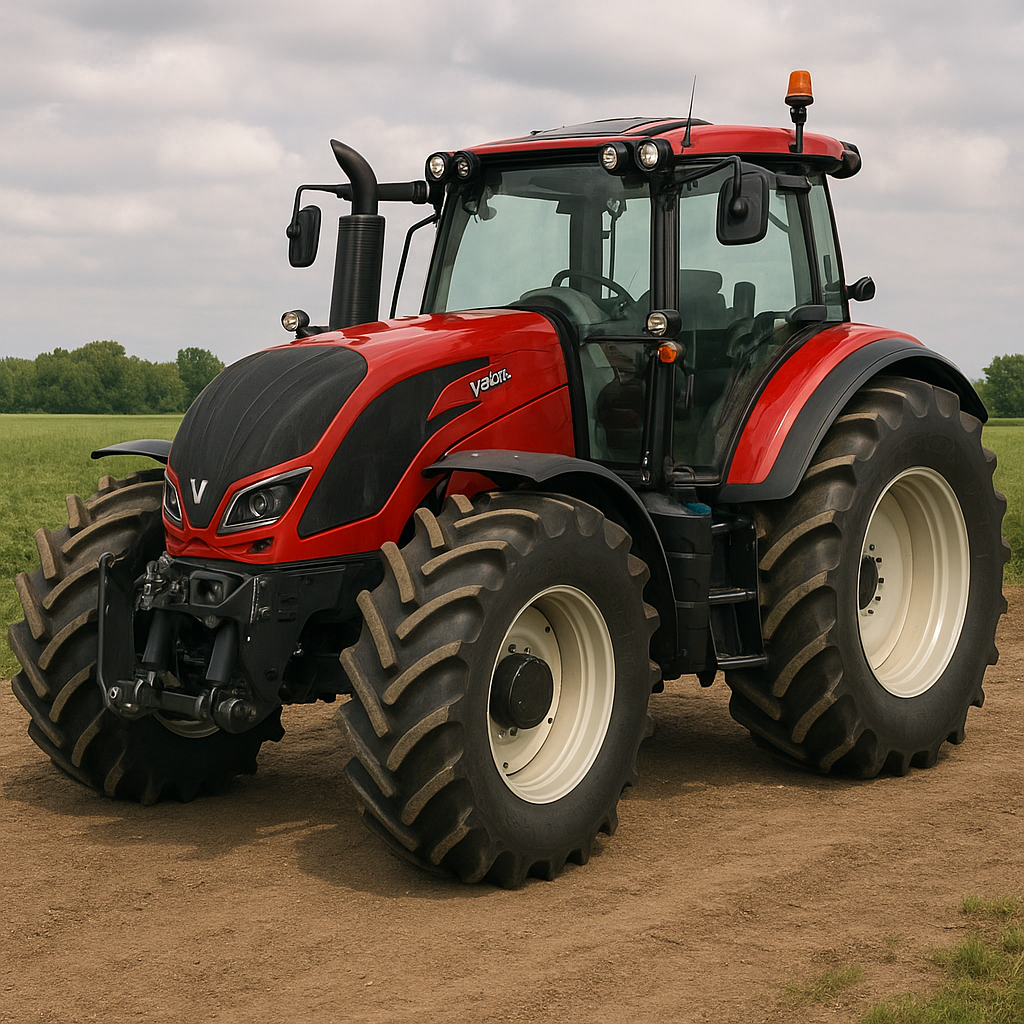
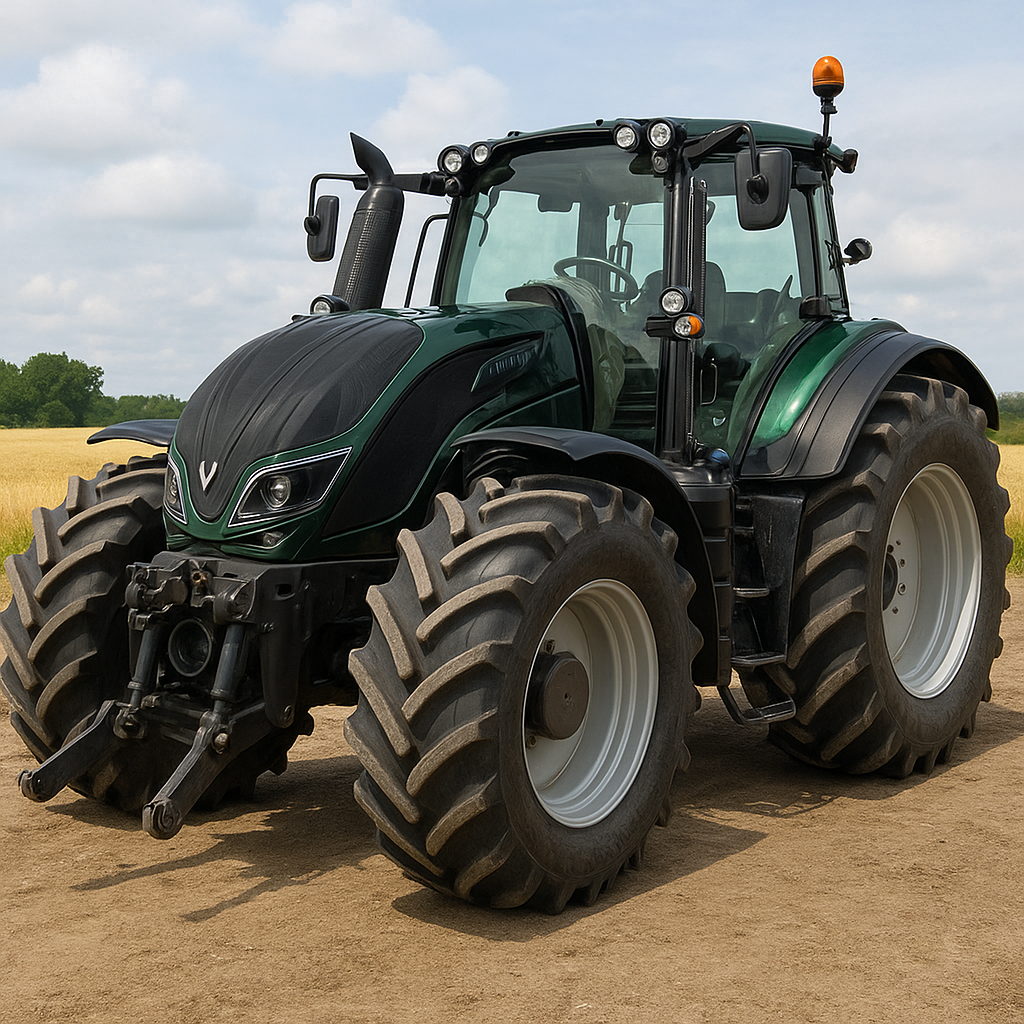
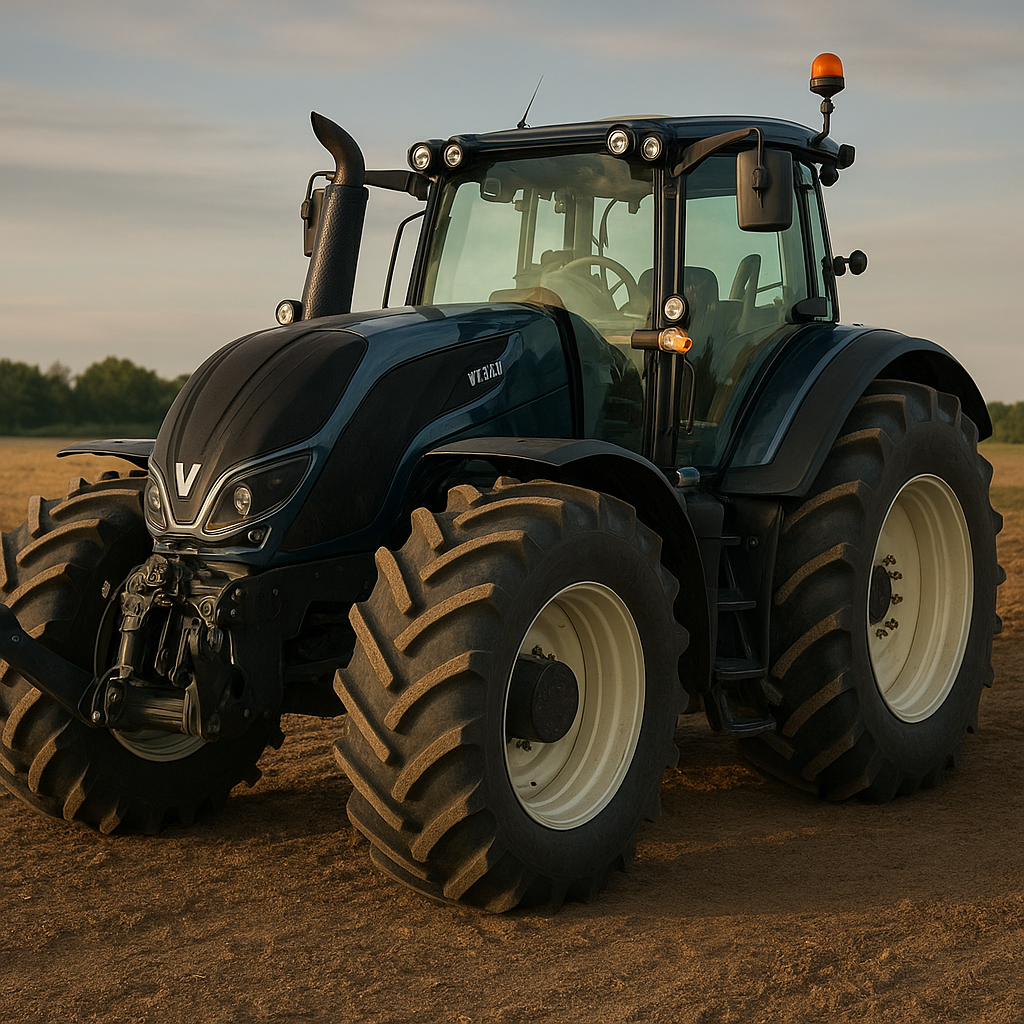
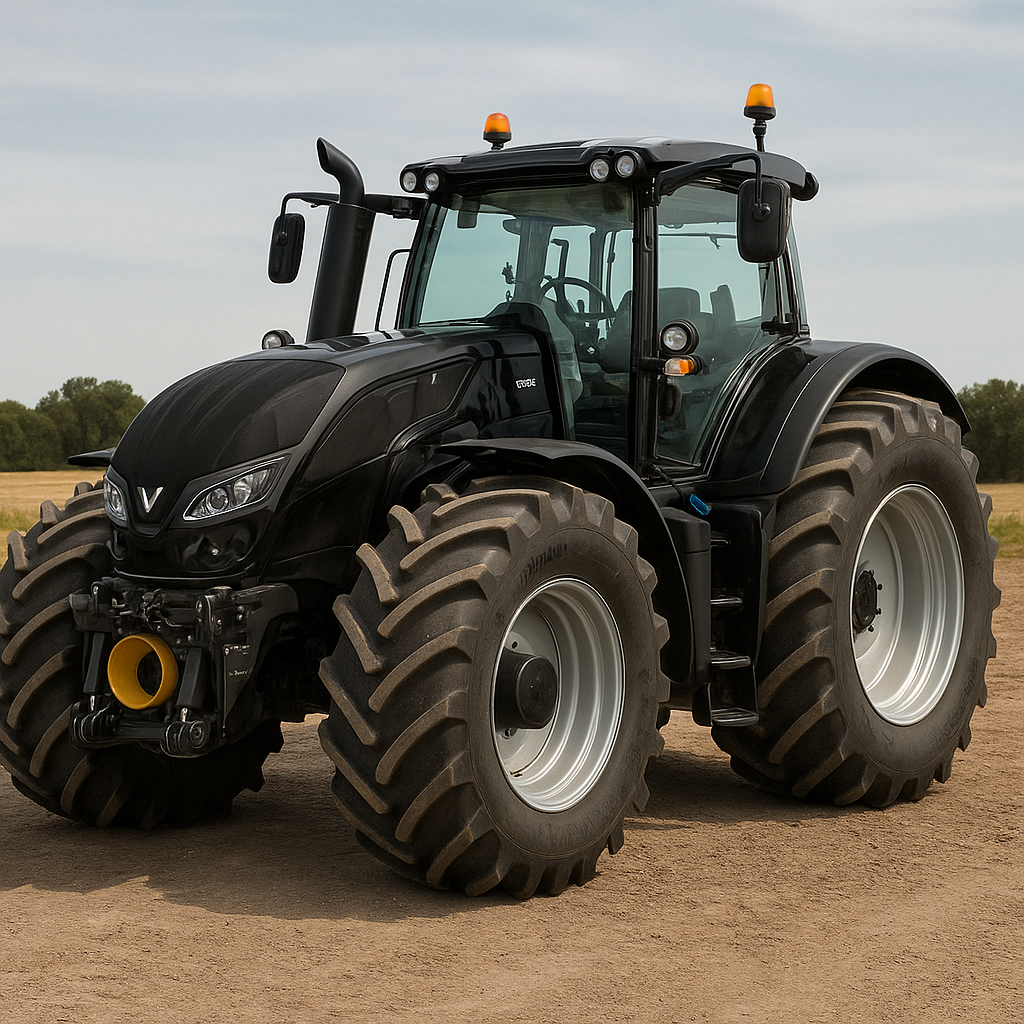
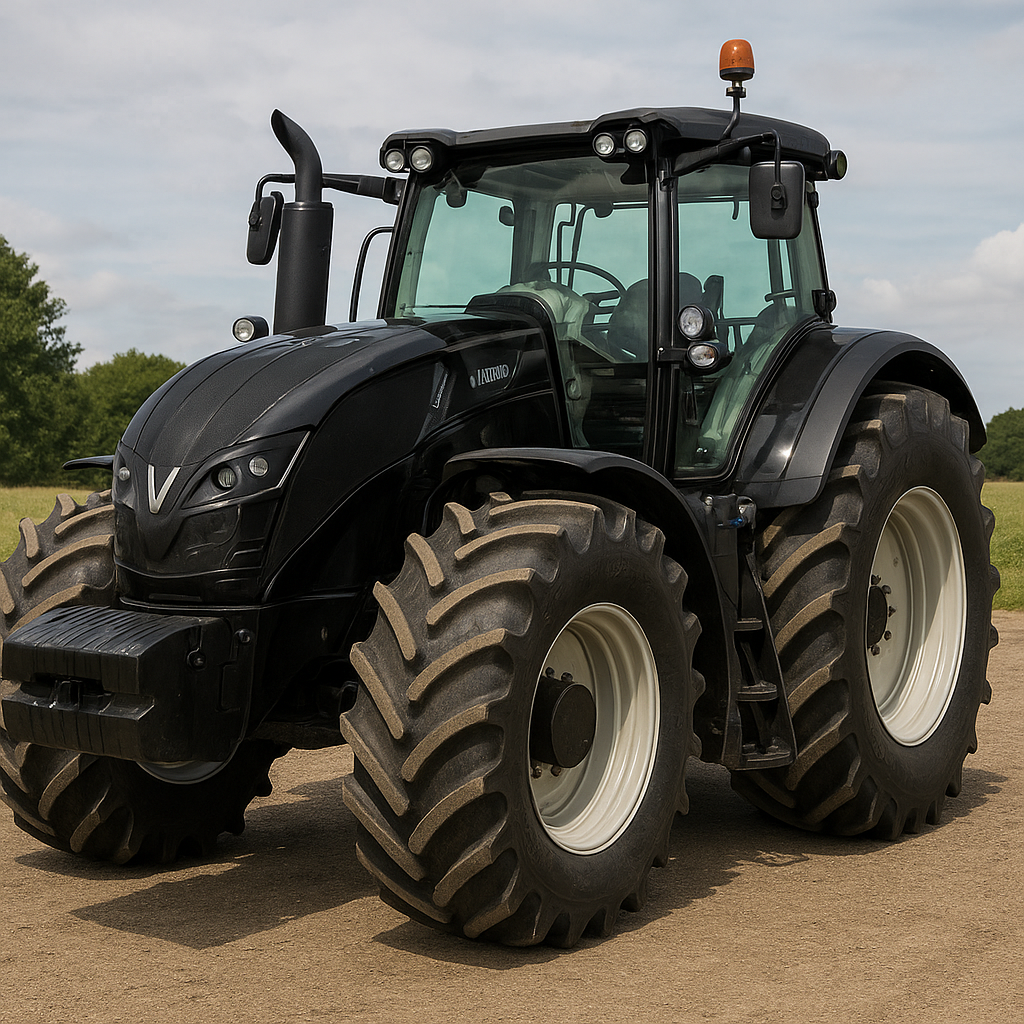
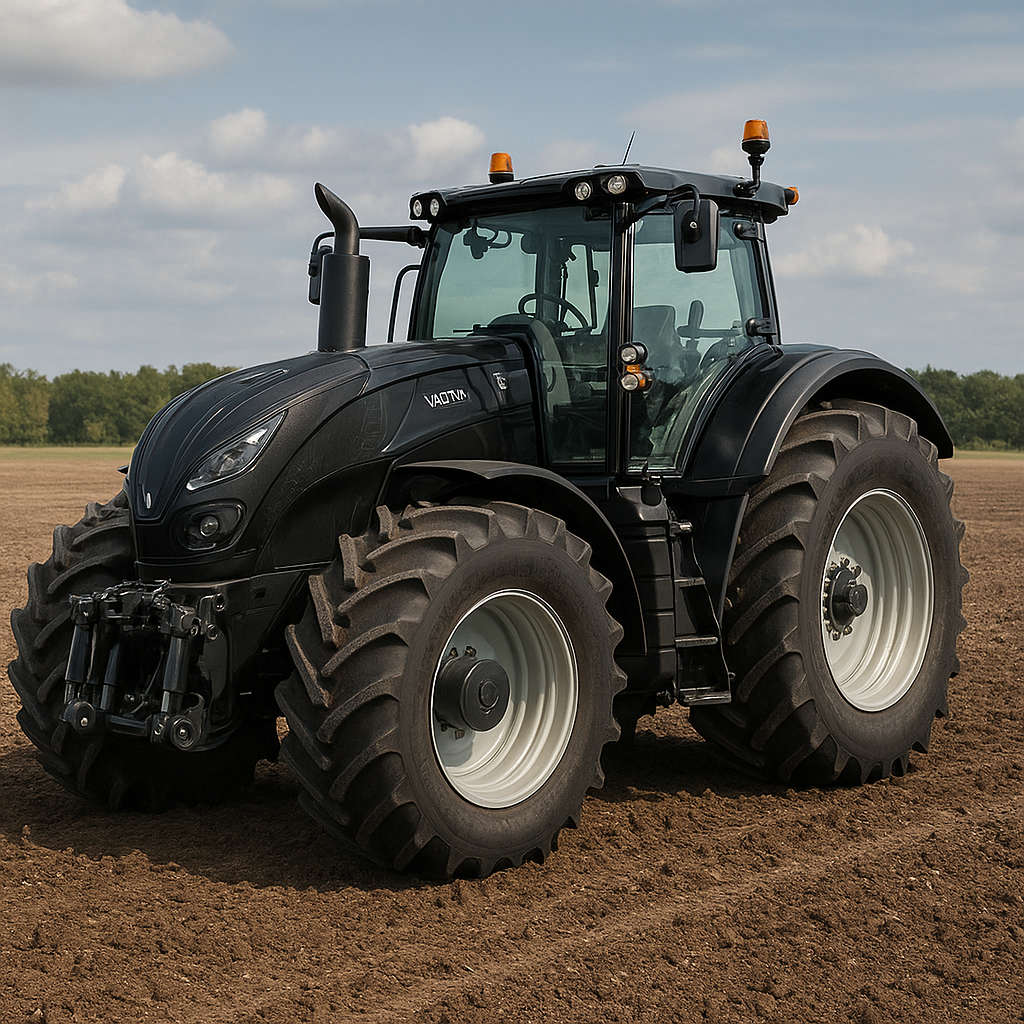
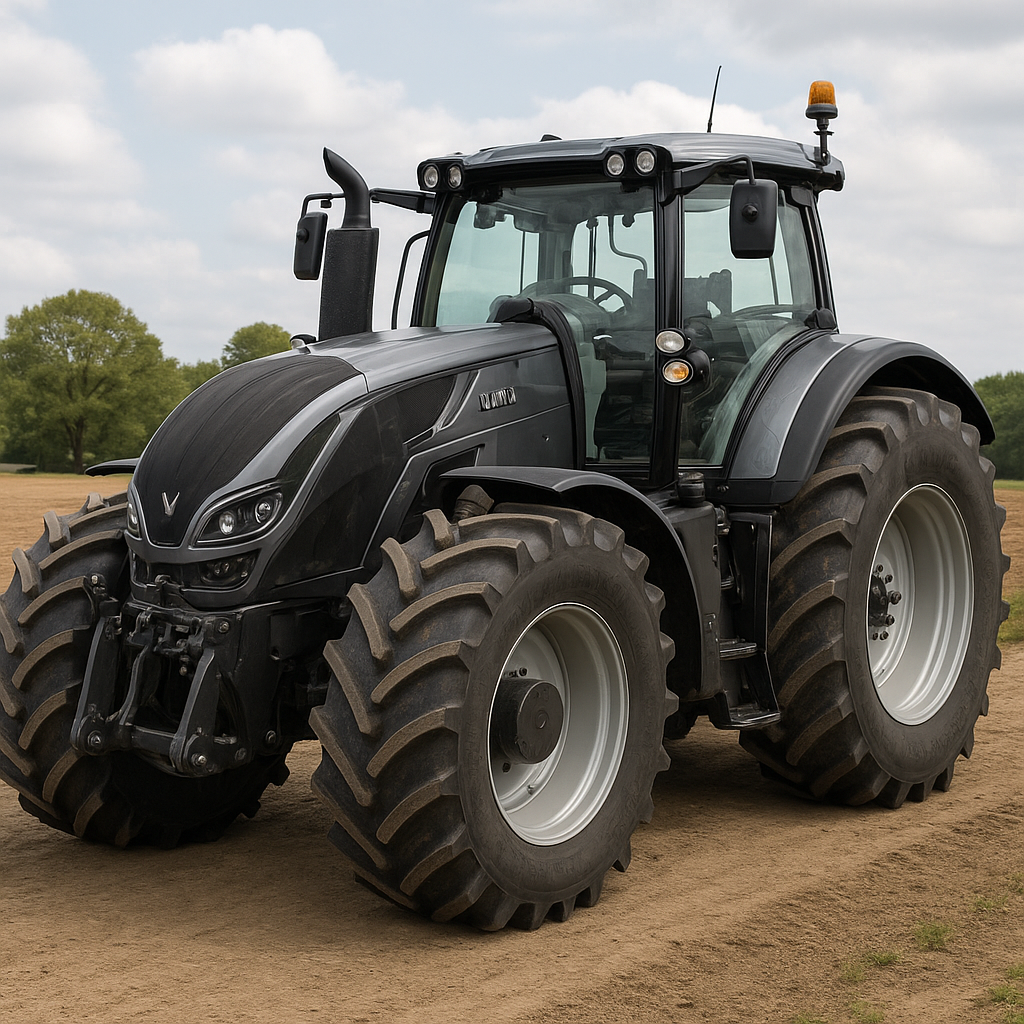
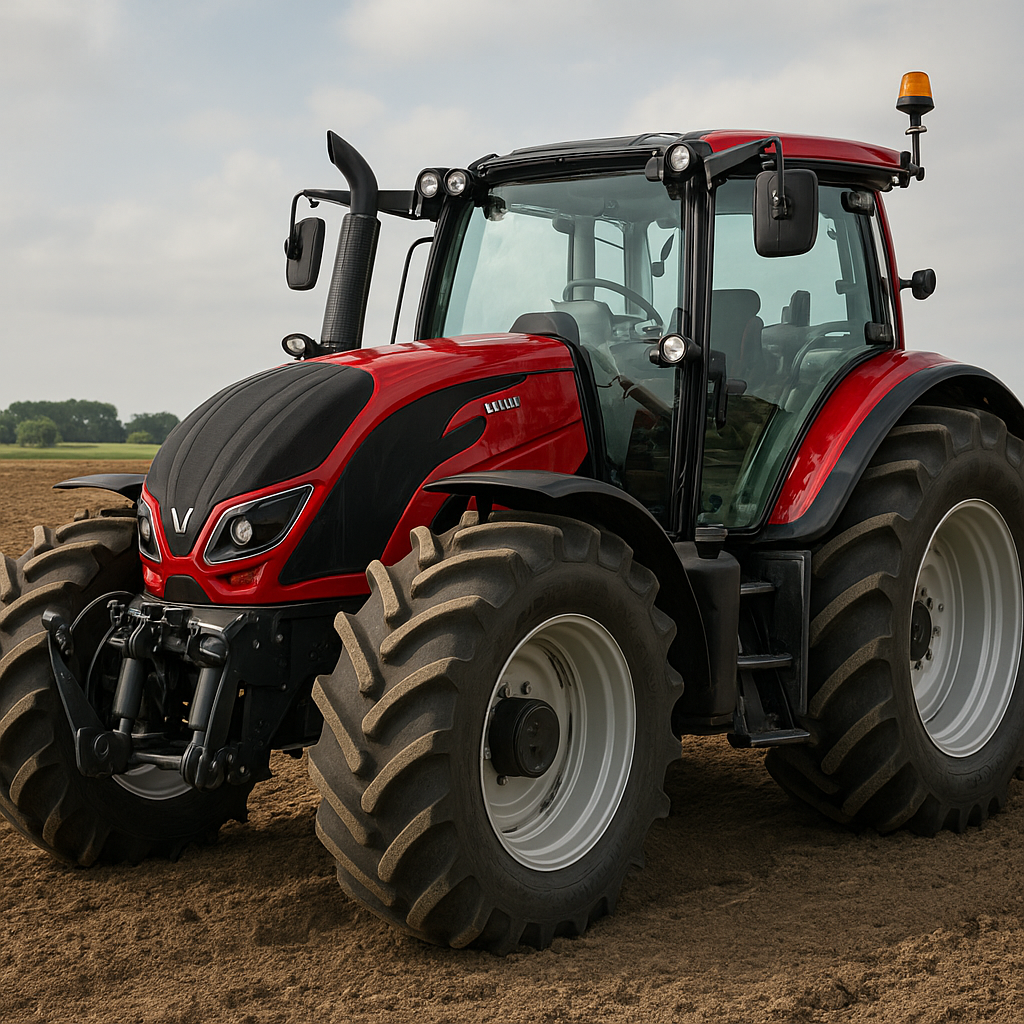
The Case IH Magnum 220 is a member of the Magnum range of large agricultural tractors built to handle demanding field work, heavy implements and long hours on the farm or in contracting. In this article I describe the tractor’s design and technical characteristics, typical applications, operational and economic considerations, operator comfort and technology features, maintenance and resale aspects, and how it compares within its class. Where specifications vary with model year and regional configuration I give typical or approximate values and explain the practical implications for users.
Technical specifications and design
Engine and powertrain
The Magnum 220 is designed around a robust diesel powerplant and a drivetrain engineered to deliver steady work output and durability. The model designation “220” refers roughly to the engine’s rated horsepower class; actual output and torque vary by year and emission stage. Typical features include a six-cylinder, turbocharged diesel engine with common-rail fuel injection, modern aftertreatment on newer models to meet Stage/ Tier emissions regulations, and a cooling package sized for heavy duty use.
- Engine: typically a six-cylinder turbocharged diesel with common-rail injection (displacement and detailed specs vary by model year and market).
- Horsepower: the model is rated in the ~220 hp class; boost systems on some variants increase maximum available power for transport or PTO work.
- Torque: ample torque at low rpm for pulling large tillage tools and handling hydraulic loads; torque management systems keep rpm stable under load.
- Transmission: available in several configurations across years — powershift transmissions with multiple ranges and creeper options, or advanced continuously variable transmissions (CVT/IVT) on later or alternative Magnum-range models depending on specification.
- Four-wheel drive, with synchronized front differential lock and optional suspended front axle for improved traction and ride.
Hydraulics, PTO and linkage
Magnum tractors are built for heavy implements and high hydraulic demand. Typical hydraulic flow rates for this class range from moderate to high flow (several 100s of liters per minute in modern configurations when using combined pumps with closed-centre systems). The rear three-point hitch capacity is sized for large implements and features electronic linkage control and multiple hitch draft/sway/position modes.
- Hydraulics: multiple remote valves with high flow options and electro-hydraulic control; load-sensing pumps on newer machines.
- PTO: standard 540/1000 rpm PTO speeds, with optional economy modes and soft-start systems to reduce shock loading on implements.
- Rear three-point hitch: category 3N/4N (depending on country), with maximum lift capacities suitable for heavy seeders, ploughs and sprayers.
Dimensions, weight and capacities (typical)
Exact dimensions depend on tire choice, front axle specification and additional weights or ballasting. As a general picture:
- Operating weight: often in the range of approximately 8,000–10,500 kg depending on configuration.
- Wheelbase and overall length: sized to balance stability with maneuverability for field and transport tasks.
- Fuel tank capacity: commonly in the several-hundred liter range to support long working days without frequent refuelling.
Applications and typical uses
The Case IH Magnum 220 is a versatile, high-capacity tractor suited for medium-to-large farms, custom contractors and operations that require sustained power and hydraulic capability. Typical uses include:
- Arable farming: pulling large ploughs, cultivators and seed drills across wide working widths.
- Planting and seeding: powering heavy planters and air-seeders with precision depth and hydraulic control.
- Harvest support: transport, grain cart operations, towing trailers and providing PTO power for harvest-related implements.
- Hay and forage: mowing, tedding, raking, baling and transport of large bales with a capable rear linkage and PTO.
- Spraying and spreading: towing and powering self-propelled or trailed sprayers and fertilizer spreaders; hydraulic capacity for booms.
- Contracting and heavy-duty tasks: land reclamation, subsoiling, and any work that requires high drawbar and hydraulic performance.
Because of its power class and options for heavy-duty hydraulics and hitch capacity, the Magnum 220 is often chosen by operators who need a single tractor to handle a broad spectrum of implements rather than a fleet of specialized machines.
Performance, economy and operating costs
Fuel consumption and efficiency
Fuel use depends heavily on the task, field conditions, and operator technique. Typical fieldworking consumption for tractors in this power class ranges roughly from mid-teens to low-thirties liters per hour under varying loads. A few points to consider:
- Fuel efficiency benefits from proper gear selection, using engine power-management features and keeping tires and ballast optimized for traction.
- When fitted with advanced transmissions and engine management, the Magnum 220 can operate at lower engine rpm for the same drawbar/PTO output, saving fuel on long transport runs or steady PTO tasks.
- Implement selection matters: using the right width and speed for soil conditions reduces pass overlap and saves fuel and time.
Drawbar and PTO performance
Operators value the Magnum series for consistent drawbar pull and PTO availability. The tractor performs best when properly ballasted and linked to implements matched to its power and hydraulic capabilities. Typical advantages include quick response when under load and electronic management systems that smooth power delivery.
Operating costs and lifecycle
Operating costs depend on maintenance discipline, hours per year, fuel prices and local service costs. Key cost contributors are:
- Fuel, which is usually the single greatest ongoing cost in heavy-use operations.
- Maintenance: scheduled servicing (engine oil, filters, hydraulic service), replacement of wear components (brakes, tires, linkage parts) and periodic diagnostics for emissions systems on later models.
- Depreciation: large tractors retain value better if well maintained; resale demand in large-farm and contractor markets can be strong.
Operator comfort, controls and technology
Cab design and ergonomics
Magnum tractors are designed with long workdays in mind. The cab typically features air suspension seats, good visibility over the hood, well-placed controls, and climate control for operator comfort. Visibility to rear and side implements is important for many tasks, and large glass surfaces plus well-planned mirror placements help here.
Controls and electronics
Key technology elements seen on Magnum 220 tractors (depending on year and options) include:
- Integrated precision farming systems and ISOBUS compatibility for implement control and data exchange.
- GPS guidance and auto-steer options to reduce operator fatigue, improve accuracy and save input costs by reducing overlaps.
- Onboard diagnostics and electronic control modules that monitor engine, transmission and hydraulics to optimize performance and simplify troubleshooting.
These technologies make the Magnum 220 a modern workplace that can support precision agriculture workflows, making it not just a power unit but a platform for efficient farm data and implement control.
Maintenance, common issues and tips
Routine maintenance
To keep a Magnum 220 operating reliably over many years, follow manufacturer service intervals and maintain records. Routine items include:
- Engine oil and filter changes at scheduled hour intervals.
- Air filter monitoring and replacement, especially in dusty conditions.
- Hydraulic fluid and filter servicing and monitoring of lines and couplers for leaks.
- Checking and adjusting brakes, clutch (where applicable), and transmission service points.
- Tire checks and balancing to ensure traction and avoid premature wear.
Common wear items and red flags
Typical areas to monitor are:
- Hydraulic seals and couplers — leaks can affect implement response and fluid cleanliness.
- Cooling system — radiator cleanliness and fan operation are critical during hot or dusty conditions.
- Transmission and clutch behavior — unusual slipping, delays or noises should be investigated early.
- Emissions aftertreatment systems on later engines — ensure proper regeneration cycles and monitor sensors to avoid downtime.
Buying used and evaluation checklist
When considering a used Magnum 220, inspect service records, confirm hours and usage patterns (field hours versus transport), look for signs of heavy implements work (structural wear on drawbar/hitch), and check for software updates or recall fixes that may have been issued by the manufacturer. Verify hydraulics, PTO and transmission behavior under load during a test drive.
Variants, history and market reception
The Magnum range has evolved over decades as Case IH updated engines, electronics and cab comfort to meet new emissions regulations and market demands. The Magnum 220 occupies a place in the mid-to-upper portion of the flagship range, appealing to those needing significant horsepower without moving into the very largest tractor classes.
- Over model years, the Magnum 220 has been offered with differing transmission and cab packages to suit crop, livestock and contracting needs.
- Newer versions tend to include improved telematics, more efficient engines and optional precision agriculture integrations.
- Resale and market perception: Magnums are generally regarded as reliable and comfortable tractors with a strong dealer network for parts and service, which supports higher resale values compared with less-supported brands in many regions.
Sales and statistical notes (typical)
Exact sales and production statistics for a specific model vary by year and region. In general, tractors in the 200–250 hp class are popular among large-scale croppers and contractors because they offer a balance between horsepower and maneuverability. Industry data typically show steady demand for used tractors in this class, with price retention influenced by hours, condition and the availability of maintenance records.
Comparisons and who should consider a Magnum 220
If you are evaluating tractors in the 180–250 hp bracket, compare the Magnum 220 against competitors by looking at:
- Effective PTO and drawbar horsepower under field conditions rather than just rated engine hp.
- Hydraulic capacity and number of remote circuits for the implements you run.
- Transmission type and flexibility — powershift, CVT/IVT or ranges with creeper gears can affect fuel use and productivity depending on application.
- Availability of precision agriculture electronics if you plan to adopt section control, auto-steer or variable-rate applications.
Who should consider a Magnum 220:
- Large arable farms that need to pull wide tillage and seeding implements efficiently.
- Contractors who require a reliable, high-capacity tractor with adaptability to many implements.
- Mixed operations that need a “do-it-all” tractor capable of heavy tillage, baling, transport, and sprayer support without switching machines frequently.
Conclusion
The Case IH Magnum 220 is a workhorse in the higher-power agricultural tractor segment. It combines a powerful diesel engine, robust hydraulics and linkage, and operator-focused cab and controls to meet the needs of demanding farm and contracting work. When properly specified and maintained, the Magnum 220 can deliver many seasons of reliable service. Prospective buyers should review model-year specifications carefully, confirm the transmission and hydraulic package that best fits their implements, and consider available precision farming options to maximize productivity and economy.
Key words highlighted in the article: Engine, Horsepower, Torque, Hydraulics, Transmission, Fuel efficiency, PTO, Cab, Reliability, Versatility.