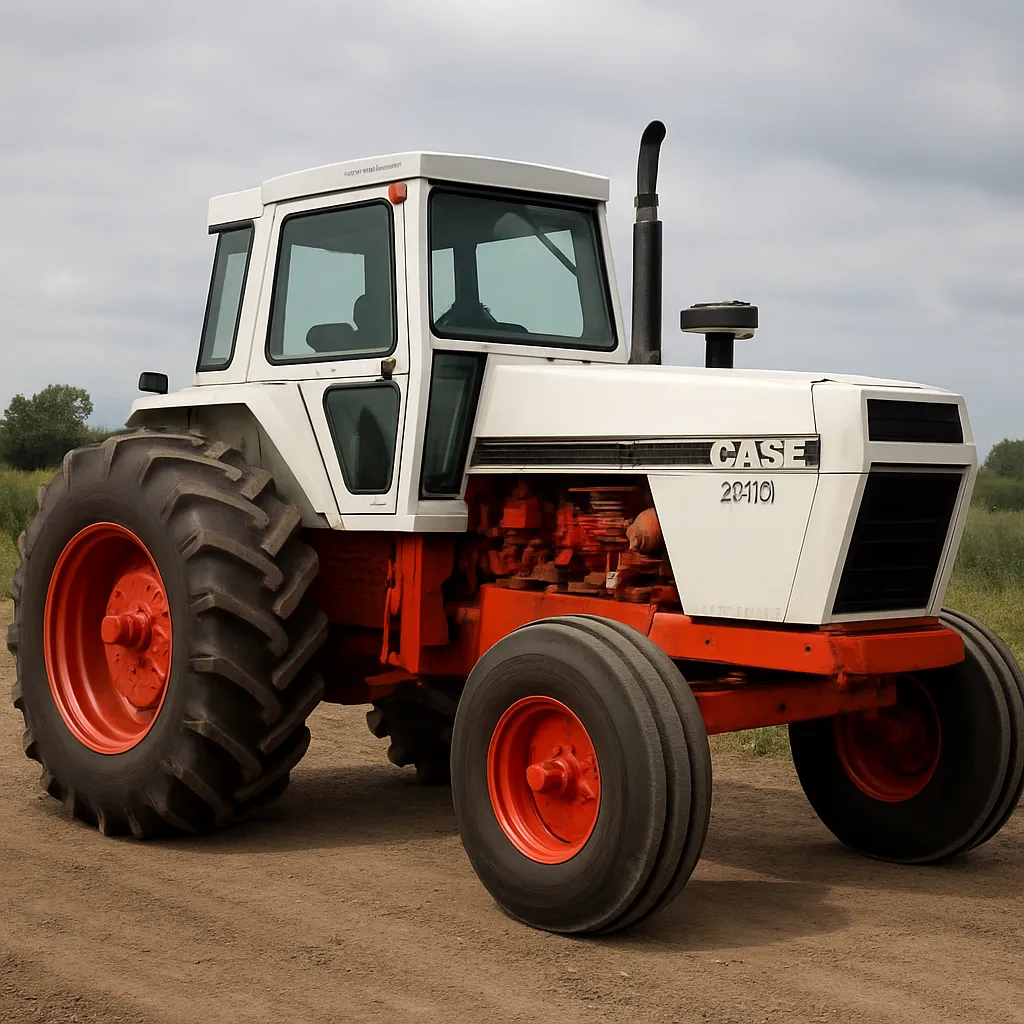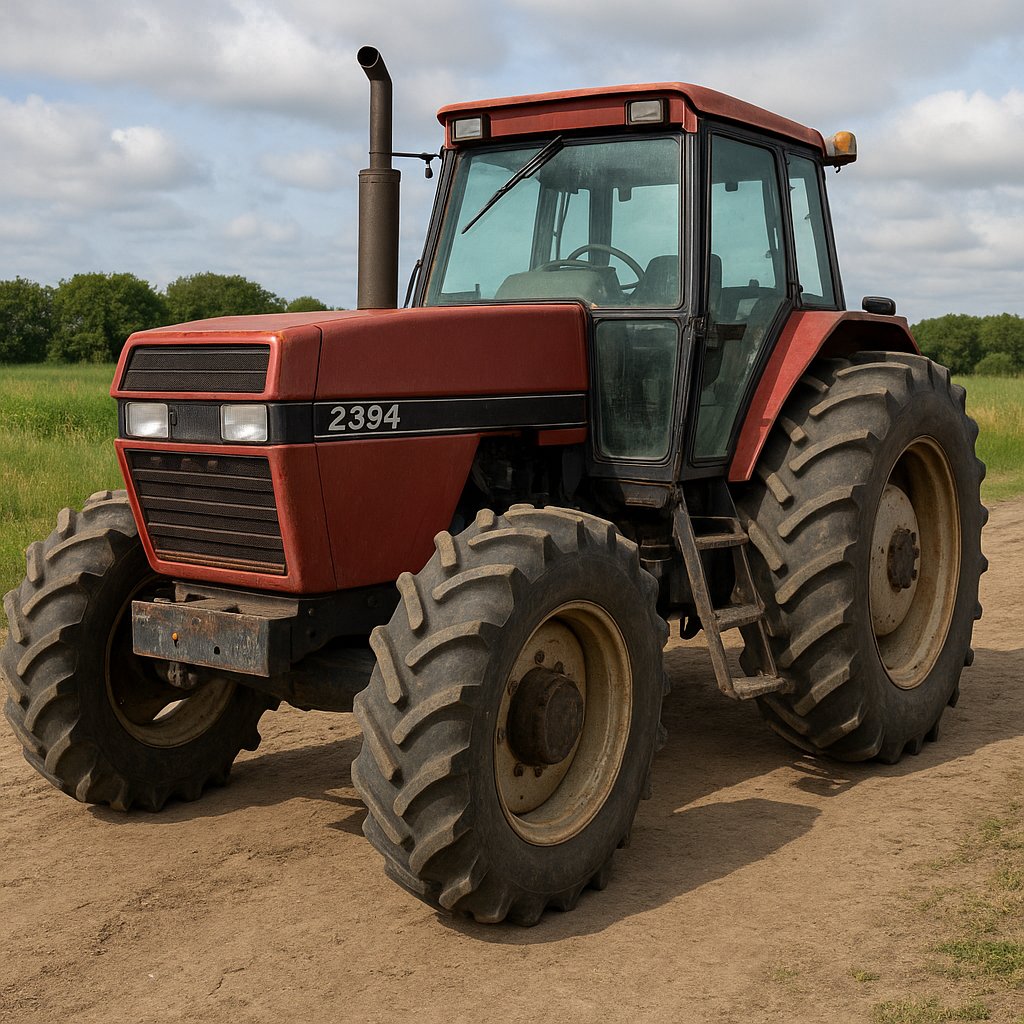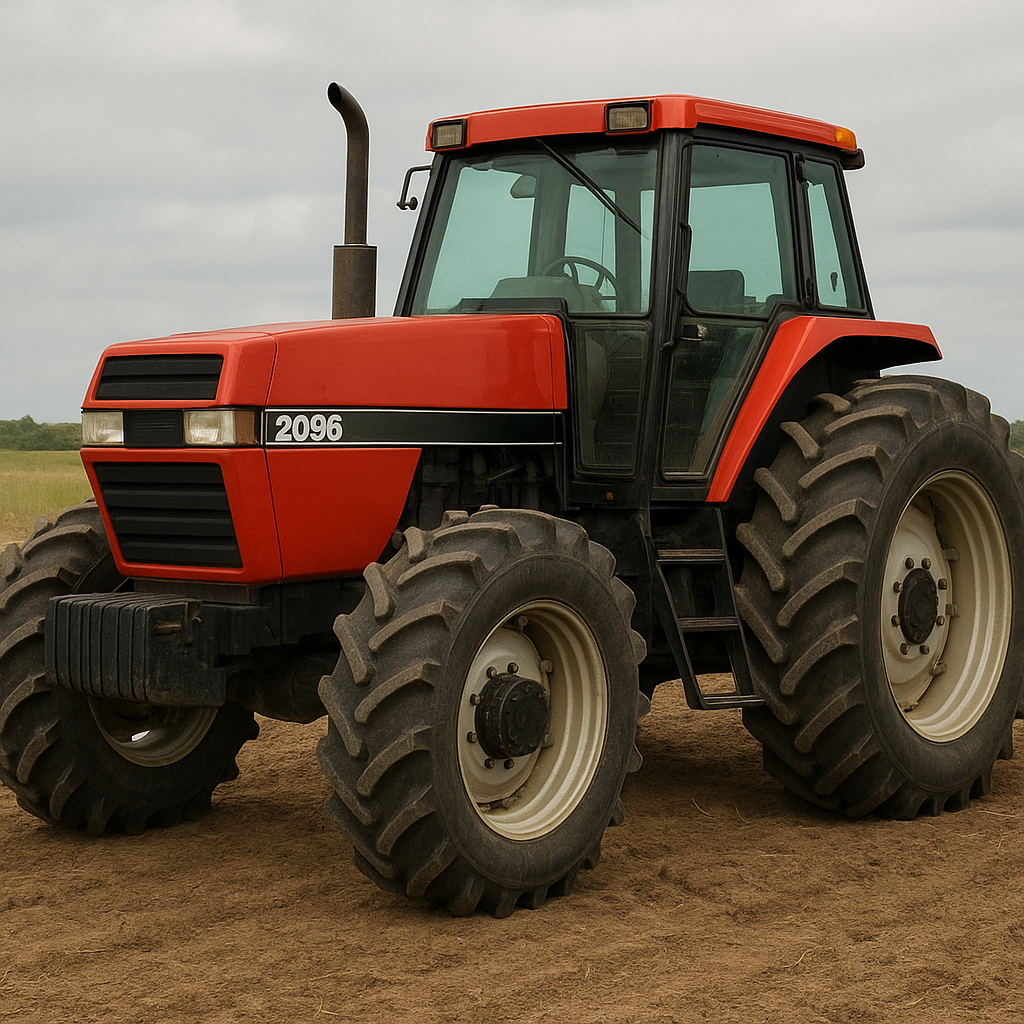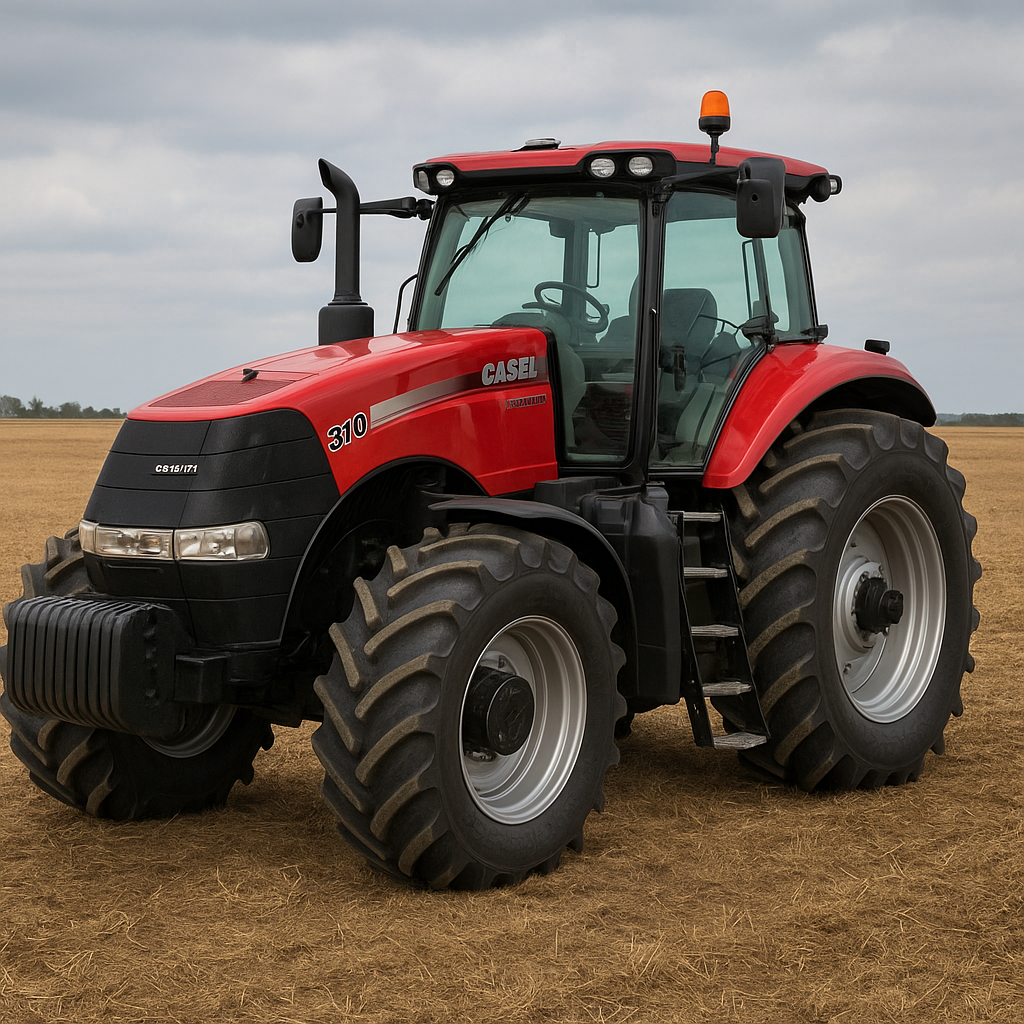
The Case IH Magnum 310 is a member of the well-known Magnum series of agricultural tractors, recognized for combining substantial horsepower with robust design and operator-oriented features. Built to handle heavy-duty fieldwork, transportation and a wide range of implement tasks, the Magnum 310 has found favor among large-scale farmers, contractors and mixed agricultural operations worldwide. This article explores the technical characteristics, practical applications, maintenance and economic aspects of the Magnum 310, along with practical insights into how this model performs in real-world conditions.
Overview
The Case IH Magnum 310 is designed as a high-horsepower, versatile agricultural tractor that fits into the upper-middle segment of the Magnum line. Intended for demanding tasks such as deep tillage, heavy seedbed preparation, large mower and baler operations, and hauling, the Magnum 310 emphasizes a balance between raw power and operator comfort. Depending on the production year and configuration, the Magnum 310 typically offers rated engine output in the neighborhood of 310 horsepower (approximately 230 kW), with peak or boost power available under load-management systems.
Case IH positioned the Magnum series to serve large arable farms, contractors and enterprises requiring a tractor capable of pulling large implements while supporting modern hydraulic and electronic systems. The Magnum 310 sits alongside adjacent models in the lineup that offer slightly less or more power, allowing buyers to choose based on horsepower needs, fuel economy targets and implement compatibility.
Design and technical specifications
The Magnum 310 combines a heavy-duty chassis, high-capacity driveline and a modern diesel engine with emissions control and electronic management. Exact specifications vary by model year and optional packages, but the following characteristics are representative of typical configurations found across production runs.
Engine and powertrain
- Engine type: turbocharged, intercooled diesel with electronic fuel management; many examples use engines derived from FPT/CNH family designs or in-house Case IH-specified units.
- Rated engine power: typically around 310 hp (approx. 230 kW), with engine boost systems delivering higher power under heavy load.
- PTO options: common PTO speeds include 540/1000 rpm to match a broad selection of implements.
- Transmission: available in several configurations depending on year—options often include multi-range powershift transmissions (e.g., 16/16, 18/6), advanced powershift variants and, in some later or related models, continuously variable or IVT-like systems. Gearbox choice affects fuel consumption, ease of use and suitability for transport vs fieldwork.
Hydraulics, hitch and PTO
- Hydraulic system: high-flow hydraulic pumps with multiple remote valves to drive complex implements; typical flow rates fall in the medium-to-high range (often around 120–160 l/min depending on pump configuration).
- Rear linkage: high-capacity three-point hitch capable of lifting heavy implements and working with large seeders, cultivators and mowers.
- Electronic controls: many units include electronic hitch control, ISOBUS compatibility for modern implements and optional precision-agriculture interfaces.
Dimensions and weight
Weights and dimensions vary by configuration, tyre size and ballast. Operating weight typically ranges from medium to heavy for agricultural tractors, reflecting robust construction and ballasting for traction. Axle loads and tyre selection are important considerations for field compaction and transport stability.
Performance figures (typical ranges)
- Rated power: approximately 280–320 hp depending on variant and rating standard.
- PTO power: often around 220–270 hp delivered to the PTO, varying by drivetrain efficiency and configuration.
- Hydraulic flow: roughly 120–180 l/min for standard configurations, with high-flow packages available for hydraulically intensive implements.
- Fuel consumption: highly dependent on application, gear selection and load—typical consumption for heavy fieldwork can range from 15 to 35 liters per hour, with transport and light-duty tasks using less. Precise numbers require measurement under specific conditions.
Applications and field performance
The Magnum 310 is built for multi-purpose farm operations where high tractive effort and hydraulic capacity are required. Typical applications include:
- Primary tillage and deep ploughing: the tractor’s weight and torque characteristics enable effective use of large ploughs and soil-turning implements.
- Secondary cultivation and seedbed preparation: horsepower reserve and responsive hydraulics help maintain consistent depth and speed across large fields.
- Sowing and fertilizing: stable hitch control and optional precision-agriculture systems facilitate accurate seeding and input application over wide working widths.
- Forage and haymaking: powering mowers, rakes, tedders and large balers where steady PTO power and hydraulic outputs are critical.
- Transport and haulage: highway-capable gearing and robust brakes make it suitable for transporting large trailers or equipment between fields and storage areas.
- Specialized tasks with mounted or trailed implements: sprayers, planters and cultivators that demand high hydraulic flow and reliable control.
In field tests and operator reports, the Magnum 310 is often praised for its ability to sustain high loads without significant drop-off in performance, its traction control options for better field grip, and the flexibility to swap between heavy tillage and precise seeding operations with minimal downtime.
Operator environment and controls
Modern Magnum tractors emphasize operator ergonomics and safety, and the Magnum 310 typically includes features aimed at improving long hours in the cab. These include climate-controlled cabs, adjustable seats with air suspension, sound-dampening engineering for lower noise levels, and user-friendly control layouts.
- Cab design: panoramic visibility, low noise levels and climate control designed for full-day comfort.
- Seat and suspension: adjustable, often with air suspension to reduce operator fatigue.
- Control interface: ergonomic joystick(s) for hydraulics, easy-to-reach levers or electronic controls for hitch and PTO management, and optional touchscreen displays for ISOBUS or guidance systems.
- Safety features: ROPS, effective lighting packages for night work and integrated monitoring systems for engine and hydraulic parameters.
These features not only improve comfort but can increase productivity by enabling longer effective workdays and reducing operator errors during complex tasks.
Technology and precision agriculture
Over its production life, the Magnum series evolved to incorporate precision-agriculture capabilities. Depending on the year and options, the Magnum 310 can be equipped with guidance systems, auto-steer, telematics and ISOBUS compatibility, which enable:
- Auto-steer and section control for reduced overlap and input savings.
- Telematics for remote diagnostics, fleet management and efficiency tracking.
- ISOBUS implement integration for seamless communication between tractor and modern implements.
- Variable-rate application support when paired with compatible controllers.
Precision technology integration supports better use of seed, fertilizers and crop protection products, improves field efficiency and can reduce operational costs over time.
Maintenance, reliability and total cost of ownership
Reliability and serviceability are major components of the overall value proposition for the Magnum 310. The tractor’s design generally focuses on ease of access to routine service points, use of modular components and availability of support through Case IH dealer networks.
- Routine maintenance: accessible filters, oil-check points and service intervals aligned with industry norms make for predictable upkeep schedules.
- Parts and dealer support: Case IH’s global network provides parts availability in many regions, but availability and cost can vary by country and model year.
- Longevity: with proper maintenance, heavy tractors like the Magnum 310 commonly remain productive for many thousands of service hours. Major components such as the engine and transmission are built for long life under agricultural loads.
- Resale and depreciation: resale values depend on hours, condition, service history and local demand for high-horsepower tractors. Proper documentation and maintenance history typically preserve resale value.
Operators should factor in fuel costs, expected hours of heavy-duty use, and the cost of attachments and implements when projecting total cost of ownership. Investing in precision-application technology can offset some operating costs through improved input efficiency.
Safety and environmental considerations
Safety systems on the Magnum 310 include robust braking, lighting for road and field work, rollover protection and clear sightlines. From an environmental perspective, later production variants include emissions controls required by regional regulations—such as EGR, DOC or SCR systems—depending on the year and market. These systems reduce particulate and NOx outputs and help the tractor meet evolving emissions standards.
Operators should maintain emissions control components to ensure compliance and efficient engine operation. Additionally, efficient operation—matching engine speed and gear selection to the task—reduces fuel use and emissions over time.
Market position, availability and aftermarket
The Case IH Magnum 310 has been part of a competitive segment where manufacturers vie on horsepower, features, and total operating economics. This tractor is commonly traded in markets with large-scale cropping systems, such as North America, Europe, Australia and parts of South America.
- Used market: strong demand for high-horsepower tractors means a steady market for well-maintained used Magnum 310 machines; pricing relates closely to hours, condition and service records.
- Aftermarket: third-party suppliers provide attachments, retrofit guidance systems and consumables; reputable dealers and service centers remain recommended for complex repairs.
- Customization: buyers can often specify tyres, front weights, ballast, hydraulic packages and cab options to match local soil conditions and implement choices.
Practical tips for operators and buyers
- Match the tractor to implement size and working width: using a Magnum 310 with appropriately sized implements will maximize productivity and maintain fuel efficiency.
- Monitor hydraulics and PTO load: stay within implement specifications to prevent undue strain on drivetrain components.
- Keep accurate maintenance records: service history increases resale value and simplifies troubleshooting.
- Consider precision technology investments: GPS guidance and section control can quickly pay back through reduced overlap and optimized input use in large fields.
- Check regional emissions configurations: ensure that replacement parts and diagnostic support are available for the specific emissions-control systems installed on the tractor.
Performance in varied conditions
The Magnum 310 performs well across a broad spectrum of conditions—heavy soils, rolling terrain and long transport runs—when properly ballasted and equipped. Traction management and differential lock systems support field productivity on moist soils, while transmission choices affect both ease of use and fuel economy on long drives between fields.
Operators in cultures that demand multi-season work value the Magnum 310 for its capacity to switch between tasks: early-season tillage, mid-season planting and late-season harvesting support with the same tractor, reducing the need for multiple specialty machines.
Conclusion
The Case IH Magnum 310 is a capable, multi-use agricultural tractor suited for large farms and contractors that need dependable high horsepower paired with modern features. Its combination of engine performance, responsive hydraulics, flexible PTO capability and operator-focused cabin design makes it adaptable across a wide range of applications. While exact technical figures vary with model year and optional equipment, the Magnum 310 remains a solid choice when matching horsepower, efficiency and serviceability to demanding agricultural tasks. Buyers and operators should evaluate configuration options, local dealer support and the intended implement roster to ensure the tractor aligns with their operational and economic objectives.