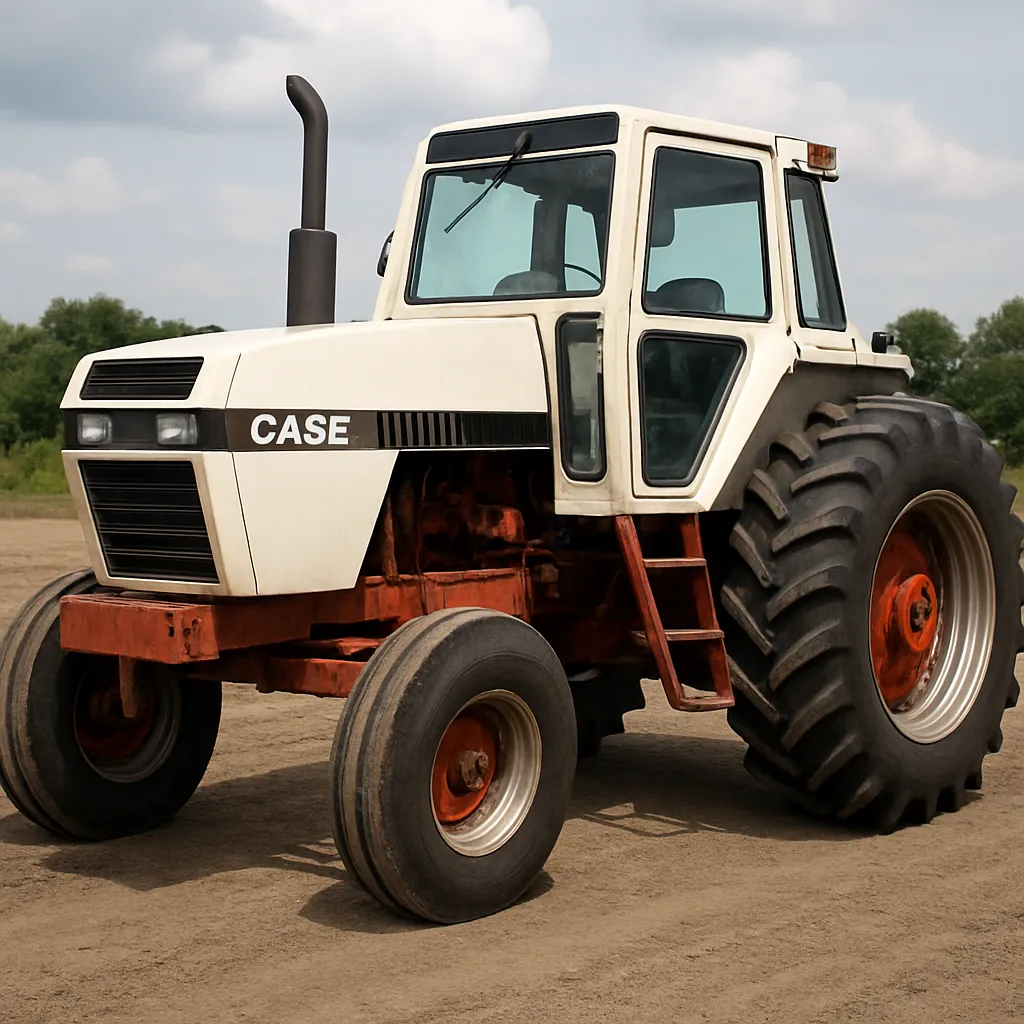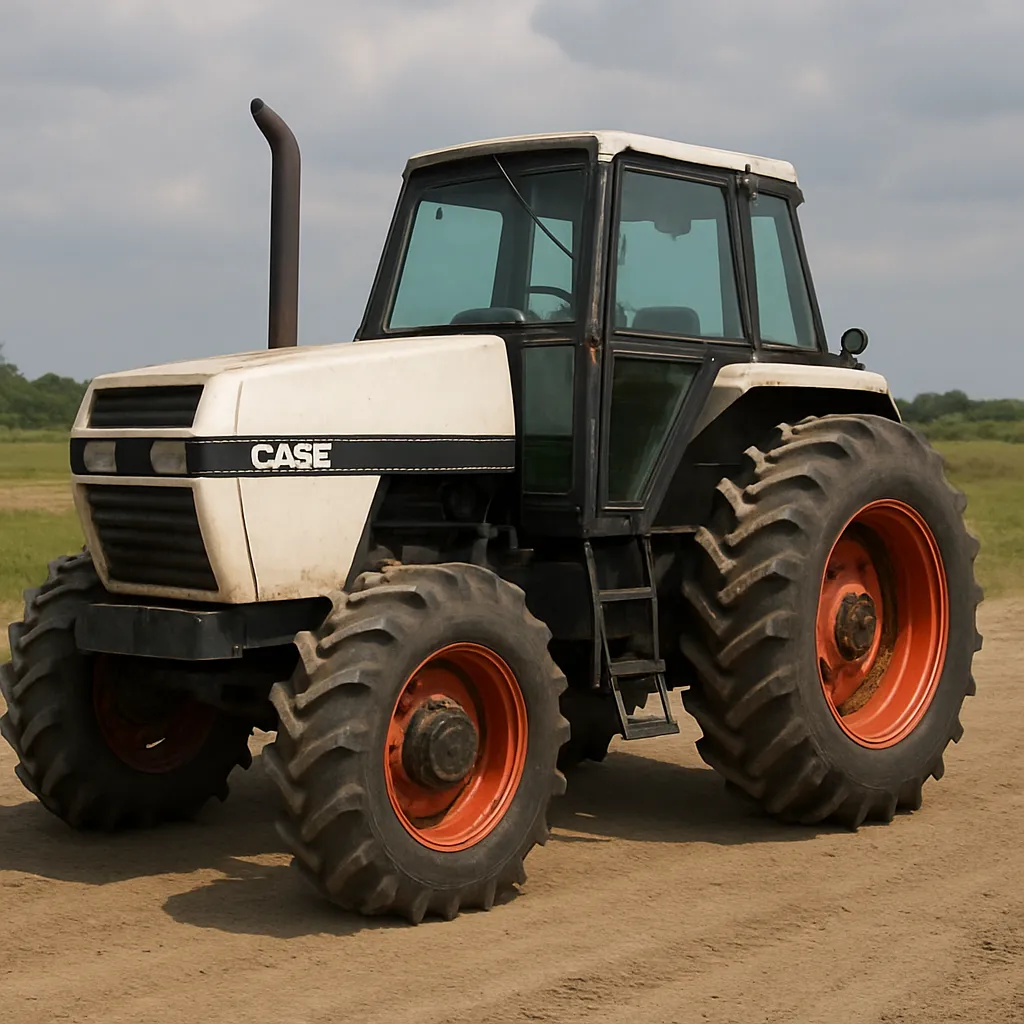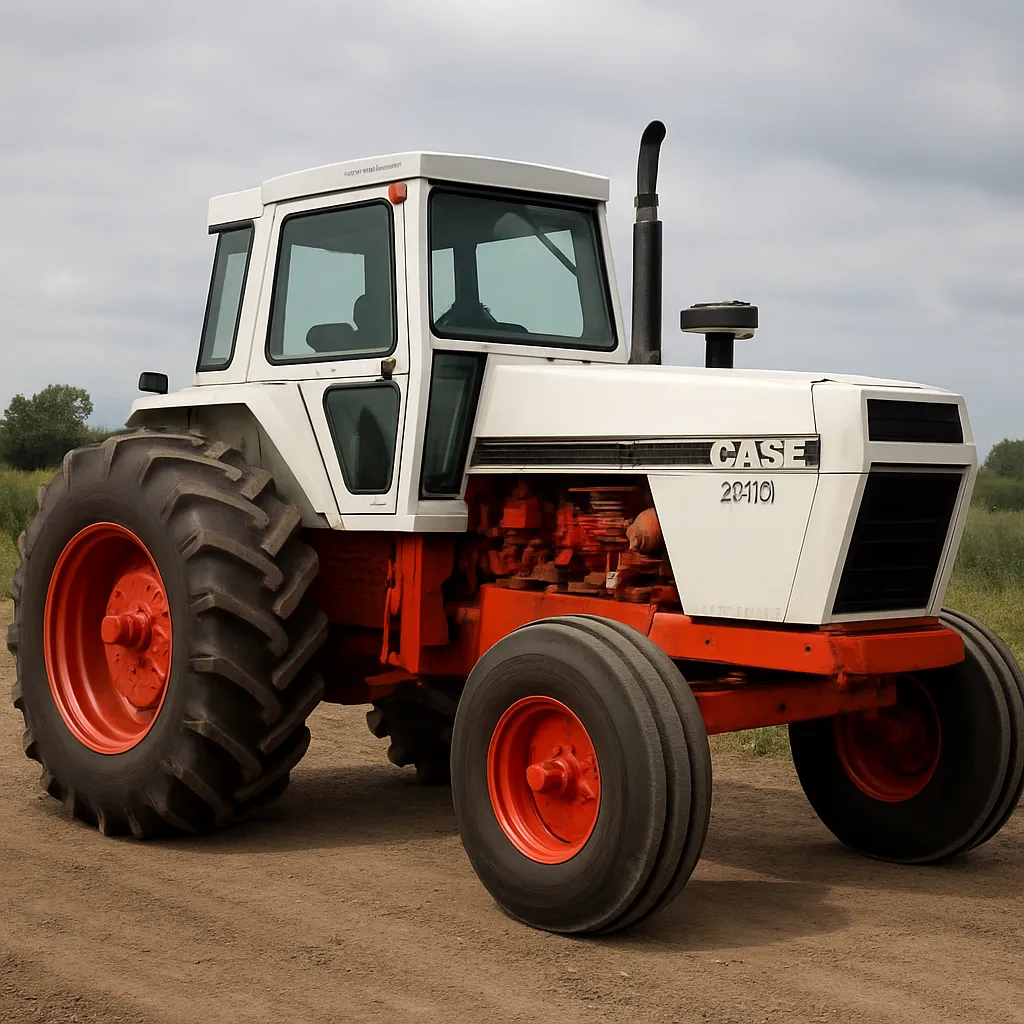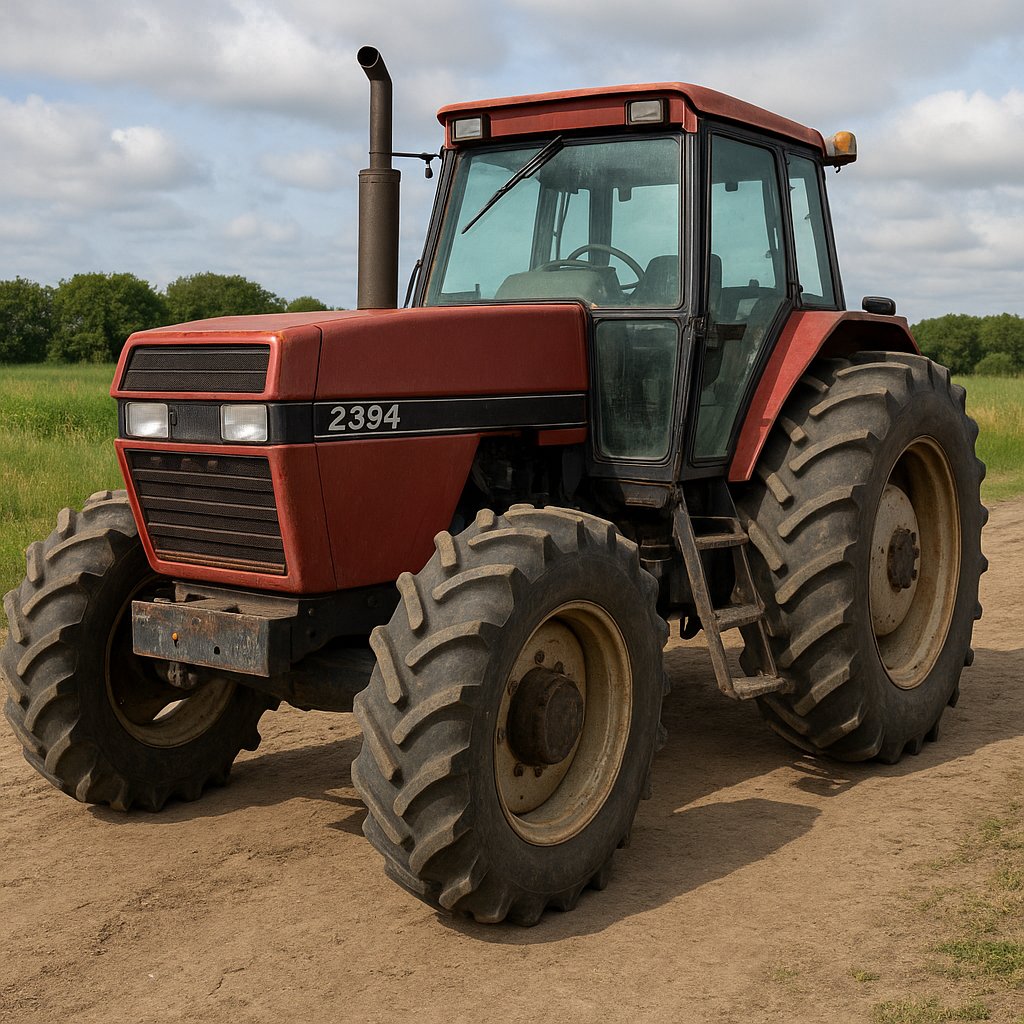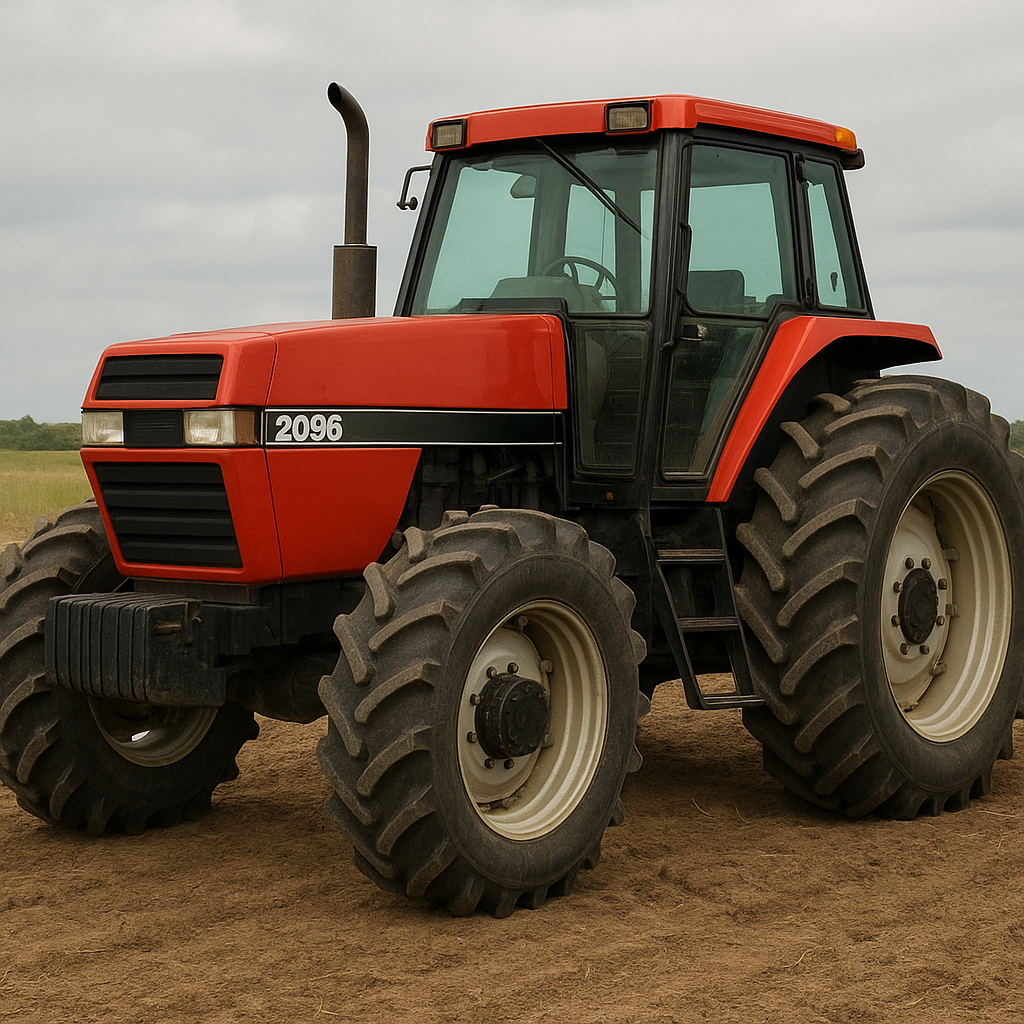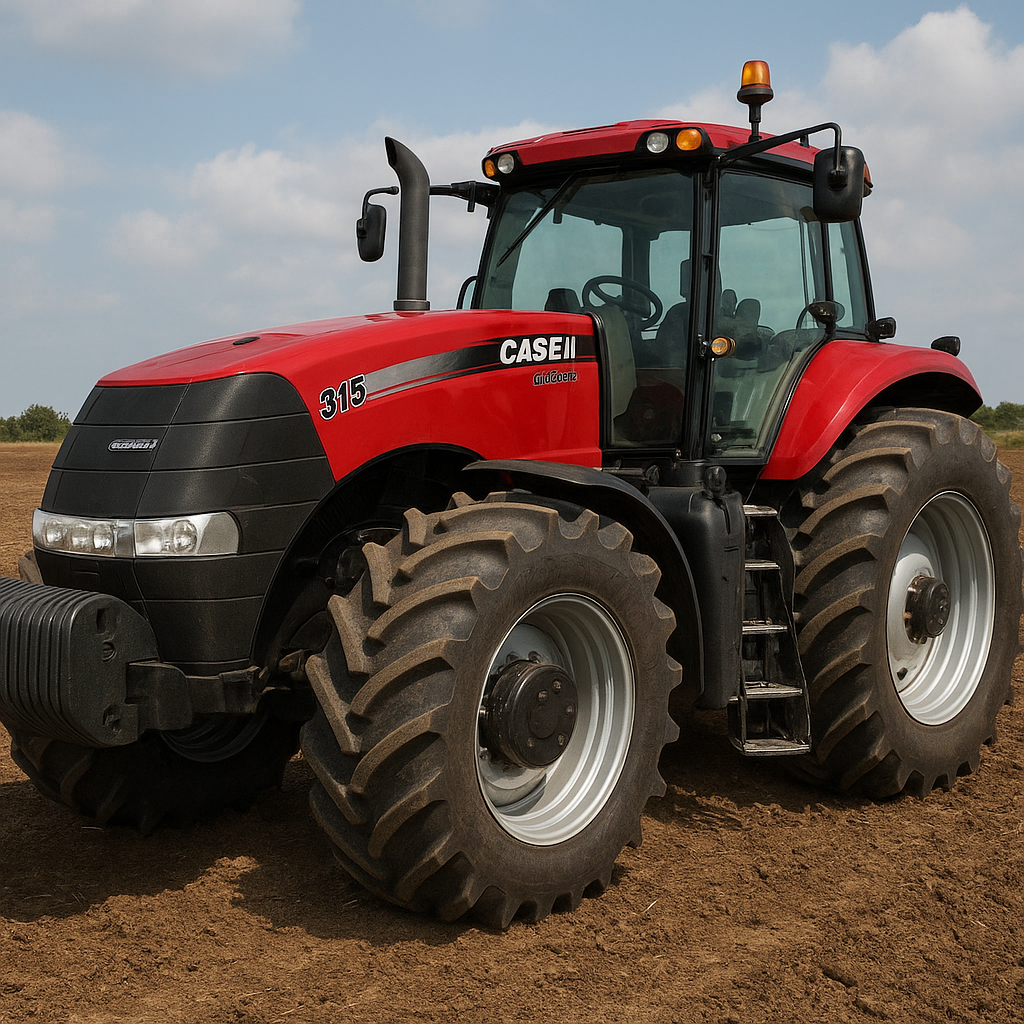
The Case IH Magnum 315 is a heavyweight contender in the world of modern agricultural tractors, combining substantial mechanical capability with features designed for long hours in the field. Built as part of Case IH’s Magnum family, the Magnum 315 is aimed at large-scale farmers, contractors and operations that require sustained power, versatility and comfort. This article examines the tractor’s design, typical technical specifications, practical applications, operational characteristics and considerations for purchase and maintenance.
Design and technical overview
The Magnum 315 is engineered around the core idea of delivering sustained, reliable power for heavy draft work, large implements and high-speed transport. While specific configuration and options differ by production year and regional market, the platform shares several key design features: a robust 6-cylinder diesel engine, heavy-duty transmission choices, a strong three-point hitch and advanced cab ergonomics.
Engine and performance
- The Magnum 315 is typically powered by a 6-cylinder, turbocharged diesel engine delivering roughly 315 horsepower (rated output), with short-term boost available in many operating modes for transport or heavy draft peaks.
- Engines used in Magnum tractors are designed for durability across long operating cycles, with emphasis on efficient combustion, reliable cooling and serviceability of fuel and air systems.
- Torque characteristics are tuned to deliver strong low-end pull for fieldwork: while exact torque figures vary with engine specification and year, users can expect robust torque reserves that help minimize gear changes under load.
Transmission and driveline
- Case IH offered several transmission choices across the Magnum range to match operator preferences: powershift transmissions with multiple ranges, and in some configurations more advanced continuously variable or stepless options in later years for smoother operation and improved fuel economy.
- Transmission choices affect fuel consumption, drawbar efficiency and overall ease of operation — high-end variants often come with more refined control logic and automated shift management for large-acreage work.
- The driveline is built to transfer the engine’s output reliably to the axles and PTO, with heavy-duty differentials and selectable differential locks for traction management in variable soil conditions.
Hydraulics, PTO and hitch
- Hydraulic systems on the Magnum 315 were designed for high flow and multiple circuit requirements. Typical options include closed-center load-sensing hydraulics with high-volume pumps capable of supporting several remote valves and power-hungry implements.
- Rear PTO is standard, usually at 540 / 1000 rpm depending on specification and implement needs, and is built to support large power-transfer implements such as large balers, mowers and rotary tillers.
- The three-point hitch is heavy-duty with high lift capacity, enabling the use of large tillage tools and seeding equipment. Hitch capacity and lift height vary with the year and specification but are optimized for large-scale operations.
Cab, ergonomics and operator aids
- Case IH Magnum cabs emphasize operator comfort for long shifts: suspended seats, climate control, low noise levels and wide visibility. Controls are logically grouped and often feature ergonomic joysticks or multi-function controllers for implement management.
- Many Magnum models include electronics for precision farming: GPS-ready interfaces, section control, variable rate application compatibility and data logging systems when equipped.
- Visibility and lighting packages are designed to facilitate night operations, with powerful work lamps and wraparound sightlines to monitor implements and field conditions.
Applications and real-world usage
The Magnum 315’s combination of horsepower, hydraulics and hitch capacity makes it suited to a wide range of demanding agricultural tasks. Large farms and contractors choose this class of tractor for operations where one machine must handle many roles through the season.
Primary agricultural applications
- Primary tillage: pulling large moldboard plows, disc harrows and heavy cultivators across wide swaths. The Magnum 315’s mass and torque help maintain consistent depth and implement performance in variable soils.
- Seeding and planting: providing steady draw and hydraulic control for high-capacity seed drills and planters, especially during high-acreage planting windows where reliability and speed matter.
- Harvest support: driving large grain carts, auger wagons and harvest-assist equipment on-farm and between fields with the power to maintain transport speeds and PTO-driven equipment.
- Baling and forage: powering large balers, mowers and rakes, where PTO power and hydraulic flow are crucial for efficient operation.
Contracting and non-farm applications
- Contractors frequently use Magnum 315 tractors for custom work: land preparation, subsoiling, and other heavy draft tasks where a single operator can move large areas quickly.
- Municipal or large-landscape applications: some operators adapt the Magnum for snow-clearing, road maintenance or large groundskeeping duties where raw power and hydraulic versatility are useful.
Advantages in practical use
- Operational efficiency: fewer passes over a field with high-capacity implements reduces overall fuel and labor costs per hectare when matched to the right implements.
- Versatility: ability to switch between heavy draft, PTO-intensive and transport operations without changing the power unit.
- Driver comfort and long-cycle reliability support high daily utilization during critical windows like planting and harvest.
Technology, maintenance and economic considerations
Modern farming places immense value on uptime, fuel efficiency and data-driven management. The Magnum 315 balances traditional mechanical robustness with optional technological aids to improve productivity and decrease operating costs.
Electronics and precision farming
- Many Magnum models can be equipped with precision agriculture systems: GPS guidance, auto-steer, section control, and telematics. These systems help reduce overlap in field operations, lower input costs and capture operational data.
- Onboard diagnostics simplify troubleshooting and planned maintenance. Electronic control modules can store fault codes and service intervals, helping workshops or farmers act proactively on component wear.
Maintenance and serviceability
- Routine maintenance is crucial for longevity: regular oil and filter changes, cooling system checks and hydraulic fluid management. Case IH design focuses on accessible service points to reduce downtime.
- Replacement parts availability depends on model year and local dealer networks. For older Magnum 315 units, parts supply might be supported by extensive aftermarket and dealer inventories, but verifying parts availability before purchase is wise.
- Fuel and consumables: the tractor’s fuel consumption is influenced by tasks, transmission choice and operator technique. Matching engine load management, using cruise or engine speed governors effectively and optimizing implement match helps lower fuel use per hectare.
Operational costs and resale
- Initial costs for a new Magnum 315 reflect power class, technology options and dealer support. Used units can offer strong value for operators seeking large power without full new-tractor premiums, but overall hours, maintenance history and rebuilds are key determinants of long-term cost.
- Resale value for well-maintained Magnum tractors tends to be favorable in markets with high demand for high-horsepower machines. Routine maintenance records, updated electronics and low-hour transmissions typically increase resale price.
- Fuel economy: while high-horsepower tractors consume significant fuel under heavy loads, advances in engine control and transmission optimization in later models improved specific fuel consumption (fuel consumed per unit of work) versus earlier designs.
Variants, aftermarket options and attachments
Case IH and third-party manufacturers supply a wide array of options to customize the Magnum 315 for specific tasks. Attachments and options transform the tractor into role-specific machines.
Common factory and dealer options
- Transmission upgrades or specialized gearing packages for optimal field speeds or high-speed transport.
- Enhanced hydraulic packages, including additional remote valves, higher flow pumps and return-line filtration for hydraulic implement longevity.
- Precision agriculture kits: GNSS receivers, consoles, telematics and guidance software to enable automated tasks and data capture.
- Comfort and visibility upgrades: high-spec seats, stereo systems, advanced lighting packages and panoramic cabs.
Aftermarket and implement compatibility
- Large cultivators, air seeders, tank sprayers, multi-row planters and heavy rollers are commonly matched to this class of tractor. Implement compatibility depends on tractor PTO, hydraulics and hitch capacity.
- Front-end loader or front hitch systems can widen utility, though the unit’s ballasted weight and balance must be managed for safe loader operations.
- Tracks or specialized wheels: in some regions, operators replace wheels with track systems or dual-wheel setups to reduce ground compaction and increase traction for very heavy implements.
Operational tips and buying considerations
Choosing a Magnum 315 or similar tractor requires matching capability to your operation’s needs. Consider fuel costs, maintenance resources, implement compatibility and the expected utilization profile to get the best return on investment.
Matching tractor to tasks
- Assess typical implements and expected field conditions. Heavy vertical tillage or deep ripping needs continuous high draft power, while high-speed transport emphasizes transmission and PTO capabilities.
- Consider whether automation and precision tools will be used—investing in guidance systems and data tools often pays off in accuracy and reduced input overlap.
- Make sure the hitch and hydraulic capacities match your largest implements to avoid bottlenecks in performance.
Inspecting used machines
- Service history: comprehensive records indicate good care. Pay attention to engine rebuilds, transmission overhauls and hydraulic repairs.
- Hours vs. condition: high hours are common in large tractors but even high-hour machines can be a good buy if maintained properly and if rebuilds have been performed.
- Check electronics, because replacement or repair of precision farming equipment can be expensive. Ensure guidance and control modules function as expected.
Safety and operator training
- Train operators in efficient use of gear ranges, PTO engagement, and heavy-implement handling. Proper technique reduces fuel consumption and mechanical wear.
- Regularly inspect tires, brakes and hitch components. Heavy tractors require vigilance regarding ballast, stability and PTO safety shields.
Representative specifications and market notes
Specifications for the Magnum 315 vary by year and market, but the following representative figures illustrate the class and capability of this model. Note that exact figures should be confirmed from the tractor’s data plate or official dealer documentation for a specific unit.
- Rated power: approximately 315 hp (engine-rated output).
- Engine configuration: typically 6-cylinder turbocharged diesel designed for field duty.
- Transmission: offered in multiple configurations from multi-range powershift to more advanced stepless/CVT-style variants in later production years.
- PTO: rear PTO (540/1000 rpm options commonly available).
- Hydraulic flow: high-flow load-sensing systems often available to support multiple implements (exact pump flow varies by option).
- Fuel capacity: large tanks to support long field days; typical volumes vary widely by configuration and market.
- Weight: heavy, ballasted to optimize traction; exact shipping and operating weights vary by equipment and ballast.
Conclusion
The Case IH Magnum 315 stands as a powerful, versatile tractor tailored to demanding, large-scale agricultural operations. Its strengths are sustained power, strong hydraulic and hitch capabilities, and cab comfort suited for long workdays. Choosing a Magnum 315 involves matching its capabilities to the implements and workflow of an operation and considering options that support precision farming and efficient maintenance. For those running large-acreage cropping systems or contracting businesses, the Magnum 315 class provides the horsepower and flexibility to complete heavy jobs with fewer machines, offering economies of scale when put to appropriate use.