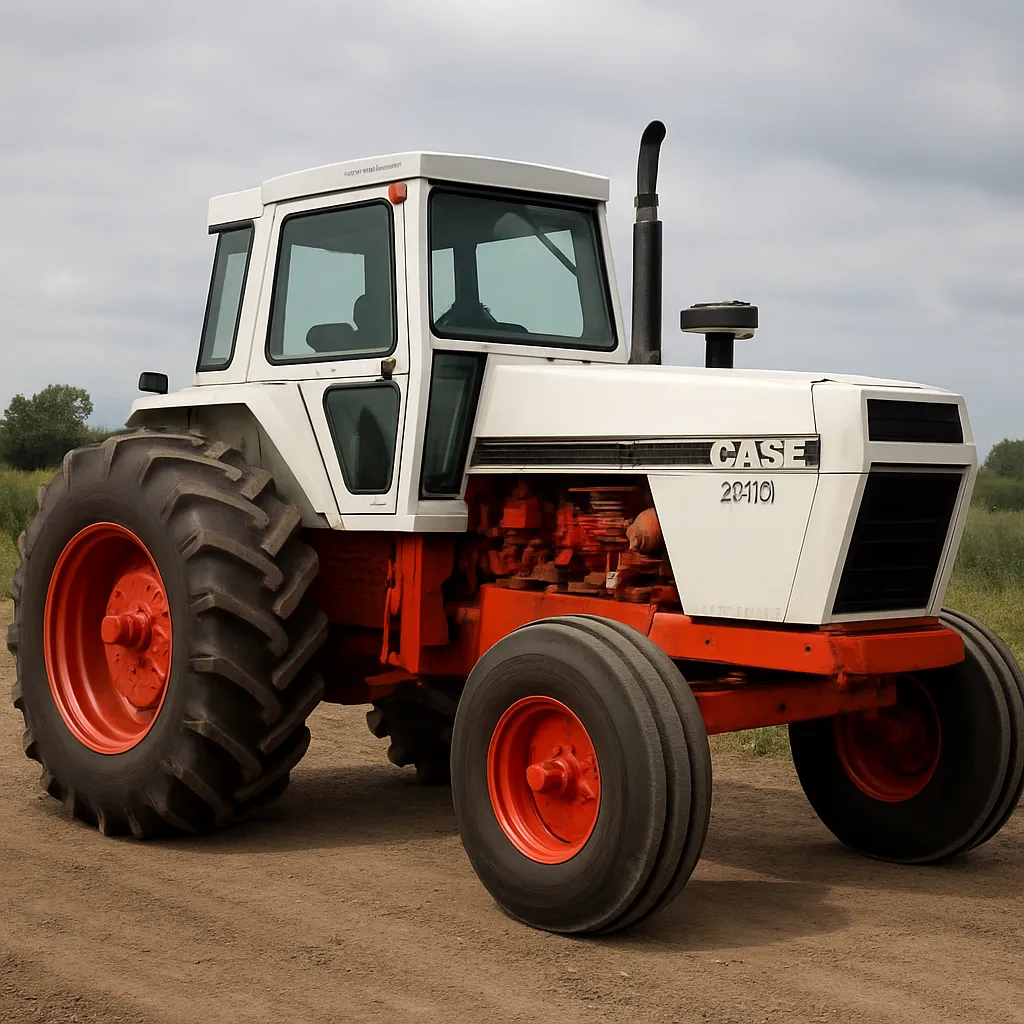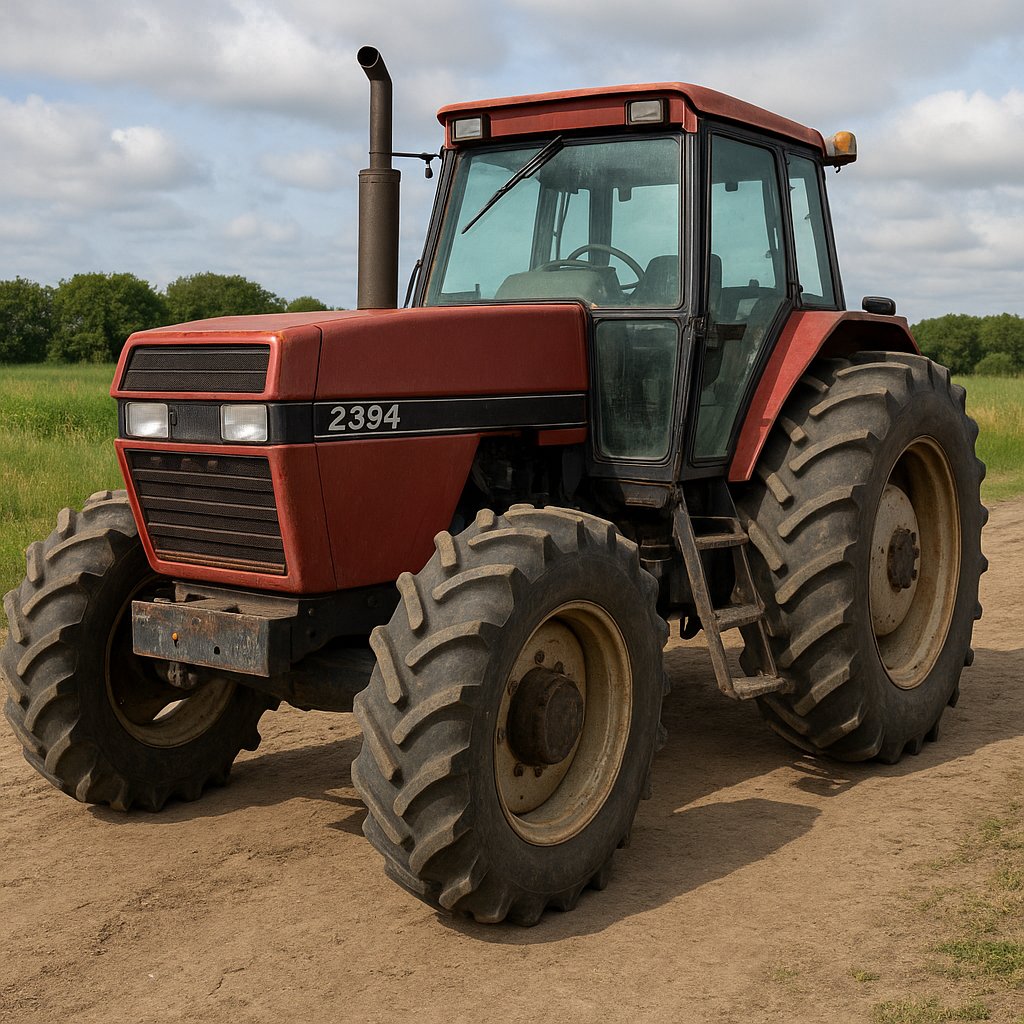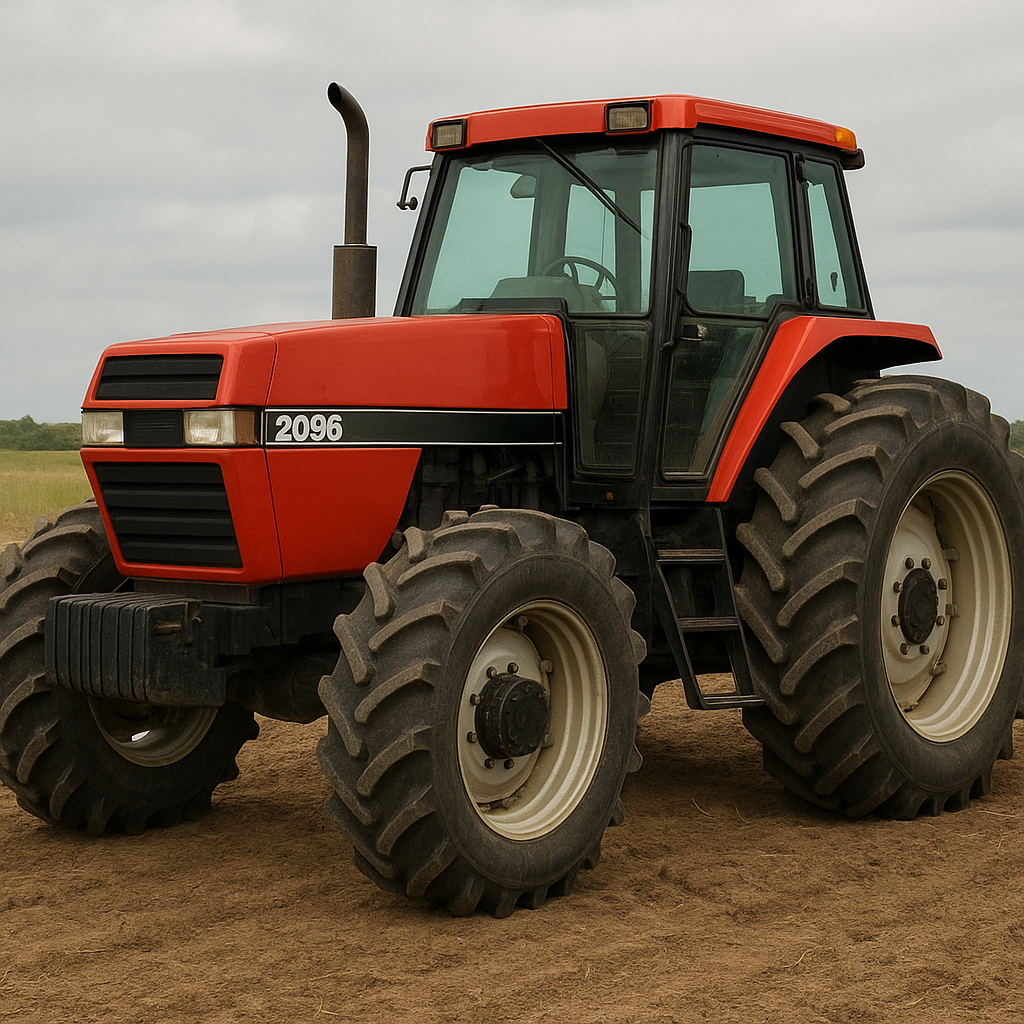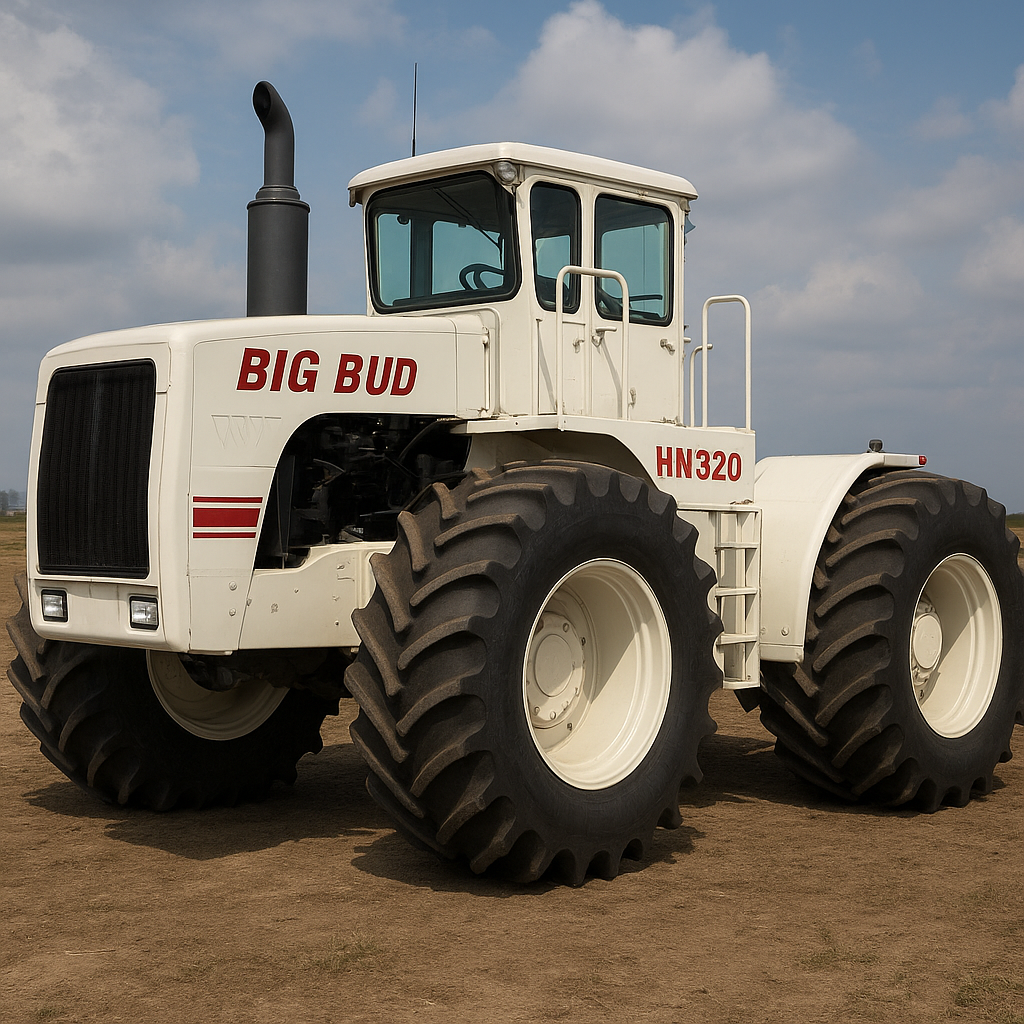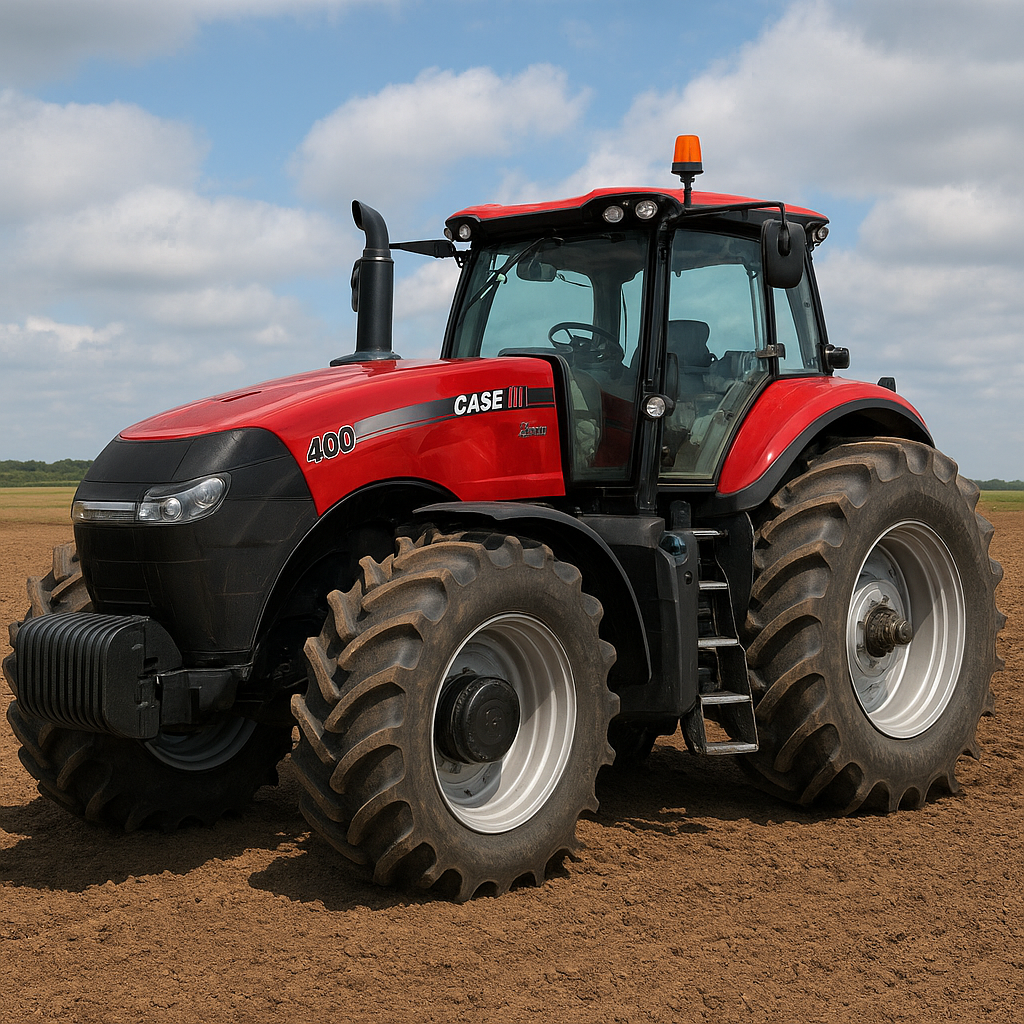
The Case IH Magnum 400 is a member of the well-known Magnum line of agricultural tractors, designed to serve large-scale farming operations and heavy-duty fieldwork. This article explores the tractor’s background, technical characteristics, typical applications, operator features, maintenance considerations, and economic and environmental aspects. The aim is to provide a comprehensive picture of where and how the Magnum 400 fits into modern agriculture, what advantages it offers to end users, and which technical details are most relevant when evaluating it for purchase or operation.
Overview and historical context
The Magnum family from Case IH has long represented the brand’s approach to combining high performance with robust durability for demanding agricultural tasks. While models and configurations vary across production years and markets, the Magnum 400 has been positioned as a high-horsepower workhorse intended for large arable farms, contractors, and mixed operations that require steady, high-output machines. The Magnum series was developed to compete in the high-power tractor segment, offering a balance of power, reliability, and operator comfort to maximize daily productivity.
Historically, Magnum tractors evolved in response to increasing field sizes, larger and heavier implements, and the need for greater on-farm mechanization. The Magnum 400 sits in this evolution as a model capable of towing large implements such as multi-furrow ploughs, deep subsoilers, wide seeders, large rotary cultivators, and high-capacity spreaders. Over successive iterations, the platform incorporated advances in engine technology, emissions control, transmission options, and precision agriculture electronics.
Technical characteristics and specifications (typical values and ranges)
Exact specifications for a Case IH Magnum 400 can differ depending on the model year and optional equipment. Below are common or representative technical characteristics observed across high-horsepower Magnum variants, useful when comparing machines or planning operations. Numbers are given as typical ranges where appropriate, since factory options, regional emissions standards, and aftermarket modifications influence final figures.
Engine and performance
- Engine type: 6-cylinder, turbocharged diesel (manufacturers have used engines from Case/Iveco/FPT families depending on year).
- Rated power: typically in the region of 350 to 425 engine horsepower at rated rpm; marketed name “400” usually reflects nominal output class.
- Maximum torque: often substantial to support heavy draft loads and PTO applications; torque peaks in a wide rpm band to maintain field speed under load.
- Displacement: commonly in a multi-liter range (for example, engines around 8–13 liters have been typical in this tractor class), depending on the specific engine variant.
- Emissions equipment: modern versions include aftertreatment such as DOC, DPF, and SCR systems to meet Tier 4 / Stage IV or other regional standards.
Transmission and driveline
- Transmission options: powershift transmissions with multiple gears and creeper options, or continuously variable transmission (CVT) / Continuously Variable Drive in some configurations. Many units offer a range of forward/reverse speeds optimized for field, transport and PTO work.
- Drive: 4WD with heavy-duty front axle; options for front suspension to improve ride and traction.
- PTO: multiple PTO speeds available (540/1000 rpm common combinations); PTO horsepower typically somewhat lower than engine horsepower but still substantial for high-demand implements.
Hydraulics and hitch
- Hydraulic flow: medium-to-high flow systems to operate large implements, remote valves and hydraulic motors; typical flow rates often range from about 150 to over 220 liters/min depending on pump configuration.
- Rear hitch capacity: robust lifting capacity designed to support large implements; many models offer a rear lift capacity that can approach several thousand kilograms (load capacity often specified in device documentation).
- Electronic hitch control and draft sensing: features for precise depth and downforce control during seeding and tillage.
Dimensions, weight and fuel
- Operating weight: substantial for traction and stability — often between roughly 9,000 and 13,000 kg depending on tire setup, ballast and options.
- Fuel capacity: large tanks to support long field days without frequent refueling; typical tanks in this segment can range widely but are designed for extended autonomy.
- Tire and track options: wide dual tires or tracks available to reduce compaction and increase traction for heavy loads.
Note: For procurement or technical planning, consult the specific factory technical sheet or VIN-specific documentation. The figures above are indicative ranges to help set expectations and perform comparative analysis.
Primary applications and field roles
The Case IH Magnum 400 is designed for high-output, heavy-duty agricultural jobs. Below are the most common applications where this type of tractor is typically found:
Tillage
- Primary and secondary tillage with large plows, discs, and cultivators. The Magnum 400’s torque and traction make it well-suited to deep tillage and operations where sustained draft is required.
- Subsoiling and compaction remediation where draft loads are very high and weight/ballast is beneficial for traction.
Seeding and planting
- Pulling wide air seeders and precision planters across large acreages. Electronic hitch/draft control maintains consistent planting depth and seed placement.
- ISOBUS compatibility allows seamless control of modern planters and seeding monitors.
Spraying and spreading
- High-capacity boom sprayers and fertilizer spreaders for rapid coverage of large fields. The horsepower and hydraulic capacity support boom pumps and boom-height control systems.
Hay and forage operations
- Operating large balers, mower-conditioners, rakes and wagons. Traction and PTO power enable continuous operation even under heavy crop flow.
- Pulling large forage wagons or supporting silage handling equipment.
Loader work and transport
- When fitted with a front loader, the Magnum 400 can handle heavy material movement, silage loading and farmyard tasks.
- Transport duties on public roads or farm tracks where high-speed travel with heavy loads is required.
Large commercial farms, contractors, and cooperatives commonly rely on tractors in this horsepower class for peak-season tasks where minimizing downtime and maximizing daily output are critical.
Cab design, controls and operator experience
Case IH has focused on operator ergonomics, visibility, and controls to reduce fatigue and improve efficiency during long workdays. The Magnum 400 often features:
- Spacious, climate-controlled cabin with low internal noise levels for comfortable long shifts.
- Air-suspension seating, telescopic steering wheel and intuitive console layout to keep controls within easy reach.
- Advanced displays and telematics: factory GPS-ready systems, auto-steer compatibility, and precision farming integration (AFS Connect and ISOBUS on many tractors), enabling guidance, section control and data logging.
- Joystick and multi-function armrest for implement control and loader operation.
These features enhance operator productivity and allow precise implement control, which in turn improves field results and reduces input waste.
Maintenance, uptime and service considerations
Maintaining a high-horsepower tractor like the Magnum 400 centers on scheduled preventive maintenance, careful monitoring of emissions systems, and rapid access to parts and service. Key points include:
- Regular oil and filter changes: adherence to recommended intervals for engine oil, hydraulic oil and gear oil helps preserve performance and prevent costly failures.
- Aftertreatment care: engines equipped with DPF and SCR systems require attention to dosing fluids (AdBlue/DEF), periodic regeneration cycles, and potential service for filters and sensors.
- Cooling and air systems: heavy-duty operation increases wear on radiators, intercoolers and air filters; frequent inspections are necessary especially in dusty or seed/crop-laden environments.
- Telematics and diagnostics: modern tractors include onboard diagnostics — using AFS Connect or dealer tools allows remote monitoring of performance metrics and proactive servicing to reduce downtime.
Uptime strategies often include scheduled maintenance windows, keeping critical spare parts on hand, and dealer support contracts for high-utilization fleets. Investment in operator training also reduces misuse and wear.
Economic and fleet considerations
Acquiring and operating a Magnum 400 involves significant capital. Economic decision-making should weigh acquisition cost, operating costs (fuel, maintenance, insurance), resale value and utilization rate. Important considerations:
- Cost-per-hour analysis: high-horsepower tractors are most economical when run many hours per year. Contractors and large farms typically achieve the best return on investment.
- Fuel efficiency: despite large engines, modern fuel-management systems, torque-rich engines and transmission choices mitigate fuel consumption during heavy work.
- Resale value and depreciation: tractors from reputable brands often retain value, particularly if serviced via authorized dealers and operated under good conditions.
- Financing and lifecycle planning: leasing, hire-purchase, and trade-in strategies can help manage cashflow while keeping technology up to date.
When planning a fleet, consider matching tractor size to implement capacity — underutilized horsepower is costly, while inadequate power reduces productivity and increases wear.
Environmental impact and regulatory issues
Agricultural machinery is subject to emissions regulations which have driven the adoption of aftertreatment systems (such as DPF and SCR) and improved combustion technologies. For Magnum-class tractors, operators must manage:
- DEF/AdBlue usage for selective catalytic reduction systems.
- DPF regeneration events that may impose additional operating procedures or short-duration restrictions.
- Noise and particulate emissions, especially relevant near residential zones and during transport.
- Soil compaction concerns: high weight requires mitigation via duals, tracks, or controlled traffic farming to preserve soil structure and long-term productivity.
Adopting precision agriculture technologies (auto-steer, section control, variable-rate application) helps reduce over-application of inputs and decreases environmental footprint while increasing input efficiency.
Variants, options and aftermarket
The Magnum platform allows numerous factory options and aftermarket customizations to match specific operational needs:
- Transmission choices tailored to fuel efficiency or operator preference (powershift vs. CVT).
- Front axle suspension, heavier-duty axles, or export-specific cooling packages for hot climates.
- Implement-specific hydraulics, additional remote valves, and high-flow pump packages.
- Track and wheel kits to adapt to soil conditions and reduce compaction.
- Precision agriculture add-ons: RTK GPS, telematics suites and software packages for agronomic data management.
Aftermarket modifications and attachments (loaders, hitches, ballast, lighting) expand the machine’s versatility and resale value when well chosen.
Practical tips for operators and fleet managers
To maximize the benefits of a Magnum 400, operators and managers should consider operational best practices:
- Match implements to tractor capability — use the correct ballast and wheel configuration for traction and flotation.
- Train operators on transmission modes, engine management and aftertreatment behavior to avoid unnecessary wear or forced downtime.
- Keep accurate records of hours, service intervals and fuel consumption to analyze cost drivers and identify improvement opportunities.
- Use telematics for preventive maintenance alerts and real-time operational monitoring to reduce unplanned outages.
- Plan seasonal work to leverage peak capacity efficiently while avoiding overuse that accelerates depreciation.
Market perspective and concluding observations
The Magnum 400 occupies a niche as a high-power, versatile agricultural tractor for operations that demand sustained heavy performance. Its strengths include substantial draft capability, adaptable transmission and hydraulic systems, and modern operator conveniences that support long, productive workdays. When evaluating the Magnum 400, buyers should compare specific year/model specifications, emission-package differences, and dealer support options to ensure the tractor matches the intended workload and regulatory environment.
In summary, the Case IH Magnum 400 and its close variants represent a powerful tool for large-scale farming, offering a mix of horsepower, efficiency, durable hydraulics and modern precision-ag features. Proper maintenance, thoughtful specification selection and smart operational strategies make this class of tractor a cornerstone of productive contemporary agriculture.