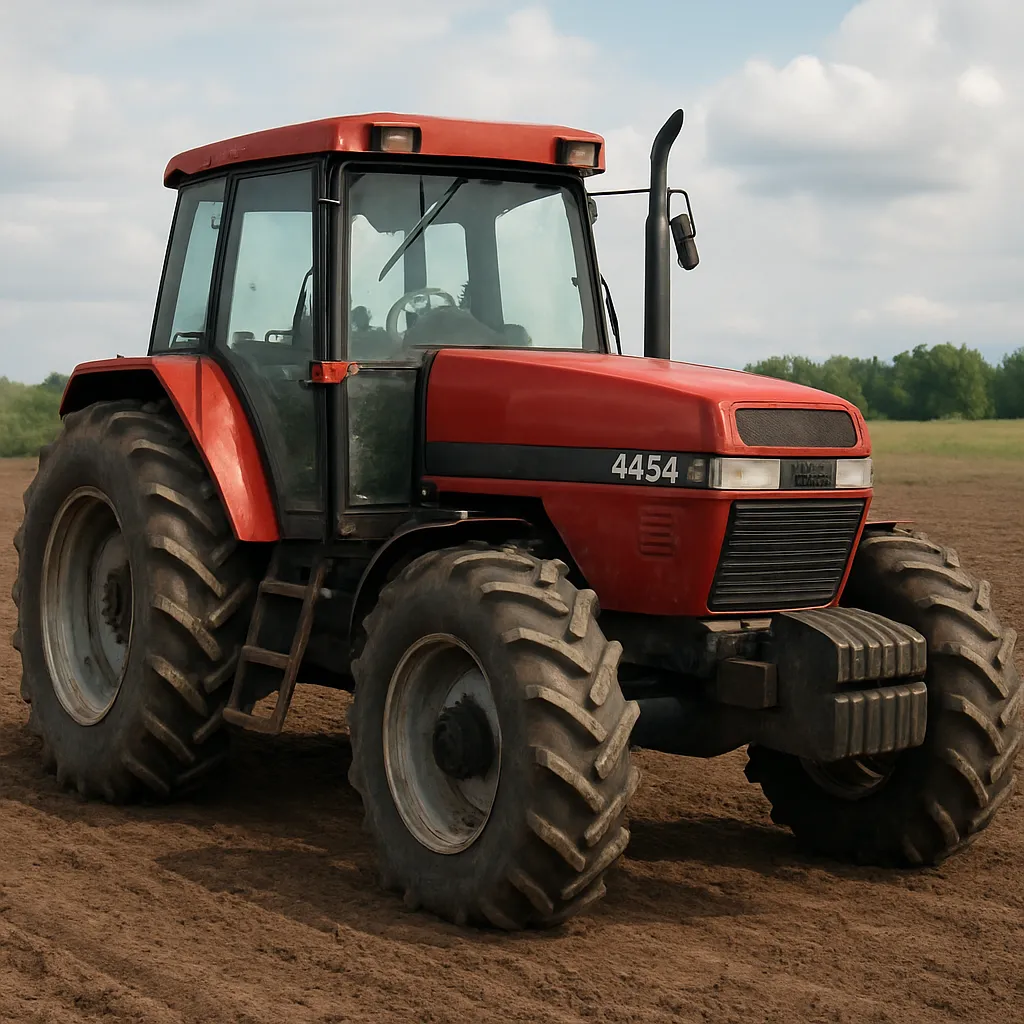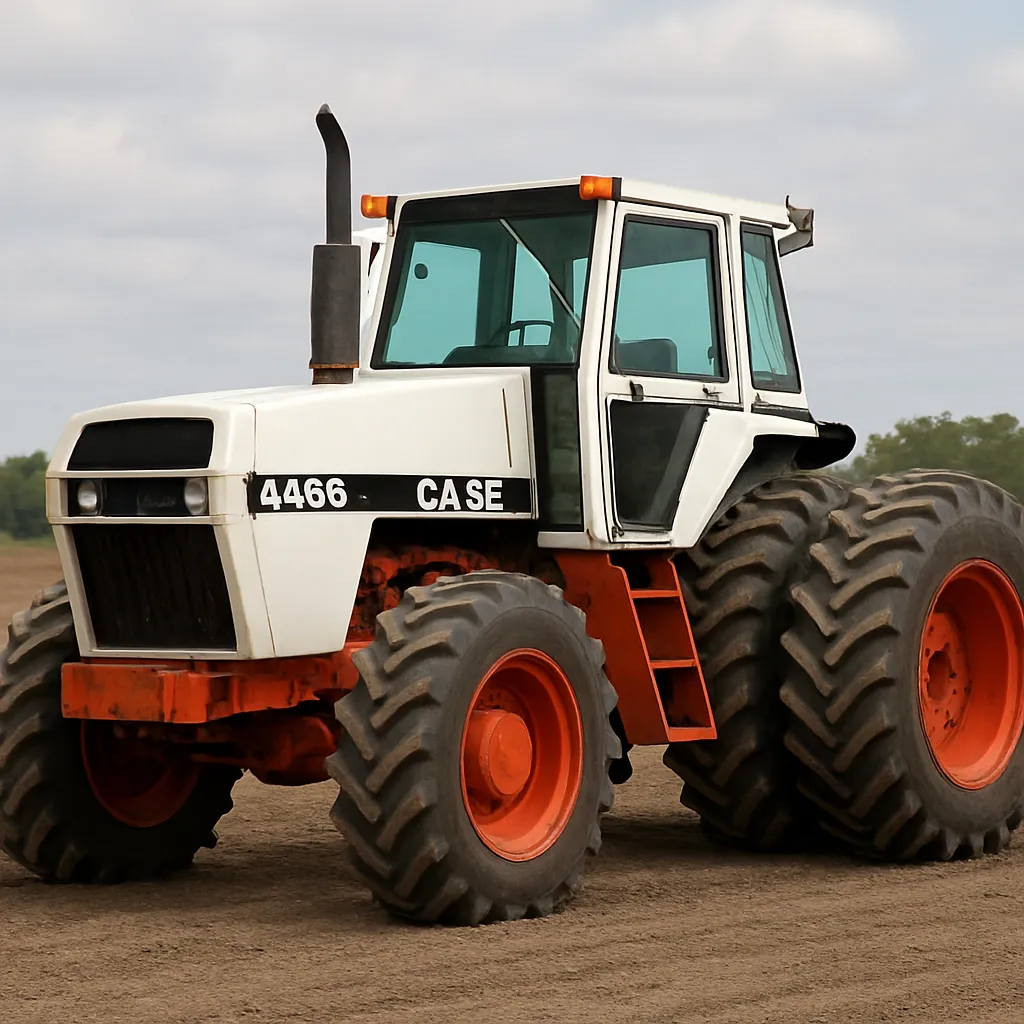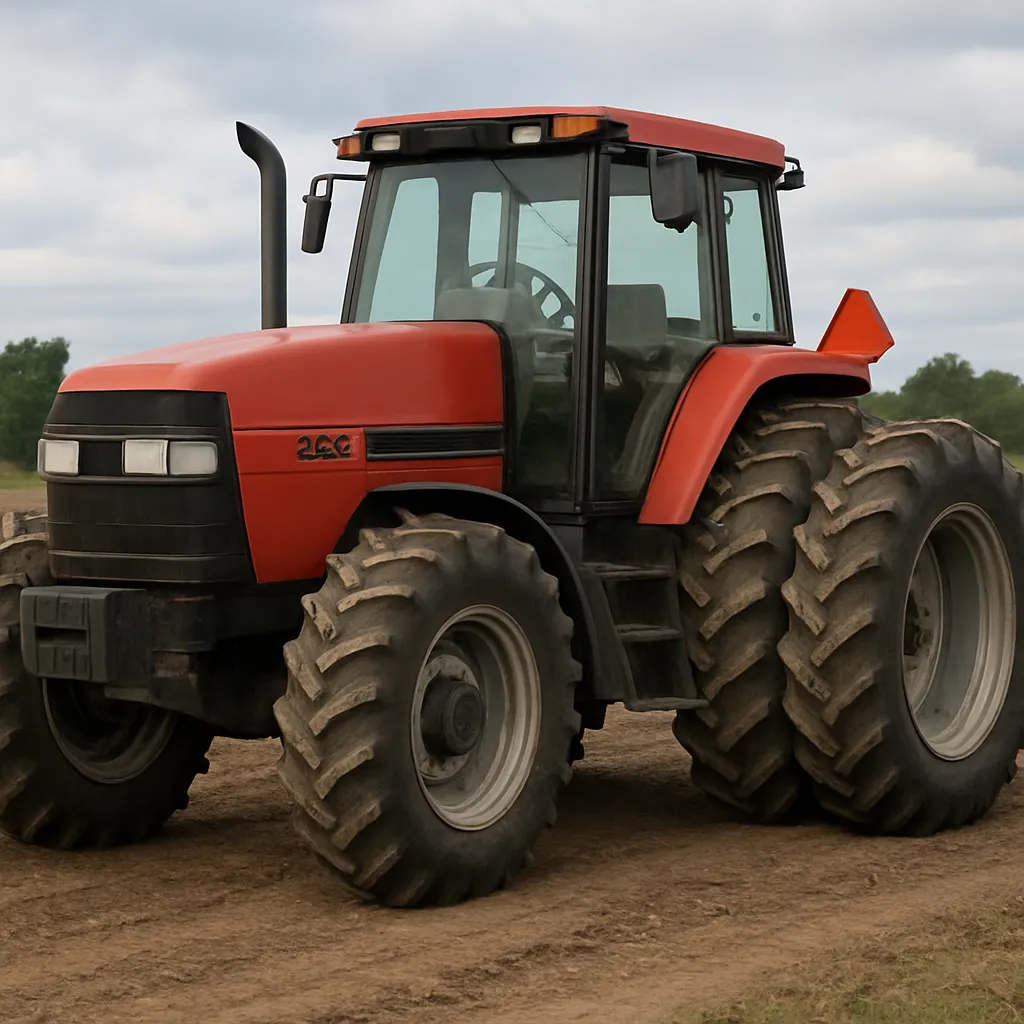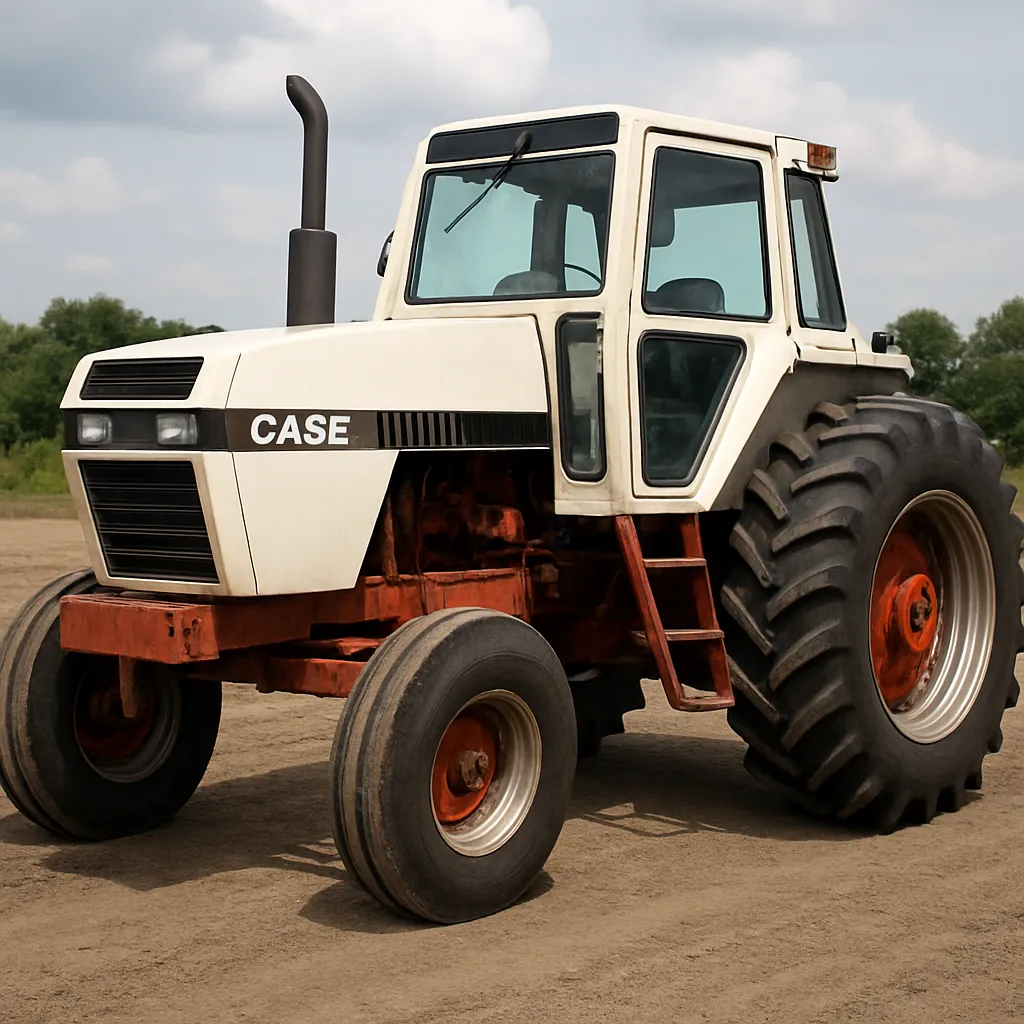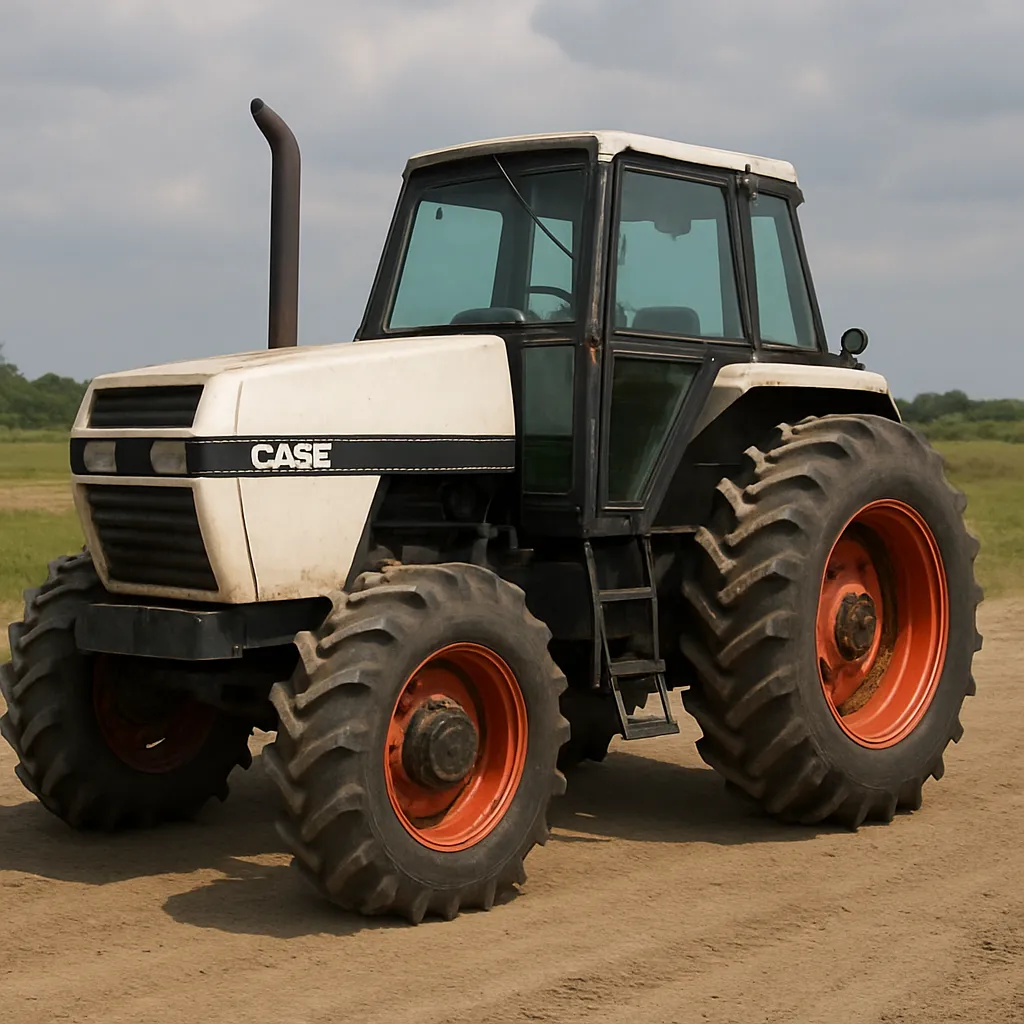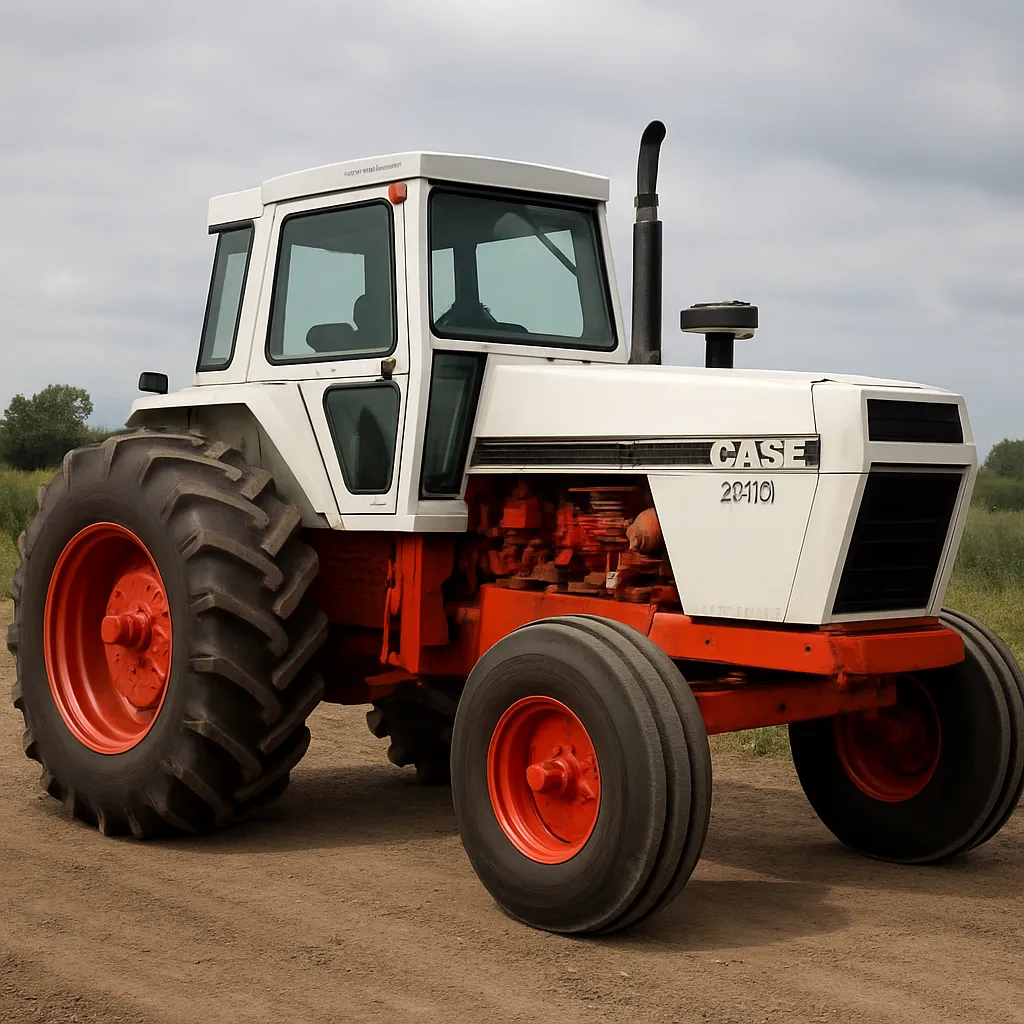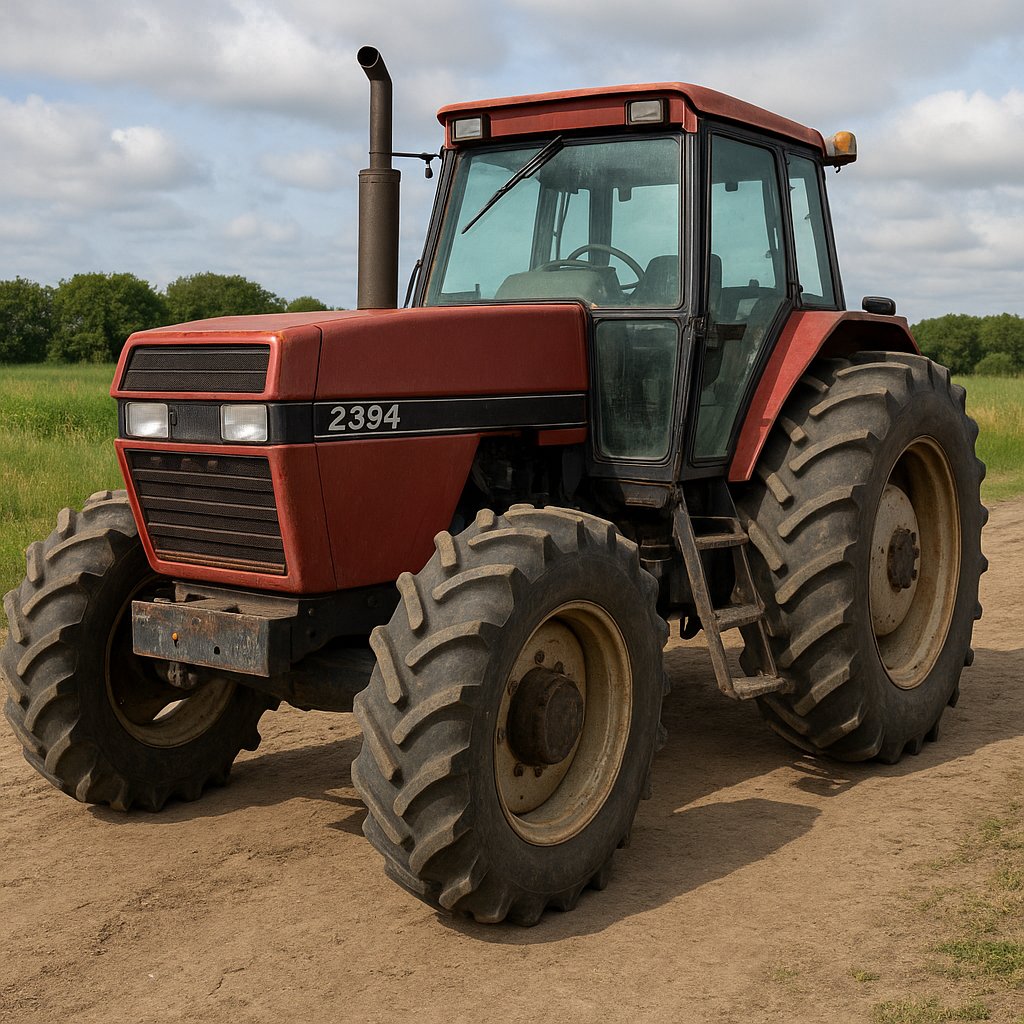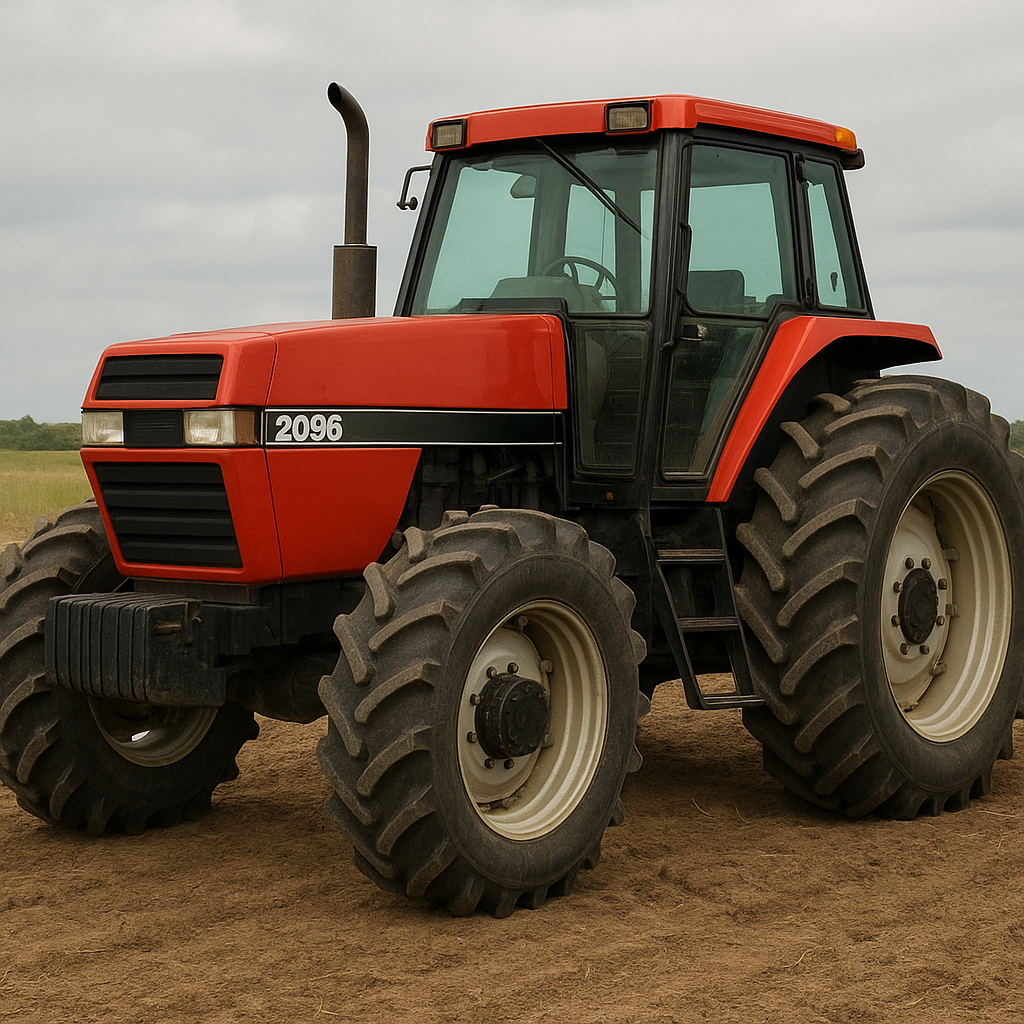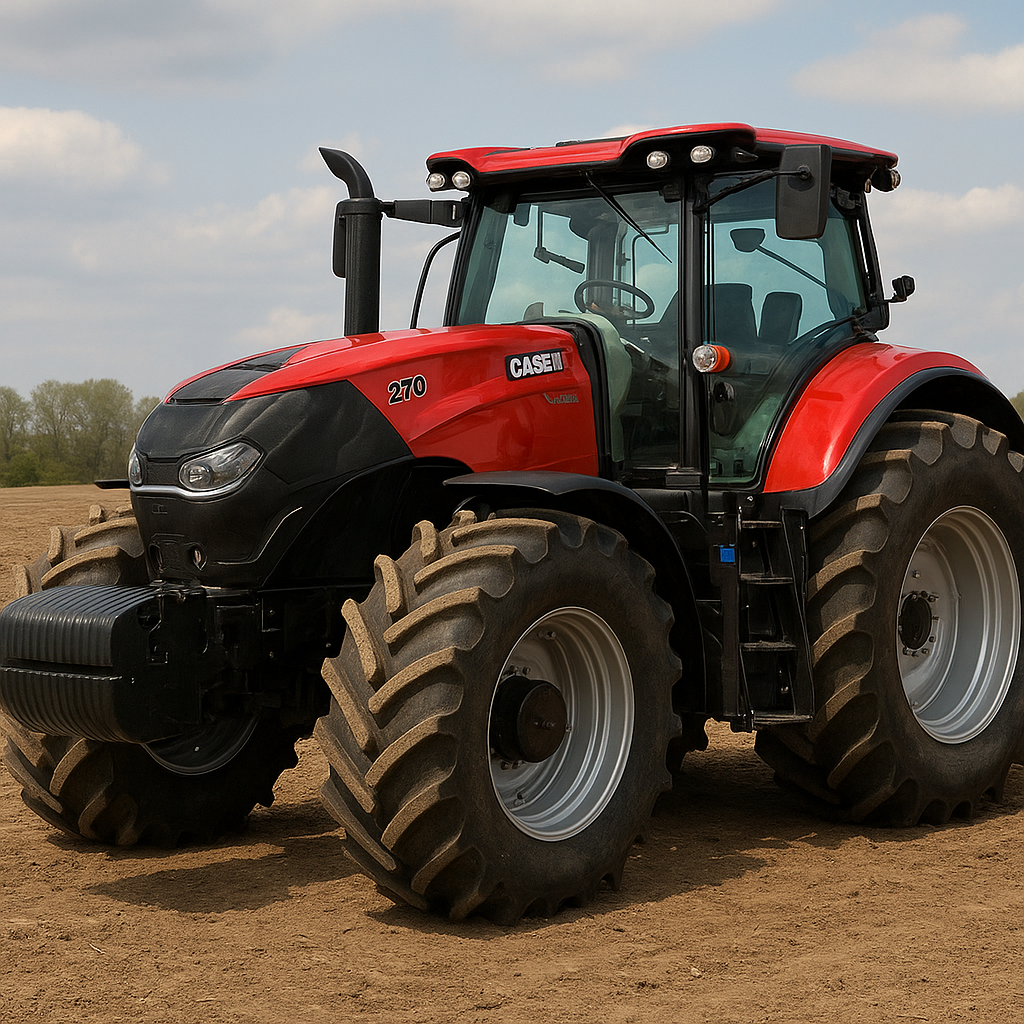
The Case IH Optum 270 is a heavy-duty agricultural tractor designed for mixed and large-scale farming operations that require a combination of high power, smooth torque delivery and operator comfort. Positioned as a versatile machine within the Optum series, the Optum 270 blends robust mechanical components with modern electronics and precision-agriculture features. This article explores the Optum 270’s technical characteristics, typical applications on the farm, operational advantages, and practical considerations for buyers and operators.
Design and technical overview
The Case IH Optum 270 is part of a family of tractors built to bridge the gap between the medium-high and large tractor classes. As the model number suggests, the tractor is factory-rated at approximately 270 hp at the engine flywheel, which translates into strong performance for heavy draft tasks and high-demand PTO work. The engine is designed to deliver broad torque curves for consistent tractive effort under load, emphasizing fuel efficiency and durability.
Engine and drivetrain
- The Optum 270 is typically equipped with a modern turbocharged diesel engine engineered to meet contemporary emissions standards. While exact engine families can vary by year and market, Case IH commonly uses engines from the FPT/IVECO family or other fuel-efficient six-cylinder designs for this power class.
- Transmission options often include a continuously variable transmission (CVT/CVX-type) that provides seamless speed changes without shift interruptions, improving both field performance and transport efficiency. The CVX-style transmission improves operator comfort and optimizes engine rpm for fuel savings.
- Four-wheel drive and differential-lock systems provide traction control across a range of conditions; some configurations also offer selectable front axle suspension for improved ride and traction on headlands and road transport.
Hydraulics, PTO and hitch
Hydraulic capacity and hitch strength are central to the Optum 270’s versatility. Typical hydraulic flow rates on tractors in this class are designed to support complex seeding and fertilizing equipment, loaders, and powerful rear-mounted implements.
- PTO configurations usually include 540/1000 rpm options, enabling operation of a wide variety of implements such as mowers, balers, slurry pumps and large rotary tillers.
- Rear linkage lift capacity is engineered to handle heavy mounted implements, and many units come with electronic linkage control for precision depth and lift management. Front linkage and front PTO options are available in some configurations for added flexibility.
- Multiple spool valves and advanced hydraulic control allow simultaneous operation of many hydraulic circuits, favorable when using seed drills combined with coulter-systems or hydraulic fold sprayers.
Applications and practical uses
The Optum 270 is aimed at farms and contractors who need a single machine capable of handling a wide range of tasks. Its combination of rated power, hydraulic capability, and transmission flexibility makes it a practical choice for both arable and mixed farming operations.
Primary field work
- Tillage and primary cultivation: The Optum 270 is well suited to pull medium to large ploughs, heavy discs and cultivators. The broad torque band helps maintain consistent speed and penetration in variable soil conditions.
- Sowing and drilling: With precision linkage control and ample hydraulic flow, the tractor supports large seed drills and air seeders, enabling long working widths and high daily throughput.
- Harvest support: Transporting heavy trailers, powering chaser bins, or driving large balers and forage harvesters via PTO — the Optum 270 is designed to meet seasonal peak demands.
Specialized and secondary tasks
- Forage and hay work: Mowers, rakes and high-capacity balers can be operated efficiently thanks to the PTO options and stable hydraulic supply.
- Spreading and spraying: Many operators pair the Optum 270 with large slurry tanks, spreaders and trailed sprayers for precise application work. ISOBUS compatibility and precision farming systems enable automated section control and variable-rate applications.
- Transport and logistics: With appropriate gearing and suspension options, the Optum 270 can be a reliable road hauler for farm trailers and implements, maintaining speed and operator comfort during long transits.
Technology and operator comfort
Modern tractors like the Optum 270 place significant emphasis on operator ergonomics and on-board electronics that improve productivity and reduce fatigue. Case IH typically equips higher-end models with a suite of precision-agriculture tools and comfort features.
Cab and ergonomics
- The cab is designed for all-day comfort with climate control, low noise levels and excellent visibility to the front linkage and rear implements. A comfortable suspension seat and accessible controls reduce operator fatigue on long shifts.
- Controls are typically centralized and intuitive; joystick and multifunction controllers allow easy modulation of hydraulics and transmission functions without leaving the seat.
Precision farming and telematics
Case IH’s Advanced Farming Systems (AFS) and telematics platforms are commonly integrated into the Optum series, enabling operators to benefit from precise guidance, mapping and remote data management.
- AFS guidance systems let the operator maintain accurate headland turns and overlap reduction, increasing productivity while cutting input costs for seed, fertilizer and chemicals.
- Telematics and fleet-management tools allow owners to monitor fuel consumption, location, maintenance status and operational hours remotely — useful for contractors and multi-machine operations.
Economic considerations and operating costs
When evaluating a tractor like the Optum 270, buyers consider not only purchase price but lifecycle costs: fuel consumption, maintenance, service access, and resale values. The Optum series was engineered to strike a balance between performance and operating economy.
Fuel and maintenance
- Fuel consumption varies with duty cycle, implement load and field conditions. Thanks to modern engine management and CVX transmissions, many users report improved real-world fuel economy compared with older mechanical transmissions when operating at optimized engine speeds.
- Routine maintenance points include engine oil and filter changes, fuel filters, hydraulic oil intervals, and cooling-system checks. Easy access to service points reduces downtime and lowers labor costs during scheduled maintenance.
Residual value and market position
Case IH tractors generally maintain competitive resale values in markets where brand service networks and parts availability are strong. Factors that influence residual value include total hours, maintenance history, and installed precision-agriculture packages.
- Well-maintained machines with AFS options and telematics often fetch higher resale prices because data-backed maintenance history is attractive to used-tractor buyers.
- Contractors tend to prioritize uptime and power-to-weight efficiency; thus, a properly spec’d Optum 270 configured for their tasks can remain an economic asset through multiple seasons.
Comparisons and alternatives
In its class, the Optum 270 is compared to tractors from other major manufacturers that offer similar power and features. Buyers should assess total-package offerings such as cab comfort, transmission choices, hydraulic flow, hitch capacity and dealer support in their region.
Key comparison points
- Transmission type and usability (CVT/CVX vs stepped transmissions)
- Hydraulic flow rates and number of spool valves
- PTO ratings and front linkage/PTO availability
- Precision farming integration and telematics features
- Dealer network strength and availability of parts and service
Operational tips and best practices
To get the best life and return on investment from an Optum 270, operators should adopt maintenance and operational best practices that match the tractor’s capabilities.
- Run implements at rated speeds and avoid overloading: matching implement size to tractor power reduces wear and fuel consumption.
- Use engine management and cruise controls effectively to keep the engine in its most efficient RPM range during PTO and drawbar work.
- Keep precise maintenance records; use telematics where available to anticipate service needs before they become failures.
- Train operators on pre-shift inspections, safe hydraulics operation, and correct hitching procedures to minimize downtime and accidents.
Strengths, limitations and buyer guidance
The Optum 270 is designed for operators who need a powerful, versatile tractor without climbing into the largest tractor class. It blends mechanical robustness with modern electronics, offering several clear advantages as well as considerations to weigh during purchase.
Strengths
- High continuous tractive effort and stable PTO performance for heavy implements
- Operator comfort and ergonomics that reduce fatigue during long working days
- Integration with precision-farming systems for improved efficiency and input savings
- Flexible configurations to suit arable, mixed, and contractor applications
Limitations
- Initial acquisition cost can be significant for fully equipped models with advanced electronics
- Market-specific parts and service networks influence total ownership experience — availability varies by region
- For extremely large-scale or the heaviest draft tasks, larger tractor classes may provide better economy
Buyer guidance
Prospective purchasers should specify the tractor based on the tasks it will perform most frequently. For operators prioritizing precision farming and high-throughput seed or fertilizer work, invest in AFS and compatible hydraulic packages. Contractors with diverse work might prioritize a robust hitch, higher hydraulic flow and telematics for fleet management.
Lifecycle and aftermarket
Case IH’s Optum series, including the Optum 270, is well supported by a network of dealers and an active aftermarket. Replacement parts, remanufactured components and service contracts are commonly available for those who prefer predictable maintenance costs and minimized downtime.
- Remanufactured engines and transmissions can extend useful life at lower cost than full replacement.
- Aftermarket upgrades — such as enhanced lighting, camera systems, or loader packages — can expand the tractor’s functionality.
- Used units are often attractive to smaller farms looking to scale up, but buyers should confirm service history and inspect key systems like hydraulics, turbochargers and transmission behavior.
Summary
The Case IH Optum 270 is a capable, adaptable tractor for farms and contractors seeking a balance of high power, practical hydraulics and modern electronics. With a focus on operator comfort and precision-agriculture integration, the Optum 270 is well suited to tasks from primary tillage and seeding to forage work and heavy PTO-driven implements. Buyers should consider the tractor’s configuration closely — transmission type, hydraulic flow, PTO options and precision-farming packages — to match machine capability with operational needs. When properly specified and maintained, the Optum 270 offers a strong combination of productivity, reliability and long-term economic value for demanding agricultural operations.