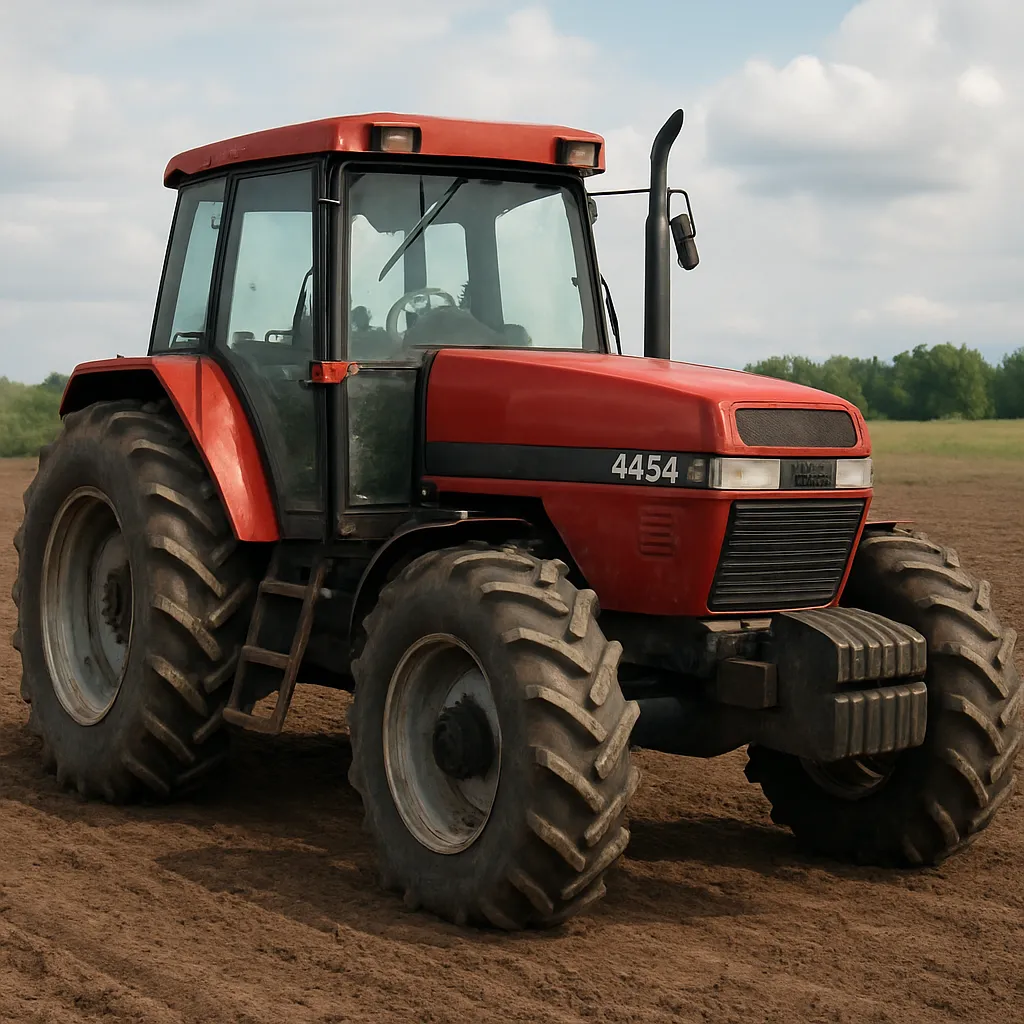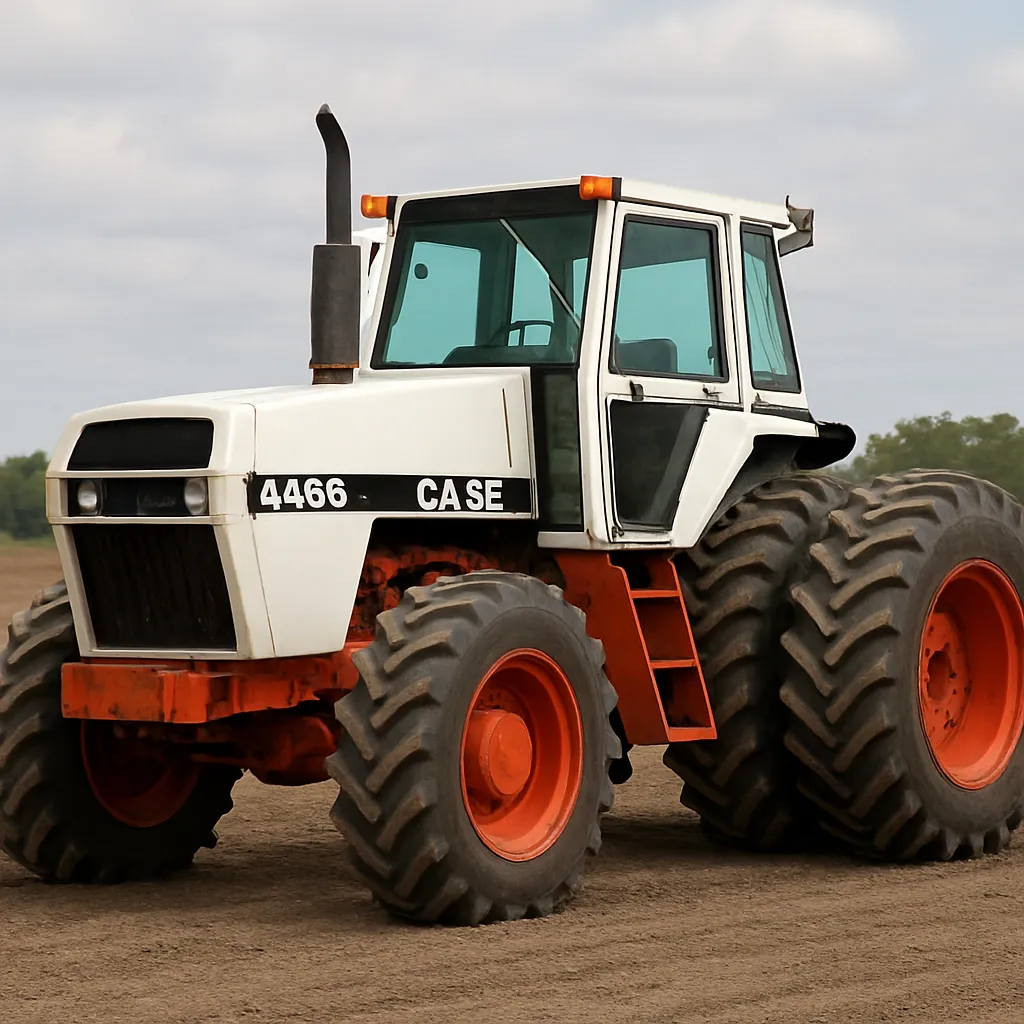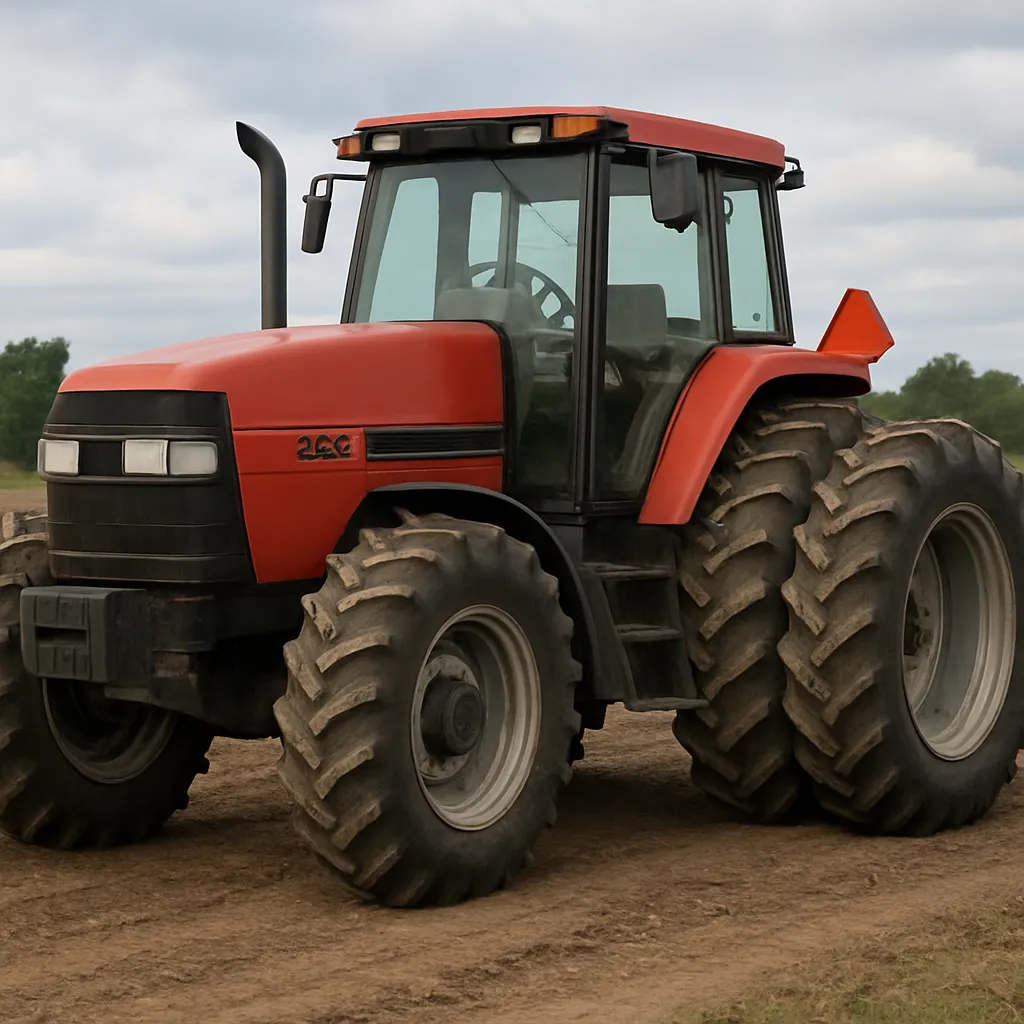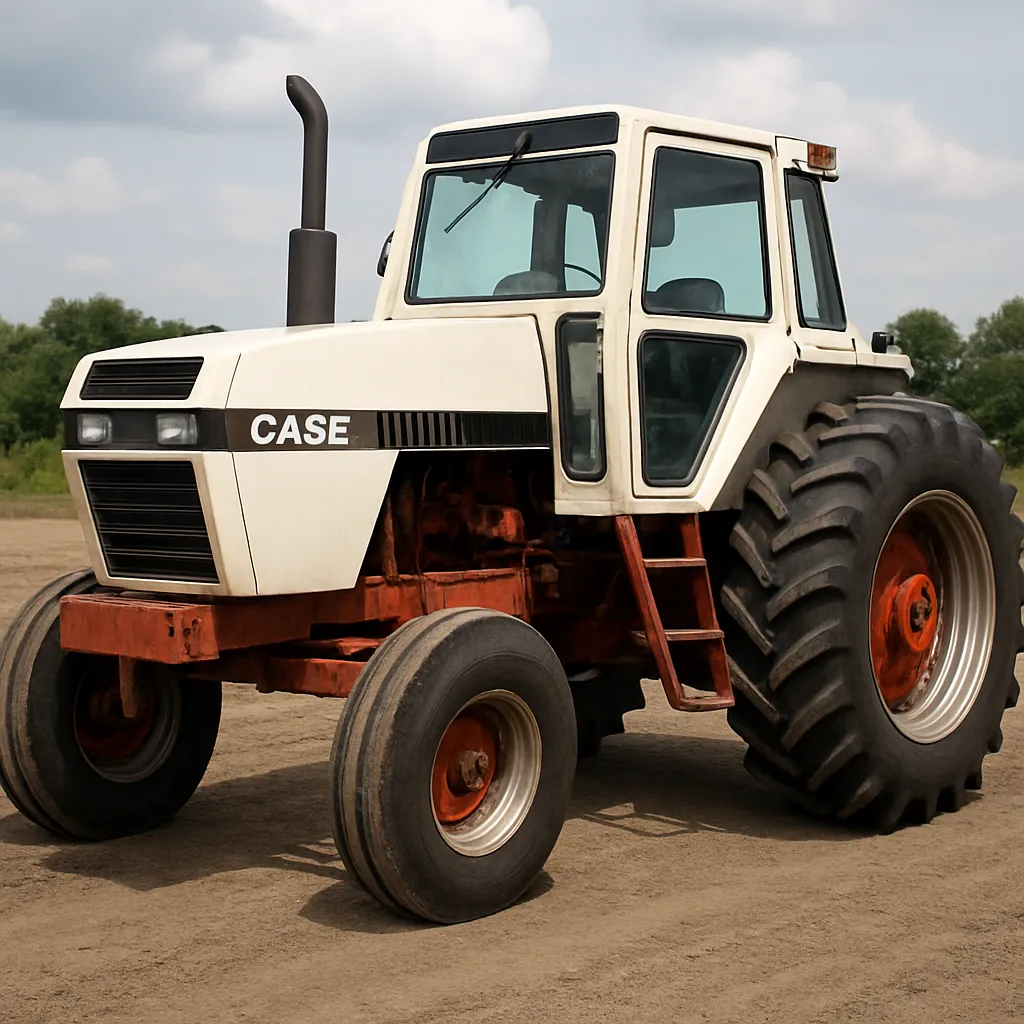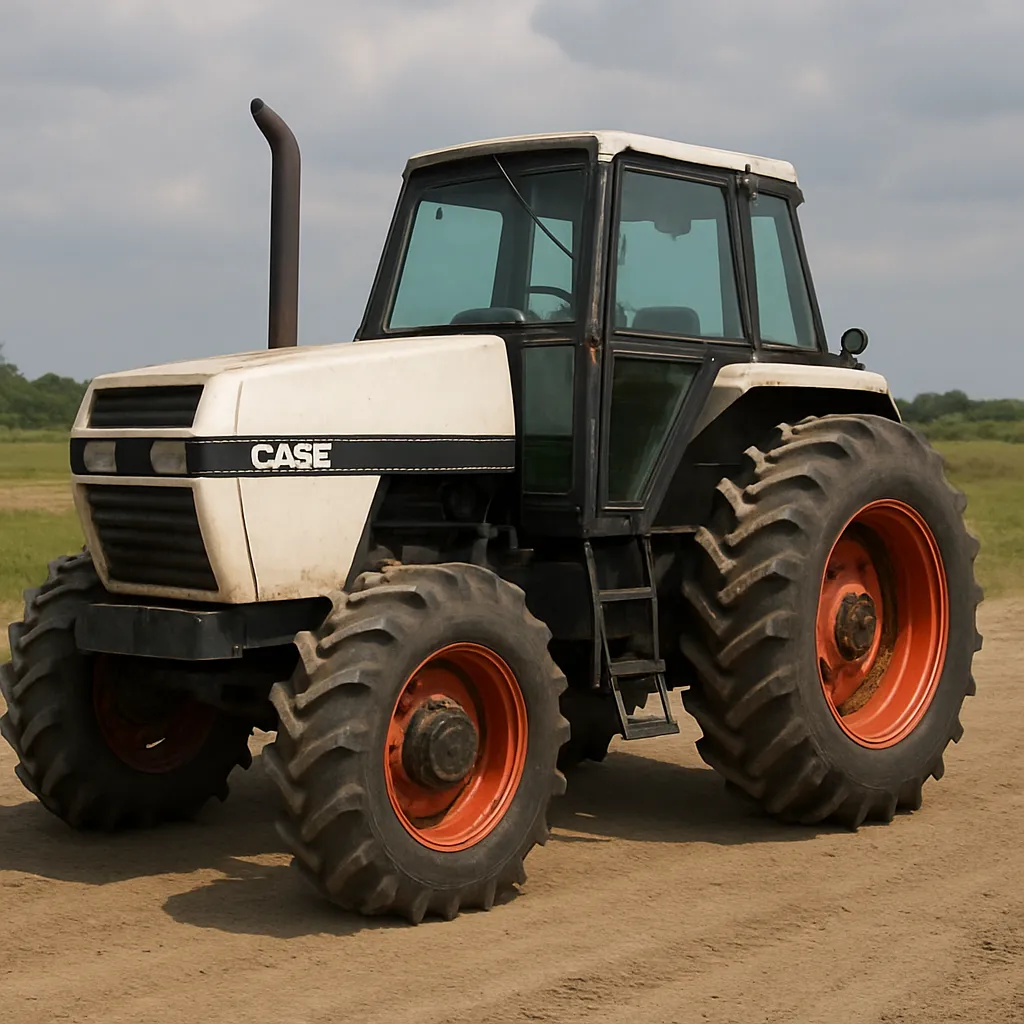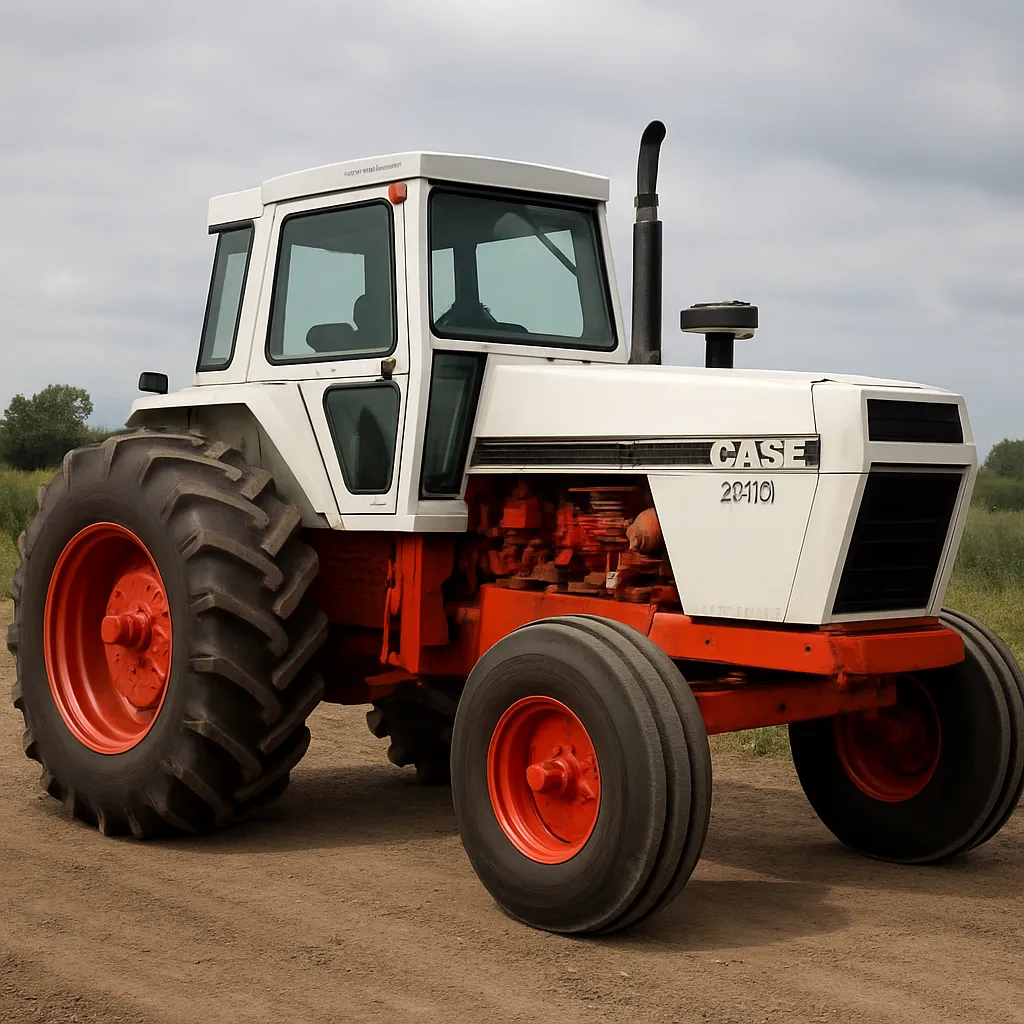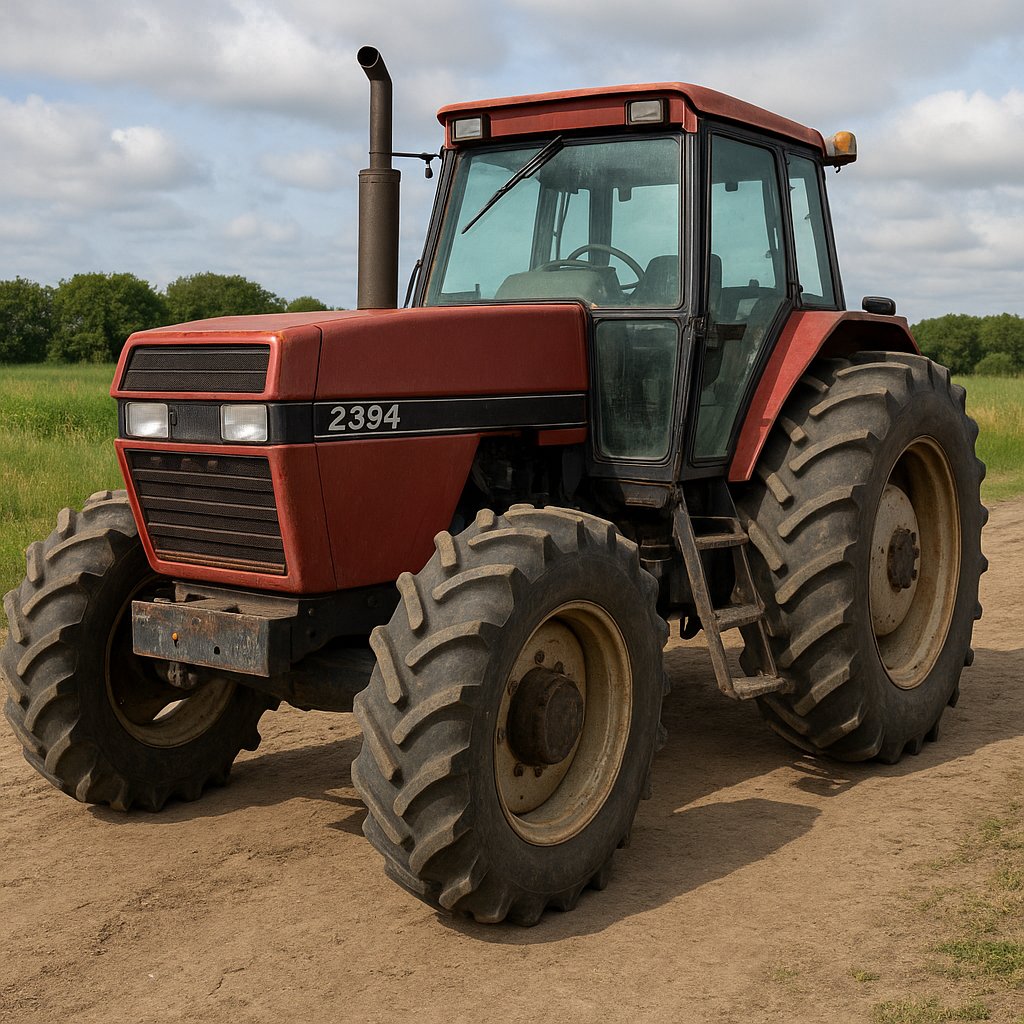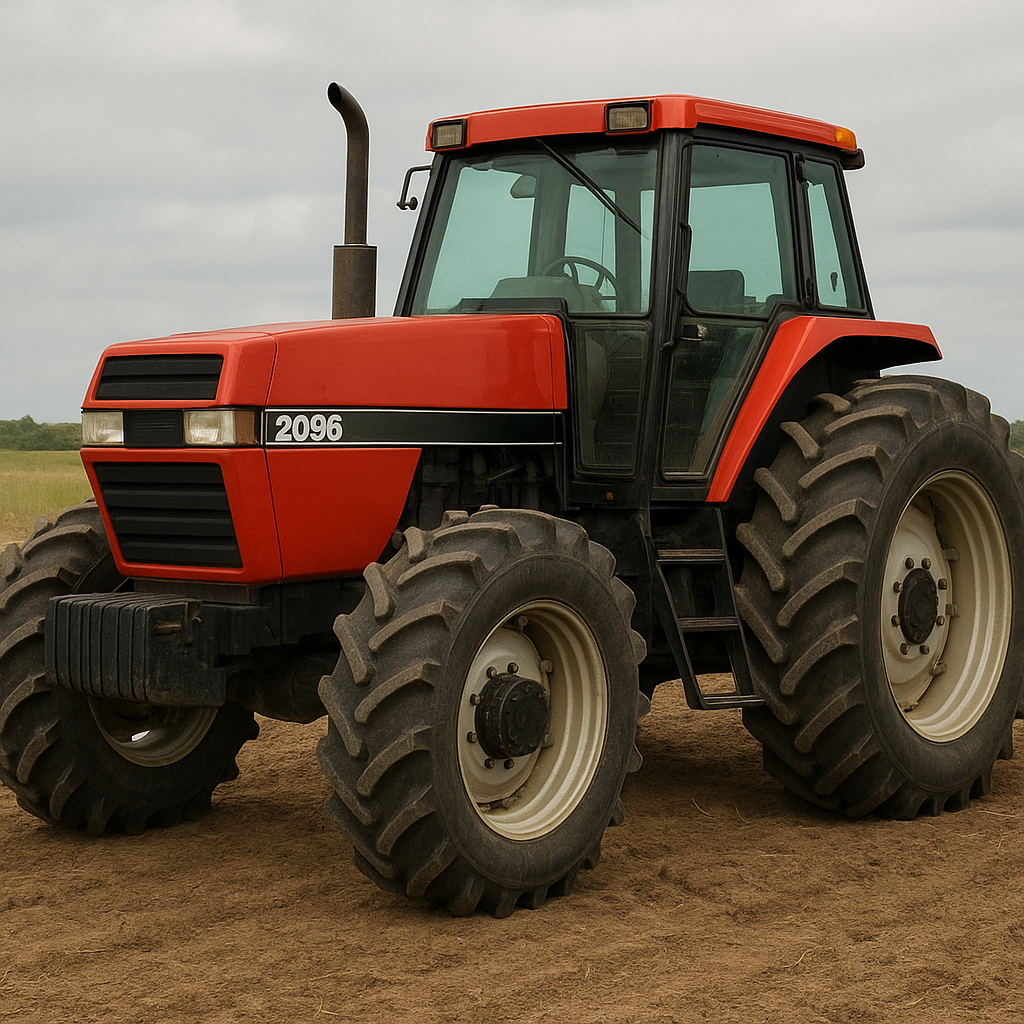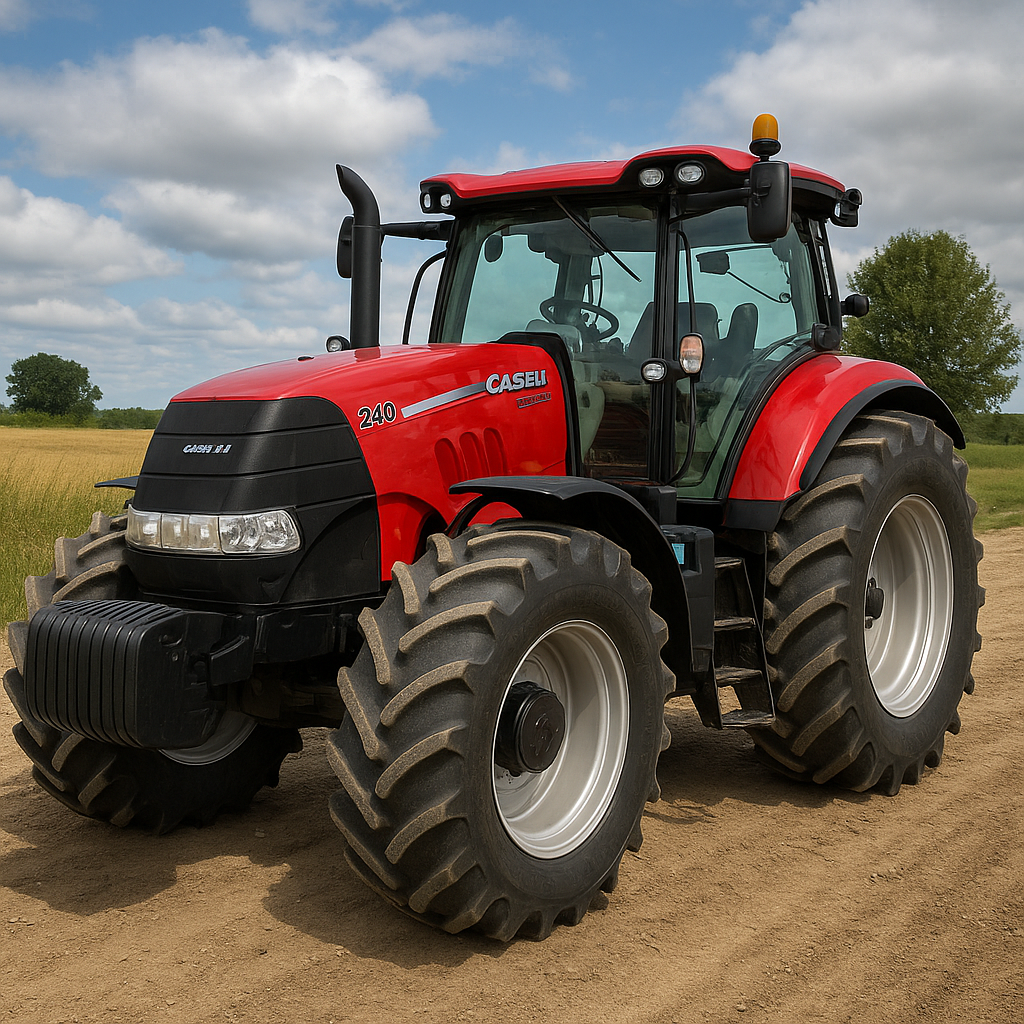
Case IH Puma 240 is a versatile and powerful agricultural tractor from the Puma series, widely used across medium-to-large farms for demanding fieldwork and transport. In this article, we explore its design, typical applications, technical characteristics, operational advantages, maintenance considerations and market-related information. Readers will find practical guidance on how the Puma 240 fits into modern farm workflows and what makes it an attractive choice for producers seeking a balance of performance, comfort and advanced technology.
Overview and background
The Case IH Puma family was developed to serve farmers who need a reliable and multi-purpose tractor capable of handling a wide range of tasks. The Puma 240 occupies a position in the upper-mid power range of the series and is intended for operations requiring sustained high output and robust mechanical systems. Over successive model years the Puma platform has been updated with new emissions-compliance engines, advanced transmissions, improved hydraulics and more refined operator stations, while retaining the core target of combining power, durability and versatility.
Model lineage and development
The Puma range evolved through generations that introduced features such as continuously variable transmissions, enhanced electronic controls, and integrated precision farming systems. While technical specifics vary by year and regional configuration, the Puma 240 typically represents the 240 horsepower class and is offered with a selection of drivetrain and hydraulic options to match local farming needs and regulations. Case IH has emphasized modularity: customers can choose different cab, front axle, and front linkage options as well as different guidance and telematics packages.
Technical specifications and key features
The Puma 240’s technical package aims to deliver reliable field performance and operational efficiency. Below are common characteristics, provided as typical figures that may vary between production years and optional configurations.
Engine and emissions
- Engine layout: Usually a 6-cylinder turbocharged and intercooled diesel engine with common rail fuel injection.
- Declared power: around 240 horsepower at rated engine speed. Peak or boost power may be slightly higher depending on the tractor’s electronic engine-management mapping.
- Displacement: varies with generation; commonly in the range of approximately 7–9 liters depending on the exact engine family and year.
- Emissions: later models incorporate after-treatment systems such as selective catalytic reduction (SCR) and diesel particulate filters to meet Stage IV / Tier 4 final standards in many markets.
Transmission and driveline
- Transmission options: The Puma 240 has been offered with powershift and continuously variable transmission (CVT/CVX) solutions in different model years. The CVX drive offers stepless speed control ideal for loader work, transport and field operations where variable speed is beneficial.
- Drive: Four-wheel drive with heavy-duty front and rear axles to provide traction in challenging soil conditions.
- PTO: Standard rear PTO with selectable speeds (for example 540/1,000 rpm), with optional front PTO packages available on some configurations.
Hydraulics and linkage
- Hydraulic control: Load-sensing systems with user-selectable flow and multiple spool valve configurations. Flow rates commonly range from approximately 100 to 200 liters per minute depending on pump specification and options.
- Rear linkage capacity: Typically in the range of approximately 8,000 to over 10,000 kilograms lift capacity at the ball ends, making the tractor suitable for heavy implements such as large ploughs, seed drills and mounted cultivators.
- Auxiliary connections: Multiple remote couplers and ISOBUS compatibility for modern implements and precision farming tools.
Cab, controls and technology
- Operator station: Spacious cab with ergonomic layout, climate control, air-suspended seat options and excellent visibility for loader and field work.
- Controls: Intuitive joystick and armrest controls for transmission and hydraulic functions, with programmable settings for headland management and implement control.
- Precision farming: Optional Case IH AFS (Advanced Farming Systems) electronics, GPS guidance, AutoTrac automated steering, ISOBUS implement control and telematics for remote machine monitoring and data transfer.
Applications and practical use
The Puma 240 is designed to cover a broad spectrum of agricultural tasks. Its combination of engine performance, durable hydraulics and flexible transmission makes it a practical choice for farms that require a single tractor to perform multiple roles.
Primary agricultural tasks
- Tillage and primary cultivation: Suitable for medium-to-large ploughs, discs and cultivators, where sustained torque and high hydraulic capacity are required.
- Sowing and drilling: Can tow large seed drills and air seeders across variable terrain, providing consistent field speeds and precise implement control.
- Harvest support and transport: Used for towing trailers, grain carts and other haulage tasks during harvest, benefiting from good road speed and stability.
- Forage and mowing operations: With adequate PTO power and hydraulic support, Puma 240 can operate large mowers, balers and forage harvesters in support roles.
- Loader work: When equipped with a front loader, the tractor’s responsive controls and visibility make it effective for farmyard tasks and material handling.
Specialized uses
Beyond general arable and mixed farming, the Puma 240 is also employed in specialty operations such as controlled-traffic farming with guidance systems, spreader and sprayer work with ISOBUS implements, and in some regions for contract farming where a single powerful tractor must serve many tasks in a day. The availability of precision-farming integrations turns it into a platform for modern data-driven agriculture.
Operator comfort, safety and ergonomics
Case IH has placed emphasis on making the Puma cab a productive workspace. Comfort and ease of operation support longer shifts and reduce operator fatigue, directly impacting overall productivity.
Cab features
- Low-noise insulation and effective climate-control systems improve comfort in both hot and cold conditions.
- Ergonomic controls reduce the cognitive and physical load on operators; multi-function joysticks and armrests keep frequently used controls within easy reach.
- Visibility: Large glass areas and well-planned lighting packages allow safe and precise work during dawn, dusk or night operations.
Safety systems
Safety elements include rollover protection integrated into the cab structure, effective braking and ABS on selected models, and electronic interlocks to prevent accidental engagement of high-torque PTO or remote hydraulics. Modern Puma tractors also include telematics and fault-detection systems that can alert operators and fleet managers to maintenance issues before serious problems develop.
Fuel efficiency, running costs and maintenance
Operational cost control is crucial for modern farming. The Puma 240 balances output with measures intended to keep fuel consumption and service intervals reasonable.
Fuel economy
Actual fuel use depends on the task, soil conditions and operator behavior. The combination of efficient combustion, electronic engine management and optional CVX-type transmissions can lead to noticeable fuel savings compared with older, less optimized tractors. Implement matching and correct gear selection remain key to maximizing efficiency.
Service intervals and reliability
- Service intervals: Regular maintenance items include engine oil and filter changes, fuel filter service, air filter replacement and hydraulic system checks. Service intervals are defined by manufacturer specifications and can be extended with high-quality lubricants and filters.
- Parts and support: Case IH has an extensive dealer network in many markets, ensuring availability of genuine parts and support services. Preventive maintenance and timely servicing extend asset life and preserve resale value.
Market position and statistical perspective
While specific production figures for each exact model and year are proprietary, several market trends and data points help place the Puma 240 in context.
Market niche and competitors
The Puma 240 competes in the 200–260 horsepower bracket with tractors from other major manufacturers. Its strengths are the combination of refined operator environment, a robust hydraulic system and availability of advanced precision-farming technology. Competitors typically offer similar power and features, so choice often depends on dealer support, specific option sets and fleet integration needs.
Adoption and regional presence
The Puma series, including the 240 model, is popular in regions with large-scale arable farming such as North America, Europe, Australia and parts of South America. Many producers select Puma-class tractors for both self-use and contract services where high uptime and versatility are key.
Representative technical statistics
Below are representative figures to guide expectations. Exact numbers should be confirmed for the specific model year and configuration.
- Rated power: approximately 240 hp (ISO) with possible peak/boost power slightly higher
- Engine cylinders: typically 6
- Hydraulic flow: often in the range of 100–200 L/min depending on pump configuration
- Rear linkage lift: commonly 8,000–11,000 kg at the ball ends
- Fuel tank: frequently around 400–600 liters depending on chassis and options
- Operating weight: variable, roughly 8,000–11,000 kg depending on configuration and ballast
- Top road transport speed: often up to 40–50 km/h depending on gearing and local regulations
Purchasing considerations and ownership tips
Prospective buyers should evaluate the Puma 240 in the context of their farm’s specific needs. Key factors include implement compatibility, transport requirements, dealer support and total cost of ownership.
Assessing the right configuration
- Transmission type: CVX is advantageous for loader work and tasks requiring fine speed control, while powershift transmissions may be preferred for simplicity and lower initial cost.
- Hydraulic capacity: Choose pump options that match the flow requirements of your largest implements to avoid bottlenecks.
- Precision farming options: If you intend to use auto-steer, variable-rate application or data management, verify AFS/ISOBUS compatibility and the required electronics package.
Used market and resale
The Puma series maintains reasonable resale value when well maintained. For used purchases, inspect service records, check for hydraulic leaks, test transmission behavior under load and confirm that electronic systems are functioning correctly. A full diagnostic check and, if possible, a test under realistic load conditions will reveal potential issues.
Conclusion and final remarks
The Case IH Puma 240 is a strong candidate for farms that require a dependable, high-output tractor capable of handling a broad mix of tasks. Its blend of power, adaptable transmission options, robust hydraulics, and operator-focused cab features make it suitable for intensive arable work, transport and contract applications. With modern emissions controls and optional precision farming systems, the Puma 240 also represents a platform that can integrate into contemporary data-driven operations.
Key strengths include reliable driveline components, flexible implement compatibility, and the ability to be configured to match specific farm requirements. Attention to regular maintenance, correct implement matching and operator training will maximize efficiency and extend machine life. For an accurate specification and performance figures, consult the local Case IH dealer or official technical documentation for the exact model year and option package you are considering.