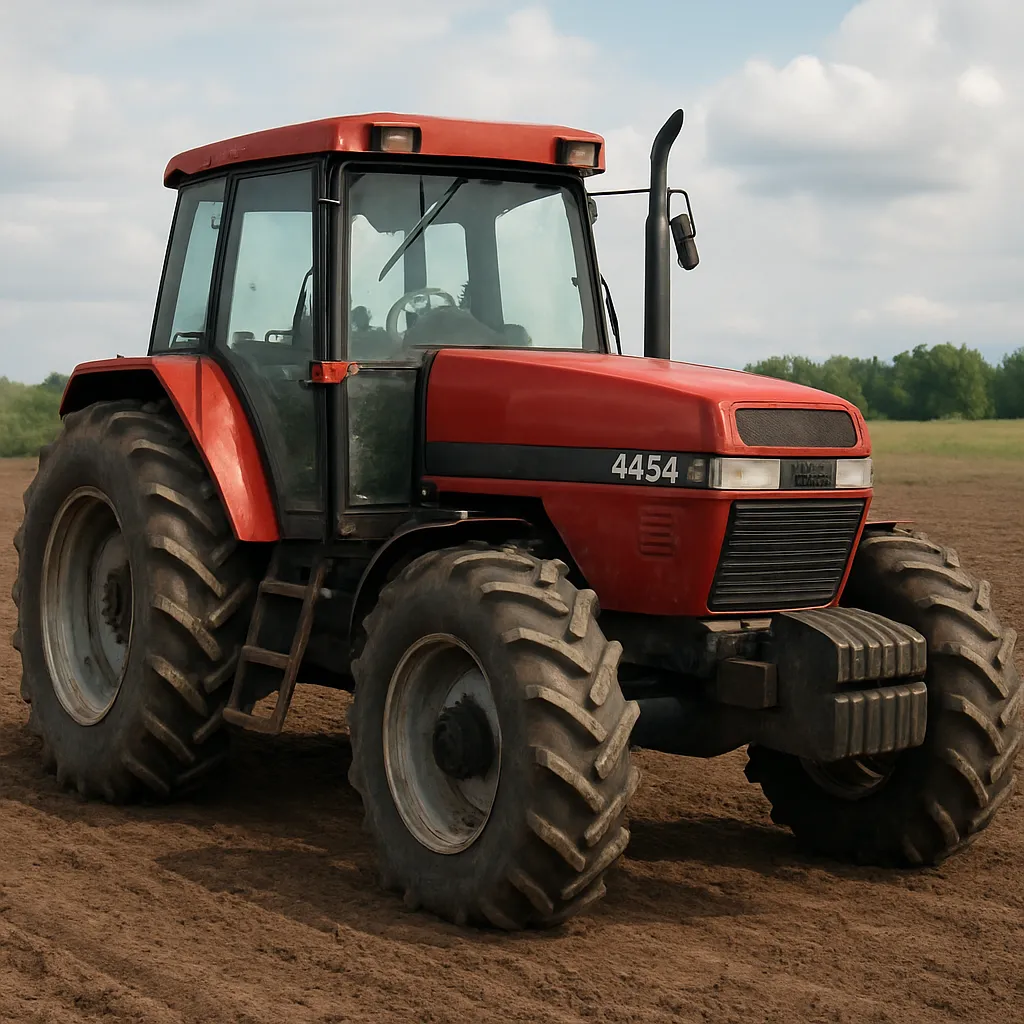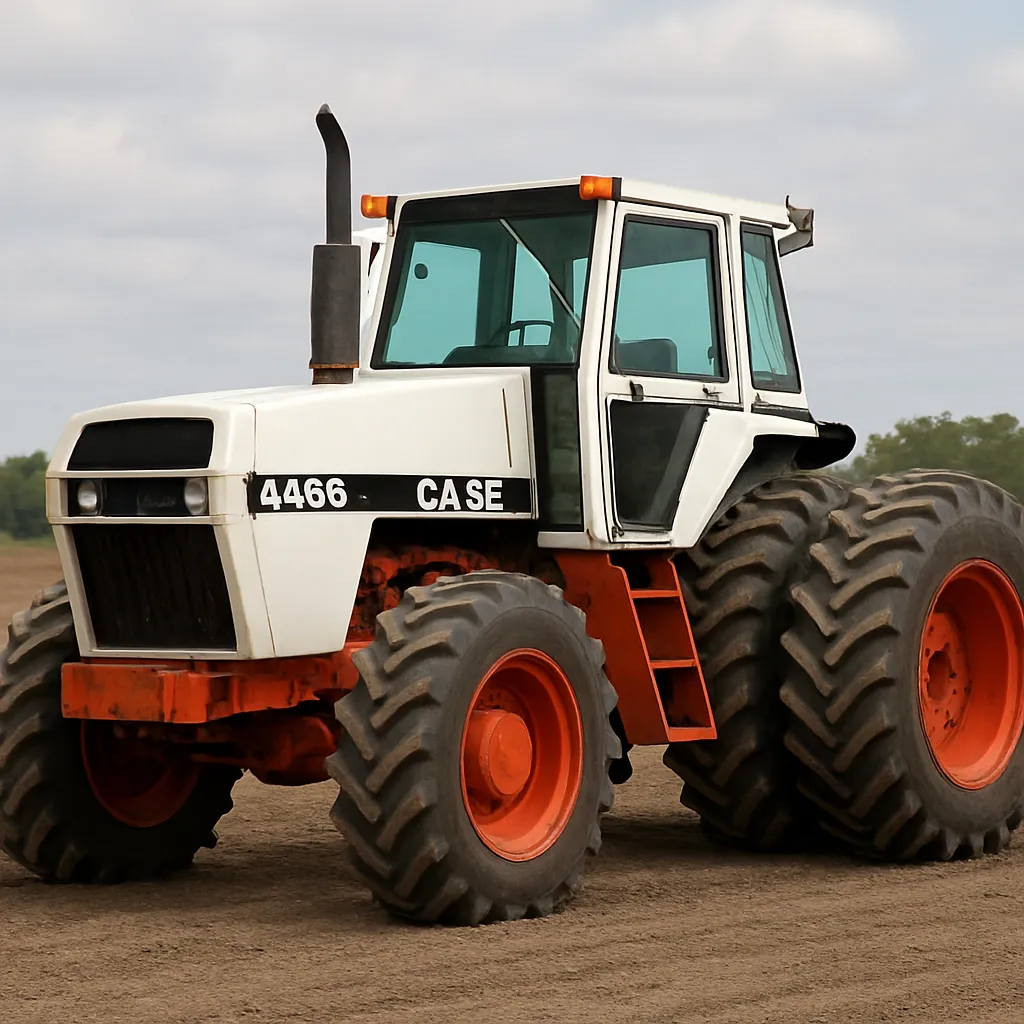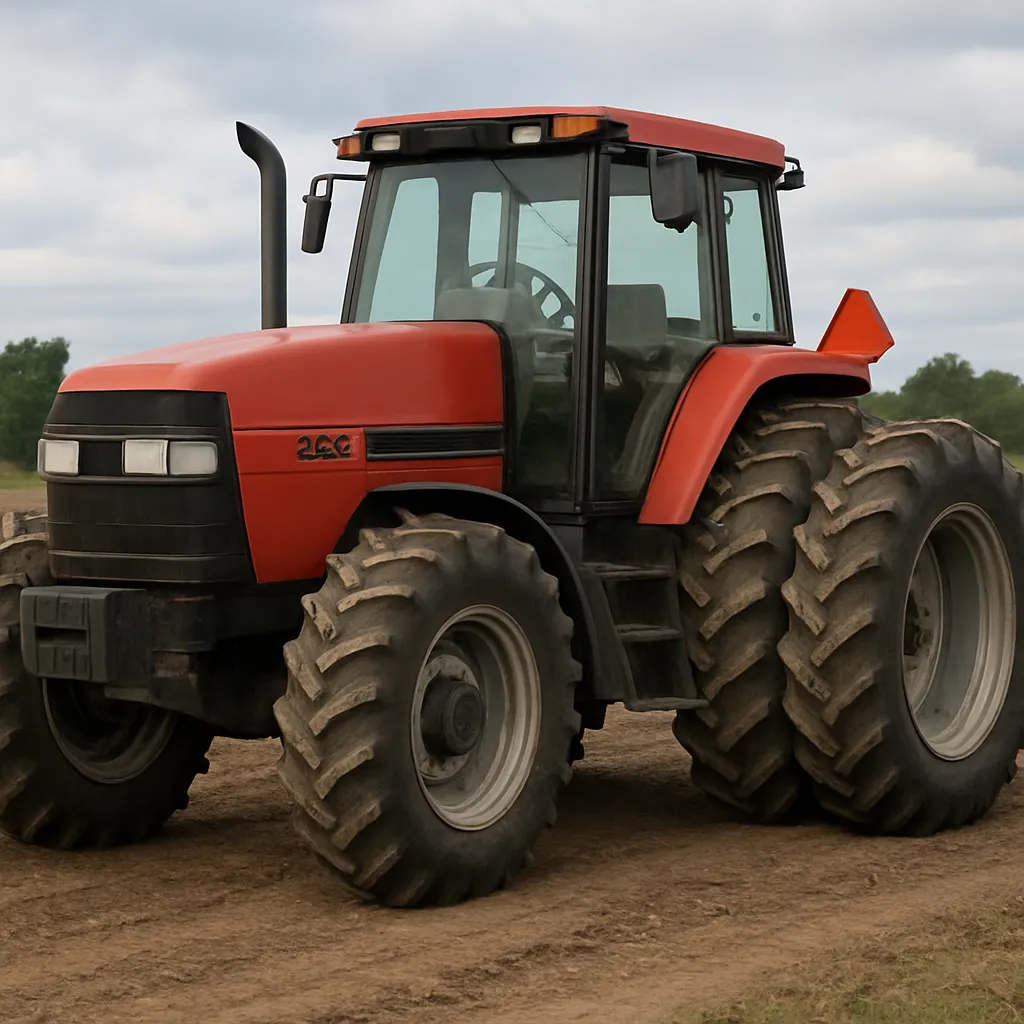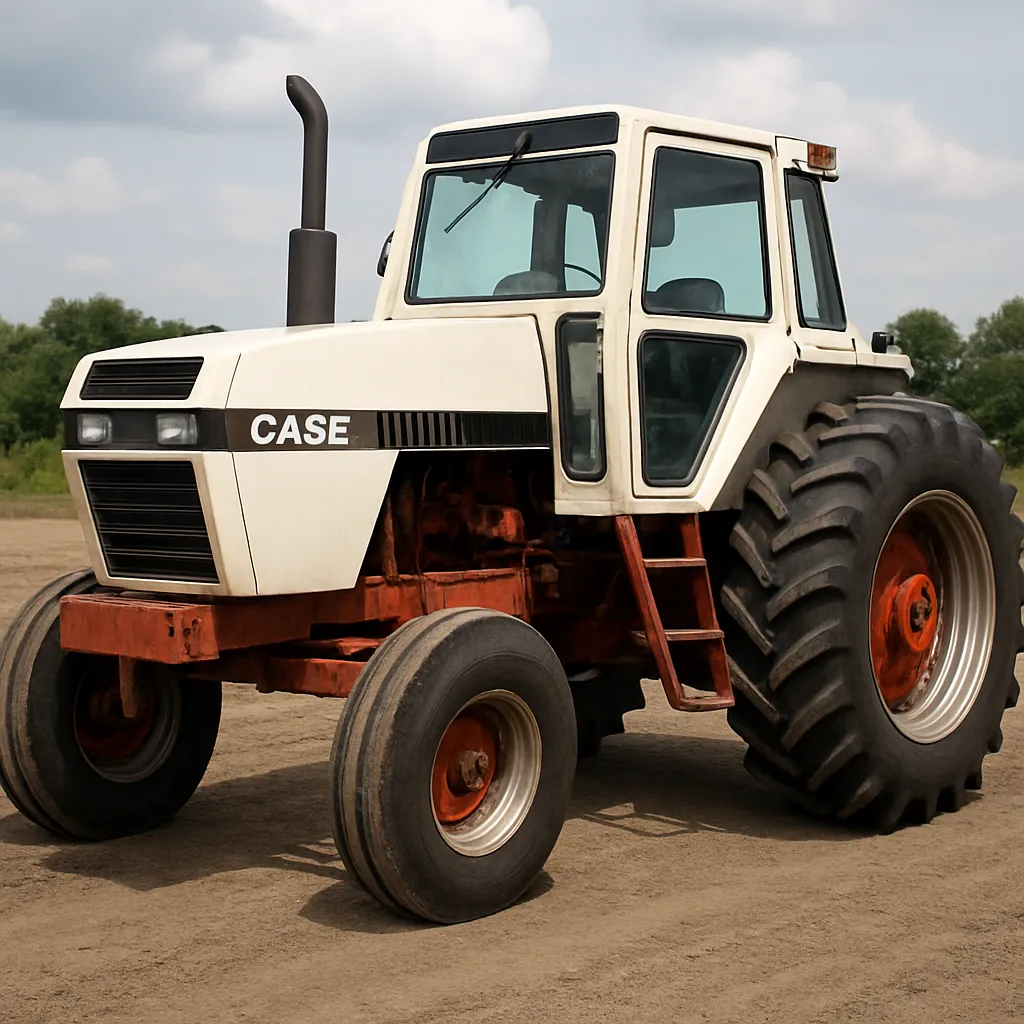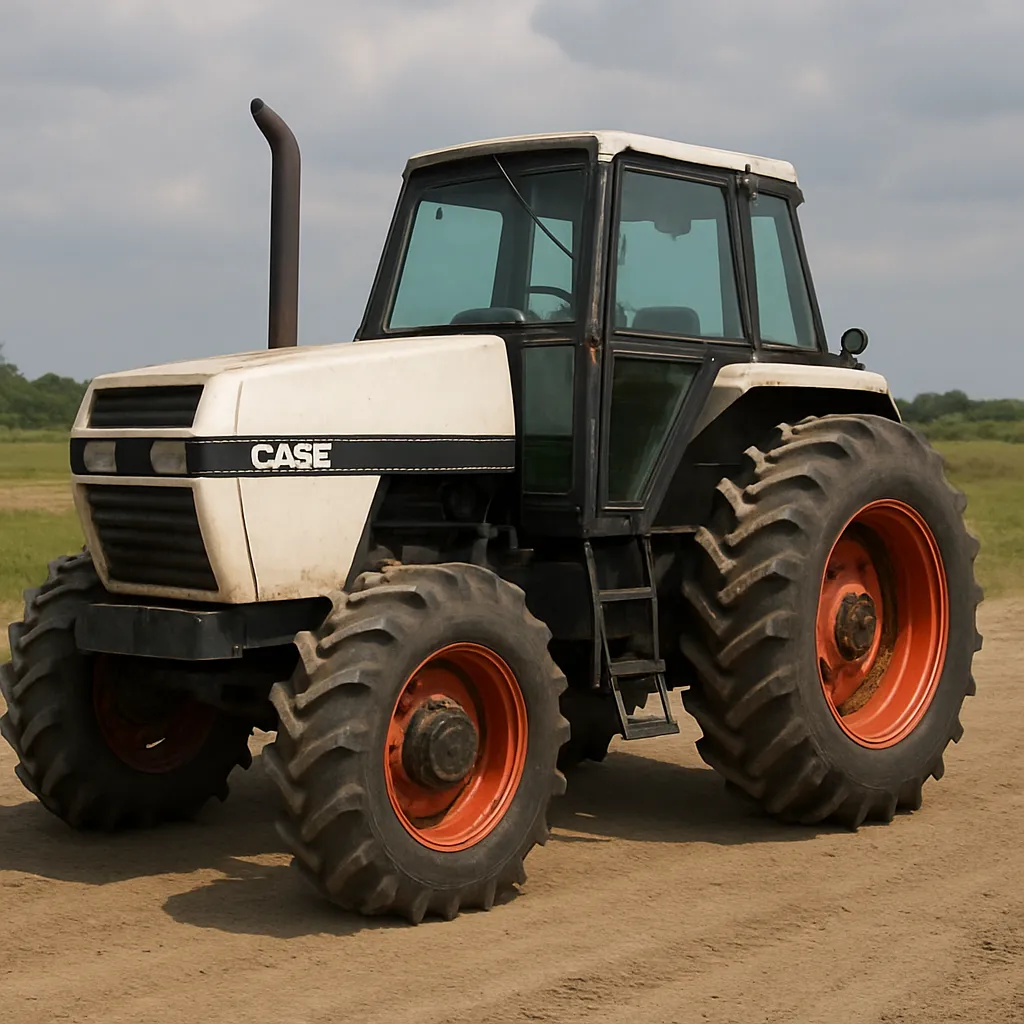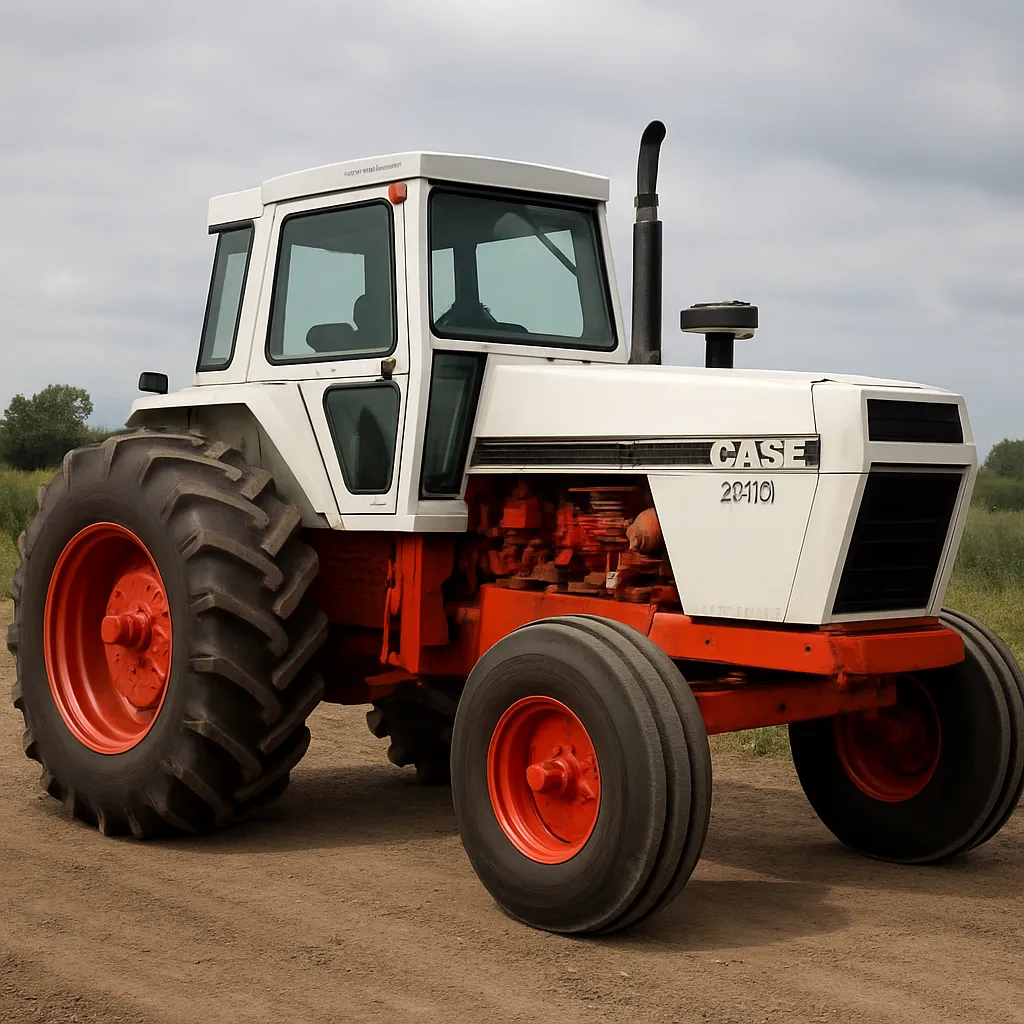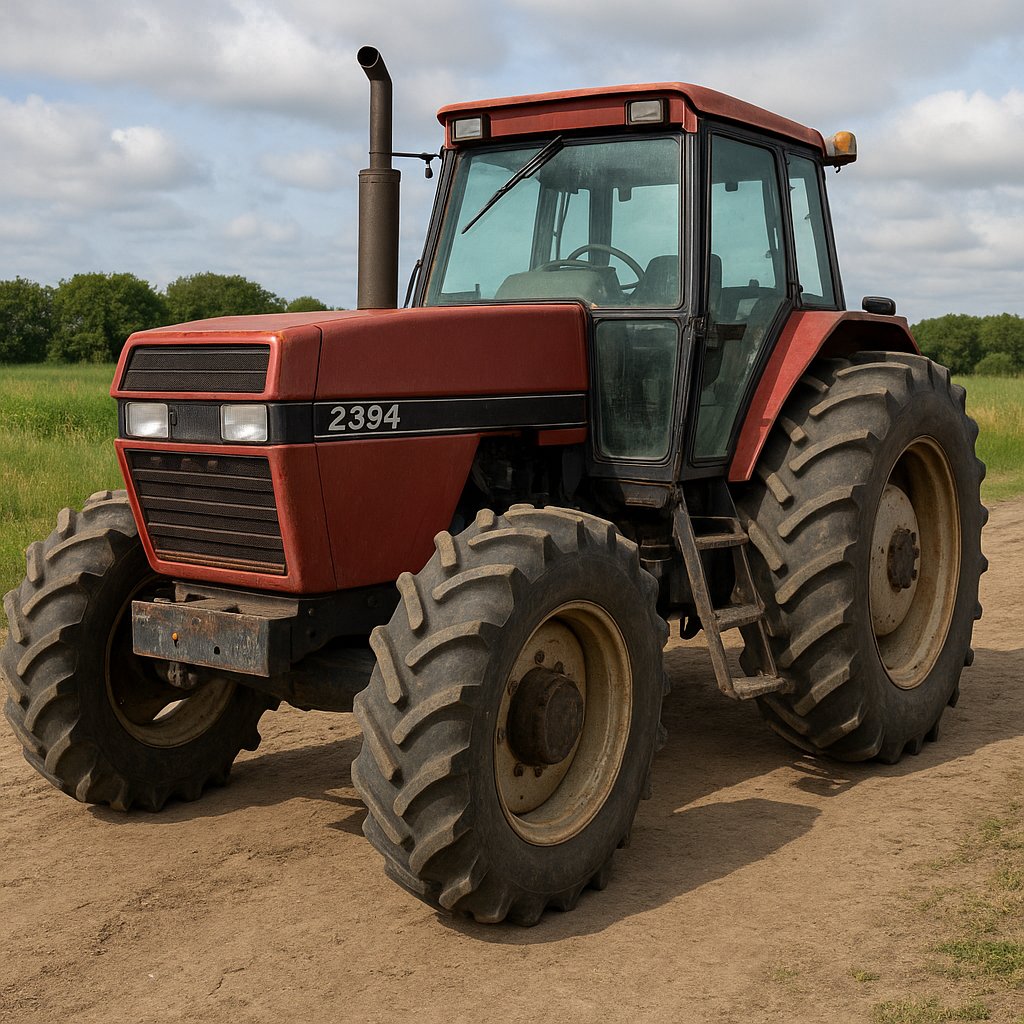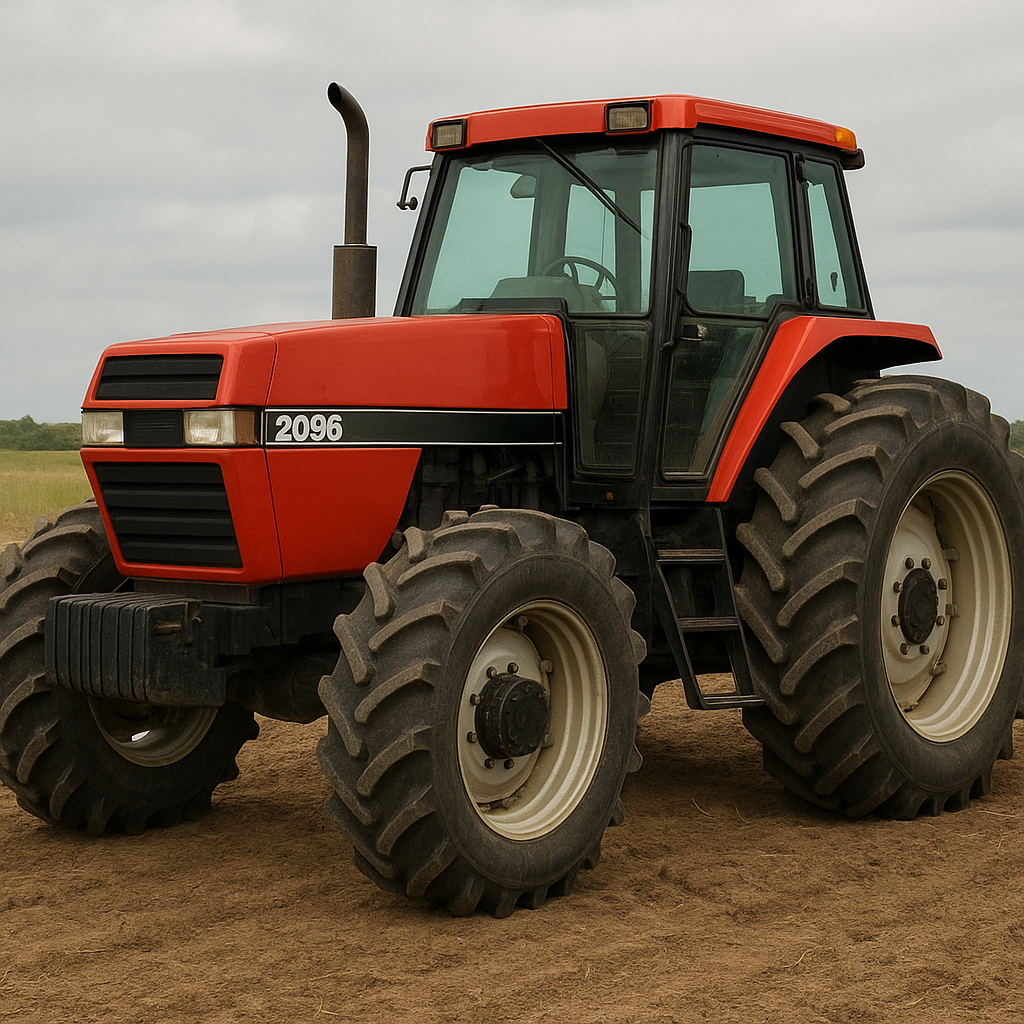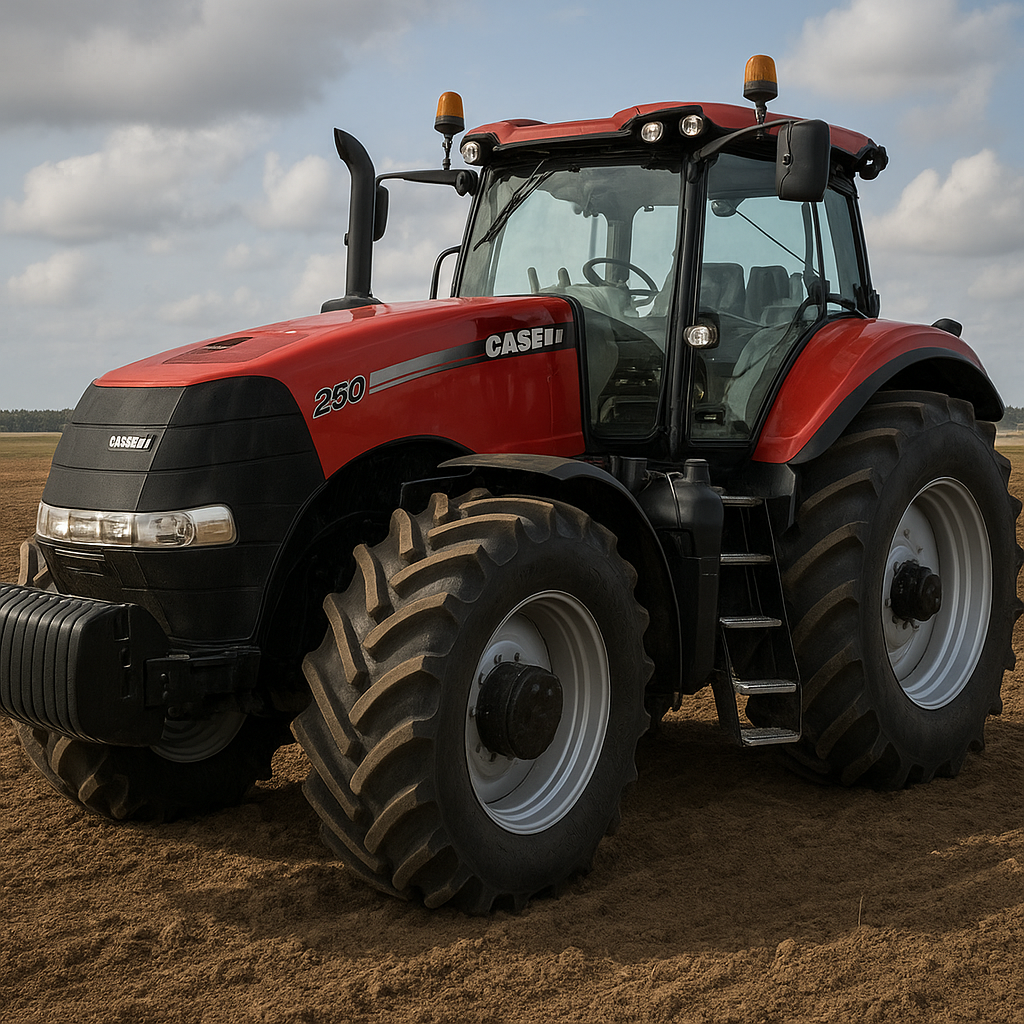
The Case IH Puma 260 is a widely recognized agricultural machine designed to bring a balance of power, comfort and modern features to larger farms and contracting operations. As part of the Puma family, this model emphasizes robust performance and adaptability across a variety of tasks. In this article I describe its main characteristics, typical applications, technical highlights and practical considerations for owners and operators. Key terms such as tractor, horsepower and transmission will help orient readers to the most important aspects of the machine.
Overview and design philosophy
The Case IH Puma 260 has been positioned as a mid‑to‑high power offering in the Puma range, focused on providing consistent field performance while incorporating operator comfort and modern electronics. The design philosophy combines a strong, reliable chassis and driveline with a refined operator environment. Manufacturers have sought to ensure that the Puma 260 is equally capable when pulling heavy cultivations, running large seed and fertilizer implements, towing trailers and performing transport duties at road speeds.
From the outset, the Puma range has aimed to integrate useful technologies such as advanced transmissions, electronic engine management and features that facilitate precision farming. The Puma 260 typically features a six‑cylinder diesel engine tuned to deliver nominal power appropriate for medium‑to‑large scale arable farms and contracting businesses. Its exterior design prioritizes service access (for daily checks and maintenance), strong front and rear linkage integration and options for additional ballast to optimize traction and stability under load.
Technical specifications (typical values and variations)
Exact specifications for the Case IH Puma 260 change by year, market and configuration. Below are typical values and common options found across recent production runs; always consult the official documentation for a specific machine.
Engine and power
- Engine type: turbocharged, intercooled diesel (6 cylinders typical in the Puma 200+ band)
- Rated power: around 260 horsepower (approximately 192 kW) depending on rating standards (ECE R120, ISO)
- Boost/maximum power: many tractors in this class offer temporary power increases under load (often referred to as “power boost”) — peak power can be a few percent higher than the nominal rating
- Emissions: engines are commonly compliant with modern emissions standards (e.g., Stage IV/Tier 4 Final in later model years), incorporating aftertreatment systems such as SCR and DPF.
Transmission and drive
- Transmission options: many Puma 260 machines are offered with a continuously variable transmission (CVX or CVXDrive) or powershift options. The transmission is designed to provide smooth power delivery, excellent efficiency and versatile speed ranges for both field work and road transport.
- Drive: four‑wheel drive with differential locks; optional front axle suspension on some configurations for improved ride quality and traction.
PTO, hydraulics and linkage
- PTO speeds: commonly 540/1000 rpm selectable; some variants include ground speed PTO options for precise seeding/planting applications.
- Hydraulic flow: typical total hydraulic flow in this class ranges from ~120 to >200 L/min depending on whether an economy, mid- or high‑flow pump is fitted. This supports multiple remote valves, large planters, air seeders or hydraulic fold implements.
- Rear linkage: heavy duty Class II/III or IIIN depending on markets and implement requirements, with high lift capacity to effectively handle large mounted implements.
Fuel capacity, dimensions and weights
- Fuel tank: many units are equipped with large fuel tanks in the 400–700 litre range to minimize refuelling stops during long tasks (exact capacity depends on options and market)
- Operating weight: typical operating mass often ranges from roughly 7,500 kg to over 10,000 kg depending on options such as front weights, duals, ballast and axle configurations
- Wheelbase and dimensions: wheelbase often in the range of 2.7–3.0 m, with overall width and height configurable by tire selection and cab options
Note: The above numbers are typical values for tractors in the Puma 240–260 class. Case IH has offered different submodels and updates across years; for precise, VIN‑specific specs consult the manufacturer or dealer.
Applications and typical use cases
The Case IH Puma 260 is engineered for versatility: it is an appropriate choice for operations that require sustained high power and a platform that can handle heavy implements. Typical use cases include:
- Large arable farming — primary tillage (ploughing), deep cultivation, power harrowing and subsoiling where high traction and consistent power delivery are crucial.
- Seeding and planting — pulling large trailed planters and air seeders across wide widths; hydraulic and electrical options support modern seeding systems and metering.
- Spraying and nutrient application — as a prime mover for sprayers and slurry tankers, especially on farms where field capacity and fast turnarounds are needed.
- Hay and forage operations — towing large balers, forage harvesters (as a support tractor), and transport tasks associated with silage and feed delivery.
- Contracting — many contractors choose models like the Puma 260 because of the balance of power, versatility and durability when working long hours across varied tasks.
- Transport and haulage — capable of roadwork at high speeds while carrying heavy loads thanks to efficient transmissions and strong braking systems.
Technology, electronics and precision farming features
Modern Puma 260 tractors typically offer advanced electronic packages to support precision agriculture and improve operator efficiency. These features reduce operator fatigue, increase accuracy and help cut input costs through better control.
Guidance and automation
- Integrated GPS guidance and autosteer options (Case IH AFS/AFS Pro) — support for straight-line guidance, contour work and section control to reduce overlaps and skips.
- Auto implement control — electronic management of hitch, PTO and hydraulics linked with implement data to automate common tasks and maintain consistent working depths and rates.
Telematics and fleet management
- Telematics systems enable remote monitoring of machine health, fuel consumption, location and job logging. This is particularly useful for fleet operators and contractors who need centralized oversight.
- Software updates and data transfer — many tractors can exchange data with farm management software to streamline record keeping and precision application maps.
Operator interfaces
- Large in-cab displays (e.g., AFS monitor) for controlling settings, viewing live telemetry and mapping fields
- Ergonomic controls, multi-function joysticks and customizable control layouts to simplify repeated tasks
Operator comfort and safety
Comfort in the cab has a direct relationship with productivity. The Puma 260 draws on improvements in insulation, seat ergonomics and visibility to help operators maintain focus through long shifts.
- Cab features: air suspension seats, climate control (air conditioning and heating), low noise levels and panoramic visibility. Cab designs often include wide doors and well-placed steps for safe entry and exit.
- Lighting: powerful LED or halogen work lighting packages for safe night operation and improved field visibility.
- Safety systems: rollover protection, robust braking systems, mirrors and camera options for visibility around large implements, and electronically enforced speed/traction settings.
Performance and fuel economy
Performance is measured not only by power but by how efficiently that power is used. Key performance drivers include engine mapping, transmission efficiency and correct implement matching.
- Fuel efficiency: modern engines and transmissions aim to maximize fuel economy across a variety of loads. Fuel consumption varies strongly with task, soil conditions and operator choices; a well‑matched implement and careful transport planning reduce unnecessary fuel use.
- Power management: features like engine‑power management and adaptive transmissions deliver torque when needed and allow the engine to run at efficient speeds during lighter work.
- Serviceability: easy daily checks and grouped service points lower downtime. Long maintenance intervals for certain components (oil, filters) reduce running costs if adhered to.
Attachments, implements and compatibility
The Puma 260 is commonly used with a broad range of implements. Because of its hydraulic flow and hitch capacity, it is capable of handling the largest mounted and trailed tools in many markets.
- Tillage implements: ploughs, discs, cultivators and subsoilers
- Seeding and planting: large air seeders, precision planters and direct-seed units
- Fertilizer and sprayer rigs: trailed and mounted sprayers, spreaders and slurry applicators
- Baling and forage: balers, rakes, mowers and wagons
- Front loaders: loader frames and tools for materials handling, though front linkage options and loader capacities vary by model
Market presence, resale and statistical considerations
Quantitative market data for a specific model like the Puma 260 varies by country and era. Factors influencing sales and resale value include initial configuration, hours of use, maintenance history and regional demand for tractors in the 200–300 hp segment.
General statistical observations include:
- Tractor segmentation: models around 200–300 hp are commonly purchased by mid‑to‑large scale arable farms, livestock farms with demanding feed and manure-handling tasks, and agricultural contractors.
- Resale values: high‑specification tractors with advanced electronics, documented service history and telematics packages tend to retain higher resale values. Conversely, tractors with heavy working hours and less maintenance depreciation will command lower prices.
- Market trends: in many markets, demand for tractors in this class remains strong because of consolidation of field sizes and increased mechanization. Environmental regulations and the push for precision farming have raised demand for tractors with low emissions and integrated electronics.
Because precise sales figures and global registration numbers change frequently and are reported by different agencies and manufacturers, interested buyers should request region‑specific market data from dealers or agricultural associations for up‑to‑date numbers.
Maintenance, reliability and lifecycle costs
Reliability and lifecycle costs are central to the economic rationality of purchasing a Puma 260. Proper maintenance, use of OEM or quality replacement parts, and timely software updates (for electronic systems) all extend service life and reduce total cost of ownership.
- Preventive maintenance: routine checks of filters, fluids, tire pressures and hitch points help avoid downtime. Many modern tractors have maintenance reminders integrated into the cab display.
- Common wear items: brakes, clutch packs (if applicable), hydraulic seals, PTO components and tires—replacement intervals depend on usage intensity.
- Service networks: Case IH has dealer support networks in most major agricultural regions, including parts availability and trained technicians for complex repairs.
Buying considerations and tips
If you are considering purchasing a Case IH Puma 260, either new or used, keep the following considerations in mind:
- Define the primary tasks and match desired hydraulic flow, hitch capacity and PTO configuration to those tasks.
- Decide on transmission type: CVX transmissions generally provide excellent flexibility and fuel economy but may involve different maintenance characteristics compared to mechanical or powershift designs.
- Consider cab and comfort options if long working days are expected; updates to displays and guidance systems are significant productivity features.
- Ask for full service records for used machines and inspect for evidence of regular maintenance and correct repairs after heavy use.
- Check the availability of dealer support and spare parts in your region; telematics and software services often require subscription or dealer enrollment.
Environmental and regulatory aspects
Tractors like the Puma 260 have evolved to meet stricter emissions standards. That evolution involves engine aftertreatment components (such as diesel particulate filters and selective catalytic reduction systems) which reduce NOx and particulate emissions. These systems require proper maintenance — for example, occasional regeneration cycles and use of appropriate diesel exhaust fluid (DEF/AdBlue) where applicable.
Noise and vibration reductions inside the cab also contribute to operator safety and environmental comfort. Additionally, precision farming features that reduce input overlap (seed, fertilizer, chemicals) contribute indirectly to environmental protection by minimizing over‑application and reducing waste.
Summary and final observations
The Case IH Puma 260 is a versatile, powerful and feature‑rich tractor that fits the needs of larger farms and contractors who demand consistent performance. With a focus on engine power, intelligent transmission options, robust hydraulics and modern electronic systems, the Puma 260 aims to improve farm productivity while offering a comfortable working environment in the cab. It is well suited to tasks from primary cultivation to seeding, spraying and transport, and its compatibility with a wide range of implements makes it a flexible choice.
Purchasers should evaluate the precise configuration they need, consider lifecycle and maintenance costs, and confirm local service support. When properly matched to the operation, the Puma 260 delivers reliable power, good fuel economy and the advanced features that are increasingly required in modern, precision‑driven agriculture. Overall, this model represents a strong option in the 200–300 hp range for those seeking a balance of versatility, productivity and operator comfort.