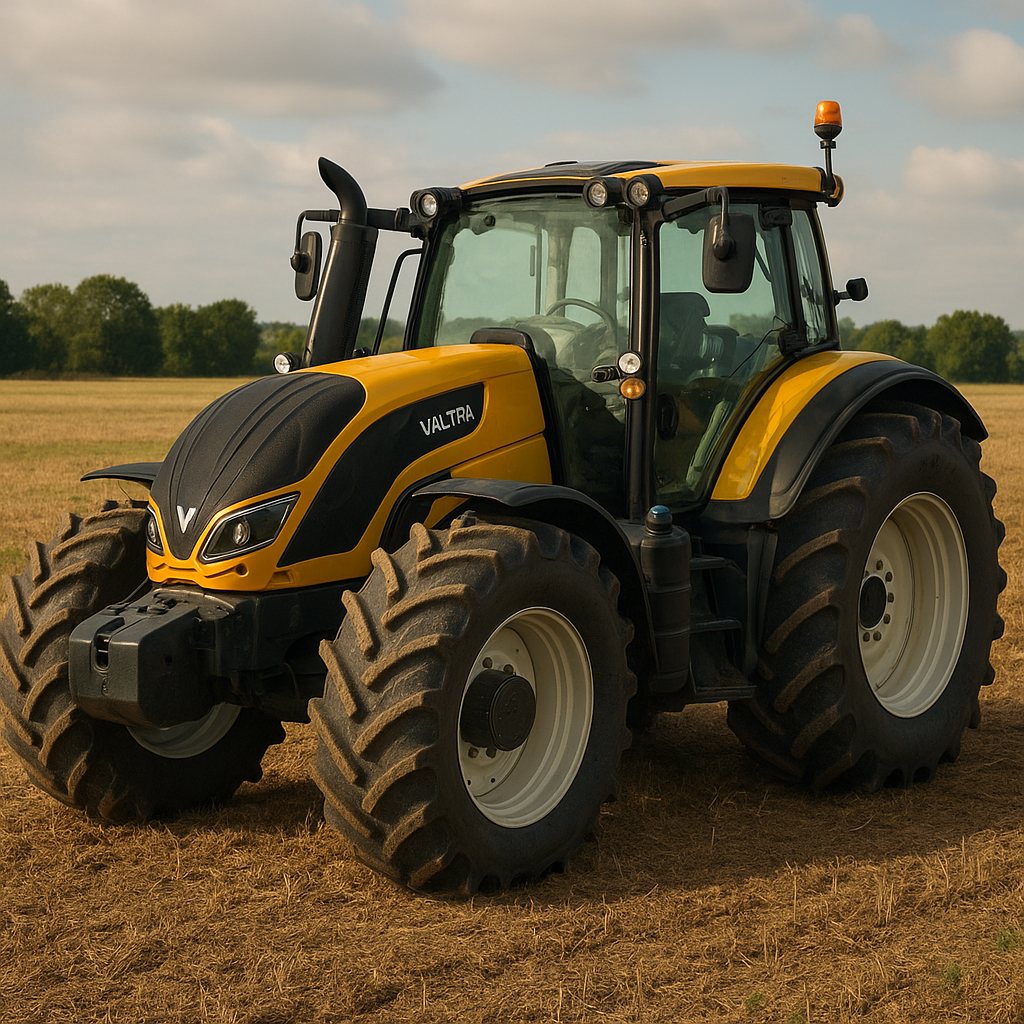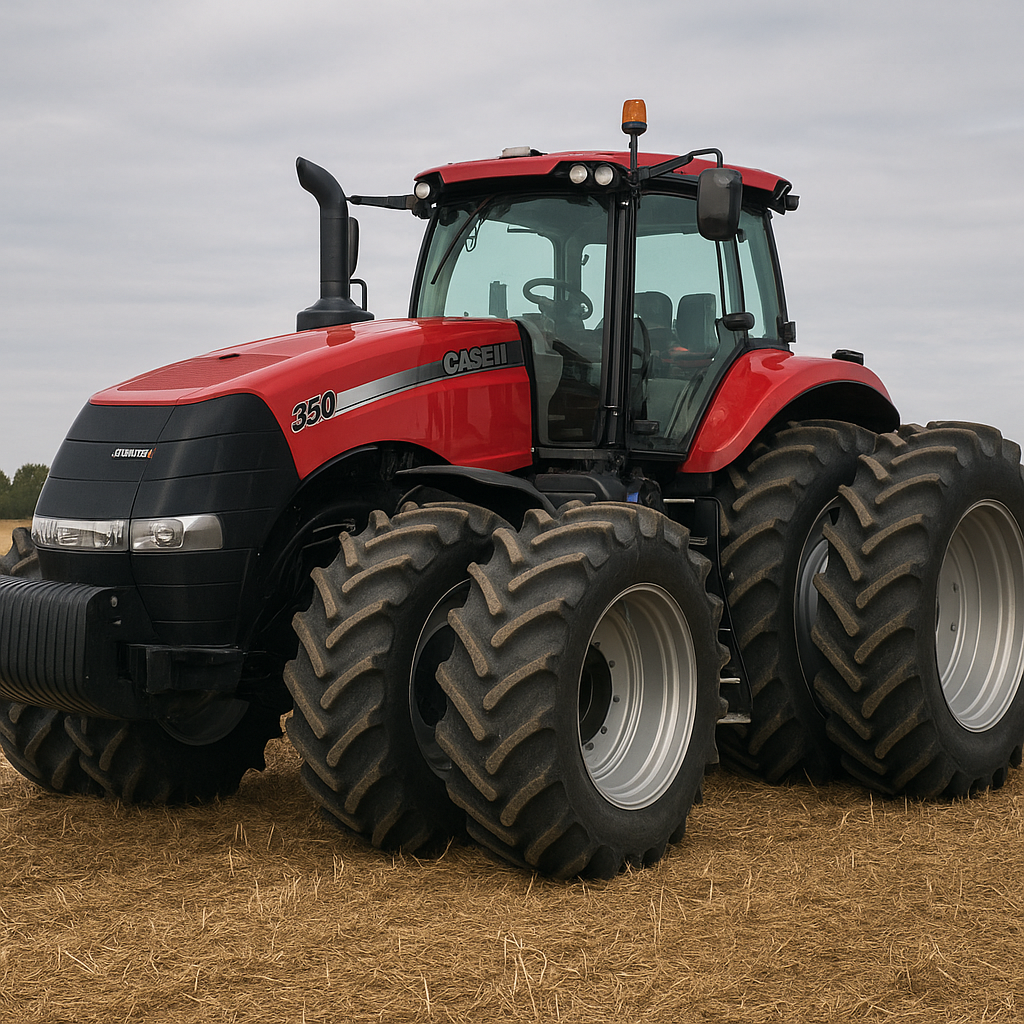
The Case IH Steiger 380 is a heavy-duty agricultural tractor widely recognized for its combination of raw power, robust construction and versatility on large farms and contracting operations. Built to handle demanding tasks such as deep tillage, large-scale seeding, heavy transport and land preparation, the Steiger 380 is part of a family of tractors that emphasize reliability and sustained field performance. This article explores the tractor’s background, technical characteristics, common applications, maintenance and purchasing considerations, and other interesting facts that help explain why it remains a common sight in many large-scale agricultural operations.
Overview and historical context
The Steiger-series tractors were developed to answer the need for high-horsepower, four-wheel-drive tractors in large-scale agriculture. The name Steiger became synonymous with row-crop and broad-acre tractors capable of pulling large implements across extensive fields with consistent results. The Steiger 380, as its model designation suggests, centers around an engine class rated at roughly 380 horsepower, making it one of the heavy hitters in its segment.
Over the years, Case IH and predecessor companies have refined the Steiger platform to include options such as tracked undercarriages, multiple transmission systems, increased hydraulic capacity and more comfortable operator environments. The Steiger 380 in its various configurations has been used worldwide wherever farmers and contractors need substantial traction and drawbar strength.
Design and key technical characteristics
The Steiger 380 is designed as a high-traction, high-implement-capacity tractor. While exact specifications depend on the year of manufacture and optional equipment, several common technical themes define this machine:
- Engine and power: The model designation “380” typically indicates a rated engine output in the neighborhood of 380 horsepower. Engines used in Steiger-class tractors are turbocharged, intercooled diesel units engineered for continuous heavy loads on the drawbar and PTO.
- Drivetrain and traction: Four-wheel-drive is standard on many Steiger configurations, with options for dual tires or tracked systems (Quadtrac-style undercarriages on some variants) to maximize ground contact, reduce soil compaction per axle and improve traction in wet or soft soils.
- Transmission: Various transmissions have been paired with the Steiger line over time, including powershift and other multi-range gearboxes that allow operators to select appropriate ground speeds under heavy load conditions. Some later configurations offer continuously variable or electronically controlled shifting for smoother operation and improved fuel economy.
- Hydraulics and hitch capacity: High-capacity hydraulic systems are a hallmark, enabling the tractor to lift and control large implements. Remote valves and flow rates are designed to handle big planters, ploughs and seeders, and many setups include electronic hitch control for precise depth and draft management.
- PTO: A heavy-duty PTO (Power Take-Off) is fitted to drive implements requiring direct mechanical power. Standard PTO speeds are available in the usual agricultural configurations to match implements used on large farms.
- Weight and ballast: The operating weight of a Steiger 380 varies substantially with options (cab, ballast, duals, tracks). Typical operating mass often ranges from roughly 11,000 kg to 16,000 kg (24,000–35,000 lb) depending on configuration. Ballast and tire/tracker choices significantly influence field performance and soil impact.
- Cab and operator environment: Designed for long hours, the cab typically includes ergonomic controls, climate control, sound insulation and visibility focused on implement monitoring. Modern variants may include advanced displays, GPS interfaces and guidance-ready hardware.
Note: exact numeric values (engine displacement, hydraulic flow rate, weight, torque figures) differ between years and options. Prospective buyers should consult the specific model year data plate or manufacturer documentation for precise specifications.
Primary applications and field roles
The Steiger 380 is particularly favored where sustained tractive effort and the ability to pull very large implements are required. Typical applications include:
- Deep tillage with multi-share ploughs and large subsoilers — the tractor’s drawbar power and torque help maintain consistent depth and speed across variable soils.
- Pulling large disc harrows and cultivators for seedbed preparation on broad-acre farms.
- Seeding and planting with wide planters — hydraulic capacity and stable draft control keep large planters operating accurately.
- Transport of heavy equipment and loads on farms and between fields — strong transmission and braking systems facilitate safe movement of trailers and implements.
- Specialty roles in sugar beet, cotton and other intensive cropping systems where wide working widths reduce hours required for field operations.
- Contracting operations — contractors frequently choose tractors like the Steiger 380 for their ability to finish large jobs quickly, and for the resiliency needed when working a wide variety of soils and implements.
Performance characteristics and operational strengths
Operators value the Steiger 380 for several core strengths that become evident in daily use:
- Consistent high-load performance: Designed to operate at relatively low engine speeds while producing high torque, enabling efficient fuel usage during heavy pulls.
- Traction management: Large tires or tracks paired with weight distribution and differential systems provide strong traction in wet or sloping terrains.
- Implement versatility: Strong hydraulics, hitch capacity and PTO options make the tractor compatible with a broad range of modern implements.
- Operator comfort for long shifts: Cab refinements and ergonomic control layouts reduce operator fatigue, which is important in long planting or harvest campaigns.
- Serviceability: Steiger tractors are designed with service points accessible for routine maintenance such as fluid checks, filter changes and belt inspections—helping to minimize downtime during peak seasons.
Maintenance, reliability and lifecycle considerations
Long-term reliability and manageable maintenance are essential for machines of this scale. Key maintenance considerations include:
- Regular engine oil and filter changes, with oil type and interval varying by engine design and duty cycle.
- Fuel system maintenance, including periodic cleaning or replacement of fuel filters and attention to fuel quality to prevent injector issues.
- Hydraulic system inspections and timely replacement of filters, plus monitoring of hydraulic fluid cleanliness to protect valves and pumps.
- Drivetrain service — checking gearboxes, transmissions and axles, particularly under sustained heavy loads.
- Tire and track maintenance — correct inflation, tread inspection and track tension ensure consistent traction and reduce uneven wear.
- Cooling system upkeep — keeping radiators and intercoolers clean to preserve engine performance under high ambient temperatures and heavy loads.
When well-maintained, well-built tractors like the Steiger 380 can accumulate many thousands of hours, especially in contracting environments where machines may receive scheduled private service or dealer-backed support. Common longevity drivers include adherence to manufacturer-recommended service intervals, the environment in which the tractor works (dusty vs. clean), and the skill level of routine maintenance performed by operators or farm mechanics.
Market presence and ownership economics
The economic role of a Steiger 380 on a farm or in contracting work is tied to its ability to reduce field-hours by operating wider implements at steady speeds. While the initial acquisition and operating costs (fuel, maintenance, parts) of high-horsepower tractors are significant, they are often offset on large operations by:
- Reduced labor costs due to faster completion of field tasks.
- Increased timeliness — being able to prepare ground and plant within narrow weather windows.
- Greater implement utilization — the ability to pull larger, more productive equipment.
Used market values and lifecycle costs vary widely depending on hours, condition, service history and modifications. Prospective buyers often evaluate machines by hours on the engine and hydraulic systems, documented service records and whether major components (such as the turbocharger or injection system) have been rebuilt. Leasing and custom hire (contracting) are also common routes to use a Steiger 380-class machine without full ownership.
Variants, options and technological upgrades
The Steiger platform has been offered in multiple configurations to match diverse needs. Some noteworthy variations and options include:
- Wheel versus track configurations — tracks reduce ground pressure and improve traction in adverse conditions, while wheels remain common for general versatility and easier transport.
- Different transmission packages — from traditional gear-and-powershift systems to more advanced electronically controlled or continuously variable arrangements in later models.
- Guidance and precision farming compatibility — many Steiger tractors are equipped or upgraded to accept GPS guidance, auto-steer systems and telematics that improve fuel efficiency and reduce overlap during field passes.
- Cab and control upgrades — enhanced displays, climate control and ergonomic seating are common retrofits or dealer options aimed at reducing operator fatigue.
Comparisons and competitive positioning
The Steiger 380 competes with other high-horsepower tractors from manufacturers that target large-scale agriculture and contracting markets. Buyers typically compare machines by:
- Raw drawbar and PTO power and how that power translates into implement performance.
- Fuel efficiency at working loads — lower fuel consumption per hectare can materially affect operating costs.
- Upfront purchase price vs. long-term service and parts availability — local dealer networks and parts support matter for uptime.
- Traction and soil protection — whether wheel and track options meet the operator’s needs for minimizing compaction and maximizing traction.
Buying guide and inspection checklist
When considering a used or new Steiger 380, a careful inspection and negotiation can protect the buyer’s investment. Important checks include:
- Engine hours and service history — validate routine maintenance and major overhauls.
- Visual inspection for oil leaks, coolant residue and smoke — these can indicate engine or hydraulic issues.
- Transmission and clutch function — test under load if possible and listen for unusual noises.
- Hydraulic system performance — check for sluggish implement response or erratic operation.
- PTO operation and PTO shaft inspection — ensure smooth engagement and no excessive wear.
- Tire or track condition — check for uneven wear, cuts or broken links in tracks.
- Cab systems and electronics — confirm displays, guidance systems, lights and HVAC function.
- Test drive — if feasible, operate the tractor with a load to evaluate drivability, power delivery and steering behavior.
Interesting facts and real-world observations
- Operators often remark that tractors in the 350–400 horsepower class strike a balance between extreme size and manageable operating costs — enabling very large implements without the absolute top-tier engine sizes that some specialty tractors use.
- The Steiger line has been adapted to many markets worldwide, with regional preferences influencing common configurations (e.g., track systems are more common in soft or wet regions while wheels dominate in drier areas).
- Many owners retain and refurbish Steiger tractors for extended service lives: rebuilding engines, refurbishing cabs and updating electronic control systems can be cost-effective compared with full replacement when the chassis and core driveline remain sound.
Environmental and efficiency considerations
Modern agricultural operations evaluate tractors not just on raw capability but on environmental impact and efficiency. Key considerations for a Steiger 380 include:
- Fuel management and efficient operation — running at appropriate engine loads and optimizing gear selection reduces specific fuel consumption per hectare.
- Soil compaction management — choosing tracks or wider tires, managing ballast and reducing unnecessary passes helps preserve soil health and long-term productivity.
- Precision farming tools — auto-steer, section control and variable-rate application systems reduce overlap and input waste, making high-horsepower tractors more environmentally and economically efficient.
Conclusion
The Case IH Steiger 380 is a representative member of the high-horsepower tractor category, built for large-scale agricultural tasks and demanding contracting work. With a focus on power, traction and versatile implement support, it continues to be valuable where broad fields and heavy equipment demand a machine that can deliver consistent performance. Prospective buyers and operators should balance initial costs with long-term maintenance, implement compatibility and opportunities to improve efficiency through precision farming technologies. When properly maintained and configured for the local soil and crop needs, a Steiger 380 can be a cornerstone of a productive, large-scale agricultural operation.