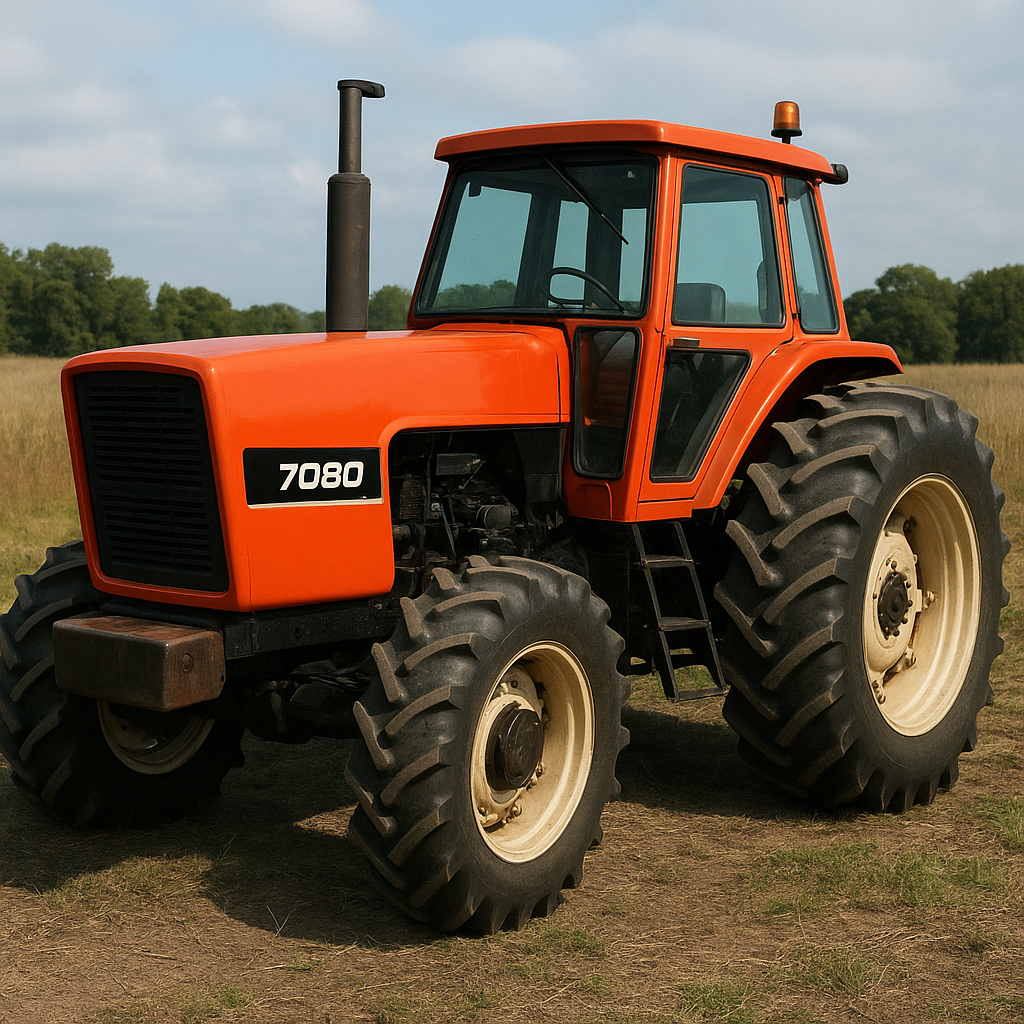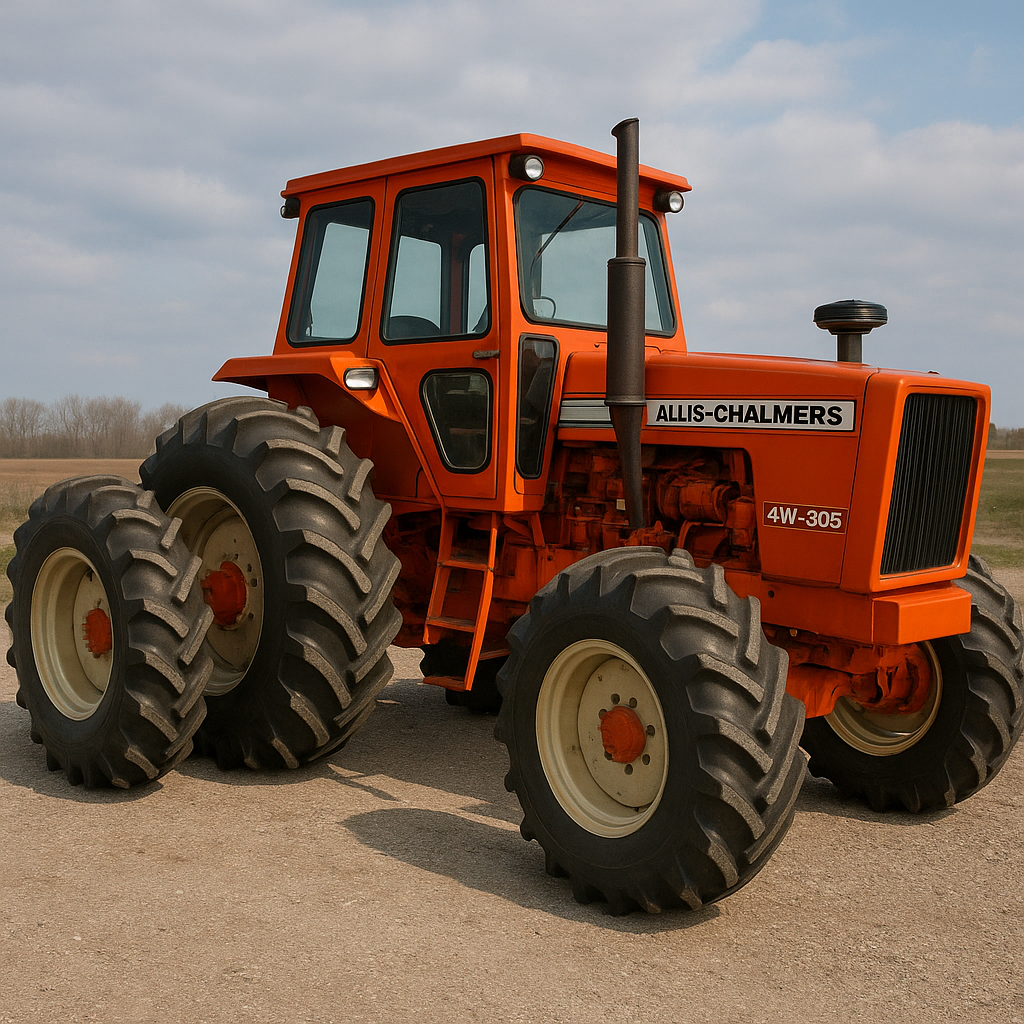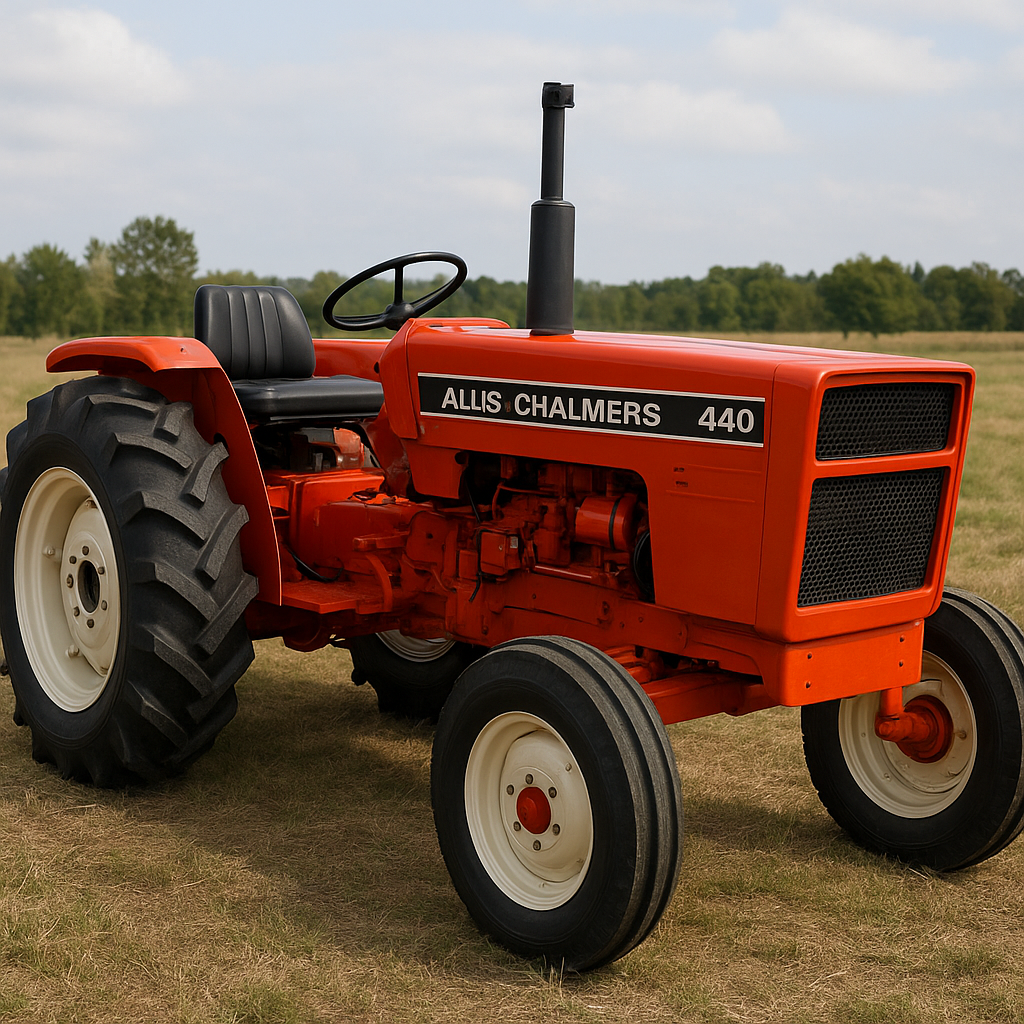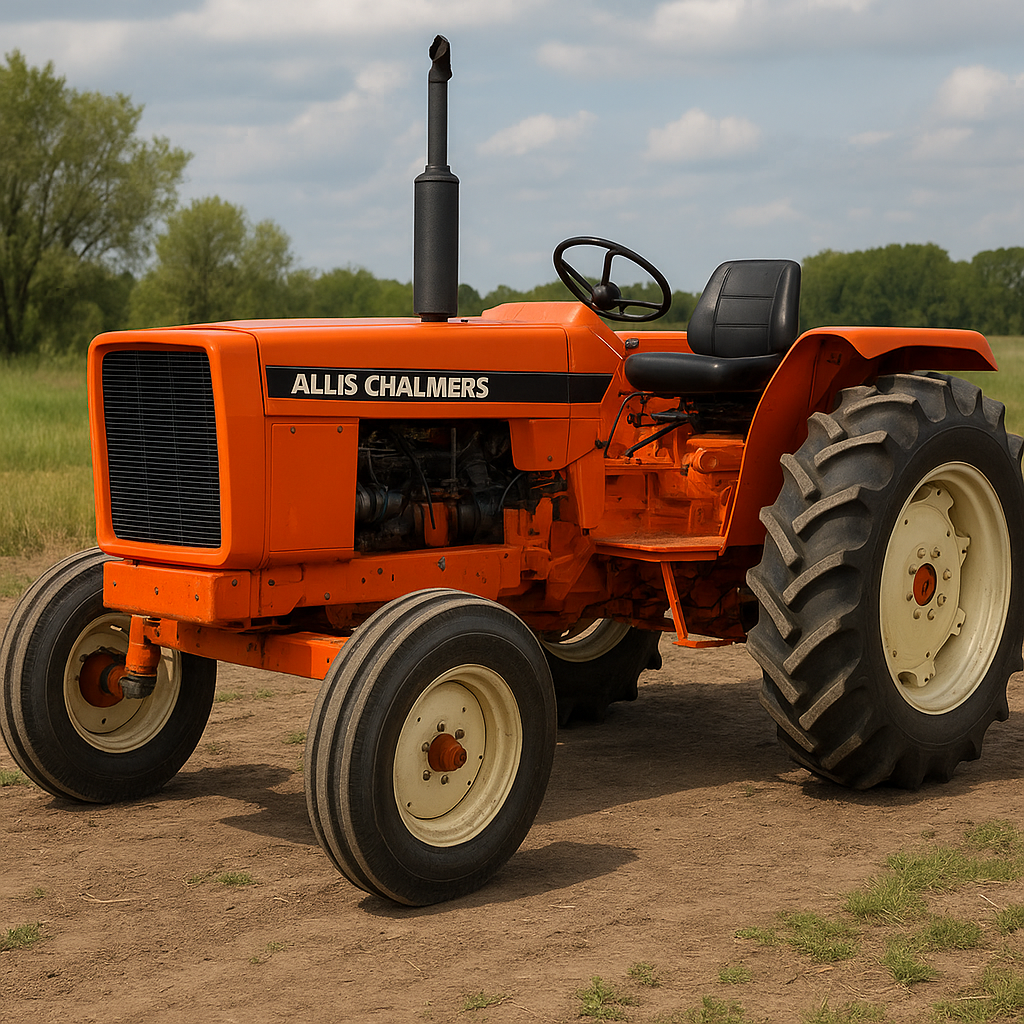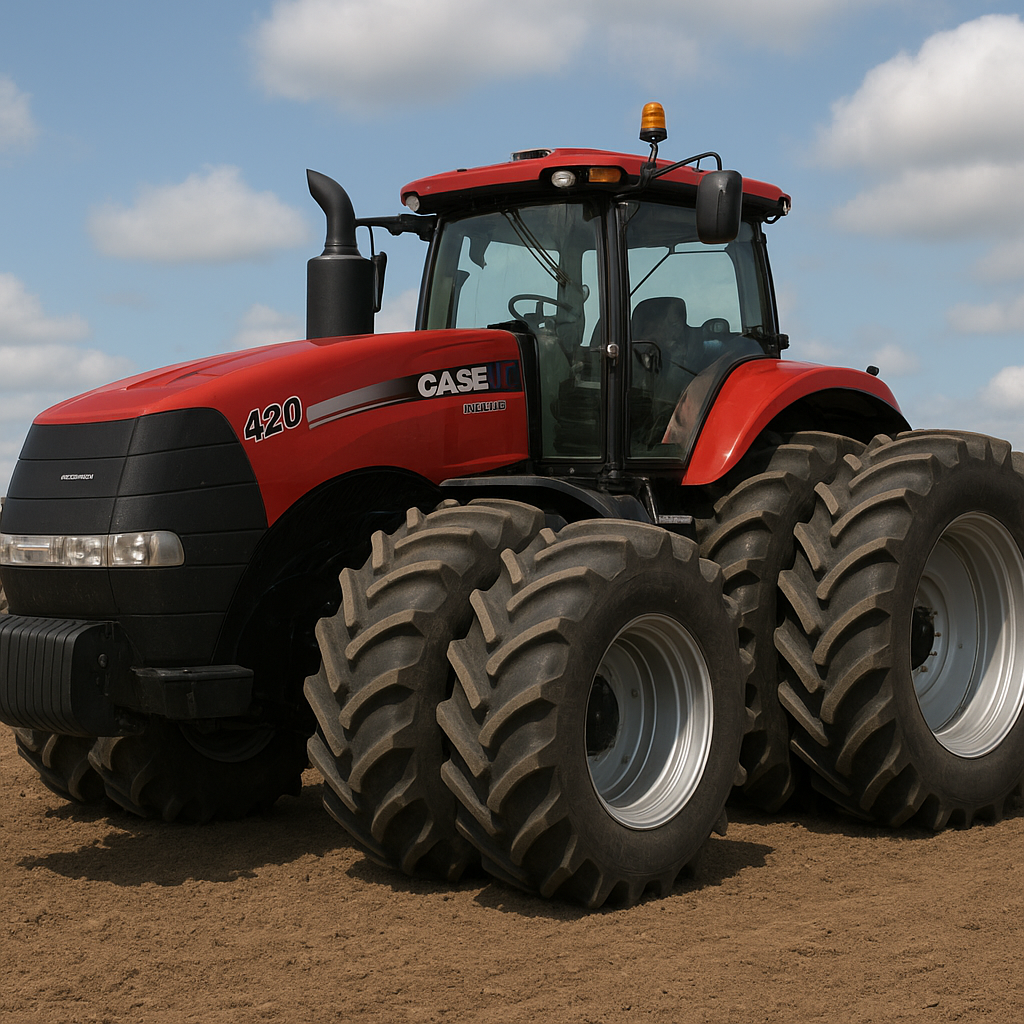
The Case IH Steiger 420 is a member of the heavy-duty, four-wheel-drive tractor family designed to meet the demands of large-scale farming, land preparation and heavy draft applications. Combining robust engineering with operator-focused features, the Steiger series has been a recognizable presence in fields where power, traction and durability are essential. This article explores the Steiger 420’s role, typical specifications (noting where values are approximate and configuration-dependent), common applications, operator amenities, maintenance considerations and other interesting facts that define its place in modern agriculture.
Overview and development
The Steiger name has long been associated with large, high-horsepower tractors developed for North American and global markets where expansive fields and demanding soil conditions require machines built to pull big implements and operate for long hours. The Steiger 420 — often identified by its nominal 420 horsepower rating — fits into the high-horsepower category of row-crop and tillage tractors. Over the years, the Steiger series evolved from simple mechanical drivetrains to include modern electronics, advanced transmissions and precision-farming capabilities.
When discussing the Steiger 420, it is useful to view it as a blend of traditional heavy-duty agricultural engineering and contemporary enhancements: a machine that is meant to provide consistent tractive effort while also offering cab comfort and systems that improve implement control and fuel use. Manufacturers typically offer the tractor in different configurations (wheel, duals, quad-track conversions) to match soil conditions and operator needs.
Key technical characteristics
Exact specifications for a given Steiger 420 can vary by model year, regional configuration and options. The following figures are typical for a machine in the 420-horsepower class and are presented as approximate ranges where appropriate.
Engine and powertrain
- Nominal engine output: approximately 420 horsepower (around 313 kW) at rated rpm. This value represents the engine rating used to classify the model and will vary slightly depending on tuning and emissions systems.
- Engine type: high-displacement, turbocharged diesel (commonly an inline six-cylinder in many high-horsepower agricultural tractors). Such engines are designed to deliver steady torque across a broad rpm band to support heavy draft work.
- Transmission: configurable. Buyers historically could choose between multi-range powershift transmissions and continuously variable-type options in some regions; both are optimized to deliver smooth power to the wheels and to match ground speed to implement requirements.
Hydraulics, hitch and PTO
- Hydraulic system: high-flow hydraulic pumps to support multiple remote valves and high-demand implements. Typical system flow for tractors in this class often ranges into the 150–220 L/min zone, depending on options.
- Three-point hitch: heavy-duty category 4/5 hitch with significant lift capacity to handle large implements such as chisel plows, large seed drills, and air seeders.
- PTO: standard PTO speeds include 540/1000 rpm, with robust driveline components sized for high torque transmission to towed implements and powered attachments.
Dimensions and weight
- Operating weight: depends heavily on wheel/track configuration and counterweights, but typical ballpark figures for a 420 HP 4WD tractor fall in the multi-ton range. Ballasting is often employed to optimize traction and minimize slip.
- Tires/tracks: options range from single large flotation tires to duals and quad-track conversions; track systems dramatically change flotation characteristics and ground pressure.
Fuel economy and performance metrics
- Fuel consumption: heavily load- and duty-cycle dependent. In heavy tillage, tractors of this class commonly use between 20–40 liters of diesel per hour; lighter tasks reduce consumption accordingly. Advanced engine controls and transmission strategies help manage fuel efficiency.
- Tractive performance: high drawbar pull and sustained tractive effort make the Steiger 420 suited to pulling deep tillage implements and heavy seeders at field speeds that maximize daily productivity.
Common applications and field use
The Steiger 420 is intended for the largest and most demanding tasks on modern farms and contracting operations. Its combination of steady high-end power, hydraulic capacity and robust hitching enables a wide array of uses:
- Tillage: primary and secondary tillage with large moldboard ploughs, chisel ploughs, heavy discs and cultivators capable of covering significant hectareages per pass.
- Seeding and planting: pulling large air seeders and planters where consistent ground speed and implement control are required for seed placement and emergence uniformity.
- Ripping and deep soil loosening: because of its torque and weight, the tractor is well-suited to deep ripping to break compaction layers.
- Haulage and transport: heavy trailers and wagons on-farm and short-distance transport, especially where traction and braking assist systems are beneficial.
- Specialty implements and contractor work: large sprayers (as prime mover for boom transport or pump drives), manure spreaders, and other high-demand implements in contracting fleets.
Operator environment and precision farming
Modern Steiger tractors place much emphasis on the operator experience, recognizing that long hours in the cab require systems that reduce fatigue and increase task accuracy. Typical features found on current-generation machines or available as options include:
- Spacious, climate-controlled cab with ergonomic controls to reduce operator strain.
- Air-suspension seats and optionally suspended cabs to improve ride quality during long field days on rough terrain.
- Advanced displays and integrated telemetry: touchscreens or HUDs that provide engine, transmission, implement and guidance information. These systems support precision farming functions like auto-steer, field mapping and variable-rate control.
- ISOBUS compatibility for seamless communication between tractor and modern implements.
Guidance and automation
Many operators specify GPS-based auto-steer and section-control systems to minimize overlap, reduce input costs and improve pass-to-pass accuracy—especially useful when operating large implements where small steering errors compound into significant lost area or overlap. These systems also reduce stress on the driver and increase efficiency in low-visibility conditions (dusk, dust, fog).
Maintenance, reliability and life-cycle costs
A heavy tractor like the Steiger 420 is a substantial investment, and managing operating costs across the machine’s life is essential. Considerations include:
- Scheduled maintenance: regular oil and filter changes, fuel system servicing, hydraulic fluid and filter maintenance, and cooling system checks follow manufacturer intervals to protect engine and drivetrain longevity.
- Component wear: tires, axles, PTO and linkages undergo significant stress; inspection intervals for wear parts prevent unplanned downtime during critical seasons.
- Parts availability and dealer support: networks for parts and service are an important consideration when purchasing—especially for contracting operations that depend on quick turnaround for repairs.
- Resale value: high-horsepower tractors generally retain value if maintained well, but market demand is cyclical and depends on farm consolidation trends, commodity prices and regional needs.
Good maintenance practice supports machine reliability and keeps operating costs predictable. For many large farms, preventative logistics (carrying critical spare parts on-farm, establishing service contracts) pays dividends in reduced downtime.
Attachments, customization and versatility
The Steiger 420 is commonly configured to match a broad range of tasks through attachments and optional equipment:
- Ballasting systems: additional front or rear ballast to achieve correct weight distribution and improve traction.
- Dual wheels and wide flotation tires to reduce soil compaction in wet or soft fields.
- Track conversions: replacing wheels with quad-track systems dramatically changes flotation and ground contact area, improving performance on very soft soils.
- Front linkage and front PTO packages for powering front-mounted implements or dual-implement setups.
Such flexibility allows a single tractor to perform season-long duties—from spring tillage to autumn harvest support—making it a versatile asset on large operations and contractor fleets.
Economic and operational considerations
Selecting the Steiger 420 or similar tractor should be evaluated against metrics that reflect daily farm realities:
- Cost per hectare: estimate how many hectares the tractor will cover per year and divide total ownership costs (purchase, financing, depreciation, fuel, maintenance, insurance) by that area to understand per-hectare economics.
- Utilization rate: high capital machines need high utilization to justify acquisition. Contracting work or large-scale farms typically maximize return by running many hours per year.
- Operator training: advanced systems like automatic guidance and ISOBUS require some investment in operator training to fully realize efficiency gains.
When managed for appropriate workloads, a well-specified 420-hp tractor can reduce field passes, increase daily area coverage and deliver better implements performance—translating to potential input savings and timeliness advantages.
Safety and environmental factors
Large tractors present unique safety challenges and opportunities:
- Visibility and lighting packages are critical for dawn/dusk operations, and many machines offer high-output LED lighting arrays for safer night work.
- Roll-over protection and operator restraint systems are part of modern cab designs; adherence to safety standards and operator training reduces accidents.
- Emissions and fuel systems have evolved. Recent engines incorporate after-treatment systems (DPF, SCR) to meet emissions regulations; these systems demand specific maintenance and sometimes alter fuel and maintenance practices.
Environmentally, improved engine control and precision farming techniques contribute to lower per-hectare emissions and reduced input waste, especially when GPS-driven application reduces overlap for fertilizers and crop protection products.
Interesting facts and buyer tips
- Brand heritage: the Steiger name reflects decades of development in high-horsepower tractors; buyers often select these models when seeking proven heavy-duty performance.
- Customization: dealers commonly offer tailored packages for soil type and regional needs—working closely with dealers can optimize specification for resale and operational value.
- Upgrade paths: telematics and precision-farming modules can often be retrofitted, allowing older tractors to benefit from modern guidance and monitoring systems.
Tips for prospective buyers:
- Define the implements you will use first—the tractor should match the hydraulic flow, hitch capacity and PTO requirements of the largest implements you plan to run.
- Consider long-term fuel cost scenarios and choose transmission and engine packages that deliver the best balance of productivity and fuel economy for your operations.
- Factor in resale: well-documented service history, single-operator use and maintained appearance can improve resale value.
Statistical notes and data context
Specific production or sales figures for a particular configuration of the Steiger 420 are typically not published in single-model detail by manufacturers; production data is often aggregated by model families or regions. Where numerical values are provided in this article (for example, the nominal horsepower rating), they represent typical or nominal values associated with this class of tractor. Other operational statistics—such as fuel use per hour, hydraulic flow ranges and typical working weights—are presented as approximate ranges to reflect the broad variety of configurations and operating conditions encountered in real-world use.
Industry-facing statistics indicate continued interest in larger tractors on farms above certain acreage thresholds and among contracting businesses. The trend toward precision agriculture and higher per-pass implement widths supports demand for machines that can deliver sustained tractive effort and high hydraulic capacity—attributes that align with the capabilities of the Steiger 420 class.
Summary
The Case IH Steiger 420 is a heavy-duty tractor built for demanding farm and contracting tasks where continuous high-level performance, superior traction and robust implement support are required. With a focus on operator comfort, precision integration and flexible configurations (wheels, duals, tracks), a machine of this class can significantly increase daily productivity when matched to the right implements and farm scale. Prospective owners should weigh purchase and operating costs against utilization rates, maintenance strategies and expected resale values. Proper specification—tire or track selection, hydraulic packages and guidance systems—ensures that the Steiger 420 becomes a productive, long-lived asset in a modern agricultural fleet.