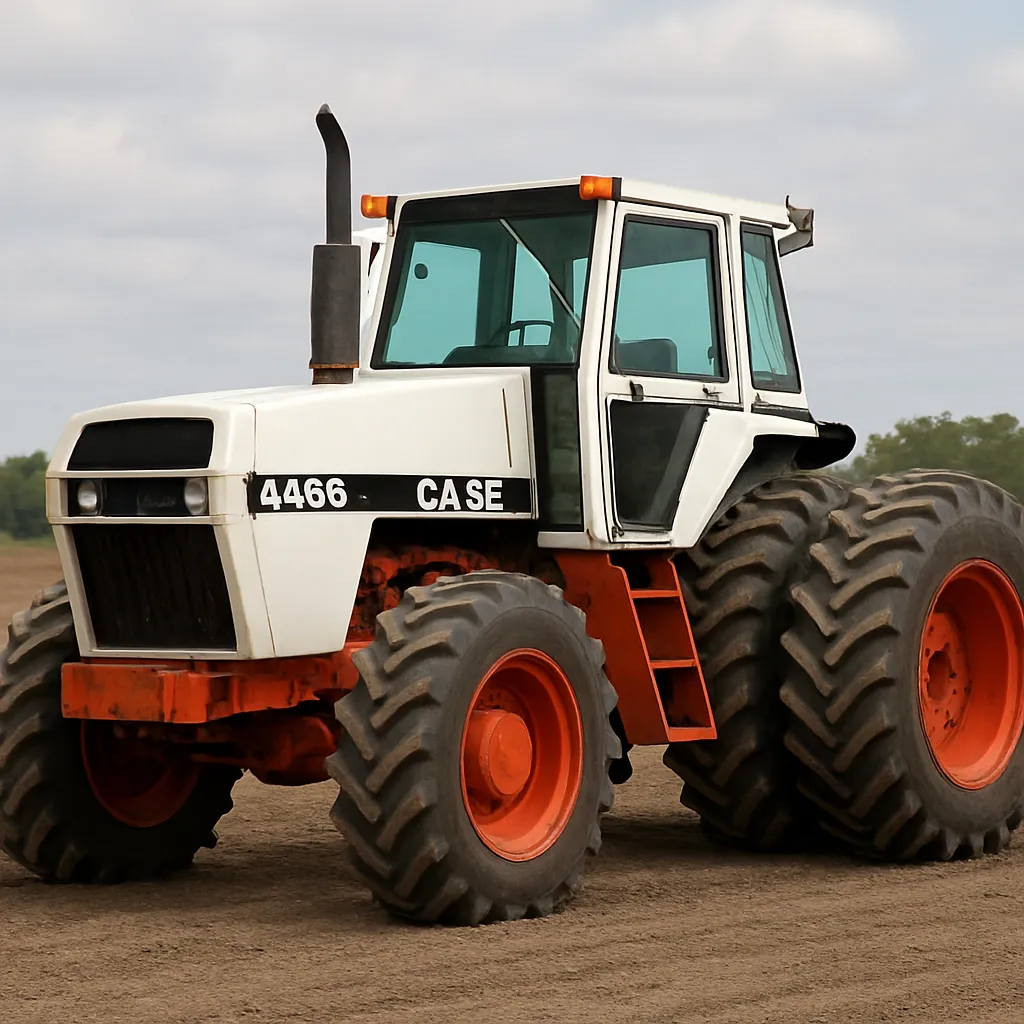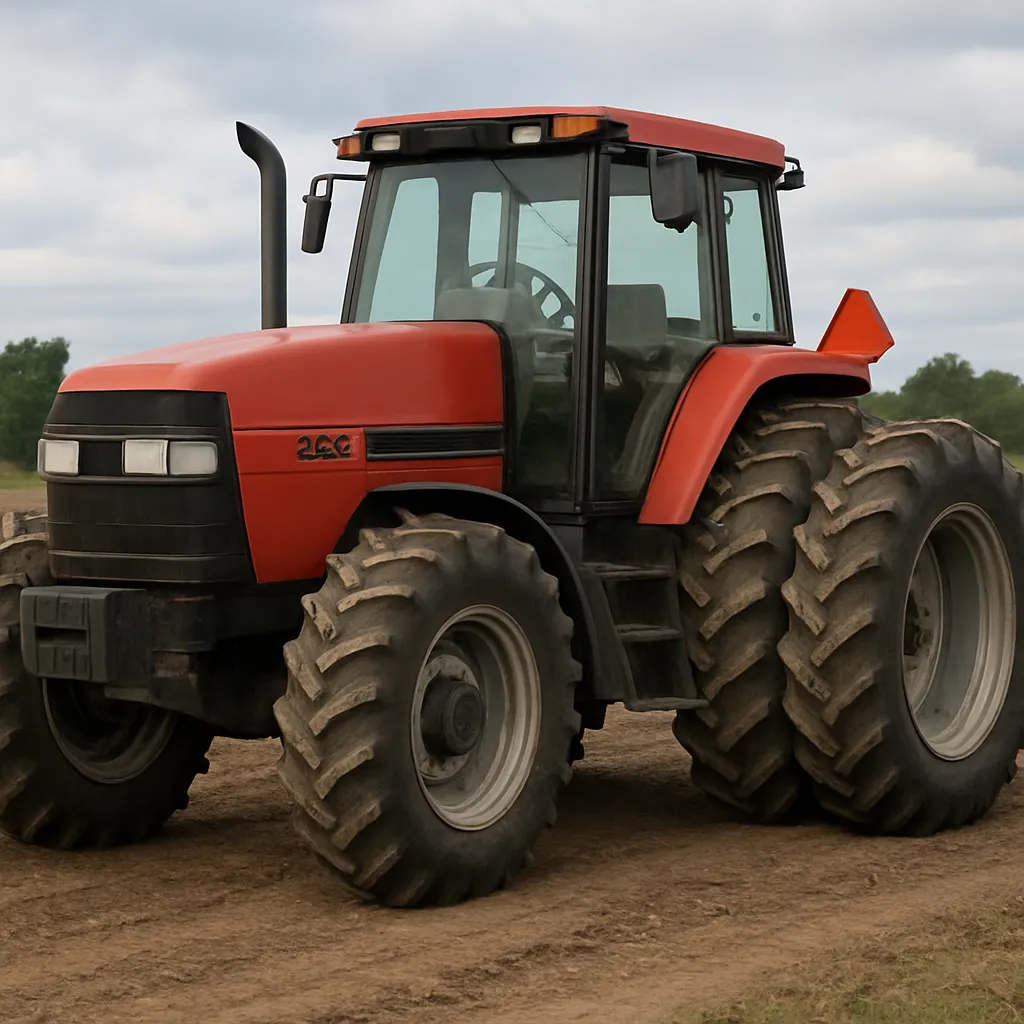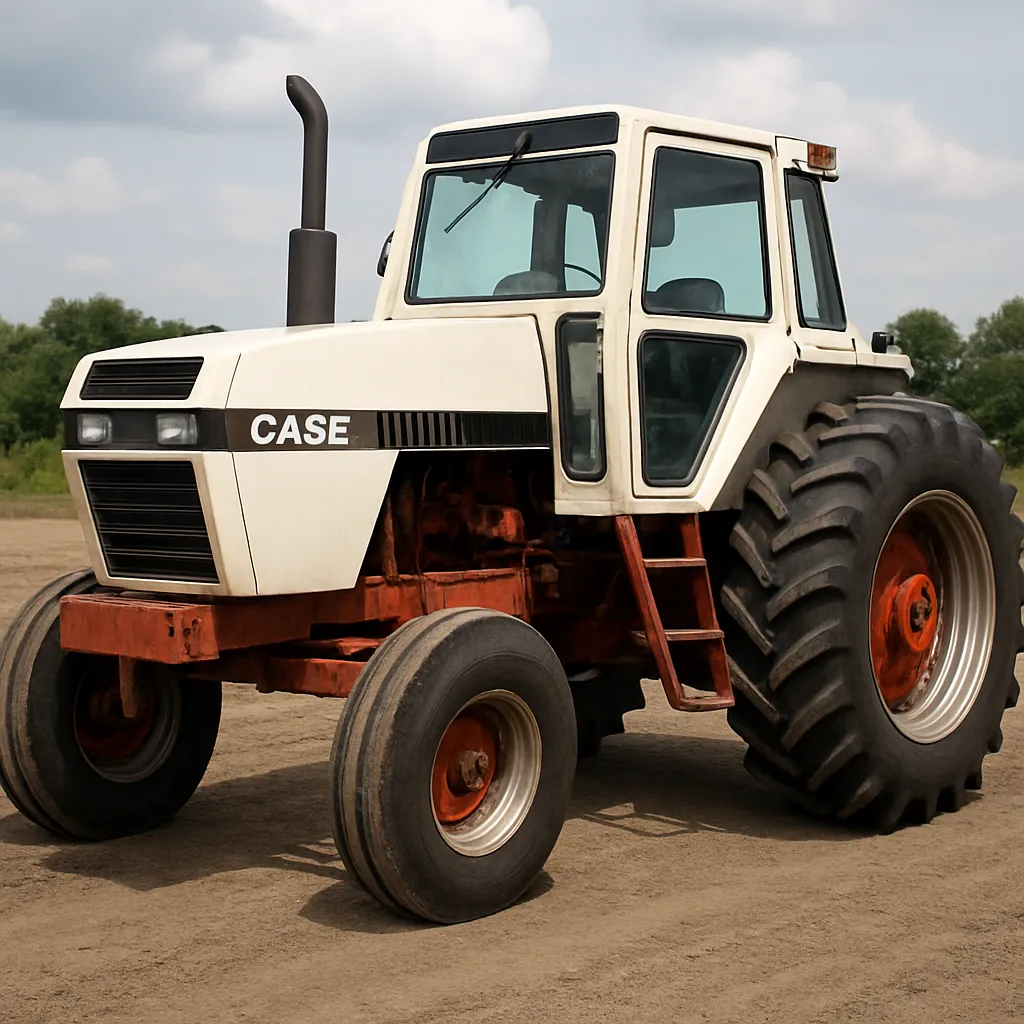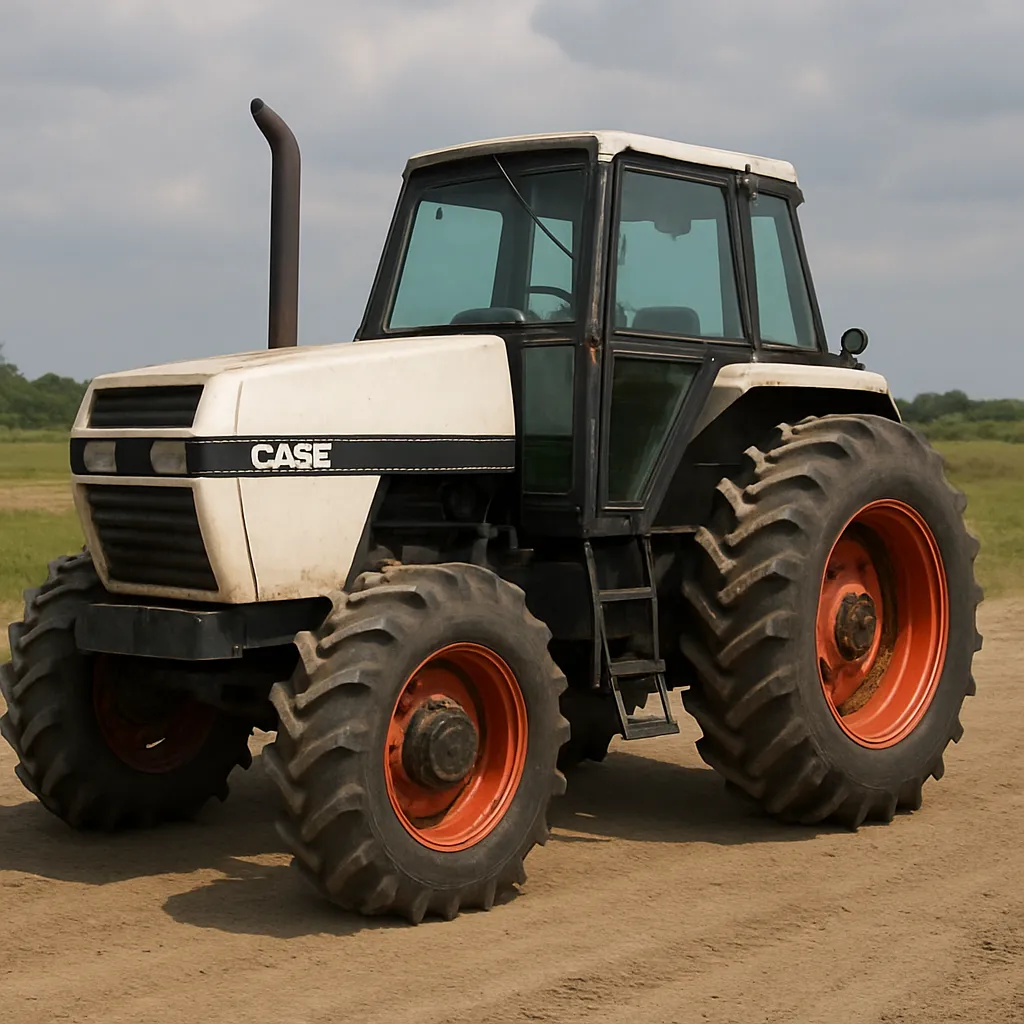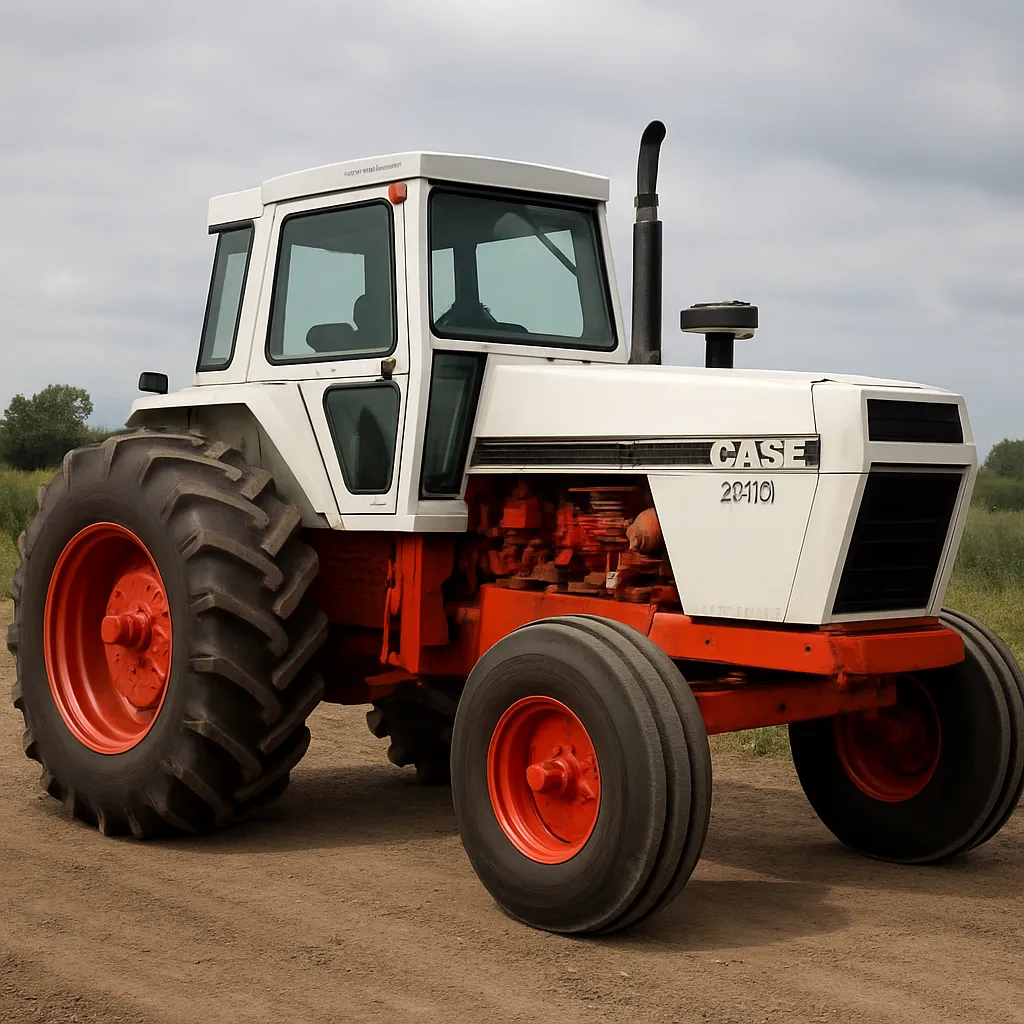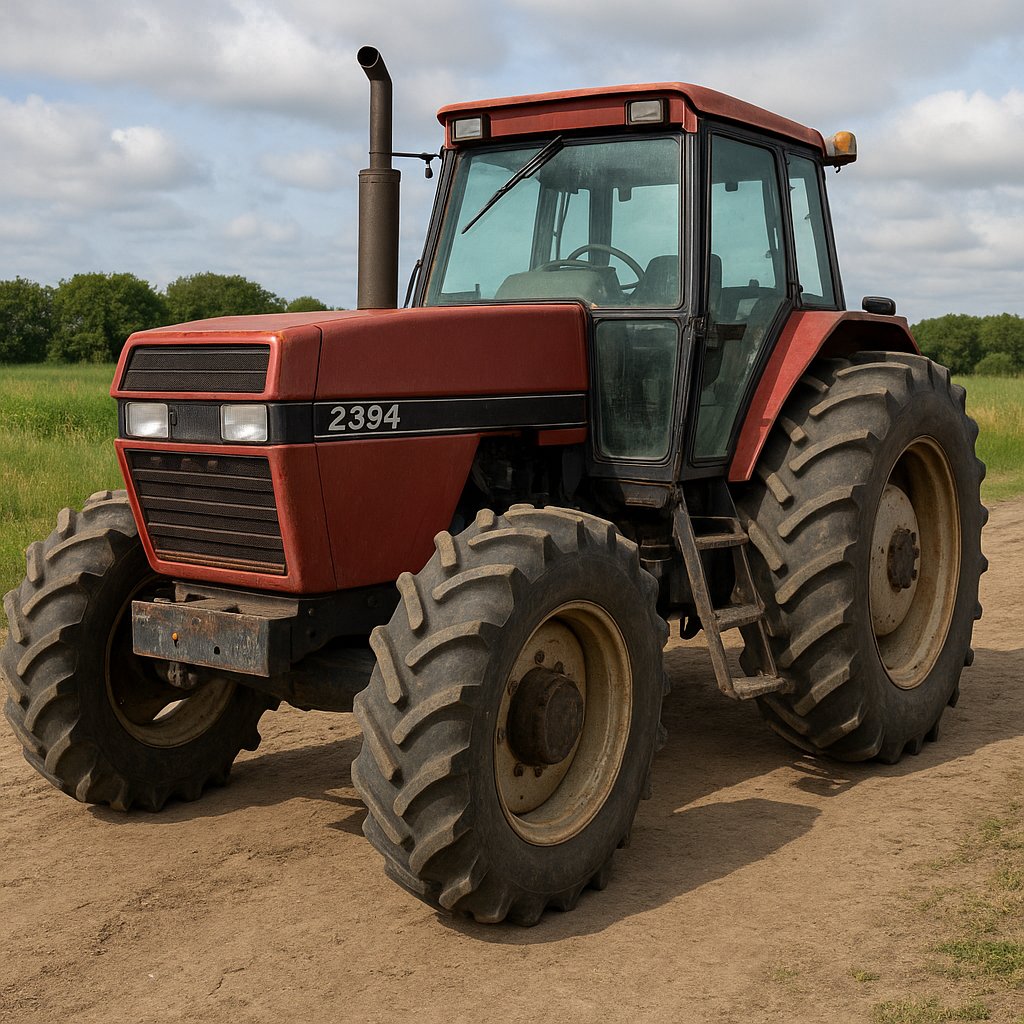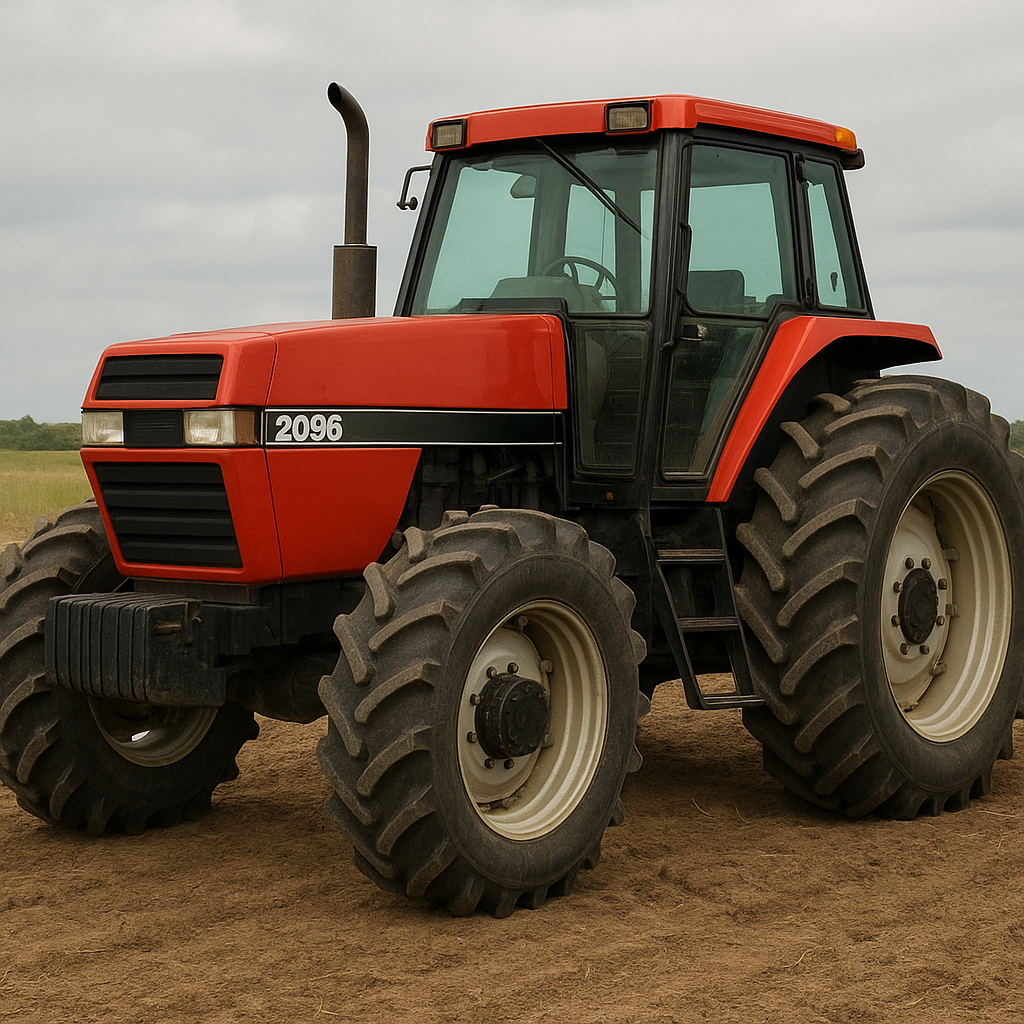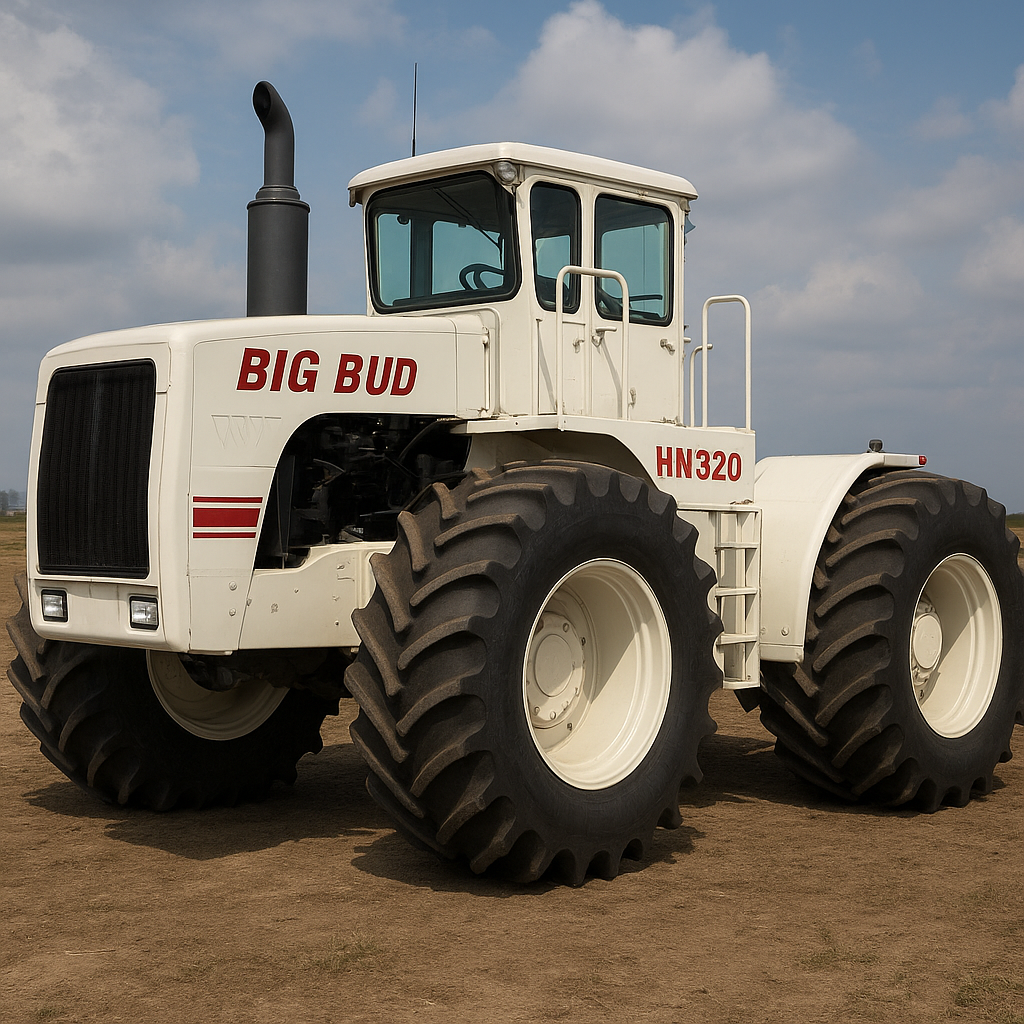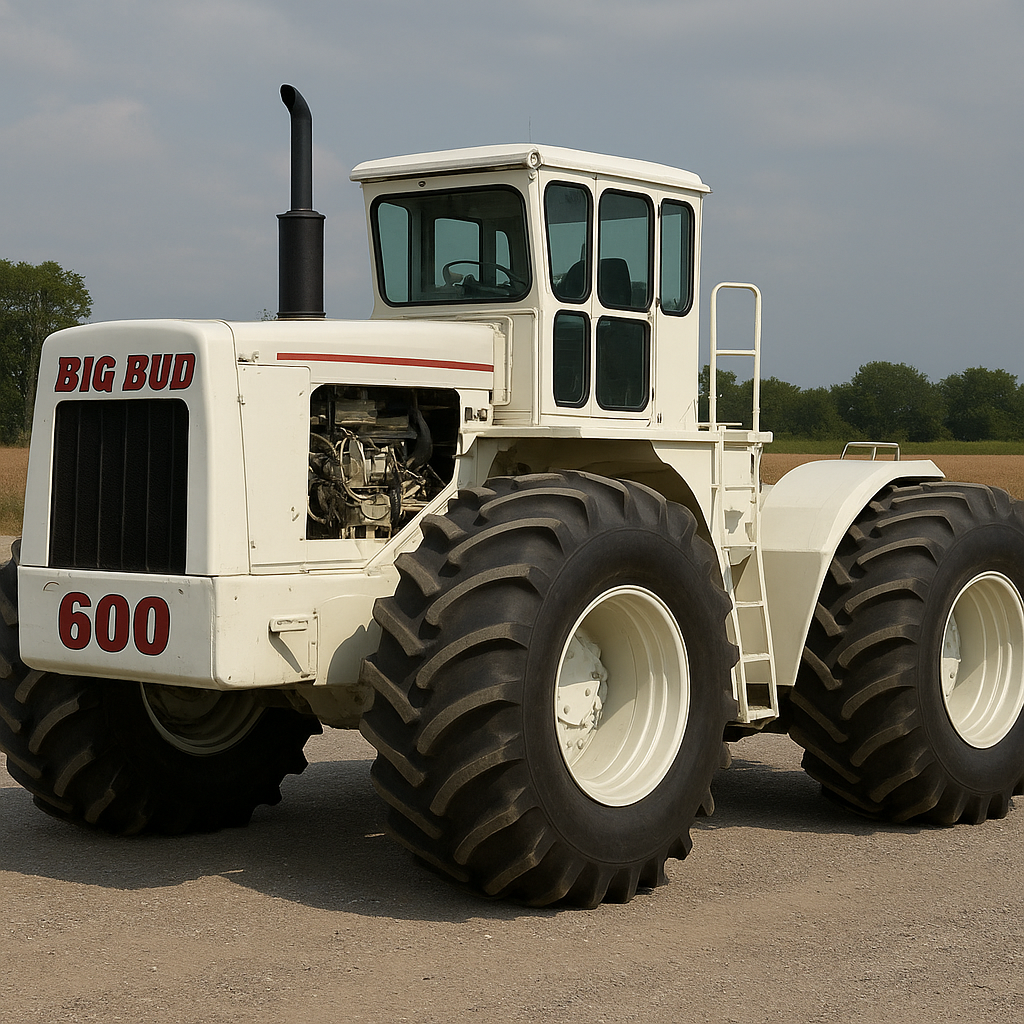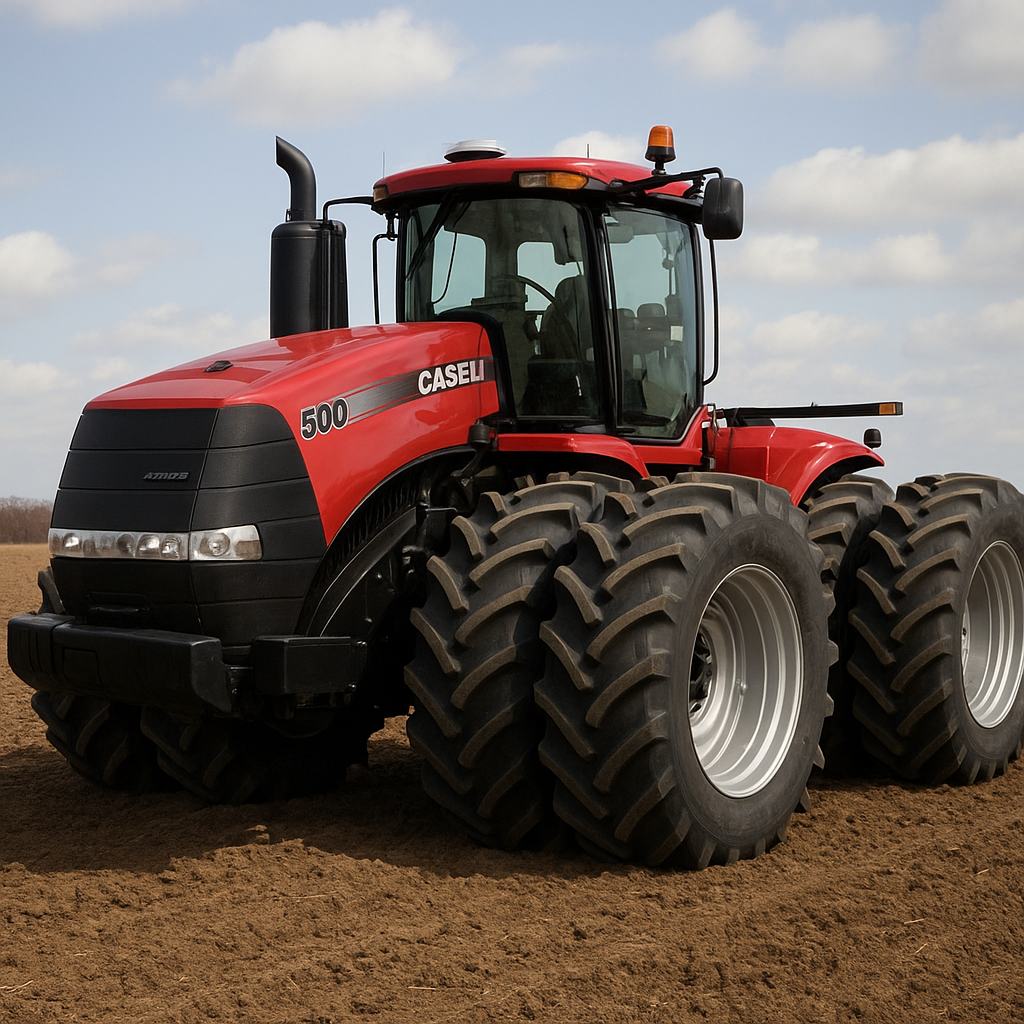
The Case IH Steiger 500 is a heavy-duty agricultural tractor designed to handle the most demanding tasks on large farms and in commercial agricultural operations. Built as part of Case IH’s Steiger family, the model name reflects its position in the high-horsepower segment, delivering approximately 500 horsepower (about 373 kW) and a combination of traction, durability and modern technology. In this article we examine its design and drivetrain, practical applications, operator features and technologies, as well as considerations for maintenance, economy and market position. Wherever possible, figures and comparative details are given, but note that exact specifications can vary by year, market and optional equipment.
Design and powertrain
The Steiger 500’s design philosophy centers on delivering reliable, high-traction performance for large-scale fieldwork. As a member of the Steiger family, the tractor is available in both wheeled and track configurations (including the Quadtrac system on some variants), offering operators a choice between high-speed field travel and superior flotation with reduced soil compaction.
Engine and power delivery
By convention, Case IH Steiger model numbers correspond to approximate engine output, and the Steiger 500 is rated at roughly 500 hp. This rating places it among tractors intended for heavy primary tillage, large seeders and planters, high-capacity tank sprayers and heavy-mounted implements. The engine is a turbocharged diesel unit tuned for high torque at low RPMs to handle sustained loads and heavy draft conditions. Modern Steiger tractors often use FPT (Iveco) or in-house configured diesel engines with advanced fuel systems and emissions controls to meet regulatory standards.
- Power rating: ~500 hp (≈373 kW)
- Torque characteristics: High torque available at low engine speeds to aid in pulling large implements and maintaining ground speed under load
- Fuel system: Common-rail injection / advanced fuel management on newer models
Transmission and drivetrain
The Steiger series traditionally offers robust transmissions tailored to heavy work. Depending on the model year and configuration, operators can choose between multi-step powershift transmissions, continuously variable transmissions (CVT/IVT-style systems such as Case IH’s PoweShift/CVT offerings) and full power shift boxes designed for high torque and ease of operation. The choice of transmission affects fuel economy, ground speed control and the tractor’s suitability for certain implements.
Traction is a defining attribute: 4WD wheeled configurations provide excellent tractive effort with large dual or single tires, while Quadtrac (four independent tracks) variants deliver lower ground pressure and exceptional grip in wet or sensitive soils. The Steiger 500’s chassis and axle design are optimized to distribute the engine’s torque effectively to the ground and minimize wheel slip.
Hydraulics, PTO and hitch
Large tractors like the Steiger 500 supply significant hydraulic flow and multiple hydraulic circuits to operate large planters, airers, sprayer booms and other implements. Typical features include:
- High-flow hydraulic pumps with flow rates suited to modern implement demands
- Multiple remote valves and advanced flow control options
- Rear and sometimes front PTO options, often with standardized speeds (540/1000 rpm and higher-capacity PTO options)
- Heavy-duty three-point hitch capable of supporting and lifting large mounted implements
These subsystems allow the Steiger 500 to integrate seamlessly with large equipment typical in commercial grain, cotton, corn and oilseed production systems.
Applications and field performance
The Steiger 500 is engineered for large-scale agriculture where high power and long-duty cycles are prerequisites. It excels in a variety of roles on expansive operations:
Primary tillage and soil preparation
Primary tillage—moldboard plowing, deep ripping and large disc harrowing—requires high drawbar power and consistent traction. The Steiger 500, with its high horsepower and torque, is well-suited for pulling large multi-section plows and heavy cultivators. In these tasks the benefits include:
- Reduced ground pass count: Fewer passes with a high-capacity tractor+implement combination lowers field time
- Uniform field finish: Strong power curves maintain forward speed for even tillage depth and consistency
- Efficiency in heavy soils: Increased traction prevents bogging and maintains operating speeds
Seeding and planting large implements
When paired with wide planters or seed drills, the Steiger 500 provides the capability to seed many hectares per day. Precision seeding systems, combined with high hydraulic flow, make this tractor suitable for high-capacity front- or rear-mounted planters. In many operations, a single high-horsepower tractor reduces the number of machines required for planting windows, which is critical during narrow weather windows.
Crop protection and high-speed tasks
Large booms and sprayers often need robust tractors for transport and pump-powering. The Steiger 500 can tow large sprayer tanks at road speeds and provide the stability for even boom operation. When equipped with appropriate tires or Quadtrac, it can operate across diverse conditions with minimized crop damage and soil compaction.
Hauling, beet and sugarcane operations
Beyond tillage and seeding, high-power tractors are used in hauling wagons, transport of harvested crops and in specialized industries like sugarcane harvesting (where high tractive effort is essential). The Steiger 500’s strong braking systems and heavy-duty drivetrain are useful when moving large loads over varied terrain.
Technology and operator comfort
Case IH has emphasized operator productivity and precision agriculture integration across the Steiger line. The Steiger 500 typically includes a suite of features designed to enhance comfort, reduce operator fatigue and improve field accuracy.
Cab design and ergonomics
The cab is engineered for long working days. Features usually include climate control, noise insulation, adjustable seating with armrests and seat-suspended systems, and easy-to-reach controls. Higher-end trims offer advanced comfort amenities.
- Visibility: Large glass area and elevated seating offer excellent field and implement visibility
- Seating: High-comfort seats with suspension systems to reduce jarring in rough fields
- Controls: Ergonomically placed multifunction levers and intuitive consoles for hydraulic and PTO controls
Precision farming systems
The Steiger 500 can be equipped with Case IH’s Advanced Farming Systems (AFS), enabling GPS-guided autosteering, section control, rate control for variable-rate applications and telematics. These systems result in:
- Reduced overlap and input savings (seed, fertilizer, chemicals)
- Enhanced operator ease via autoguidance during long passes
- Data logging for field records and yield mapping (when integrated with combine and planting data)
AFS connectivity also allows remote diagnostics and firmware updates, aiding fleet managers in scheduling maintenance and reducing downtime.
Safety and automation
Large tractors incorporate safety features such as robust rollover protection, lighting packages for night work, and more recently, elements of automation for field tasks. Automatic headland management and customizable work sequences reduce repetitive operator tasks and improve consistency across seasons.
Maintenance, fuel economy and environmental aspects
Operating a high-horsepower tractor like the Steiger 500 involves balancing productive output with costs for fuel, tires/tracks, and routine maintenance. Understanding those factors is essential for farm managers evaluating total cost of ownership.
Fuel consumption and efficiency
Fuel consumption for a 500 hp tractor varies widely with task, load and operating conditions. Full-load primary tillage can drive fuel burn substantially higher than light transport or planting. Broadly speaking:
- Fuel use is highest under heavy draft, where engines run near maximum output for extended periods
- Precision control systems and advanced transmissions can improve effective fuel efficiency by maintaining optimal engine RPM and minimizing slip
- Proper tire selection, ballast management and implements tuned to the tractor reduce energy loss and fuel consumption
Modern engine and aftertreatment systems are designed to meet emissions standards while maintaining performance, but they also require periodic maintenance—particularly for systems such as diesel particulate filters (DPF) and selective catalytic reduction (SCR).
Maintenance intervals and serviceability
Routine maintenance is critical for reliability in high-duty tractors. Standard practices include oil and filter changes, fuel system maintenance, hydraulic fluid and filter replacements, cooling system checks, and drivetrain inspections. Accessibility of service points, onboard diagnostics, and telematics support can shorten downtime and make scheduled servicing more predictable.
- Planned maintenance: Regular intervals protect engine life and transmission health
- Parts and consumables: Filters, belts, tires/tracks and brake components form recurring costs
- Telematics: Remote alerts can preempt failures and optimize service scheduling
Soil and environmental considerations
High-power tractors must be used with attention to soil health. Heavy tractors can compact soil, reducing infiltration and root growth. Track systems and tire technology aim to reduce soil pressure; ballast management and using the right machine for the task are key to minimizing impact. Many operators adopt controlled traffic farming or reduced passes to limit compaction and optimize soil structure.
Variants, comparisons and market data
The Steiger 500 fits into a family of tractors in the 300–600+ hp range that serve large row-crop farms, contractors and specialized operations. Within Case IH’s lineup and against competitor models, the Steiger 500 competes on the basis of power, traction options and technological integration.
Variants and customizations
Depending on market and production year, the Steiger 500 may be available with:
- Wheeled or Quadtrac track configurations
- Different transmission choices (powershift, CVT/IVT-like options)
- Various hydraulic packages and PTO options
- Multiple cab trim levels and technology bundles (AFS packages)
These options help buyers tailor machines to specific crops, soil types and operational preferences.
Comparisons to other tractors
Competitors in the same rough power band include models from John Deere (e.g., 8R/9R series), New Holland (T8), and other large manufacturers. Comparison points typically revolve around:
- Fuel efficiency: How much work per liter of diesel
- Traction and soil preservation: Benefits of tracks vs. wheels
- Technology stack: Precision ag features and connectivity
- Resale and support: Dealer network and parts availability
Market and statistical notes
Precise production numbers and sales statistics for a single model like the Steiger 500 vary by year and region. What can be stated generally is:
- High-horsepower tractors represent a smaller portion of total tractor sales by unit count but account for a large share of agricultural horsepower deployed on commercial farms
- Investment in tractors above 300–350 hp tends to increase with farm size: operations managing several thousand hectares often favor larger machines to minimize passes and compress fieldwork time windows
- Track variants have grown in popularity in regions where wet soils or compaction concerns are significant
Case IH supports Steiger owners through dealer service networks, parts distribution and technology support like AFS Connect, which aggregates machine performance and usage metrics across fleets—helpful for growers tracking fuel use, field hours and productivity metrics.
Purchasing considerations and operational planning
Buying a Steiger 500 is a strategic decision. It involves analyzing field size, typical implements, soil conditions, and labor availability. Key considerations include:
- Right-sizing: Ensuring the tractor’s horsepower means fewer passes without creating excessive compaction or paying for unused capability
- Implements compatibility: Confirm hydraulic flow, hitch capacity and PTO compatibility with planned implements
- Total cost of ownership: Factor acquisition cost, fuel, maintenance, insurance and depreciation into economic models
- Operator training and safety: High-power machines require trained operators to maximize productivity and prevent accidents
Lease and custom hire markets also play a role; contractors may purchase large tractors to serve multiple farms, making utilization higher and spreading acquisition costs across many jobs.
Conclusion
The Case IH Steiger 500 represents a purpose-built solution for large-scale farming and demanding agricultural tasks. With approximately 500 hp, robust drivetrain options, advanced hydraulics and precision-ag compatibility, it is designed to maximize field productivity while offering operators a comfortable and technologically capable platform. Prospective buyers should evaluate field size, implement requirements and long-term operational costs, and work closely with dealers to configure a machine that balances power, efficiency and soil stewardship. Whether working deep tillage, wide-planter seeding or heavy transport, the Steiger 500 is positioned for farms and contractors where power, reliability and efficiency are essential.