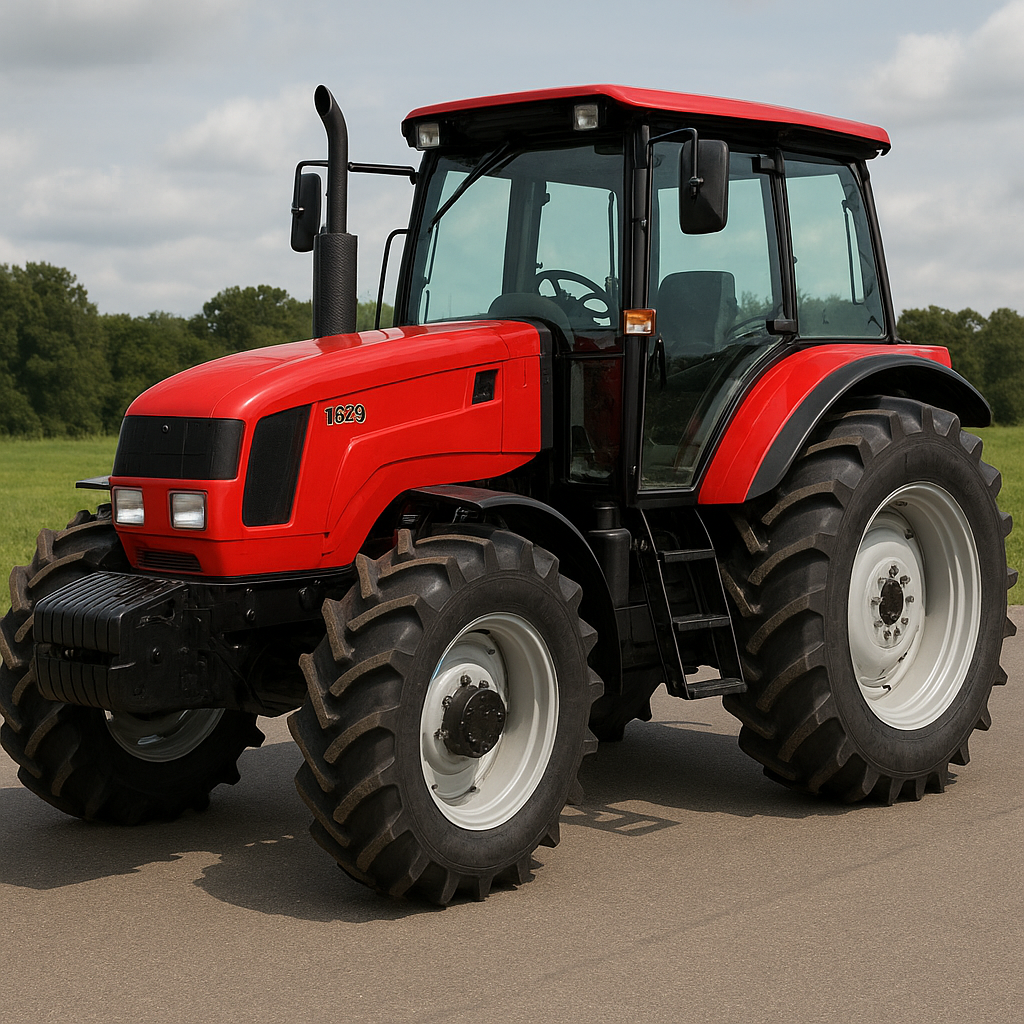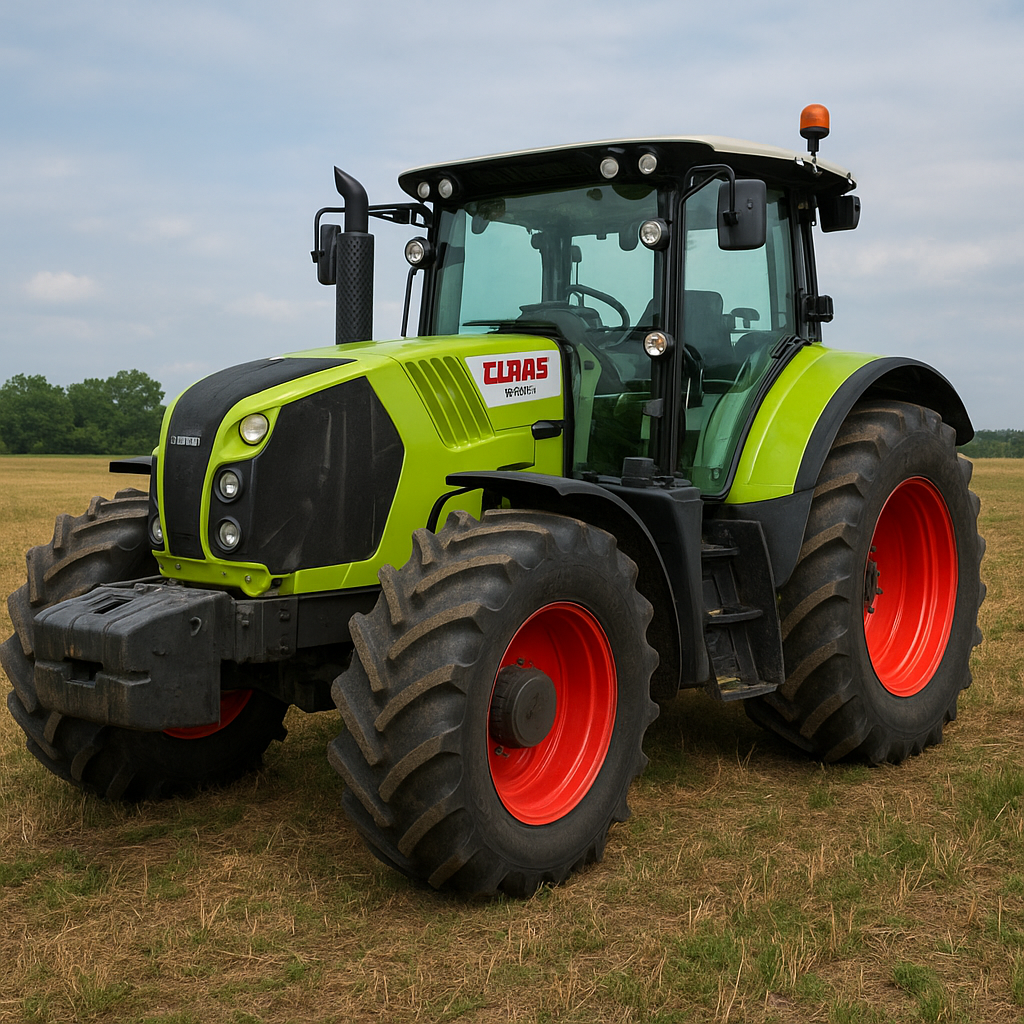
The Claas Arion 630 is a versatile modern tractor designed to serve a wide range of agricultural tasks, from light fieldwork to demanding loader operations. Built by the German manufacturer Claas, the Arion family blends practical reliability with contemporary technology. This article presents a detailed overview of the Arion 630: its technical characteristics, common applications, operator features, maintenance considerations and market position. Where exact values vary by year and configuration, approximate figures or typical ranges are provided to give a realistic picture.
Technical overview and key specifications
The Arion 630 sits in the mid-power segment of the Arion 600 series and is engineered for mixed farms, contractors and users who require a balance between comfort and capability. Depending on the model year and selected options, key traits can differ; below are representative specifications and important technical highlights that characterize the Arion 630 in most configurations.
Powertrain and performance
- Engine: typically a turbocharged diesel four-cylinder unit tuned for agricultural use. Emissions specification depends on the production year and market (Tier 4 / Stage IV or later engines often equipped with after-treatment).
- Rated power: commonly in the range of approximately horsepower 120–140 hp (roughly 90–104 kW) depending on tuning and ECO modes.
- Torque: strong mid-range torque delivery optimized for field work and PTO tasks. Peak torque values depend on engine mapping but are tuned for low-end pulling power.
- Transmission: available in multiple configurations—ranging from mechanical/powershift variants to continuously variable or stepped powershift transmissions—designed to match different operator preferences and task profiles. Transmission choice impacts fuel economy, ease of use and transport speed.
- Maximum road speed: commonly rated up to 40 km/h (25 mph) with appropriate gearing and options.
Hydraulics, PTO and linkage
- Hydraulic system: load-sensing pumps are typically used, with hydraulic flow capacities generally in the ballpark of 100–160 L/min depending on the hydraulic package chosen. This supports efficient operation of modern implements and loaders.
- PTO: standard rear PTO speeds include 540 and 1000 rpm, and economy (540E) options are often available for lower-speed, high-efficiency tasks. A front PTO is usually optional for front-mounted implements and loader-powered equipment.
- Three-point linkage: rear linkage lifting capacity is typically rated around 5,000–7,000 kg (11,000–15,500 lb) at the lower link ends, enabling the handling of heavy implements like ploughs, seed drills and large balers.
Dimensions, capacities and operator ergonomics
- Weight: kerb weight frequently lies between 4,200 and 5,500 kg, depending on configuration, ballast and added equipment.
- Fuel capacity: typical tank volumes range from 150 to 220 liters, sufficient for long operating days in the field without frequent refuelling.
- Cab: modern, quiet and ergonomically arranged cabs with good visibility, ventilation/air conditioning and high-grade seating options. Controls are organized to provide easy access to key functions; joystick and multifunction armrest options improve loader operation and implement control.
- Electrical/ISOBUS: many Arion 630 tractors can be equipped with ISOBUS compatibility and modern telematics packages to integrate implements and remote data logging.
Typical applications and operational roles
The Arion 630 is deliberately designed as a multipurpose machine. Its balance of power, lifting capacity and flexible transmission choices enables it to be used in many contexts across modern farms and contracting operations.
Field and tillage work
- Primary cultivation: suitable for medium-width ploughs and cultivators on small to medium farms. Its torque curve supports pulling heavy implements in varied soil conditions.
- Secondary tillage and seedbed preparation: its hydraulic responsiveness and balanced weight distribution make the Arion 630 effective when working with discs, harrows and seedbed rollers.
- Sowing and planting: compatible with mounted and trailed seed drills and precision planters, especially when fitted with guidance and ISOBUS systems for implement control.
Forage and harvesting support
- Mowing, raking and baling: sufficient PTO power and lift capacity to operate large balers, mowers and tedders on mixed farms.
- Transport: capable of carrying heavy trailers and forage wagons for on-farm transport of harvested crops; higher torque at low engine speeds helps in hillier terrain.
Loader, livestock and municipal tasks
- Front loader operation: the cab layout and hydraulic flow options make the Arion 630 ideal for loader duties—moving bales, feed, bedding and general materials handling around the farm.
- Livestock farm chores: robustness and maneuverability allow for repeated loader cycles, feeding tasks and slurry handling attachments (when emissions and materials compatibility are observed).
- Municipal and contractor tasks: with suitable attachments (snow blades, mowers, sweepers), the Arion 630 can be adapted for municipal maintenance and light contracting work.
Operator environment, electronics and efficiency
Claas places emphasis on operator comfort, intuitive controls and fuel-efficient operation across the Arion range. The Arion 630 incorporates features that support productivity and reduce operator fatigue during long working days.
Cab design and visibility
- Ergonomics: controls are arranged for quick access—multifunction armrest and joystick options are available to centralize frequently used functions and reduce operator movement.
- Visibility: a high-mounted cab, tapered hood and extensive glazing ensure good sightlines to front implements and loader attachments.
- Comfort features: heating, ventilation and optional climate control systems, air-suspended seats and noise insulation create a quiet, comfortable workspace.
Electronics, connectivity and precision farming
- ISOBUS and implement integration: Arion 630 models can be specified with ISOBUS compatibility, allowing seamless communication with modern implements for precision control and monitoring.
- Guidance and GPS: optional GPS-assisted steering systems and auto-guidance reduce overlap, save fuel and lower operator fatigue during repetitive tasks like sowing and spraying.
- Telematics: Claas offers telematics solutions for remote monitoring of machine status, position, service intervals and basic diagnostics—useful for fleet management and contracted work.
Fuel efficiency and environmental compliance
- Efficient engine mapping and transmission choices (including economy modes) allow operators to match performance to the task and reduce fuel consumption.
- Emissions: engines from recent years comply with regulatory stages (Stage IV / Tier 4 final or Stage V in some markets), using after-treatment systems to lower particulate and NOx emissions.
Maintenance, serviceability and total cost of ownership
For many buyers, long-term service costs and uptime are as important as upfront purchase price. The Arion 630 is engineered with service accessibility and proven components to lower operating overheads.
Routine maintenance
- Service access: daily checks and routine service points are positioned for easy access to reduce downtime during busy seasons.
- Intervals: oil and filter change intervals are designed in line with modern industry standards. Operators should follow the manufacturer’s service schedule for best results.
Reliability and parts availability
- Robust components: Claas uses proven driveline and hydraulic components designed for sustained agricultural workloads.
- Parts network: a broad dealer and parts network across Europe and many other regions ensures replacement parts and technical support are accessible—important for contractors who depend on continuous operation.
Resale value and depreciation
Tractors in the mid-power segment that combine brand recognition, service support and flexible capability, like the Arion 630, typically maintain respectable resale values. Actual depreciation depends on hours, maintenance history, market conditions and optional equipment fitted.
Customization, attachments and optional equipment
One of the strengths of the Arion 630 is the breadth of optional equipment and attachments, enabling owners to configure machines specifically for their farm operation.
- Front loaders: several loader models with different lift heights and capacities are compatible, making the tractor a capable handler of bales, pallets and feed.
- Front linkage and PTO: these enable front-mounted implements—snow blowers, mowers or front blades—to be used effectively.
- Precision farming packages: from guidance receivers to full ISOBUS control and telematics subscriptions, owners can scale sophistication to match investment capability.
- Comfort and safety options: upgraded seats, panoramic roof windows, lighting packages for long working hours and advanced camera systems for improved visibility.
Market position and comparative considerations
Within its class, the Arion 630 competes with mid-range tractors from other European and global manufacturers. Its advantages are typically described as a strong combination of practical capability, cab comfort and reliable hydraulics, backed by Claas’ dealer network.
Why farmers choose the Arion 630
- Versatility: able to handle a broad spectrum of tasks from loader work to field implements.
- Comfort: modern cab features reduce operator fatigue and improve productivity.
- Support: strong aftersales and parts availability in many regions.
Considerations when choosing
- Transmission preference: buyers should evaluate the transmission variants available (powershift vs. CVT or other stepped transmissions) against their typical tasks.
- Hydraulic flow: ensure the hydraulic package supports high-flow implements if intensive loader or hydraulic-driven tools are used.
- Fuel and emissions regulations: verify local emissions compliance and the implications for maintenance and fuel quality.
Safety, operator training and best practices
Safe operation increases the lifetime value of machinery and protects people on the farm. Claas equips the Arion 630 with safety features typical for modern tractors, but operator training and sensible practices remain central.
- Operator training: familiarize operators with controls, PTO engagement procedures and loader safety. A short training session when a new operator starts can prevent accidents and reduce damage.
- Routine inspections: regular visual checks of brakes, steering, tires and hydraulics can detect wear before failures occur.
- Implement compatibility: verify that implements are matched to tractor capacity (linkage capacity, PTO rating and hydraulic flow) to prevent overloads and avoid unsafe operation.
Summary and outlook
The Arion 630 is a practical, well-rounded agricultural machine that suits a wide range of operators—from mixed-family farms to small contractors—seeking a balance of power, comfort and modern functionality. With configurable transmission, robust hydraulics and options for precision farming and telematics, it remains a competitive offering in its segment.
When considering an Arion 630, evaluate the precise specifications for the production year and selected options, especially engine emissions class, transmission type and hydraulic flow rates. These variables determine how well the tractor will fit specific tasks, influence operating costs and affect long-term resale value. Properly specified and maintained, the Arion 630 can be a highly productive asset delivering years of reliable service.
Note:
Technical figures quoted in this article are representative ranges; for exact specifications, test data and option lists, consult the official Claas documentation for the specific model year or contact an authorized Claas dealer. Market details and optional equipment availability may vary by country and year.