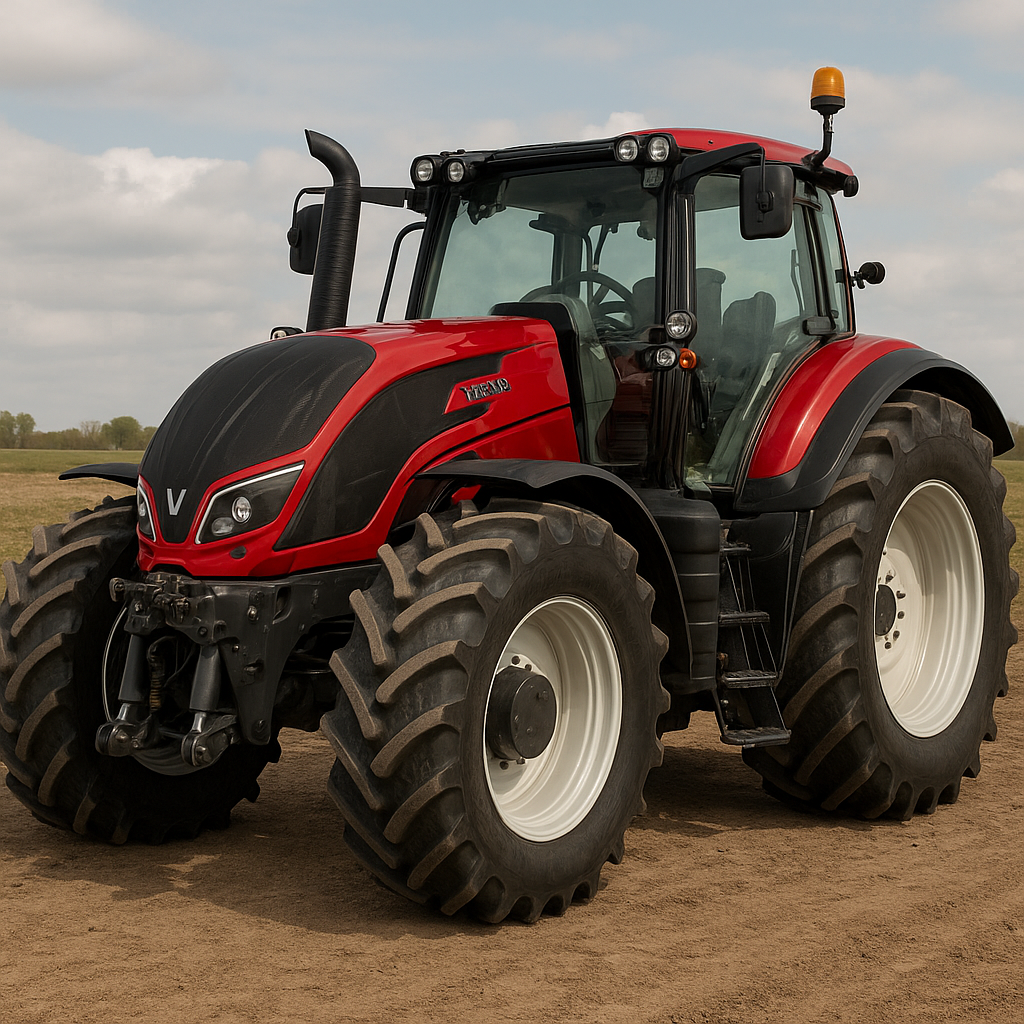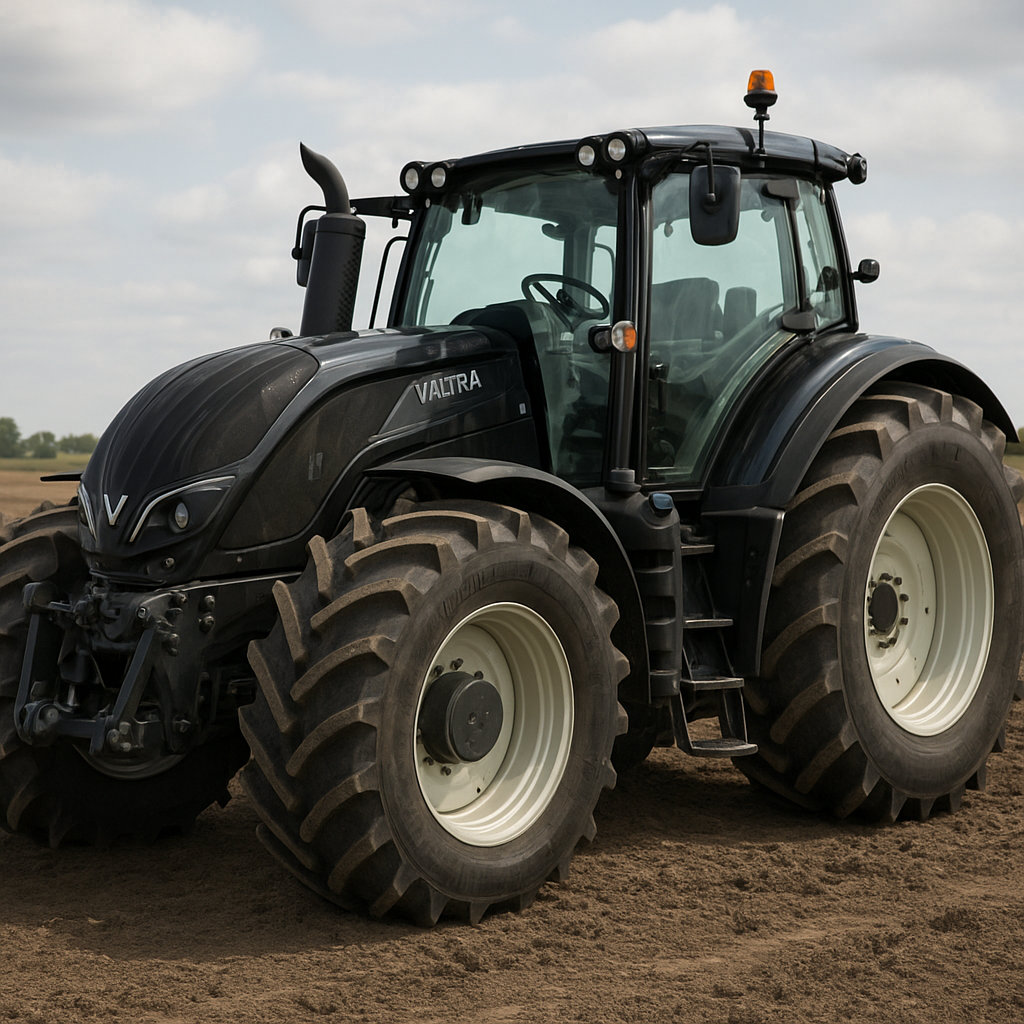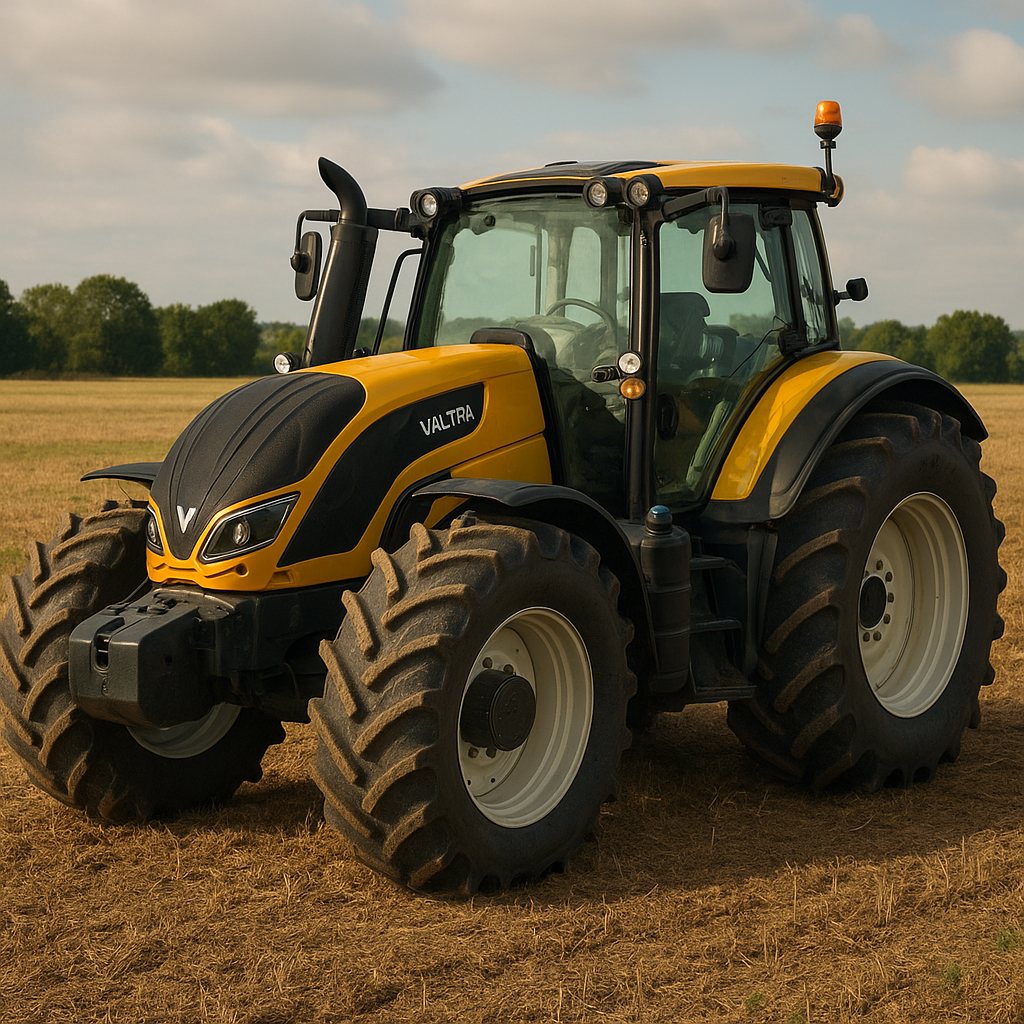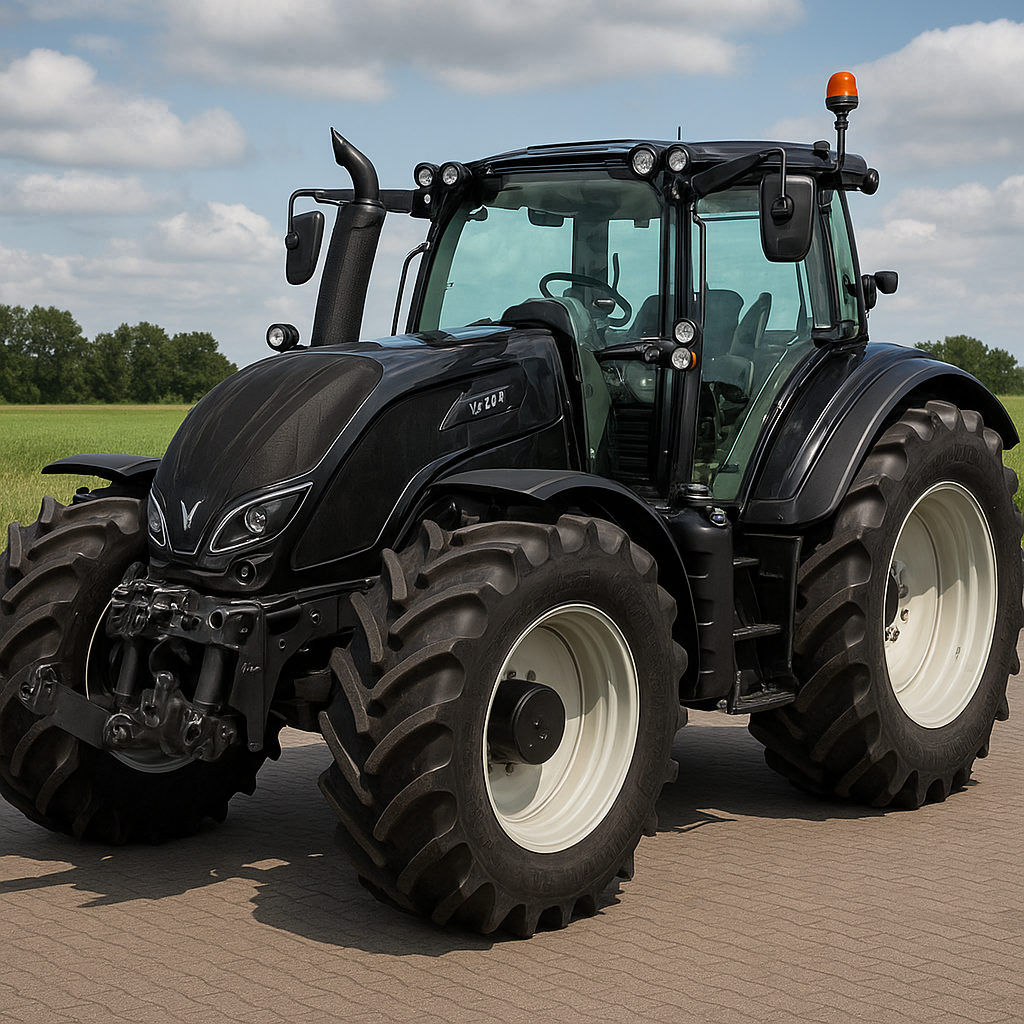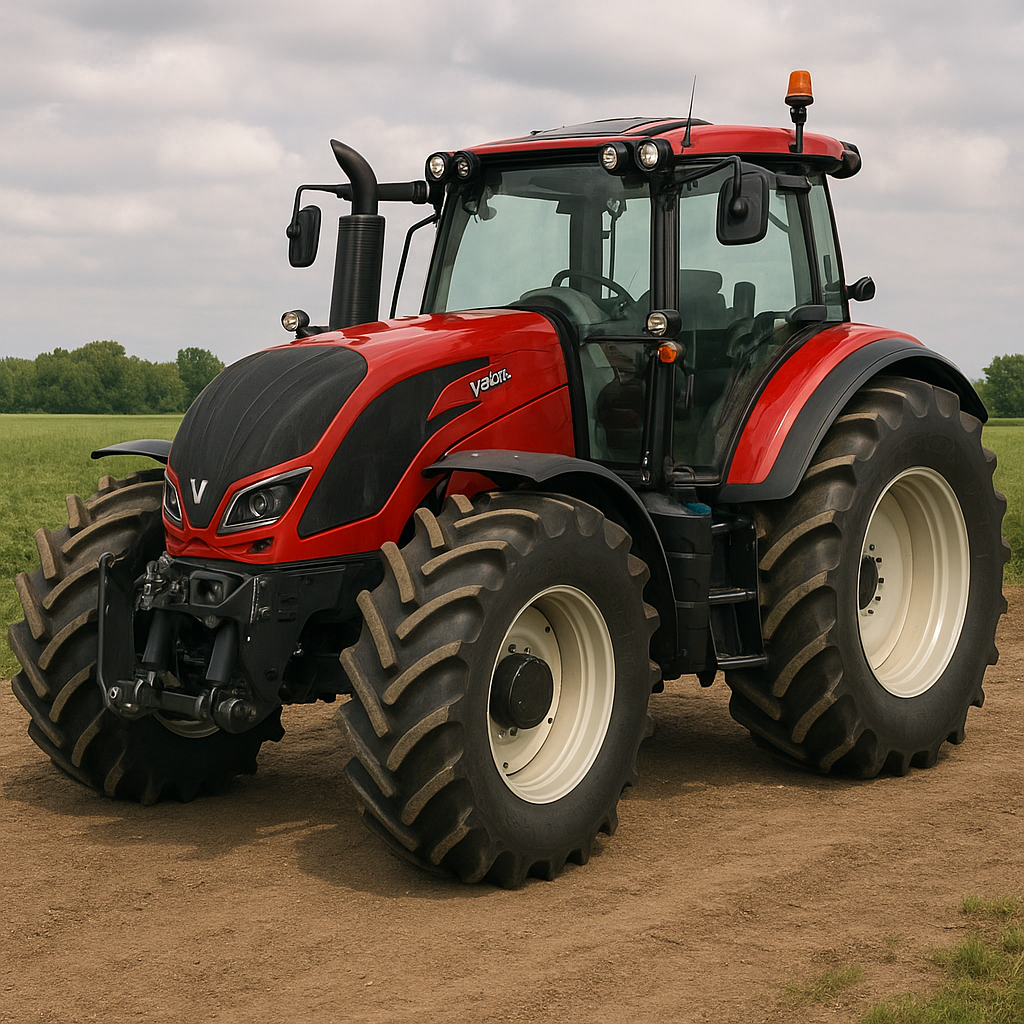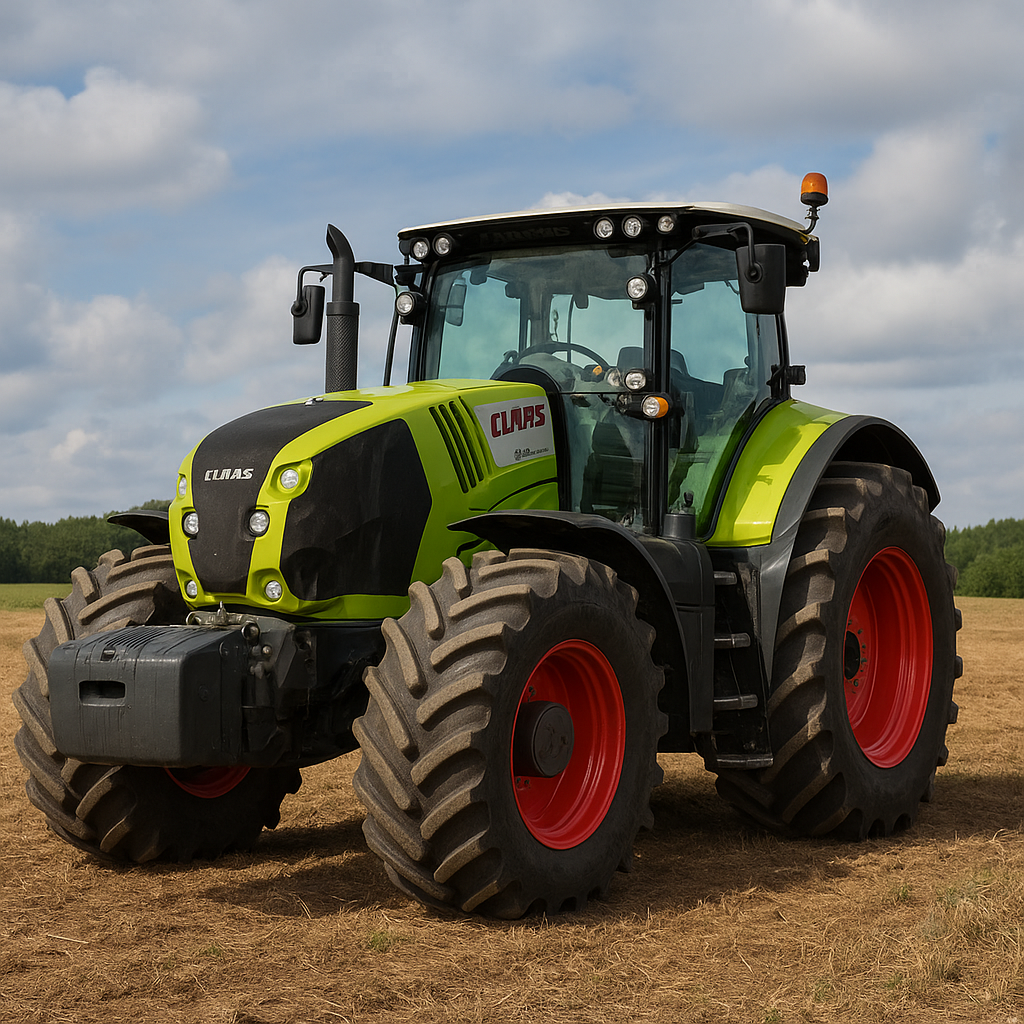
The Claas Axion 800 represents a modern class of agricultural tractor designed to combine high performance with operator comfort and versatile utility. Introduced by Claas in the mid-2010s as part of its Axion family, the Axion 800 line addresses the needs of large mixed farms, contract work, and specialized applications that demand steady power, advanced hydraulics, and reliable electronics. In the sections that follow, we will explore the tractor’s key characteristics, typical applications, technical and operational features, maintenance considerations, and market context, providing a comprehensive picture of what makes the Axion 800 a noteworthy tool for modern farming.
Overview and design philosophy
The Claas Axion 800 is built around a philosophy of combining strong mechanical roots with up-to-date agricultural technology. The series was developed to serve farmers and contractors who require a medium-to-high horsepower machine that can operate across a wide range of tasks, from heavy tillage to precision seeding and transport work. Claas emphasized a balance of power, efficiency, and operator ergonomics in the Axion 800, resulting in a tractor that is well-suited to long working days and varied implements.
Key design elements of the Axion 800 include a robust chassis for heavy-duty operations, a refined cab for reduced operator fatigue, and modular systems for hydraulics and electronics that allow end users to match the tractor to their specific needs. While Claas has traditionally been known for combines and forage harvesters, the Axion series exemplifies the company’s commitment to full-line agricultural machinery, incorporating knowledge gained in other equipment sectors to optimize reliability and serviceability.
Technical features and powertrain
The Axion 800 series is offered with a range of engine options and driveline configurations intended to cover diverse power requirements. Although exact specifications can vary by year and market, typical characteristics include a horsepower range intended for the 200–300+ hp segment, with engines tuned to deliver strong low-end torque for fieldwork. Claas employs modern diesel engines with common-rail fuel systems and exhaust aftertreatment to meet contemporary emissions standards.
Transmission and driveline
One of the Axion 800’s most important technical features is its transmission choice. Claas provides several gearbox and transmission solutions across its tractors; for the Axion 800, users can expect options that prioritize smooth power delivery and adaptability between field and road work. This includes advanced continuously variable or stepless-like transmissions in higher-spec variants, as well as power-shift or automated transmissions in other configurations. The aim is to deliver seamless acceleration, minimal interruptions under load, and optimized fuel consumption.
Hydraulics, PTO and lifting capacity
The hydraulic system on the Axion 800 is sized to support modern implements. Multiple hydraulic circuit options and high-flow pumps enable demanding implements—such as seed drills, sprayers, and front-mounted loaders—to be operated efficiently. PTO options typically include standard speeds (e.g., 540/1000 rpm) and the tractor provides a robust rear linkage with significant lifting capacity for heavy mounted tools. For many applications, additional front linkage and front PTO capabilities are available, increasing versatility.
Cab, comfort and controls
Cab design is a key selling point for the Axion 800: Claas has integrated ergonomic controls, generous visibility, and noise-reducing measures to create a productive work environment. The tractor commonly features a joystick or multi-function armrest for implement control, integrated terminal displays for machine and implement management, and advanced climate control. The combination of a suspended cab and optional chassis suspension helps smooth the ride over rough fields and while transporting loads on public roads.
Applications and use cases
The Claas Axion 800 is used across a wide array of agricultural tasks. Its combination of power, hydraulics, and PTO capability makes it particularly well-suited for:
- Primary tillage: pulling large ploughs, disc harrows and cultivating equipment across broad acreage.
- Seeding and planting: powering large seed drills and precision planters that require steady hydraulic flow and stable ground speed.
- Spraying and fertilizing: providing consistent power for mounted or trailed sprayers, often with front-axle ballast for improved traction and stability.
- Forage and baling operations: towing heavy balers, mowers, and forage wagons in combination with high-capacity hydraulics and PTO output.
- Transport and logistics: towing trailers, grain carts, or slurry applicators between fields and on public roads with comfortable cab amenities for long drives.
- Specialized tasks: forestry work, municipal duties, and other non-field roles where a reliable, powerful tractor is advantageous.
Contractors value the Axion 800 for its adaptability: a single tractor can be configured to complete a wide schedule of jobs across a large operation, reducing the need for multiple specialized units.
Advanced electronics and precision agriculture
Modern farming increasingly relies on precision technologies, and the Axion 800 supports a variety of electronic solutions to improve efficiency and reduce input costs. Claas integrated systems in the Axion series include GPS-compatible guidance systems, ISOBUS compatibility for seamless implement control, and on-board terminals for real-time monitoring. These systems can enable:
- Auto-guidance and section control to reduce overlaps and minimize chemical or seed waste.
- Variable-rate application via ISOBUS-capable controllers, enabling site-specific input management.
- Telematics and fleet management tools for remote monitoring of machine location, fuel use, and service alerts.
With such capabilities, the Axion 800 can be part of a precision ag ecosystem, improving yield outcomes while lowering per-hectare expenditures.
Performance, fuel economy and operating costs
In the field, operators often evaluate tractors based on power delivery, fuel consumption, and overall cost of ownership. The Axion 800’s engines are tuned for efficient torque delivery at relatively low engine speeds, which helps reduce fuel consumption under load. Transmission options that allow seamless gear selection or stepless operation further enhance fuel economy by keeping the engine in its optimal torque band.
Operating costs are influenced by factors such as service intervals, parts availability, and resale value. Claas, being a major manufacturer with a broad dealer network, typically offers good parts support and service infrastructure in many markets. The initial purchase price may be higher than budget models, but many users find that improved uptime and lower per-hour operating costs justify the investment over the life of the machine.
Maintenance, serviceability and reliability
For contractors and farmers alike, downtime is costly. Claas designed the Axion 800 with accessibility in mind—routine service points are generally easy to reach, and modular components simplify many repairs. Standard maintenance items include engine oil and filter changes, air and fuel filter replacements, hydraulic fluid checks, and inspection of driveline components. Many owners report that adherence to recommended maintenance schedules keeps the machines running reliably for thousands of operating hours.
Optional service packages from dealers can cover scheduled maintenance and reduce unexpected repair bills. The availability of telematics and diagnostic tools also supports remote troubleshooting, enabling technicians to identify issues before they result in prolonged downtime.
Customization and attachments
One of the strengths of the Axion 800 is the extensive list of compatible implements and optional features. Customers can choose from different tires and wheel configurations, front weights and ballast options, diverse hydraulic fittings, and telematics packages. Common attachments include front loaders, pallet forks, snowploughs, large seed drills, and specialized tools for conservation tillage.
Customization helps tailor the tractor to farm size and crop type. For example, row-crop operations might prioritize narrow tires and precise guidance systems, whereas livestock farms might prioritize loader capability and front linkage options for silage handling.
Market position and reception
The Axion 800 competes in a crowded mid-to-high horsepower market alongside offerings from other major manufacturers. Claas’s reputation for combine and forage harvester technology gives the company credibility in terms of engineering and field-proven design. Market reception has generally been positive, with users praising the tractor for its balance of comfort, hydraulics, and versatility. Dealers often highlight the cab ergonomics and intuitive controls as important differentiators for operators spending long hours in the seat.
Globally, Claas maintains a strong presence in Europe and is active in many other regions through dealer networks. While sales figures vary year by year and by model configuration, the Axion series has contributed to Claas’s position among full-line manufacturers in the agricultural machinery market.
Practical considerations when choosing an Axion 800
Prospective buyers should consider several factors when evaluating the Axion 800 for their operation:
- Power needs: match engine output and torque characteristics to the heaviest implements you will run.
- Transmission preference: choose a transmission that suits your mix of field and road work and operator preference.
- Hydraulic flow: ensure the tractor’s hydraulic capacity supports the demands of mounted and trailed equipment.
- Cab and comfort options: if operators face long shifts, prioritize suspension, seating, and noise reduction.
- Precision ag integration: verify ISOBUS and guidance compatibility for your existing implements and software.
- Service and support: check local dealer capabilities for parts, maintenance, and warranty coverage.
Environmental considerations and emissions
The Axion 800 line conforms to contemporary emissions regulations applicable to the markets where it is sold, using modern aftertreatment systems to reduce particulate and NOx emissions. Fuel efficiency improvements and electronic engine management contribute to lower emissions per hectare when compared with older tractors. For farms focused on sustainability, the ability to use precise application techniques (enabled by the tractor’s electronics) reduces waste and can lower overall environmental footprint.
Summary and conclusion
The Claas Axion 800 is a multifaceted agricultural machine aimed at professional users who require a dependable, adaptable, and comfortable tractor for a wide variety of tasks. With emphasis on power, hydraulics, and operator comfort, plus integration of modern electronics for precision farming, it stands out as a solid choice in its class. While specific technical figures can vary with model year and regional configuration, typical buyers can expect a machine capable of handling intensive tillage, seeding, spraying, and transport roles with competitive operating costs and service support. As agriculture continues to evolve, tractors like the Axion 800—built to blend mechanical strength with digital capabilities—remain central to productive and efficient farm operations.
Note: For detailed specs (exact horsepower per model, hydraulic flow rates, weights, and dimensions), consult the official Claas documentation or a local dealer, as configurations differ by market and model year.