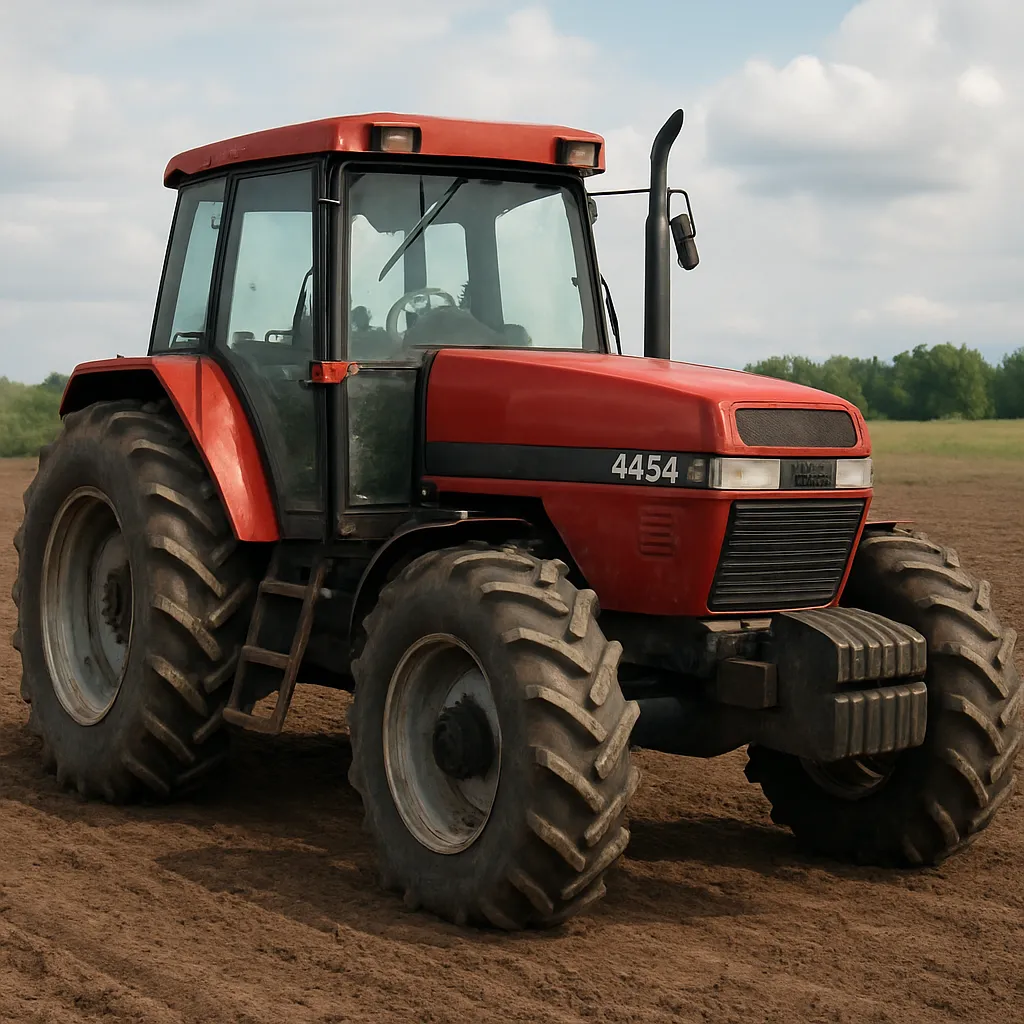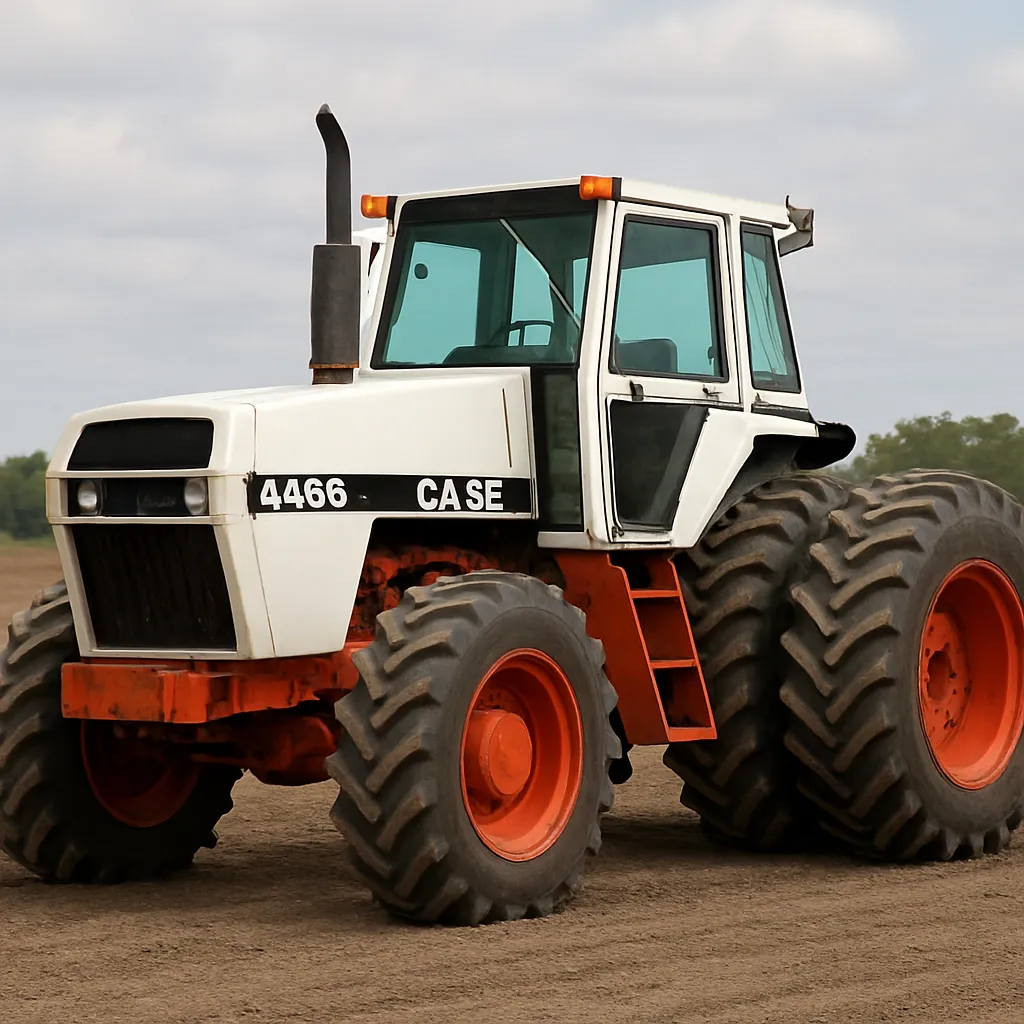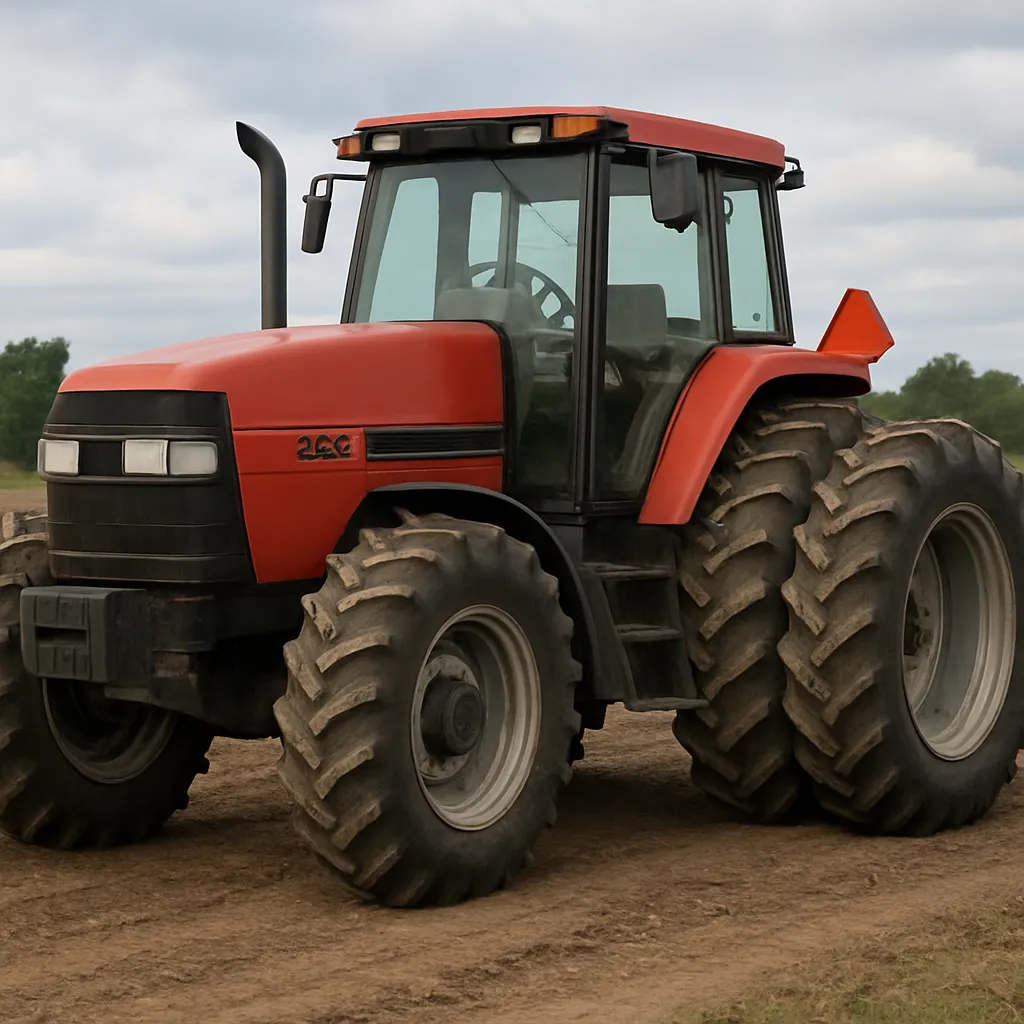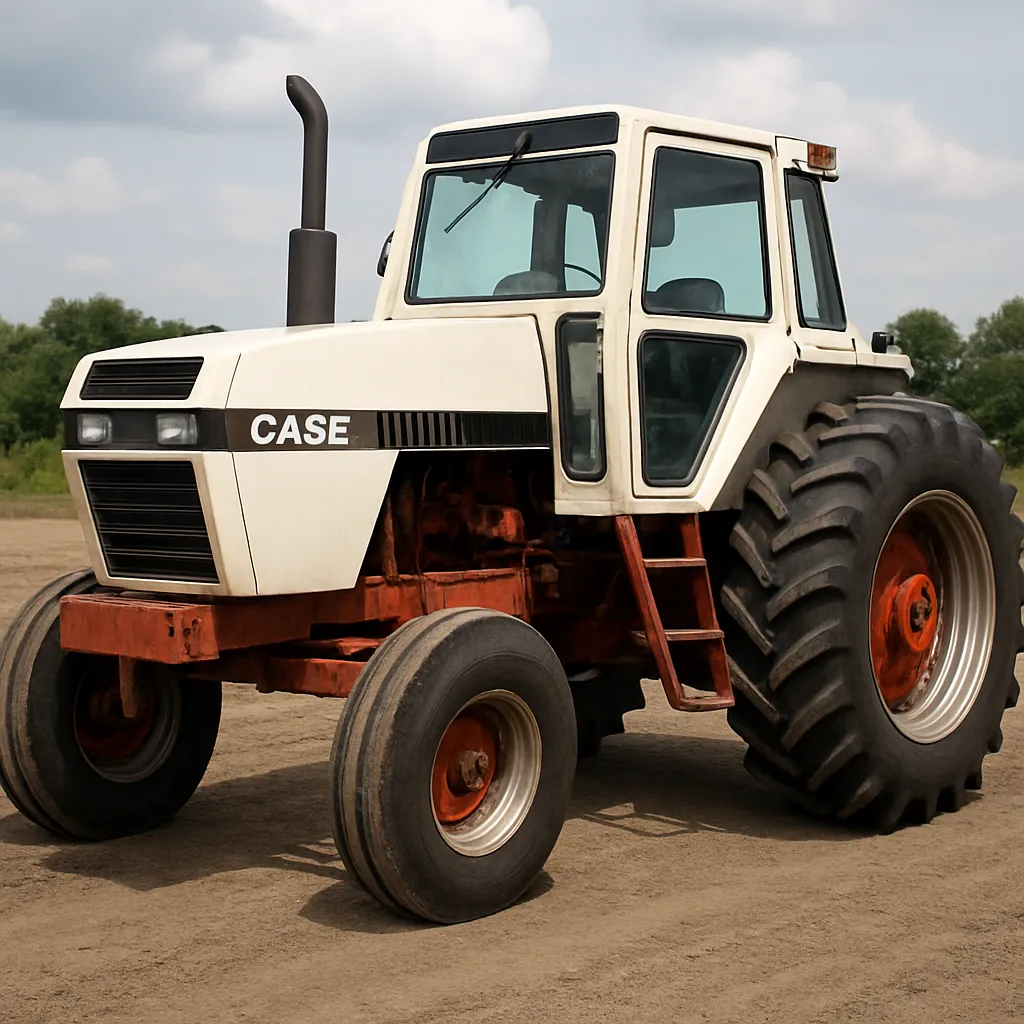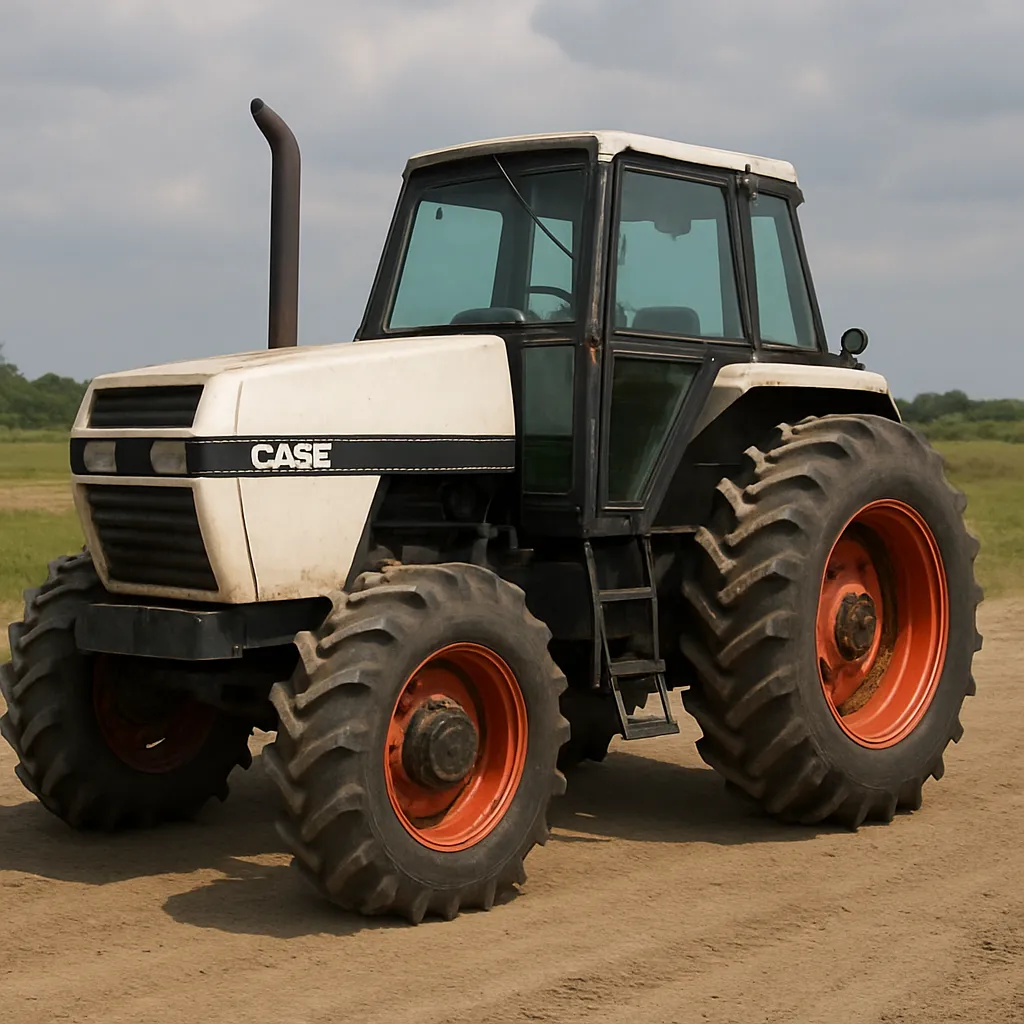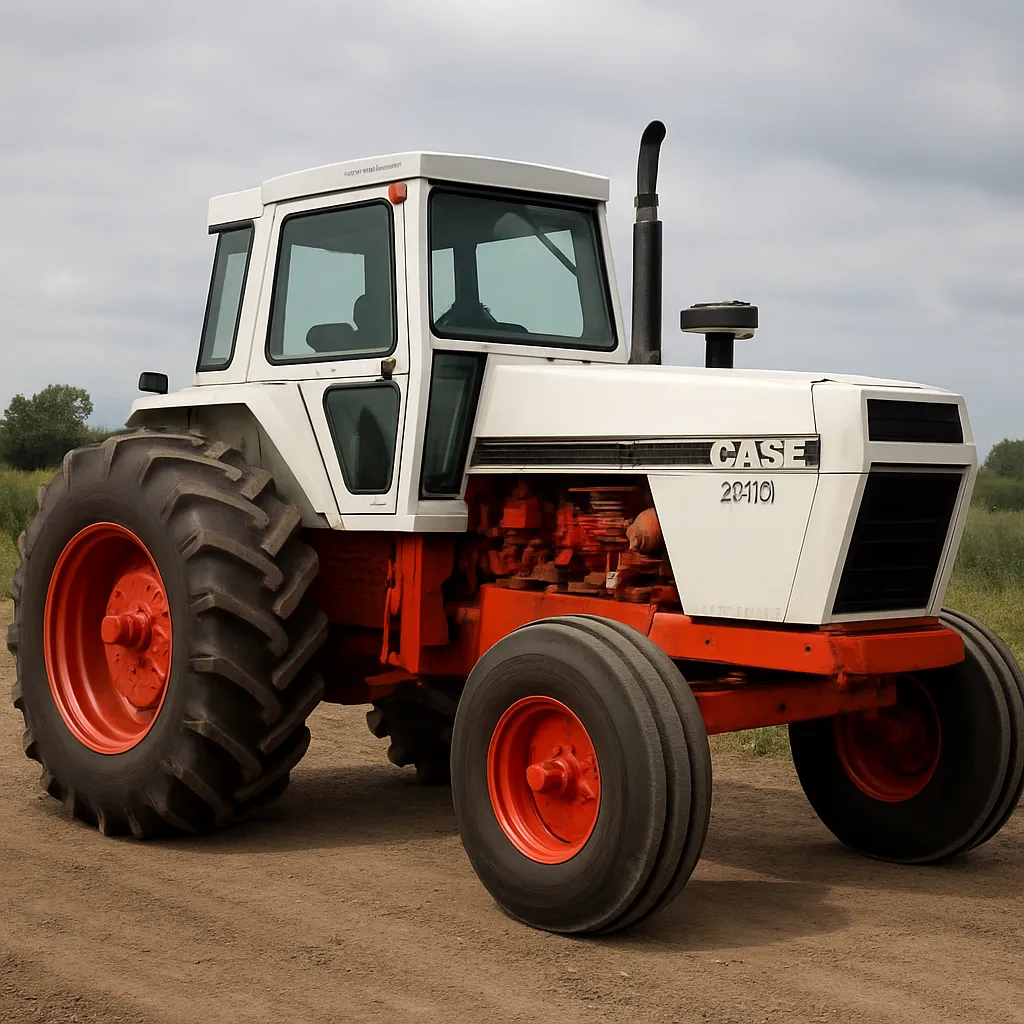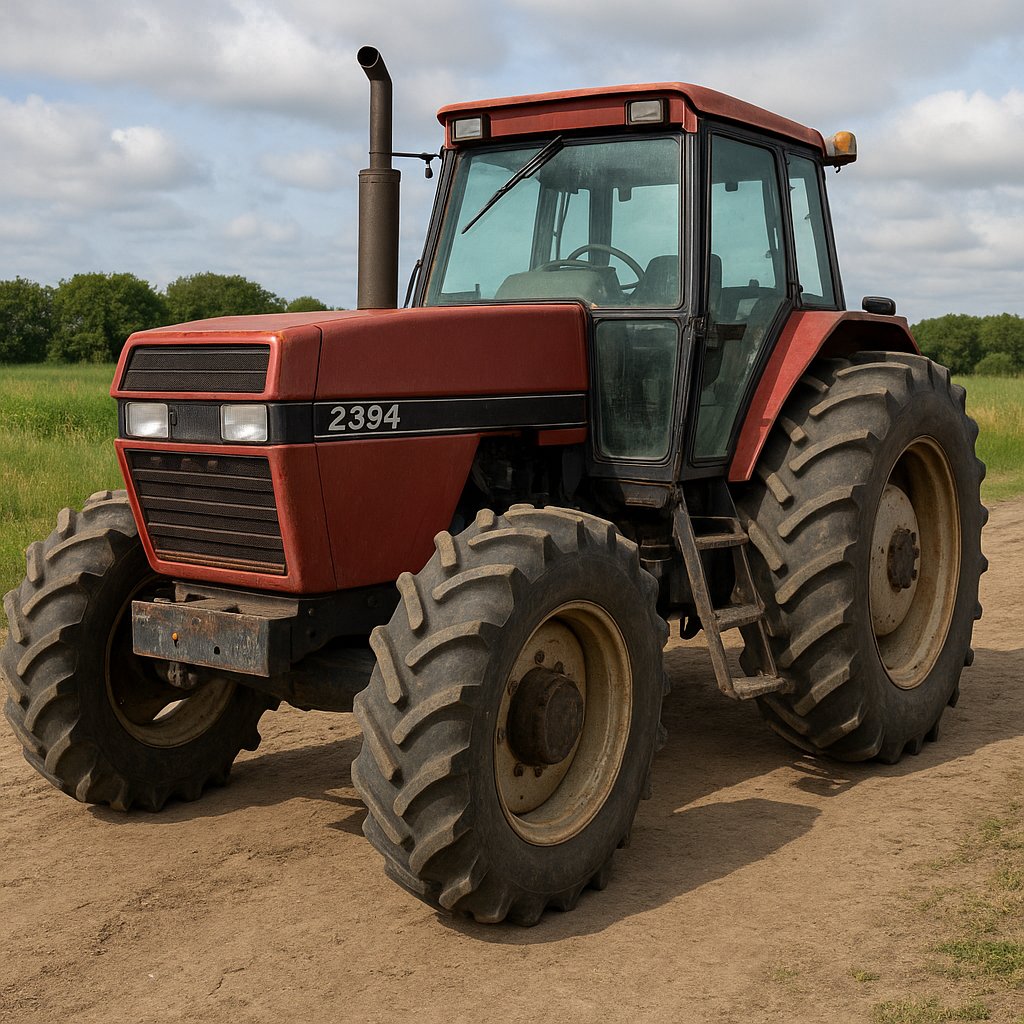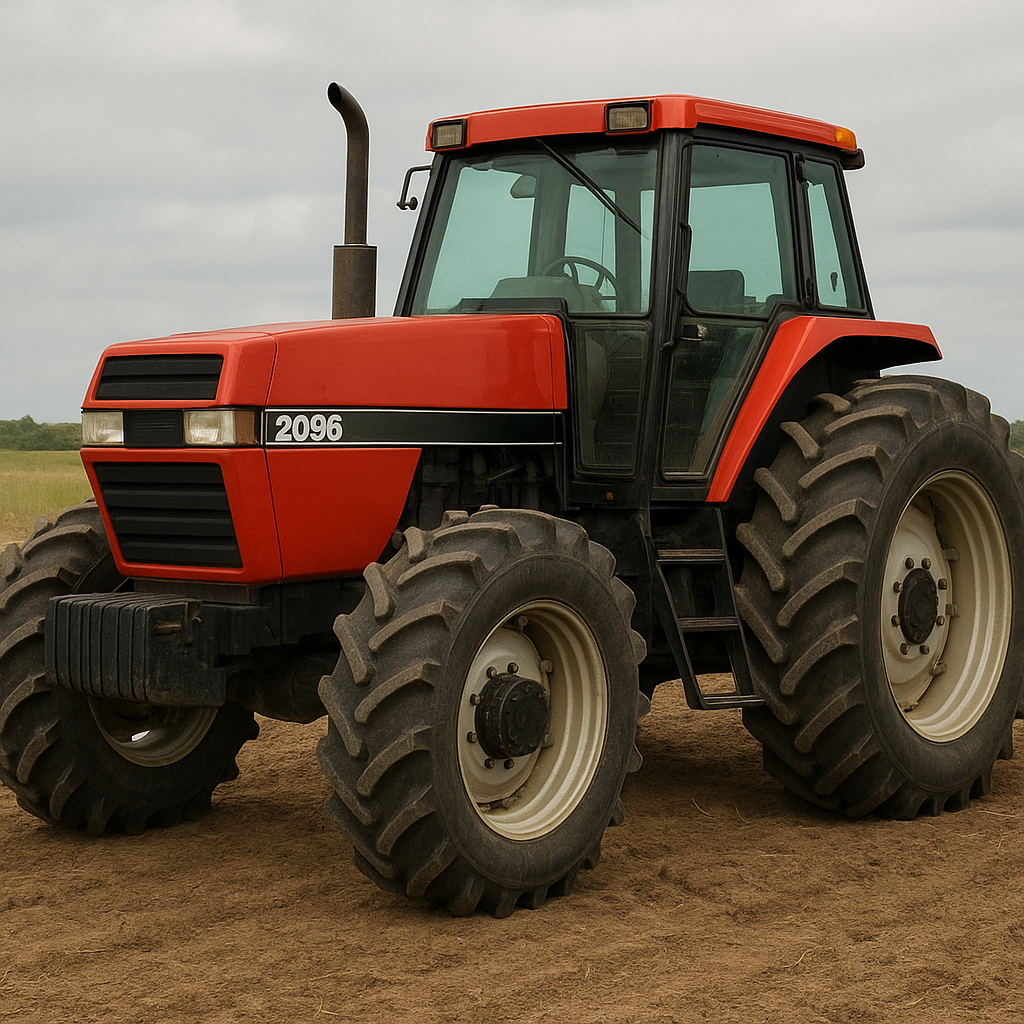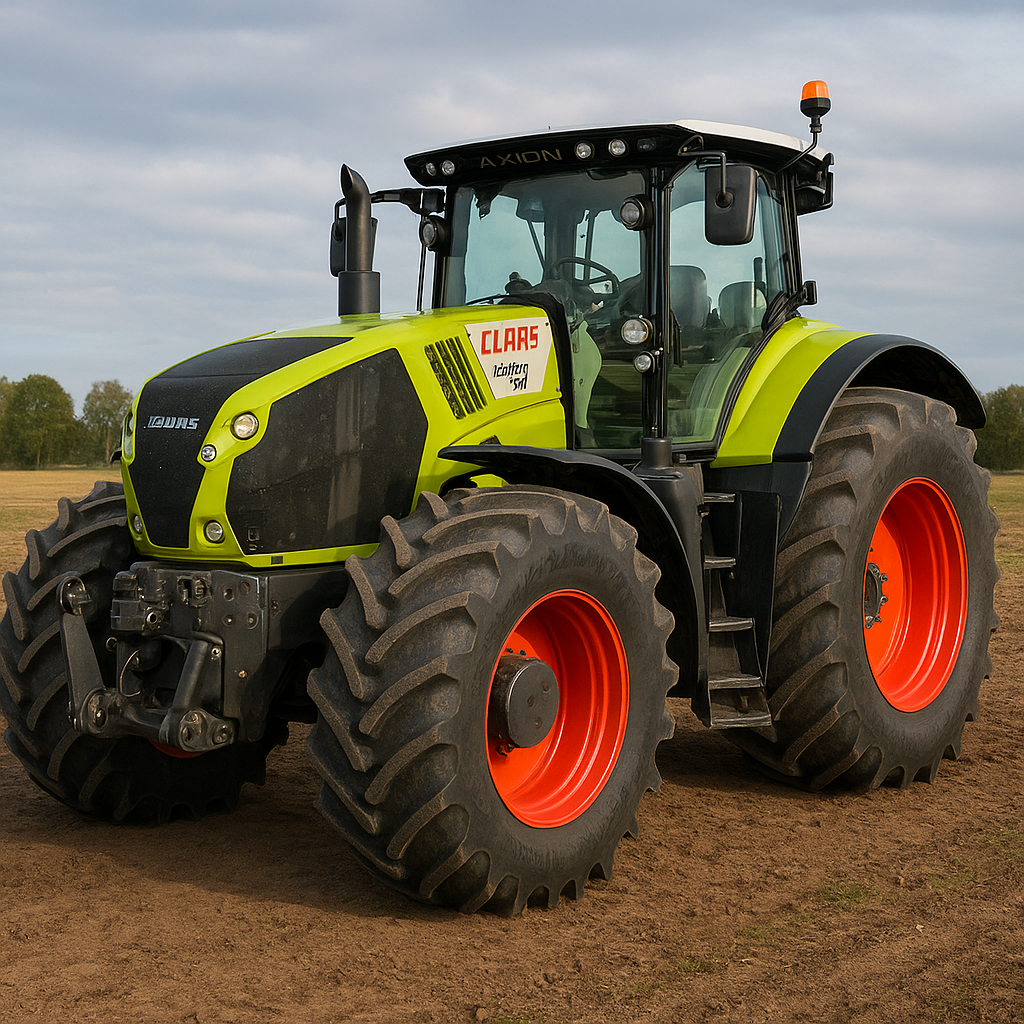
The Claas Axion 950 is a flagship agricultural machine designed to meet the demands of large-scale farming and specialized heavy‑duty fieldwork. Combining robust mechanical design, modern electronics and operator comfort, the Axion 950 occupies a prominent place among high‑power row‑crop and arable tractors. In the following sections we will outline its general characteristics, typical technical data (where available and varying by configuration), main areas of application, operator features and practical considerations for owners and fleet managers.
Overview and design philosophy
The Claas Axion 950 is built around a clear commitment to high performance, reliability and versatility. Claas, a German agricultural machinery manufacturer with strong roots in combine harvester and tractor technology, positioned the Axion 900 series to serve farms and contractors that require continuous high output over long working days. The Axion 950 in particular aims to balance raw pulling power with efficient fuel consumption and operator ergonomics.
The machine is characterized by a sturdy chassis, heavy‑duty axles and a powerful driven rear linkage. Key areas of focus in the design include driveline efficiency, hydraulic capacity and modular electronics that allow the tractor to be adapted to a wide variety of tasks from primary tillage to transport and high‑capacity seeding or spraying. Claas integrates its own user interfaces and telematics options to support precision farming workflows.
Typical technical specifications (approximate and variable)
Tractor specifications for the Axion 950 can differ by model year, market and optional equipment. The values below are representative ranges and should be confirmed against the exact model and configuration you intend to purchase or operate.
- Engine power: approximately 300–380 horsepower (rated power dependent on boost and factory tuning).
- Engine type: 6‑cylinder diesel with modern common‑rail injection and exhaust aftertreatment to meet contemporary emissions standards (varies by region: Stage IV/Stage V/EU Tier equivalents).
- Maximum torque: typically high torque figures across a broad rpm range to support heavy draft work (torque reserve and peak torque figures depend on engine tuning).
- Transmission options: advanced transmissions including continuously variable or multi‑range power shift solutions intended to provide smooth, step‑less or near‑stepless operation for load management and transport efficiency.
- Hydraulic system: high‑flow hydraulic pumps with flow rates often ranging from around 160 to over 210 liters per minute in high‑spec configurations; multiple remote valves available for implements.
- Rear linkage capacity: lifting capacities suitable for large implements, commonly in the range of several tonnes (often up to ~10,000 kg in heavy configurations).
- PTO speeds: standard PTO speeds (540/540E/1000 rpm) with electro‑hydraulic engagement and optional economy PTO modes.
- Gross vehicle weight and axle load: robust gross weights for traction and stability; exact figures depend on tyre/tracks and options.
- Fuel and AdBlue systems: tanks sized for long operating periods, supported by selective catalytic reduction (SCR) for emissions control in modern engine variants.
- Cab features: soundproofing, climate control, ergonomic seating and joystick controls combined with Claas user interfaces such as CEBIS or touchscreen consoles and integrated telematics options.
Applications and practical use cases
The Claas Axion 950 is aimed at high‑productivity operations. Typical applications include:
- Primary tillage — pulling large ploughs, discs or heavy cultivators over extensive hectares where continuous high tractive effort is required.
- Seeding and planting — powering high‑capacity seed drills and planters, particularly where hydraulically driven metering systems and high transport speeds are needed.
- Spraying and spreading — towing large booms and high‑volume tanks on flat or rolling terrain, where stable power delivery and precise speed control improve chemical application accuracy.
- Baling and forage — driving large balers, forage wagons or harvest support equipment that demand high PTO power and strong hydraulics.
- Transport and logistics — road and yard transport of heavy loads; the tractor’s driveline and braking systems are designed for safe, efficient movement in transport tasks.
- Contracting work — contractors appreciate the machine for its versatility and ability to switch between implements quickly while maintaining uptime during long contracts.
Because of its power and flexibility, the Axion 950 is often used on large commercial farms, agricultural contractors, and mixed operations that must cover large acreages with limited machine fleets.
Operator environment and controls
Claas places a strong emphasis on operator comfort and intuitive controls. The Axion 950 cab combines low noise levels, excellent visibility and ergonomic layouts to reduce operator fatigue during long shifts. Typical features include:
- Adjustable air‑suspension seating and armrests designed for extended comfort.
- Multi‑function joystick(s) to control driving speed, direction, loader or implement functions without the operator having to move from the seat.
- Centralized electronic displays such as CEBIS (Claas Electronic on‑Board Information System) or other touchscreen consoles that aggregate engine, transmission, hydraulics and implement data.
- Integrated GPS and guidance readiness for precision farming — many Axion models are equipped or prepared for ISOBUS compatibility, auto‑steer and documentation systems.
- Climate control, excellent sightlines for implements and optional panoramic roofs or cameras for rear visibility when performing hitching and heavy rear implement tasks.
These features are intended to make the machine easy to operate under a variety of conditions, reduce the learning curve for drivers and improve operational consistency across different operators.
Hydraulics, hitching and implement integration
One of the Axion 950’s strengths is the flexible implement integration and powerful hydraulic system. High flow rates support several simultaneous hydraulic consumers, such as seeding units and folding sprayer booms. The rear linkage is designed for heavy implements and for ease of hitching, while front linkage options expand the machine’s use with front‑mounted equipment and loaders.
- ISOBUS compatibility — ensures control of many modern implements through the tractor’s onboard terminal, simplifying setup and reducing the need for extra control boxes.
- Rear and front PTOs — multiple PTO speed options and economy settings to match implement requirements and reduce fuel consumption at lower ground speeds.
- Electronic spool valves — proportional control, float positions and memory settings allow rapid adaptation to implement needs.
Fuel efficiency and emissions
Fuel efficiency is a major consideration with high‑power tractors. Claas designs engines and transmissions to deliver favorable specific fuel consumption figures under typical working loads. Modern engine variants incorporate advanced fuel injection, turbocharging and exhaust aftertreatment (such as SCR) to meet emissions requirements while maintaining efficiency.
Real‑world fuel consumption depends heavily on task, load, field conditions and operator behaviour. Examples of influencing factors include soil type in tillage, gear selection and the degree to which the tractor operates in the engine’s most efficient torque band. Proper matching of implement size to tractor power and using technologies like automatic engine management and appropriate gear selection can materially reduce fuel use over a season.
Telematics, precision farming and data
Claas offers telematics solutions that allow fleet managers and operators to monitor tractor location, fuel consumption, operating hours and service alerts remotely. Integration with precision farming systems enables automatic section control, variable-rate applications and documentation for compliance and yield mapping when combined with implements and sensors.
- Remote monitoring of machine health and performance helps reduce downtime by enabling predictive maintenance and faster diagnostics.
- Data from field operations can be exported or integrated into farm management information systems (FMIS), improving planning and traceability.
- Auto‑steer capability reduces overlap and optimizes field coverage, directly translating into input savings and yield consistency.
Maintenance, serviceability and total cost of ownership
Serviceability is an important part of the Axion 950’s design. Accessible service points, modular components and dealer support networks help minimize downtime. Key considerations for owners and fleet managers include:
- Scheduled maintenance intervals for oil, filters and hydraulic systems — adherence keeps operating costs predictable and extends component life.
- Availability of aftermarket parts and local dealer support for rapid repairs.
- Resale value — well‑maintained, high‑spec Axion tractors retain value within the marketplace for large farm equipment.
- Operator training — consistent training reduces misuse and wear, improving overall fleet economics.
While initial acquisition cost for a high‑power tractor like the Axion 950 is substantial, owners often find total cost of ownership favourable when factoring in productivity gains, reduced downtime and long service intervals compared to older machines with lower efficiency.
Comparative position in the market
The Axion 950 competes with high‑horsepower tractors from other major manufacturers. Where it tends to stand out is the balance between operator comfort, Claas electronics and telematics integration, and a chassis designed for heavy implements. Buyers typically evaluate:
- Power and torque delivery in real tasks rather than only headline horsepower numbers.
- Transmission type and how it affects fuel use, transport speed and implement control.
- Hydraulic capacity and hitch lifting power for the implements they run most frequently.
- After‑sales service and local dealer networks for parts, software updates and repairs.
Contractors often prioritise machines that minimise downtime and provide consistent service across various tasks; large producers may emphasise fuel efficiency and precision farming compatibility.
Safety, regulations and environmental considerations
Modern variants of the Axion 950 are built to comply with regulatory standards covering emissions, operator safety and noise. Features that promote safe operation include effective braking systems, good visibility, integrated lighting packages for night work and optional camera systems. Environmental considerations often include:
- Reduced emissions through aftertreatment systems (e.g., SCR) and engine management that meet current regional standards.
- Ability to run implements at efficient ground speeds to reduce repeated passes over fields, limiting soil compaction and saving fuel.
- Telematics and precision systems that lower input use by enabling accurate application of seed, fertiliser and crop protection products.
Practical buying and operating tips
If you are considering acquiring an Axion 950 or similar high‑power tractor, consider the following practical points:
- Match implement size to tractor capability — oversized implements can reduce efficiency; undersized ones underutilise the tractor’s capacity.
- Evaluate the transmission and electro‑hydraulic options against your typical tasks: heavy tillage, long transport or precision seeding all favour different setups.
- Check hydraulic flow and valve configuration: does it support simultaneous implement functions without additional pumps?
- Confirm telematics and ISOBUS compatibility if you plan integrated precision farming workflows or data exchange with contractors.
- Assess dealer support and parts availability in your region; quick access to service reduces seasonal risk.
- Consider operator training as part of the purchase — efficient use and correct maintenance will materially affect operating costs.
Notable strengths and potential limitations
Strengths:
- High power and torque delivery for large implements and heavy draft work.
- Comfortable, ergonomic cab with modern controls that reduce fatigue and improve control accuracy.
- Advanced hydraulics and hitch systems suitable for a wide variety of implements.
- Integrated electronics and telematics that support precision farming and fleet management.
Potential limitations:
- Higher acquisition cost compared to lower‑powered tractors — justified only where the workload requires the output.
- Complexity of electronics and aftertreatment systems may require specialised servicing.
- Fuel costs remain a significant component of operating expenses at high power outputs; efficient match of implement and duty cycle is necessary to optimise running costs.
Real‑world performance and user feedback
Owners and operators of machines in the Axion 900 series commonly report satisfaction with pulling capability, cab comfort and reliability when the machine is properly serviced. Contractors value the machine’s ability to stay productive for long working days, while farm owners highlight efficiency gains when switching from smaller tractors. As with any high‑power equipment, the quality of maintenance, operator training and correct implement matching strongly influence long‑term satisfaction.
Many fleets leverage telematics to reduce idle time, monitor fuel use and plan maintenance windows more effectively. This has tangible benefits in seasonally concentrated operations such as planting and harvest support.
Summary
The Claas Axion 950 is a high‑performance tractor intended for large farms and contracting operations that require sustained power, advanced hydraulics and modern operator aids. With a mix of robust mechanical engineering, electronic control systems and telematics, it is designed to support a wide range of demanding agricultural tasks. While exact technical figures vary by model year and configuration, the Axion 950 generally offers a high level of versatility and productivity for operations that can justify a high‑power investment. Proper implement matching, operator training and proactive maintenance are key to maximising the return on such a machine.