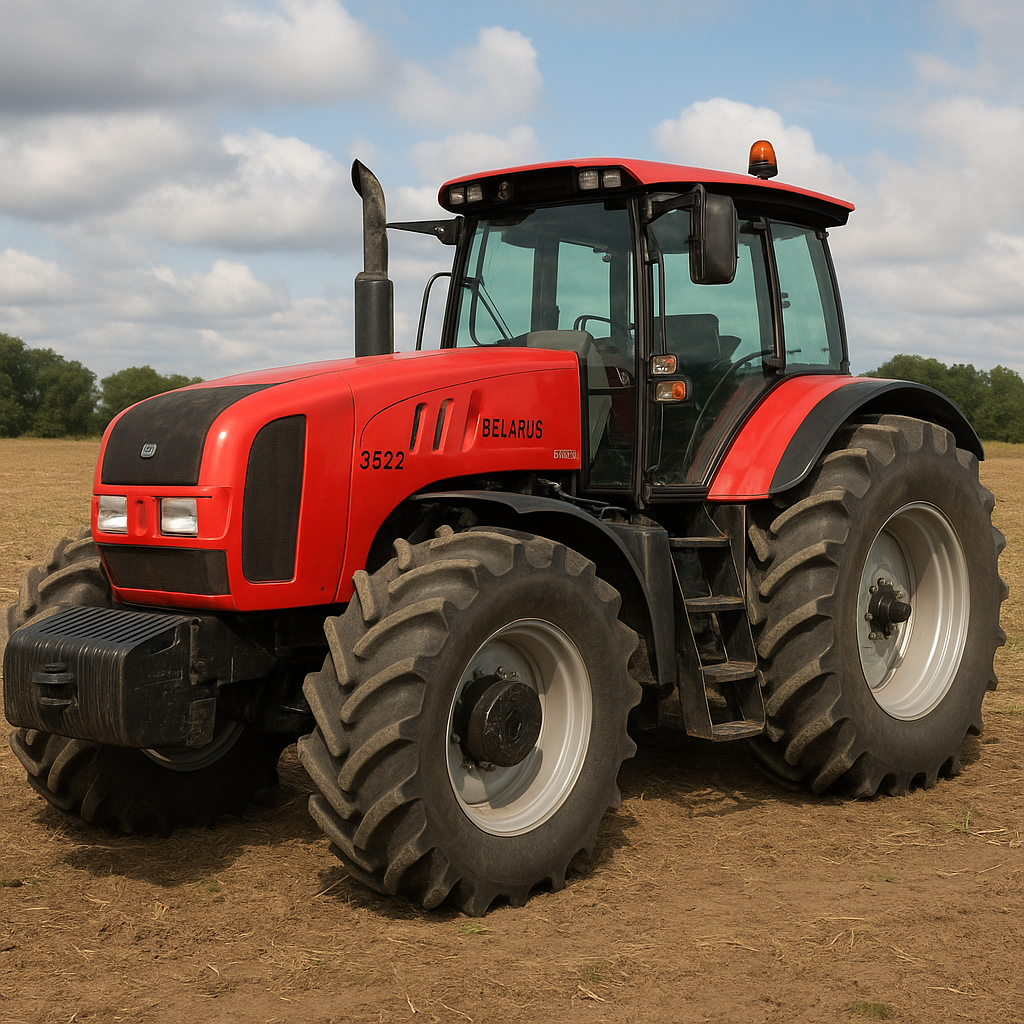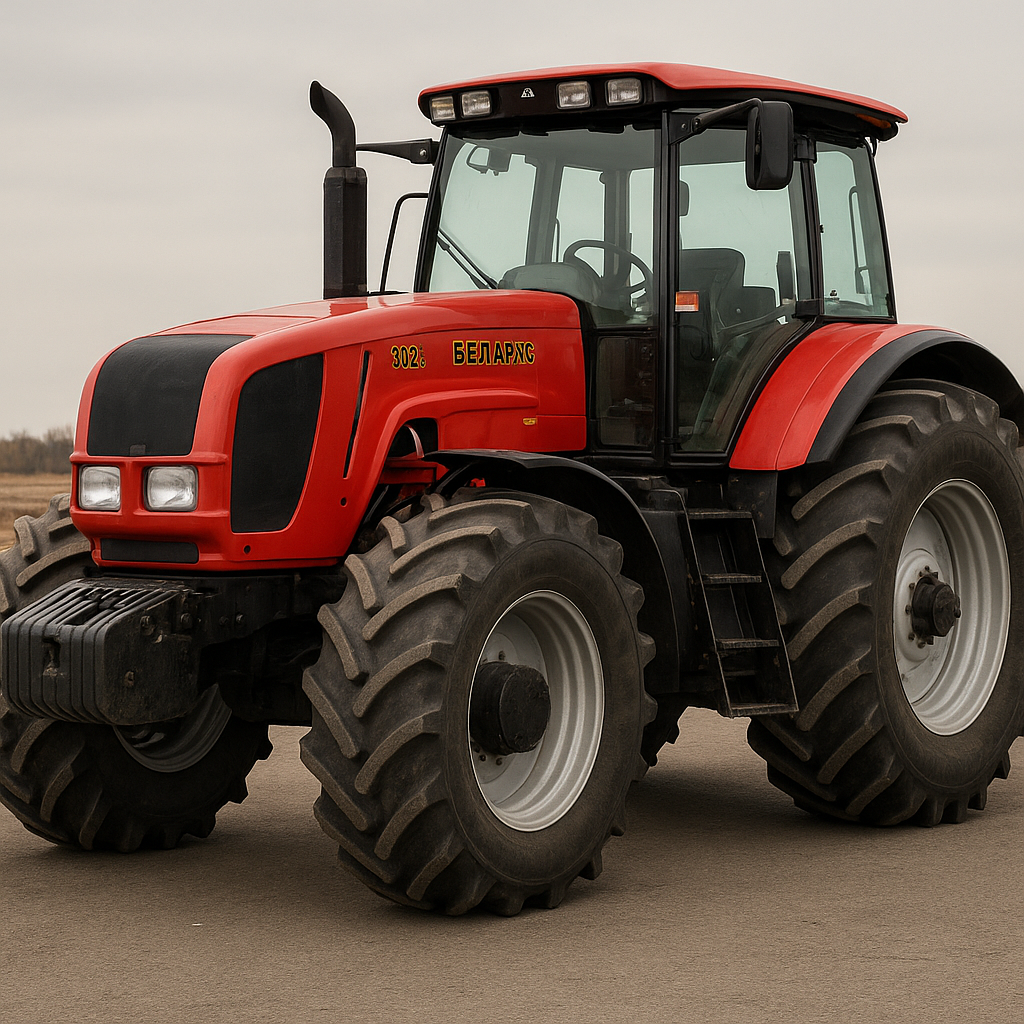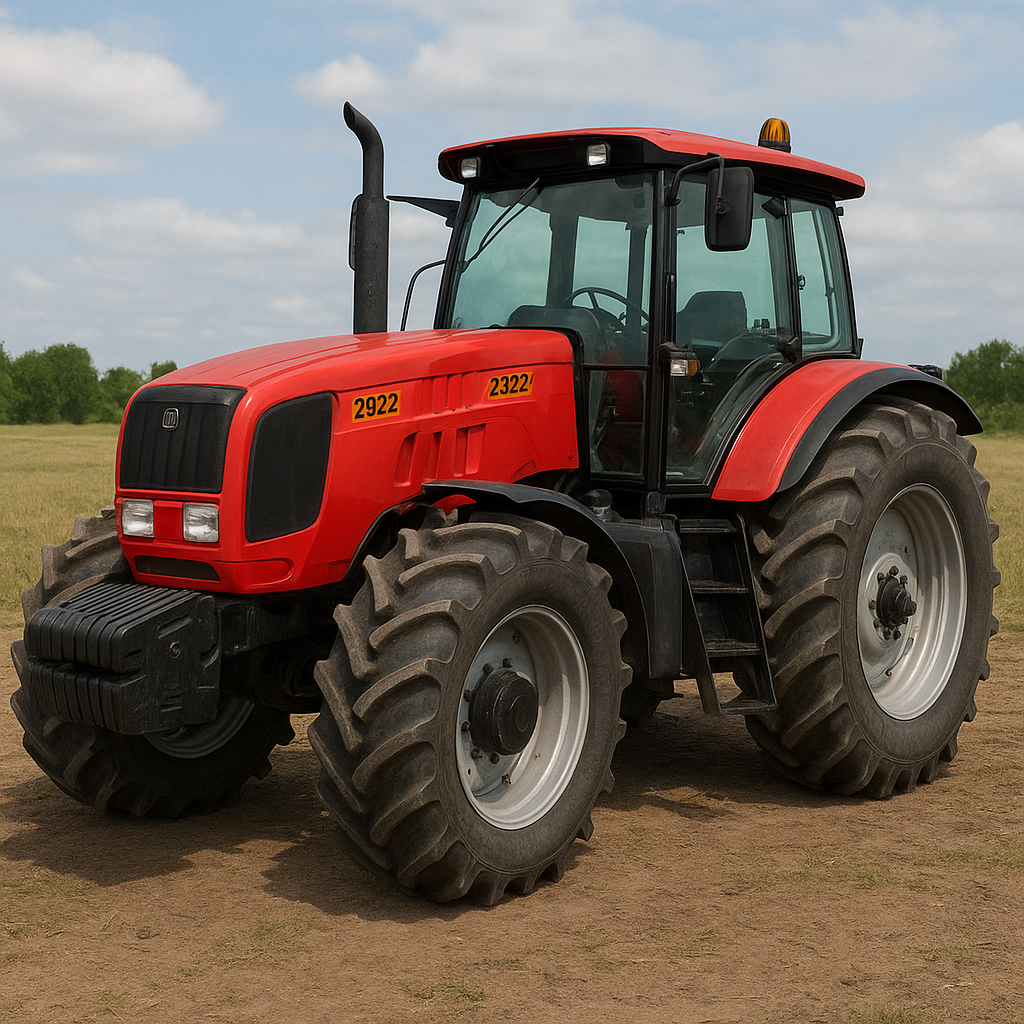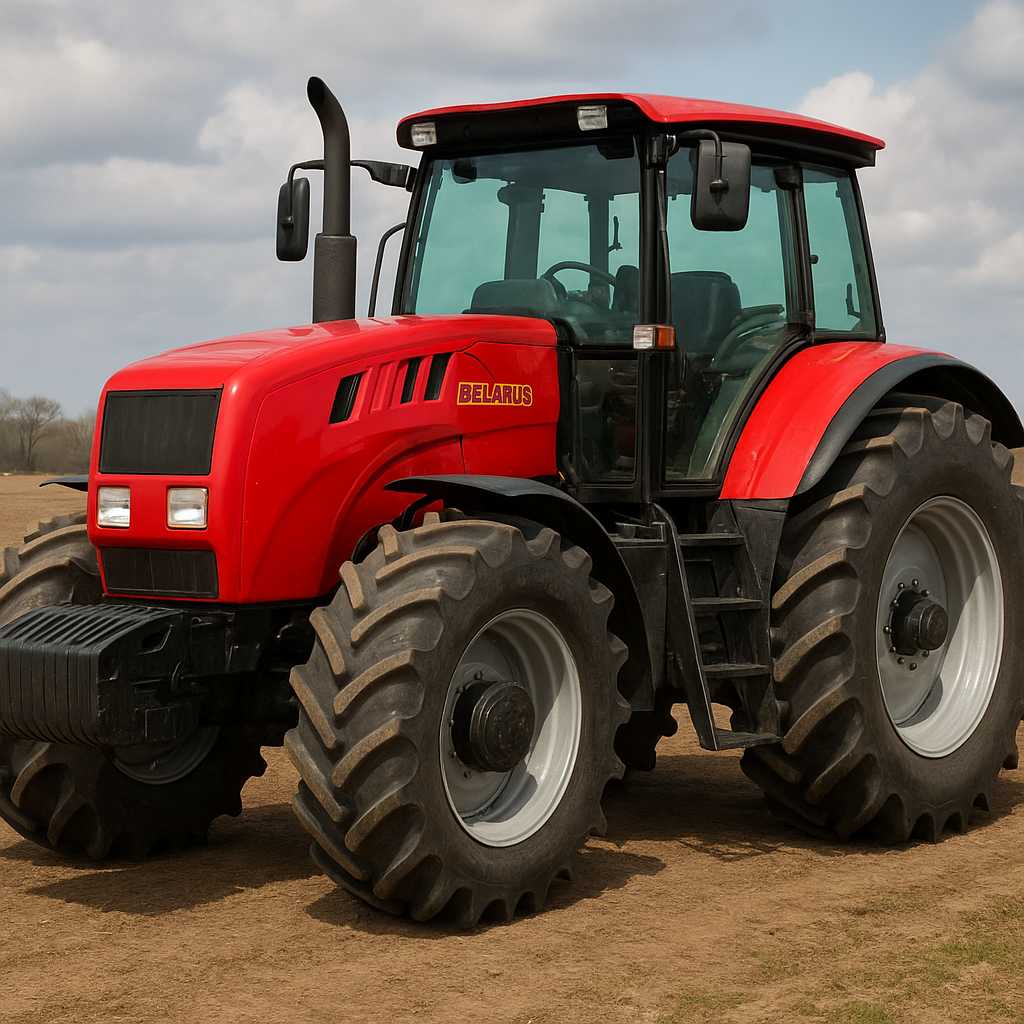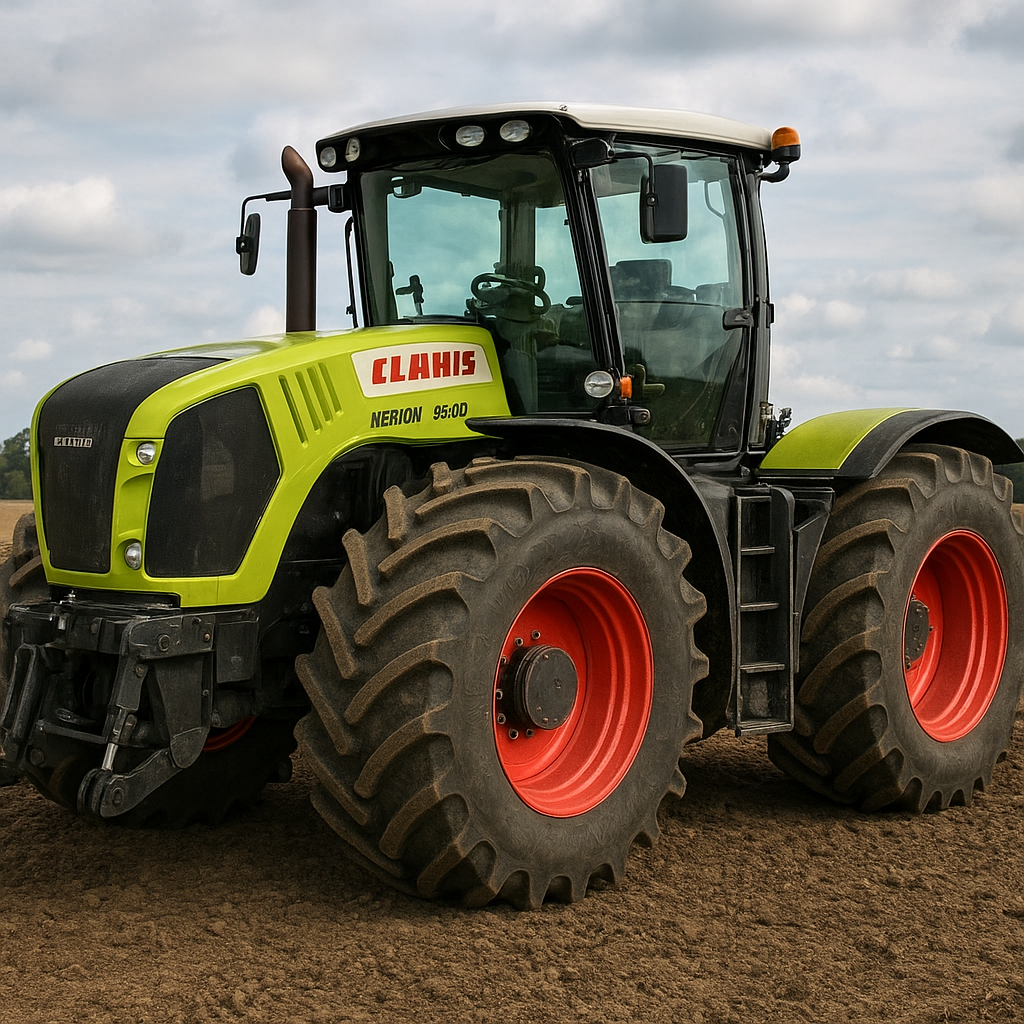
The Claas Xerion 3300 stands out as a heavy-duty, high-power agricultural tractor designed for demanding tasks on large farms, contractors and specialized operations. Combining a distinct, centralized cab design with flexible implement mounting, the Xerion 3300 is built to deliver traction, stability and long-hour comfort. In this article we explore the machine’s design philosophy, technical characteristics, fields of application, operator experience, maintenance considerations, economic aspects and how it fits into the modern agricultural landscape. Wherever possible, I provide approximate technical figures and operational statistics to help you understand performance expectations and real-world use.
Design and technical specifications
The Claas Xerion series is recognizable by its centralized, rotatable cab sitting between two long wheelbases and its modular approach to power and driveline. The Xerion 3300 follows this concept, prioritizing even weight distribution, low ground pressure and excellent visibility. Below are the principal design features and representative technical figures for the Xerion 3300 (figures are approximate and may vary by year and configuration).
- Engine and power: The Xerion 3300 is typically powered by a high-displacement diesel engine delivering in the vicinity of 300–340 hp (roughly 220–250 kW). The engine is tuned for strong low-end torque to suit heavy draft work and PTO-driven implements.
- Transmission: Many Xerion variants use an advanced continuously variable or stepless transmission concept to provide smooth torque delivery and efficient speed control under load. This allows precise machine speed matching to implements and terrain.
- Drivetrain and steering: Permanent all-wheel drive with multiple differential lock options and a sophisticated steering system provides excellent maneuverability for such a large machine. The centralized cab and four-wheel steering options produce a compact turning behavior for the tractor’s size.
- Hydraulics and PTO: High-capacity hydraulic systems (often multiple pumps and prioritization circuits) supply flow rates suitable for hydraulic motors, loaders and complex implements. PTO speeds and torque capacities are designed to match high-demand implements like large mowers, mixers and seed drills.
- Weight and axle load: Operating weight commonly ranges between approximately 10,000 and 13,000 kg depending on options, ballast and tires. The long wheelbase and multiple tire options help manage axle loads and reduce soil compaction.
- Fuel and range: Fuel tank capacities are substantial to support long shifts; typical capacities for machines in this class are in the range of 500–900 liters, enabling extended operation between refueling.
- Speed: Road speeds for the Xerion 3300 are typically rated up to around 40 km/h with appropriate gearing; field speeds vary widely depending on the task and implement.
- Dimensions: Track width and tire choices are configurable, with wide options for flotation tires to reduce soil pressure on sensitive fields.
Key design elements that distinguish the Xerion concept include:
- Centered cab: The cab is mounted near the tractor’s horizontal center between the front and rear axles, improving visibility to front and rear implements and balancing weight over the machine.
- Modular implement interfaces: Both rear and front implement mounting options, plus a high-capacity hydraulic and electrical architecture, make the Xerion compatible with a wide range of specialized tools.
- Low ground pressure options: Thanks to dual/twin tires and flotation configurations, operators can optimize the machine for soft soil without sacrificing traction.
Applications and field operations
The Claas Xerion 3300 is a multi-role platform designed to perform on large-scale arable farms, agro-contracting businesses and specialized operations that demand both power and versatility. Below are the primary application areas and examples of how the machine is used.
Primary tillage and soil cultivation
For broadacre primary tillage — deep ploughing, heavy discing and subsoiling — the Xerion’s high torque and stable traction allow it to pull large implements at consistent working depth. Its weight distribution reduces wheel slip and enables high drawbar pull while minimizing fuel-wasting loss of traction.
- Large ploughs and heavy cultivators: efficient in wide passes, reducing total field passes and time in the field.
- Subsoilers and compaction control tools: stable platform for controlled depth and consistent pass-to-pass results.
Sowing and seeding operations
When paired with wide seed drills and air seeders, the Xerion 3300 provides the hydraulic flow and PTO/hitch stability needed to maintain precise seeding depth and uniform seed distribution. The cab’s visibility and operator controls facilitate accurate guidance and data-driven seeding strategies.
Large mower and mower-conditioner work
In forage production for large farms, contractors and livestock enterprises, the Xerion is used to run wide mowers, conditioners and high-capacity tedders. Its power and hydraulic capacity let it handle high PTO loads without over-revving.
Transport and heavy-duty road work
With appropriate gearing and lighting groups, Xerions can tow heavy grain trailers, slurry tanks and equipment between fields and on public roads at legal speeds. The long-range fuel tanks and comfortable cab make long days of towing less fatiguing for operators.
Specialist tasks: cultivator front-implement and mounted systems
Because of the centered cab and flexible mounting, the Xerion is often used with front-mounted rotary tillers, mowers and specialized attachments for tasks such as roadside mowing, beet harvesting support, and other municipal or contractor jobs. Some operators equip Xerions for forestry or biomass collection in mixed-use roles.
Precision agriculture and integrated workflows
On modern farms, the Xerion 3300 often forms a hub in precision ag workflows. GPS guidance, section control, yield mapping and ISOBUS-compatible implements let the tractor carry out automated patterns, variable-rate operations and data collection for farm management systems.
Operator comfort, controls and technology
One of the Xerion’s most notable features is the cab design and operator ergonomics. The centered cab gives a unique vantage point and, combined with a full suite of controls and electronics, supports long hours of comfortable, effective work.
- Cab ergonomics: High-spec seats, climate control, reduced noise insulation and ergonomic consoles reduce operator fatigue. Visibility to both front and rear implements is excellent due to the cab’s central placement and elevated windows.
- Controls and automation: Touchscreen displays, integrated guidance systems and multifunction joysticks simplify complex implement control and tractor-machine interaction. Many units support ISOBUS, remote telemetry and in-cab implement configuration.
- Safety systems: ROPS/FOPS certified cabs, advanced braking systems, LED lighting packages and camera systems enhance both field safety and road transport security.
Practical features that improve daily operation:
- Adjustable suspension and seat presets for different operators.
- Pre-programmed implement profiles to reduce setup time between tasks.
- Remote diagnostics and telematics options to monitor machine health and performance in real time.
Maintenance, serviceability and reliability
For tractors of this size, uptime is critical. The Xerion 3300 is engineered with service access and reliability in mind, but operators should plan for regular preventive maintenance to protect the investment.
- Service intervals: Regular oil and filter changes, hydraulic fluid checks and engine monitoring are essential. Follow manufacturer intervals; heavy-use scenarios may require more frequent servicing.
- Accessible components: Engine service points, hydraulic ports and diagnostic connectors are arranged to minimize downtime during routine checks and repairs.
- Parts and dealer network: Claas maintains a broad dealer and service network in many agricultural regions; scheduled maintenance and OEM parts are recommended to maintain warranty and peak performance.
Common maintenance items to monitor:
- Tire pressure and wear (especially with duals or flotation tires)
- Hydraulic hoses and seals (to prevent leaks under high flow)
- Brake and transmission fluids
- Engine air filters and cooling package cleanliness
Economics, fuel use and environmental considerations
Investing in a high-horsepower machine such as the Xerion 3300 should be evaluated against fuel costs, implement compatibility and operational efficiency. While exact consumption varies by task and operator practice, some general observations help frame total cost of ownership.
- Fuel consumption: Depending on load and implement, fuel consumption can range from approximately 12 to 30+ liters per hour — lower on light transport runs and higher during heavy primary tillage. Advanced engine tuning and efficient transmissions help reduce specific fuel consumption per hectare.
- Productivity gains: Using wider implements, reducing passes and improving field efficiency often offsets higher hourly fuel and ownership costs through reduced time and lower per-hectare labour requirements.
- Depreciation and resale: Large tractors from established manufacturers generally retain value well, especially when well maintained and equipped with desirable options like advanced guidance, large fuel tanks and precision ag hardware.
- Environmental aspects: Modern engines comply with current emissions standards (e.g., Stage V / Tier 4, depending on year and market). Operators can further reduce environmental impact by optimizing field passes, choosing low-compaction tires and managing transport routes to minimize fuel use.
Comparisons, competition and market positioning
The Xerion 3300 competes in a niche of high-power, versatile tractors that emphasize traction, implement flexibility and operator comfort. Competing machines may come from major agricultural manufacturers that offer similar horsepower classes and capabilities, but the Xerion’s centered cab and long-wheelbase layout give it a distinctive place in the market.
- Strengths: Excellent visibility, adaptability for front and rear implements, strong hydraulic capacity and robust traction characteristics. The machine is particularly well suited for very large farms and specialized contracting work.
- Limitations: Purchase price, fuel usage and physical size can be constraints for medium-sized farms. The machine’s footprint and mass require responsible soil management and tire selection to minimize compaction.
- Alternatives: Other high-horsepower tractors with more traditional layouts may offer similar raw power but different ergonomics; user choice often depends on the type of implements used, operator preference and local dealer support.
Real-world performance and operator reports
Field reports from large-scale producers and contractors commonly cite the Xerion for reliability under heavy loads, excellent traction in mixed conditions and outstanding comfort on long days. Specific points raised by operators include:
- Consistent implement performance when matched to correct hydraulics and PTO settings.
- Lower operator fatigue due to cab ergonomics and noise reduction features.
- High utility in multi-role situations: towing, primary tillage, and mowing without extensive reconfiguration.
Conversely, some operators note that optimizing tire choices and ballast is essential to control soil compaction and to achieve the best fuel efficiency for a given operation. Additionally, while advanced electronics and telematics greatly aid precision work, they add complexity to troubleshooting and require staff training for full benefit.
Buying considerations and configuration tips
When evaluating a Claas Xerion 3300 for purchase or lease, consider the following checklist to match the tractor to your operation:
- Implement compatibility: Ensure your implements are suitable for the tractor’s hitch, PTO power and hydraulic flow. Large planters, sprayers and primary tillage tools demand high-capacity systems.
- Tire and ballast selection: Choose flotation or dual tire setups to minimize compaction on sensitive soils and maximize traction in wet conditions.
- Transmission and gearing: Confirm field and road-speed needs; some configurations optimize road travel while others prioritize low-speed draft work.
- Precision and telematics options: If you plan to integrate the tractor into precision workflows, order compatible guidance, ISOBUS and telematics packages.
- Service agreements: Consider extended warranties and dealer service contracts to preserve uptime and simplify maintenance budgeting.
Final observations and future outlook
The Claas Xerion 3300 occupies a specialized niche among high-horsepower, multipurpose tractors. Its combination of centered cab design, strong hydraulic and PTO capacity, and adaptability for a broad range of heavy implements makes it particularly attractive on large farms and for contractors who demand long hours and consistent power delivery. While acquisition and operating costs must be weighed against farm size and usage patterns, the Xerion’s productivity, comfort and technological integration often justify the investment where scale and versatility are priorities.
As agriculture continues to evolve toward automation, precision farming and sustainability, machines like the Xerion 3300 will likely be valued for their ability to serve as adaptable platforms: running wide implements that reduce field passes, supporting precision seeding and application systems that reduce input use, and integrating remotely monitored systems that keep machines working efficiently. Selecting the right configuration — tires, hydraulics, guidance and service package — is essential to unlocking both economic and environmental benefits.
Representative technical summary (approximate figures)
- Approximate engine power: 300–340 hp (220–250 kW)
- Operating weight: ~10,000–13,000 kg
- Fuel tank capacity: ~500–900 L
- Road speed (max): ~40 km/h
- Typical fuel consumption (task-dependent): 12–30+ L/h
The numbers above are indicative and vary with model year, regional specification and optional equipment. When planning purchases or operations, consult up-to-date factory specifications and your local Claas dealer for exact figures tailored to the specific Xerion 3300 configuration.