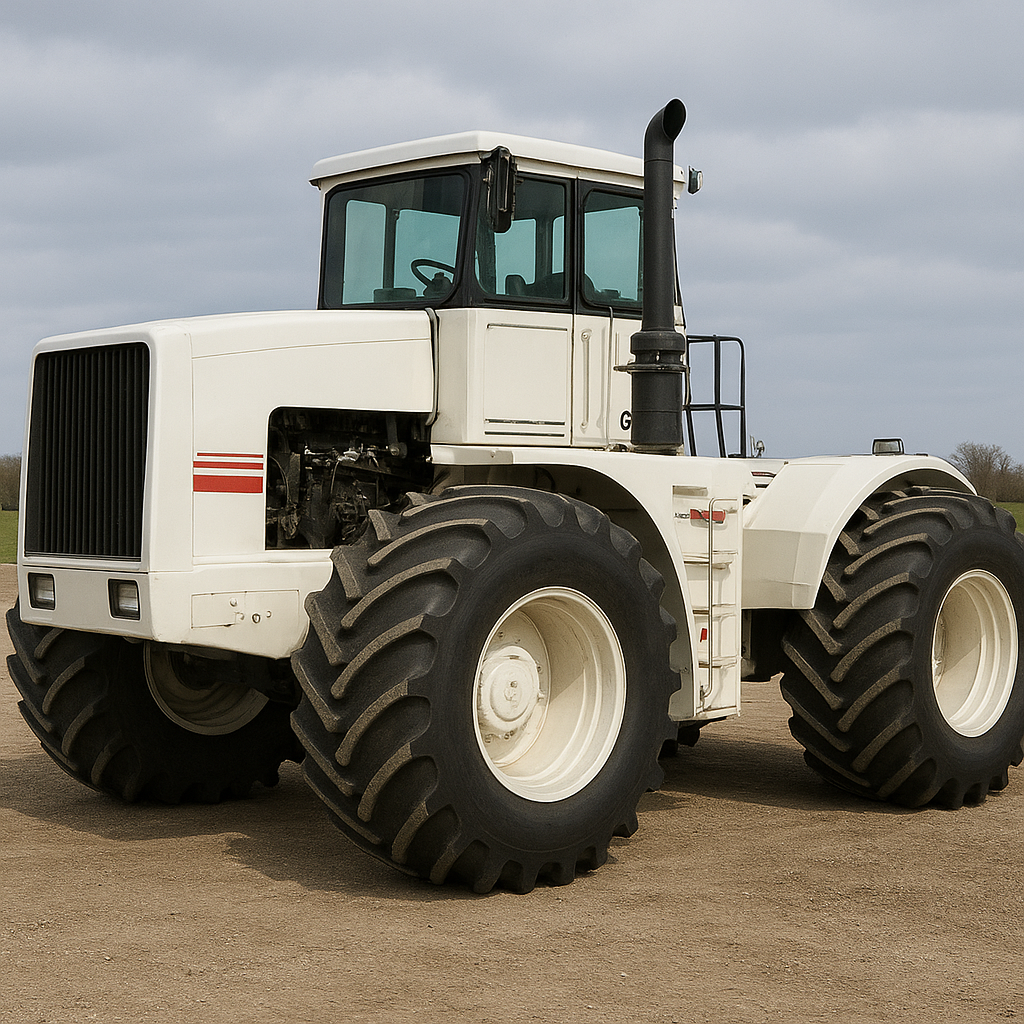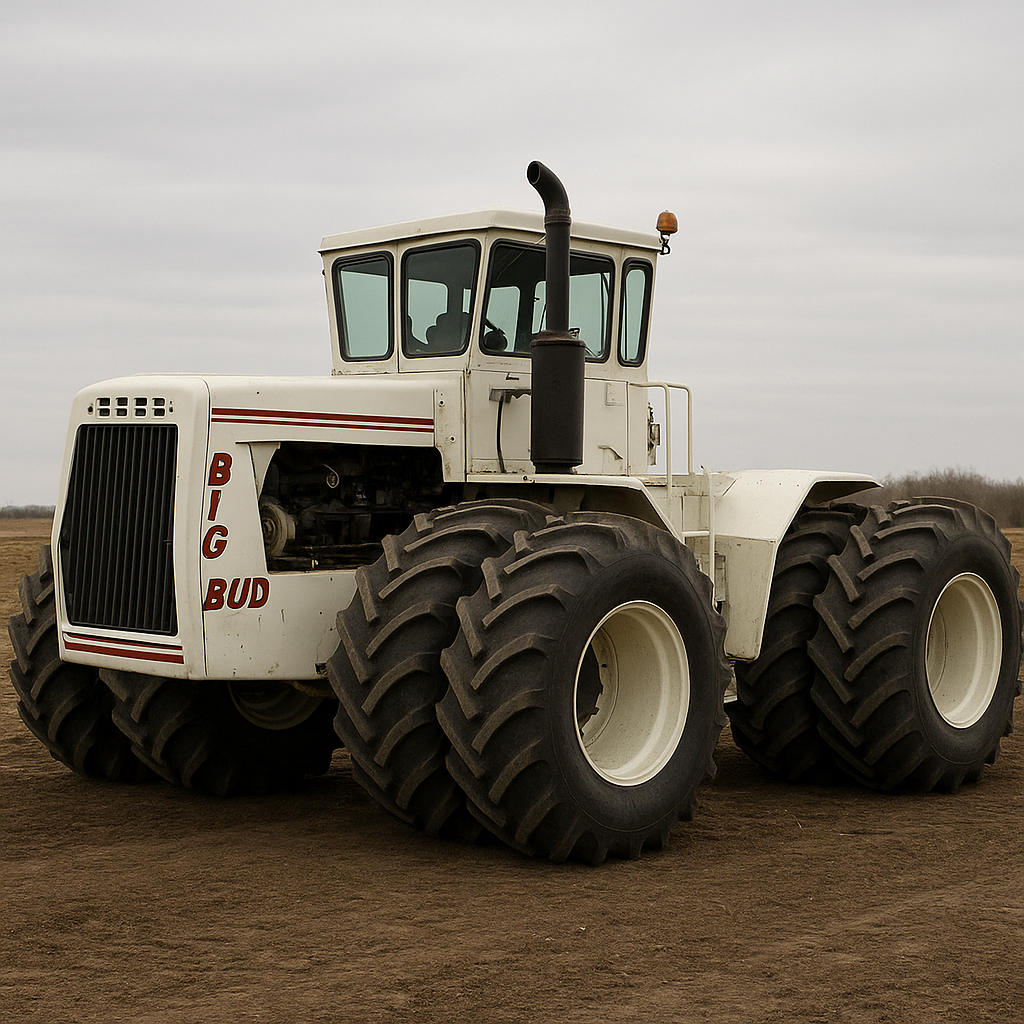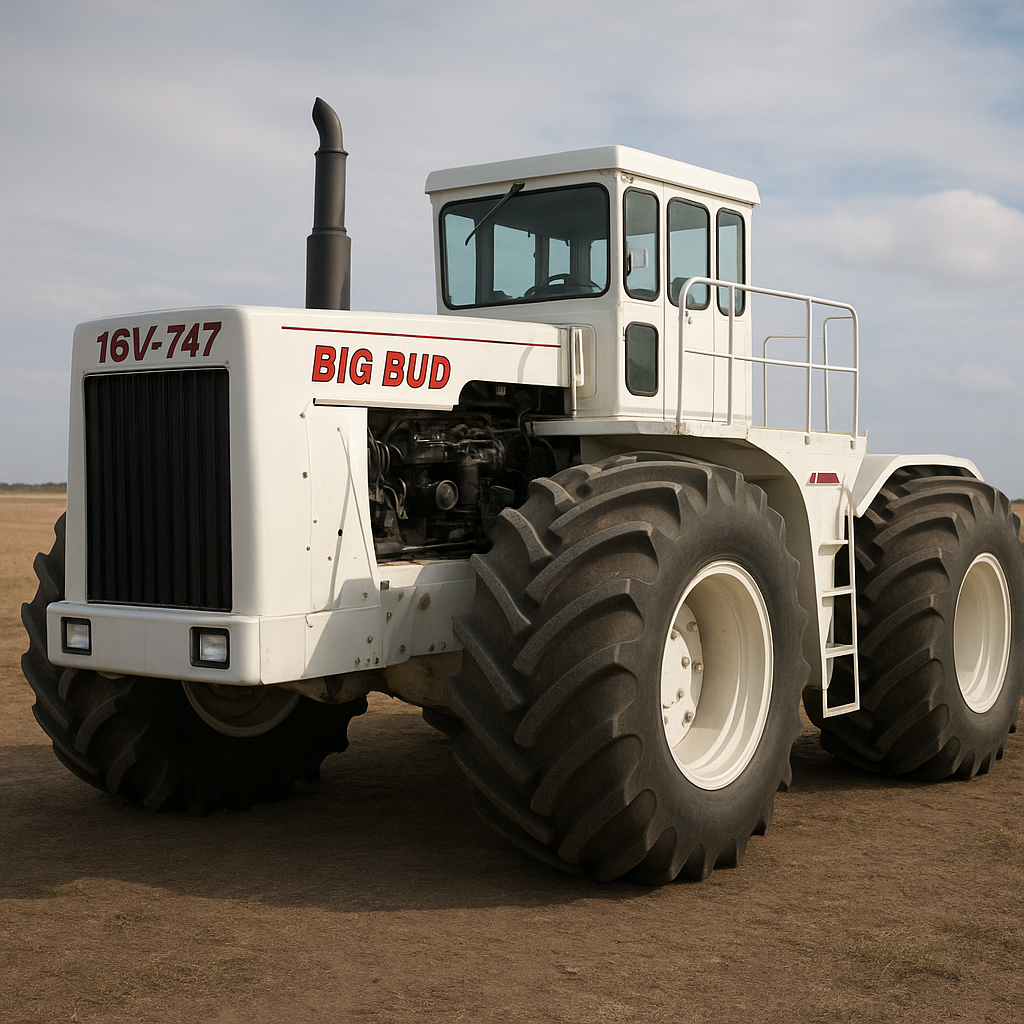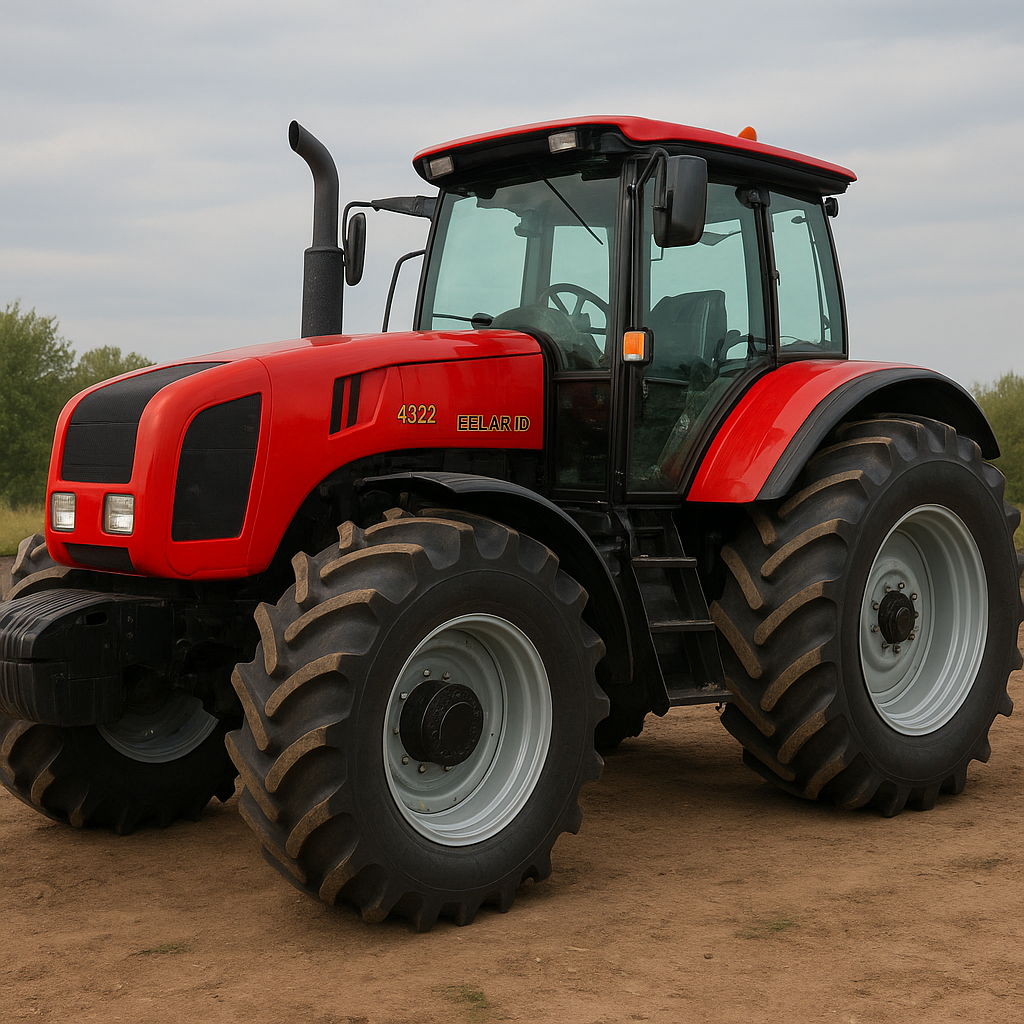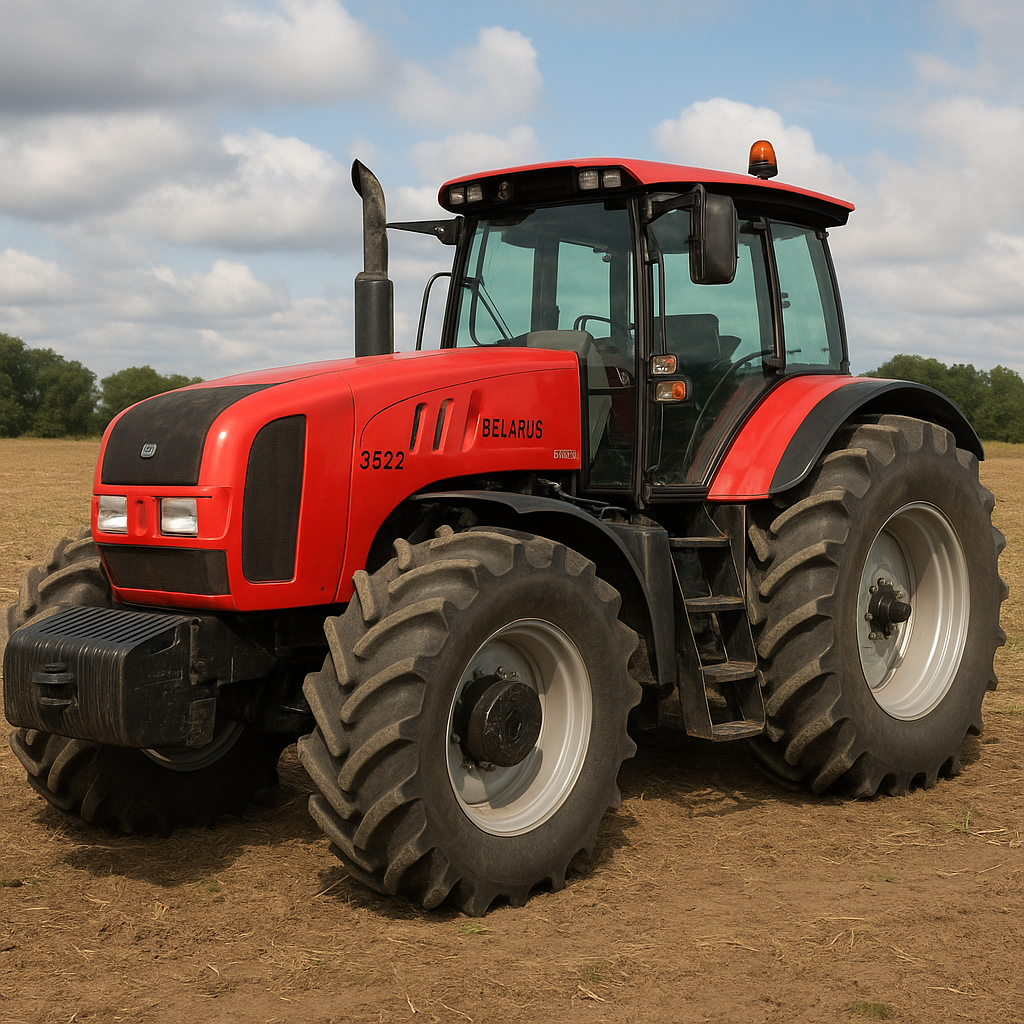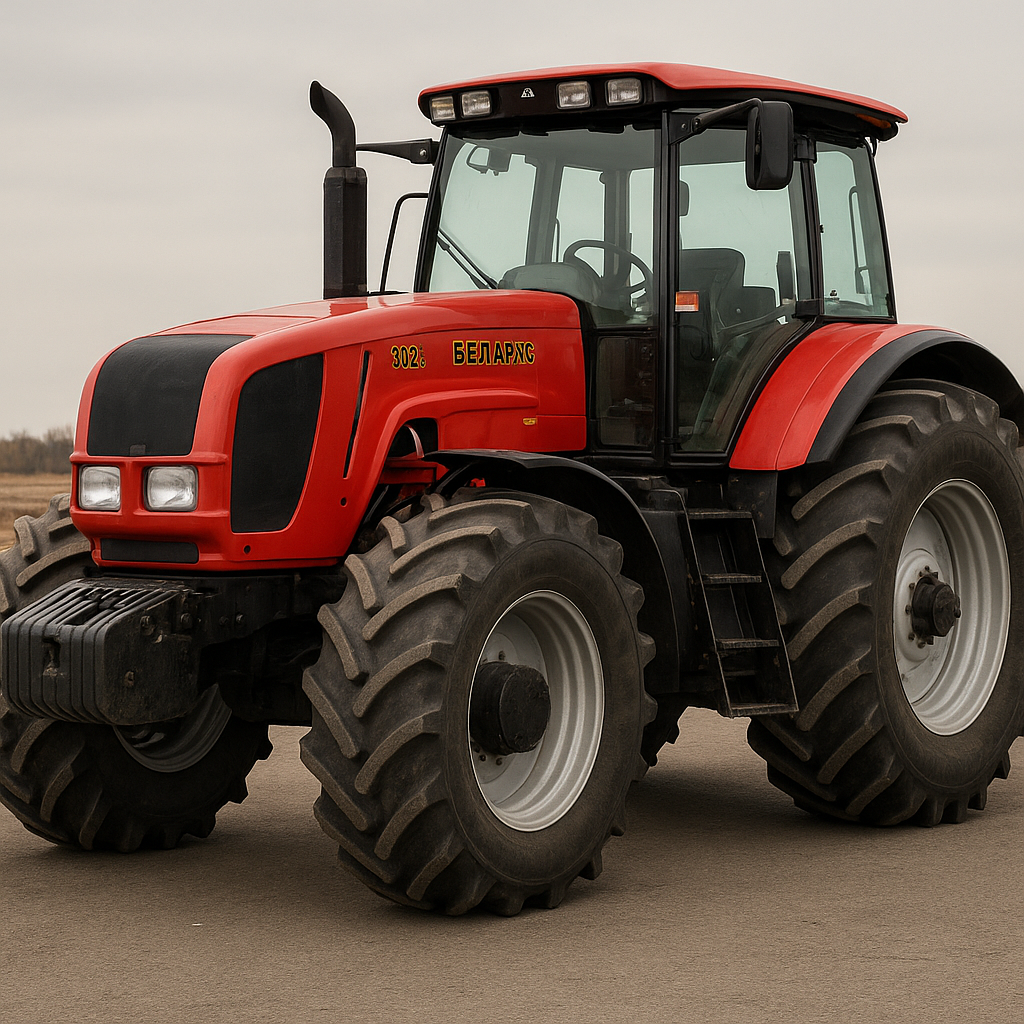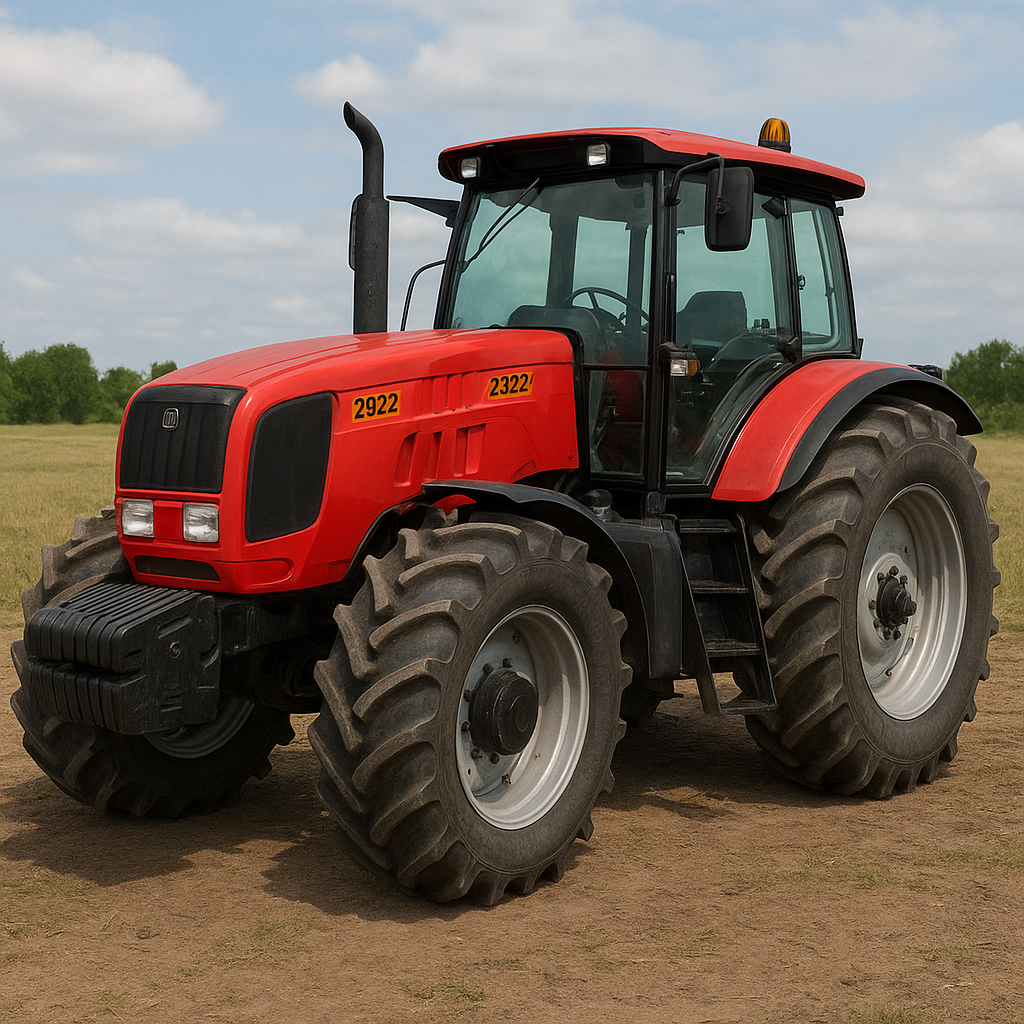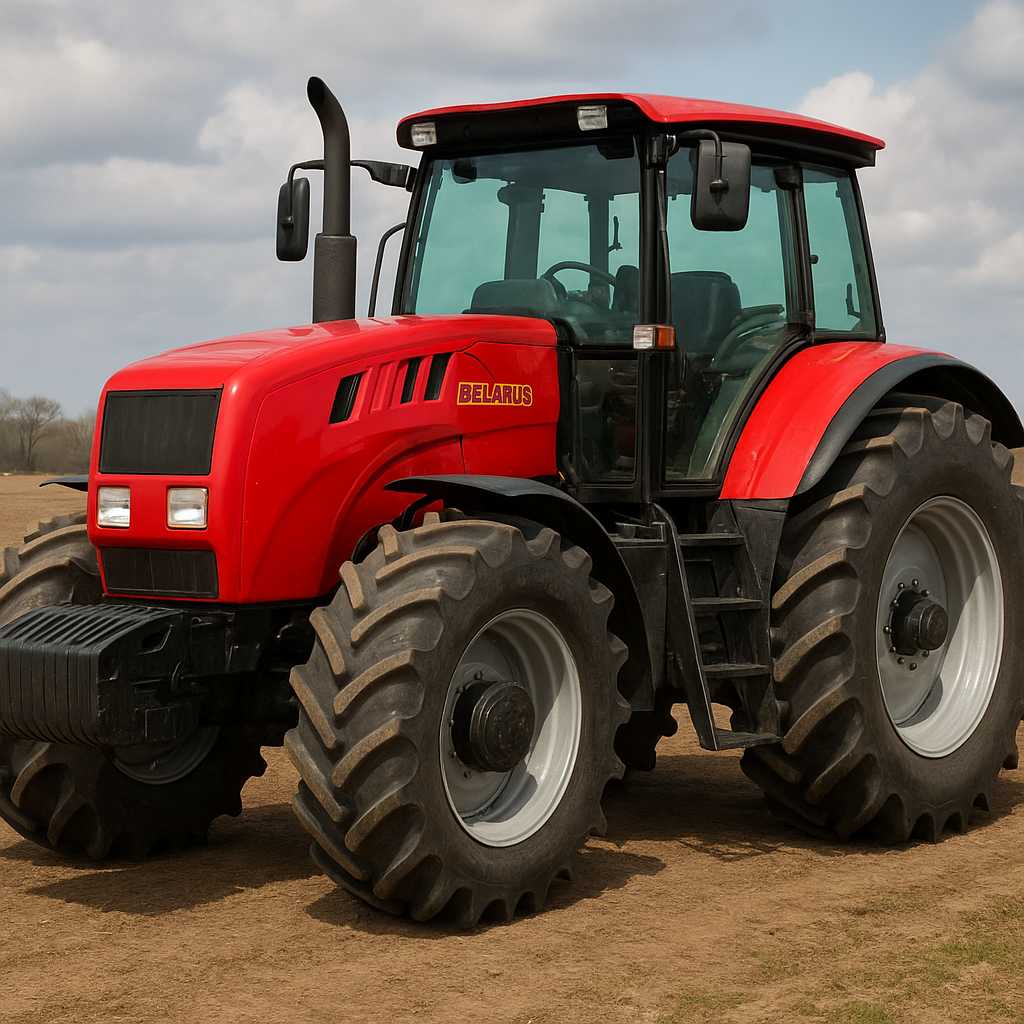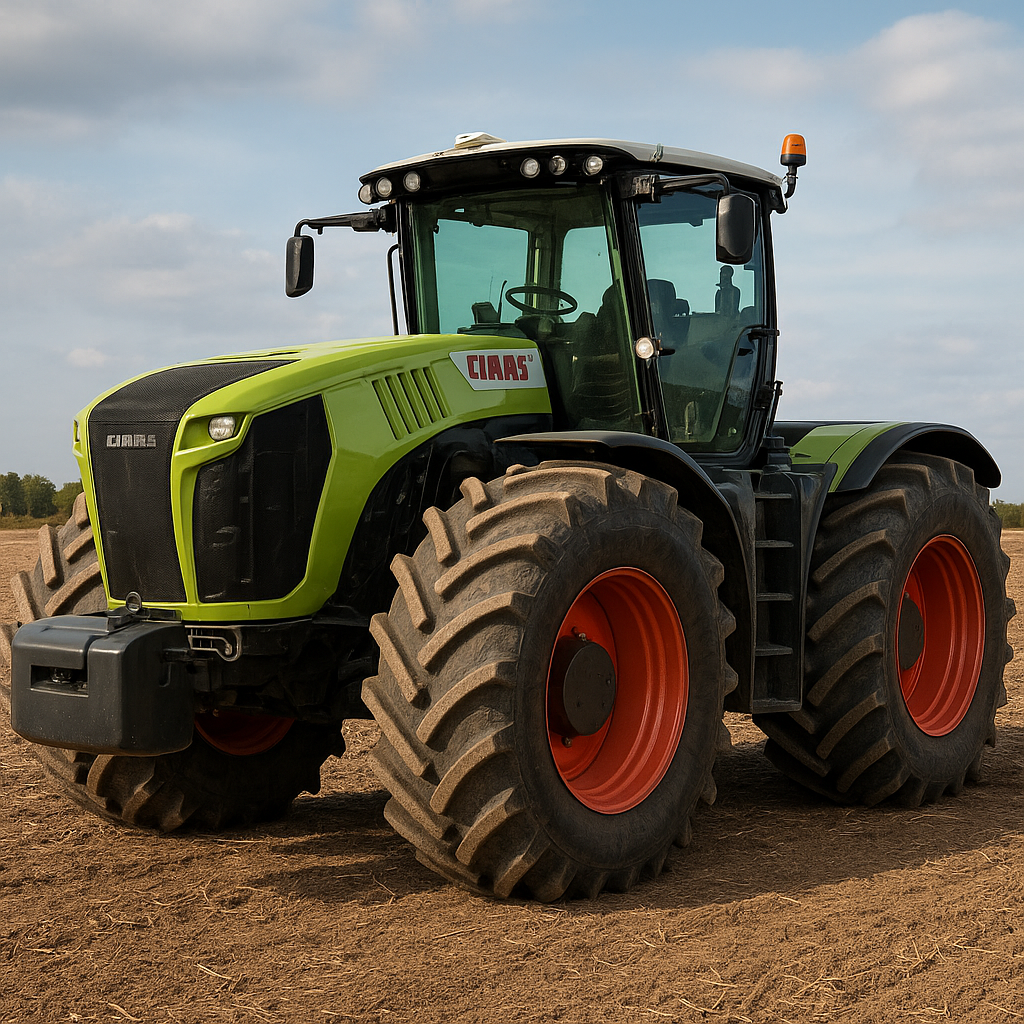
The Claas Xerion 4500 represents a class of high-horsepower, multifunctional agricultural tractors designed to meet the demands of large-scale farming and specialized operations. Combining robust mechanical architecture with modern operator comfort and advanced hydraulics, the Xerion series has carved out a niche where power, versatility, and efficiency intersect. This article explores the Xerion 4500’s technical characteristics, practical applications, and the reasons many farms and contractors choose it for heavy-duty tasks. It also examines operational considerations, maintenance aspects, and how the machine fits into modern precision agriculture workflows.
Overview and Evolution
The Xerion line from Claas has been developed to address the needs of agricultural enterprises requiring an exceptionally powerful and adaptable platform. The Xerion 4500 can be considered part of Claas’s push toward tractors that are equally capable pulling large implements in the field, carrying out transport tasks, and serving as a mobile power and hydraulic source for specialized equipment. Claas designed the Xerion to combine high traction with a spacious, well-appointed cab to reduce operator fatigue during long hours.
Key design goals include robust traction, reliable power delivery, and flexible implement compatibility. While the Xerion nameplate encompasses multiple models and configurations, the 4500 designation typically indicates a high-power variant intended for demanding applications on large farms, contractors, and enterprises managing expansive acreage.
Design, Powertrain, and Performance
Engine and Power
The Xerion 4500 is built around a high-output diesel engine tuned to deliver sustained power for heavy draft work and hydraulic operations. Although exact figures may vary by configuration and market, the 4500 class is generally associated with about high horsepower in the upper hundreds of metric horsepower (often cited around the mid-400s to 500s HP range). This enables the tractor to handle large cultivators, subsoilers, heavy seeders, and large sprayers without significant loss of speed or efficiency. The engine is optimized for a wide torque curve so it can maintain performance under heavy load.
Transmission and Drivetrain
Claas typically equips Xerion models with robust transmissions that offer smooth power delivery and multiple ground-speed options. These units emphasize low-end torque and efficiency, enabling controlled pulling force at relatively slow working speeds and steady transport speeds on the road. The drivetrain often features all-wheel drive and differential-lock capabilities to maximize grip in variable field conditions. The Xerion’s proven design provides excellent mobility across wet or uneven terrain, reducing slippage and soil damage.
Steering and Mobility
Unique to the Xerion series is the cab placement and articulation concept that improves maneuverability for a machine of its size. Many models employ articulated steering, which lowers the turning radius compared to rigid-frame tractors of comparable mass. This increases operational flexibility when working near headlands or turning large implements. The combination of articulation and all-wheel drive gives the Xerion excellent off-road comportment, making it suitable for both in-field and on-road travel.
Hydraulics, PTO, and Implement Compatibility
Hydraulic capacity and PTO output are critical specifications for a tractor intended to be an implement workhorse. The Xerion 4500 is designed with high-flow hydraulic systems capable of operating multiple hydraulic motors, cylinders, and implement functions simultaneously. This strong hydraulic performance allows the tractor to run large mounted or trailed sprayers, planters, and attachments that require continuous hydraulic power.
- Hydraulic flow: High-capacity pumps to supply modern implements.
- PTO options: Robust PTOs for powering rotary equipment and auxiliary units.
- Versatile hitching systems to accept a wide range of implements.
These features allow the Xerion 4500 to perform as a central power unit in complex farming operations, supporting tasks beyond simple tillage — including landfill and road maintenance roles in some contracted services.
Cab, Comfort, and Controls
Operator comfort is a significant focus in tractors of this class because long hours and repetitive cycles demand ergonomics and low noise. The Xerion 4500 typically offers a spacious, well-insulated cabin with excellent visibility, advanced climate control, and adjustable seating to minimize operator fatigue. Controls are laid out to prioritize ease of use during extended operations, with logical grouping of hydraulic and PTO controls, electronic monitoring systems, and often touchscreen interfaces integrated into the console.
Modern versions of the Xerion generally include integrated telematics and optional precision farming features such as GPS guidance compatibility, variable rate control, and task recording. These systems allow for higher operational precision, reduced overlap in fieldwork, and improved documentation for compliance and optimization.
Applications and Typical Uses
The Claas Xerion 4500 is particularly well-suited for large-scale and demanding agricultural tasks. Its design allows it to perform efficiently across multiple roles, which increases utilization and return on investment for owners. Typical applications include:
- Tillage: Pulling heavy cultivators, ploughs, and subsoilers across large acreage with consistent depth and speed.
- Seeding and planting: Powering large seed drills and planters, often in combination with precision guidance for high-speed, high-quality planting.
- Spraying: Operating large booms and trailed sprayers for crop protection on extensive fields.
- Transport: Hauling heavy trailers or tankers during harvest or transport seasons when high ground speeds are required.
- Specialist roles: Serving as a base for high-horsepower mounted equipment, irrigation pump drives, or contractor tasks such as land reclamation and road maintenance.
Because of its size and power, the Xerion 4500 is commonly deployed on farms with several hundred to thousands of hectares, in contracting fleets, and for tasks requiring sustained tractive effort over long hours.
Technology, Precision Farming, and Connectivity
Claas integrates modern electronics and precision-agriculture tools into the Xerion series to meet the demand for greater efficiency and data-driven decision-making. Systems that are often available or optional include:
- GPS-based auto-guidance and RTK compatibility for centimeter-level accuracy.
- Telematics platforms for remote monitoring of machine health, fuel usage, and operating hours.
- ISOBUS compatibility to integrate implement control with the tractor’s display and systems.
- Variable-rate application control to tailor inputs and reduce waste.
These technologies increase the value of the Xerion 4500 in modern farm systems by enabling more precise input application, lower overlap, and better documentation of field work — all of which translate to cost savings and improved yields.
Operational Data, Fuel Efficiency, and Economic Considerations
Owners and operators typically evaluate high-powered tractors by three core economic metrics: cost per hectare, fuel consumption, and uptime. The Xerion 4500 is designed to be efficient at scale — its large working widths and high power allow many tasks to be completed in fewer passes and less total time.
Fuel consumption varies widely based on task and load. In general, heavy tillage and continuous high-load tasks will consume the most fuel, while transport and light hydraulic work use significantly less. Claas and independent field trials often show that using an appropriately sized tractor like the Xerion for large implements reduces overall fuel and time per hectare versus using multiple smaller tractors or performing more passes with lighter equipment.
Maintenance and uptime are critical: the Xerion’s robust construction aims to minimize downtime, but scheduled servicing, quality lubricants, and timely replacement of wear components are essential. Claas supports owners with parts networks and training for service crews, and machine telematics can alert owners to potential issues before they become critical failures.
Maintenance, Reliability, and Lifecycle
Reliability is paramount for machines working at high intensity. The Xerion 4500 is engineered with heavy-duty components, reinforced chassis elements, and easy-access service points to streamline maintenance. Typical maintenance tasks include regular engine oil and filter changes, hydraulic fluid and filter servicing, drivetrain inspections, and monitoring of tires or tracks depending on configuration.
- Serviceability: Accessible service points reduce downtime and labor costs.
- Component durability: Designed for extended hours of heavy work with reinforced drivetrain and hydraulic components.
- Parts availability: Dealer networks and aftermarket suppliers play a role in maintaining uptime.
Operators often invest in preventive maintenance and condition monitoring to extend the productive life of such tractors. With proper care, machines in this class can provide many years of productive service across several farming seasons.
Comparisons, Strengths, and Weaknesses
Compared to rigid-frame tractors of similar horsepower, the Xerion’s articulated layout and cab positioning provide some distinct advantages in maneuverability and operator visibility. Its strengths include:
- Exceptional tractive ability for large implements
- High hydraulic and PTO capacities
- Comfortable and technologically advanced cab environment
- Flexibility for multiple roles (tillage, seeding, spraying, transport)
Potential weaknesses or considerations include the initial acquisition cost, larger footprint on field edges (headland management), and the need for skilled operators to fully exploit advanced features. For smaller farms, the Xerion 4500 may represent overcapacity; the machine is most cost-effective where its high-power capabilities are fully utilized.
Environmental and Regulatory Considerations
Modern tractors must meet emissions and noise regulations that vary by region. The Xerion 4500 is typically equipped with emissions-control systems compliant with prevailing standards in its markets, such as SCR, DPF, and other after-treatment components. These systems help reduce NOx and particulate emissions, but they also require periodic maintenance and the use of appropriate consumables (e.g., DEF/AdBlue).
Operators should consider soil compaction risks when deploying very heavy tractors. The use of wide tires, tracks, or controlled traffic farming techniques can mitigate compaction, preserving soil structure and long-term productivity.
Market Use Cases and Real-World Examples
Large arable farms cultivating cereals, oilseeds, and industrial crops frequently use tractors like the Xerion 4500 to reduce field operation time during narrow seasonal windows. Contracting businesses also value its ability to move between different jobs — from heavy tillage and primary cultivation to large-scale spraying and transport tasks. Municipal and specialized contractors sometimes adapt this class of tractor for duties outside traditional agriculture, such as airport runway maintenance, snow removal with heavy plows, or roadside verge mowing when fitted with the correct implements.
Summary and Final Thoughts
The Claas Xerion 4500 is a purpose-built, high-horsepower tractor aimed at large farms and contractors who need dependable, versatile machinery capable of handling the most demanding tasks. Its combination of strong power delivery, articulation for enhanced mobility, sophisticated hydraulics, and modern cab amenities make it a valuable asset in operations where scale and efficiency matter. By integrating precision-farming technologies and providing robust serviceability, the Xerion 4500 aims to deliver both performance and long-term economic value to enterprises that can make full use of its capabilities.
Key attributes include strong traction, high hydraulic capacity, operator comfort, and suitability for large-scale agriculture. These characteristics help explain why the Xerion family remains a notable option for those seeking a high-power, multipurpose tractor designed for modern, intensive agricultural systems.