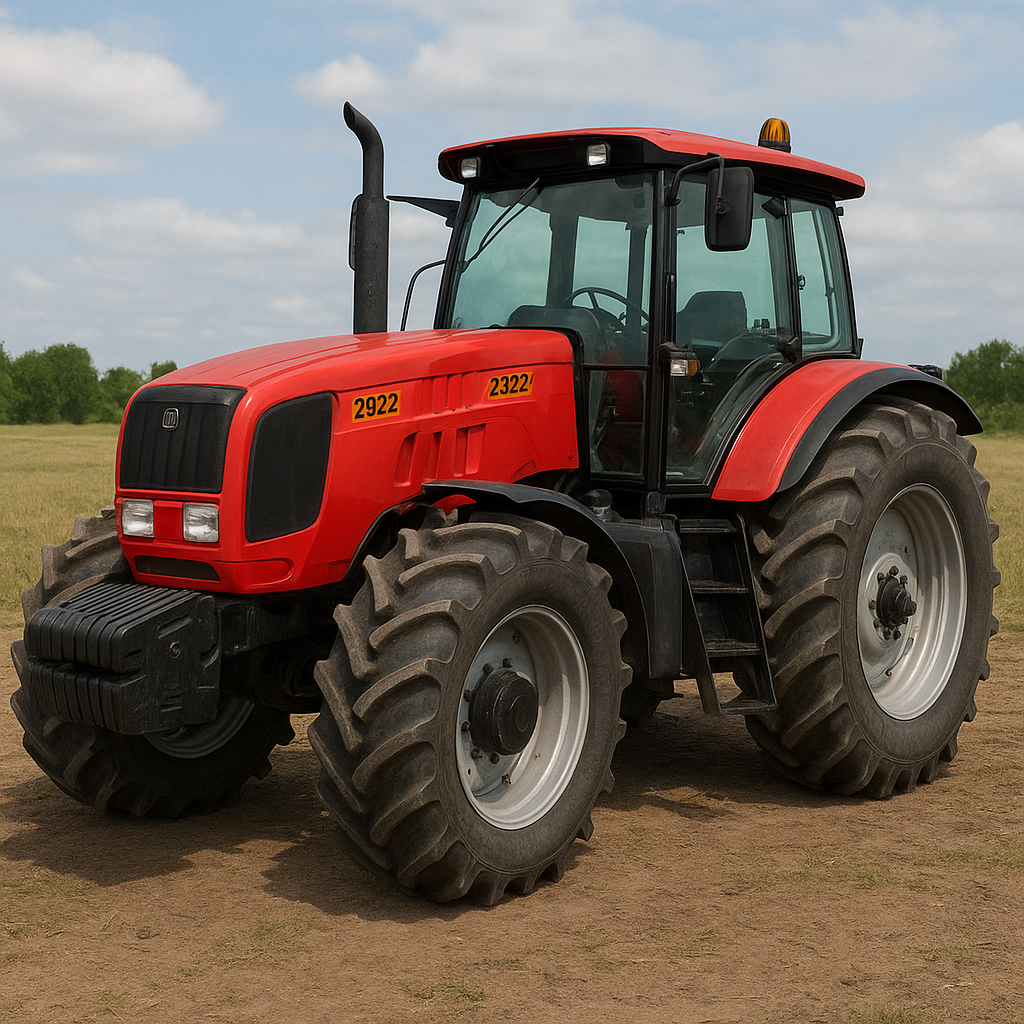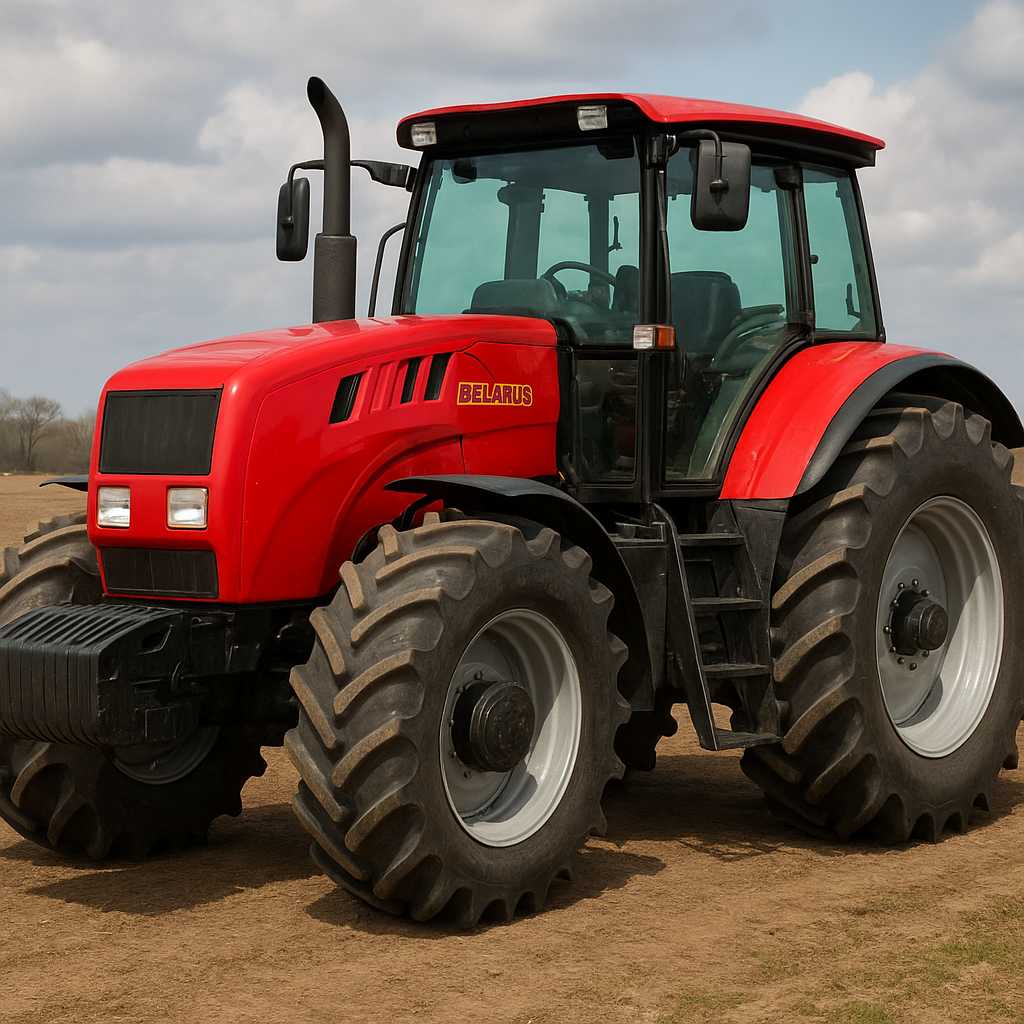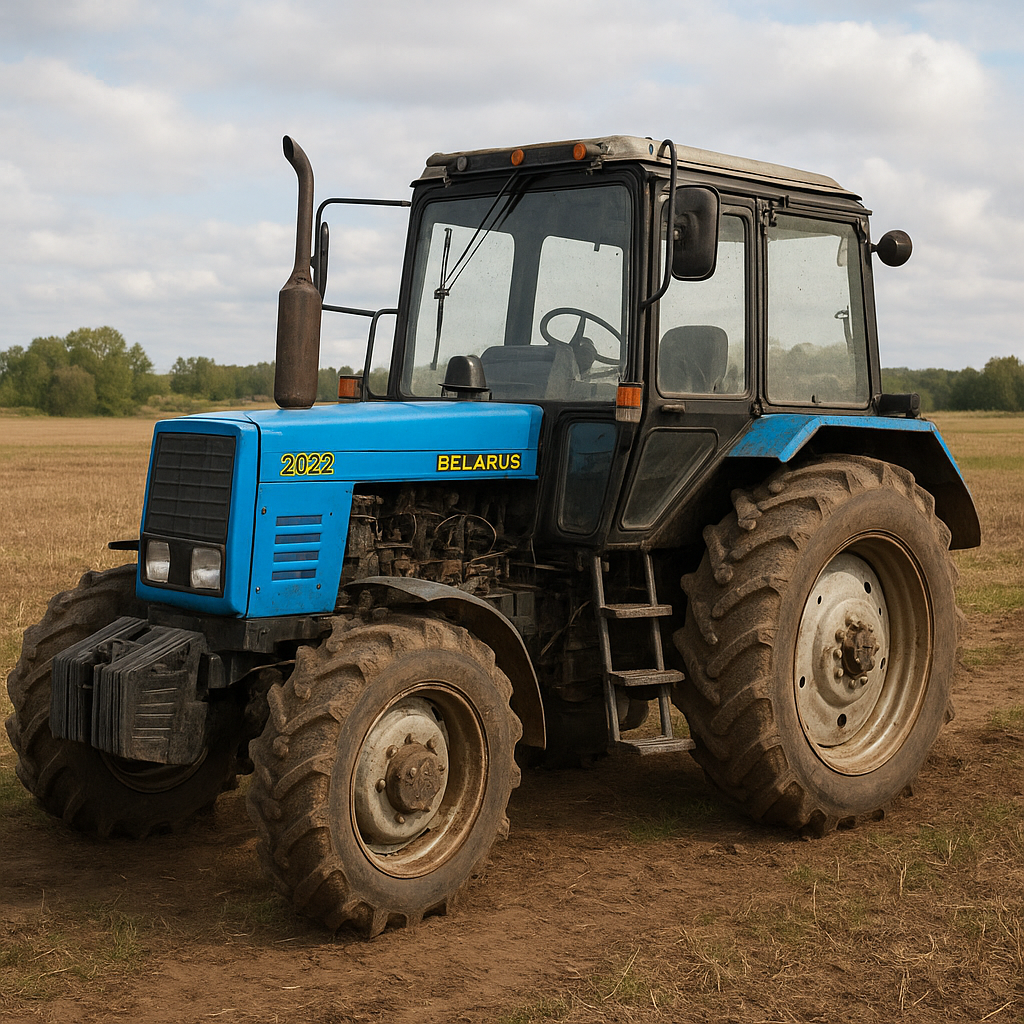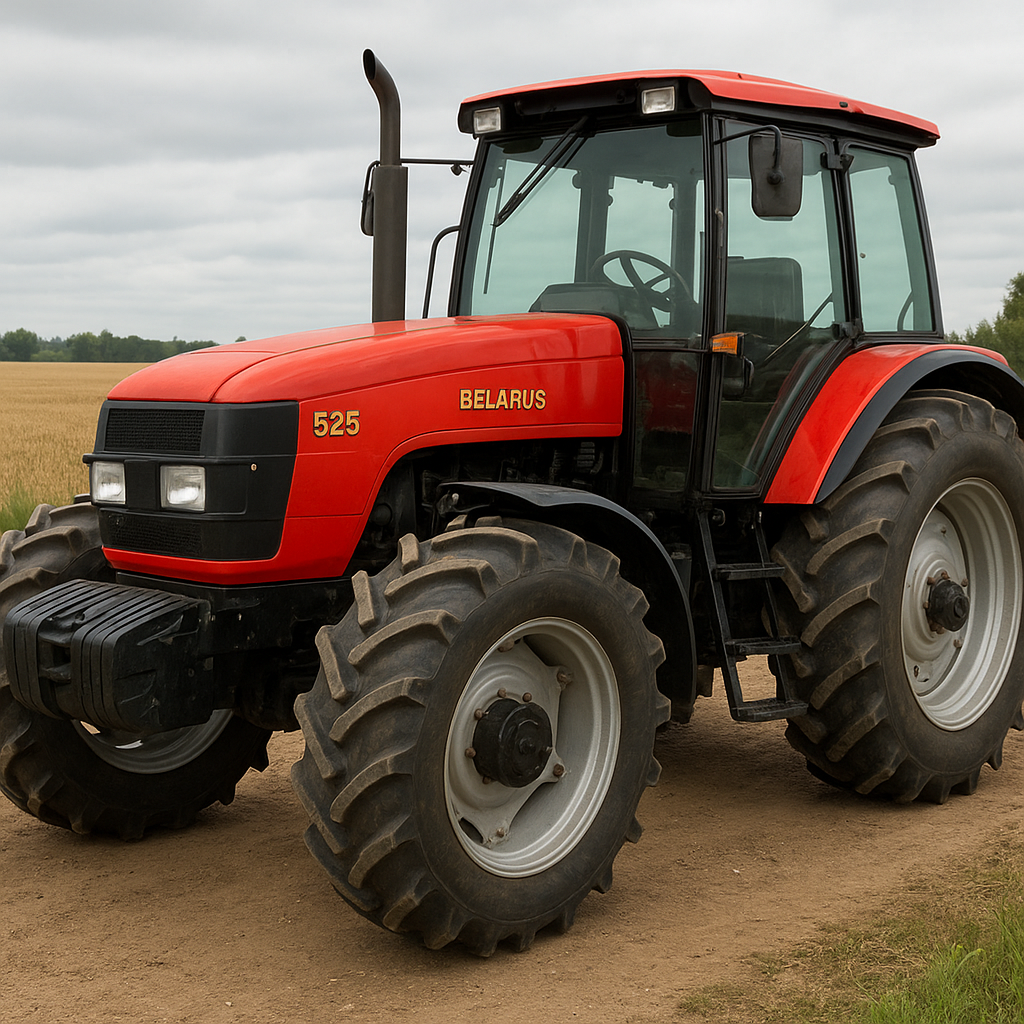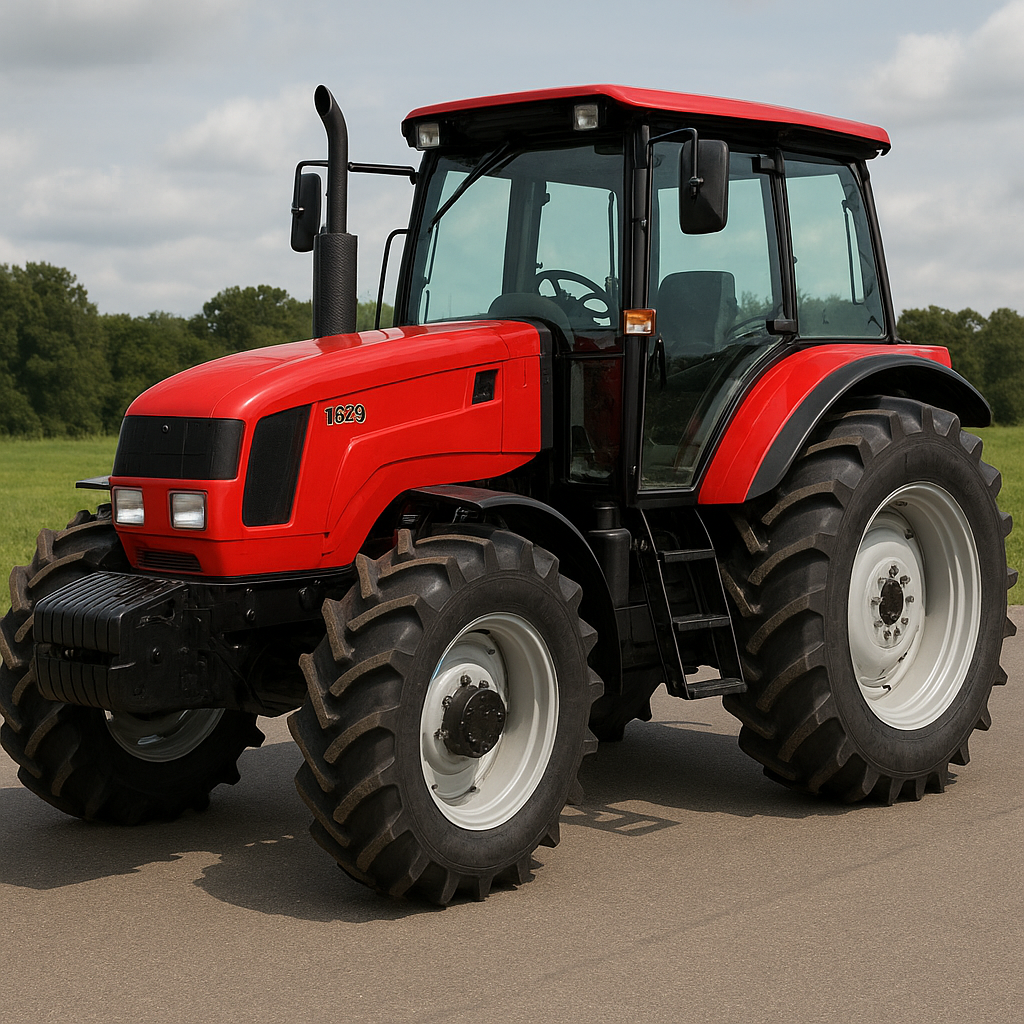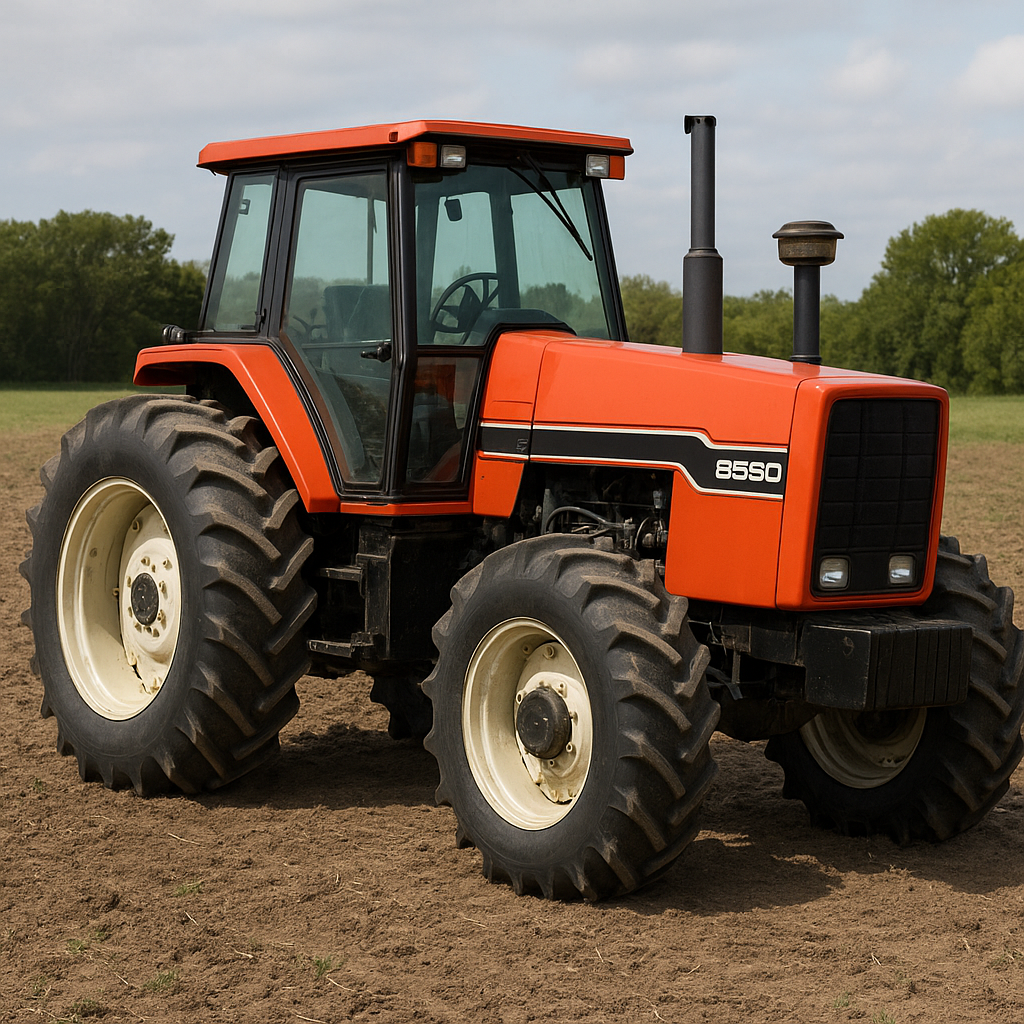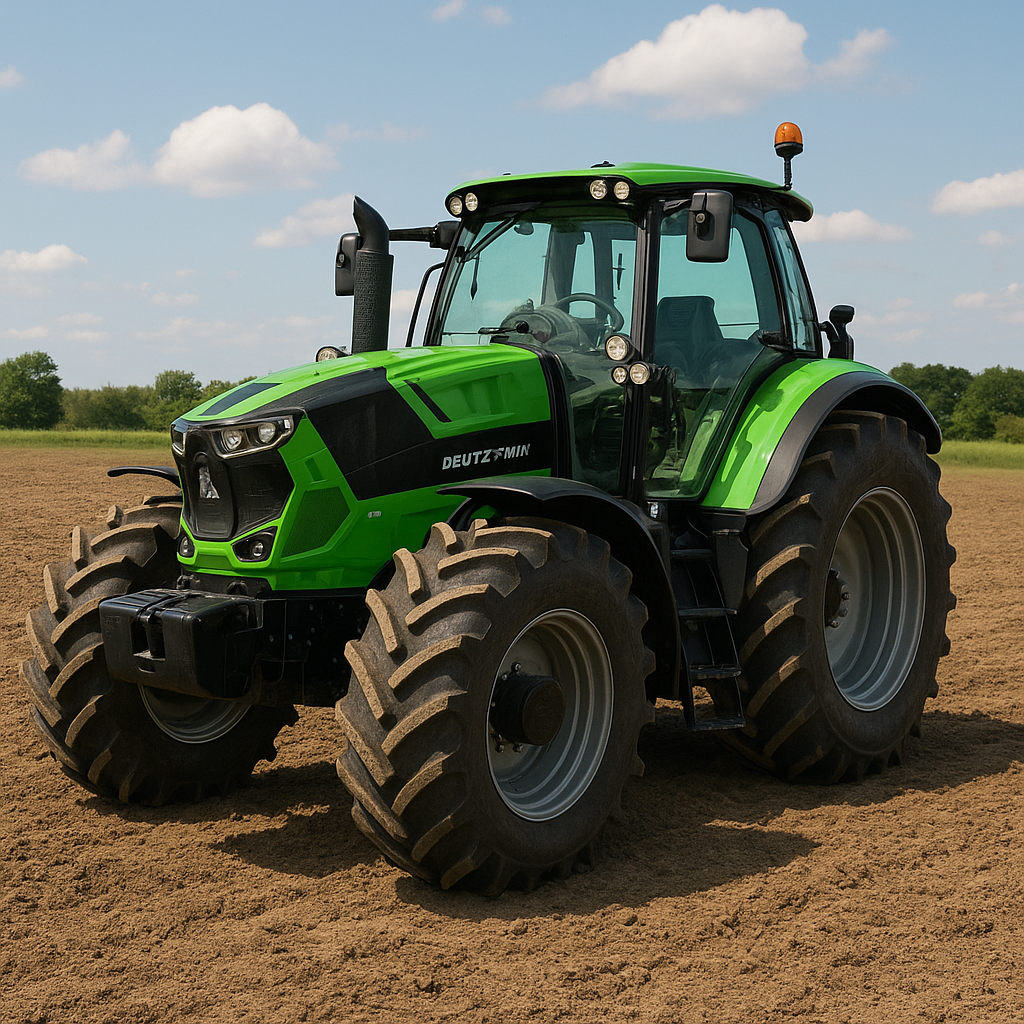
The Deutz-Fahr 6215 TTV is a versatile agricultural tractor from Deutz-Fahr’s mid-to-high power range, designed to combine robust mechanical engineering with modern electronic control and operator comfort. Widely used by professional farmers and contractors, the 6215 TTV aims to deliver a balance of high **power**, efficient **fuel** use, reliable hydraulics and intuitive operation for a wide range of tasks from heavy tillage to precision transport. The following article examines the 6215 TTV in detail — its design philosophy, technical highlights, practical applications, and operational considerations — providing useful background and typical specification figures where available.
Overview and background
The Deutz-Fahr 6215 TTV sits within Deutz-Fahr’s “6 Series” family, a lineup intended to meet the needs of medium and large-scale farms as well as contracting businesses. The model designation 6215 indicates its position in the range, with the numeric suffix commonly reflecting nominal engine power in the region of the 200–220 horsepower class. The “TTV” suffix identifies the tractor’s continuously variable transmission (CVT) system, a hallmark of modern utility tractors that provides seamless power delivery and simplified control compared with stepped gearboxes.
Deutz-Fahr tractors emphasize a blend of German engineering and agricultural practicality. The 6215 TTV has been marketed as a machine for those who require robust tractive capability and hydraulic performance while benefiting from the operational ease a TTV transmission provides. It competes with other mid-high power CVT tractors from manufacturers such as John Deere, Case IH, New Holland and Fendt.
Design and technical characteristics
Engine and emissions
The 6215 TTV is typically equipped with a Deutz diesel engine calibrated to deliver strong mid-range torque and clean emissions. The model generally offers peak power in the region of approximately 200–220 hp (around 150–165 kW), with continuous rated power somewhat lower depending on settings and regional variants. Like many modern tractors, it uses common-rail fuel injection and aftertreatment systems such as SCR (Selective Catalytic Reduction) and a diesel particulate filter (DPF) to meet contemporary emissions standards (Stage IV/ Tier 4 Final in most markets).
Transmission and driveline
The defining feature of the TTV variant is the TTV continuously variable transmission, which provides infinitely variable ground speeds and smooth torque transfer. Key operational benefits include:
- Seamless acceleration and deceleration without manual gear shifts.
- Optimized engine rpm for fuel economy during fieldwork and transport.
- Enhanced traction control through integrated differential locks and electronically controlled braking.
Typical top road speeds are configured up to 40–50 km/h, depending on national regulations and gearbox final drive ratios.
Hydraulics, PTO and linkages
Hydraulic capability is a major consideration for a tractor in this class. Typical features include a high-flow load-sensing hydraulic pump providing flows commonly in the range of 110–160 L/min (exact value dependent on options), multiple remote valves (3–5 or more), and advanced electronic control to manage flow priority for steering, implements and front linkage functions.
Rear linkage lift capacities for the 6215 TTV are competitive for its class, often exceeding 6,000–7,200 kg at the ball ends, enabling heavy implements — such as large ploughs, seed drills and balers — to be used without compromise. Standard PTO speeds include 540 and 1,000 rpm, with economy (540 ECO) settings frequently offered for lower-engine-speed operations to save fuel.
Chassis, axles and braking
The tractor’s chassis is designed to withstand heavy draft forces while offering a comfortable ride. Front axle designs include fully suspended options, improving traction and operator comfort on uneven terrain. Braking systems are robust, with hydraulic or electronically assisted brakes that integrate with the transmission and differential locks for safe high-speed transport and effective implement control in the field.
Cabin and operator interface
Deutz-Fahr places emphasis on operator ergonomics. Typical cabin features for the 6215 TTV may include:
- Air-suspended seat and multiple adjustment options for long-day comfort.
- Climate control (heating and air conditioning).
- Multifunction armrest with integrated shuttle, throttle and implement controls.
- Colour display(s) for machine settings, GPS guidance compatibility and telematics.
- Excellent all-round visibility and powerful LED working lights for night operations.
Modern infotainment and telematics systems allow fleet managers to monitor machine hours, fuel consumption, maintenance intervals and location — supporting more efficient fleet utilization and service planning.
Applications and field performance
Arable farming and tillage
The Deutz-Fahr 6215 TTV excels in heavy draft operations such as primary tillage, deep ploughing and heavy cultivations. The combination of high engine torque, continuous variable transmission and substantial rear linkage lift capacity means it can pull wide ploughs and large cultivators efficiently. The ability to maintain constant ground speed under varying load makes it ideal for producing consistent seedbed conditions.
Sowing, planting and precision tasks
When used with seed drills, planters and precision application equipment, the 6215 TTV’s steady power delivery and low-speed fine control (through TTV range and cruise settings) help improve seed placement uniformity and application accuracy. Integrated hydraulic control and ISOBUS compatibility allow easy connection to modern precision farming implements.
Hay and forage operations
For mowing, raking, baling and silage work, the 6215 TTV offers ample PTO power and hydraulic flow to run multiple implements simultaneously — for example, a mower-conditioner, tedders and baler combination. Quick response from the transmission and stable tractor weight distribution help maintain cutting heights and reduce losses.
Transport and loader work
With its TTV transmission the tractor is also well-suited to transport duties: it can maintain fuel-efficient engine speeds on the road and accelerate smoothly under load. Fitted with a front loader, the 6215 TTV performs feeding, material handling and loading tasks efficiently; a strong front linkage and optional quick-attach systems make loader attachments easy to change.
Contracting and mixed-use operations
Contractors who require a single machine to perform a variety of tasks across seasons find the versatility of the 6215 TTV attractive. Its blend of power, hydraulics, and comfort allows it to work long hours in the field, on the road and on specialized jobs such as spraying large areas with mounted booms.
Performance figures and typical statistics
Exact specifications vary by year of manufacture, market region and optional equipment. The following figures are representative values typical for the 6215 TTV class and are often cited in technical documentation or dealer specifications:
- Peak engine power: approximately 200–220 hp (approx. 150–165 kW).
- Maximum torque: often in the range of 900–1,000 Nm at mid-range RPM.
- Transmission: Continuously Variable (TTV), with top speeds up to 40–50 km/h.
- Hydraulic flow: typical load-sensing flows of 110–160 L/min.
- Rear linkage capacity: commonly 6,000–7,200 kg at the lift arms.
- PTO speeds: 540 / 1,000 rpm (plus ECO options).
- Fuel tank capacity: typically between 350–500 litres depending on configuration.
- Unladen weight: commonly in the range of 7,000–9,000 kg, depending on options and ballast.
For fleet-level or seasonal planning, operators typically monitor metrics such as average hourly fuel consumption (which can vary from ~10–30 L/h depending on task), daily work area coverage (hectares per hour for seeding/harvesting tasks), and life-cycle maintenance costs. Telematics integration makes tracking these statistics straightforward, allowing farm managers to optimize machine utilization.
Operator comfort, technology and precision farming
Comfort and safety
Long operating days demand a comfortable and safe environment. The 6215 TTV’s cabin design, suspended seat options, low noise levels and climate control are all intended to reduce operator fatigue. Safety features, such as automatic engine protections, visibility enhancements and robust lighting packages, are commonly included or available as options.
Precision agriculture and assistive systems
Modern variants of the 6215 TTV are often fitted with precision-farming hardware and software, including:
- GPS guidance systems (auto-steer) to reduce overlap and increase application accuracy.
- ISOBUS compatibility for plug-and-play implement control and streamlined data exchange.
- Telematics and fleet management platforms for remote monitoring of machine status.
- Section control and variable-rate application support for fertilizers and seed.
These technologies contribute to higher input efficiency — especially for expensive inputs like seed, fertiliser and fuel — and provide traceability and documentation needed for modern agricultural management.
Maintenance, operating costs and resale value
Maintenance intervals for the 6215 TTV depend on usage intensity and the manufacturer’s schedule, but typical items include regular engine oil and filter changes, diesel particulate filter service, hydraulic oil checks, and transmission fluid inspections. Because modern engines use aftertreatment systems, attention to diesel quality and scheduled DPF/SCR maintenance is important for long-term reliability.
Key factors affecting total cost of ownership:
- Fuel economy during common tasks — optimized engine mapping and TTV control can reduce consumption.
- Uptime — quick access to service, availability of parts and dealer support reduce downtime costs.
- Resale value — Tractors with good service records, low hours and popular options (GPS, front suspension, high-flow hydraulics) retain value better in the used market.
For contracting operations, hourly operating cost calculations should include fuel, maintenance, tyres, depreciation and operator wages. With proper maintenance and usage, tractors like the 6215 TTV typically remain productive for many thousands of hours; resale values reflect brand reputation, total hours and condition.
Strengths, limitations and buyer considerations
Strengths of the Deutz-Fahr 6215 TTV include its combination of strong mid-range torque, flexible TTV driveline, competitive hydraulic capacity, and operator-focused cabin ergonomics. The availability of modern precision-farming features and telematics enhances productivity and management oversight.
Potential limitations or considerations to check before purchase:
- Initial purchase price for a well-equipped TTV tractor can be substantial; compare lifecycle costs rather than up-front price alone.
- Aftertreatment systems require proper maintenance and high-quality fuel to perform reliably.
- Optional equipment (high-flow hydraulics, suspended axles, advanced guidance systems) adds capability but also complexity and maintenance considerations.
Prospective buyers should evaluate machine configuration relative to the primary tasks: for those who primarily do heavy draft work, focus on engine torque and linkage capacity; for mixed operations that include transport and loader tasks, give priority to TTV settings, braking and axle options; for precision farming, confirm ISOBUS, guidance and telematics compatibility.
Summary and final remarks
The Deutz-Fahr 6215 TTV is a solid choice for farmers and contractors seeking a mid-to-high power tractor that marries dependable mechanical capability with modern electronic controls and operator comfort. Its CVT (TTV) transmission provides fluid control across a wide speed range, making it suitable for heavy tillage, precision seeding, forage operations and road transport. With typical specifications in the ~200–220 hp class, robust hydraulics, and lift capacities designed for heavy implements, it remains a competitive offering in its segment.
When considering the 6215 TTV, evaluate the intended application profile, required hydraulic and PTO performance, and the value of precision farming and telematics for your business. Properly specified and maintained, the 6215 TTV can be a high-performing, efficient and versatile asset on modern mixed and arable farms.