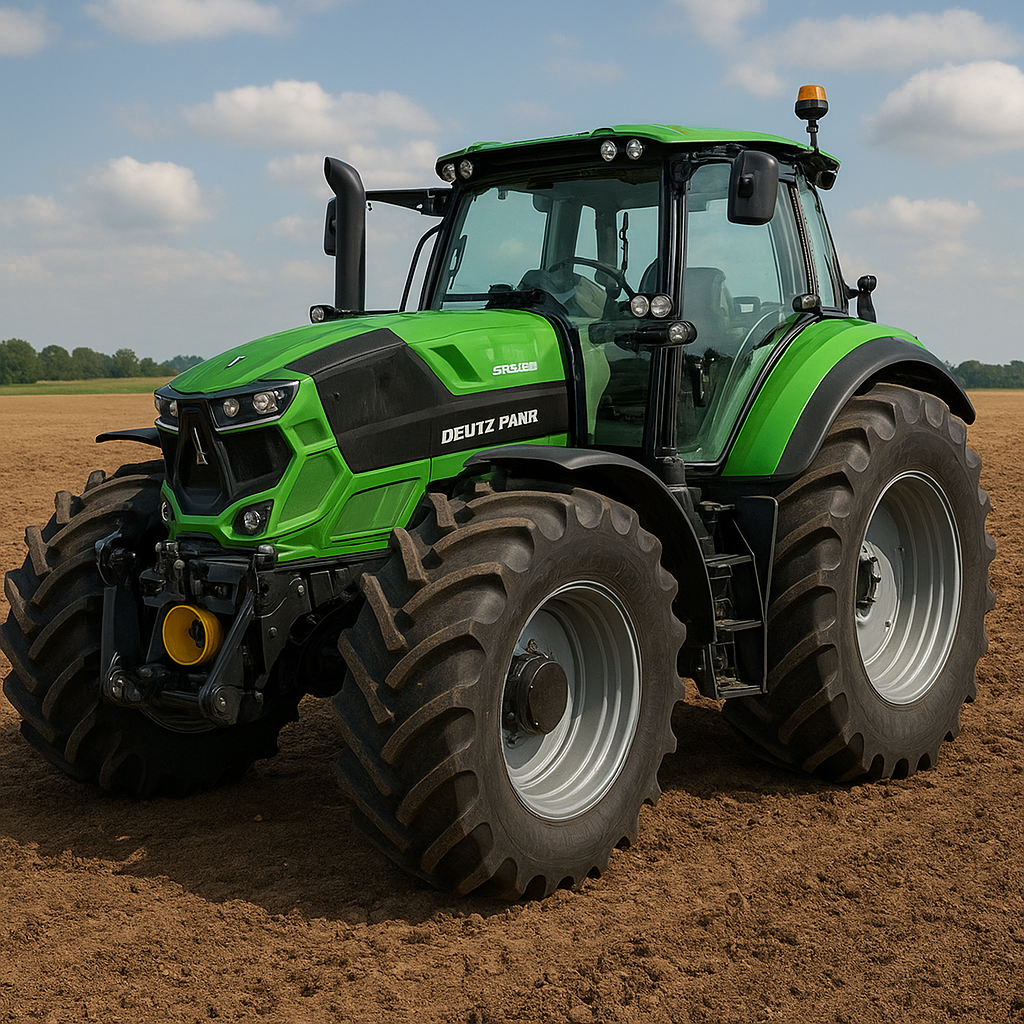
The Deutz-Fahr 8280 is a modern high‑performance agricultural tractor designed to bridge the needs of large-scale farming operations, contractors and mixed farms that require a combination of strong pulling capacity, advanced electronics and operator comfort. In this article you will find an overview of the model’s main characteristics, practical applications, technical insights, and operational considerations that make the 8280 an attractive choice for demanding agricultural tasks. The content covers design features, typical configurations, maintenance and economic aspects to help you understand how this machine performs in the field.
Overview and positioning
The Deutz-Fahr 8280 sits in the upper mid-range to high‑end sector of Deutz‑Fahr’s tractor lineup. It is intended for users who need a robust, versatile machine capable of handling heavy implements and long working hours while offering advanced control systems and comfort for the operator. Key design goals for the 8280 include balance between power and efficiency, modularity for different tasks, and a modern cab environment that reduces operator fatigue.
Design philosophy
Deutz‑Fahr designed the 8280 with emphasis on mechanical reliability and electronic integration. The platform typically features a turbocharged, common‑rail diesel engine coupled with a continuously variable transmission (commonly marketed as TTV or similar), which allows smooth delivery of tractive effort and fuel-optimized operation. Hydraulics, power take-off, and linkage systems are dimensioned to work with large seed drills, ploughs, cultivators, and forage equipment. The tractor’s front axle, four‑wheel drive system and tyres are chosen to provide excellent traction and stability under heavy loads.
Who the 8280 is for
- Large arable farms performing primary tillage, seeding and cultivation.
- Contractors who need a reliable, multi-tasking tractor for hire work.
- Dairy and livestock farms requiring equipment for silage and forage production.
- Municipal and industrial users that need a strong loader tractor with hydraulic versatility.
Key technical characteristics
While exact specifications vary by market and production year, the Deutz‑Fahr 8280 family shares a set of technical characteristics that define its capabilities. Below are the main functional areas and what to expect when assessing the tractor for purchase or operation.
Engine and emissions
The 8280 is typically powered by a diesel engine designed to deliver sustained torque across a broad rpm range. The power band is tuned to favour pulling capacity at lower engine speeds, improving fuel economy during heavy draft operations. Modern iterations conform to contemporary emission regulations and usually use aftertreatment systems such as selective catalytic reduction (SCR) and particulate filters to meet EU Stage IV / Tier 4f or equivalent standards, depending on the region. This combination of systems allows the engine to run efficiently while reducing harmful exhaust components.
Transmission and drive
The continuously variable transmission (CVT/TTV) is a defining feature that gives the 8280 smooth acceleration, precise ground speed control, and high towing performance without the need for frequent gear changes. This type of transmission is particularly advantageous during field work requiring consistent working speeds, such as seeding and spraying, or when transporting heavy loads on the road.
Hydraulics, PTO and linkage
High-capacity hydraulic pumps and multiple spool valves are standard or optional to operate large implements and front loaders. Typical features include an electronically controlled rear linkage with high lifting capacity, multiple hydraulic outlets, and a powerful PTO with several speed selections (e.g., 540 / 1000 rpm options) to suit a wide variety of implement requirements. The hydraulic system also supports automated implement control systems and ISOBUS compatibility for modern implements.
Cabin comfort and electronics
Deutz‑Fahr places strong emphasis on ergonomics: a well‑insulated cab, comfortable seating, climate control, and convenient placement of controls and joysticks are common. Large displays and integrated control interfaces allow the operator to monitor engine parameters, GPS guidance and implement settings. Telemetry and remote diagnostics may be available as options to support fleet management and preventive maintenance.
Primary applications and use cases
The versatility of the 8280 allows it to be used across a wide spectrum of agricultural tasks. Here are the most common domains in which the 8280 proves valuable.
Arable farming and tillage
With strong draft capacity and reliable hydraulics, the 8280 is well suited for primary and secondary tillage. It can efficiently pull large ploughs, heavy discs and cultivators. The tractor’s torque characteristics and transmission control help maintain consistent working speeds and achieve uniform field conditions, which is critical for seedbed preparation.
Planting and seeding
For seeding and planting, precision and steadiness of speed are crucial. The TTV transmission and cruise control systems enable steady ground speeds that contribute to uniform seed placement and depth control. When combined with ISOBUS planters and GPS guidance, the tractor can be part of a precision agriculture setup that reduces overlaps and optimizes input usage.
Forage harvesting and baling
In silage and haymaking, the 8280 supports mowers, rakes, balers and forage wagons. The combination of PTO power, hydraulic flow and rear linkage capacity allows efficient operation of large harvesting implements. Strong hydraulics are particularly helpful when operating balers with high throughput or hydraulic pick-up systems.
Transport and loader work
Contractors and large farms often use the 8280 for transporting trailers and moving materials with a front loader. The chassis and drive system provide stability during road transport and lift tasks, while optional front linkage and joystick controls facilitate efficient loader operations.
Specialist work and municipal use
With proper attachments, the 8280 can be adapted for snow clearing, roadside mowing, and other municipal tasks. Its robustness and modularity make it a good choice for users who need one machine to perform a variety of duties throughout the year.
Performance, efficiency and operational data
Users looking for performance figures should evaluate both engine output and effective work rates—the difference between nominal horsepower and usable power at the implement. Although exact numbers are model‑year dependent, the 8280 generally targets the high two‑hundreds of horsepower in factory ratings, which places it among tractors suited for medium to heavy fieldwork.
Fuel consumption and working costs
Fuel consumption depends heavily on task, load, terrain, and operator habits. Under steady draft work at optimum settings, fuel usage per hectare will often be lower than older tractors of similar power because of improved injection systems, optimized gear ratios and intelligent engine management. Operators commonly observe better fuel economy when using the CVT/TTV gearbox to match engine load to ground speed. Routine maintenance and correct tyre pressures also have measurable impact on fuel efficiency.
Work rates and productivity
Measured productivity depends on implement width, ground conditions and average field speed. With wide cultivators or seeders, the 8280 can handle large acreages per day compared to lower-power machines, reducing overall project time and labour needs. Contractors benefit from higher average daily outputs when deploying equipment combinations that exploit the tractor’s continuous power delivery.
Payload and towing
The rear linkage and drawbar systems are engineered for heavy implements and trailers. Transport tasks on roads at regulated speeds are supported by a transmission that keeps the engine in an efficient range while providing comfortable operator conditions and safety.
Comfort, controls and precision farming
A major selling point of the 8280 is its attention to operator experience and systems that enable precision agriculture workflows.
Operator environment
Spacious cab layouts, adjustable seats and low noise levels reduce operator fatigue. User interfaces are designed to be intuitive, grouping functions such as transmission, hydraulics and electronic implement control for quick access. Climate control and visibility features (large glass area, optional panoramic roofs or LED work lights) improve comfort and productivity during long shifts and low-light conditions.
Precision and automation
Integrated electronics often support guidance systems and ISOBUS, allowing the tractor to communicate with modern implements for automated control of seeding rates, application rates and implement depth. Optional GPS‑based autoguidance reduces overlap and operator workload, while data logging systems help track field performance, fuel usage and maintenance events.
Maintenance, reliability and lifecycle costs
Long-term ownership cost is a key consideration. Deutz‑Fahr tractors are engineered for durability, but preventive maintenance is essential to keep running costs predictable.
Routine service items
- Engine oil and filter changes at manufacturer intervals.
- Fuel filters and water separators maintenance to prevent injector issues.
- Hydraulic oil and filter checks, as well as inspection of hoses and couplings.
- Transmission and final drive oil checks when applicable.
- Inspection and cleaning of air filters, intercoolers and radiators.
- Aftertreatment system checks (e.g., SCR dosing system, DPF regeneration monitoring) to ensure emissions compliance and performance.
Common reliability considerations
Key areas to monitor for reliability: electronic connections and harnesses (especially in wet conditions), hydraulic leak points around spool valves and couplings, and cooling system cleanliness. Following a documented service schedule and using genuine parts help maximize uptime and resale value.
Resale and depreciation
High‑specification tractors like the 8280 typically retain reasonable market value due to demand from contractors and large farms. Depreciation is influenced by hours of use, service history, and whether precision systems and telematics are installed. Well‑maintained machines with documented service records often sell faster and at better prices.
Attachments, implements and compatibility
The 8280’s design facilitates a wide range of attachments. Choosing the right implement can transform the tractor into a specialised workhorse or an all‑round utility machine.
Common attachments
- Ploughs, discs and cultivators for tillage
- Seeders and planters with ISOBUS control
- Sprayers and spreaders for crop protection and fertigation
- Balers, forage wagons and mowers for forage harvesting
- Front loaders and pallet forks for material handling
- Trailers and tippers for transport tasks
Integration with precision implements
ISOBUS compatibility and hydraulic control channels enable precise implement operation. Features like variable-rate application and section control reduce input waste and enhance productivity, particularly when combined with GPS guidance systems.
Market context, competitors and buying considerations
When evaluating the 8280, potential buyers should compare it with offerings from other major tractor manufacturers in the same power class. Competitors often include models from brands that also emphasize CVT transmissions, advanced hydraulics and precision farming integration.
Comparison criteria
- Net and PTO power ratings for the tasks you plan to perform
- Transmission type and how it affects fuel consumption and operator convenience
- Hydraulic flow rates and the number of spool valves for implement control
- Cab features, ergonomics and available electronic options
- Dealer support network and availability of spare parts
- Warranty terms and optional service packages
Purchasing tips
Inspect service records, test hydraulics and PTO under load, and confirm software versions for any on‑board control systems. If buying used, check for evidence of heavy-duty contractor use, which may include higher wear on the drivetrain and hydraulics. Evaluate long‑term operational costs, including servicing intervals, consumables and potential repair expenses for aftertreatment systems.
Safety, operator training and environmental considerations
Safe operation and environmental compliance are integral to the modern tractor lifecycle. The 8280 features ergonomic controls and safety features designed to reduce risk, but training and responsible operation remain essential.
Safety features
- Rollover protection and robust frame design
- Emergency engine-stop in cab and on‑board monitoring
- Advanced lighting packages for night work
- Electronic aids such as hill‑start assist and cruise functions for safe transport
Environmental impact
Engines with modern aftertreatment systems reduce NOx and particulate emissions; however, these systems require proper maintenance. Operators should follow recommended procedures for DPF regeneration and SCR maintenance to preserve emissions performance and avoid costly repairs. Additionally, precision application systems enabled by the tractor can help reduce overuse of fertilisers and crop protection agents, contributing to more sustainable practices.
Real-world experiences and practical advice
Feedback from operators typically highlights the 8280’s smooth power delivery, comfortable cab and flexibility across multiple tasks. Practical tips for maximizing the tractor’s potential include:
- Use the CVT/TTV modes effectively—match engine speed to load rather than defaulting to high rpm.
- Keep the hydraulic system clean and use OEM-approved hydraulic fluid to avoid premature component wear.
- Calibrate and update software for guidance and ISOBUS interfaces to ensure reliable performance and compatibility with newer implements.
- Monitor tyre pressures and choose appropriate tyre configurations for the mix of field and road work to optimize traction and reduce soil compaction.
Summary
The Deutz‑Fahr 8280 is a capable and versatile tractor that meets the needs of large farms and contractors who require a machine combining substantial power, modern transmission technology, robust hydraulics and a comfortable cab. While precise specifications can vary by year and regional configuration, the model is typically positioned to deliver strong performance in tillage, seeding, forage and transport tasks. Emphasis on electronic integration and options for precision farming makes it suited for operators seeking improved efficiency and reduced input costs. Careful attention to maintenance and correct usage will preserve the tractor’s value and reliability over years of service.
Final considerations before buying
Before committing to a purchase, verify the exact specification sheet for the particular 8280 you are considering—check horsepower, PTO specifications, hydraulic flow ratings, cab options and available telematics. Compare total cost of ownership across comparable models and confirm dealer support for servicing and parts. For many operations, the combination of continuous power delivery, modern emission controls and precision farming compatibility makes the 8280 a compelling option that balances productivity with operator comfort and long‑term value.