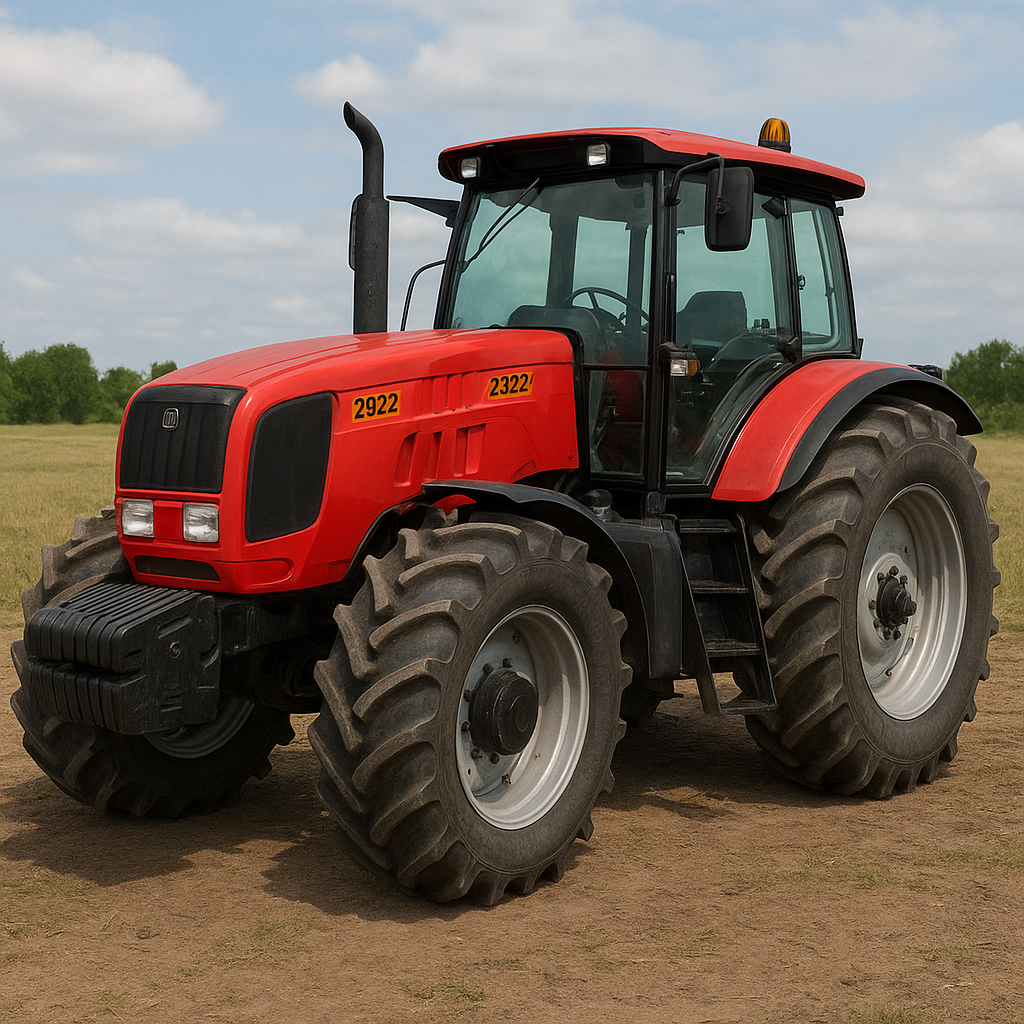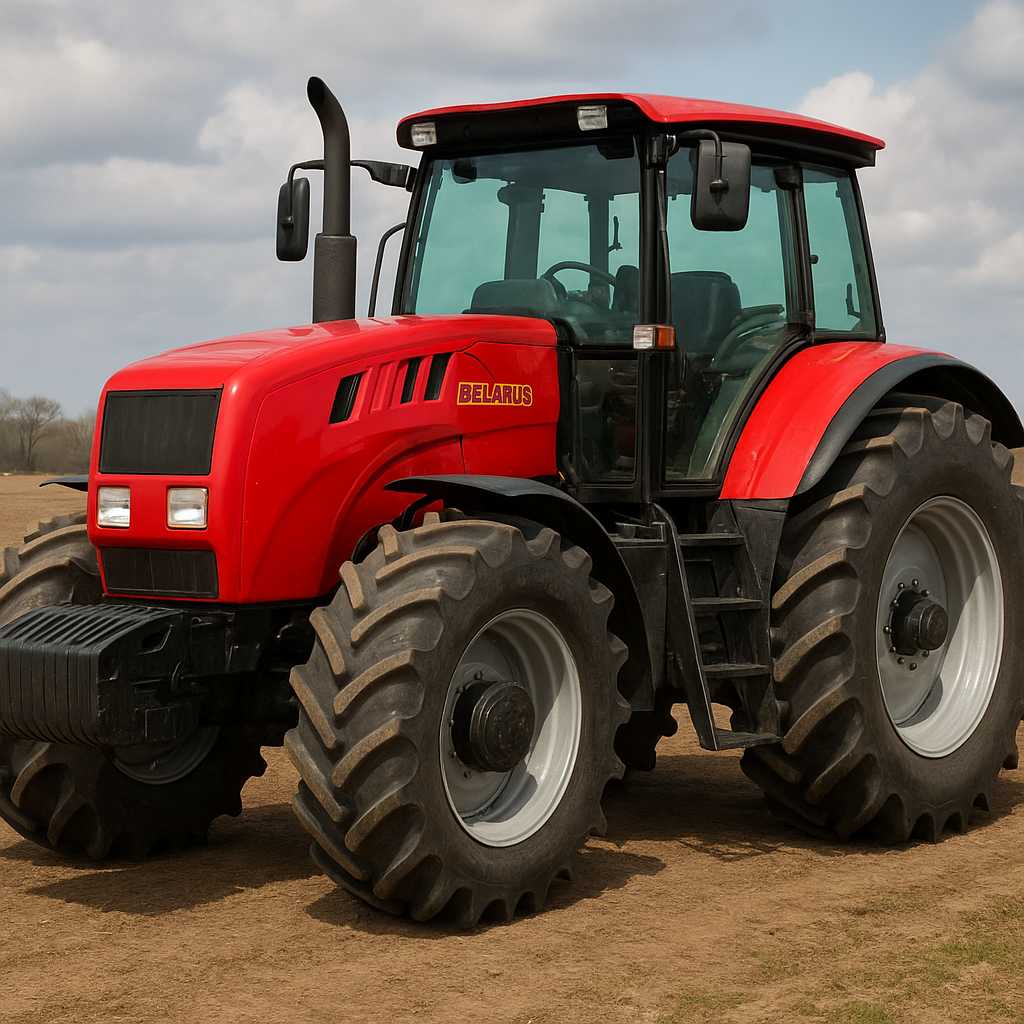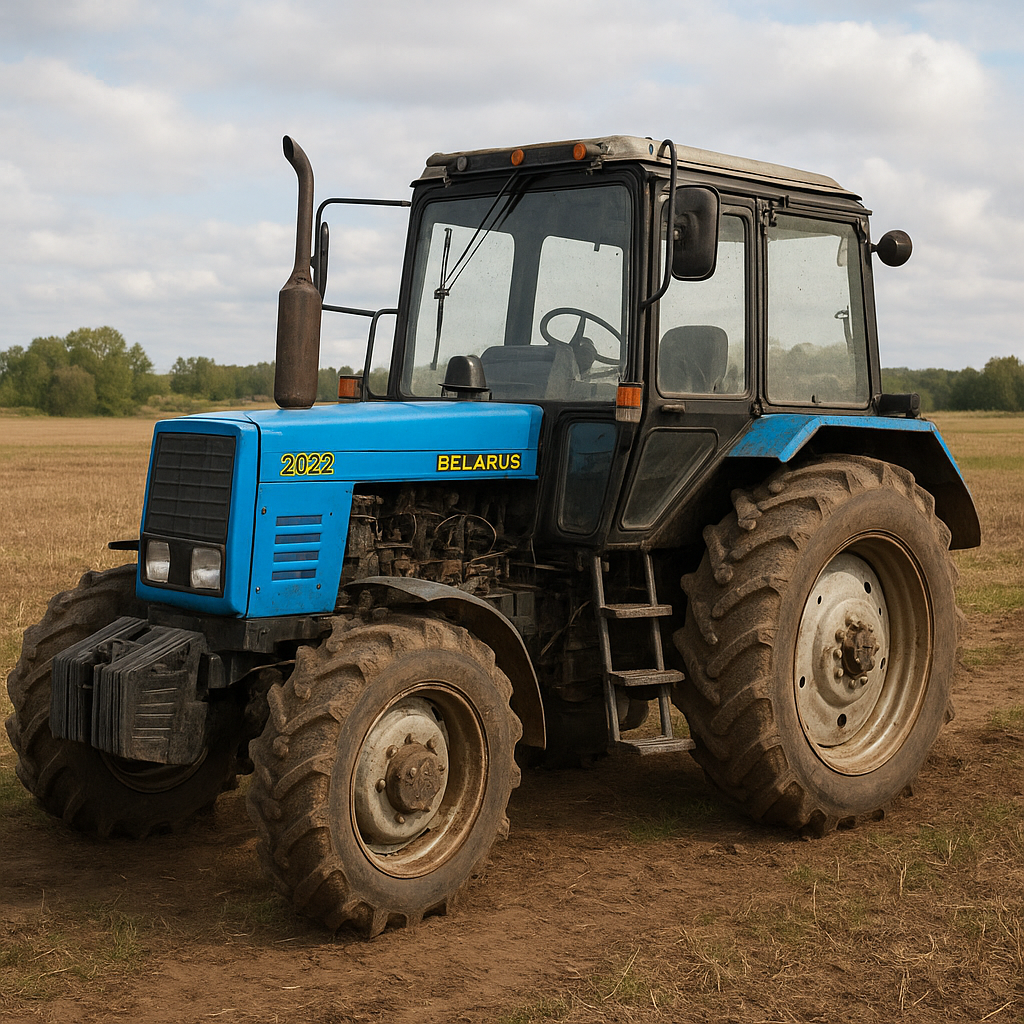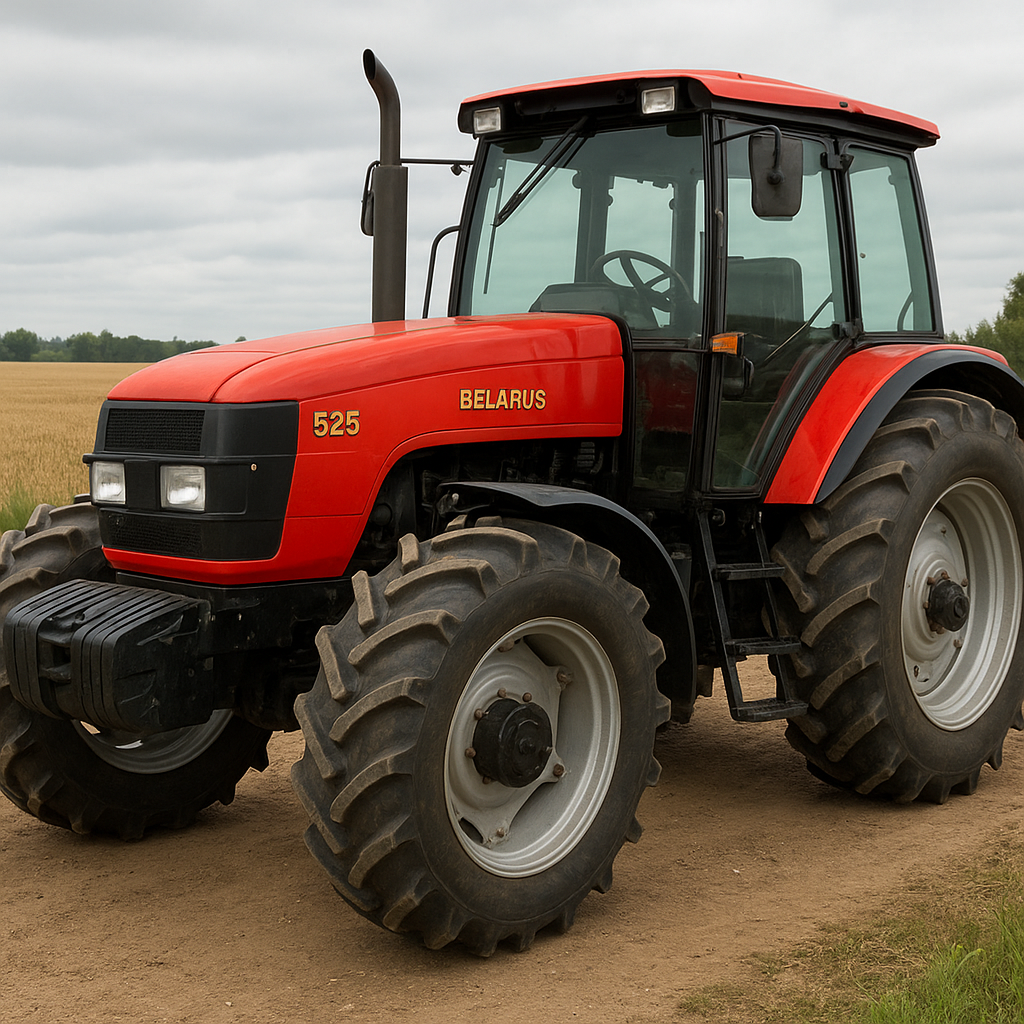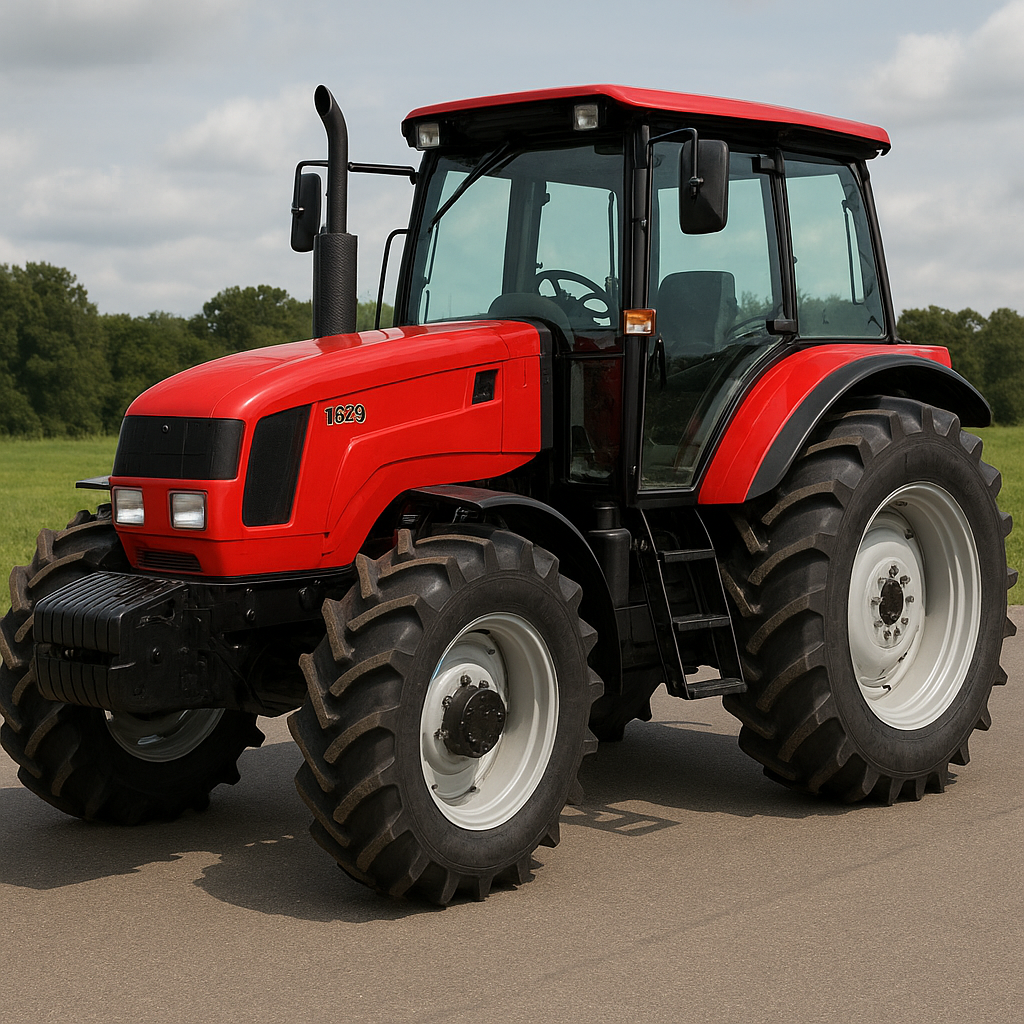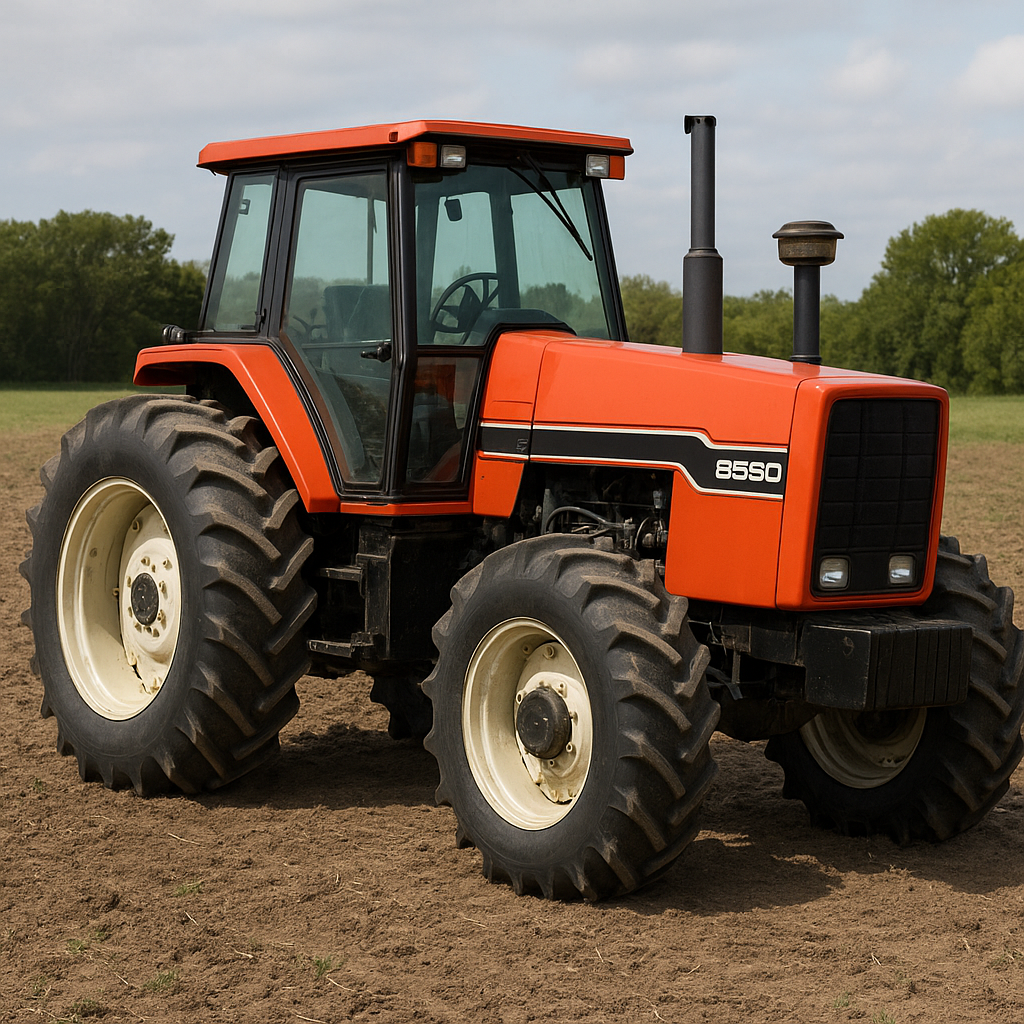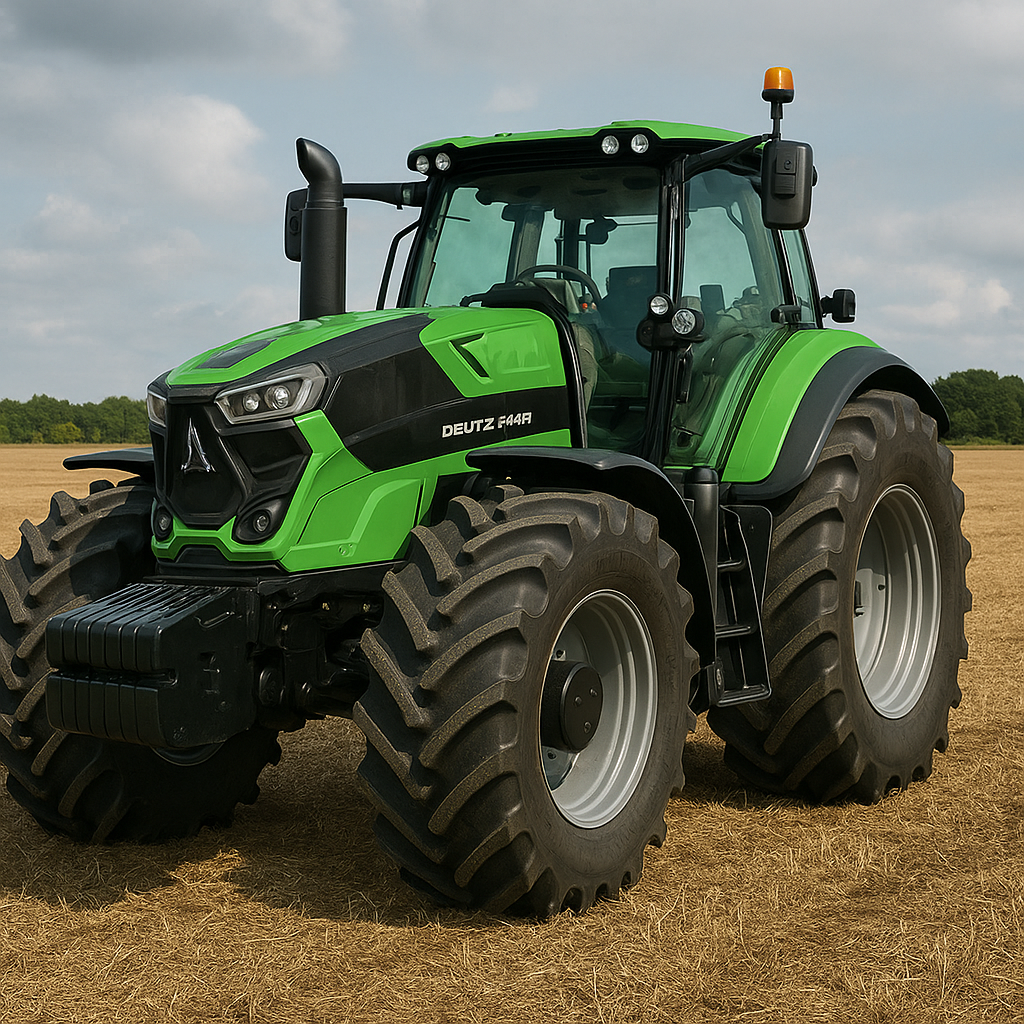
The Deutz‑Fahr 9340 TTV is a high‑performance agricultural tractor from the German brand Deutz‑Fahr, designed to meet the demands of large‑scale arable farming, heavy fieldwork and professional contracting. Combining robust mechanical design with modern electronics, the 9340 TTV aims to deliver a balance of power, efficiency and operator comfort. In the following sections, we explore its technical characteristics, typical applications, performance and operational considerations, as well as noteworthy features that make it a competitive choice in the 300+ horsepower segment.
Technical design and main specifications
The 9340 TTV sits in the upper range of Deutz‑Fahr’s lineup and is built around a powerful engine and a continuously variable transmission. Key design goals for this machine include delivering consistent drawbar and PTO torque, ensuring hydraulic capacity for modern implements, and providing a cab environment suited for long operating hours.
Engine and powertrain
- The tractor is typically powered by a robust inline six‑cylinder diesel engine. The displacement and specific family can vary by production year and emissions stage, but engines in this class commonly range around a 6‑ to 7‑litre capacity.
- Rated power for the 9340 TTV is in the region of approximately 330–340 hp (ECE R120), with peak boost available under certain conditions via the engine management system.
- The “TTV” designation indicates a continuously variable transmission (CVT), designed to deliver smooth, stepless speed changes and efficient power transfer. This transmission improves traction control and fuel economy in variable load situations compared with stepped gearboxes.
- Top road speed is commonly offered up to 50 km/h as standard, with optional configurations that may enable higher speeds depending on local regulations.
Hydraulics, hitch and PTO
- Hydraulic flow rates for the 9340 TTV are generous to support large implements and autoguidance systems. Typical systems provide a high‑flow option (often >150 l/min) for demanding hydraulic consumers.
- Rear linkage lift capacity is engineered for heavy mounted equipment and large trailed implements; values in this class are often around 10–12 tonnes at the hitch point, depending on configuration.
- Power take‑off (PTO) options include multiple speeds to match a wide range of implements. Common setups feature a standard 540/1000 rpm PTO, sometimes with an economic 1000E mode for fuel savings at reduced engine speed.
Chassis, axles and weight
- The 9340 TTV is built on a heavy duty chassis with front and rear suspensions available to improve ride quality and tractive performance. Front axle suspension and cab suspension options increase operator comfort on long jobs.
- Operating weight depends on specification and ballast, but typical curb weight figures for tractors of this size often range from approximately 9,000 to 11,000 kg.
- Ballasting and tyre choices are critical for maximizing traction and minimizing soil compaction. Many operators select wide flotation tyres or duals for high pulling tasks and to reduce ground pressure.
Applications and fields of use
The 9340 TTV is intended for professional users who require a versatile, high‑power machine. Its typical tasks span a broad spectrum of agricultural operations where reliability and capacity are crucial.
Arable farming and tillage
- Primary tillage: pulling large ploughs and cultivators where continuous power delivery and traction are necessary to maintain consistent working depth and throughput.
- Secondary tillage and seedbed preparation: powering heavy harrows, power harrows and rollers, benefitting from the CVT’s ability to keep the engine in its most efficient range.
- Sowing operations: towing large seed drills and air seeders, where hydraulic capacity and PTO reliability help ensure accurate seeding and metering systems.
Harvest support and forwarding
- Transporting harvest equipment and grain trailers at higher road speeds reduces cycle times between fields and storage points.
- Operating large combine trailers, grain carts and chaser bins — the high lift capacity and strong PTO torque provide dependable support during peak harvest periods.
Contracting and mixed operations
- Contractors often use machines like the 9340 TTV for their flexibility: the same tractor can handle large tillage, seeding, manure spreading and transport duties with minimal downtime.
- Specialist implements such as salt spreaders, heavy trailers and front loaders can be fitted, taking advantage of high hydraulic output and robust structure.
Operator environment and technology
Deutz‑Fahr places emphasis on a comfortable and technologically equipped cab for the 9340 TTV to reduce operator fatigue and increase productivity. The cab integrates controls, displays and comfort features tailored for long working days.
Cab design and ergonomics
- The cab offers generous visibility to the front, sides and rear through a combination of large glass surfaces and well‑placed mirrors. Optional camera systems can further improve rear implement visibility.
- Ergonomic layouts position frequently used controls within easy reach. Joysticks and multifunction controls allow one‑handed operation of hydraulics, linkage and transmission settings.
- Comfort features may include automatic climate control, air‑suspended seats, sound insulation and adjustable steering columns to create a focused yet comfortable workspace.
Precision farming and connectivity
- Modern electronics enable integration with precision farming tools: GPS guidance, auto‑steering, ISOBUS compatibility and telematics for remote monitoring and fleet management.
- ISOBUS support ensures implements and the tractor can communicate for section control, variable rate application and implement monitoring — improving input efficiency and reducing overlap.
- Telematics options provide data on fuel consumption, operating hours, location and maintenance reminders, valuable for large operations and contractors managing multiple machines.
Performance, fuel economy and operating costs
Performance analysis of a tractor such as the 9340 TTV must consider fuel efficiency under varying loads, maintenance intervals, and total cost of ownership. Its CVT and modern engine management are intended to optimize fuel use by maintaining the engine at efficient RPM ranges.
Fuel consumption and efficiency
- Real‑world fuel consumption depends heavily on task, soil conditions and implement type. As a broad estimate for the 300+ hp class, fuel use typically ranges from roughly 15 to 30 L/h during field work; transport and light tasks are considerably lower.
- The continuously variable transmission helps keep the engine in its optimal torque and efficiency band, which can reduce fuel use relative to non‑CVT tractors in some operating profiles.
Maintenance and service
- Maintenance intervals (oil, filters, coolant, etc.) follow manufacturer recommendations and vary by operating hours and duty cycles. Many modern tractors recommend service checks at intervals such as 250, 500 and 1,000 hours for specific items.
- Availability of parts, local dealer network for Deutz‑Fahr, and access to trained technicians influence downtime and running costs. For contractors, a comprehensive service contract can be a cost‑effective strategy to reduce unplanned downtime.
Compatibility with implements and aftermarket options
The 9340 TTV is compatible with a wide range of modern implements and accessories, enabling operators to tailor the machine to specific farm needs.
- PTO‑driven implements: balers, mowers, power harrows and slurry pumps can be powered reliably, with torque delivery suited for heavy implements.
- Hydraulic consumers: planters, sprayers, front loaders and folding cultivators requiring high hydraulic flow are well supported with high‑flow options.
- ISOBUS and electro‑hydraulic controls: allow precise implement management, section control and variable-rate applications for fertilizers and pesticides.
- Front linkage and three‑point hitch options increase the tractor’s versatility for front mounted implements such as mowers or snow clearing equipment.
Market positioning and statistical context
Tractors like the 9340 TTV are positioned for farms and contractors needing horsepower in the 300+ range. This segment has grown in many regions as farms consolidate and seek machines that can handle larger implements and higher acreages per hour.
- Regionally, the 300–400 hp market is strongest in areas with large arable enterprises—such as parts of Europe, North America, Australia and South America—where a single tractor must cover expansive fields.
- While specific global sales figures for the 9340 TTV are not publicly disclosed on a consistent basis, Deutz‑Fahr’s presence in the premium tractor market has steadily increased over recent years, with the 9 Series aimed at improving competitiveness against other major European and North American manufacturers.
- Used market values for tractors in this class depend on hours, condition, and installed options. Depreciation curves vary by region and operator usage, with many units retaining significant value due to robust construction and aftermarket support.
Strengths, limitations and operator considerations
The 9340 TTV offers a compelling package, but like any large tractor it has strengths and trade‑offs that operators should consider when matching machine to task.
Strengths
- Power and torque suitable for heavy implements and continuous operation.
- CVT/TTV transmission for smooth operation and efficiency under variable loads.
- Hydraulic capacity and hitch strength to work with modern, large‑scale implements.
- Comfort and technology for long hours and precision farming integration.
Limitations and trade‑offs
- Higher initial capital cost compared with lower horsepower tractors; investment is justified when the machine’s productivity reduces overall fleet needs or speeds up work rates.
- Operating costs (fuel, tyres, maintenance) increase with size and capability; smart management and proper matching of implements are essential to keep costs in line with returns.
- Soil compaction risk: heavy machines require careful ballast and tyre choices, as well as agronomic practices, to avoid soil structure damage.
Practical tips for prospective buyers and operators
Choosing a tractor like the 9340 TTV means balancing needs for power, versatility and long‑term operating economics. The following practical points help in assessment and day‑to‑day use.
- Match implement size to tractor capacity: avoid underutilizing the tractor where possible, but also ensure field size and tasks justify the investment.
- Consider telematics and precision farming options at purchase: they provide ROI through fuel savings, input optimization and better scheduling.
- Plan a tyre and ballast strategy early to maximize traction while minimizing ground pressure.
- Negotiate a service package or extended warranty if heavy use or contracting is expected; rapid access to parts and trained technicians reduces costly downtime.
- Regularly monitor fuel consumption and engine performance via onboard systems to detect issues early and maintain efficient operation.
Summary
The Deutz‑Fahr 9340 TTV is a high‑capacity, technologically equipped tractor aimed at modern arable farmers and contractors who require reliable power, efficient drivetrains and advanced hydraulics. Its strengths lie in the combination of robust mechanical design and precision farming features that improve productivity and operational control. While capital and running costs are higher than smaller models, for operations that demand this class of performance the 9340 TTV can deliver significant time savings and versatility. Proper matching of implements, attention to maintenance, and adoption of telematics and precision tools will maximize the value delivered by this machine.