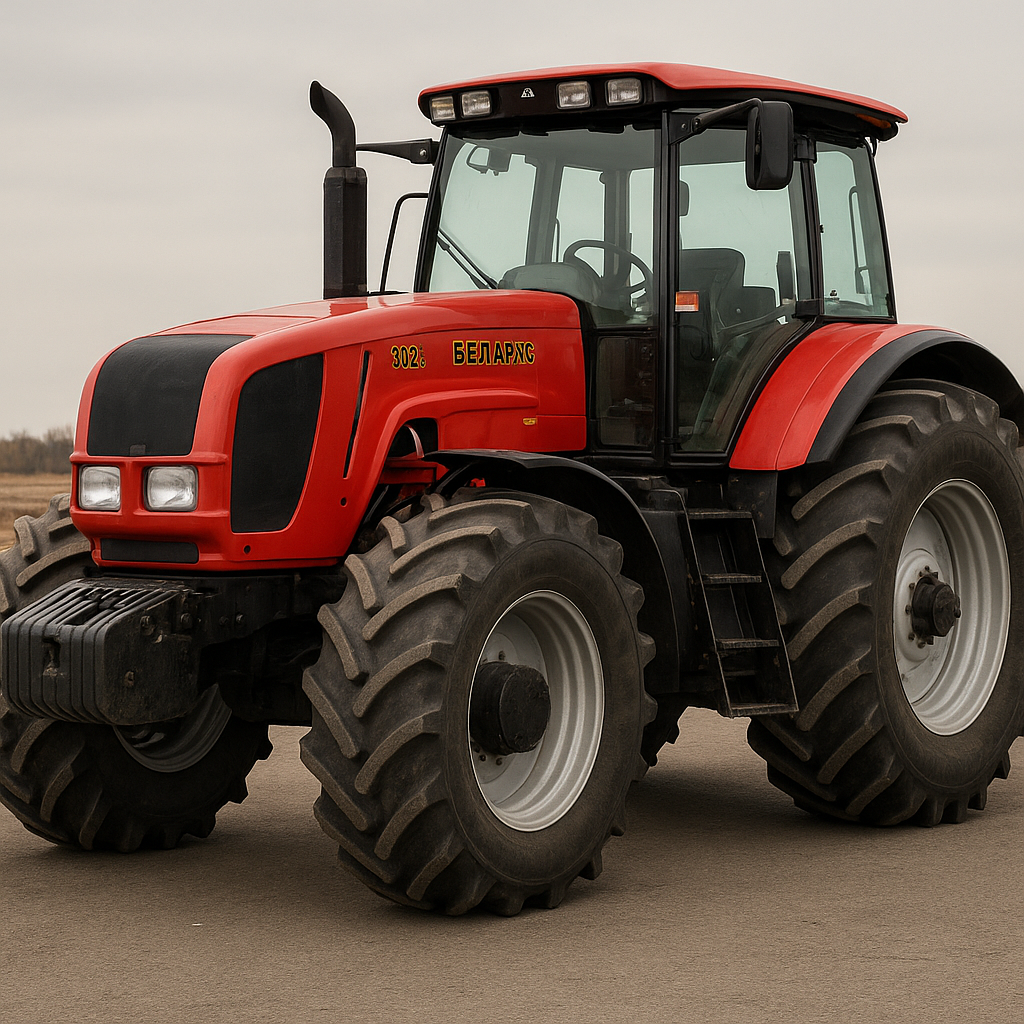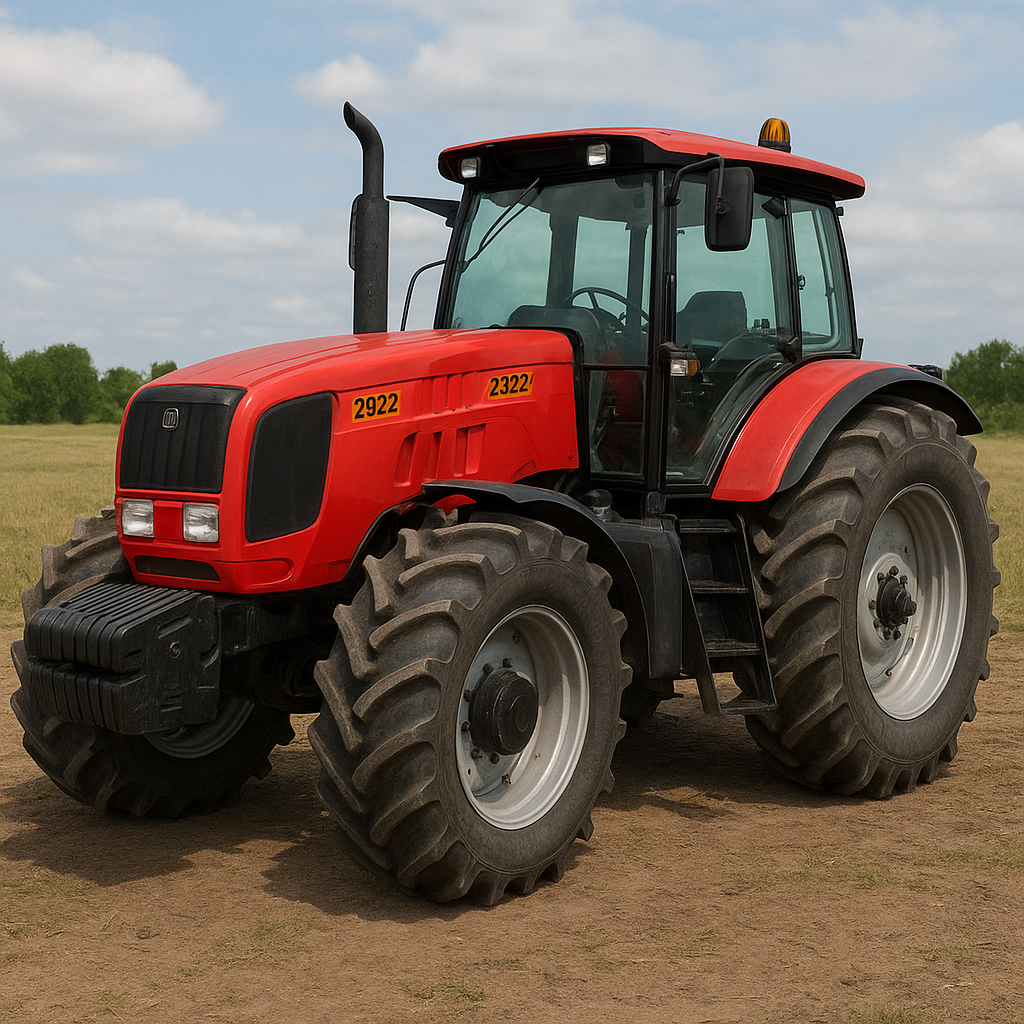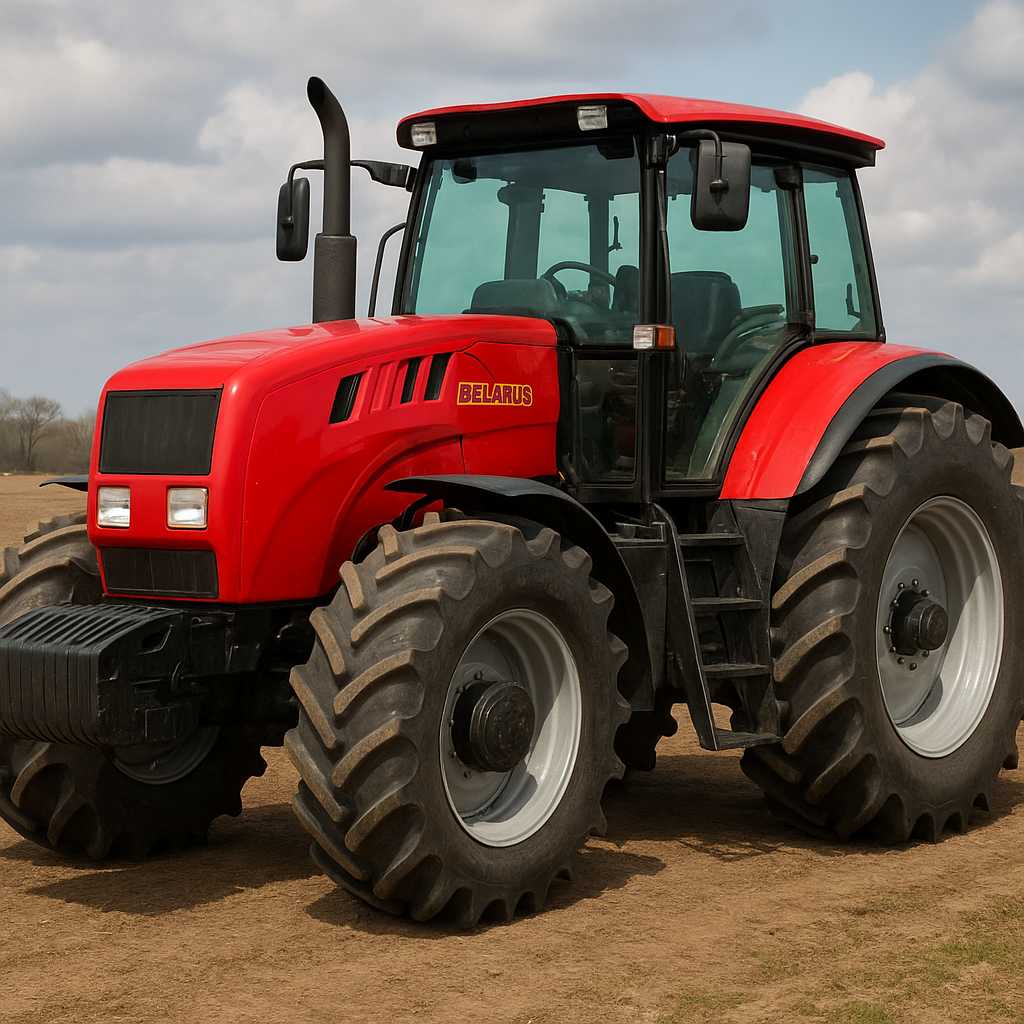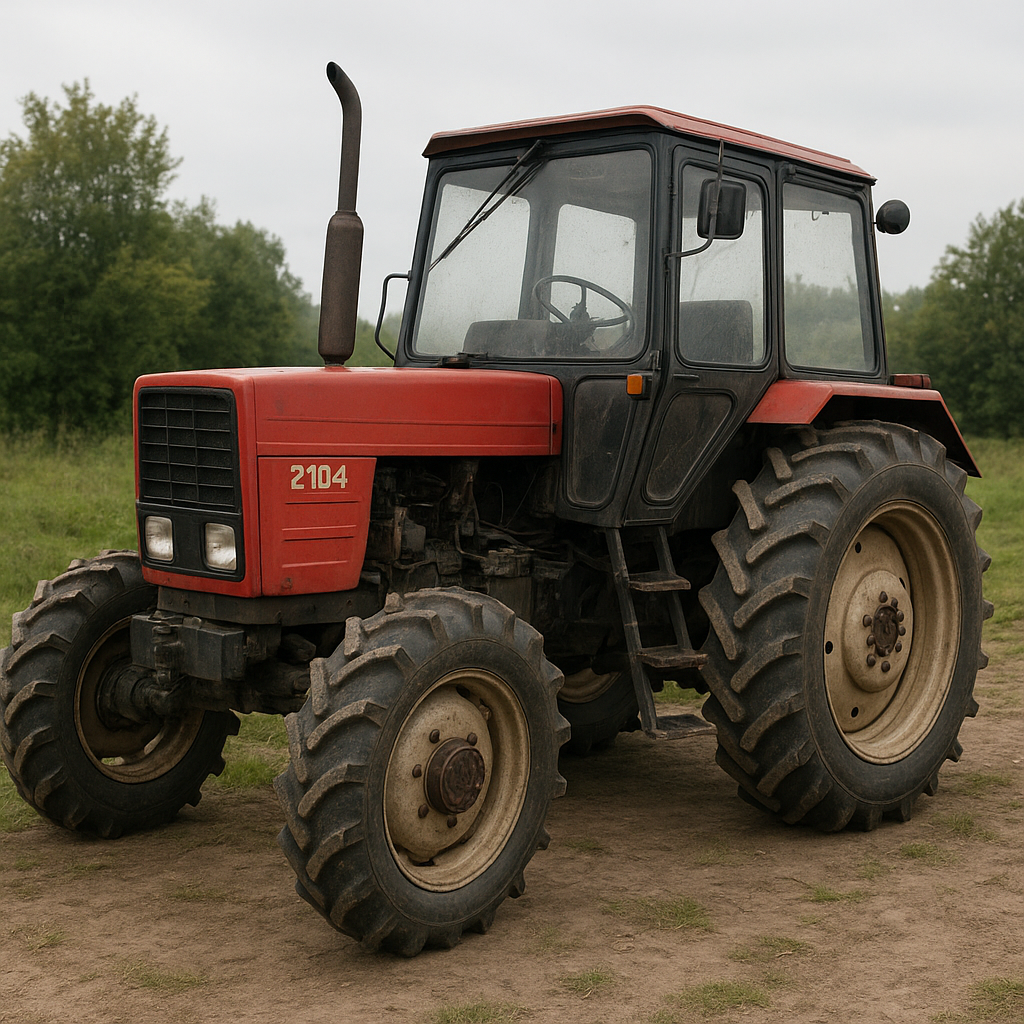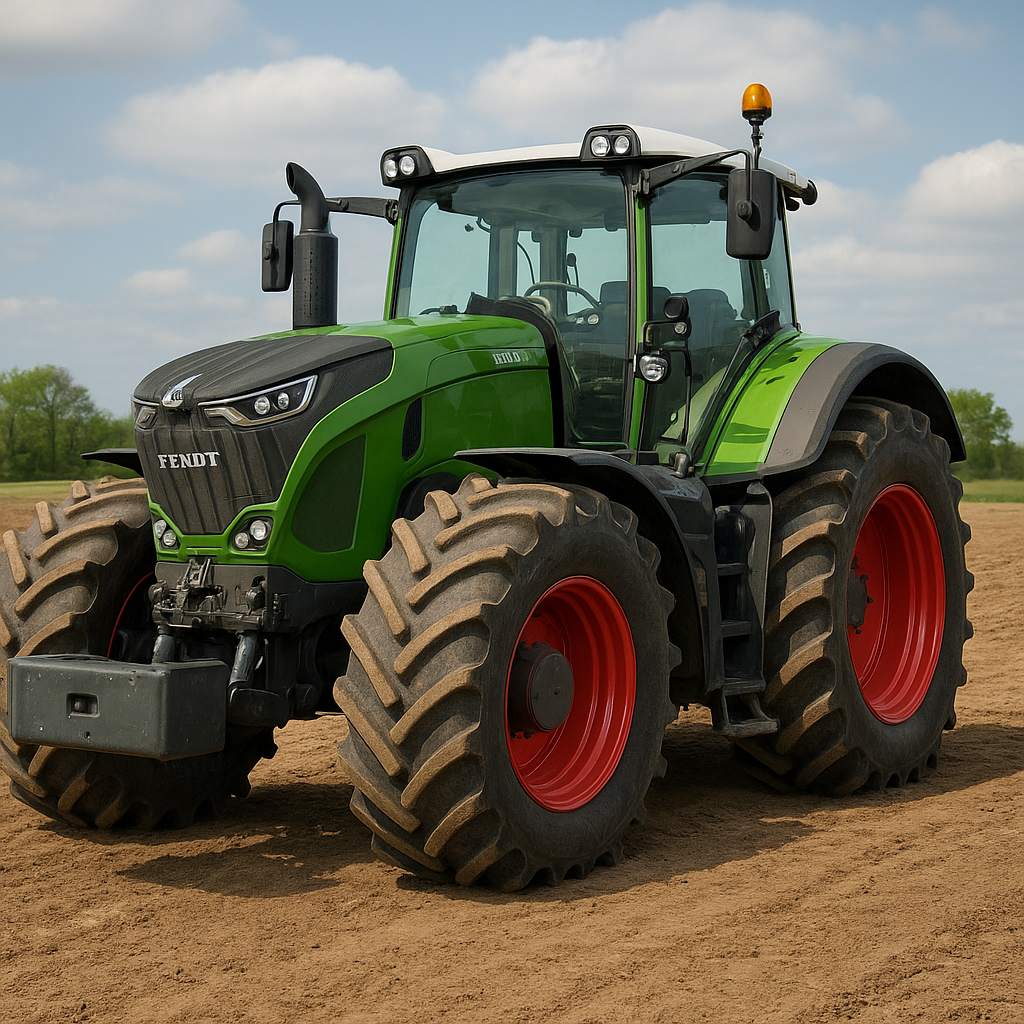
The Fendt 1050 Vario represents one of the flagship models in the high-power agricultural tractor category, combining advanced drivetrain technology, modern electronics, and operator-focused design. Designed for large-scale farming operations and demanding tasks, this machine aims to deliver high levels of productivity, efficiency, and long-term reliability. Below you will find a detailed overview of the tractor’s background, technological features, typical applications, operational data, and practical considerations for farmers and contractors.
Overview and background
The Fendt 1050 Vario is part of Fendt’s 1000 Vario series, which was developed to meet the needs of heavy-duty arable farming, contracting and any operation that demands sustained high power and torque. Fendt, a brand of AGCO Corporation, has positioned the 1000 series as its advanced platform for high-horsepower CVT tractors. The 1050 specifically sits at the top of the line in terms of available engine output and features intended for the most demanding tasks, such as deep tillage, primary cultivation, heavy planting and large trailer transport.
Launched as the flagship in the 1000 Vario family, the 1050 combines a large in-line engine architecture with advanced aftertreatment systems to meet contemporary emissions standards while offering torque-rich performance. It features Fendt’s proven continuously variable transmission system and a suite of electronic controls and precision farming tools that integrate with modern farm management systems. Over the years the 1000 series has evolved with incremental updates in software, comfort, and connectivity to reflect changing customer needs and regulatory requirements.
Technical specifications and performance
While exact factory options vary by model year and market, several core technical features characterize the Fendt 1050 Vario. Below are typical specifications, performance characteristics and technological building blocks. Where values can vary, approximate ranges or common figures are given.
Engine and power
- Engine class: high-displacement, in-line six-cylinder diesel designed for continuous high-load operation. The engine is optimized for torque delivery at low to medium engine speeds.
- Power output: commonly rated in the high 400s to around 500+ metric horsepower at rated engine speed; many specifications list the 1050 in the vicinity of 500 hp as nominal peak power with additional boost available under load.
- Torque characteristics: high torque reserve to handle heavy implements and sudden load spikes without significant speed loss.
- Emission control: modern aftertreatment using SCR (AdBlue), diesel oxidation catalyst (DOC) and particulate filtration to meet Tier 4 Final / Stage V (depending on market and model year).
Transmission and drivetrain
- Transmission: Fendt’s Vario continuously variable transmission (CVT) provides smooth acceleration and allows the tractor to hold optimal engine speed for fuel-efficient work. This transmission is a key contributor to the tractor’s operational flexibility and performance.
- Drive systems: full-time four-wheel drive with options for electronically controlled diff locks, advanced braking systems and steeringaxle damping. Fendt’s traction management systems help match traction to implement demands.
- Top speed: many configurations offer road speeds up to 50–60 km/h (country-specific), enabling efficient field-to-field and road transport.
PTO, hydraulics and linkage
- PTO: multiple PTO speed options (e.g., 540/1000 rpm or economy variants) to match a wide range of implements.
- Hydraulics: high-capacity hydraulic pumps capable of delivering substantial flow for large planters, seeders, sprayers and hydraulic motors — common flow rates on tractors in this class range from ~200 to 400+ L/min depending on pump configuration and optional load-sensing systems.
- Linkage capacities: heavy-duty front and rear linkage ratings to carry large implements and to use powerful front-mounted tools. Lift capacities typically allow safe handling of multi-ton implements and headlands maneuvering.
Weights, dimensions and fuel
- Operating weight: substantial curb/operating weights to ensure traction and stability, commonly in the multi-tonne range—heavy ballasted configurations may approach double-digit tonnes depending on options and attachments.
- Fuel and AdBlue capacity: tanks sized to support long working days between refuelings; combined with efficient engine management, operators can expect multiple hours of continuous operation before refuelling is needed.
On-board electronics and automation
- Control systems: the 1050 Vario integrates advanced ECU control, allowing precise engine-transmission coordination, automated headland sequences and implement management.
- Precision farming: compatibility with guidance systems (e.g., Fendt’s guidance solutions and third-party GNSS guidance) supports autosteer, RTK-level accuracy and section control for implements.
- Connectivity: fleet management and remote diagnostics functionality (e.g., telemetry and task management systems) enable data-driven operation, remote monitoring and software updates.
Applications and field use
The Fendt 1050 Vario is engineered for operations where high power and reliability are essential. It is best suited to larger agricultural enterprises and contracting businesses that demand continuous heavy performance across multiple tasks. Typical applications include:
Primary tillage and deep cultivation
Heavy ploughing, subsoiling and deep loosening put enormous stress on tractor drivetrains and require sustained torque. The 1050’s high torque reserve and robust drivetrain make it well suited for large headland passes with multiple mounted or trailed implements. Its weight and traction characteristics allow deep tillage in challenging soil conditions without excessive wheel slip.
Large arable seeding and planting
When pulling large planters and seed drills, the need for consistent power delivery and precision is paramount. The combination of high hydraulic flow, strong PTO capabilities and precise speed control via the Vario transmission provides the control necessary to run high-output seeders at accurate speeds and maintain consistent seed placement.
Haulage and heavy transport
On-farm and road transport of heavy trailers can benefit from the 1050’s torque and braking systems, allowing contractors to move bulk harvests, liquid manure tanks, or heavy machinery quickly and reliably between fields or to storage. High road speeds with efficient gearing make long-distance drives practical.
Specialised roles
- Sugar beet and potato harvesting: the 1050 can power and tow large harvesters and accompanying trailers.
- Large-scale spraying and fertiliser application: when coupled with large booms or tankers, the tractor’s stability and hydraulic capacity are valuable.
- Forestry and specialty applications: with proper protection and attachments, high-power tractors like the 1050 can be adapted to timber skidding and other heavy-duty non-field tasks.
Operator comfort, ergonomics and technology
Fendt places heavy emphasis on operator environment and control ergonomics. For long hours in the field the 1050 Vario offers a range of features designed to reduce fatigue, increase situational awareness and simplify complex tasks.
Cab and controls
- Cab design: sound insulation, climate control and adjustable seating reduce operator fatigue and support long shifts during peak seasons.
- Control interfaces: an ergonomic joystick or multi-function armrest, touchscreen terminals, programmable buttons and intuitive menus simplify control over transmission, hydraulics and guidance systems.
- Visibility and lighting: comprehensive LED lighting packages and camera integration enhance night work and visibility around large implements.
Automation and assistance
- Autosteer and guidance: integrated GNSS guidance systems enable repeatable accuracy, reduce overlap and save inputs such as seed, fertiliser and fuel.
- Headland automation: automated sequences for lift/lower, PTO engagement, and steering reduce operator workload at headlands and during repetitive tasks.
- Telematics and fleet management: remote access to machine status, live diagnostics and task data supports optimal scheduling, preventive maintenance and improved uptime.
Economics, fuel consumption and maintenance
High-power tractors are a significant capital investment, and their ongoing fuel, maintenance and operational costs are important for profitability. The 1050 Vario is designed to balance performance with efficiency, but actual operating economics depend on how the tractor is used.
Fuel consumption
Fuel consumption is highly task-dependent: light transport or low-load operations will use far less fuel than continuous deep tillage. Typical consumption ranges for tractors in the 400–500+ hp class under work conditions can vary widely — often in the ballpark of 20–50 L/h depending on load, speed and implement type. Operators commonly report:
- Light transport/idle: lower end of the range, sometimes below 20 L/h;
- Moderate field work: mid-range consumption, perhaps 25–35 L/h;
- Full-load tillage/harvesting: higher consumption, potentially 35–50 L/h or more during the most intensive operations.
Fuel efficiency is enhanced by the CVT transmission keeping the engine in an optimal power band, by smart engine management, and by modern aftertreatment systems which allow clean combustion and efficient torque delivery.
Maintenance and service intervals
- Routine maintenance: oil and filter changes, hydraulic and transmission fluid checks, air filter replacements and aftertreatment inspections are part of normal service schedules. Many modern systems have extended service intervals and on-board monitoring to alert operators when intervention is needed.
- Aftertreatment care: the SCR / AdBlue system and particulate filters require periodic attention: AdBlue refills, DPF regeneration cycles and occasional servicing.
- Telematics and diagnostics: remote diagnostics can reduce downtime by flagging issues early, enabling proactive part replacement and scheduling of service visits.
Total cost of ownership
When evaluating the overall economics, buyers should consider purchase price, depreciation, fuel consumption under their typical work profile, expected uptime, resale value and service network availability. For large contractors and farms with high annual operating hours, the increased productivity and reduced labor costs can justify the premium investment in a high-spec tractor like the 1050.
Safety, environmental considerations and regulations
Safety and environmental compliance are central to modern tractor design. The Fendt 1050 Vario incorporates active and passive safety features as well as emission control systems to meet regulatory demands.
Safety systems
- Advanced braking and stability control systems help manage vehicle mass and trailer loads.
- Visibility features, including cameras and enhanced lighting, reduce the risk of collisions and improve safety during transport and field operations.
- Operator aids such as automatic park brake engagement and interlocks on PTO/engine start reduce human-error risks.
Environmental and emissions control
To comply with modern standards, the tractor uses a combination of aftertreatment technologies to reduce NOx, particulates and other regulated emissions. While these systems add complexity, they also support cleaner operation and allow the tractor to operate legally in markets with strict emissions rules. Efficient engine mapping and transmission control contribute to lower overall emissions per hectare worked, particularly when the tractor is used in precision farming systems that reduce input overlap and waste.
Market position and comparisons
In the market for high-horsepower tractors, the Fendt 1050 Vario competes with models from other major agricultural manufacturers that offer similar output, features and support networks. Its strengths often cited by operators and reviewers include:
- Refined CVT performance that balances power and fuel economy under varying loads.
- Comprehensive electronics and precision farming integration.
- High levels of operator comfort and intuitive control layouts designed for contractors with long shifts.
When comparing tractors in this class, buyers evaluate not only peak horsepower but also torque curves, pound-for-pound efficiency, hydraulic flow capacity, service network strength and technological ecosystems like precision guidance and fleet management platforms.
Practical considerations for buyers
Potential purchasers should consider the following practical points before selecting a Fendt 1050 Vario or a comparable model:
- Match tractor power to implement demand: buying the highest-horsepower unit is useful only if the implements and workload justify it.
- Assess operating hours and expected life: high-investment tractors deliver better returns on high-utilization farms or contracting operations.
- Check service and support: ensure local dealer support, parts availability and technical expertise for advanced electronic systems are reliable.
- Plan for training: advanced automation and precision features require operator knowledge to get full value from the machine.
- Consider resale and asset management: highly equipped models may have stronger resale value, especially with documented service history and telematics-enabled maintenance records.
Conclusion
The Fendt 1050 Vario is a modern, high-performance tractor designed for demanding agricultural tasks where sustained power, advanced hydraulics and precise control are essential. Its combination of a torque-rich engine, continuously variable transmission, high-capacity hydraulics and integrated precision technology make it suitable for large-scale farming and contracting use. While the initial investment and maintenance of aftertreatment systems add complexity, the potential gains in productivity, reduced operator fatigue, and improved input efficiency often justify the choice for operations that can fully utilize its capabilities.
For those evaluating the 1050, detailed comparisons with competitor models, an honest assessment of daily workload and an understanding of local service support are critical next steps. With appropriate matching of implement and task, the 1050 Vario can be a powerful asset that delivers long-term performance and consistent results.