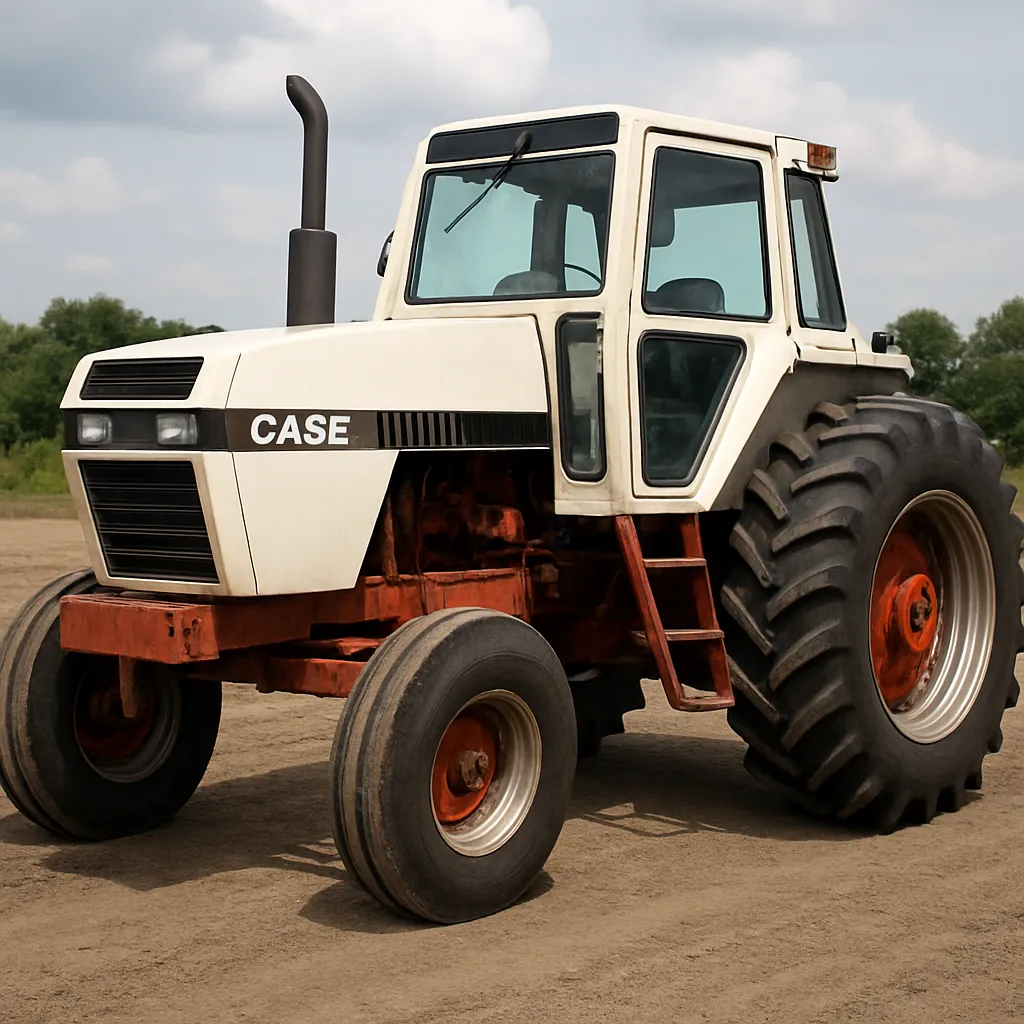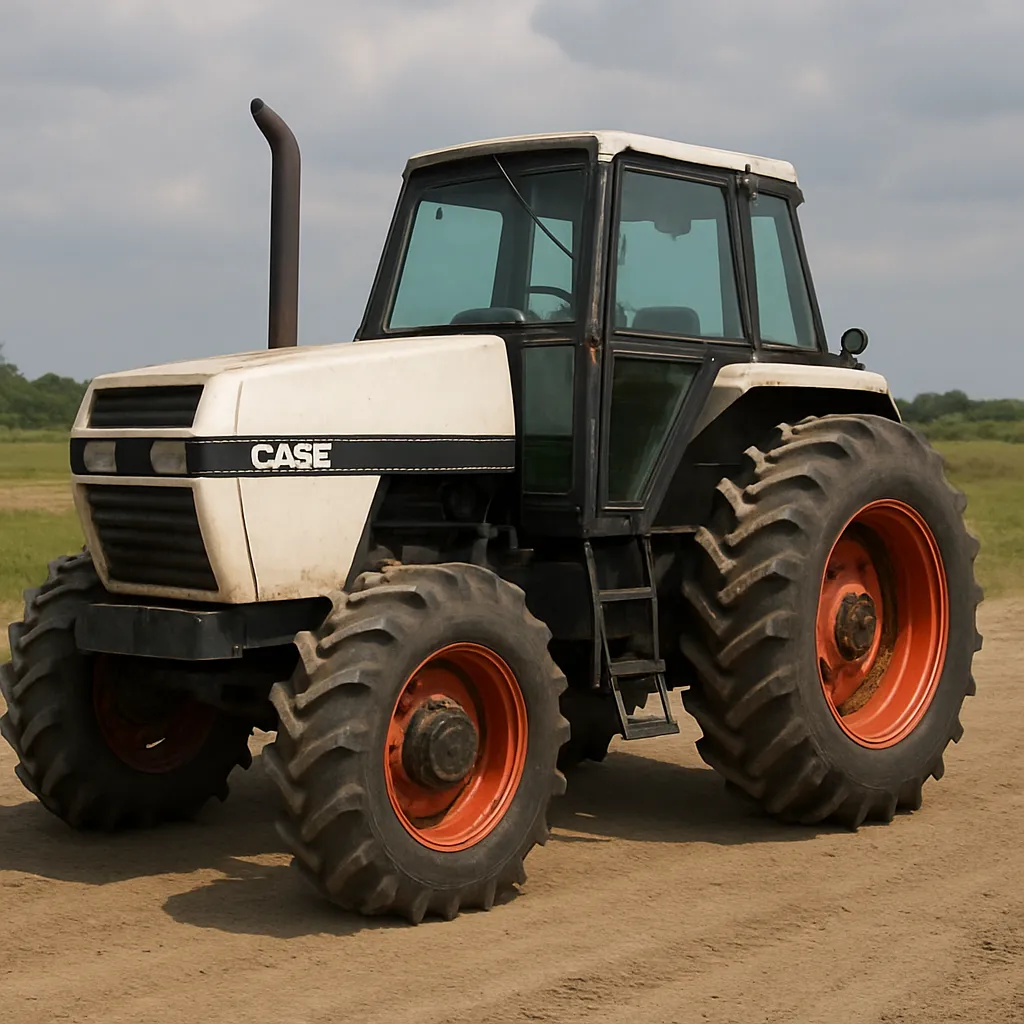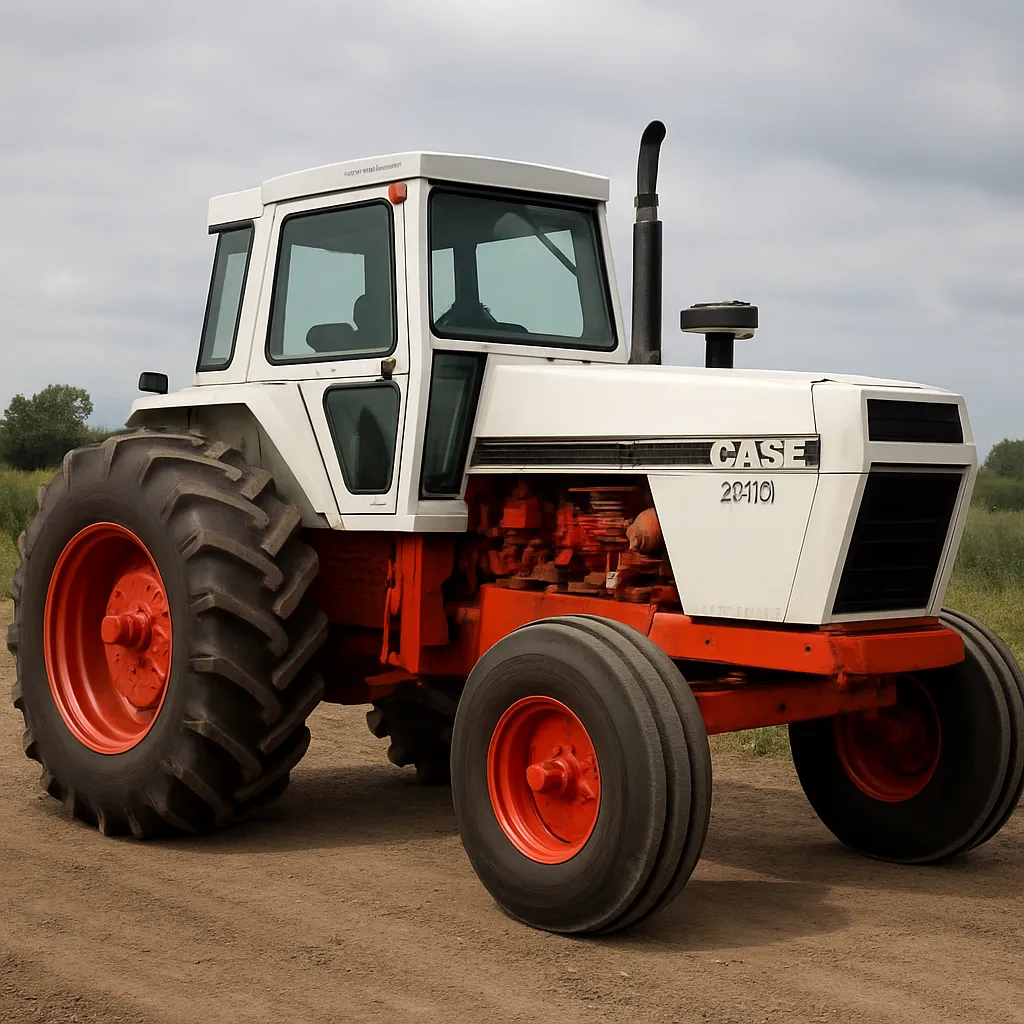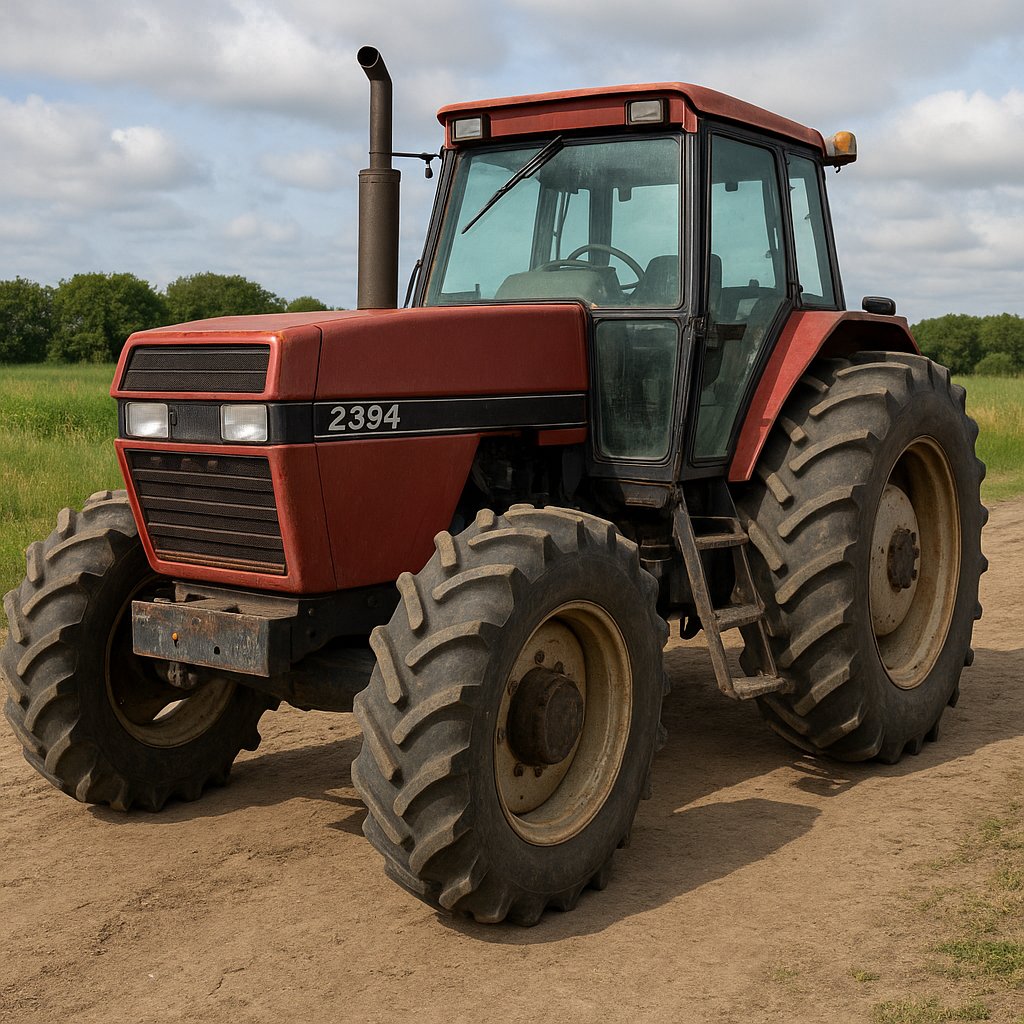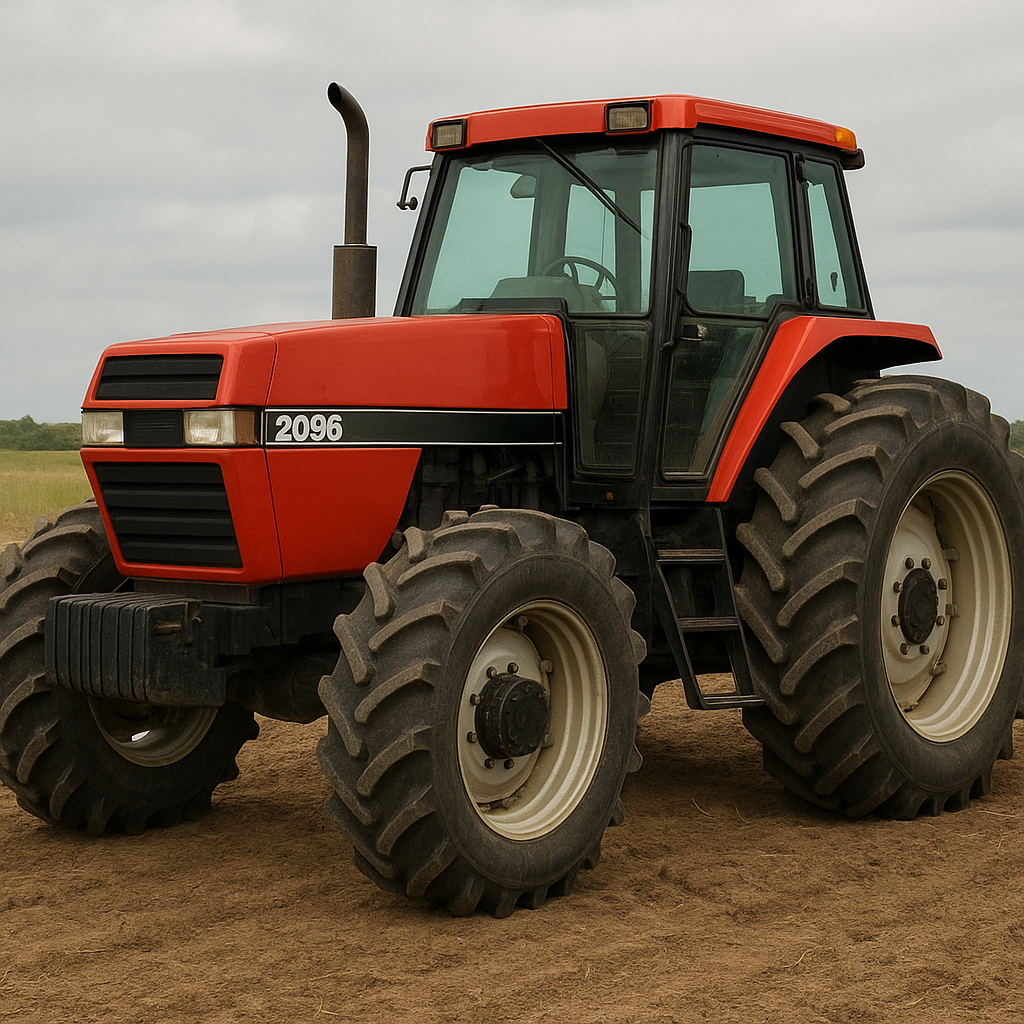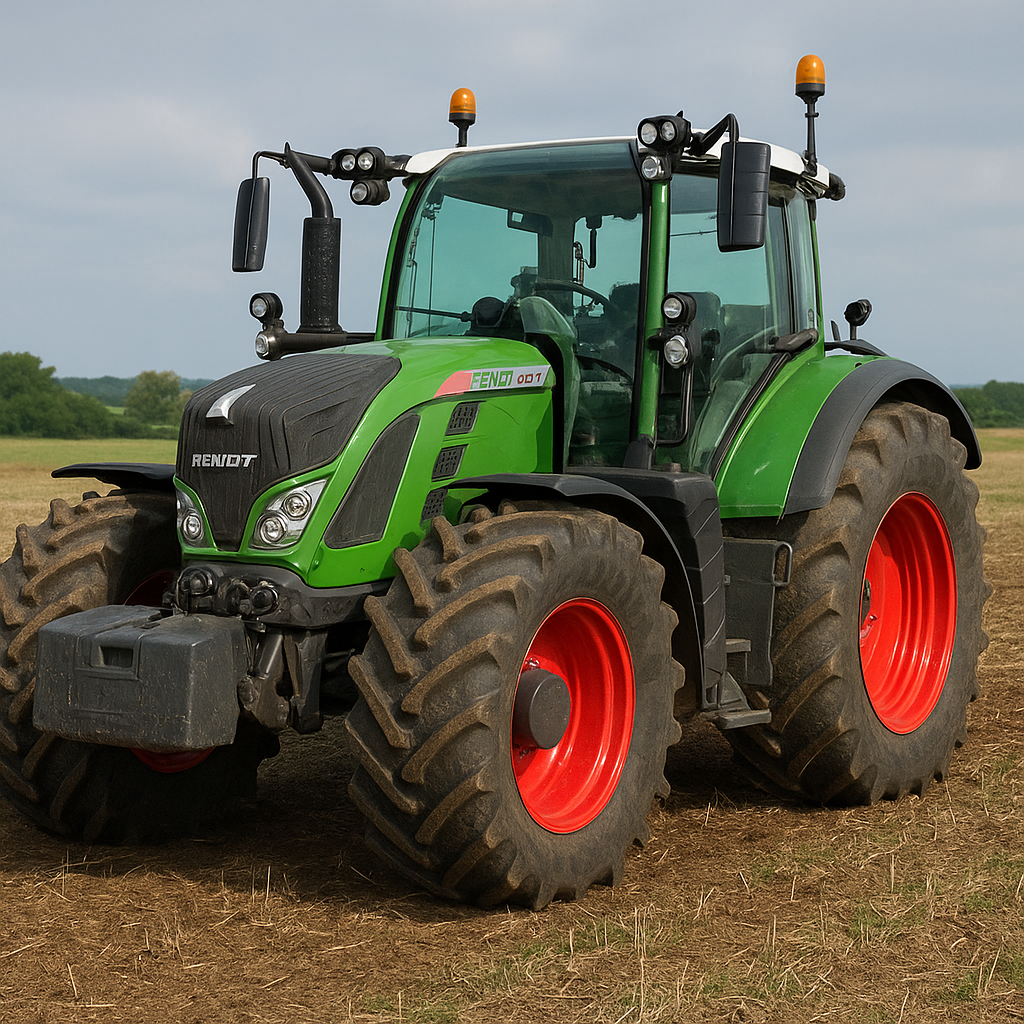
The Fendt 720 Vario is a mid-size agricultural machine that combines advanced drivetrain technology, operator comfort, and versatile implement compatibility to meet the demands of modern farming. Used widely for arable work, livestock support, transport and specialized tasks, the model showcases the strengths that have made the Fendt name recognized globally. This article explores the 720 Vario’s design philosophy, technical highlights, practical applications and economic considerations, with an emphasis on features that matter most for farmers, contractors and fleet managers.
Overview and design philosophy
The Fendt 720 Vario sits within the 700 Vario family as a balanced solution for medium-to-large farms and contracting operations. Designed to deliver strong drawbar and hydraulic performance while remaining nimble enough for loader work and headland maneuvers, it occupies a sweet spot between smaller utility tractors and larger high-horsepower machines.
Fendt’s approach mixes advanced electronics, a continuously variable drive concept and a focus on operator ergonomics. The model is engineered to optimize fuel use, reduce operator fatigue and provide modularity so that the same base tractor can be used across many tasks. The overall package is aimed at maximizing uptime, simplifying operation and offering precise control for modern implements.
Key technical features
Engine and power delivery
At the heart of the 720 Vario is a diesel engine that provides a balance of torque, responsiveness and fuel economy. Depending on the specific series generation and market configuration, rated power commonly places the model in the mid-horsepower category, with peak and torque characteristics tuned for both transport and fieldwork. The engine is matched to an advanced power-management system that can deliver temporary boost for demanding tasks such as heavy tillage or transport on gradients.
Transmission and drivability
The defining element of the 720 Vario is its stepless transmission concept. The Fendt Vario drive (a continuously variable transmission) eliminates gear steps and provides seamless acceleration, precise ground-speed control and excellent responsiveness. This technology allows the operator to choose exact speeds for seeding, spraying, mowing or bale handling without constant gear shifting, which improves both efficiency and operator comfort.
Hydraulics and PTO
Hydraulic capacity on the 720 Vario is designed to support modern implements that demand high flow and accurate control. Multiple spool valves, electronic control, and proportional flow management enable complex hydraulic circuits for planters, sprayer systems and large mounted tools. The rear PTO offers standard speeds (commonly both 540 and 1000 rpm options) and can be engaged with smooth ramp-up for implement safety.
Chassis, axles and three-point hitch
Robust front and rear axles provide traction and stability across a variety of soil conditions. The three-point hitch on the rear is engineered for precise implement control and lift capacity sufficient for heavy-mounted equipment. Ballasting options and tire configurations allow operators to tailor the machine for tillage, transport, or low-compaction tasks such as vegetable production.
Cab and operator environment
The cab is a focal point for Fendt’s design. It prioritizes visibility, noise reduction, ergonomics and control ergonomics. A clear instrument cluster, intuitive multifunction control arm and optional joystick help simplify routine tasks like loader work and hydraulic control. Climate control, air-suspension seats and low-vibration mounting reduce operator fatigue during long shifts.
Connectivity and electronics
Modern Fendt tractors—including the 720 Vario—are equipped with advanced electronic systems for precision farming. Integrated guidance compatibility, ISOBUS implement control, and manufacturer telematics platforms allow fleet managers to monitor performance, fuel use and maintenance needs remotely. These systems facilitate section control for sprayers, automatic headland management and data capture for traceability and optimization.
Applications and typical use cases
The Fendt 720 Vario is a versatile machine suited to a wide range of agricultural operations. Its combination of power, hydraulics and refined controls makes it a preferred choice in several contexts.
- Arable cropping: The 720 Vario handles seeding, cultivation, fertilizing and spraying duties. The stepless transmission allows precise ground speed control for accurate seed placement and even chemical application.
- Loader and livestock farm work: With good front linkage, loader geometry and visibility, the tractor is frequently used for bale handling, feed distribution and material movement around livestock enterprises.
- Transport and logistics: The Vario transmission and robust powertrain provide efficient road speeds for haulage between fields and markets. Fuel-efficient cruising and comfortable cab conditions make long transport trips less fatiguing.
- Specialty cropping and horticulture: With appropriate tire and GPS guidance options, the 720 Vario can be adapted to precision horticulture tasks, strip-tillage, and tasks that require low soil compaction.
- Contracting: Contractors benefit from the tractor’s adaptability—moving quickly between implements, matching power delivery to task and minimizing downtime through durable engineering and telematics-based maintenance planning.
Efficiency, economy and environmental aspects
Fendt emphasizes operational efficiency in its design goals. The Vario transmission helps maintain the engine in an efficient operating window, which can reduce fuel consumption relative to stepped transmissions under many working conditions. Electronic control systems coordinate engine speed, hydraulic demand and transmission behavior to avoid wasted fuel during partial-load conditions.
Operators can expect benefits in:
- Reduced fuel consumption during transport and fieldwork due to optimized engine-transmission coordination.
- Lower implement wear and improved application accuracy through stable ground speed control.
- Potential reductions in soil compaction when configured with wide tires or duals and managed ballast.
While fuel consumption and emissions vary with workload, implement type and operating conditions, the design philosophy aims to comply with contemporary emissions standards and to support precision farming practices that reduce overall input use.
Maintenance, uptime and serviceability
Fendt designs the 720 Vario to prioritize uptime and predictable maintenance intervals. Key maintenance points—such as oil checks, filter replacements and accessible hydraulic connections—are positioned to speed routine service. Predictive telematics features can alert operators and dealers to service needs before breakdowns occur, enabling scheduled servicing and minimizing downtime.
Warranty and dealer support are significant to total ownership cost. Fendt’s global dealer network offers parts, diagnostics and calibration services, which can be valuable for contractors and farms operating under tight seasonal windows.
Operator experience and safety
Operator-centric features of the 720 Vario include panoramic visibility, a quiet cab, and intuitive controls that reduce the learning curve for new drivers. Safety systems typically include robust braking, rollover protection integrated into the cab, and easy-to-reach emergency controls.
Comfort and ergonomics are not only a quality-of-life improvement but also a productivity factor: a well-designed cab and controls reduce fatigue and help maintain focus during repetitive or long-duration tasks.
Technological integrations and precision farming
Precision agriculture options are a common reason farmers choose the Fendt 720 Vario. Integration with guidance systems for auto-steering, section control, variable-rate application and ISOBUS implement compatibility allows operators to optimize inputs and document field operations efficiently.
Fendt’s telematics solutions connect the tractor to farm-management software, enabling remote monitoring of location, fuel use, performance parameters and maintenance alerts. These capabilities support data-driven decision-making and improve logistics and utilization rates across multi-machine fleets.
Comparative strengths and considerations
Strengths of the Fendt 720 Vario include its smooth variable transmission, high operator comfort, advanced electronics and versatility. It is especially strong where a single tractor must perform a wide variety of tasks without sacrificing efficiency or operator convenience.
Considerations when evaluating the 720 Vario:
- Acquisition cost: Premium features and advanced systems often place Fendt tractors at a higher purchase price than some competitors. Buyers should assess total cost of ownership rather than just sticker price.
- Complexity: Advanced electronics and integrated systems increase diagnostic and servicing requirements. Dependable dealer support and operator training are important.
- Configuration choices: Tailoring the tractor to the intended workload (hydraulic packages, PTO options, ballast and tires) is important to achieve the best performance and economy.
Market context and practical statistics
Fendt is a brand within the AGCO Corporation family and has a strong presence in Europe and growing footprint worldwide. The 700 Vario family, of which the 720 Vario is a part, is one of the brand’s core product lines and is popular among medium- to large-scale farms and contractors.
Typical statistical ranges relevant to medium tractors like the 720 Vario (subject to model year and market variant) include:
- Rated engine power commonly in the mid-horsepower range (approximately 150–200 hp depending on configuration and boost settings).
- Hydraulic flow capacities that support modern implements (multiple configurations often available; mid-range systems provide high-flow options around the typical 100–170 liters/min scale in many medium tractors).
- Fuel consumption and efficiency figures depend heavily on operational profile; stepless transmissions generally improve field efficiency by maintaining optimal engine load.
If assessing fleet performance, common metrics to track include hours per season, fuel use per hectare for common tasks (seeding, spraying, tillage), and utilization rates. Telematics systems built into modern Fendt tractors facilitate collection of these statistics for benchmarking and optimization.
Customisation and optional equipment
Fendt offers a variety of optional equipment to match the 720 Vario to specific farm needs. Typical options include upgraded hydraulic packages, front linkage and PTO for mounted implements, different cab and suspension packages, loader attachments, and various guidance and telematics bundles. Tire and wheel options, dual tires, and ballast kits allow for soil-specific adjustments that protect yields and improve traction.
Buying considerations and resale
When considering the purchase of a 720 Vario, compare total cost of ownership including financing, expected fuel costs, maintenance, warranty coverage and resale potential. Fendt tractors tend to hold value well where dealer support and service history are solid. For contractors, the ability to demonstrate high uptime and documented service records can improve resale value.
Concluding perspective
The Fendt 720 Vario represents a versatile, well-engineered choice for operations that require a combination of power, precision and operator comfort. Its stepless transmission, integration with modern farming electronics and adaptability to multiple tasks make it particularly suited to mixed farms and contracting work. While acquisition cost and system complexity are valid considerations, many operators find that the gains in efficiency, reduced operator fatigue and improved implement performance justify the investment.
For buyers and fleet managers, the most important steps are to match the tractor’s configuration to the intended work profile, ensure strong dealer support for maintenance and training, and to use telematics and precision-farming tools to fully realize the machine’s potential.