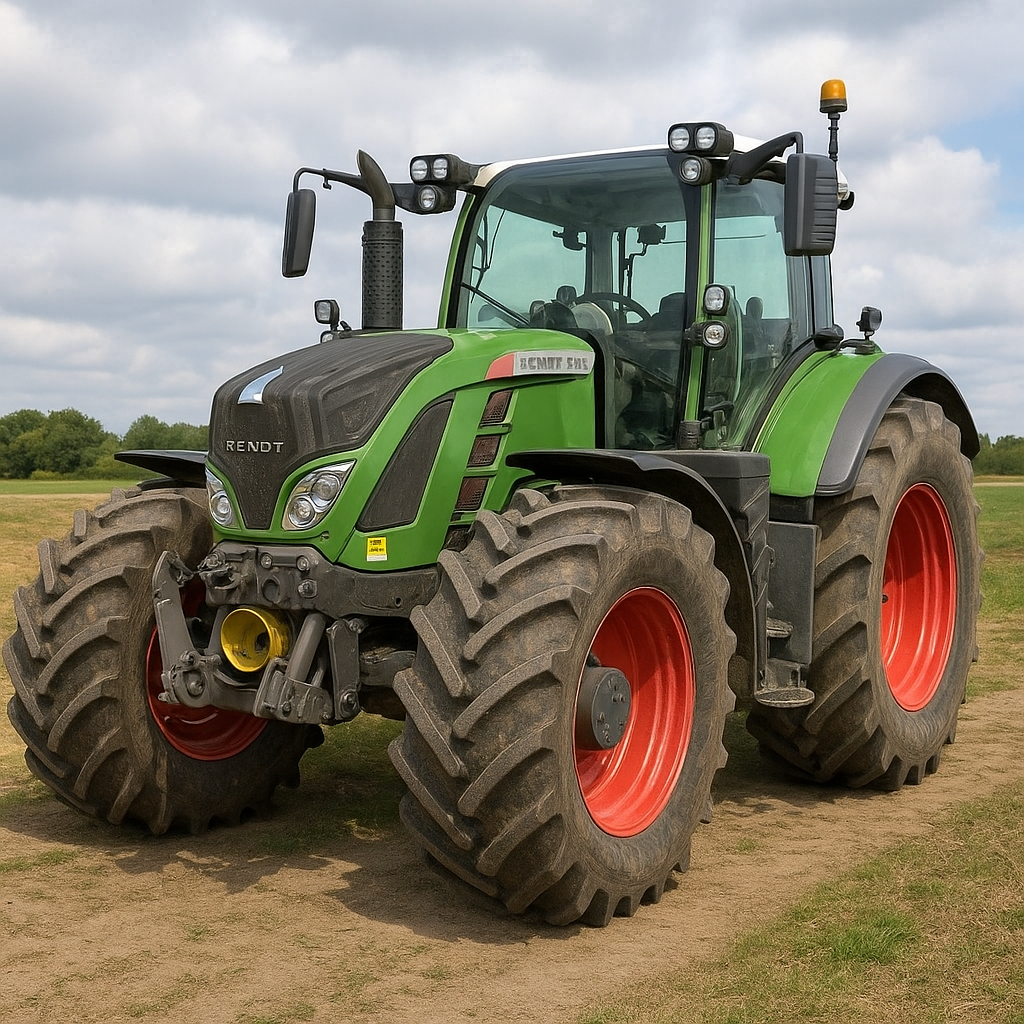
The Fendt 722 Vario is a versatile, high‑performance agricultural tractor designed for a wide range of farm tasks. Combining proven mechanical systems with advanced electronic controls, this model targets professional farmers and contractors who demand a balance of power, efficiency and operator comfort. In the following sections you will find an overview of design and construction, technical characteristics and typical applications, plus practical information about cab features, connectivity and maintenance. The article also discusses how the 722 Vario fits into modern precision‑farming workflows and why it is considered a strong choice in the 200‑230 HP tractor class.
Overview and core design
The Fendt 722 Vario belongs to Fendt’s 700 Vario family, a range built to deliver robust performance for mixed farming, arable operations, transport and specialized implements. The machine emphasizes a harmonious integration of engine characteristics, transmission technology and hydraulic systems to optimize productivity across variable farm tasks.
Key design goals
- Reliable and durable drivetrain capable of long working hours with heavy implements.
- Highly responsive stepless transmission that keeps the engine in the most efficient operating band.
- Operator ergonomics and visibility to reduce fatigue during prolonged field or road work.
- Modern electronics to support precision farming and implement automation.
Fendt markets the 700 Vario series as a premium product in the medium‑to‑high horsepower segment. The 722 Vario is frequently chosen by farms that require both field capability and on‑road speed for transport and contracting. It is common to find the 722 Vario equipped with options such as a front loader, front PTO, front linkage, and a wide selection of tyres or tracks, making the tractor adaptable to vineyards, arable land, livestock operations and municipal tasks.
Technical specifications and performance characteristics
Exact specifications vary by model year, regional emissions package and optional equipment, but several technical themes remain consistent across 722 Vario variants: a 6‑cylinder powerplant optimized for torque, Fendt’s stepless Vario transmission, efficient hydraulics and advanced electronic control units.
Engine and powertrain
- Power: The Fendt 722 Vario is typically positioned in the ~200–230 HP class (manufacturer ratings are usually given in both rated and maximum boost values). This power range makes it suitable for medium‑to‑heavy draft work and road transport.
- Engine: The tractor is equipped with an AGCO Power‑designed 6‑cylinder diesel engine built to meet contemporary emission standards (regional variations for Tier/Stage compliance apply). Displacement and maps are tuned for high low‑end torque and steady power delivery under load.
- Transmission: The hallmark of Fendt tractors is the continuously variable Vario transmission. The CVT design provides seamless speed changes without gear steps, enabling the engine to run at the most efficient rpm for a given load. This translates into smoother transport, precise implement speeds and better fuel economy in many tasks.
Torque, drive modes and PTO
Exact torque figures depend on year and configuration, but tractors in this class typically deliver peak torque in the high hundreds of Newton‑metres, optimized for pulling power in fieldwork. The 722 Vario offers multiple drive modes and power management strategies that adjust engine output and torque delivery to match PTO speed, transport speed or draft control. PTO configurations include rear PTO with selectable speeds (540/540E/1000) and optional front PTO for loader or mowing work.
Hydraulics and hitch
- Hydraulics: Load‑sensing hydraulics with high flow rates are a common option, enabling modern implements (seeders, sprayers, balers) to operate without hydraulic bottlenecks. Flow rates and pump choices can be specified to suit front linkage and loader duties as well as multiple remote valves for complex implement control.
- Linkage capacity: A robust rear linkage with electronic linkage control (ELC) allows precise depth control for implements and reliable lifting of heavy equipment. Many configurations include optional front linkage and loader packages for maximum versatility.
Chassis, suspension and brakes
All‑around suspension options are available, including front axle suspension and cab suspension systems to improve ride comfort at higher transport speeds and reduce load on the operator. Braking systems are designed for safe road transport at permitted top speeds (commonly 40 km/h or higher where allowed), and some markets offer a higher top speed package for efficient transport legs.
Applications and field performance
The Fendt 722 Vario is a true multi‑tasking machine. Its blend of power, torque and electronic control makes it well suited for a variety of agricultural jobs. The following outlines typical roles and why the 722 Vario is selected for them.
Arable farming
- Primary tillage: With sufficient horsepower and strong linkage/power take‑off, the 722 Vario handles large ploughs and cultivation tools, especially on medium to heavy soils.
- Seeding and drilling: The Vario transmission allows the operator to match ground speed precisely to seeding requirements while maintaining optimal engine load, ensuring uniform seed placement and reduced drift in PTO‑driven seeders.
- Spraying and spreading: High hydraulic flow and electronic controls make the tractor suitable for operating boom sprayers and spreaders, including precision‑application systems that benefit from consistent ground speed and ISOBUS control.
Forage, hay and livestock operations
- Loader and bale handling: When fitted with a front loader and front linkage/PTO combinations, the 722 is a capable handling unit for feeding and bale transport on livestock farms.
- Mowing and baling: Strong PTO capability and smooth speed control help when running mowers, tedders and balers which require consistent PTO speeds and reliable traction for pickup and bale formation.
Contracting and transport
Contractors favor the 722 Vario for its flexibility—quick implement changes, reliable speed on the road and good resale value. Road transport benefits from the CVT’s ability to maintain engine efficiency at cruising speeds while providing strong acceleration when needed. The tractor’s hydraulic and electrical capacity allow it to tow heavy trailers and operate hydraulic- or electrically actuated bodies.
Operator environment, electronics and precision farming
A major selling point of the 700 Vario series is the operator environment. Fendt invests heavily in cab ergonomics and integration of machine electronics so tasks are easier, faster and more precise.
Cab design and comfort
- Visibility: Large glazed areas and optimized lighting packages provide good visibility for front loader tasks and night work in the field.
- Seating and controls: Adjustable seats, ergonomic controls, and programmable multifunction joysticks reduce operator fatigue and simplify complex implement sequencing.
- Climate and noise: High‑quality climate control and sound insulation keep the cab comfortable during long shifts. Optional features may include automatic climate zones and premium sound systems.
Electronics, connectivity and Fendt systems
Electronics are at the core of the 722 Vario’s appeal. Systems commonly integrated or available include:
- ISOBUS implement compatibility for plug‑and‑play control of modern implements and a standardized user interface.
- FendtONE (or similar Fendt operating systems) that merge in‑cab controls with office management for operational planning, data logging and telematics.
- Guidance and auto‑steer compatibility that support repeatable headland maneuvers, reduced overlap and higher field efficiency.
- Section control and variable‑rate application features that enable precise input application, reducing waste and improving yields.
- Telematics: Remote diagnostic tools and fleet management solutions allow service technicians and fleet managers to monitor machine health, fuel usage and location.
Maintenance, cost of ownership and reliability
For professional users, the total cost of ownership includes fuel, consumables, downtime and service intervals. The 722 Vario is engineered for long service intervals and straightforward maintenance procedures, but actual operating economics depend on the farm’s workload and configuration choices.
Service intervals and consumables
- Engine and transmission service intervals vary by model year and duty cycle but are designed to be competitive within the class. Using genuine filters and manufacturer‑recommended oils ensures longer component life.
- Many operators report that Vario transmissions, when properly serviced, produce predictable long‑term behavior and can reduce clutch and driveline wear compared with gear‑type transmissions under similar loads.
Resale value and reliability
Fendt tractors typically retain strong resale value in many markets thanks to a reputation for build quality, dealer networks and parts availability. The integration of electronics does mean higher complexity, but with authorized dealer support and modern diagnostic tools, troubleshooting and repair can be efficient.
Options, customization and typical configurations
One of the strengths of the 722 Vario is the extensive list of factory and dealer‑fitted options that let buyers tune the tractor to their operations. Typical choices include tyre packages (narrow, wide, duals), front linkage and PTO, front loaders with different control hitches, lighting packages, and hydraulic upgrades.
Common configurations
- Arable configuration: wider tyres or duals, higher hydraulic flow, precision guidance packages and large rear ballast for traction.
- Livestock/loader configuration: front linkage, front PTO, loader joystick and protection packages for frequent loader cycles.
- Transport/contractor configuration: road gearing package for higher travel speeds, comfort suspension, and heavy duty hitch for trailer work.
Market position, statistics and user feedback
While exact global sales figures for a single model such as the 722 Vario fluctuate year to year and by region, a few general points describe its market standing:
- Fendt is positioned as a premium brand within the AGCO group; the 700 Vario range is one of the company’s top sellers in the medium‑to‑high HP bracket.
- Within its class, the 722 Vario competes with other major manufacturers’ 200–230 HP tractors and is often chosen for its integrated Vario drive and high build quality.
- Customer surveys and dealer feedback commonly highlight strong operator comfort, excellent transmission behavior and solid resale value as primary positives.
Operational statistics reported by fleet managers who log machine data typically show benefits from the Vario system in terms of smoother task execution and reduced fuel consumption when compared to older gear‑shift tractors. Exact percentage improvements depend on field conditions, implement type and working practices, but professional users often record meaningful gains in productivity per hour when using advanced guidance and machine automation together with the Vario drivetrain.
Strengths, limitations and buyer considerations
When considering the 722 Vario, buyers should weigh the strengths against typical trade‑offs:
Strengths
- Vario transmission: Smooth, precise speed control and good efficiency across a wide range of tasks.
- Operator environment: comfortable cab, integrated electronics, and easy implement control.
- Versatility: Suitable for a wide range of agricultural roles, from heavy tillage to loader and transport work.
- Support and resale: Strong brand reputation and dealer networks in many core farming markets.
Limitations
- Initial cost: Premium features and advanced electronics carry a higher purchase price than basic tractors in the same horsepower bracket.
- Electronic complexity: While beneficial for productivity, modern control systems require access to trained technicians and dealer diagnostics for certain repairs.
- Configuration dependence: To realize full benefits, the tractor should be specified with appropriate hydraulics, tyres and implements for the intended tasks—suboptimal spec can reduce efficiency.
Practical tips for prospective buyers
- Assess your typical duty cycle: If you spend most hours on transport or loader work, prioritize cab comfort, gearing and cooling. For heavy draft work specify higher linkage capacity and ballast options.
- Consider guidance and ISOBUS options from the start: Integrating precision farming features at purchase is simpler than retrofitting later.
- Discuss service packages with your dealer: For high‑hour operations a full service and maintenance agreement can reduce unplanned downtime.
- Test drives: Spend time operating the Vario transmission in both field and road conditions to evaluate how it matches your working style.
Conclusion
The Fendt 722 Vario is a compelling choice for farmers and contractors who want a blend of power, efficiency and modern electronic integration in the medium‑to‑high horsepower segment. Its stepless Vario transmission, robust engine characteristics, advanced hydraulics and well‑designed cab make it suitable for a wide variety of agricultural tasks. While the premium price and electronic complexity may be considerations, the tractor’s operational flexibility and potential gains in productivity and fuel economy explain its popularity among professional users. For operations focused on precision, comfort and long‑term reliability, the 722 Vario remains a strong candidate.