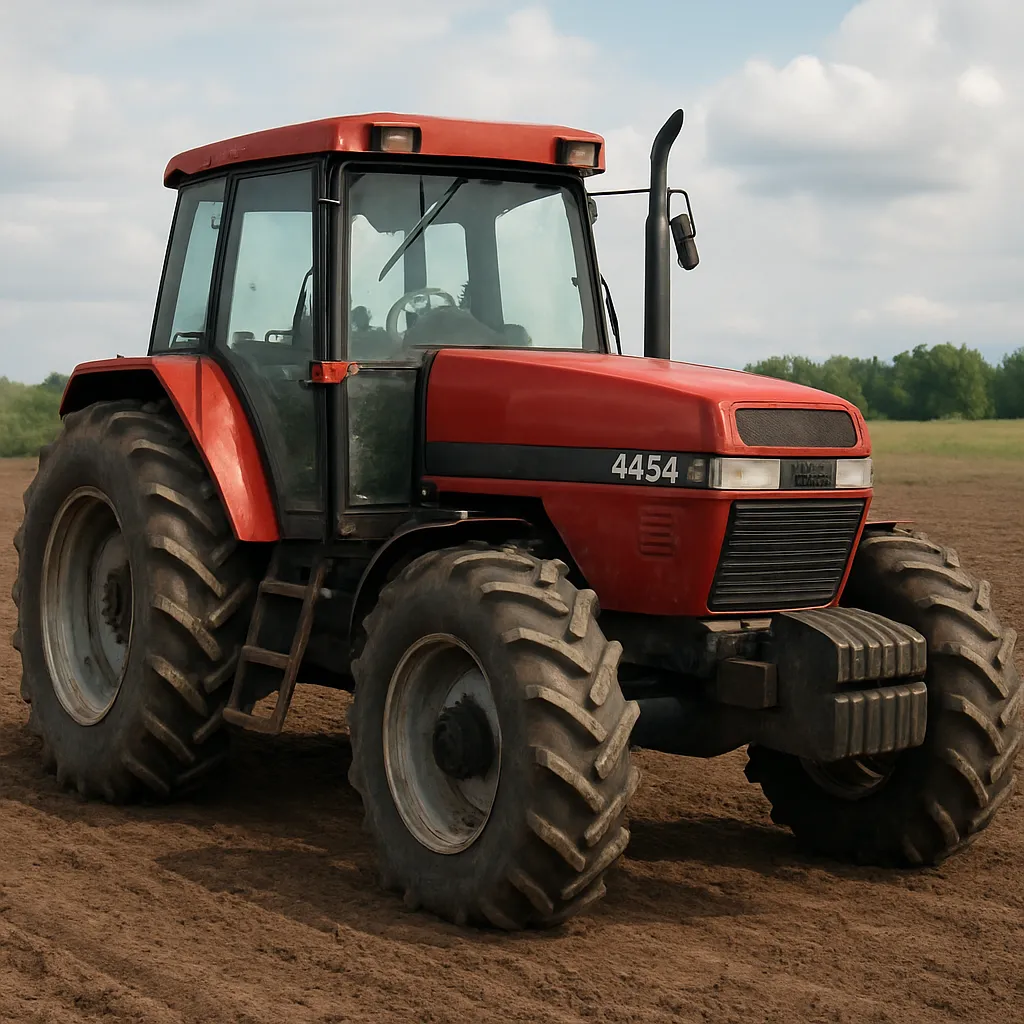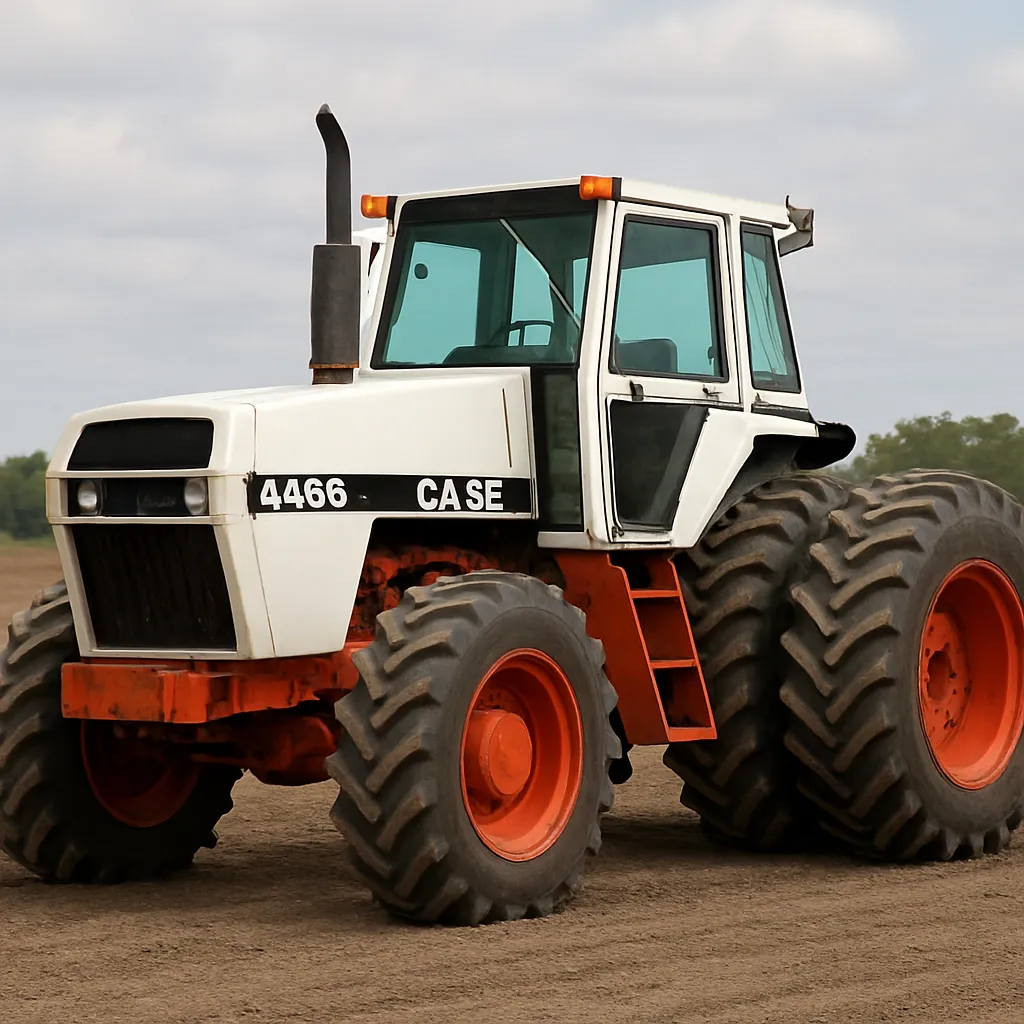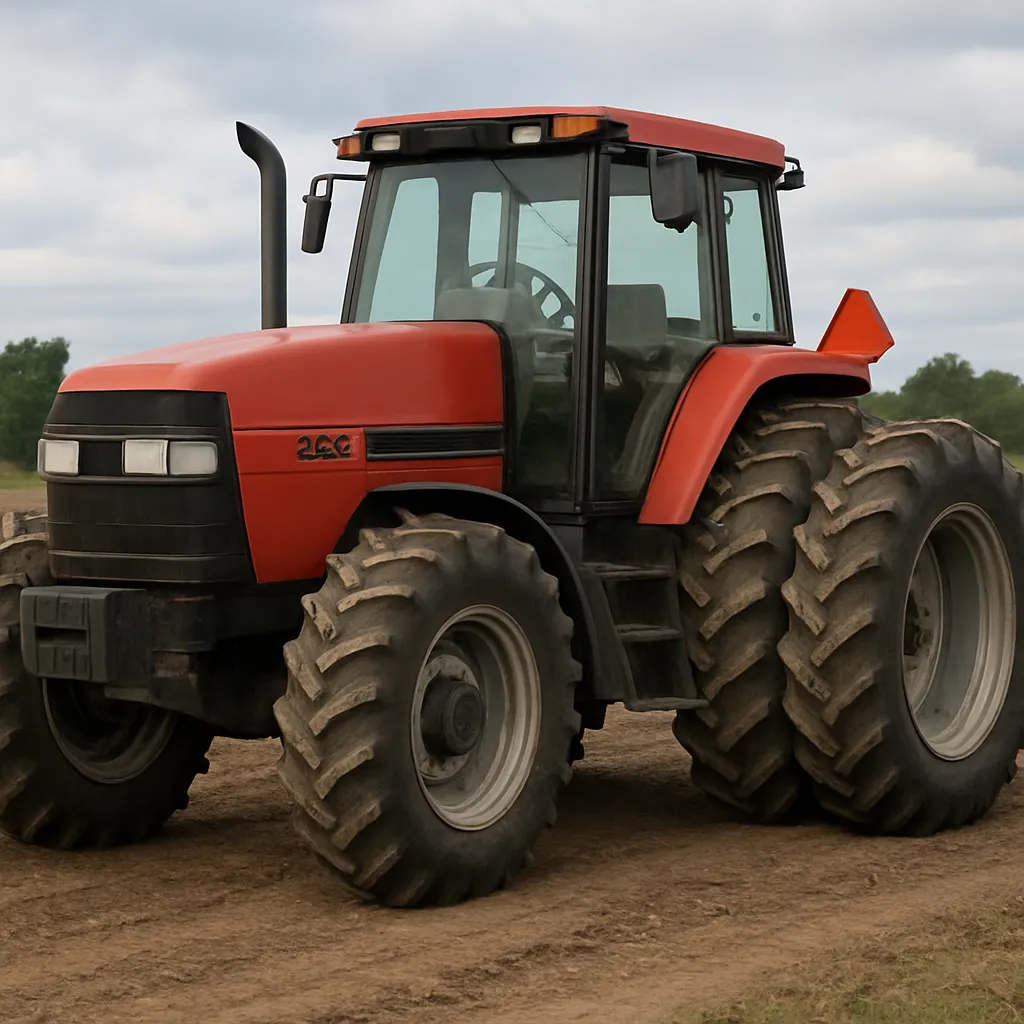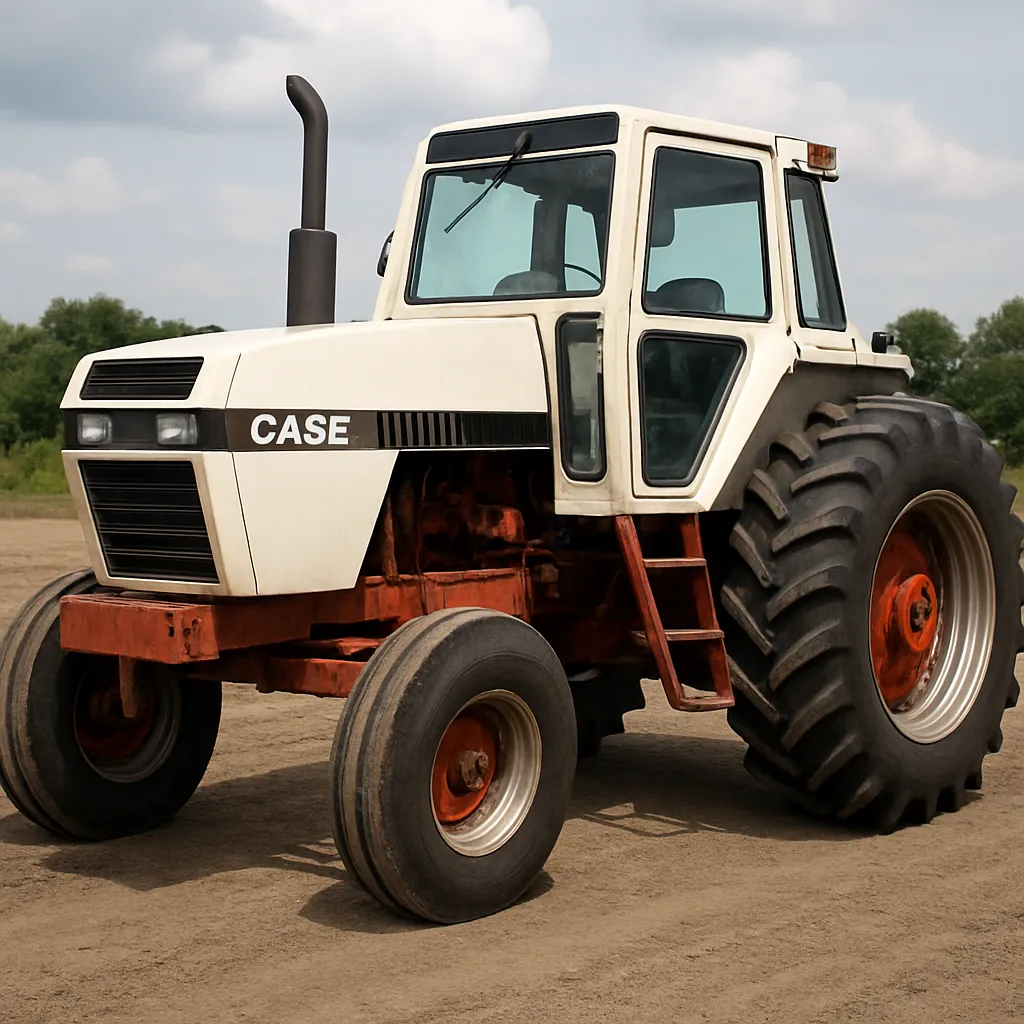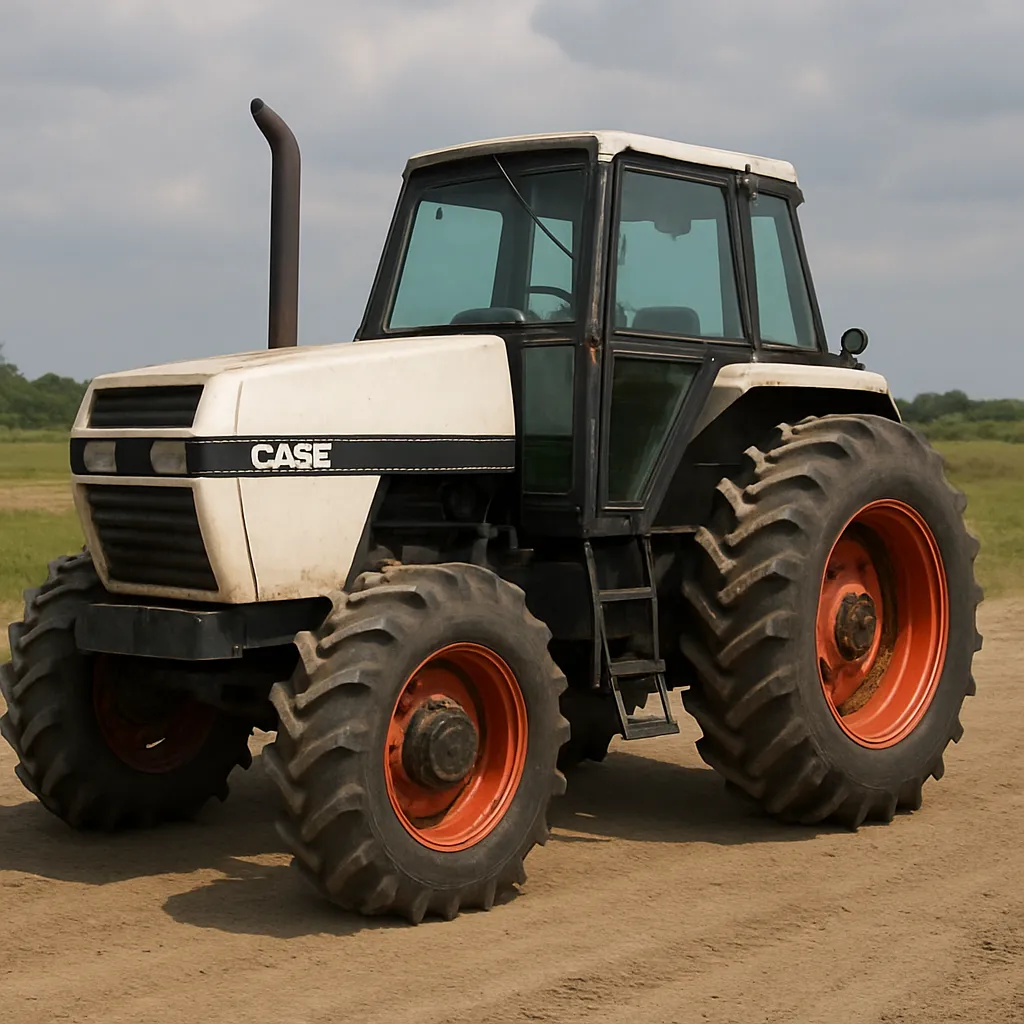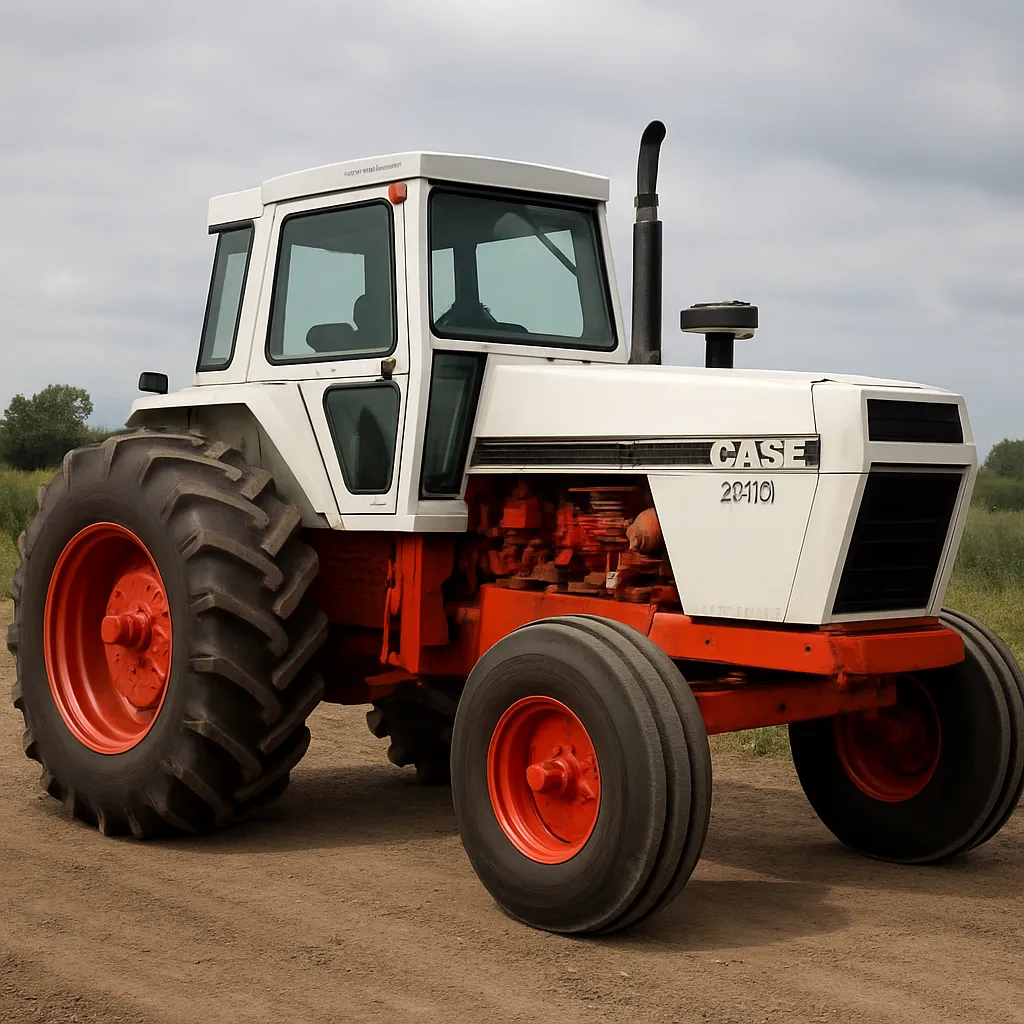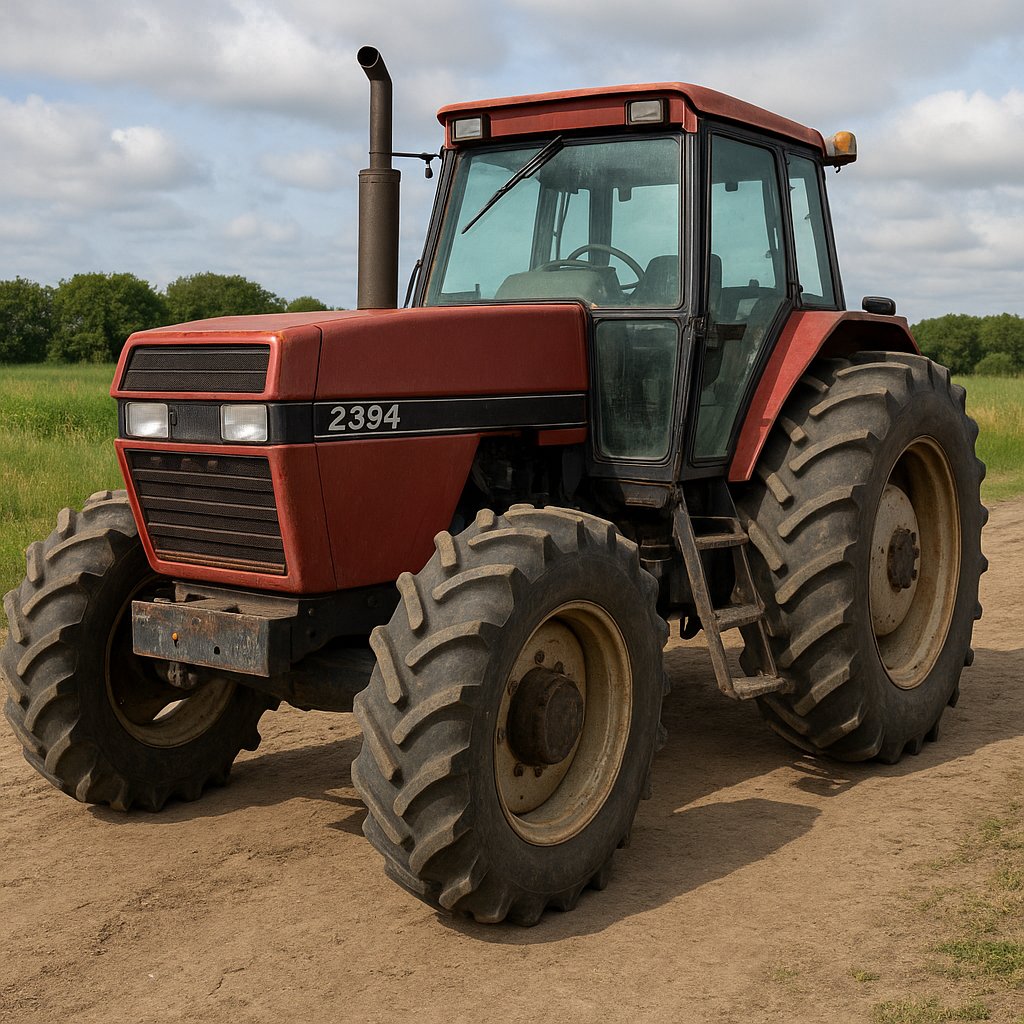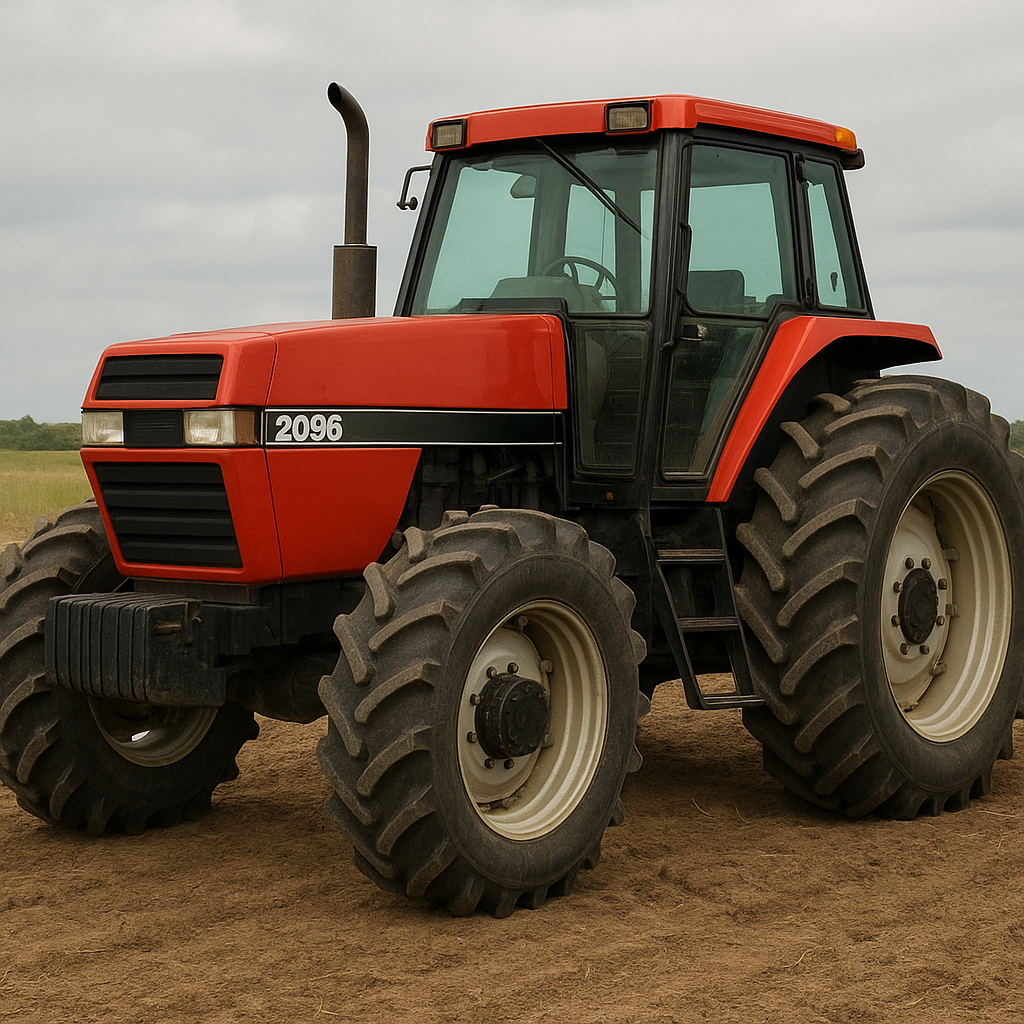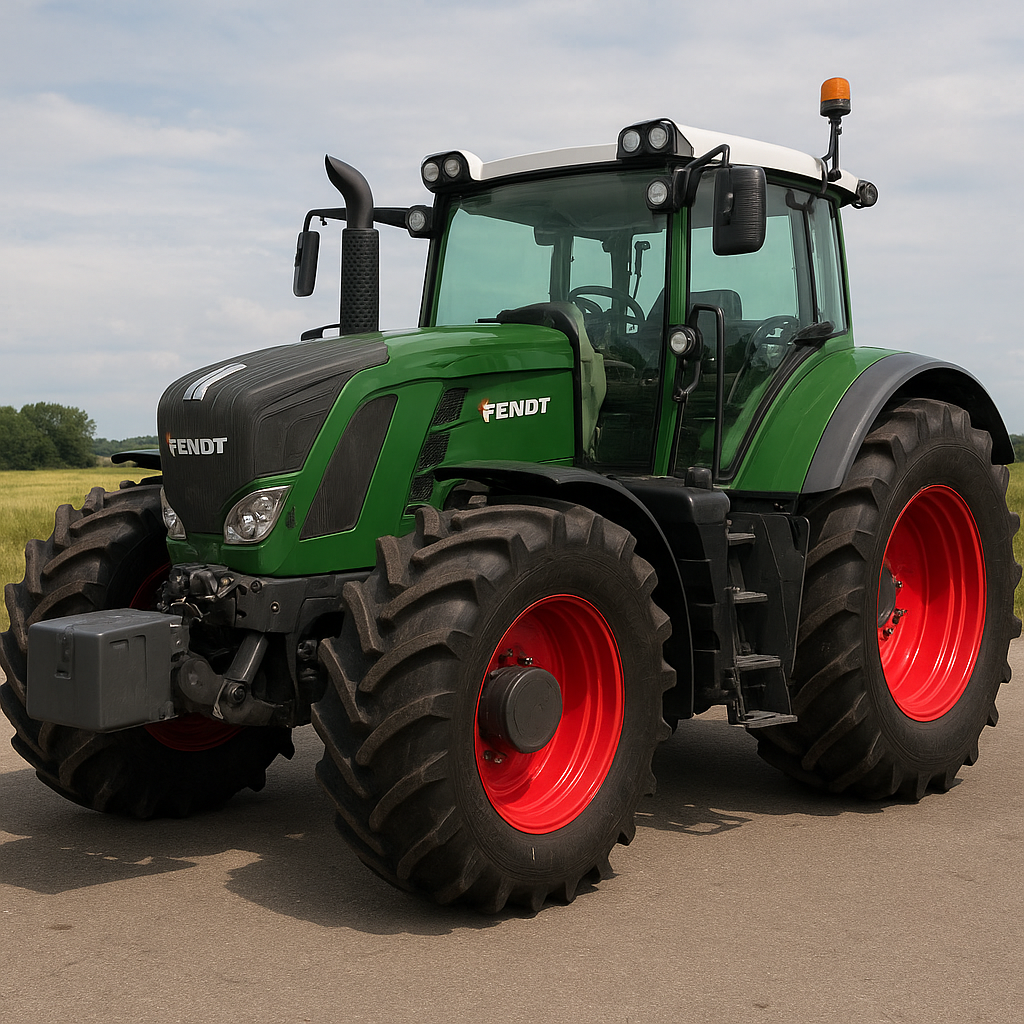
The Fendt 822 Vario is a mid-to-large-size agricultural tractor that blends powerful performance with advanced electronics and operator comfort. Built to meet the demanding needs of modern farming, it is part of Fendt’s 800 Vario series, designed for heavy field work, transport, and multifunctional tasks on medium to large farms. This article examines the tractor’s technical features, typical applications, economic and environmental aspects, and some noteworthy innovations that have made the Fendt 822 Vario a respected model in its class.
Design and technical specifications
The Fendt 822 Vario is engineered to deliver a balance of power, efficiency, and comfort. Fendt combines robust mechanical components with sophisticated electronics and telemetry to provide a tractor that performs reliably across a variety of tasks. Below are the main technical areas where the 822 distinguishes itself.
Engine and performance
- The 822 is powered by a six-cylinder engine from the AGCO Power family (used across many AGCO brands); engines and exact outputs vary by year and regional configuration. Typically, the nominal engine power is in the range of around 220 horsepower (about 162 kW), with boost functions offering additional power for peak demands.
- Engine displacement is commonly in the mid-6 liter range, designed to produce high torque at relatively low engine speeds, which contributes to fuel efficiency and longevity in heavy-duty tasks.
- Turbocharging, intercooled systems, and sophisticated electronic engine management help optimize combustion, emissions, and fuel consumption to comply with modern emission standards.
Transmission and drive
- One of the hallmark technologies in Fendt tractors is the continuously variable transmission, marketed as the Vario drive. This enables stepless speed changes and optimal engine loading, which improves fuel economy and traction control during field operations.
- Drive configurations include options for two-wheel and four-wheel drive, with robust front axles designed for load-bearing and steering precision. A selectable top speed option (e.g., 40 km/h or 50 km/h, depending on market) supports efficient road transport between fields.
- Advanced traction management and an optional electronically controlled front suspension improve ride comfort and ensure efficient power transfer to the ground.
PTO, hydraulics, and linkage
- The tractor offers multiple PTO speed options (commonly 540 / 1000 rpm variants) and is capable of delivering substantial PTO power for implements such as mowers, balers, spreaders and seeders.
- Hydraulic systems are available with different flow rates and pump configurations—typical setups provide a versatile flow (often in the 100–200 l/min range depending on configuration) to support multiple hydraulic consumers simultaneously.
- Rear and front linkage lift capacities are designed for heavy implements. Rear linkage lift can often exceed several tonnes of working load, enabling the use of large seed drills, ploughs and heavy cultivation tools.
Cab, controls, and electronics
- The cab is designed for operator comfort and long working days. Features include ergonomic seating, multi-function joystick, climate control, and a panoramic view for better visibility when operating front-mounted implements or loaders.
- Fendt’s Variotronic control system integrates vehicle management, ISOBUS implement control, and optional precision farming tools. This gives the operator intuitive control over the tractor and implements via high-resolution displays.
- Telematics solutions (such as Fendt Connect) allow remote monitoring of working hours, fuel consumption, and GPS-based field work data. These functions are increasingly important for fleet management and precision agriculture.
Dimensions, weights, and mobility
- The 822 Vario sits in a weight and size class that supports large implements but also fits farmyard and road operations. Kerb weights vary by specification and options, but typical operational weights are in the medium-tonnage range suitable for heavy draft work while retaining transport capability.
- Tire and wheel options are available for both field traction and road stability. Wide tyres or flotation options reduce soil compaction for sensitive crops, while narrow high-grip tyres improve traction on heavy soils.
- The front axle and suspension configurations provide a balance of traction, ride comfort, and stability when carrying heavy front-mounted implements or loaders.
Applications and typical uses
The Fendt 822 Vario is a true utility workhorse for a wide range of on-farm tasks. Its versatility makes it popular among arable farmers, livestock producers, contractors, and mixed operations that demand both field and transport capabilities. Key application areas include:
Field work and primary tillage
- Ploughing, compact discing, and deep loosening: The 822’s torque characteristics and lift capacity allow it to pull large tillage implements over diverse soil types.
- Sowing and planting: When used with large seed drills or air seeders, the tractor’s hydraulic and PTO capacity supports precise seeding operations at productive speeds.
- Spraying and fertiliser application: Stability and consistent ground speed control help maintain even application rates for crop protection and nutrients.
Forage and livestock operations
- Mowing, tedding, and baling: PTO-driven forage equipment benefits from steady PTO power; the 822 can be paired with heavy balers and large mower-conditioners.
- Manure and slurry handling: The hydraulic power and linkage capacity support heavy slurry pumps and spreaders commonly used on livestock farms.
Transport and loader tasks
- With road-speed options and efficient gearing, the tractor is effective for transport between fields and to local markets.
- Front-loader installations are common, turning the 822 into a capable material handler for feed, silage, manure, and general farmyard duties.
Contracting and specialised roles
- Contractors value the model for its power-to-weight balance, allowing them to tackle large arable work, heavy tillage, and transport over long days.
- Precision farming: Integration with GPS and auto-steer systems allows high-accuracy field operations, reducing overlap, saving inputs, and increasing productivity.
Operational economy, maintenance, and environmental considerations
Modern tractors are judged not only by their power but also by operating costs, downtime, and environmental footprint. The Fendt 822 Vario incorporates design choices to optimize these aspects.
Fuel efficiency and performance management
- Stepless transmission and engine management systems are tailored to keep the engine running at the most efficient speeds for a given task, which lowers fuel consumption in field and transport operations.
- Features like engine power management provide “on-demand” power boost while ensuring the tractor is not over-revving during normal use, furthering fuel savings.
- Telematics enables operators and managers to monitor fuel usage per task and per hectare, which supports better farm-level planning and cost control.
Serviceability and maintenance
- Fendt designs service intervals and access points to minimize downtime. Regular maintenance tasks—oil changes, filter replacements, and inspections—are streamlined, and diagnostics are accessible through onboard electronics.
- Remote diagnostics and over-the-air updates (where supported) can assist dealerships and fleet managers in proactive maintenance scheduling.
Environmental considerations
- Modern engines meet prevailing emissions standards, including SCR, DOC, and particulate reduction systems as required by market-specific regulations, reducing NOx and particulate emissions.
- Reduced fuel consumption per hectare, especially when combined with precision farming methods, helps lower greenhouse gas emissions associated with crop production.
Noteworthy innovations and optional equipment
Fendt equips the 822 Vario with a suite of optional and standard technologies that enhance usability and productivity. Some of the most impactful include:
- Variotronic management: Integrated control of tractor functions and implements with ISOBUS compatibility for seamless implement control.
- Autonomy and guidance: Auto-steer and section control reduce operator fatigue and optimize field coverage.
- Fendt Connect telematics: Remote monitoring, maintenance alerts, and usage statistics help owners and managers make data-driven decisions.
- Advanced lighting and visibility packages: LED lighting and camera systems improve safety and operational hours in early morning or late evening work.
- Comfort and ergonomics packages: Premium seats, multi-functional armrests, and programmable controls contribute to operator efficiency during long shifts.
Market position, competitors and resale
In the market, the Fendt 822 Vario targets farmers who need a dependable, high-performance tractor with advanced electronics and comfortable operation. Fendt is positioned as a premium brand within the agricultural machinery market, and the 822 competes with similar mid-high power tractors from other leading manufacturers.
- Competitors typically include models from John Deere, New Holland, Massey Ferguson (higher-end MF models), Case IH, and Deutz-Fahr in comparable power classes.
- Resale values for Fendt tractors are often strong in many regions, reflecting perceived build quality, dealer support networks, and the desirability of integrated systems such as Variotronic and telematics.
Statistical data and performance indicators (typical figures)
Exact specifications can vary by model year, region, and options. The following figures are representative ranges you will commonly find for the Fendt 822 Vario or closely related configurations, provided with the caveat that specific production years and market variants may differ.
- Nominal engine power: approximately 220 hp (around 160–175 kW).
- Maximum power with boost: often up to roughly 230–250 hp in short-term power management modes.
- Engine displacement: commonly in the 6.0–7.0 litre range for six-cylinder AGCO Power units.
- PTO options: 540 / 1000 rpm (and related speed variants), providing high PTO torque for heavy implements.
- Hydraulic flow rates: flexible options often between 100–210 l/min depending on pump choices and multi-pump setups.
- Top road speed: selectable options commonly 40 km/h or 50 km/h on suitable markets.
- Gross vehicle weight / operational weight: typical operational weights often fall into the multiple-tonne category (commonly in the high single-digit tonnes to around 10 t depending on equipment).
- Fuel tank capacity: often in the region of 300–420 litres depending on year and tank option.
Practical considerations when choosing a Fendt 822 Vario
Choosing a tractor like the Fendt 822 Vario requires balancing the farm’s operational needs with running costs, available support services, and long-term plans. Consider the following:
- Match engine and hydraulic options to implement requirements: heavy tillage, large seeders and balers, or extensive loader work have different hydraulic and horsepower demands.
- Consider tyre and chassis options for field conditions to reduce soil compaction and improve traction.
- Evaluate telematics and precision farming packages that can improve efficiency and return on investment over time.
- Assess local dealer and service network for parts availability and maintenance support—this influences uptime and long-term operating costs.
- Resale and total cost of ownership: while purchase price may be higher for premium models, resale values and efficiency gains can offset initial investment.
Summary
The Fendt 822 Vario is a powerful and versatile tractor aimed at medium-to-large farming operations and contractors who demand reliable performance, advanced electronics, and operator comfort. Its Vario transmission, robust engine characteristics, and integrated control systems make it suitable for a wide range of tasks—from heavy tillage and sowing to hauling and loader work. With flexible hydraulics, telematics options, and premium ergonomics, the 822 is designed to help farms increase productivity while managing operating costs. Exact specifications depend on the year and configuration, but typical power and hydraulic ranges position the 822 as a competitive choice in the 200+ horsepower class.