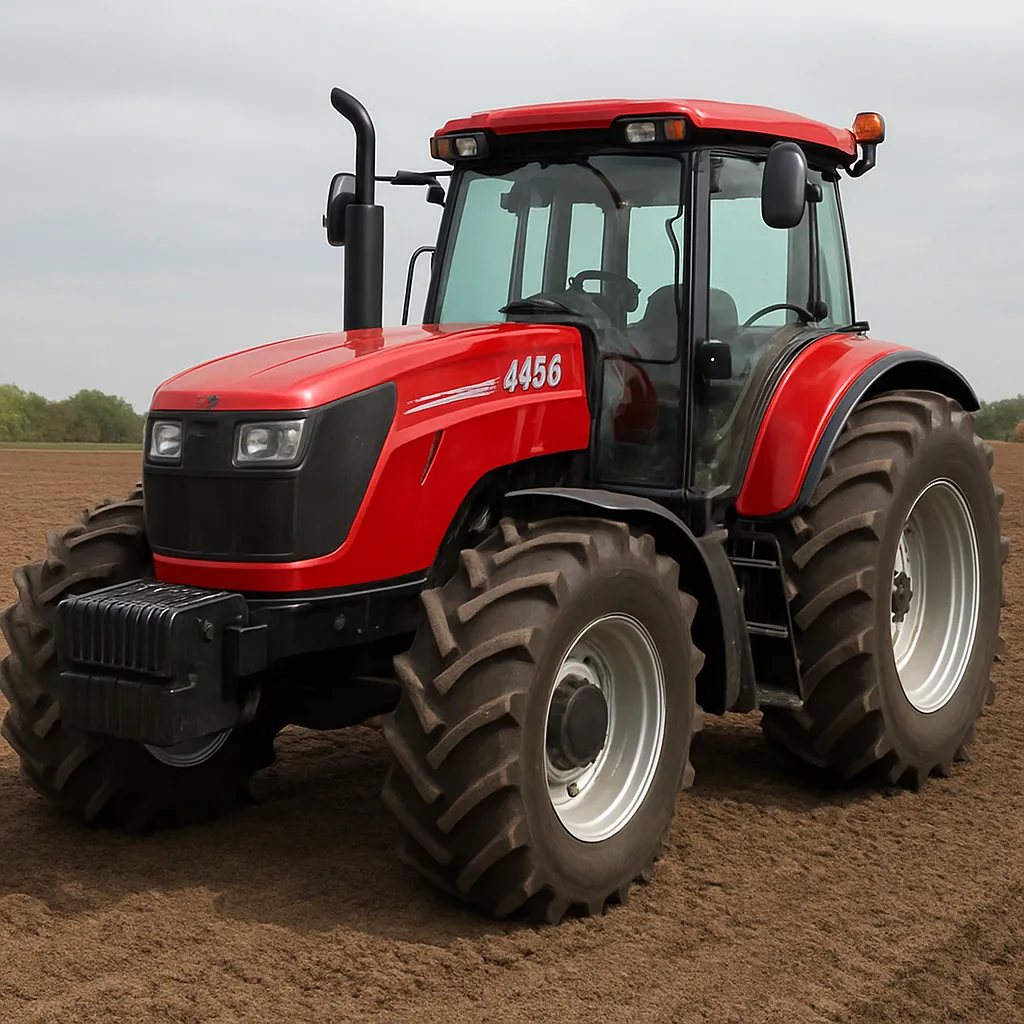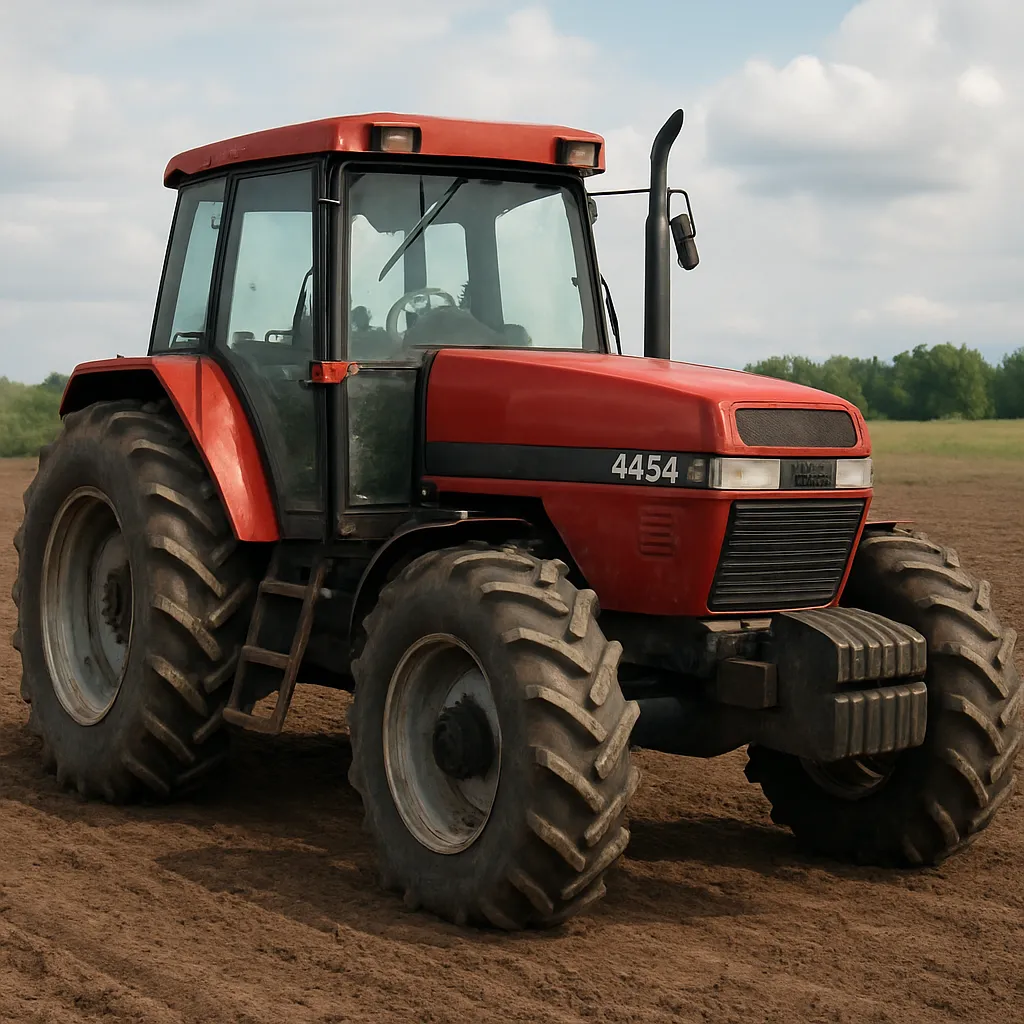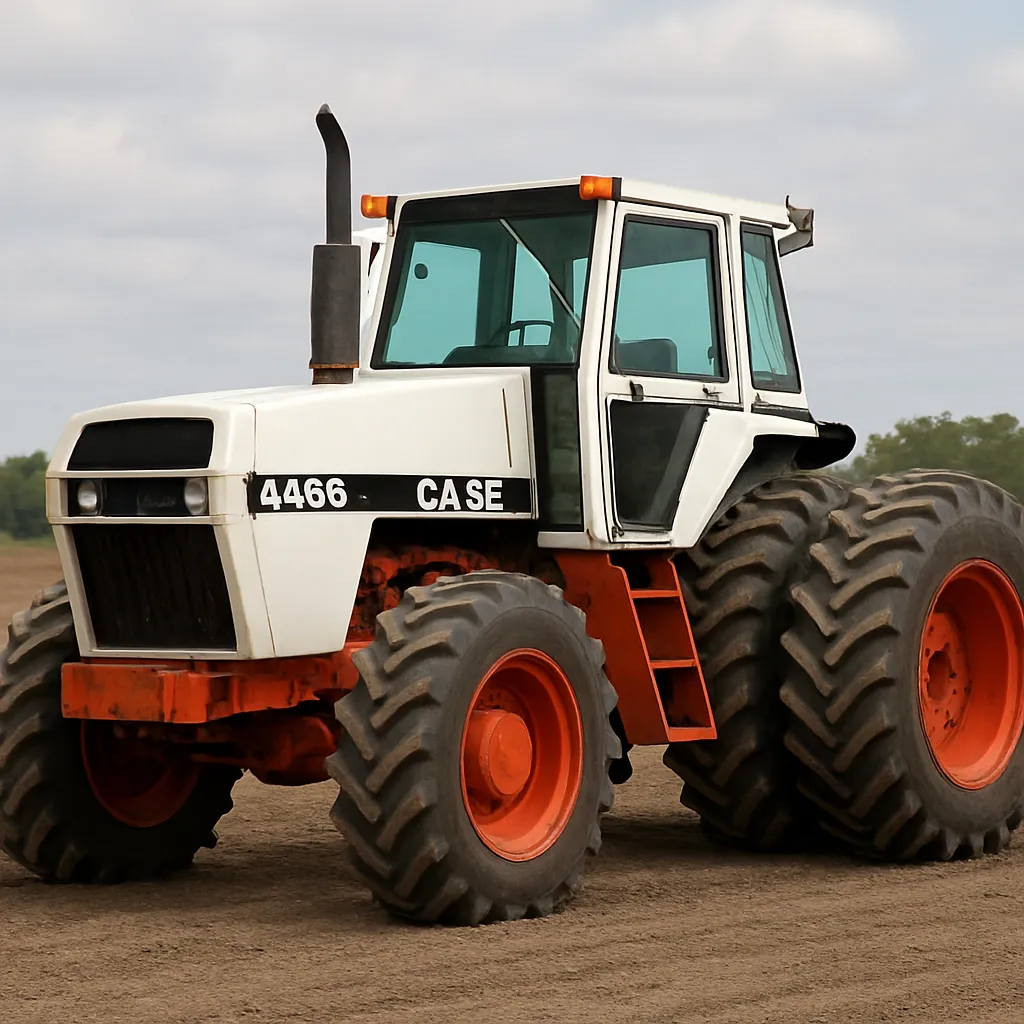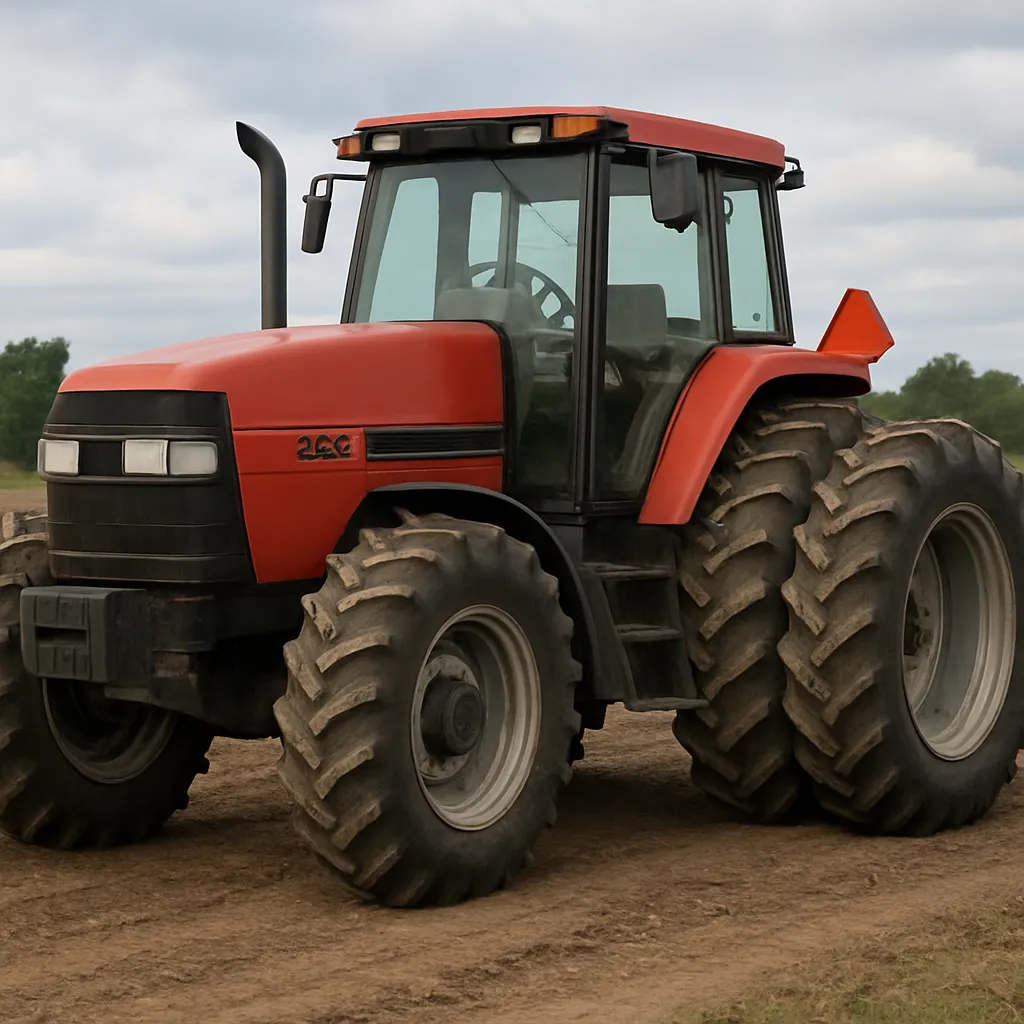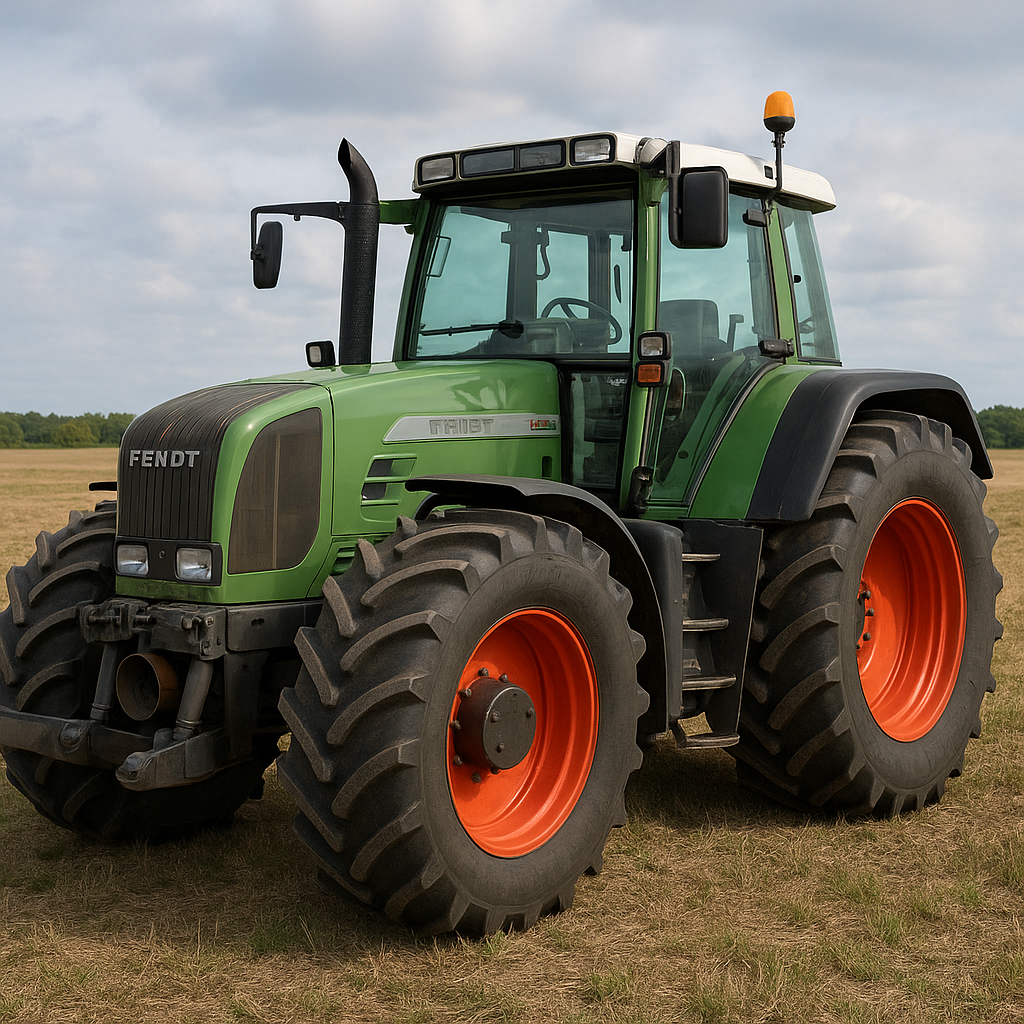
The Fendt 916 Vario is a widely recognized model in the medium-to-large tractor segment, combining robust mechanical design with advanced electronics and operator comfort. Used across a broad range of agricultural, municipal, and industrial tasks, this tractor embodies the features that made the Fendt brand known for innovation: a stepless transmission, precise hydraulics, and a focus on operator ergonomics. In the following sections you will find an overview of its design and engineering, practical applications, technical characteristics, and other noteworthy information that highlights why the model is valued by farmers and contractors worldwide.
Design and engineering philosophy
The Fendt 916 Vario is designed around several core principles: efficiency, versatility, and operator comfort. At the heart of the machine is Fendt’s signature stepless transmission technology, known as the Vario drive, which provides seamless speed control and optimal use of engine power. This system eliminates the need for conventional gear changes and helps maintain a constant engine speed for improved fuel economy and smoother operation.
The tractor’s engine-transmission integration emphasizes adaptive power delivery. Modern versions of the 916 Vario are built to respond to load changes automatically, allowing the operator to focus on the task rather than gear switching. Structural rigidity and frame design ensure stability for heavy implements and safe on-road transport at higher speeds, typically available up to 40–60 km/h depending on the specification and local regulations.
Fendt places a significant emphasis on modularity and options. Buyers can configure the 916 Vario with different tyre sizes, front-axle and tyre combinations, cab options, and hydraulic packages. This flexibility makes it possible to tailor the machine to specific cropping systems, livestock operations, or contract work needs. Additionally, the use of high-quality materials and precision manufacturing contributes to long service life and consistent resale value.
Applications and common uses
The versatility of the Fendt 916 Vario allows it to be used in many roles across modern farms and contracting businesses. Typical applications include:
- Tillage and primary soil preparation: pulling ploughs, cultivators, and discs
- Seeding and planting: powering seed drills and planters with exact ground-speed matching
- Crop care: supporting sprayers and fertilizer spreaders with steady PTO and hydraulic supply
- Hay and forage work: baling, mowing, raking, and silage transport
- Transport and logistics: trailer haulage, feed delivery, and on-farm transport
- Loader work: front loaders for bale stacking, material handling, and loading bulk feed
- Municipal and contractor tasks: road maintenance, snow clearing, and other off-farm services
Because of its power band, lifting capacity, and hydraulic flow options, the 916 Vario sits well in operations that need a balance between field performance and transport efficiency. It often serves as the workhorse for mixed farms, larger arable enterprises, and contracting fleets where a single machine must perform a diverse set of tasks reliably.
Technical characteristics and performance
Technical details vary by year and configuration, but the Fendt 916 Vario is commonly characterized by the following general specifications and capabilities:
- Engine power: Typically placed in the mid- to high-horsepower segment for the 900 series, the 916 Vario is generally marketed around the 160–180 hp nominal range with a short-term boost available under load. Exact power ratings depend on model year and emissions package.
- Transmission: The Vario stepless transmission provides continuous speed control and efficient torque transfer. This system improves acceleration, hill performance, and fuel efficiency compared with stepped transmissions.
- Hydraulics: Multiple configurations exist, with flow rates commonly ranging up to approximately 150–250 l/min in high-flow variants, enabling simultaneous operation of front loaders, hydraulic motors, and multiple control functions.
- PTO options: Standard PTO speeds include 540 and 1000 rpm, and some variants include ground-speed PTO or economy settings for specific implement matching.
- Rear linkage capacity: The three-point hitch on platform variants is rated to lift heavy implements, often exceeding 7–10 tonnes in lifting capacity depending on linkage specification.
- Axle and traction: Robust front and rear axle designs allow for heavy draft loads while delivering dependable traction. Ballast and tyre choices let operators optimize traction for soil conditions and reduce compaction.
In operational terms, the 916 Vario is praised for its balance between engine efficiency and hydraulic capability. Typical field fuel consumption will vary significantly with task, load, and operator technique, but many owners report efficient fuel use relative to older tractors in the same class due to the Vario transmission and optimized engine management systems.
Cab comfort and operator-focused features
Fendt has long prioritized the cab experience, and the 916 Vario is no exception. The tractor’s cab is designed to reduce operator fatigue and increase productivity through ergonomic controls, excellent visibility, and climate control. Key cabin features often include:
- Ergonomic control layout with multifunction joystick and armrest-mounted controls
- High-quality seating with suspension and adjustable settings for long working days
- Advanced display and dashboard options showing engine data, task parameters, and guidance information
- Optional GPS guidance and auto-steering integration for precision farming tasks
- Low noise levels and good vibration damping for operator comfort
These features combine to allow a single operator to maintain high productivity over extended periods, particularly valuable for contracting operations and large farms where long shifts are common.
Precision farming, connectivity, and technology
Modern iterations of the 916 Vario integrate precision agriculture technologies that improve input use efficiency and data-driven decision-making. Common technological features include:
- Guidance systems and compatibility with GNSS receivers for auto-steering and field mapping
- Telematics platforms for remote monitoring of machine location, status, and maintenance needs
- ISOBUS compatibility for plug-and-play implement control and data exchange between tractor and implement
- On-board displays and software for implementing variable-rate application maps and section control
These systems help reduce overlap during field operations, improve fertilizer and chemical application precision, and allow managers to track machine utilization and operational costs. Telematics also streamlines fleet management by centralizing diagnostics, maintenance scheduling, and fuel consumption monitoring.
Maintenance, reliability, and operating costs
Reliability and lifecycle costs are major considerations for buyers. The Fendt 916 Vario is engineered for long service intervals and ease of maintenance. Key points that influence operating economics include:
- Longer service intervals on modern diesel engines and efficient filters reduce downtime
- Modular component design facilitates repairs and parts replacement
- Fuel-efficient engine management and the stepless transmission contribute to lower fuel consumption under many working conditions
- Resale value tends to be strong for well-maintained Fendt tractors, which can offset higher upfront costs
Routine checks such as hydraulic fluid monitoring, cooling system maintenance, and transmission servicing are straightforward with accessible service points. Many owners emphasize that, while initial purchase costs may be higher than some competitors, the combination of uptime, productivity, and resale value often leads to favorable total cost of ownership.
Variants and customization
Over production years the 916 Vario has been offered in several configurations and option packages. These allow buyers to tailor the tractor to crop type, soil conditions, and intended tasks. Typical customization areas include:
- Tire and wheel packages for low compaction or high-traction requirements
- Front loader attachments and integrated loader control packages
- Hydraulic pumps with different flow rates and additional remote valves for complex implement setups
- Comfort and electronics packages that include larger displays, advanced guidance, and telematics subscriptions
This modular approach helps fleets standardize on a platform while fitting each machine to the owner’s specific needs, which is particularly beneficial for mixed farms and contractors handling diverse assignments.
Market reception and statistical overview
The Fendt 900 series, of which the 916 is a part, is among the brand’s most successful lines in Europe and other markets. While exact sales numbers vary by region and year, the 900 series has consistently been a top seller in the higher-horsepower categories due to its combination of technology and operational performance. Key statistical observations reported broadly for tractors in this segment include:
- High resale values relative to competing brands in the same class
- Strong adoption of precision farming technologies among 900 series owners
- Operators frequently report improved fuel efficiency and productivity over older models, translating into measurable reductions in operational hours per hectare for tasks like seeding and spraying
Because model specifications and market figures vary across years, it is advisable to consult local dealerships or manufacturer publications for the most up-to-date numerical data on engine ratings, hydraulic flows, and sales figures for specific model years of the Fendt 916 Vario.
Strengths, limitations, and practical buying considerations
The Fendt 916 Vario is praised for several strengths:
- Reliability and strong build quality—suitable for intensive daily use
- Advanced transmission technology that improves fuel efficiency and operator control
- Excellent cab ergonomics for operator comfort over long shifts
- Integration with precision farming technologies for modern agronomic workflows
Potential limitations or considerations include:
- Higher initial investment compared with some basic tractors in the same horsepower band
- Service and parts costs can be higher in regions without established dealer networks
- Complex electronics require technician support for advanced diagnostics and repairs
When considering purchase, buyers should assess their typical tasks, daily operating hours, available dealer support, and whether the benefits of higher productivity and resale value outweigh the higher purchase price. For contractors and larger farms, the productivity gains and flexibility often justify the investment.
Conclusion
The Fendt 916 Vario is a versatile and technologically advanced tractor designed to meet the demands of modern farming and contracting. With its hallmark Vario stepless transmission, strong hydraulic systems, and operator-focused cab, it delivers a balance of power, comfort, and precision. While initial costs can be higher than some alternatives, many operators find the combination of efficiency, reliability, and resale value makes it a compelling choice. For anyone seeking a multi-purpose tractor capable of handling a wide range of implements and tasks, the 916 Vario remains a strong contender in its class.