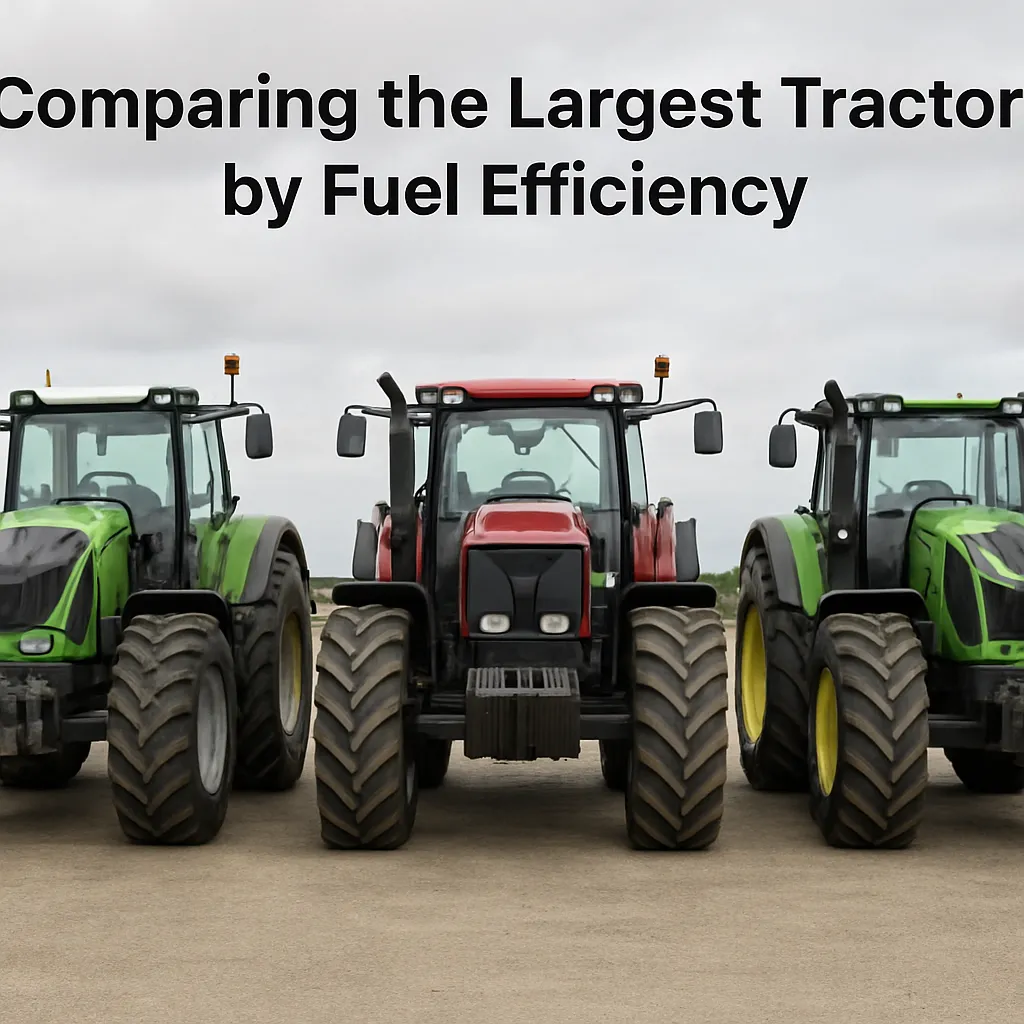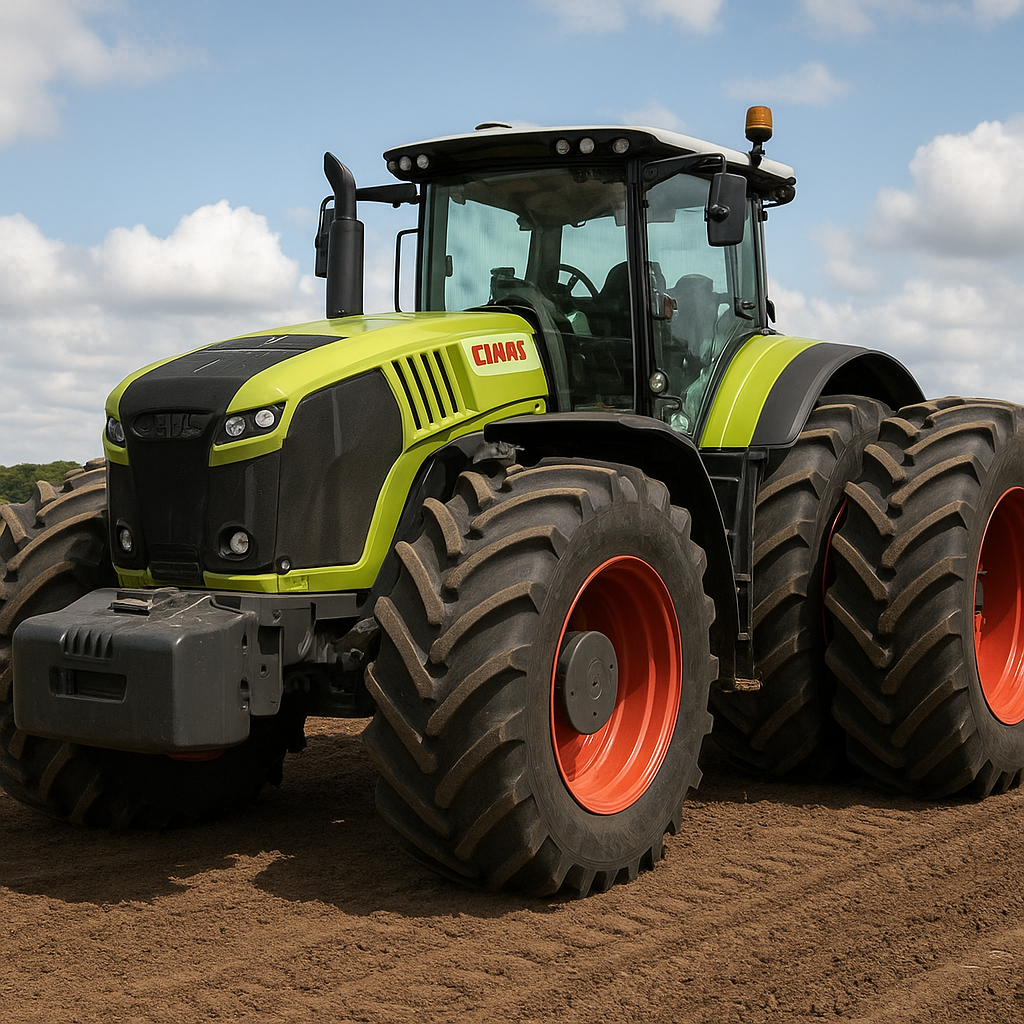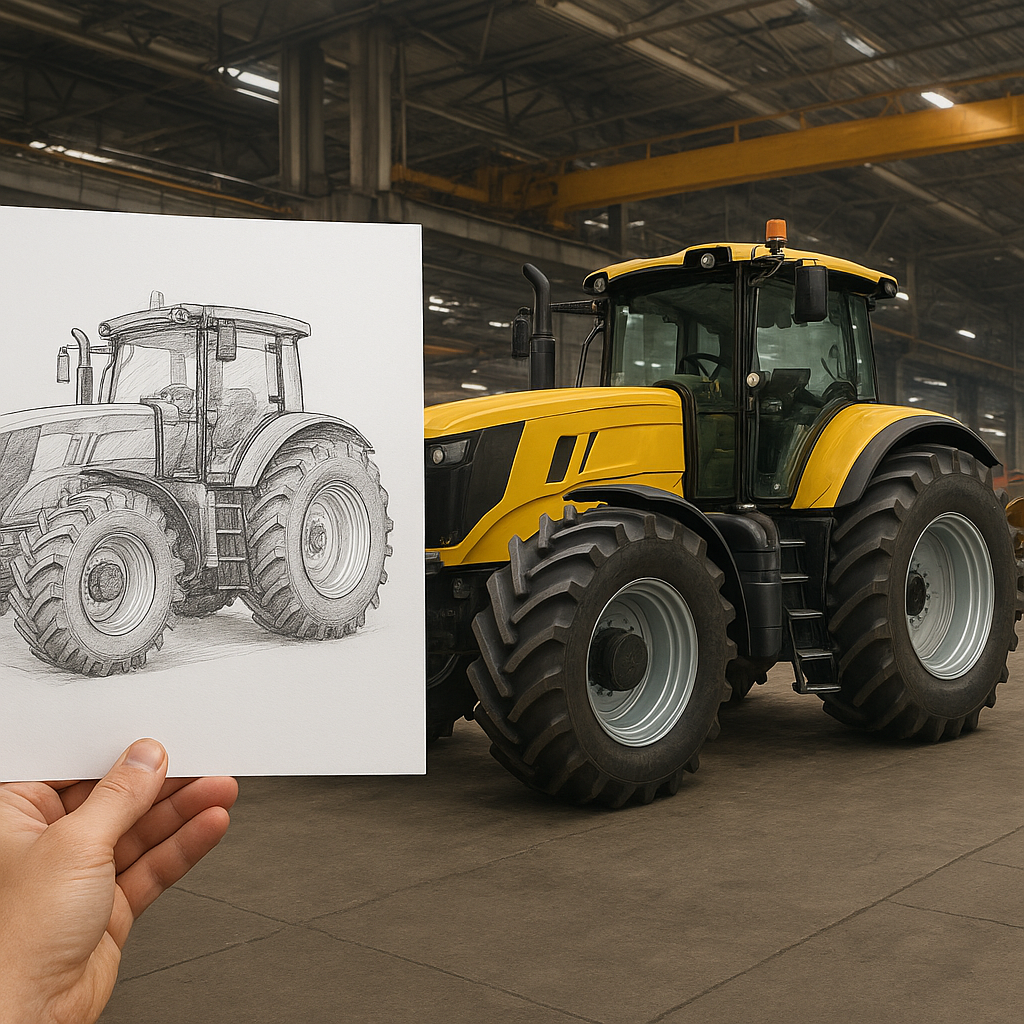
From the earliest steam-powered plows to today’s cutting-edge machines, the journey of building the world’s biggest tractors has been fueled by a relentless pursuit of power, reliability, and adaptability. Farmers and manufacturers alike have challenged the limits of what a tractor can achieve, driving breakthroughs in design, materials, and control systems that have reshaped modern agriculture. This article explores how pioneering minds have turned ambitious concepts into towering realities, examining the key technologies, practical uses, and future directions of these behemoth workhorses.
The Evolution of Massive Agricultural Machines
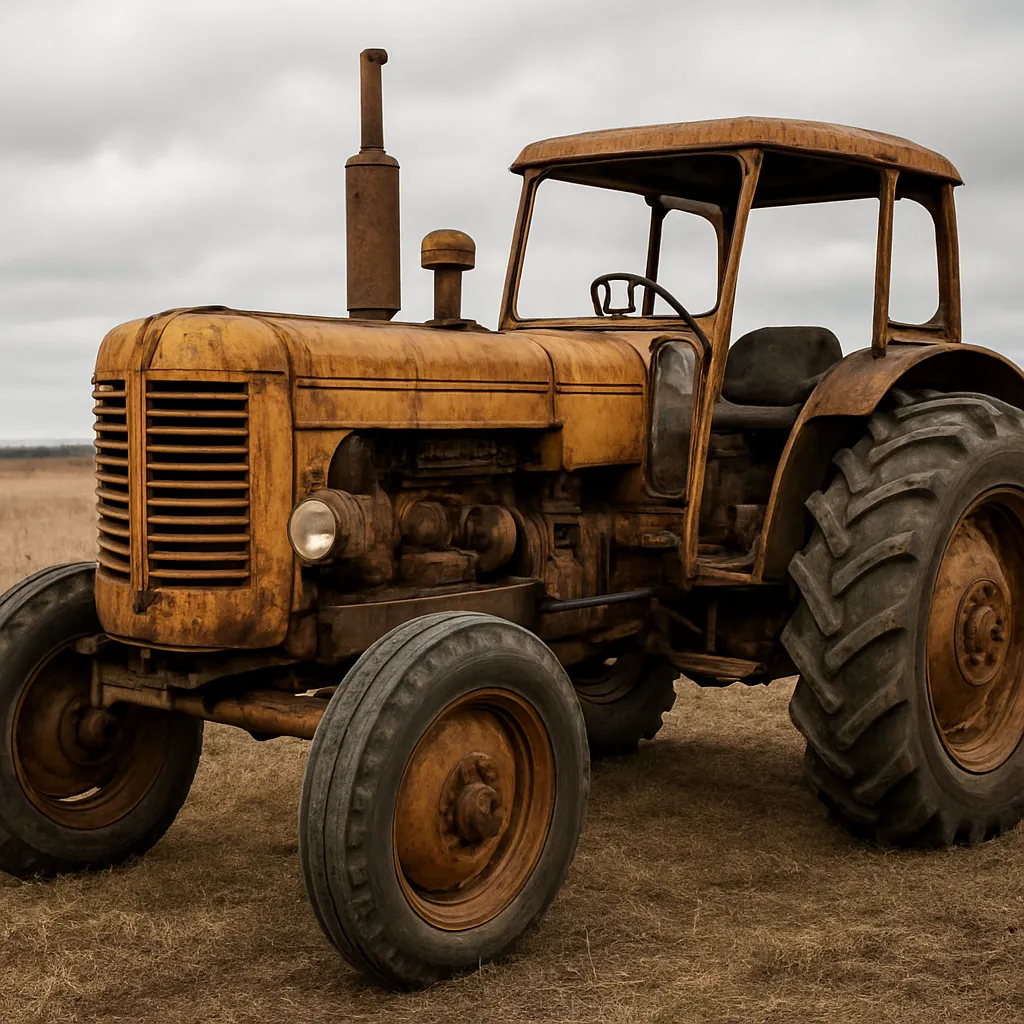
The development of large-scale tractors began in earnest during the mid-20th century, as farms expanded and the demand for greater productivity soared. Early models relied on internal combustion engines barely exceeding 100 horsepower, but within a few decades, purpose-built giants delivering over 400 horsepower emerged. Key milestones include:
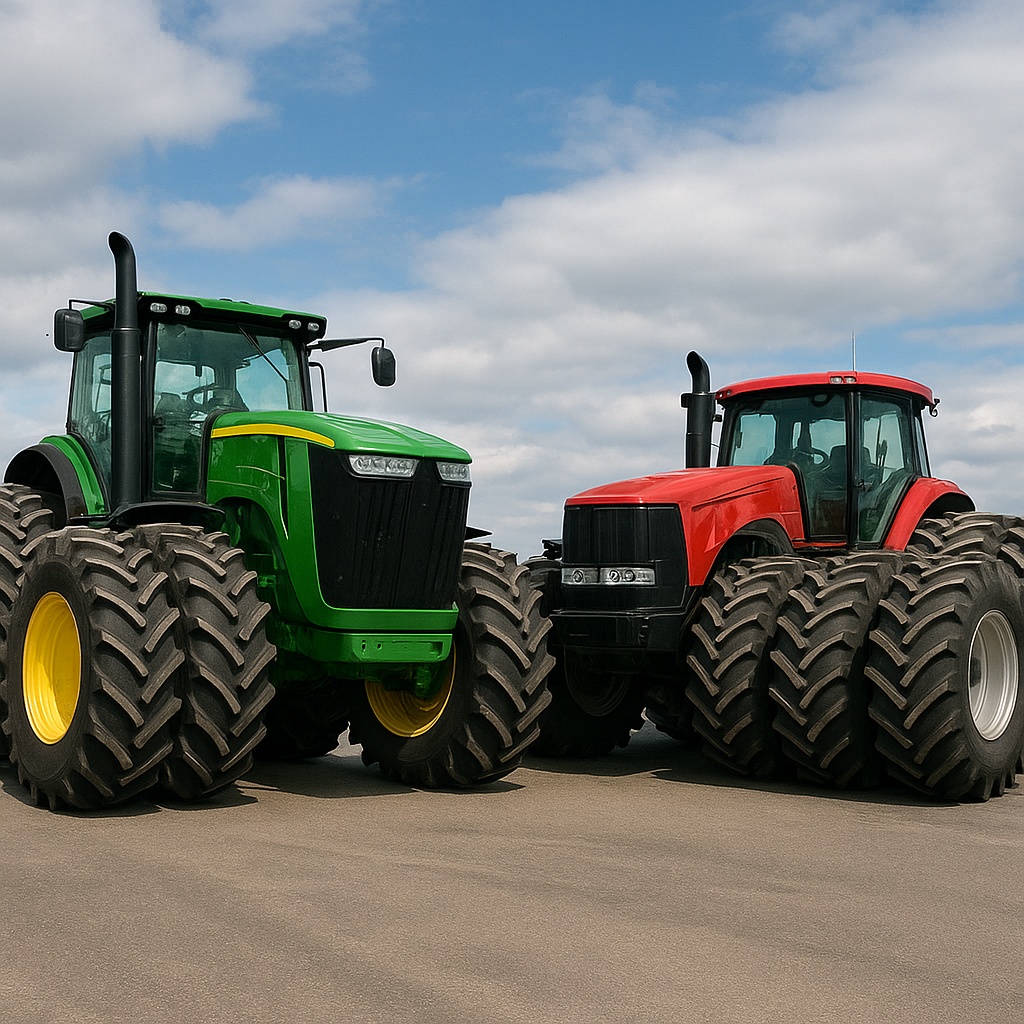
- The introduction of dual-wheel configurations for improved traction on soft soil.
- Hydrostatic transmissions that replaced less efficient gearboxes.
- The transition from steel wheels to advanced rubber tires, increasing field speed without sacrificing grip.
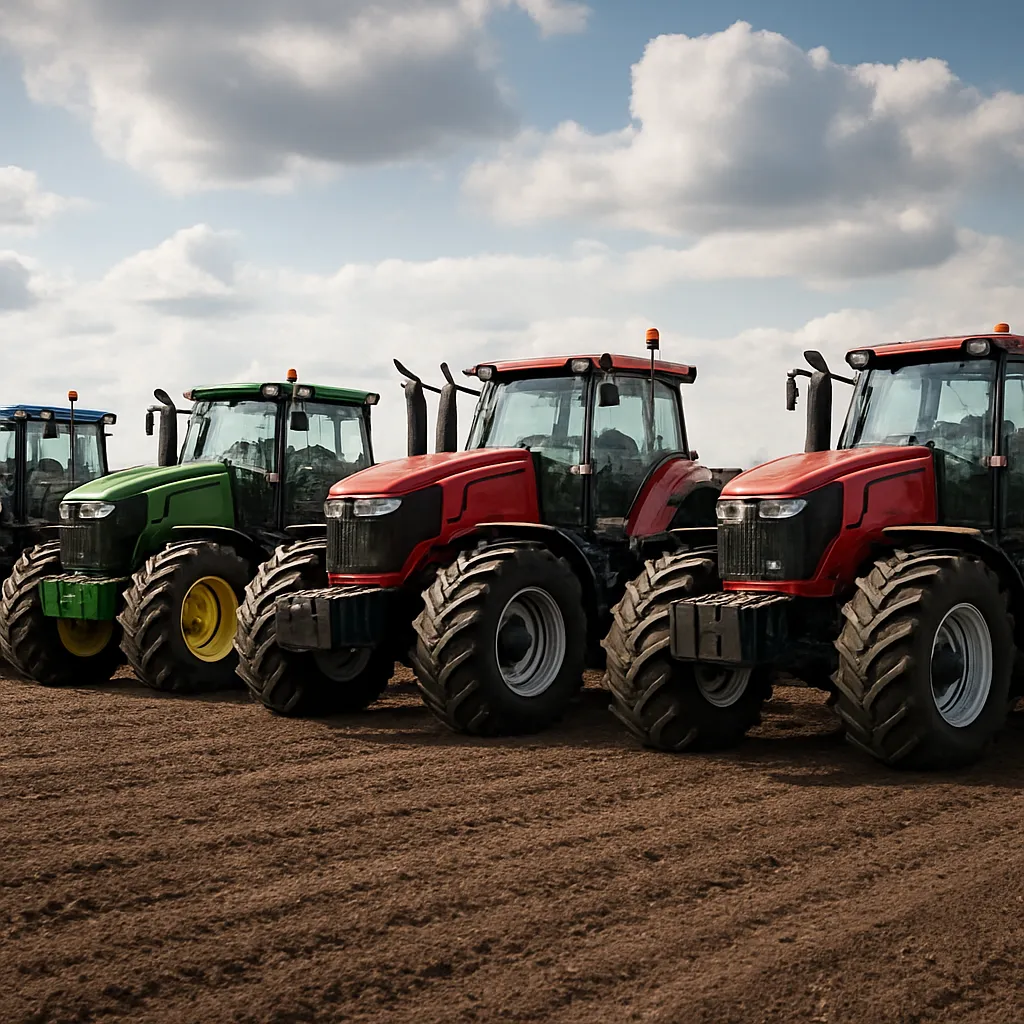
As global food demand continued to climb, manufacturers responded with machines boasting over 600, and eventually 800 horsepower. Each leap in power necessitated innovations in chassis design, cooling systems, and electronic controls. Today’s flagship models weigh more than 20 metric tons and can tow implements exceeding 50 tons, illustrating a remarkable progression from humble beginnings.
Engineering Marvels Behind the World’s Largest Tractors
At the heart of every mega-tractor lies a suite of sophisticated systems that ensure reliable operation under extreme loads. Critical engineering aspects include:
- Powertrain: Multi-cylinder diesel engines, sometimes turbocharged and intercooled, deliver massive torque at low RPM. Advanced fuel injection and aftertreatment systems help meet stringent emissions standards.
- Hydraulics: High-capacity pumps and accumulators enable precise control of implements, from deep tillage plows to heavy seed drills. Redundant circuits guarantee uninterrupted performance even if one line fails.
- Chassis and Suspension: Reinforced steel frames support enormous weights, while air-ride suspension systems cushion both operator and equipment from jarring vibrations over rough terrain.
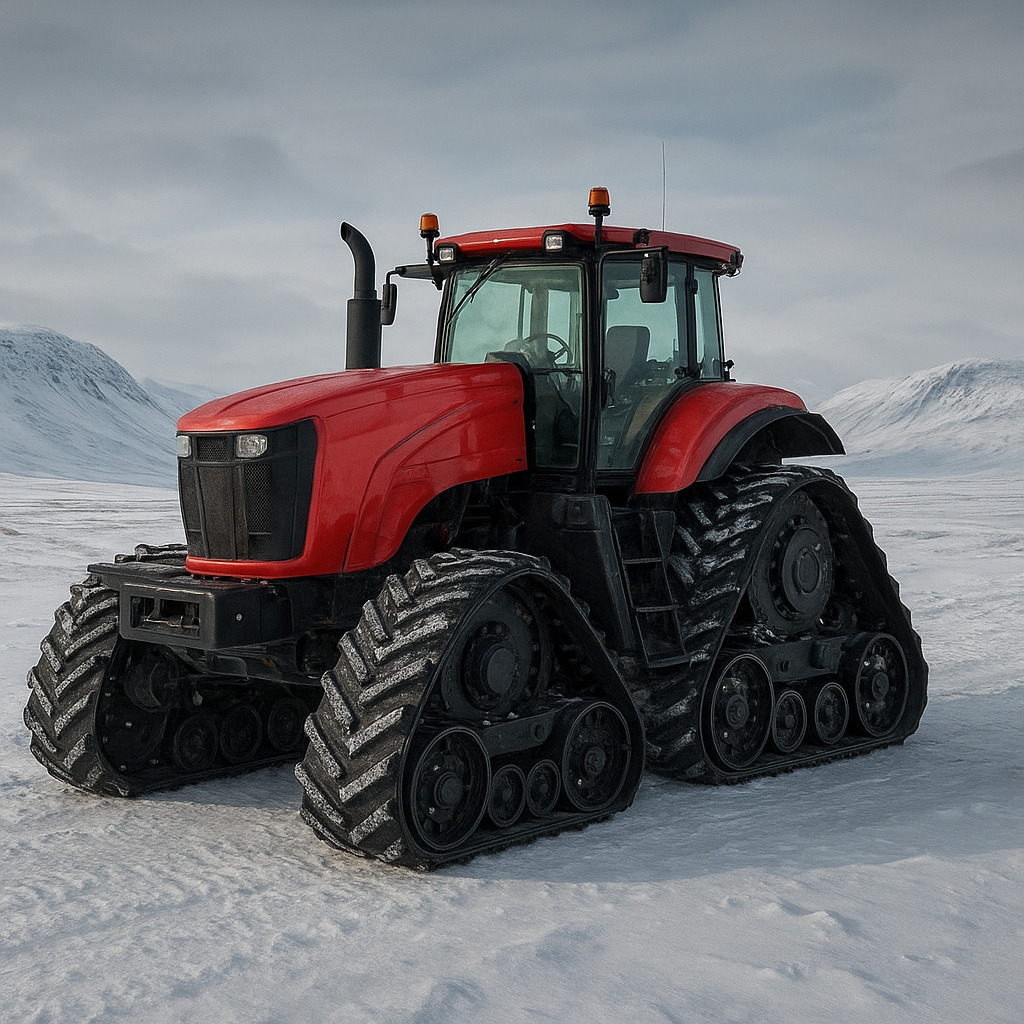
- Tracks and Tires: Innovations in rubber compound and tread design maximize traction and minimize soil compaction. Some models feature adjustable track widths or dual-wheel setups for enhanced versatility.
- Electronic Management: Integrated CAN-bus networks coordinate engine output, transmission shifting, and implement commands, ensuring seamless precision farming operations.
Beyond raw power, designers focus on operator comfort and safety. Climate-controlled cabs, multi-axis joysticks, and panoramic displays reduce fatigue during long workdays, while rollover protection systems and advanced braking ensure a secure environment. Such attention to detail underscores the marriage of brute strength with refined technology.
Applications and Impact on Large-Scale Farming
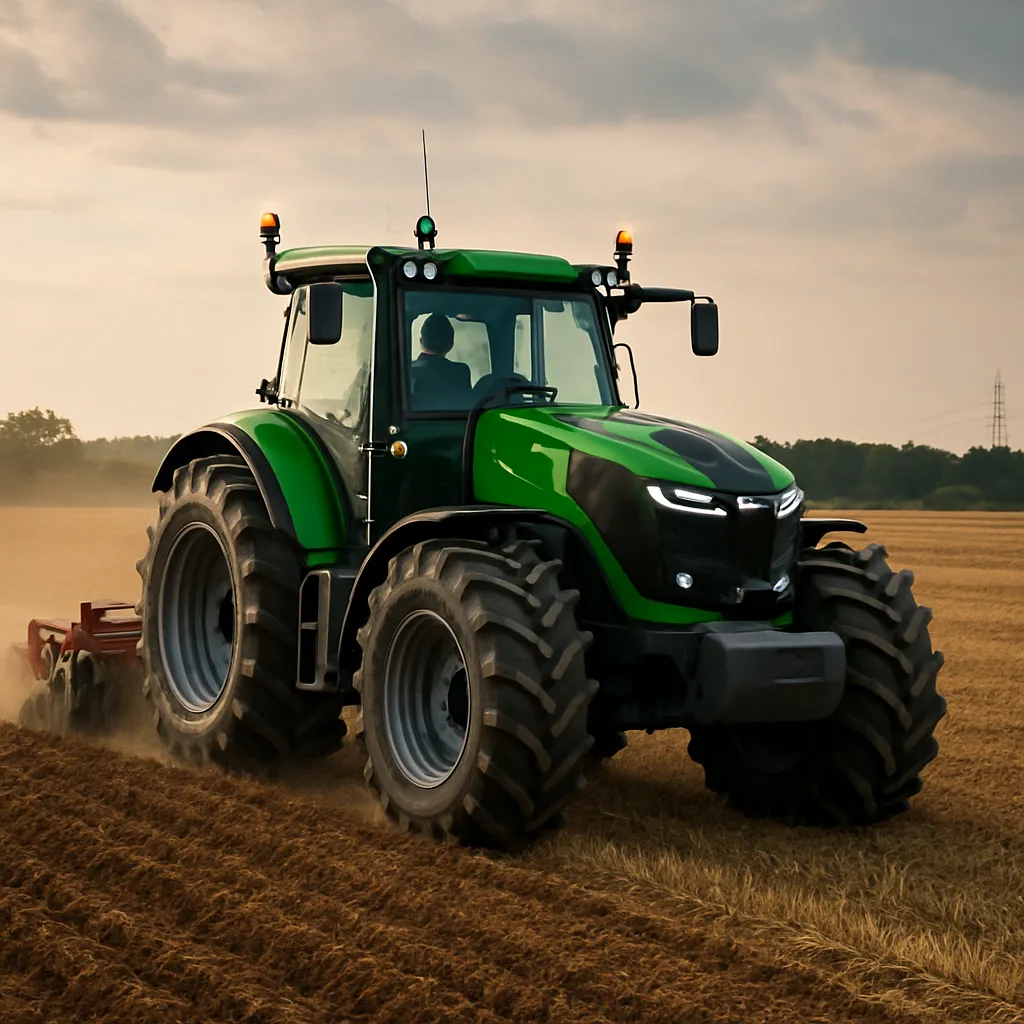
These titanic machines have revolutionized how large farms tackle vital tasks. Whether preparing vast fields for planting or hauling enormous grain carts during harvest, big tractors deliver unmatched efficiency and consistency. Primary applications include:
- Deep tillage and subsoiling to enhance soil structure and water infiltration.
- High-speed planting across hundreds of acres, reducing turnaround times.
- Heavy-duty transport of harvested crops, fertilizer, and other materials.
- Specialized tasks like deep ripping, chisel plowing, and precision spraying.
By covering greater areas per hour, large-scale operations cut labor costs and fuel consumption per acre. However, the initial investment for these machines can exceed half a million dollars, making them viable primarily for commercial farms managing thousands of hectares. The economic equation hinges on long-term reliability and low downtime, so service intervals, parts availability, and dealer support become critical factors in purchase decisions.
Manufacturing Challenges and Future Directions
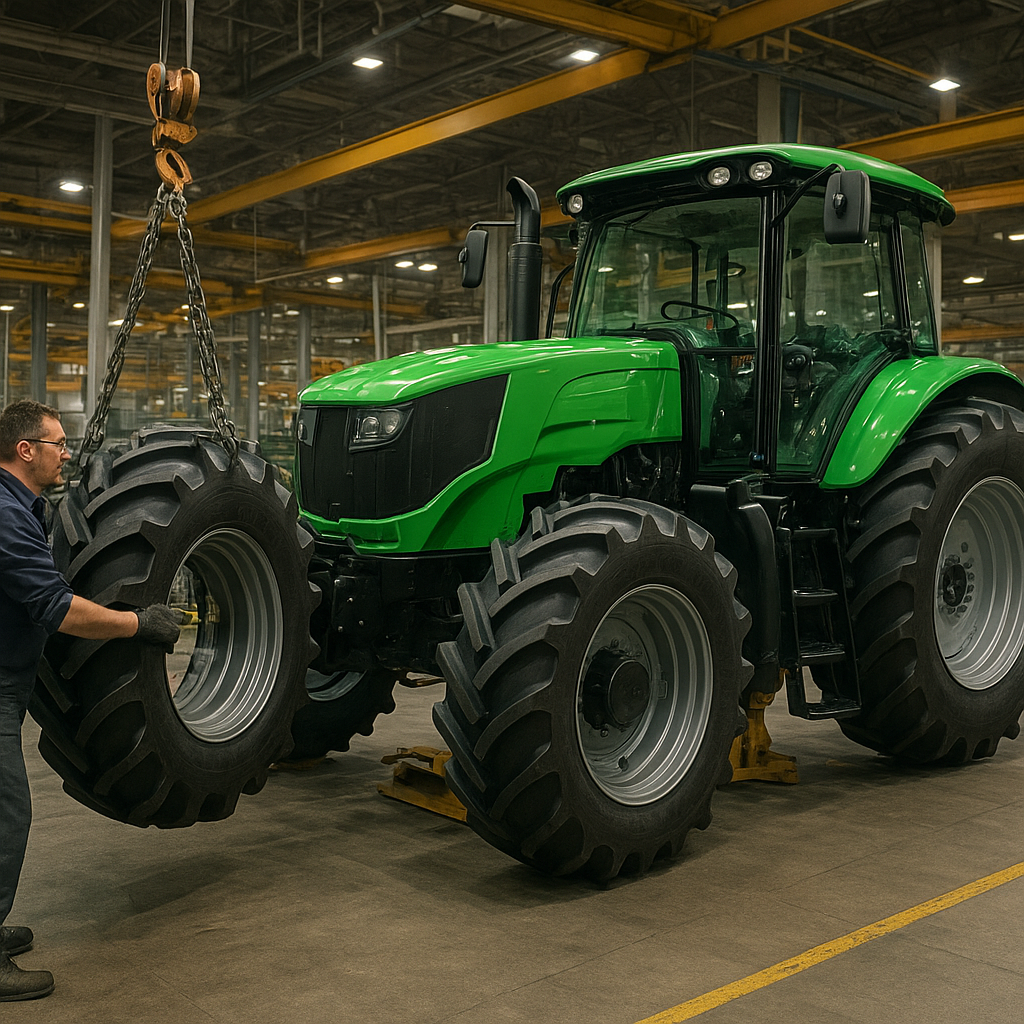
Fabricating the biggest tractors presents unique hurdles. Transporting oversized components from the factory to end users requires specialized logistics, including wide-load escorts and route planning to avoid low bridges or narrow roads. Shop floors must accommodate giant welding rigs and overhead cranes capable of lifting multiple tons. Quality control also ramps up in complexity, as weld seam integrity, metal fatigue testing, and hydraulic pressure trials demand rigorous protocols.
Looking ahead, several trends promise to reshape the field:
- Electrification: Hybrid and fully electric drivetrains aim to reduce emissions and operating costs. Battery energy density improvements are key to making electric mega-tractors practical.
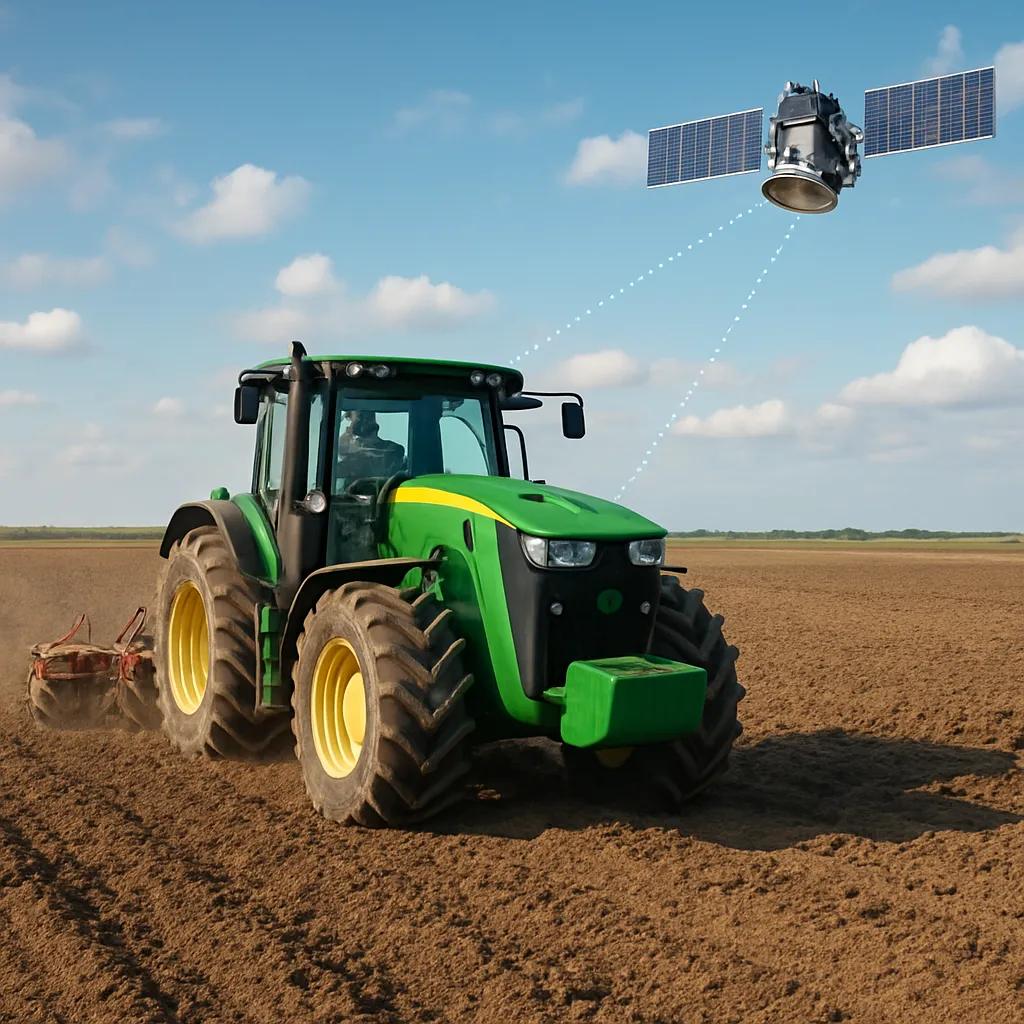
- Autonomy: GPS-guided, driverless tractors equipped with AI-based obstacle detection can operate around the clock, boosting performance and minimizing human error.
- Lightweight Materials: Advanced alloys and composite structures can lower total weight without compromising durability, allowing for larger implements without exceeding soil compaction thresholds.
- Data-Driven Farming: Real-time analytics from onboard sensors optimize fuel use, soil health, and implement settings to maximize yield per acre.
By integrating these advancements, future tractor models will likely redefine the boundaries of what’s possible in field operations. Farmers will be able to leverage greater horsepower alongside smarter controls and greener power sources, ushering in a new era of sustainable, high-output innovation.