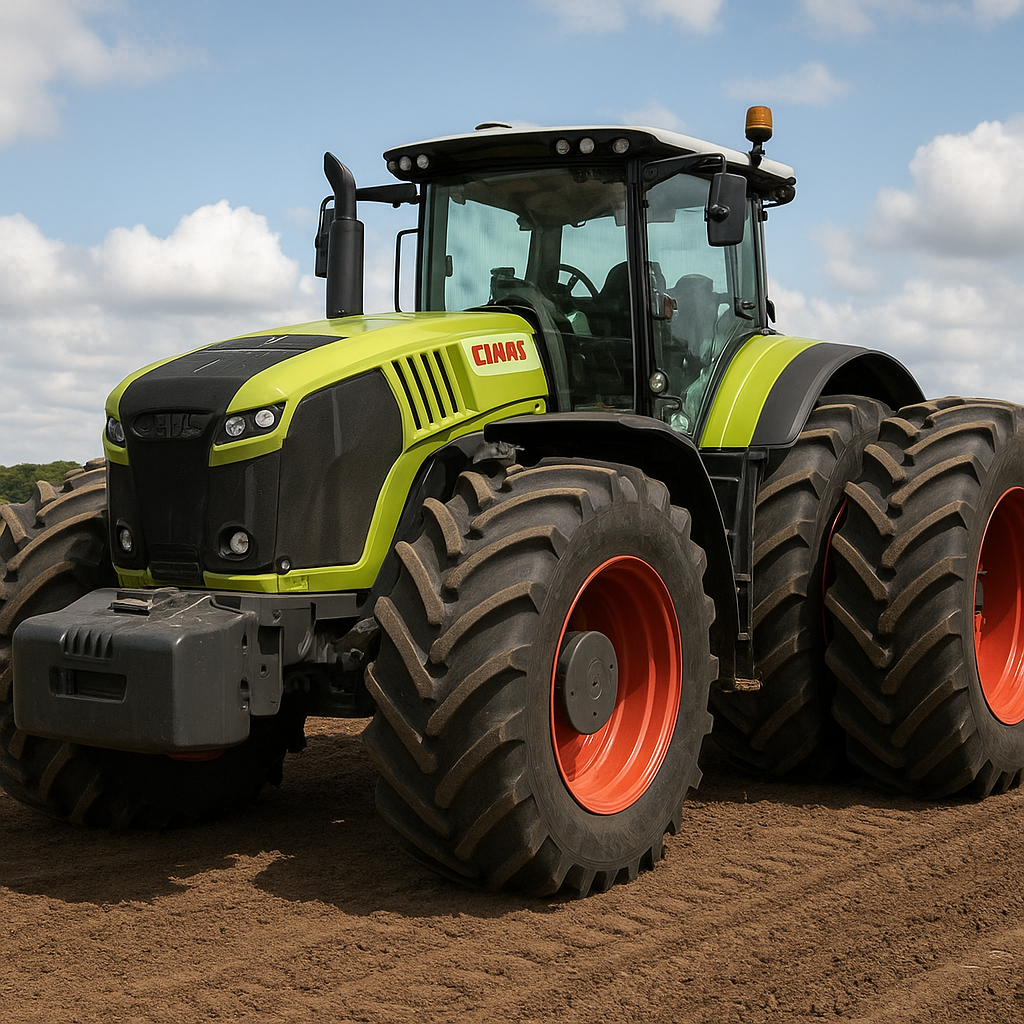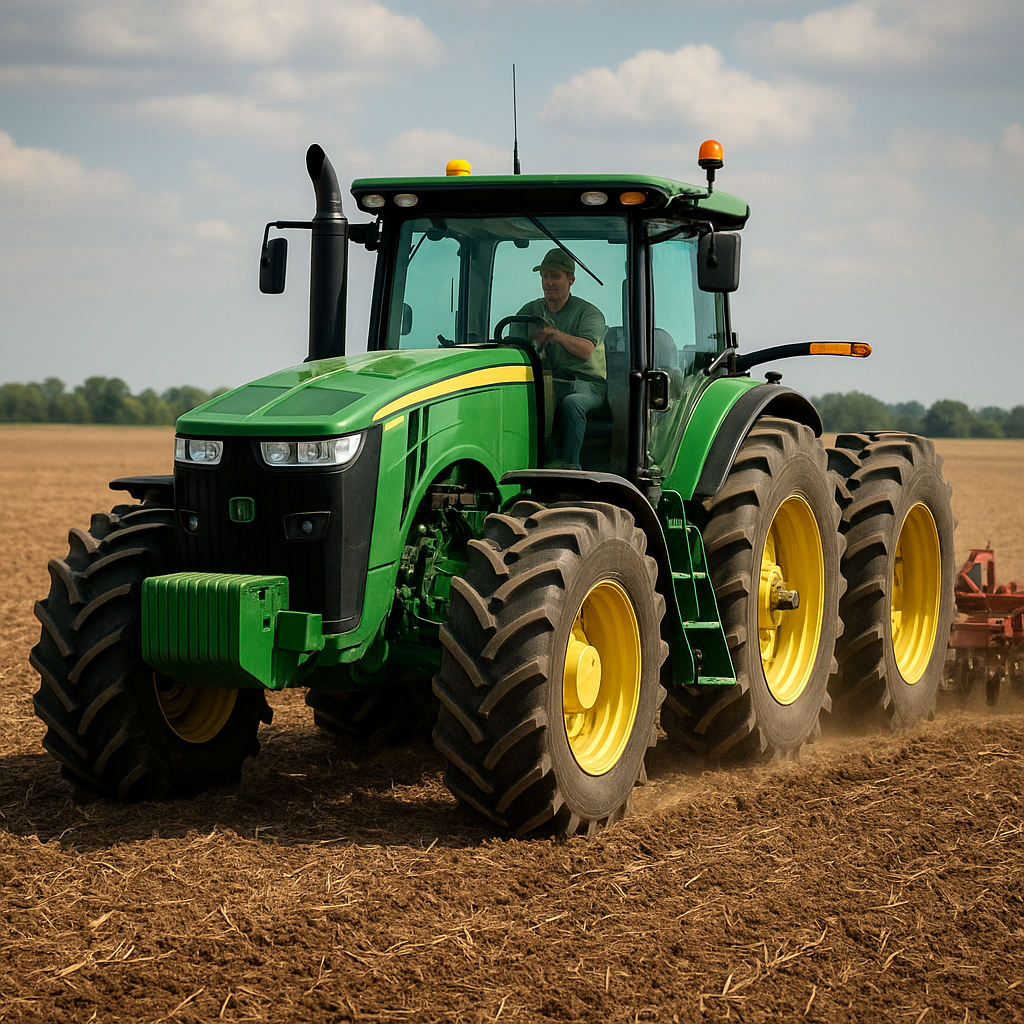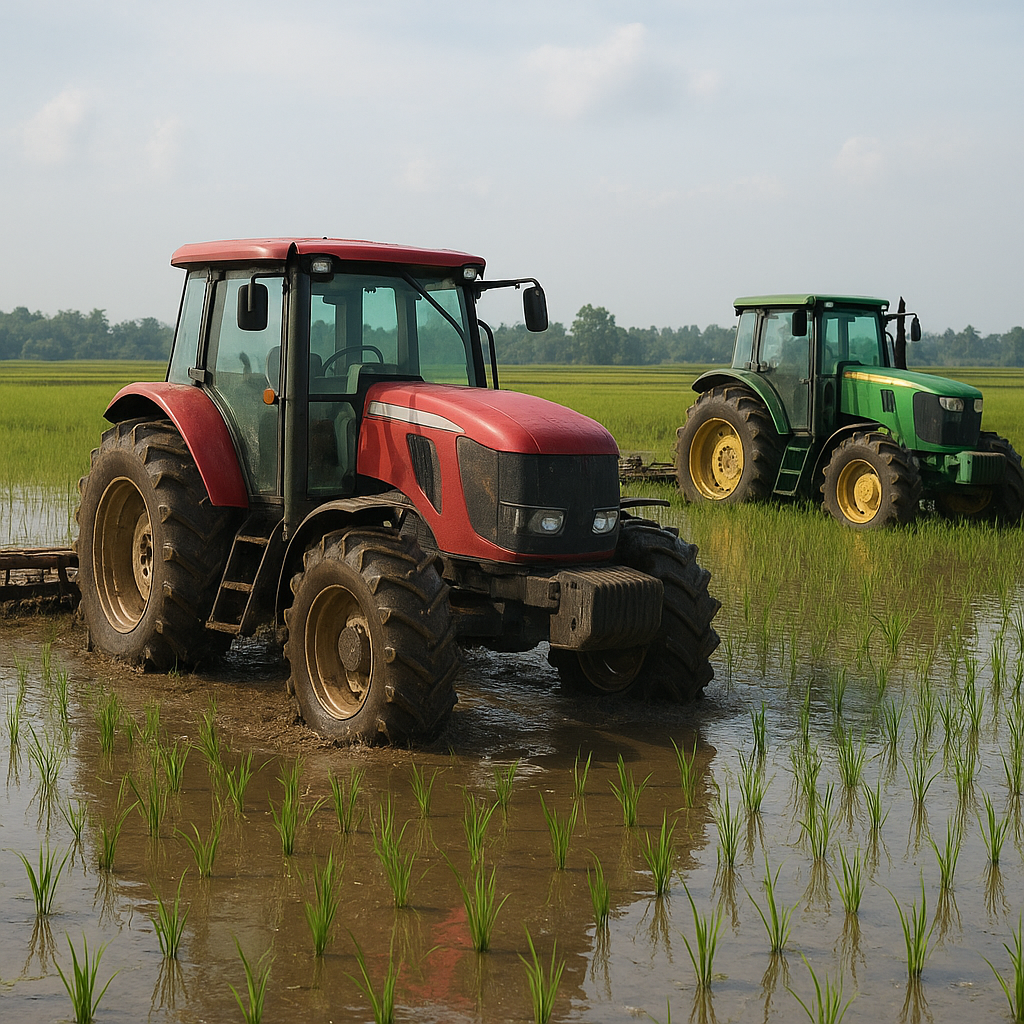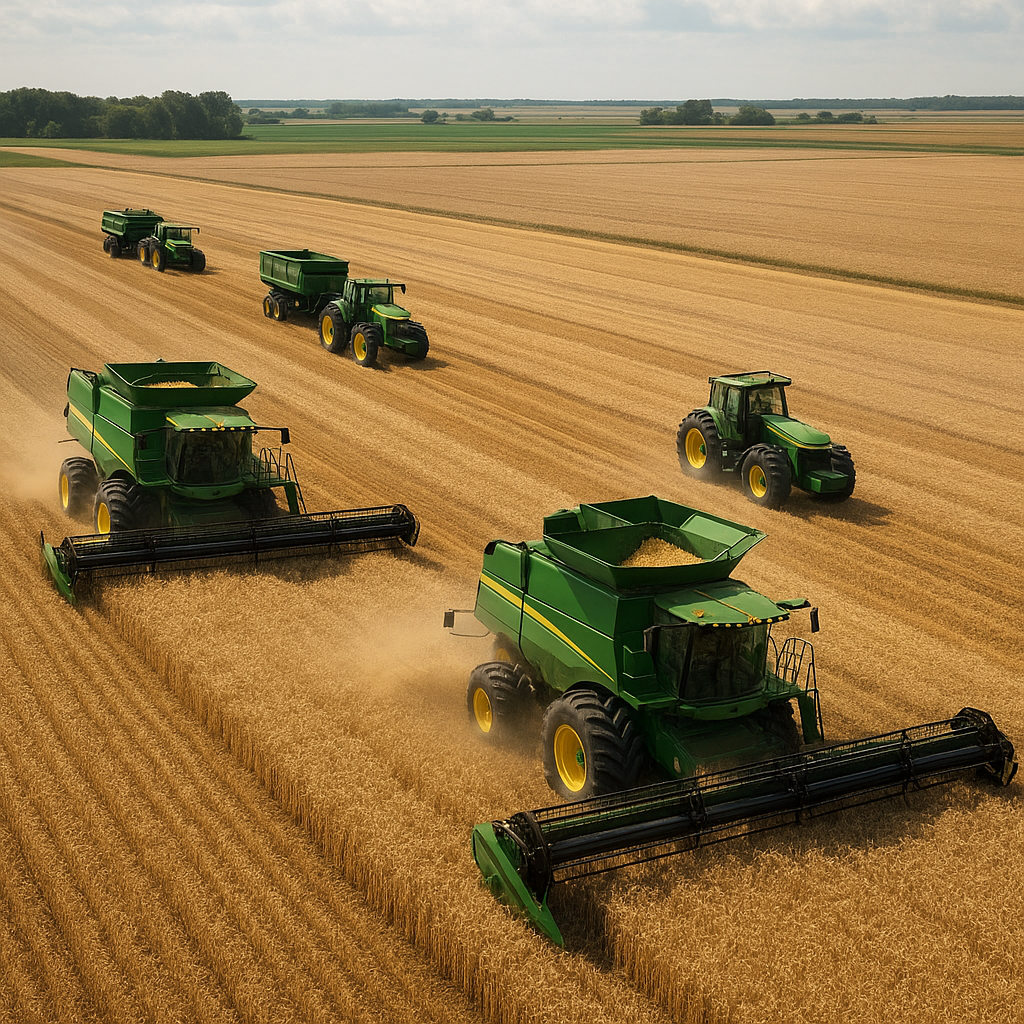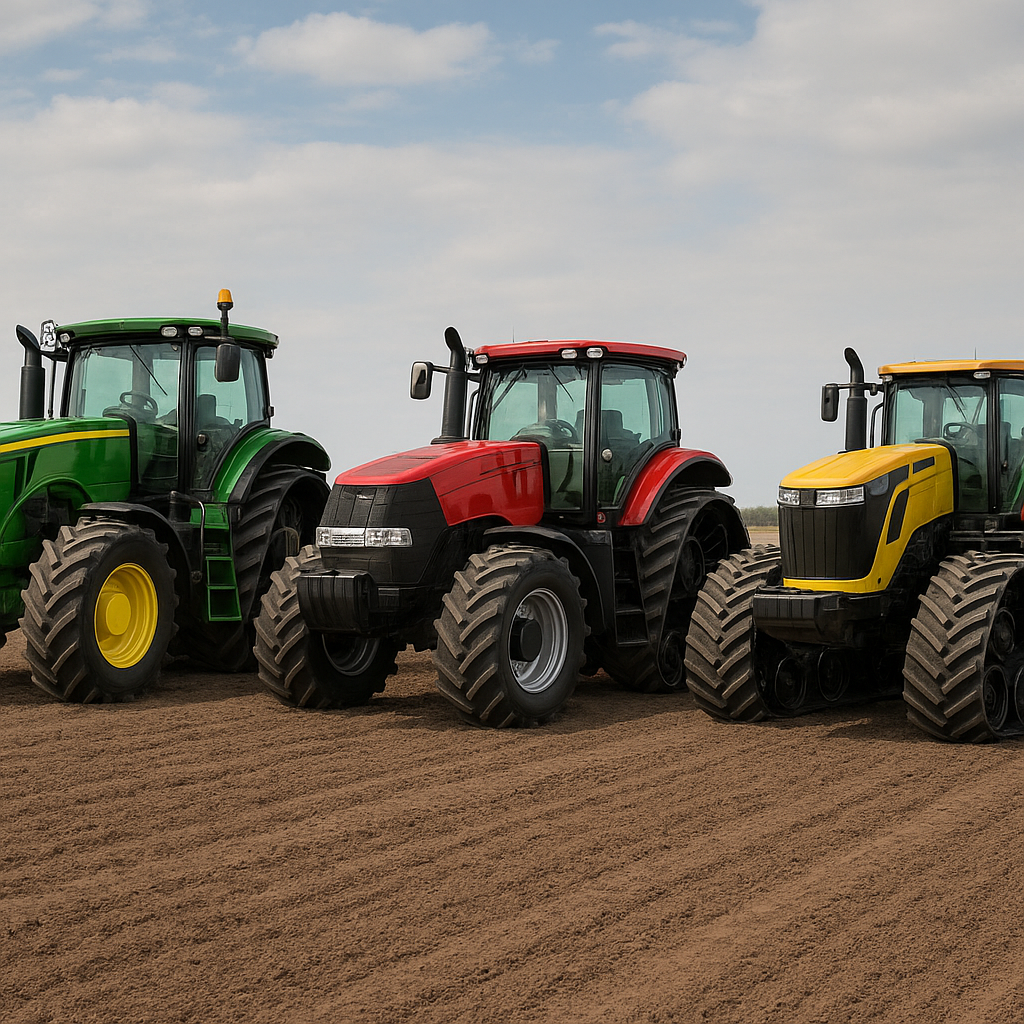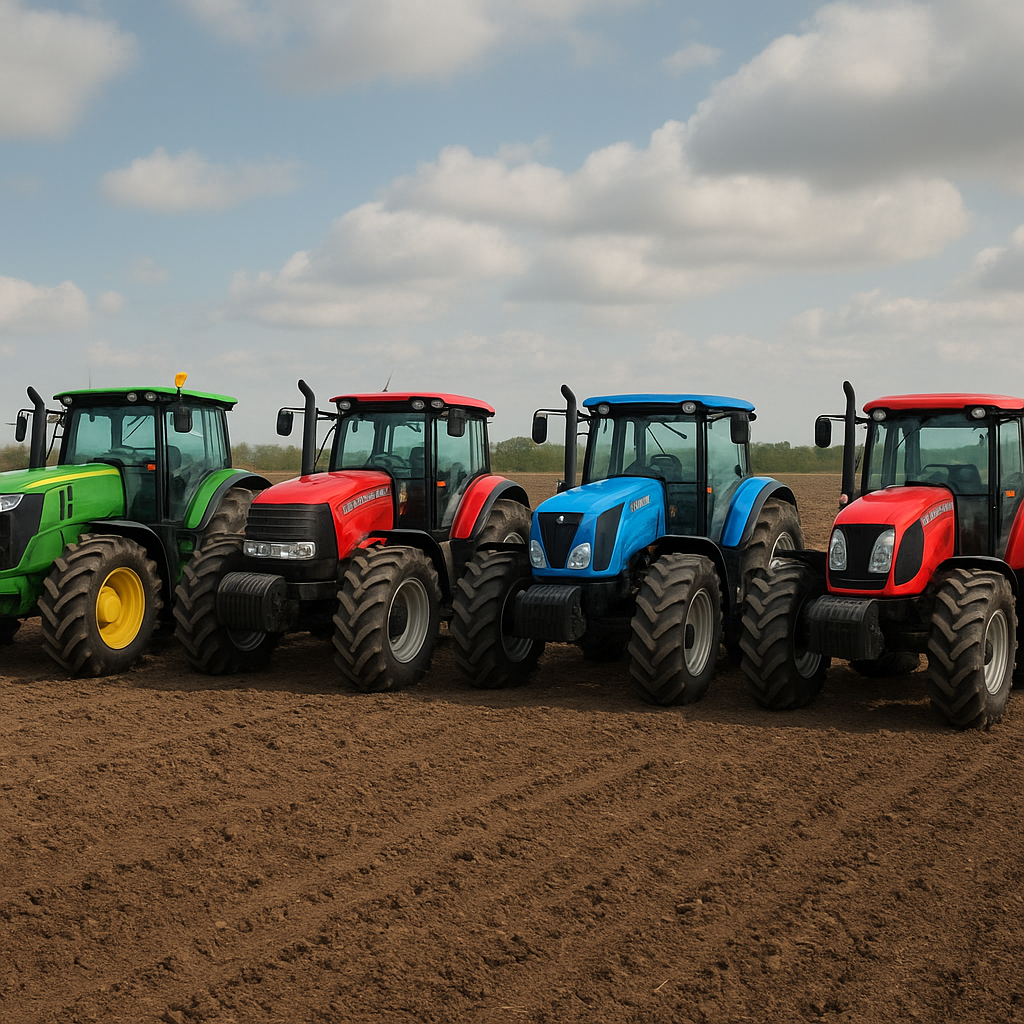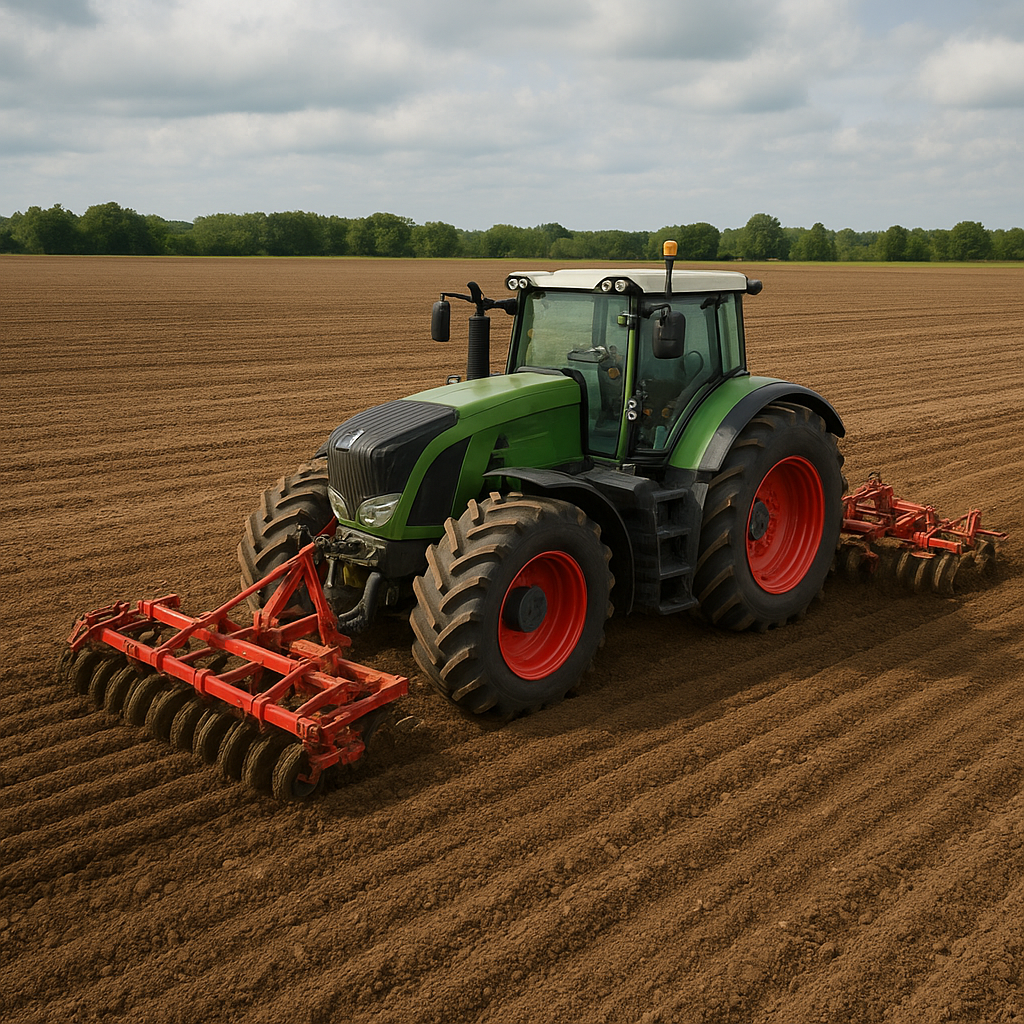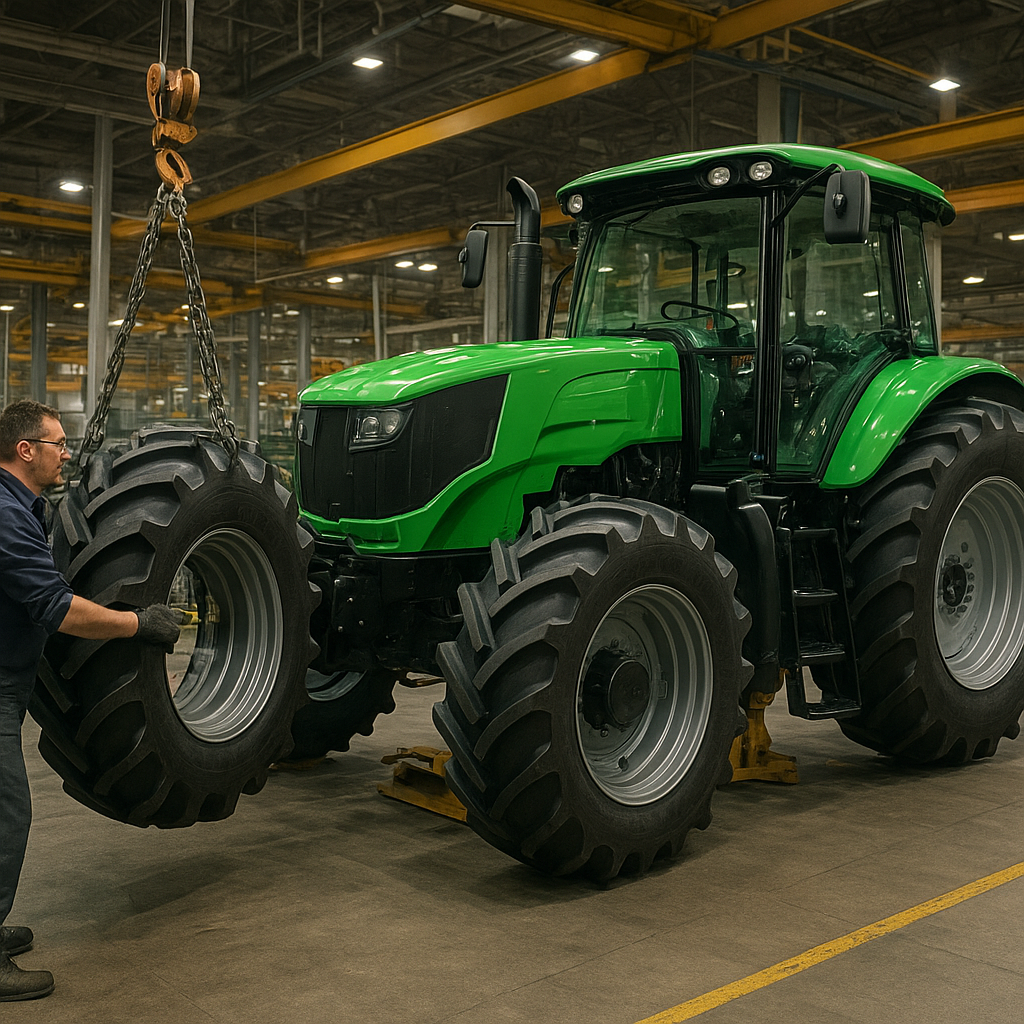
Building some of the world’s largest agricultural machines requires a combination of cutting-edge technology, meticulous planning, and skilled craftsmanship. In factories dedicated to the production of the biggest tractors, every step from initial component fabrication to the final road test is orchestrated to achieve unparalleled performance, durability, and reliability. This article explores the journey of these behemoths, highlighting the innovations and processes that make modern tractor manufacturing a marvel of engineering.
The Heart of Tractor Construction
The process begins with the fabrication of core structures and power units. These elements form the backbone of any high-horsepower tractor, ensuring it can tackle the most demanding fieldwork.
Chassis and Frame Fabrication
- Steel plates are precisely cut and shaped to create the chassis sections.
- Robotic welding cells join frame members with consistent weld quality and minimal distortion.
- Surface treatments, such as galvanizing or powder coating, are applied to enhance durability and corrosion resistance.
Engine and Transmission Assembly
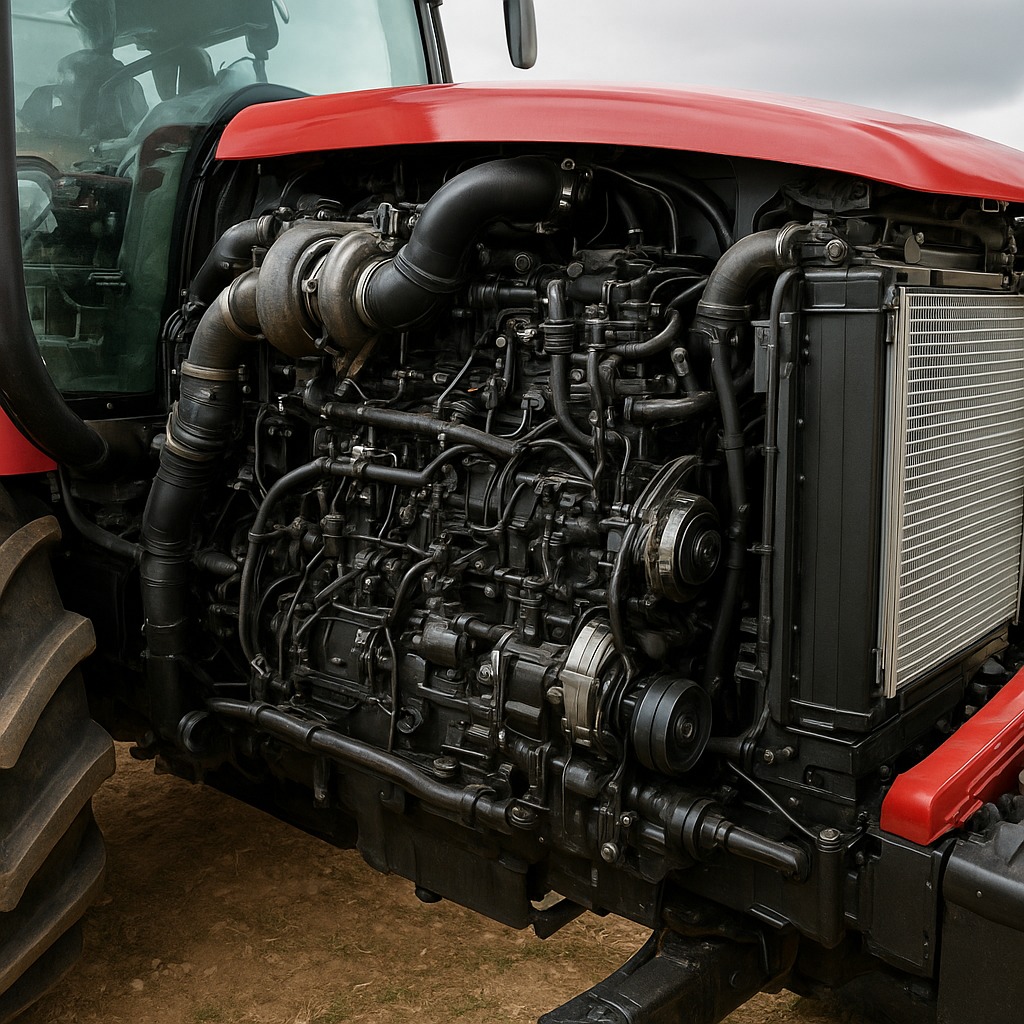
Massive diesel engines undergo rigorous subassembly before integration:
- Engine blocks are machined to exact tolerances, ensuring smooth piston movement and optimal compression.
- Fuel injection systems, turbochargers, and cooling circuits are added in dedicated stations to guarantee efficiency and low emissions.
- High-capacity transmissions, often featuring continuously variable or multi-range gearboxes, are assembled to handle extreme torque demands.
Precision Engineering and Component Integration
Once the central structures and powertrain are ready, the focus shifts to integrating various subsystems that give these tractors their exceptional capabilities.
Hydraulics and Implements
Advanced hydraulic circuits empower the tractor to lift and operate massive implements:
- High-pressure pumps and multi-section valves are calibrated for precise control over lifting, tilting, and steering.
- Load-sensing technology adjusts flow rates on the fly, optimizing performance and reducing fuel consumption.
- Attachment couplers are tested for compatibility with a wide range of front and rear implements, from plows to seeders.
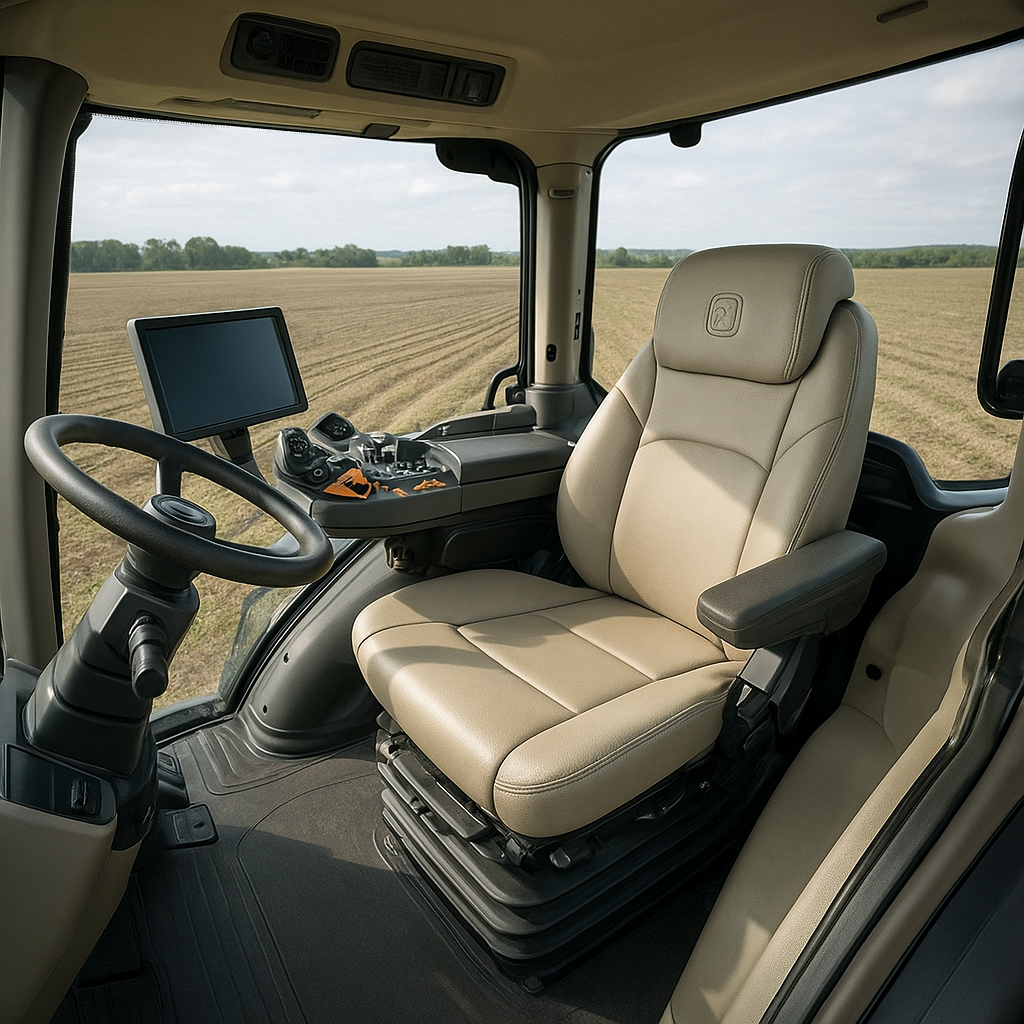
Cabin and Driver Interface
The operator’s environment in a flagship tractor is a result of extensive ergonomic and safety planning:
- Sound-dampening materials minimize engine and mechanical noise, creating a comfortable atmosphere.
- High-resolution displays and integrated telematics systems offer real-time feedback on vehicle status, field mapping, and GPS guidance.
- Adjustable seats, climate control, and intuitive controls reduce operator fatigue during long shifts in the field.
Automation and Advanced Manufacturing Techniques
Modern tractor factories employ Industry 4.0 principles to ensure consistent quality and rapid production cycles.
Smart Assembly Lines
- Automated guided vehicles (AGVs) transport heavy assemblies between stations, reducing manual handling risks.
- Robotic arms perform precision tasks such as installing axles, aligning drive shafts, and torquing critical fasteners.
- Sensors and IoT devices monitor production metrics—temperature, vibration, torque—to detect anomalies in real time.
Digital Twins and Simulation
Virtual replicas of the assembly line and tractor models enable engineers to foresee potential issues before physical builds:
- Simulations predict how components respond under stress, guiding material choices and design tweaks.
- Assembly workflows are optimized by simulating worker paths, tool changes, and equipment usage, boosting overall efficiency.
- Digital twin data feeds back into factory controls, allowing adaptive scheduling and dynamic line balancing.
Quality Assurance and Rigorous Testing
Quality control is woven into each stage of production, ensuring every tractor leaving the factory meets stringent performance standards.
Non-Destructive Inspections
- Ultrasonic and X-ray inspections detect hidden flaws in weld joints and cast components.
- Pressure testing of hydraulic lines and coolants systems safeguards against leaks and failures.
- Dimensional checks verify that mating surfaces align perfectly, ensuring easy maintenance and long service life.
Engine and Drivetrain Dyno Testing
Before mounting engines and transmissions on the chassis, they undergo standalone dyno evaluations:
- Power curves and torque curves are recorded to validate manufacturer specifications.
- Endurance runs simulate months of fieldwork in hours, exposing potential component wear or overheating issues.
- Emissions and fuel efficiency are measured under variable load conditions to confirm compliance with environmental regulations.
Final Road and Field Trials
The ultimate test takes place outside the factory gates:
- Hydraulic systems lift heavy implements, while traction and stability are evaluated on various terrains.
- Real-world plowing, seeding, and towing tasks assess how the tractor handles dynamic loads and challenging soil conditions.
- Telematics data gathered during these trials helps engineers fine-tune software controls and improve user interfaces.
Innovation Driving Future Tractors
As global food demand grows, manufacturers continually push boundaries to develop tractors that offer higher power, lower emissions, and greater operator comfort. The factories that build these machines are evolving too:
- Modular platforms allow rapid adaptation to different power ratings and regional requirements, reducing lead times for new models.
- Alternative power sources, such as electric and hybrid drivetrains, are integrated on the same assembly lines to meet sustainability goals.
- Collaborative robots (cobots) work alongside human technicians, combining the best of automated precision and skilled craftsmanship.
Through relentless improvement in materials, processes, and digital integration, the world’s largest tractors are more than just vehicles—they are the culmination of advanced automation, stringent quality assurance, and visionary engineering that drive modern agriculture forward.