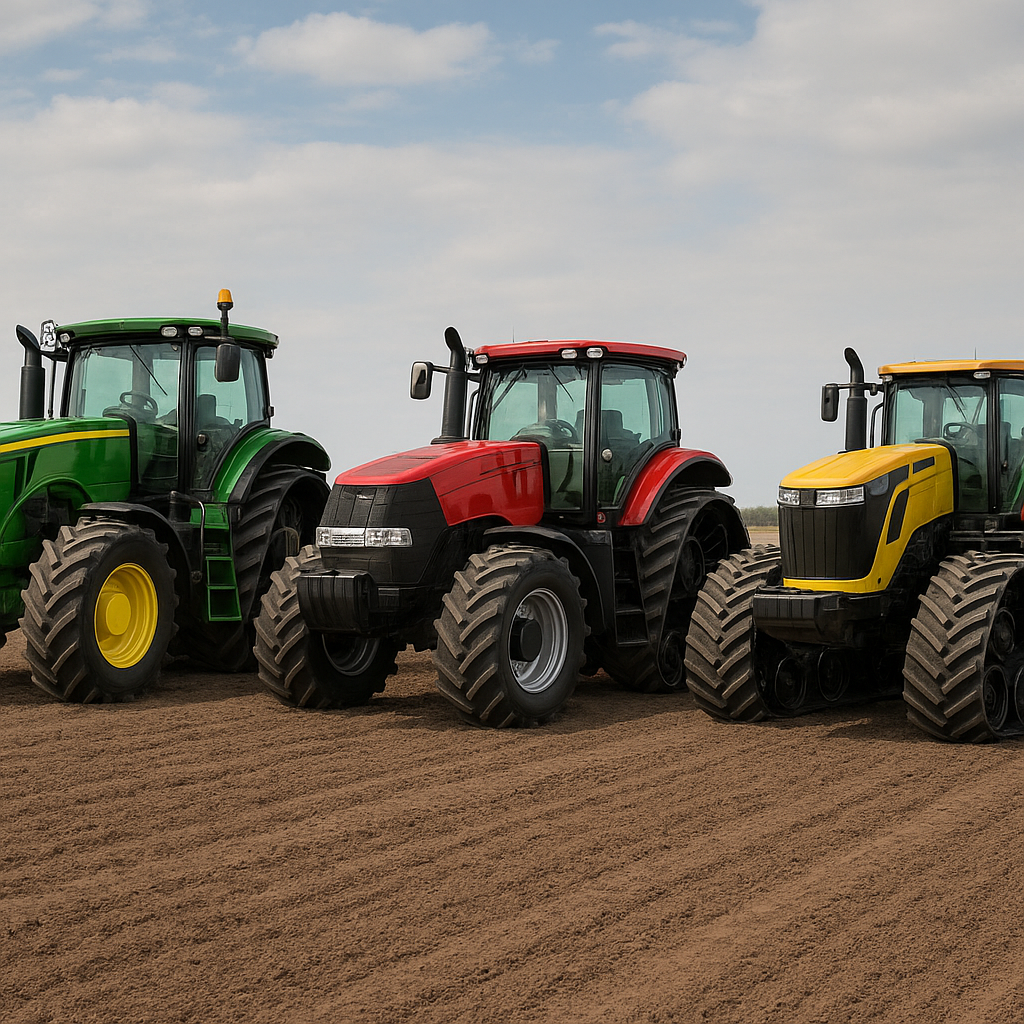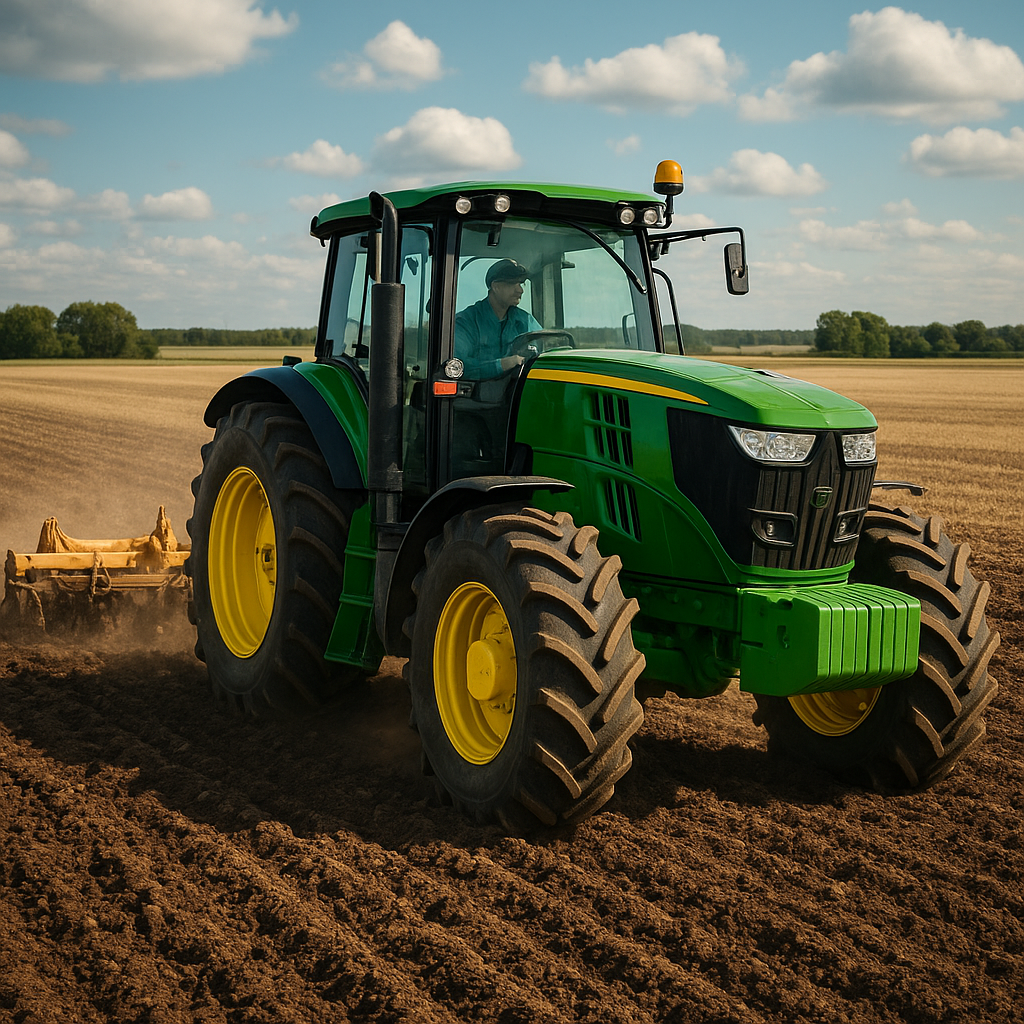
The relentless pursuit of efficiency and scale has driven the evolution of agricultural machinery into an era of massive implements designed to transform modern farming. Among these, the development of the biggest tractors stands as a testament to human ingenuity, blending raw power with cutting-edge technology to meet the demands of large-scale operations. This article explores how today’s largest tractors are revolutionizing agricultural productivity, from their historical beginnings to the innovations shaping the future of farming.
Historical Evolution of Colossal Tractors
The origins of large-scale tractors can be traced back to the early 20th century, when farmers sought alternatives to horse-drawn plows. Over decades, incremental enhancements in engines, hydraulics, and chassis design gave rise to machines capable of delivering unprecedented horsepower. By the 1950s and 1960s, brands like Ford and International Harvester were already fielding tractors exceeding 100 HP. Fast forward to the 21st century, and major manufacturers regularly offer models surpassing 500 HP, with some specialized beasts exceeding 900 HP.
From Steam Power to High-Horsepower Diesel
- Late 1800s: Steam traction engines introduced basic mechanization.
- 1920s–1930s: Transition to gasoline and early diesel powerplants.
- 1950s–1970s: Emergence of turbocharged diesel engines, boosting torque.
- 1980s–2000s: Integration of advanced electronics and computerized controls.
- 2010s–present: Rise of precision agriculture and autonomous operation.
Key Features Defining the Largest Tractors
Modern mega-tractors combine several critical attributes that distinguish them from smaller units:
- Horsepower and Torque: Diesel engines with outputs over 400–900 HP deliver immense pulling capacity for wide implements.
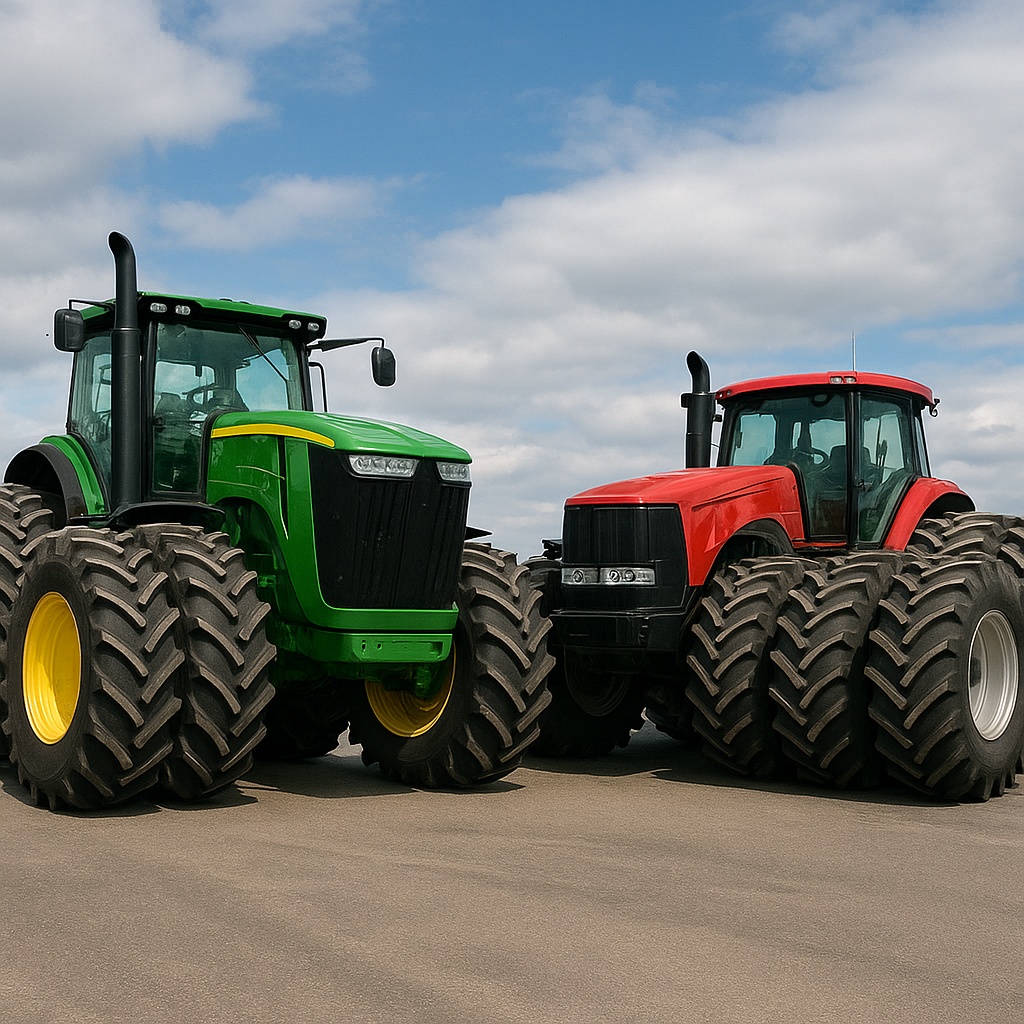
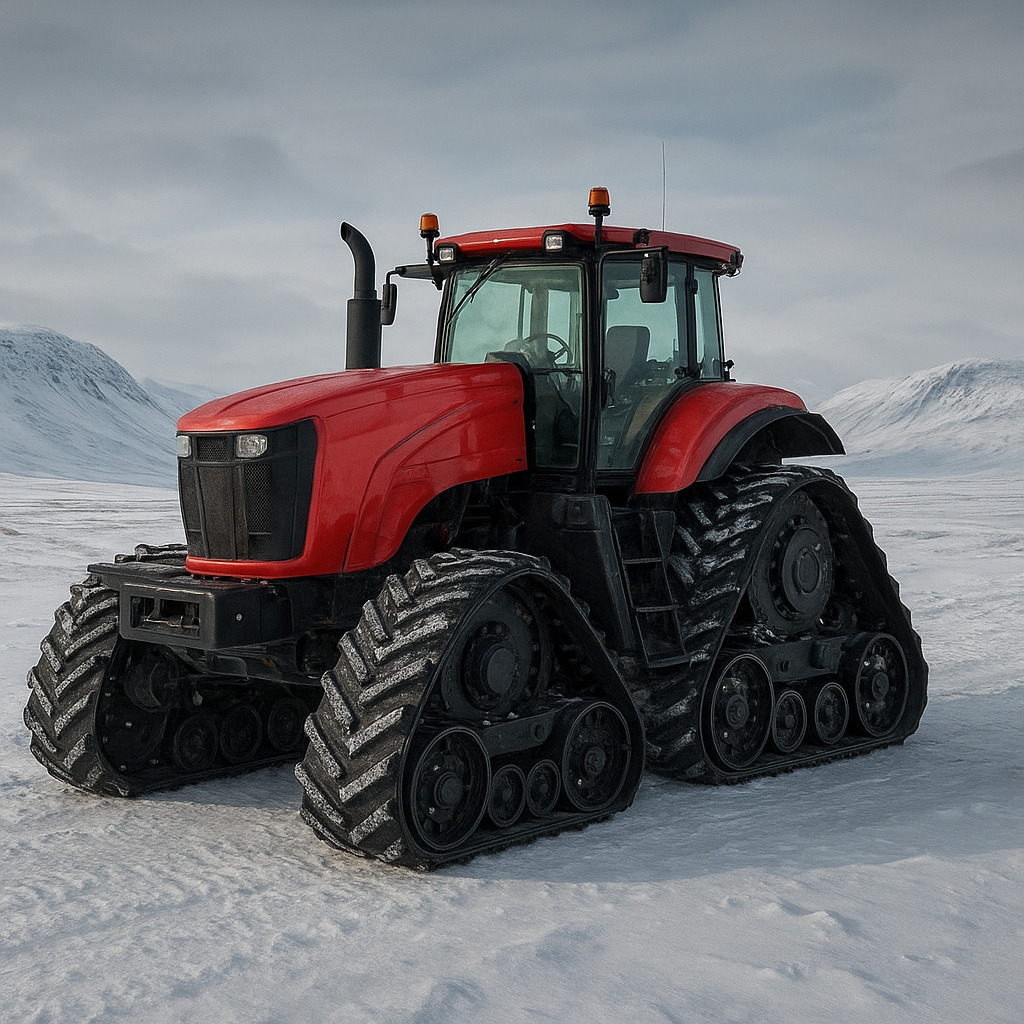
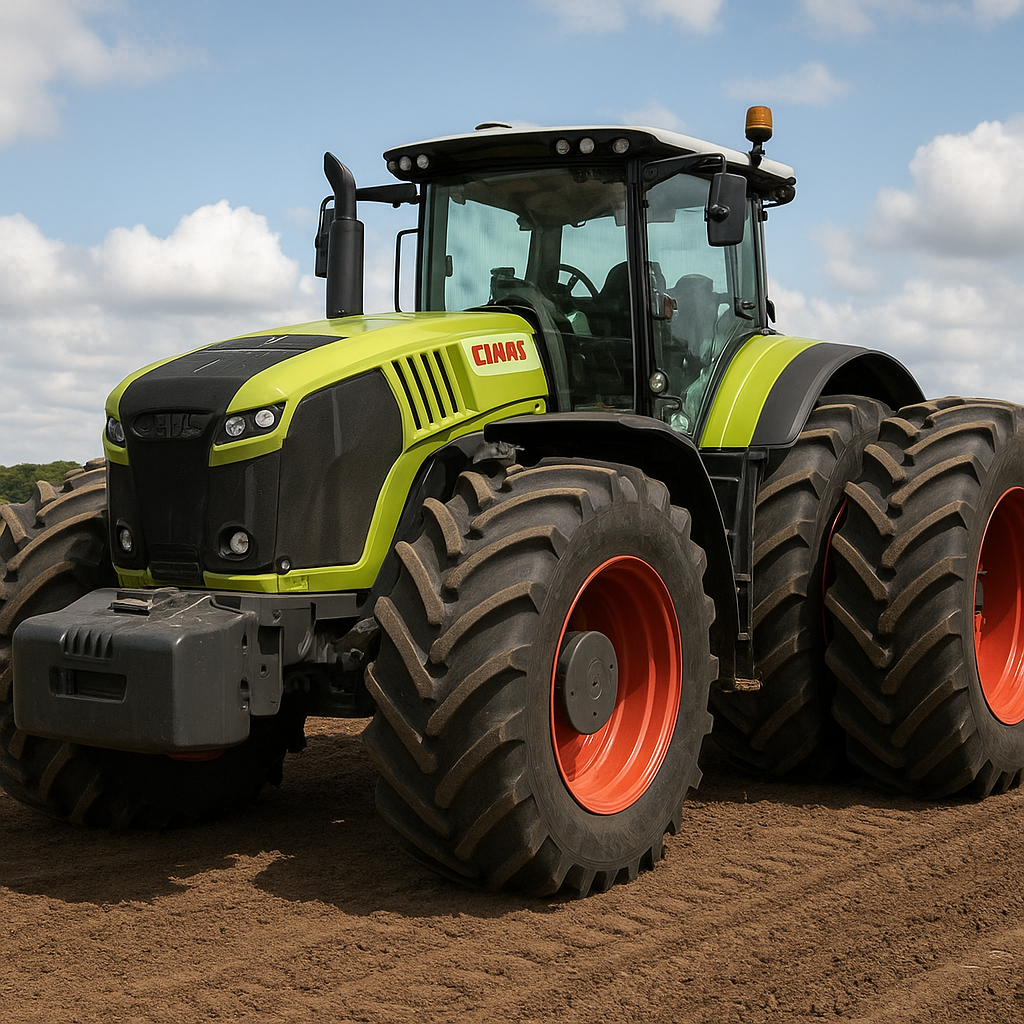
- Traction Systems: Tracks or dual-wheel setups reduce slippage and improve ground contact, essential for heavy loads.
- Advanced Hydraulics: High-flow pumps power multiple remote valves, enabling complex multi-function attachments.
- Cab Comfort and Ergonomics: Spacious interiors with climate control, adjustable air-ride seats, and noise reduction.
- Telematics and Connectivity: Real-time data transmission for remote monitoring, diagnostics, and fleet management.
- Precision Guidance: GPS auto-steer and variable-rate technology optimize input application and reduce overlap.
Engine and Transmission Innovations
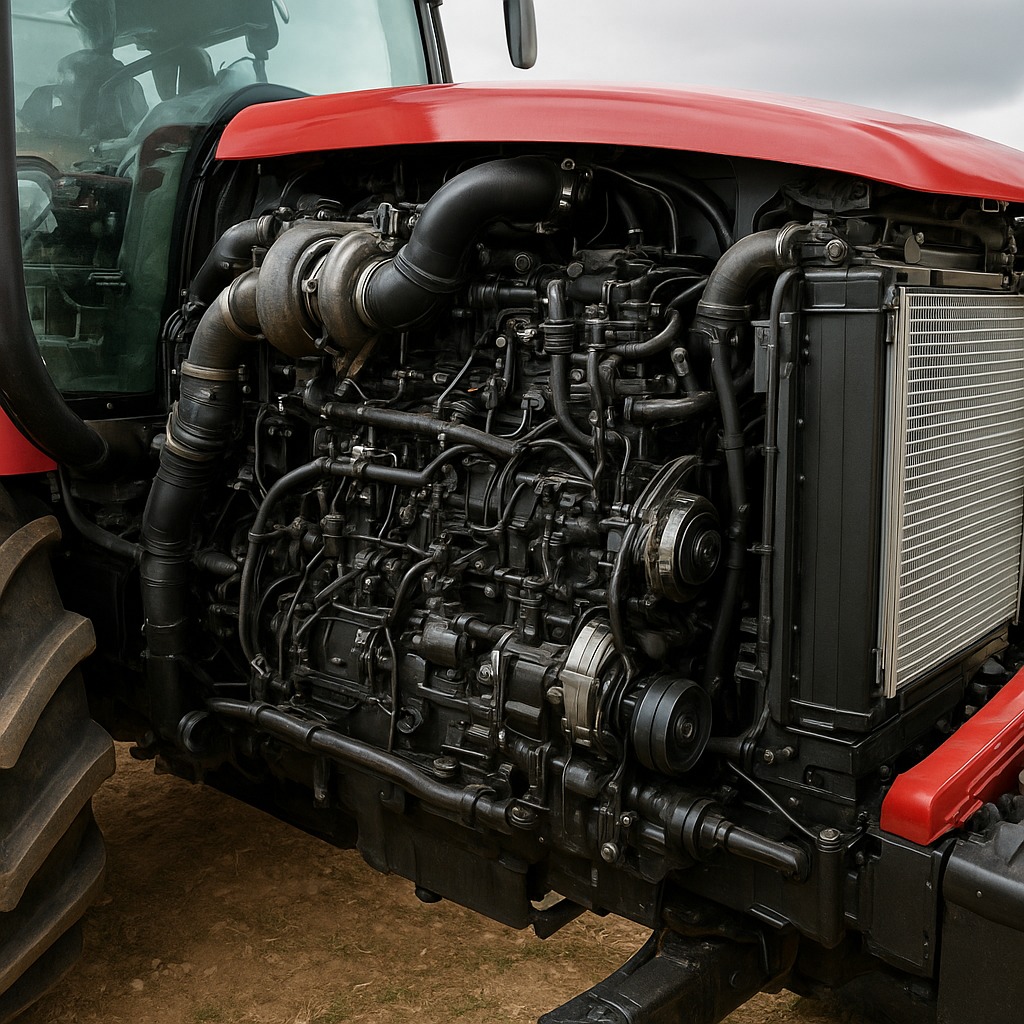
To sustain ever-increasing loads, manufacturers have pioneered high-pressure common-rail injection systems that raise fuel pressure for better atomization and combustion. Combined with continuously variable transmissions (CVTs) or advanced powershift designs, these engines deliver seamless power delivery and improved efficiency.
Chassis, Tracks, and Tires
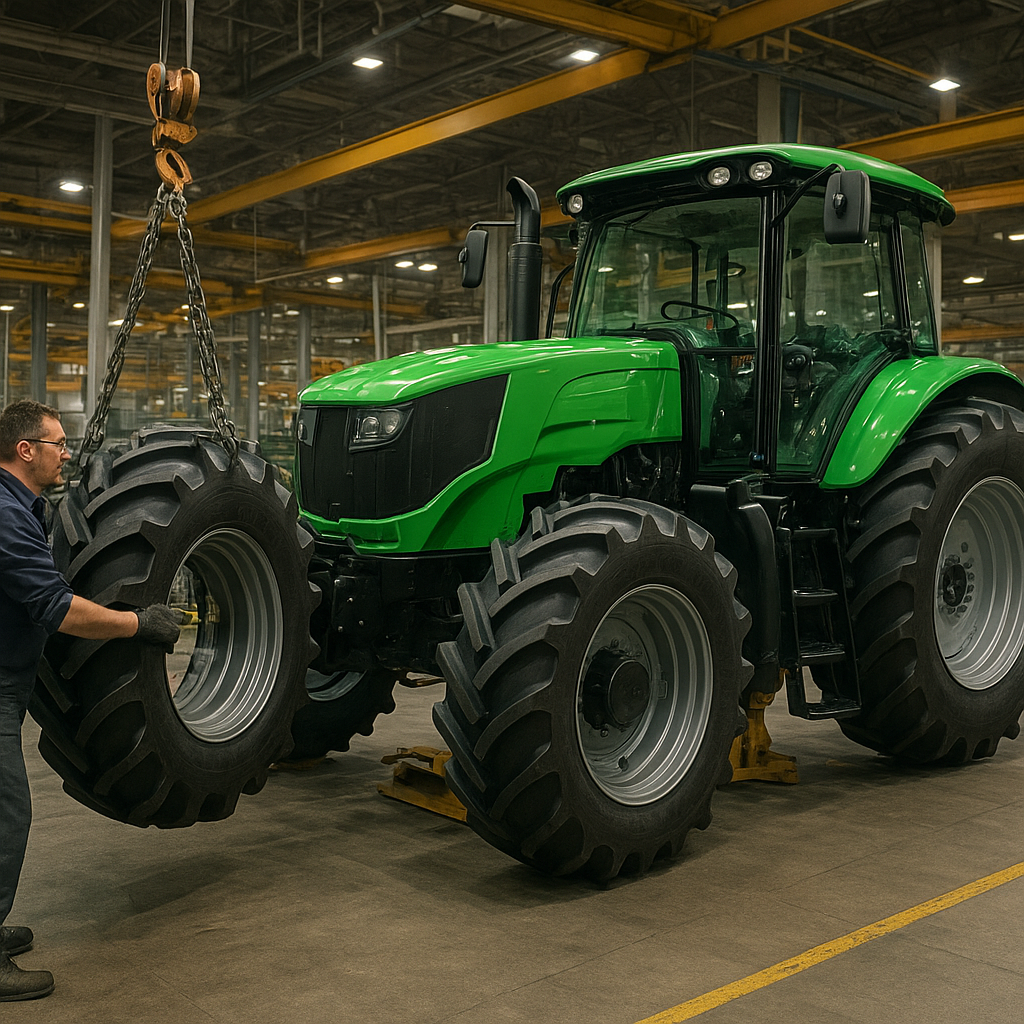
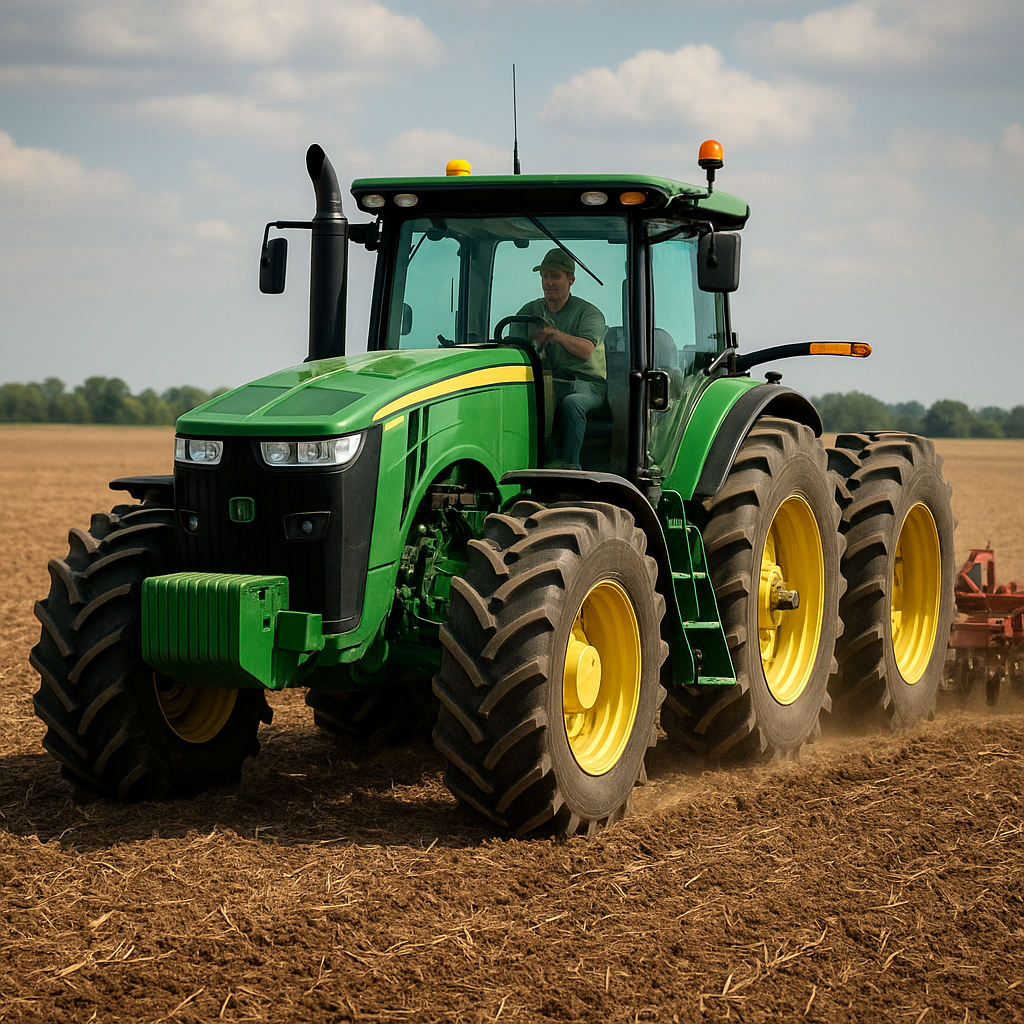
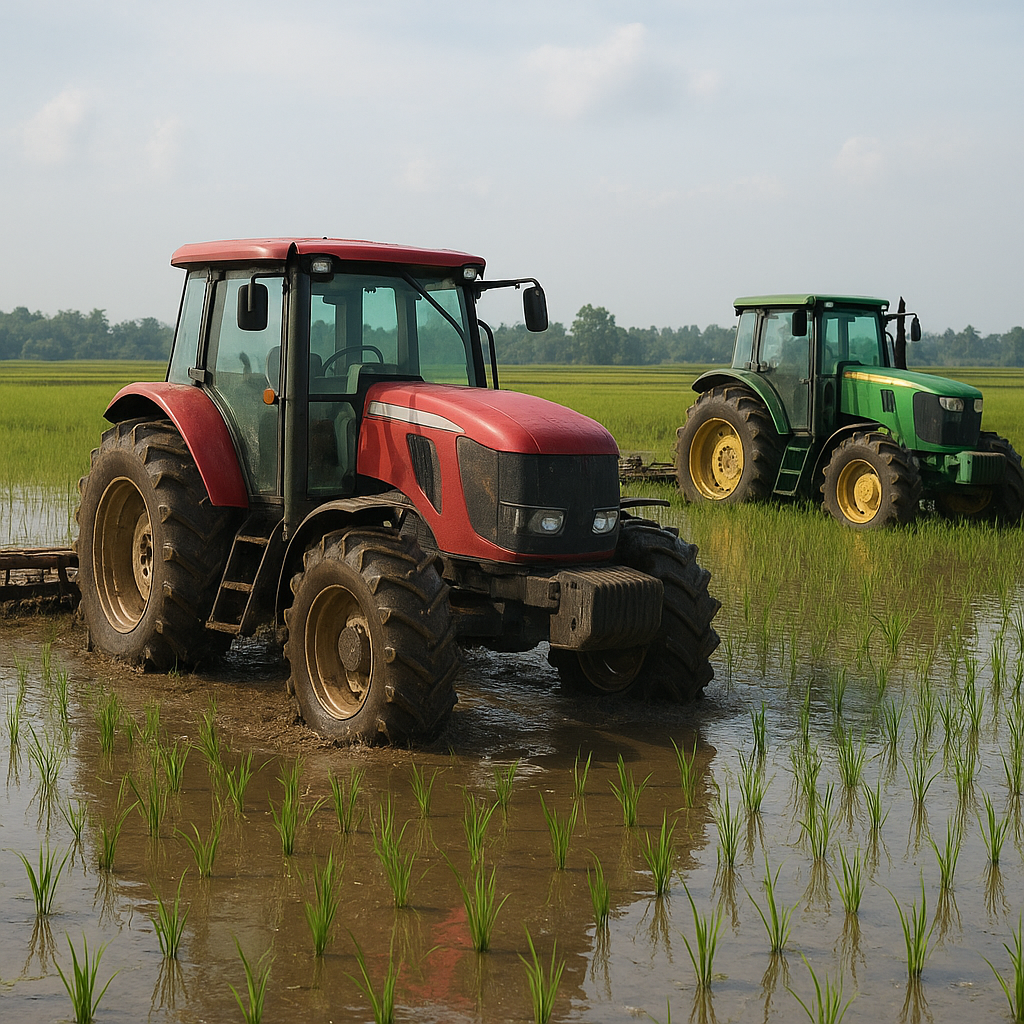
Wheel tractors featuring dual- or triple-wheel setups distribute weight more evenly, minimizing soil compaction. Alternatively, track systems provide a larger footprint, lower ground pressure, and superior flotation in wet conditions. This translates into reduced downtime and fewer passes over the field, directly boosting overall productivity.
How Biggest Tractors Enhance Farm Productivity
The deployment of high-capacity tractors brings multiple advantages to large-scale farms and cooperatives alike. By combining size, power, and durability, these machines handle wide implements and demanding tasks with ease:
Efficiency in Field Operations
- Wide Plows and Seeders: Single passes with 12–18 meter implements cut operation time by half compared to smaller rigs.
- Reduced Compaction: Lower ground pressure from tracks and wide tires preserves soil structure, fostering better root growth.
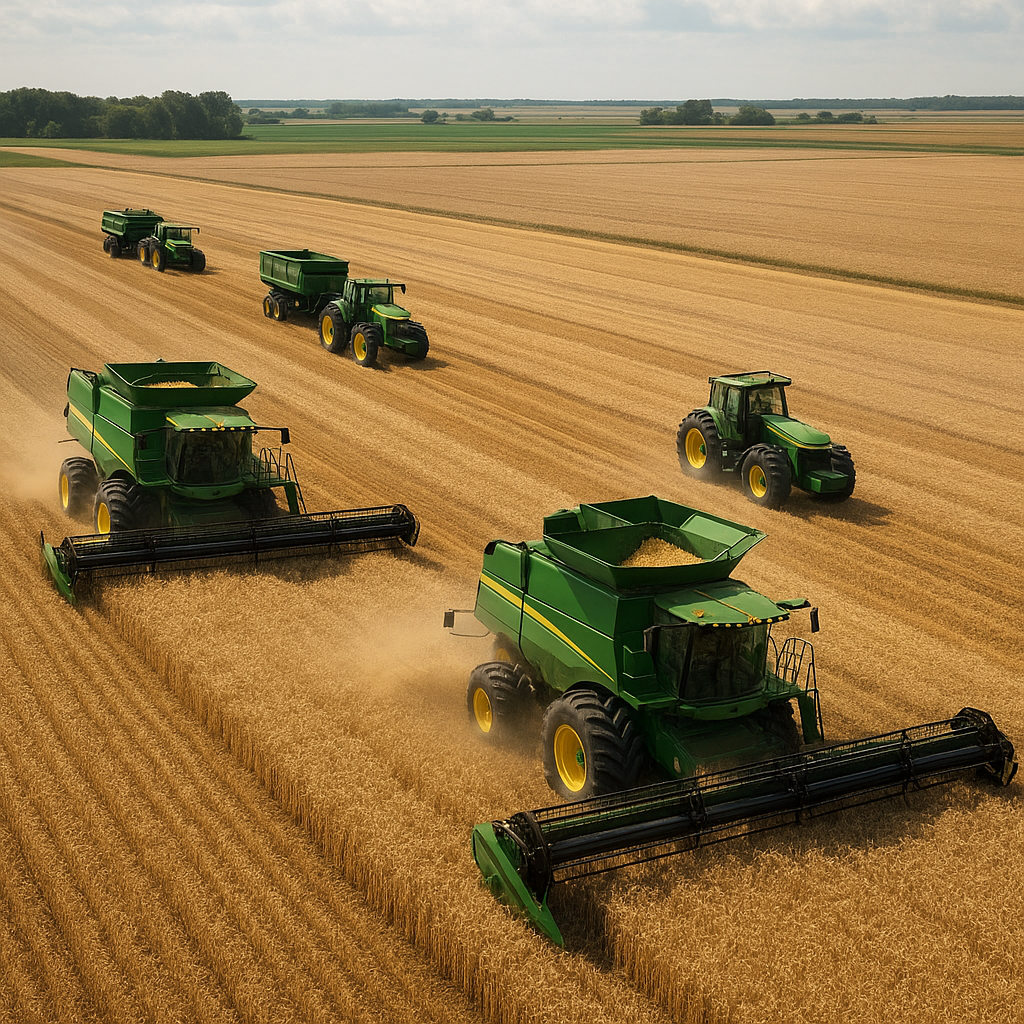
- Higher Daily Acreage: Operators can cover more hectares per day, especially valuable during narrow planting and harvesting windows.
Integration of Smart Technology
- Variable-Rate Application: On-the-go adjustments of seed, fertilizer, and pesticide rates based on soil maps.
- Auto-Steering Systems: Maintain straight, consistent passes even in low visibility, saving fuel and reducing operator fatigue.
- Fleet Management: Centralized dashboards monitor fuel consumption, maintenance schedules, and location tracking.
Labor and Cost Savings
- Fewer Machines Required: One high-capacity tractor can replace multiple smaller units, reducing capital and maintenance expenses.
- Longer Operating Hours: Robust cooling systems and cab comfort allow operators to work longer days with less strain.
- Data-Driven Decisions: Precise field intelligence optimizes input use, lowering operational costs and environmental impact.
Future Trends and Emerging Technologies
The trajectory of tractor development points toward even greater levels of automation and intelligent farm integration. Key areas of innovation include:
Autonomous and Remote Operation
Fully driverless tractors are entering commercial trials, guided by LiDAR, radar, and advanced AI. These units can operate around the clock, executing complex tasks without human intervention and further accelerating field throughput.
Electrification and Hybrid Power
To address emission regulations and fuel costs, some manufacturers are experimenting with hybrid diesel-electric drivetrains or fully electric prototypes. Energy recuperation during braking and implement operation can power auxiliary systems and reduce overall diesel consumption.
Enhanced Human–Machine Interfaces
Voice command, augmented reality displays, and intuitive touchscreen consoles are on the rise, simplifying operation and troubleshooting. Real-time diagnostics alert technicians to potential issues before they lead to downtime.
Modular and Multi-Purpose Platforms
Future designs may emphasize modular frames adaptable to various powertrains and attachments. This versatility allows farmers to reconfigure a base chassis for plowing, hauling, spraying, or baling, maximizing return on investment.
By harnessing unmatched power, intelligent controls, and state-of-the art engineering, the biggest tractors are redefining what is possible in modern agriculture. As these machines evolve further, they will continue to drive the next wave of efficiency and scale for farms worldwide.